Only a Mother Could Love…


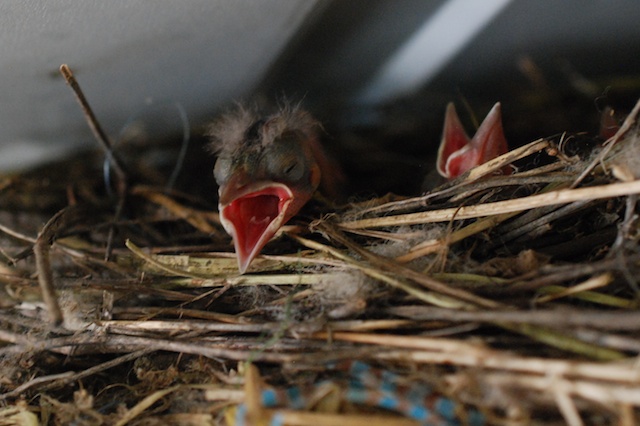
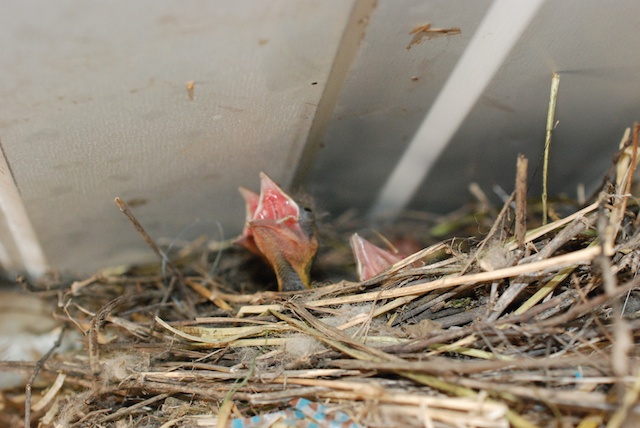
There are dozens of baby birds in the barn. DSC_3232 This nest is at the top of a bunch of rain gutters and downspouts that I (with great intentions during  a severe storm) bought a couple of years ago and are obviously not yet in their proper place. Note raw material easily found in around the barn.DSC_3243 They remind me of Dr. Seuss characters.DSC_3257DSC_3245 “MOM!”DSC_3254 DSC_3256 Or maybe more something from Jurassic Park. I think you have to be a mother bird to love this face.

Weaving More Blankets

This was the last order of blankets from BC (Before Christmas). Now there is only one more thing that I have committed to weave for someone else (that’s you, I.S.). Then I can focus on my LVIP (Looming Very Important Project)…pun there, but not intended.

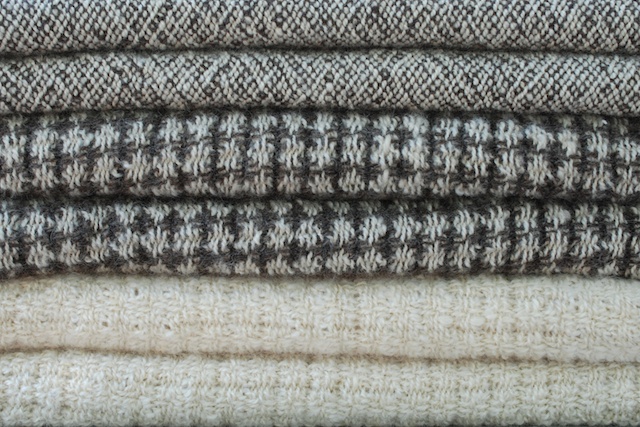
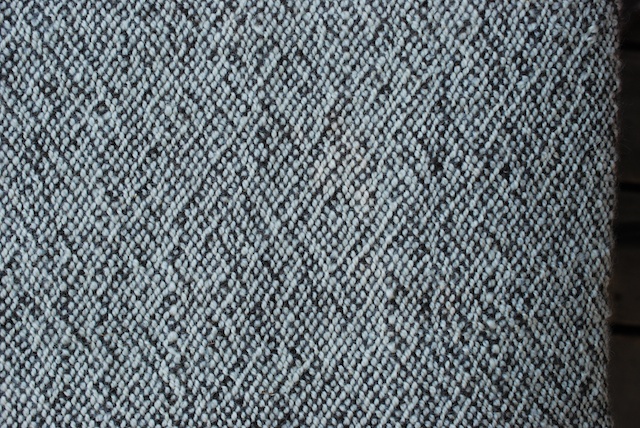
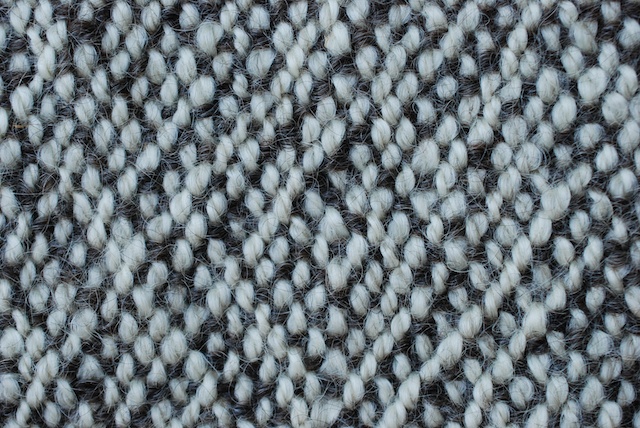
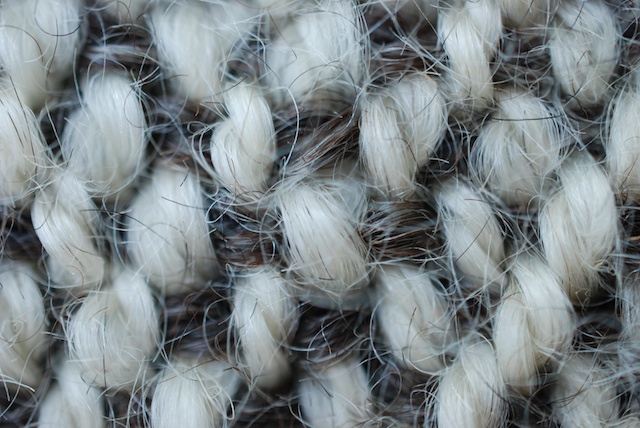
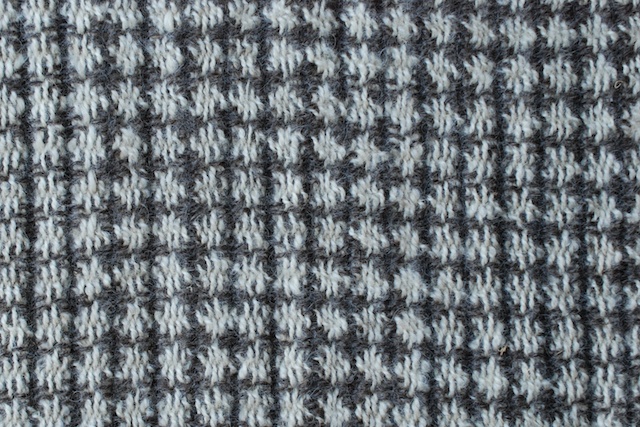
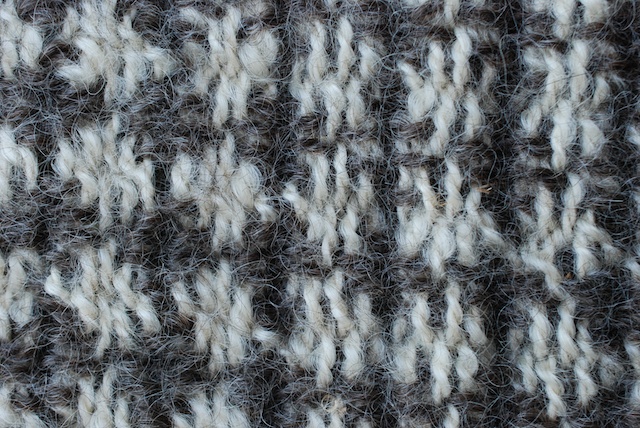
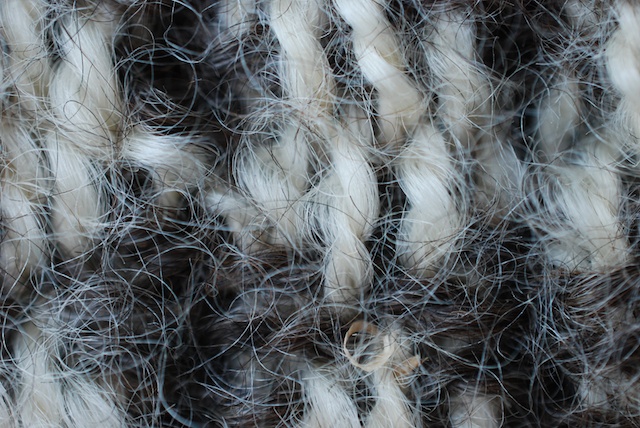
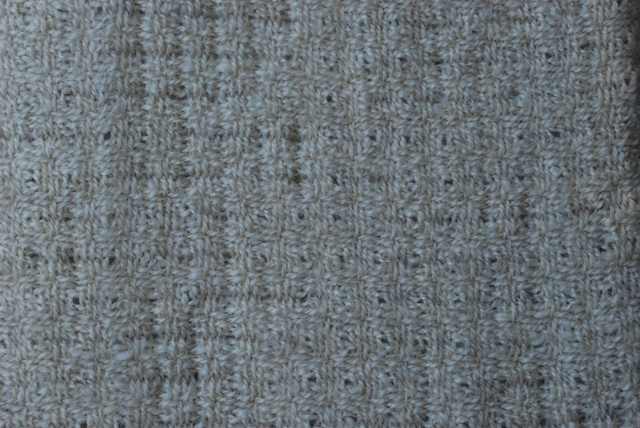
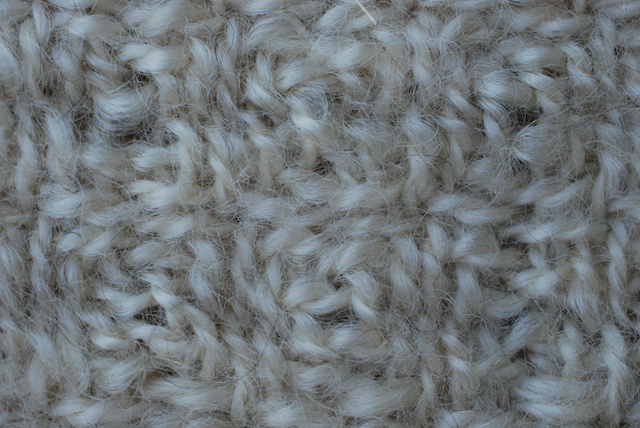
DSC_3466 This is six throws on the same warp. I don’t remember what the wool is, but there are some longwools (or maybe it’s mohair)  in here as you will see in the detail. They add luster as well as weight to the blankets. They also act very differently when fulled. Some of that has to do with the extra twist in the yarn.Tracking The top two blankets in the first photo are in plain weave, but at a glance they may not look like plain weave, in which every other thread is over and under. There are diagonals in here that are not characteristic of plain weave. This is called tracking and is not uncommon when weaving plain weave with yarns that are over-twisted and woven at a relatively loose sett.Tracking Detail of a plain weave blanket. You can see that the weave structure is plain weave, but the over-twist of the threads is causing them to migrate and twist after wet finishing.Close up of wool yarnMore detail because with this lens I can.Close up of wool yarn Do you see the “hairiness” of those fibers? That is more characteristic of a “long wool” breed.Blanket detail More blankets and details.Blanket detailClose up of wool yarnBlanket detailClose up of wool yarn