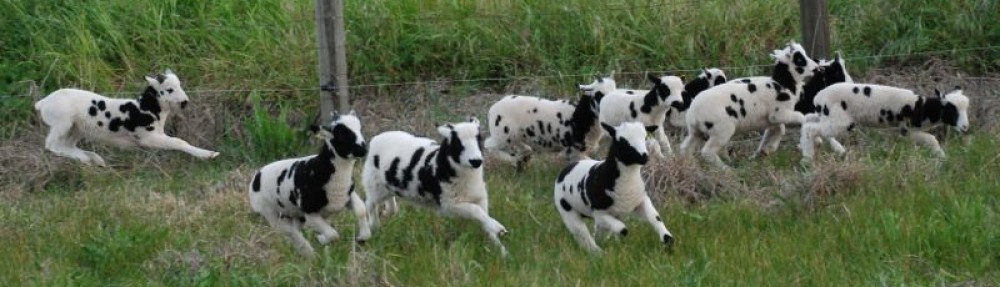
I switched lenses this morning to get a different view of What’s In The Pasture.
The sheep followed me to the horse pasture gate but I didn’t let them out there. 
Instead I climbed on the gate to get a photo of the neighbor’s alfalfa being cut.
This hawk was flying over the field hopeful that breakfast would be flushed out from the alfalfa harvest.

Western Kingbird on the powerline at the south end of the pasture.
Swainson’s hawk over our pasture.

Buckeye butterfly. I read that adults live for a little over a week and that plantain is one of the plants where they lay eggs. There is plenty of that in the pasture right now. I’ll have to go inspect those for eggs and caterpillars.

This might be a Forage Looper Moth–that is the closest ID I got from browsing the internet for look-alike moths and butterflies.

Johnson grass. This grass is taller than me and is growing at the south end of the pasture. We try to get rid of it when we find it because it is very competitive and the sheep won’t eat the coarse leaves and stems. From the internet: “Under certain conditions, the leaves of johnsongrass (and sorghum) can produce toxic amounts of hydrocyanic acid, which can poison livestock when ingested.” 
The medusahead is drying out. 
I moved the fence and the sheep were ready to go out for breakfast.
 Meridian Jacobs' Blog
LOVE your posts Robin, and of course I want to comment on the hawk pictures. That first hoovering hawkie with the rusty thighs, it looks like a Harris Hawk. They’re not a northern CA species, and if that was a Harris, it was probably an Austringer’s (Falconer’s) hawk. Too cool! If it happened to have found its way to Vacaville on its own, then it is a vagrant, and the sort of bird that would get local birders quite excited. Just sayin’…!
Oh, sorry, meant to say that Harris hawks are popular with Austringers because they are a southwestern desert hawk & they are quite gregarious. Hawks will raise their nestlings with the help (!) of their chicks from the previous year – quite a rare example of altruism in raptors. That gregariousness makes Harris Hawks fantastic as they easily bond with their human, in a puppy-like manner (I’ve been told that by hawkers).
Thanks for the comments, Claire. I always hope that my birder friends will correct my ID if I get it wrong. Notice on that one I didn’t even attempt an ID beyond “hawk”.
And all in all… probably a dark phase Swainsons, but why go for ‘horse’ when ‘zebra’ is available?