Unknown's avatar

About Robin

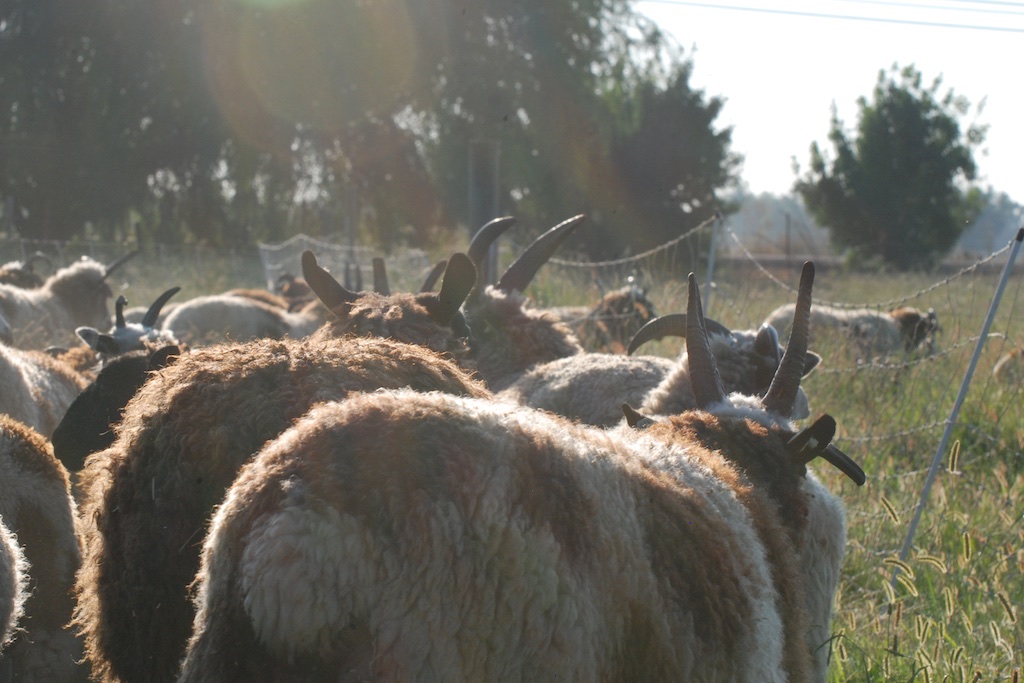
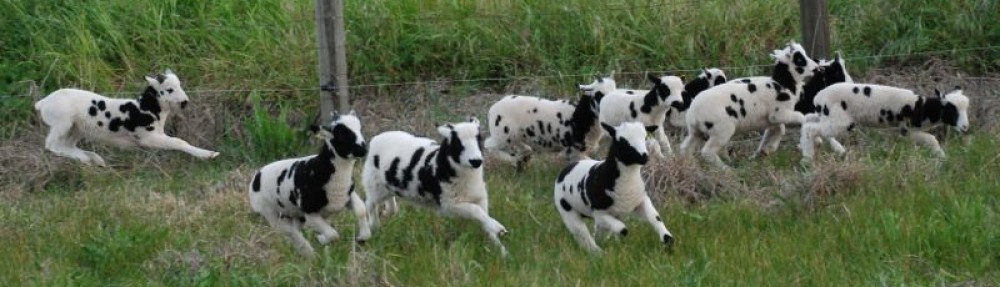
Owner of Meridian Jacobs, farm and fiber shop. I raise Jacob sheep, teach fiber arts classes, weave handwovens for sale, and manage the store.

Across the Road Again

No big story here. I’m just sharing photos from this evening’s walk with the dogs.

DSC_9959First Ginny had to find her toy. She knows which toy we take on walks (the one that floats). While I stayed near the gate she ran through the bushes, around the garage and found it at the barn.

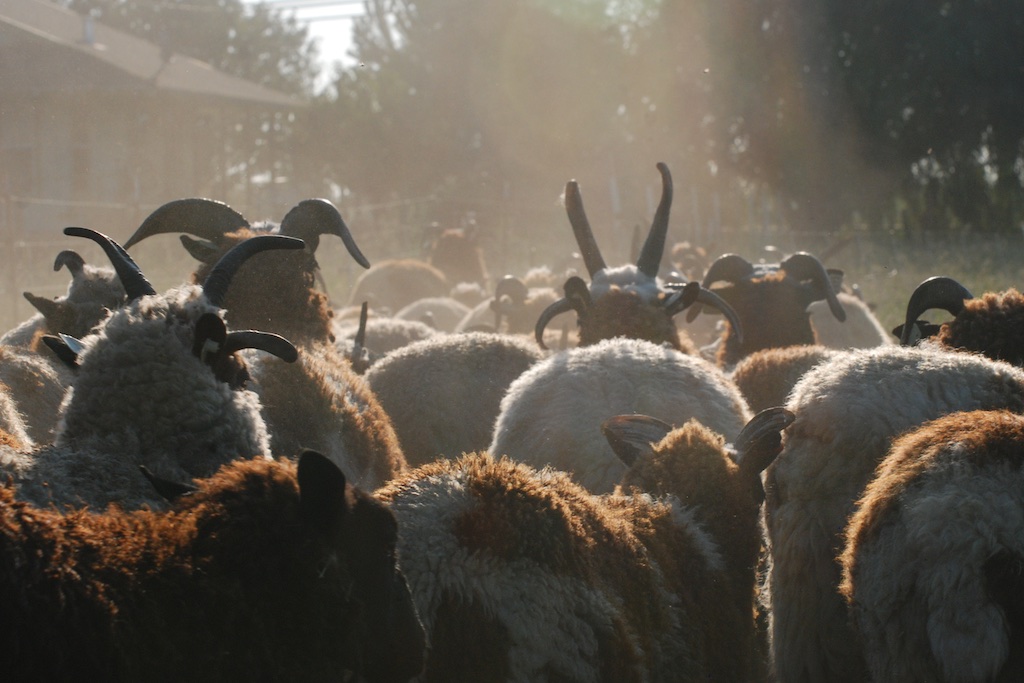
cattle egret The sheep are in the pasture closest to the road right now.

DSC_9981It’s dry and dusty now.DSC_0032

DSC_0020  

MaggieMaggie coming when I call.great egretEgrets in the alfalfa field.DSC_9999

DSC_0057 DSC_0066 Ginny now expects me to help her out of the canal at the steep areas.

DSC_0089 A field of green beans.

DSC_0096

Beating the Commute

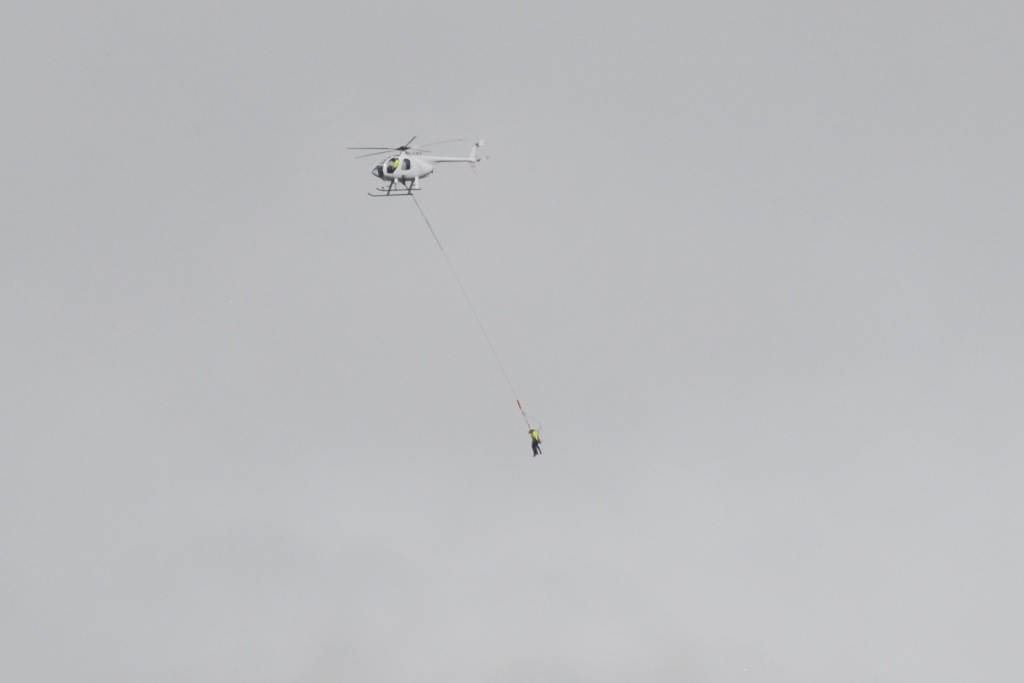
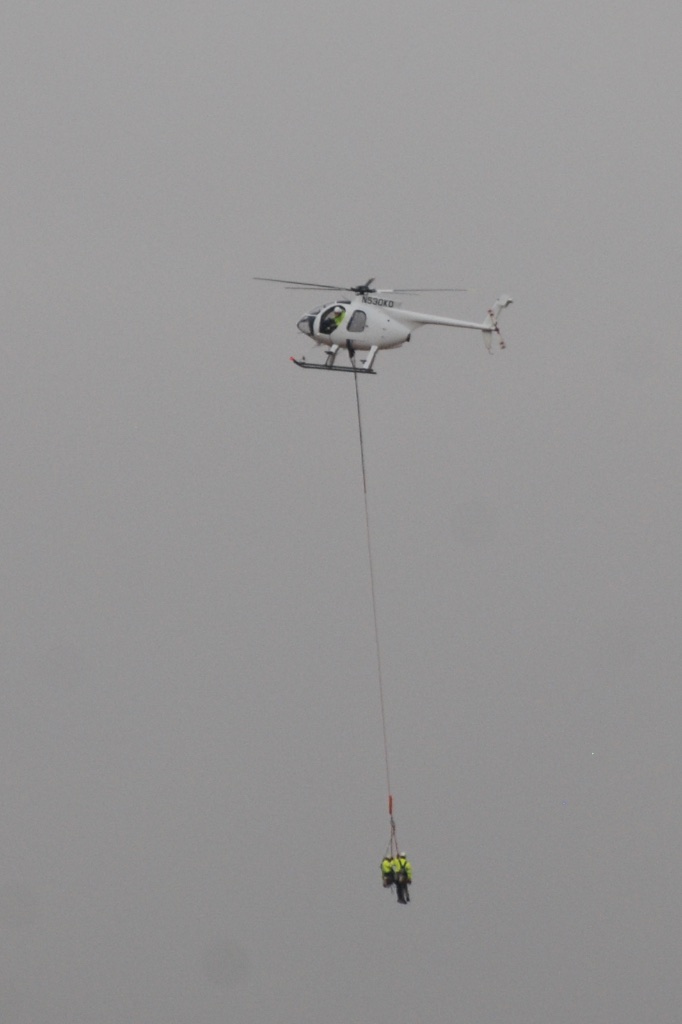
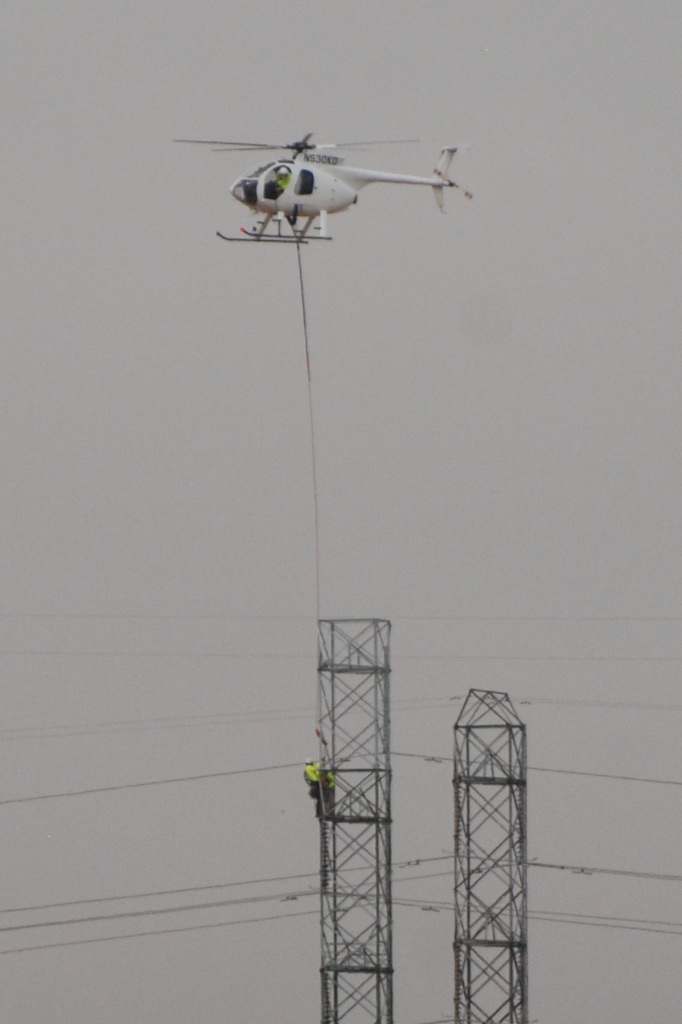
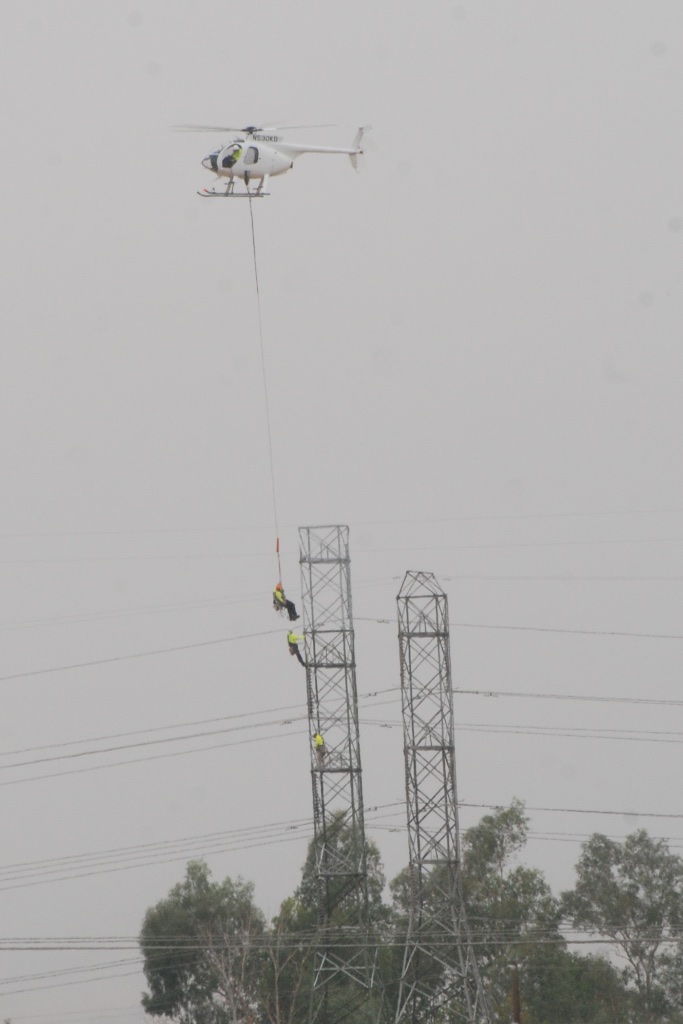
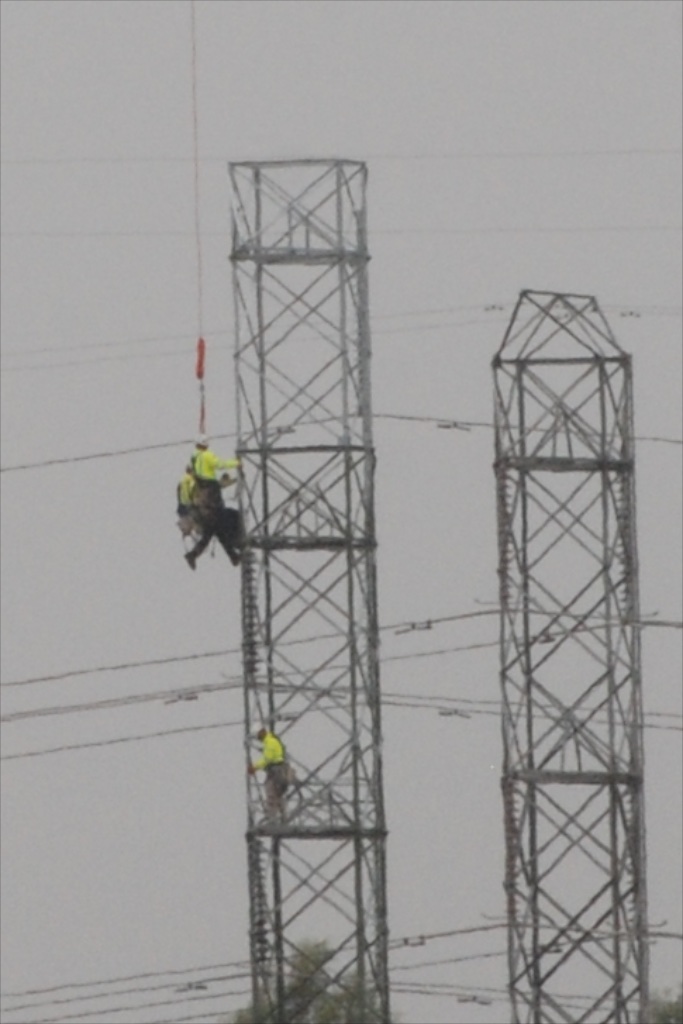
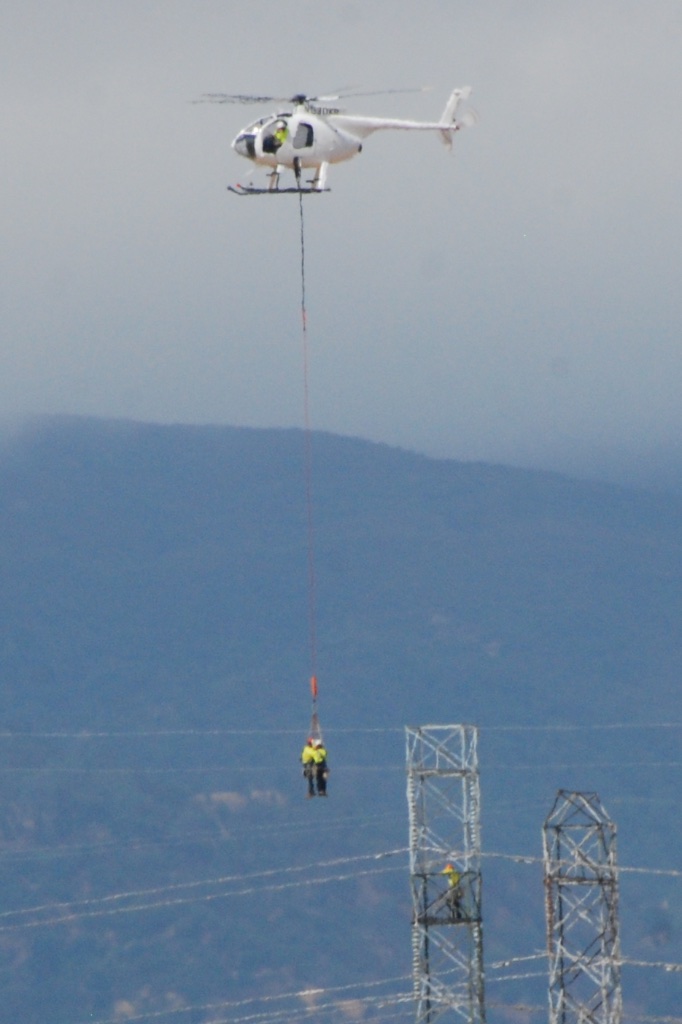
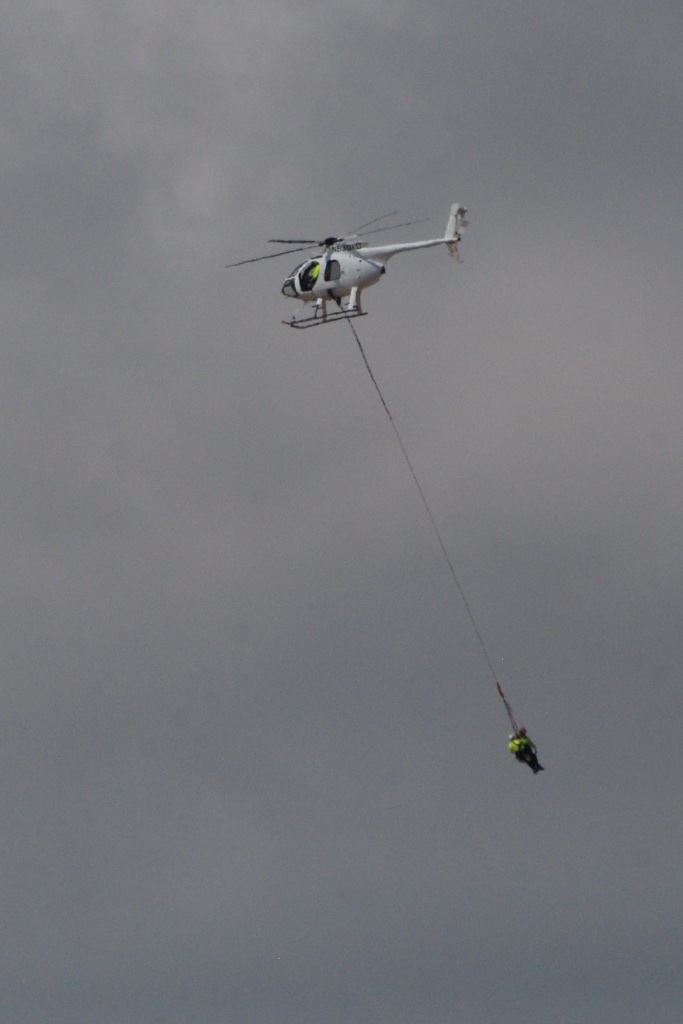
For the last couple of weeks I’ve seen helicopters transporting equipment and parts for work on the high voltage power lines that are about a mile from here. I get a good view from the haystack, but even with my 300 mm lens I have to do a lot of cropping to bring in the image and then it’s not sharp.DSC_9858 Today it wasn’t just equipment.DSC_9864 They were transporting people from one tower to the next.DSC_9866 DSC_9867 DSC_9870 DSC_9876 There were two helicopters going back and forth. The yellow one has equipment in this photo.DSC_9900 This was fascinating to watch.DSC_9903 Here is a very grainy close-up.DSC_9941 That looks like a giant picnic basket. Do you suppose it’s lunch time?DSC_9953 DSC_9957Off to the next job.

Back at the Loom

It’s been awhile since I talked about weaving. There was Texas and the fair and sheep and dogs. But I have been at work in the shop. After the fair and before the shooting of the video documentary I worked for a couple of days cleaning. This was the kind of cleaning where you Throw Things Away…or at least put them in a different building (in the room of a kid who no longer lives here) with the designation to go to the upcoming Estate Sale. After all I couldn’t have a videographer in that shop where I couldn’t even get to a loom without stepping over mountains of boxes and moving piles of Stuff off the bench. Now that the space is organized I feel like my brain is a little more organized too.

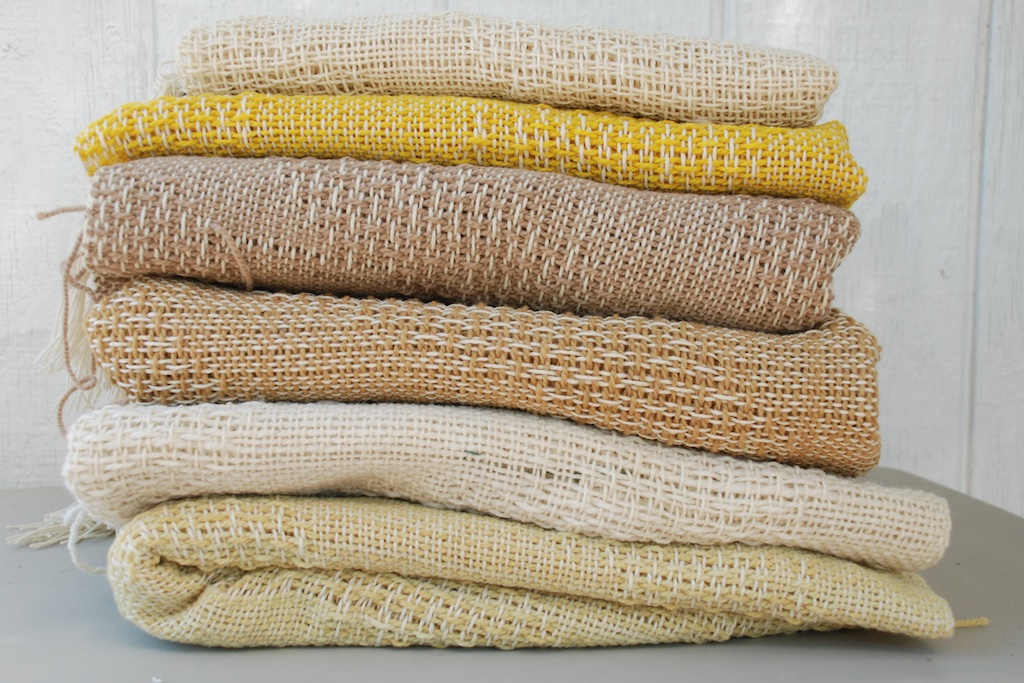
One of the major accomplishments was to finish an order that has been hanging over my head for a really long time.916 Thacher queen blankets These are one full size and three queen size blankets woven out of the customer’s wool. I am anxious to get them shipped off. (And there is still one more custom order–that person may have given up on me but I will contact her this week.)929 Timm Ranch huck shawls Looking ahead to Fibershed Grow Your Jeans Event in October (same weekend as Lambtown by the way), I wove 6 shawls using wool I had spun last year from the local Timm Ranch flock. One of these will be in the fashion show and all will be for sale. The colored shawls use weft yarn dyed with osage orange, black walnut, and pomegranates. This are how the shawls look just off the loom. I still need to fringe and full them. DSC_9169This is one of the shawls after fulling.

I am teaching a class this weekend called Color on the Loom. I haven’t taught this one before and I am still working on content. I wanted to weave another sample that also included combining weave structures. This is the kind of thing I rarely take time to do. Instead I have been working to meet deadlines. The creative part of weaving (as in everything else) takes time to think, absorb, mull over ideas. This week I took that time–I think it helped that the space was clean.

930 on loom This is a warp in which stripes of wool  alternates with stripes of cotton. My idea was to purposely create a seersucker like effect. The wool is stretchy and the cotton is not. In addition wool and cotton react differently to wet finishing. I wove several samples of all different combinations of weave structure (plain weave, twill, basket weave) and cotton or wool weft. These are before and after photos of just a couple of the samples:930-E & D before finishingEach of these samples are woven the same (plain weave cotton stripes alternating with basket weave wool stripes and vice versa and the same in squares–to the left of the samples). I wove one sample with wool weft and one with cotton weft. 930-D after finishingThis is how the wool one looks after wet finishing (five minutes in the washing machine). It definitely has a different feel but isn’t all that appealing to me. 930-B before finishingThe most dramatic change and the one that I think I’d most like to repeat in a larger project is this one, the simplest. The photo above is plain weave throughout. One end is woven in wool, the other in cotton, and it’s hard to see, but in the middle wool and cotton alternate in bands–like weaving a plaid but without changing color. Take a look at this one after finishing:

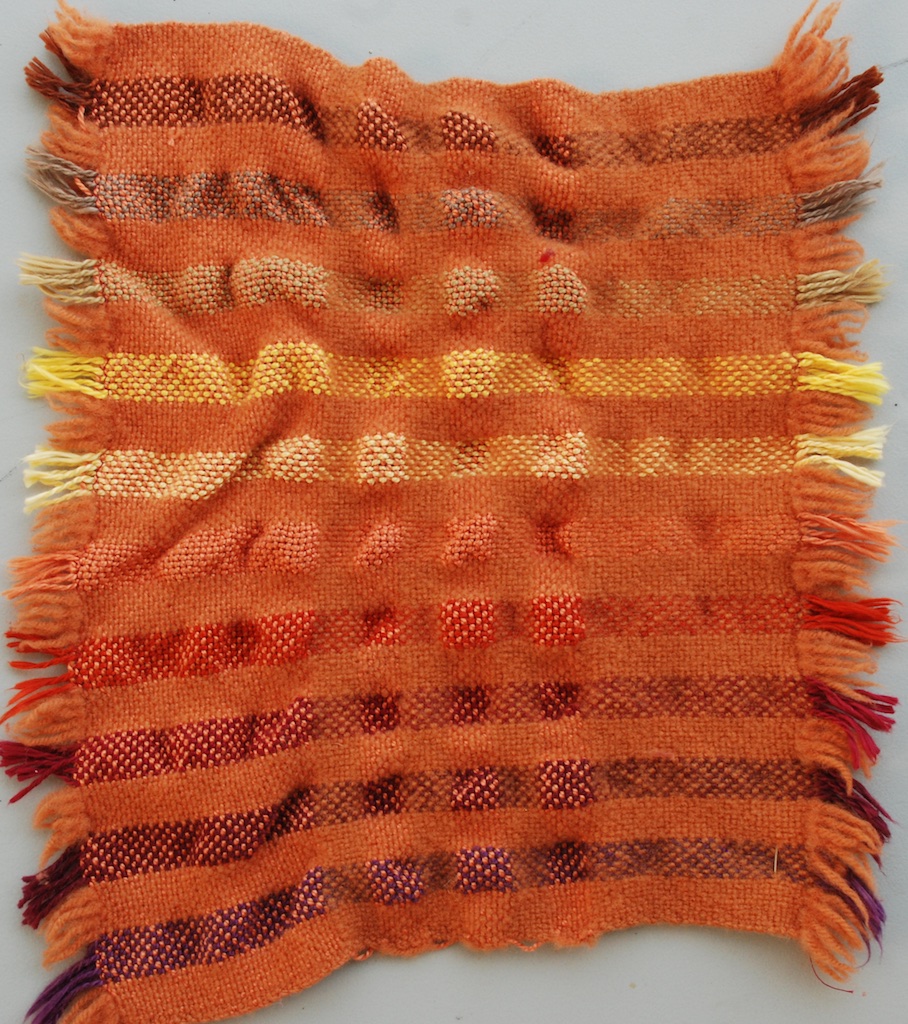
930-B after finishing  This is felted (the next step past fulling). This sample had a five minute wash and then went into the dryer. I love the puckery look of where the cotton and wool alternate in the middle in both warp and weft. I think I want to weave a blanket like that. So I wove these as a color idea but love the texture most.

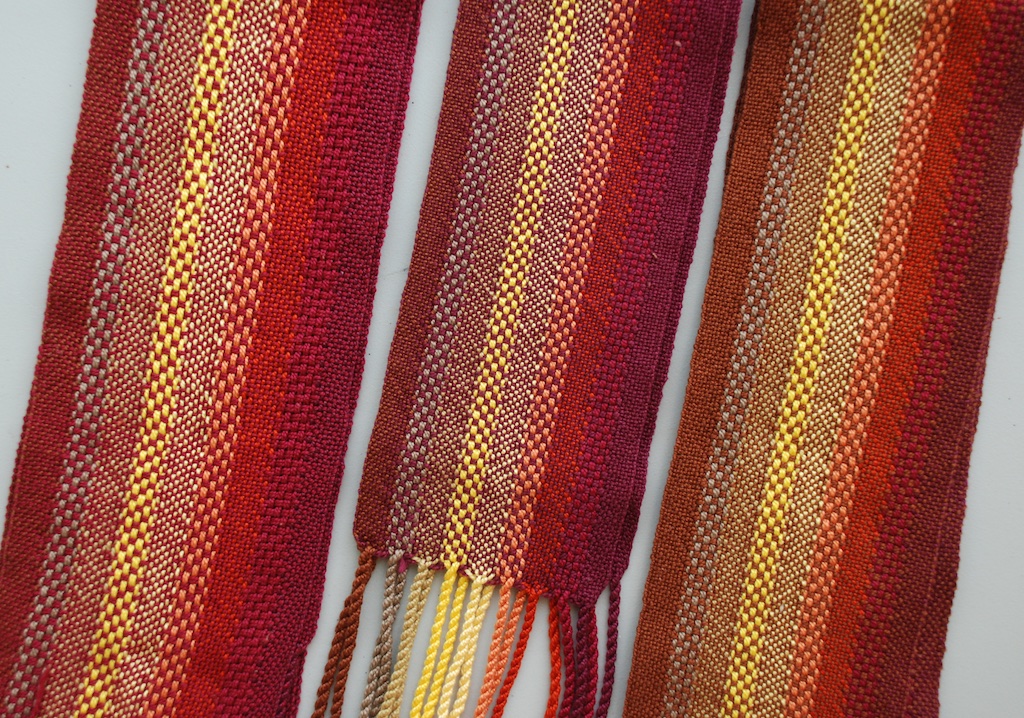
931 cotton scarves As an immediate follow-up to that experiment I used the same cotton yarns as in the samples and wove three scarves using the combination of plain weave and huck. I didn’t like that so much in the wool/cotton samples but I love the look in these scarves. These are also “samples” as they each use a different color weft (subtle difference) and are woven at two different setts (the number of warp threads in an inch). So I’ll use them as samples in the class and then they’ll be at the Artery for sale.

932 Huck scarf I  hosted a field trip of Japanese agriculture students on Monday. They have been in this country for several months staying on different farms but have now come together for some class time at UC Davis. We spent most of the time in the barn but I also wanted to show them how I combine my weaving business with farming. I quickly put a scarf warp on this loom and wove and finished a sample to show what the scarves would look like after fulling. Isn’t that difference amazing? I have now finished the scarves. Wait until you see them!loom with trapezeAlso this week I asked my husband to help me figure out a “warping trapeze”. No I won’t be swinging from the ceiling but my yarn will. I have been wanting to do this for a long time.  The idea is that you hang weights off the warp and wind it on smoothly under even tension.loom with trapeze (1) The tricky thing is that I need to get the warp yarns to go through a raddle to help keep them spaced properly. In most of the warping trapeze photos I see on-line the warp goes through the loom from the front. That won’t work here so I’m working on other configurations. I think this will work out OK. This warp is for more shawls using more local wool yarn (Anderson Ranch). I may use the same pattern as those scarves I just wove. wolf lichen dye potWell, this post just keeps going on and on. I also uploaded this photo. Thinking of what weft I’ll use for the shawl warp in the photo above I got out the dye pot and the wolf lichen that I collected while at Lake Tahoe a couple of months ago. I kept thinking that something smelled funny but I was at the computer and forgot that I had something on the stove. Oops. Fortunately the yarn wasn’t in the pot yet.

One last thing. This magazine came a couple of weeks ago.IMG_5721 I knew that my contest entry was in the magazine but I didn’t know that I had made the cover!

Road Trip to Texas – The End

In the last post we had come home to California about sunset, but we were still a long way from home.

We had decided to camp at Joshua Tree National Park, but arrived there after dark. Mid-week, mid-July. No problem finding a camping site. I woke up before sunrise and walked in the desert to get some photos.DSC_7735I didn’t have much luck with great sunrise photos but the good thing about sunrise (besides that another great day is starting) is that the light is great for other photos.DSC_7743

DSC_7753

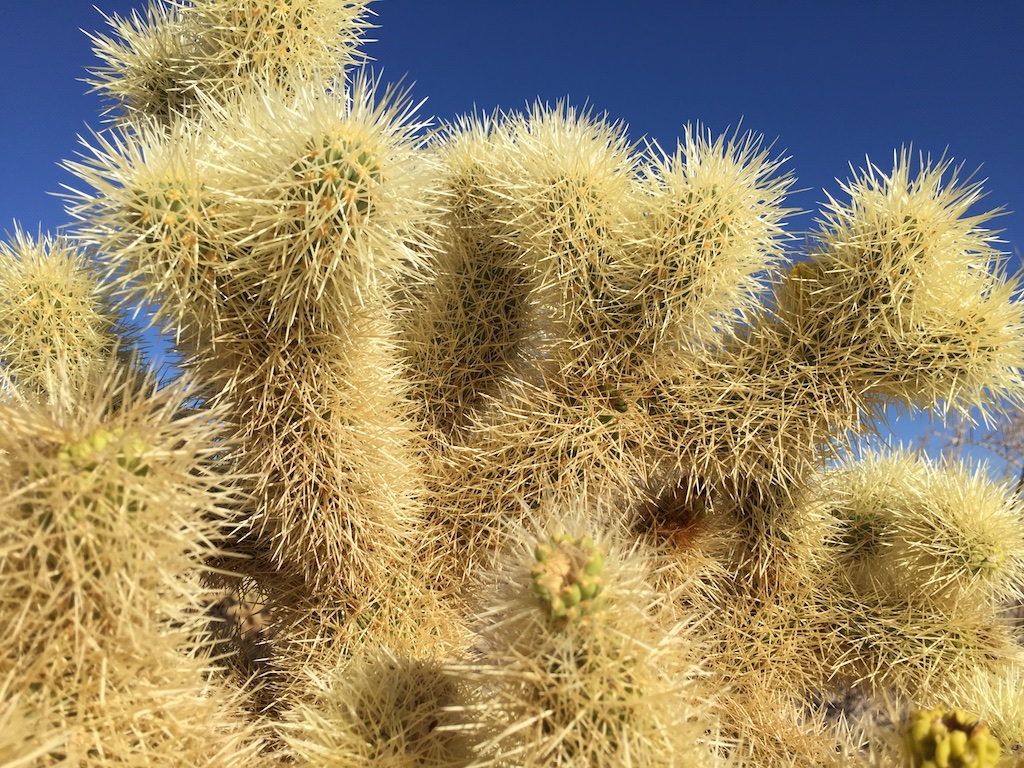
DSC_7758Have you ever seen so many spines?

Joshua Tree NPWe had slept in the truck so it didn’t take long to break camp. We had entered the park from the south and planned to drive through to the northern exit.Cholla cactus garden, Joshua Tree NPWe stopped at the Cholla Cactus Garden, a nature trail constructed through the cholla with warnings to not touch…for your own safety!

Cholla cactus garden, Joshua Tree NP (1) I was not tempted to touch. This “jumping cholla” is known for it’s tendency to attach to a passerby without much provocation.IMG_5402

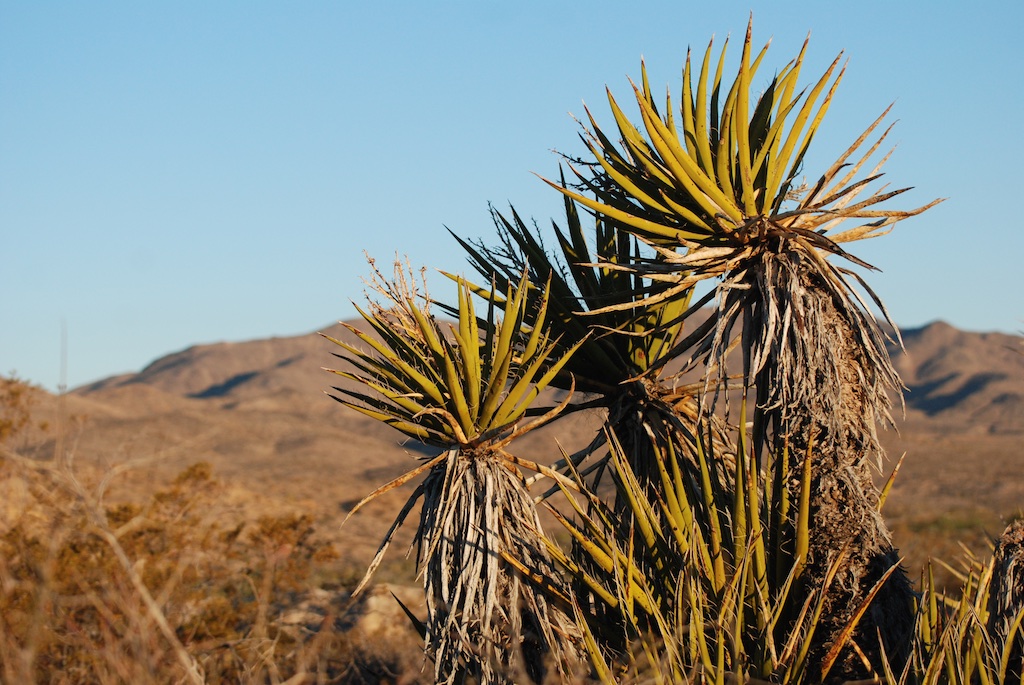
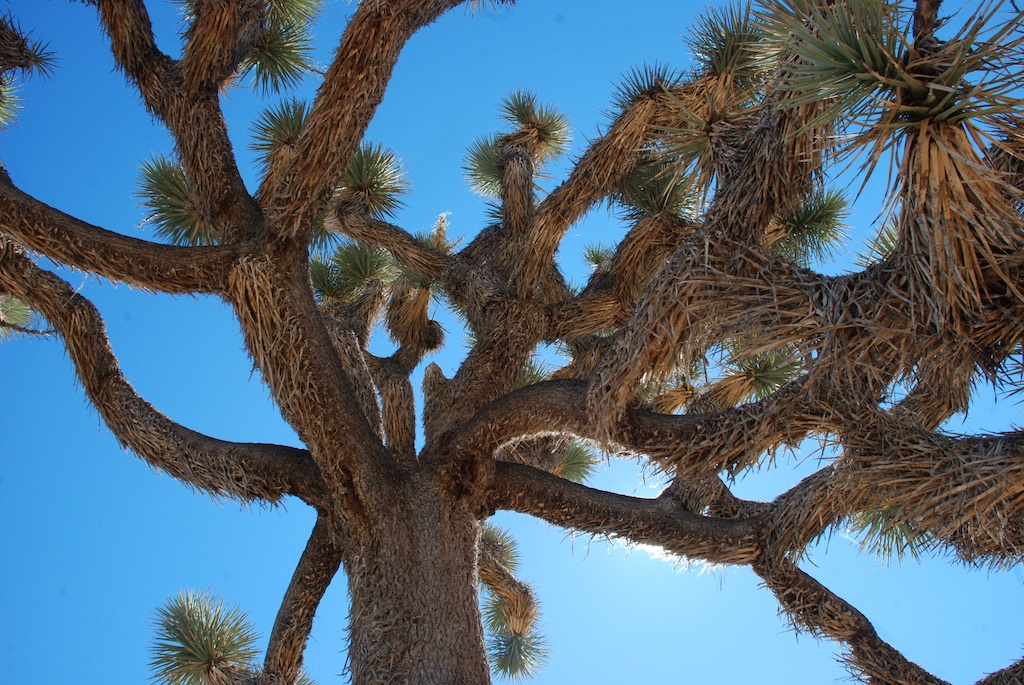
Joshua Tree NP (1)This is what the park is known for–the Joshua tree which is not really a tree, but a species of yucca that can grow to 40 feet tall. The park protects 794,000 acres of Mojave and Colorado Desert.

DSC_7821

Joshua Tree NP (3)

Joshua Tree NP (2)

Joshua Tree NP, from Keys ViewWe drove to Keys View. At 5185 feet, its not the highest place in the park but I think it’s the highest spot you can drive too. You can see the Coachella Valley to the southwest and Mount San Jacinto and Palm Springs to the north (just out of this photo)Joshua Tree NP, from Keys View (1)

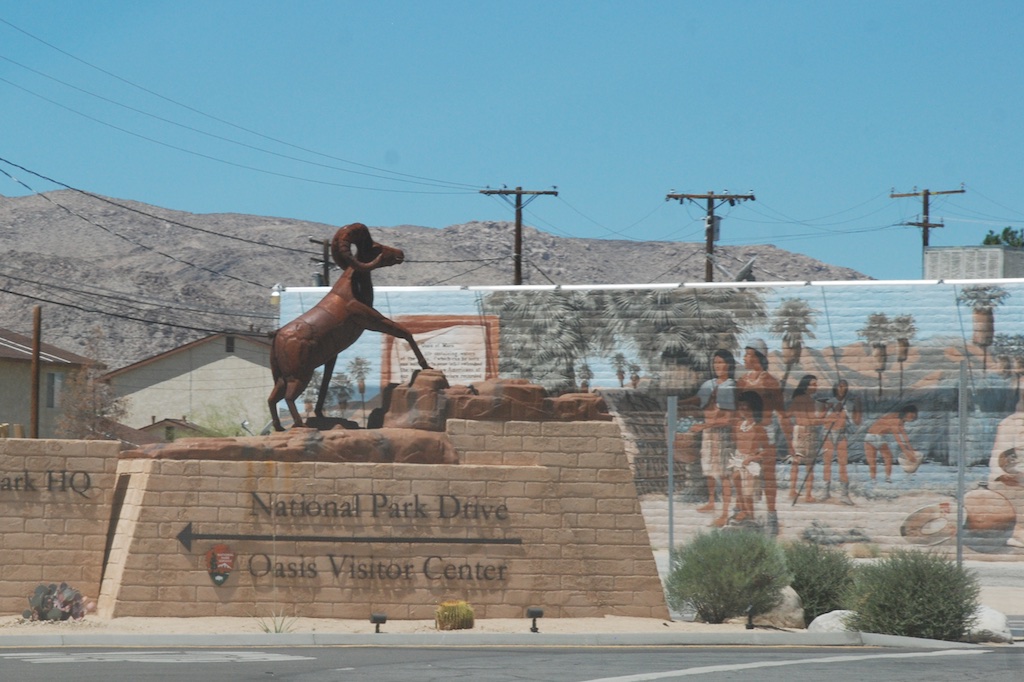
Joshua Tree Park has plenty more to come back to, especially if we could take a vacation in the spring. Can you imagine what it would be like for early settlers? There were miners, homesteaders, and ranchers who tried to make a go of it here and there are remnants of those homesteads and mines. DSC_7838 We stopped at the visitor center on the way out and saw this statue and mural when driving away. After seeing the interesting public art in southern New Mexico and Arizona I wish that I had been on the lookout for it in the earlier part of our trip.Twentynine PalmsLeaving Joshua Tree NP and driving through the town of Twentynine Palms, now the plan was to just head home. California is a big place. The iPhone map showed almost 8 1/2 hours to go.

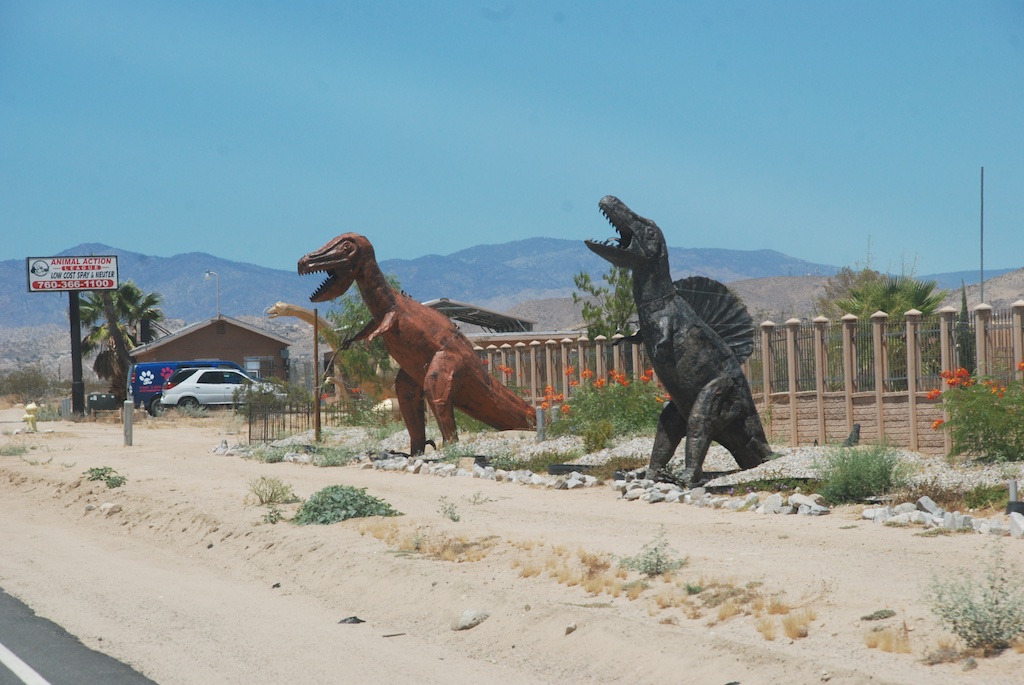
DSC_7843 More public art…or is this private art…or art at all? Amusement.

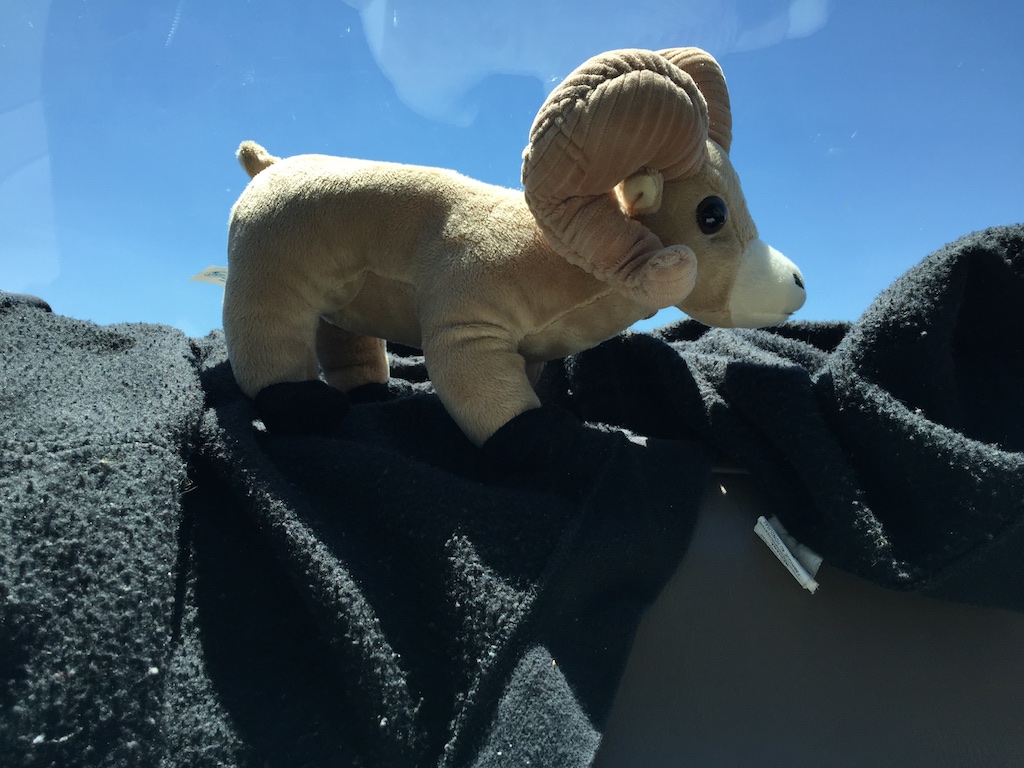
IMG_5426 More amusement. This is the only souvenir I bought for myself (other than the National Park patches, which someday may be sewn to something but for now are on my bulletin board with others). This bighorn sheep now is on my big loom with a collection of other sheep.Oak woodland of CACalifornia oak woodland. Many hours still to go.

looking west from rio vista  Looking west from near Rio Vista. We live on the western side of the Central Valley and those are “our” mountains in the distance.

Road Trip to TX – Day 11

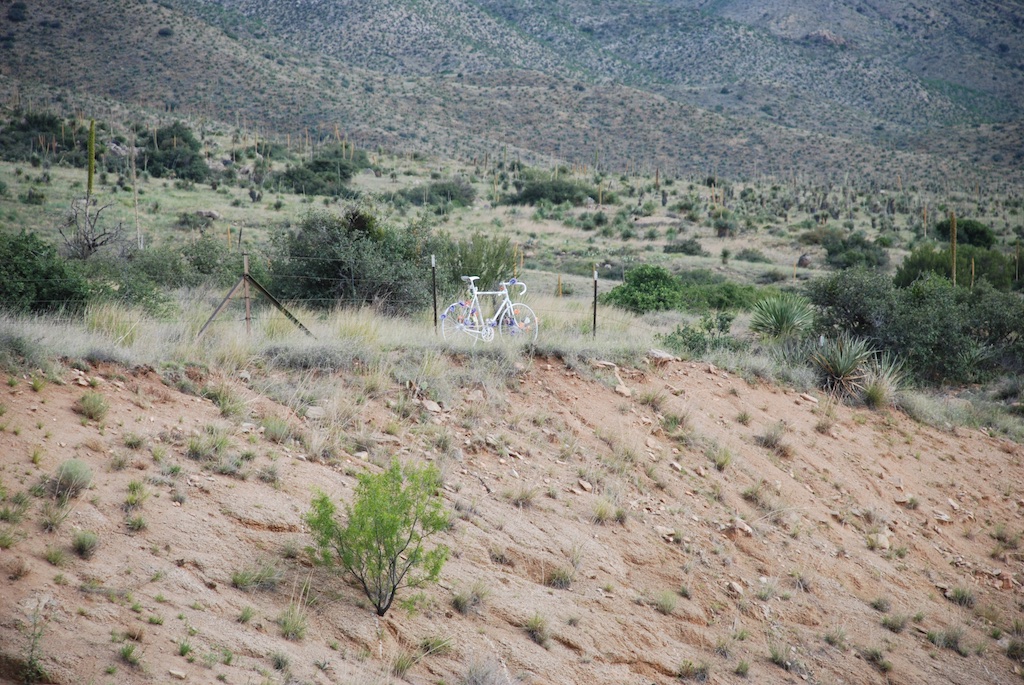
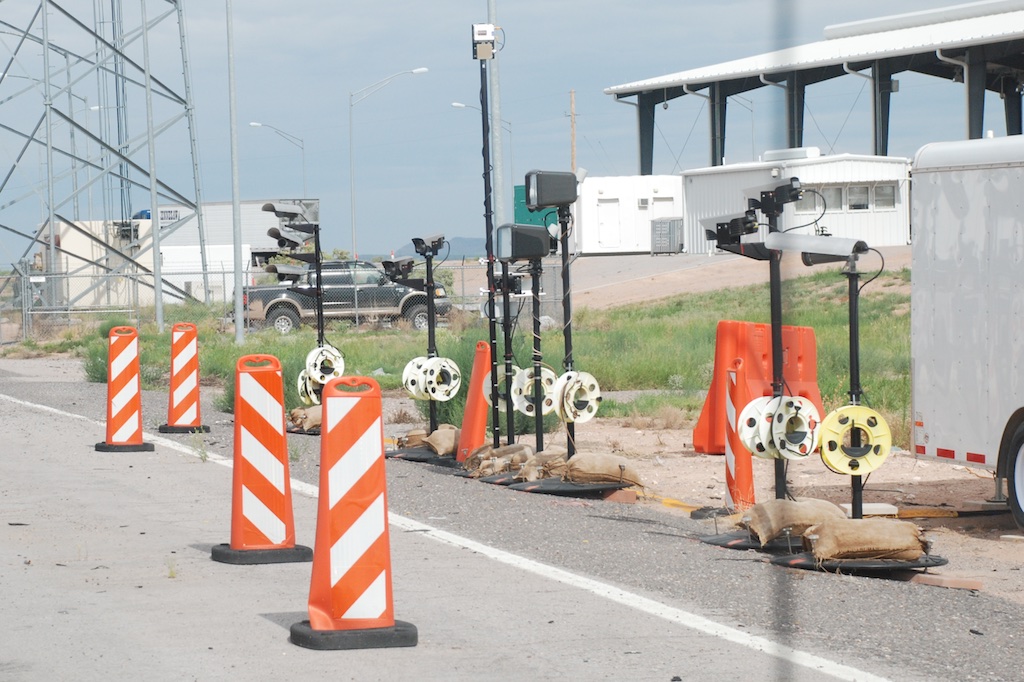
This was a long day of driving. We woke up in a campground in New Mexico and ended up…well, you’ll have to get through this post to find out. There are lots of photos.Organ Mountains, NMWe camped at Organ Mountains National Recreation Area in New Mexico. Prickly poppy, Aregmone spLeaving the campground we stopped for a couple of photos. This is prickly poppy…tarantula in Organ Mtns…and here is my first tarantula seen “in the wild”. It was actually on the road and Dan pulled over to point it out.bicycle memorial, NM Turning back onto the main road from White Sands to Las Cruces we spotted this flower-festooned, white bike above the road. I will admit that I am annoyed by the preponderance of “memorials” along our California roads but this seemed a poignant statement.Water tank near Las Cruces (1)There was the water tank with a mural commemorating the space industry the previous day. We saw more driving back through Las Cruces.Water tank near Las Cruces (2)I googled and found that there is a website describing these murals that depict historical events in New Mexico.Water tank near Las CrucesBack on Interstate 10 heading to Arizona.road runner sculpture, las crucesI love this giant roadrunner. I looked this up also. It’s 20 feet tall and 40 feet long and after it was constructed in 1993 “it was stationed at what was then the Las Cruces Foothills Landfill, as a kind of encouragement to creative recycling projects”. Now it is along the freeway for travelers to see.border inspection, NMThis is the Border Patrol Inspection Station west of Las Cruces. Can you tell what is behind those orange cones?

.border inspection, NM (1)I guess the weren’t going to ask about the two Texas peaches that were still in our truck.west of Las CrucesYou never know what you’ll see on the interstate. This truck was carrying a dismantled airplane.Lordsburg Playas, NM  Entering the Lordsburg Playa. A playa is a “desert basin with no outlet which periodically fills with water to form a temporary lake”. Lordsburg Playas, NM (1)No danger of dust storms today.DSC_7615

east of Tucsoneast of Tucson (1)

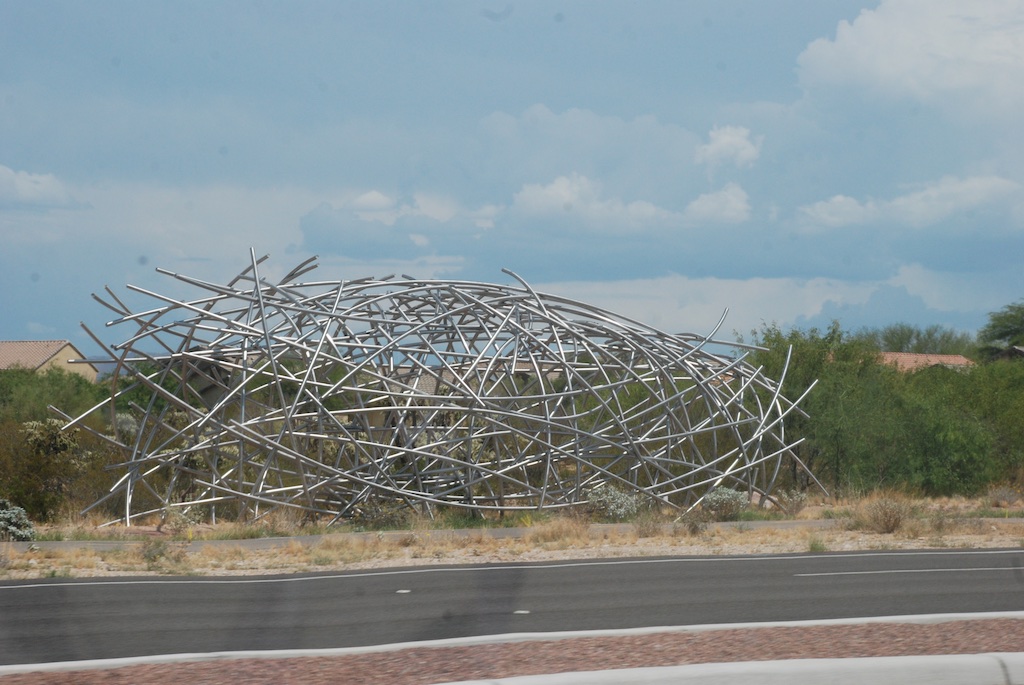
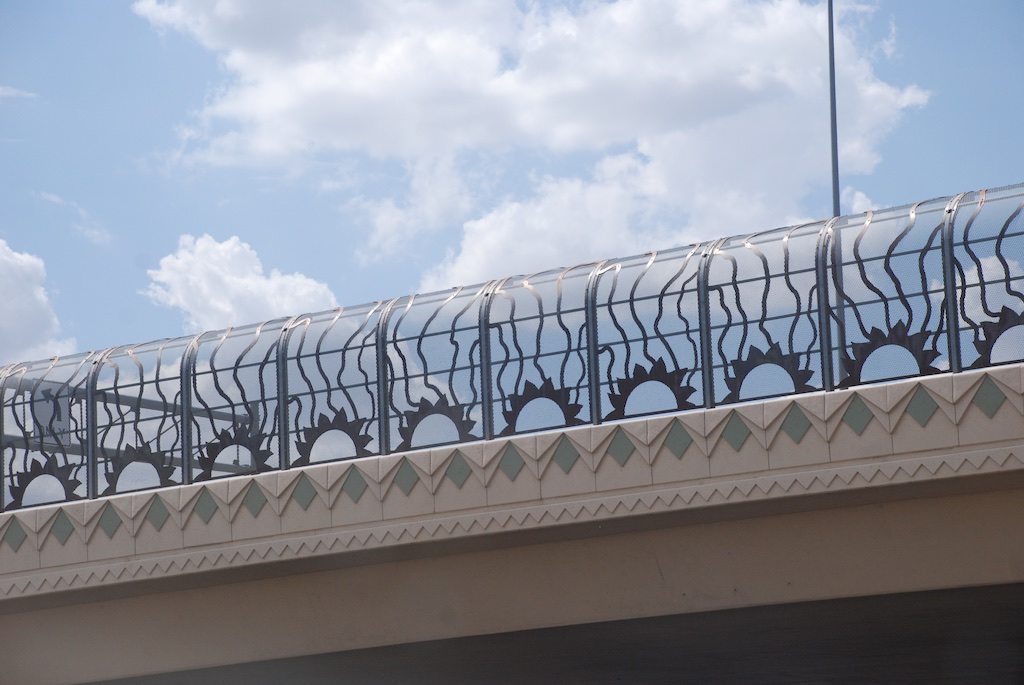
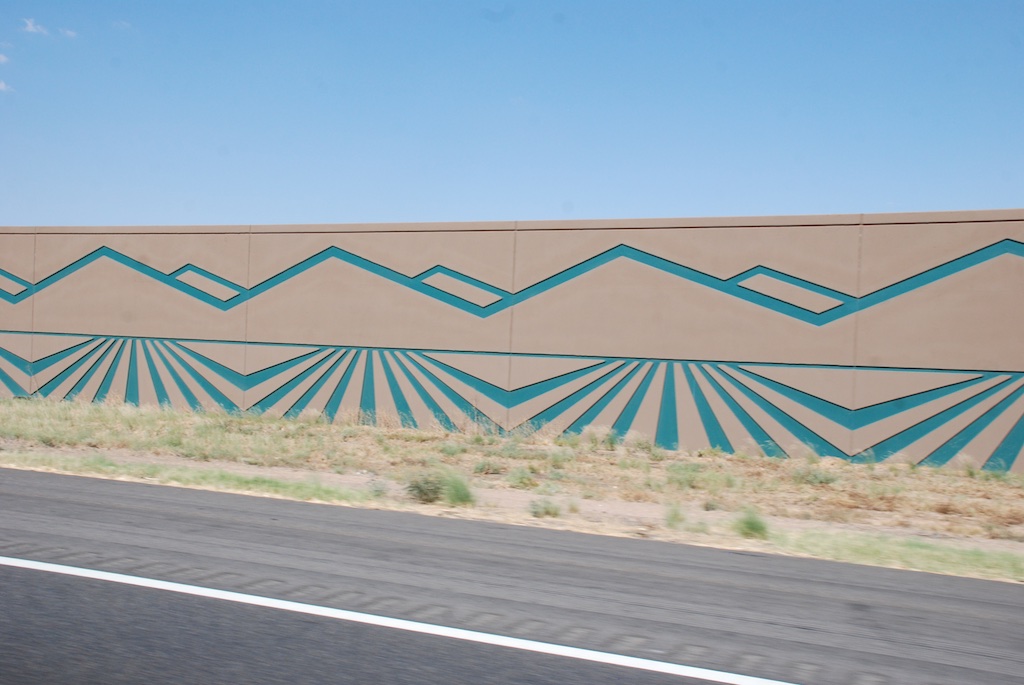
DSC_7632I was enamored by more Public Art in unexpected places.

Driving into Tuscon I spotted the Saguaro National Park on the map. We decided to take a couple of hours to investigate. Two hours isn’t enough to see a 91,000 acre park that is split into two halves, one on each side of Tucson, but at least we got an impression of it.Saguaro National Park

saguaro and palo verdeI didn’t take many photos of saguaro because I couldn’t do them justice…prickly pear…but there were plenty of other spiny things to photograph.zebra-tailed lizardI caught a glimpse (and a photo) of this zebra-tailed lizard running away just as we got out of the truck to walk on one of the trails.

We drove the loop in the eastern section of the park and then stopped at the visitor center.Saguaro National Park (1)

IMG_5388Look back at those couple of photos of saguaro and imagine how old they are. Saguaro depend on nurse trees such as palo verde or mesquite to survive the first several years. Each plant produces tens of thousands of seeds each year but very few survive to grow into mature plants.javelina at Saguaro NPAt least one herd of javelina (herd? flock? gang?) have figured out a safe and shady place to spend their afternoons. This is in back of the visitor center.IMG_5398On the road again.

 DSC_7670More public art? Being something of a realist, I’m not so sure about this one.

DSC_7678 There was plenty of art around the Phoenix area which is good because we missed the cutoff to avoid the whole metropolitan area. We hit Phoenix at rush hour (slow hours).

DSC_7683

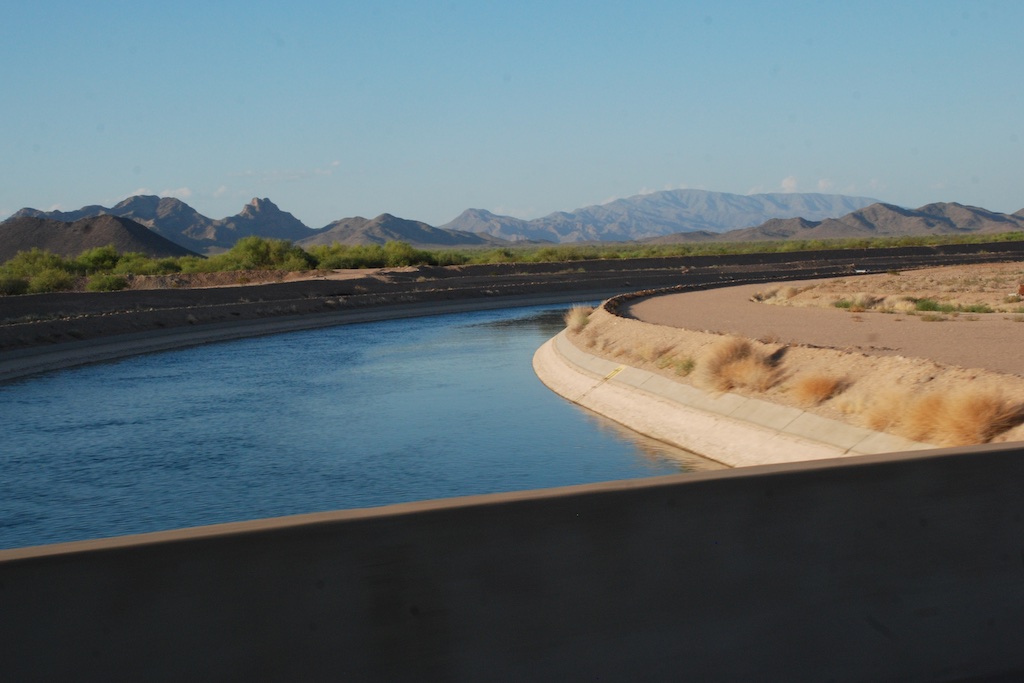
Central AZ ProjectWest of Phoenix we crossed the Arizona Central  Project Canal that diverts water from the Colorado River to central and southern Arizona. According to Wikipedia “The CAP is the largest and most expensive aqueduct system ever constructed in the United States.” I can’t help but think, what have we got ourselves into? Whether we’re talking about Arizona, Las Vegas, southern California, or Central Valley agriculture, it seems there is no going back without disastrous consequences. Our infrastructure is based on major water diversion and our population requires that these systems function. But, these are deserts, folks! Now what?…But I digress.

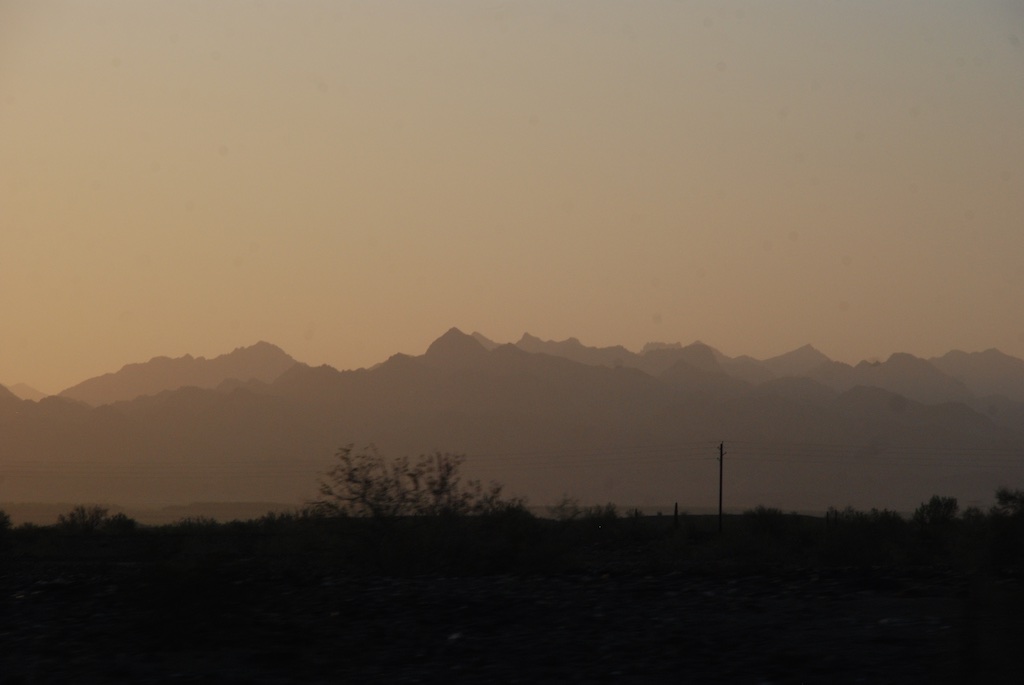
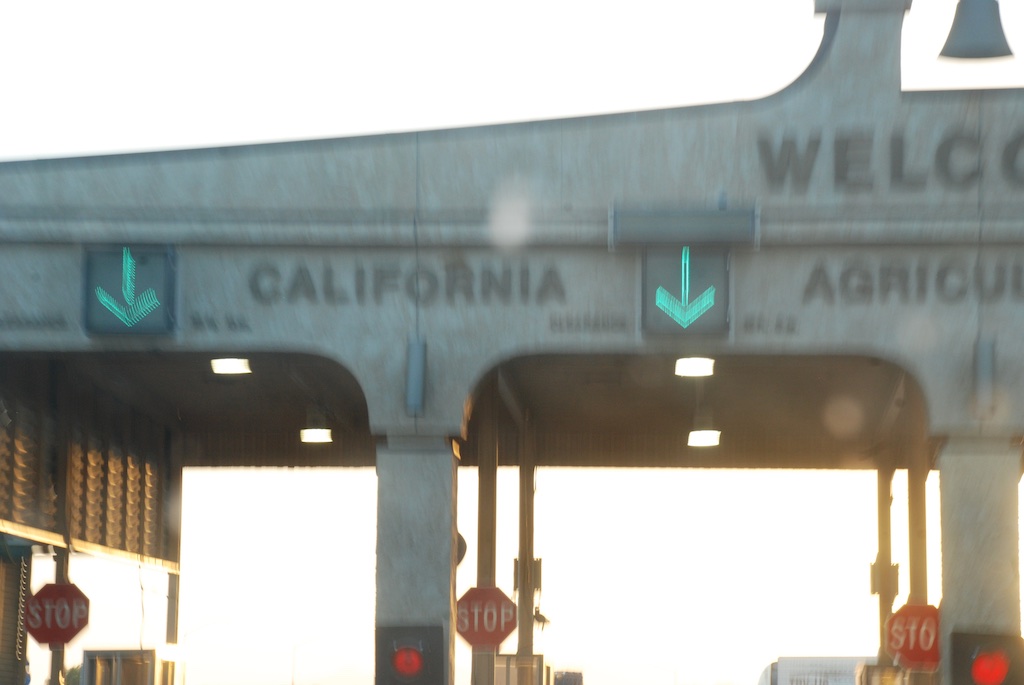
mountains in western AZ Dusk in Arizona.DSC_7717Blurry in the fading light, but I can read it.

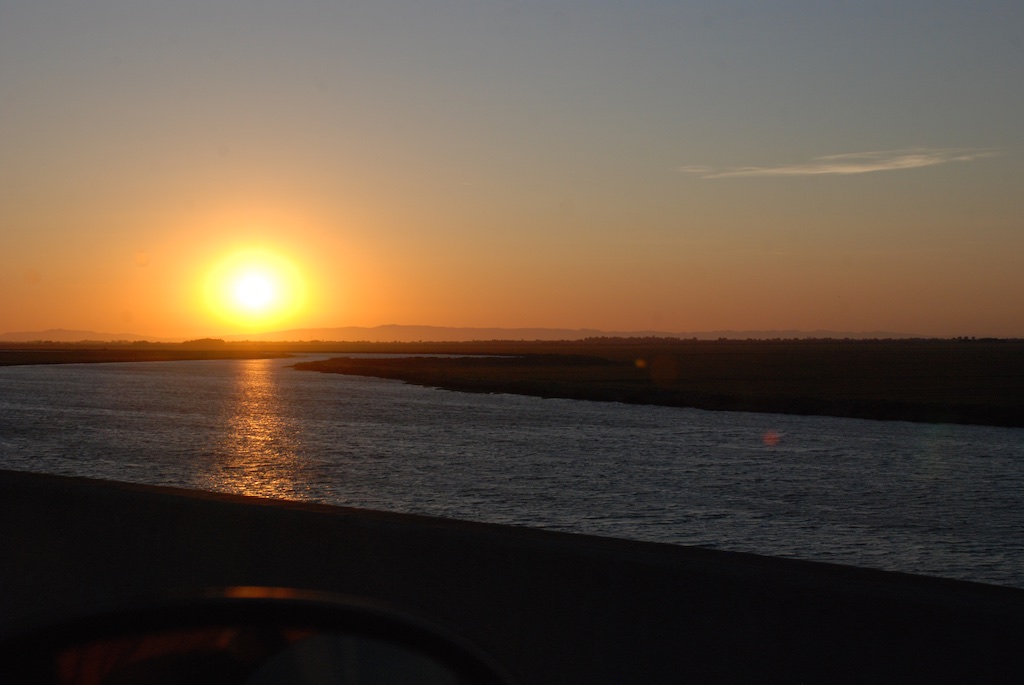
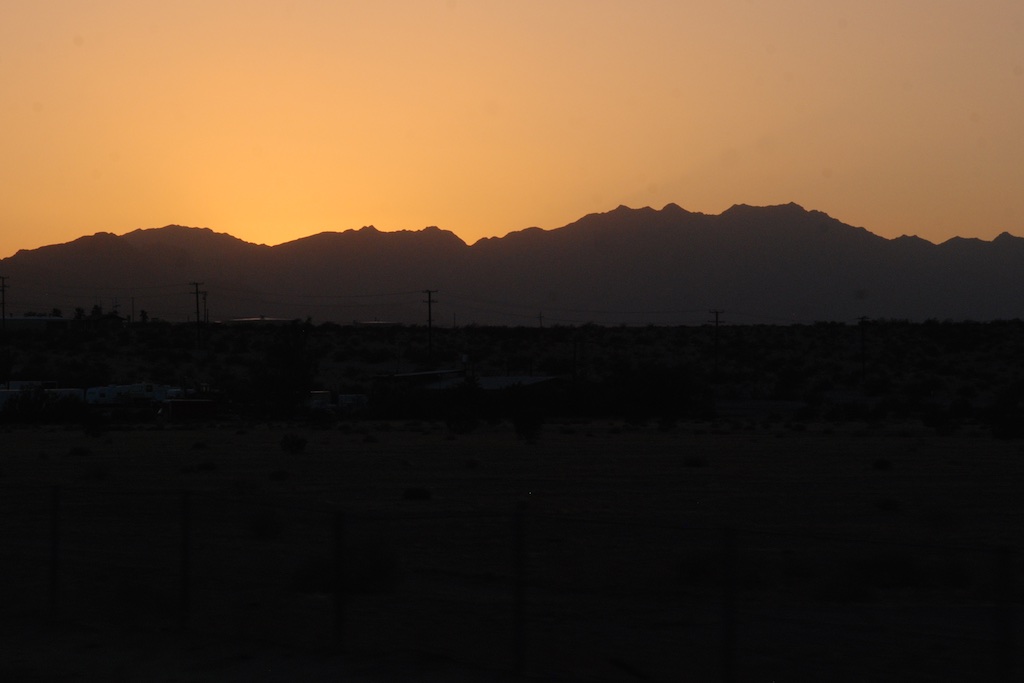
sunset in CA  Sunset in California. Now to find our camping spot. No photos after dark so that will be for the next post.
Road Trip to TX – Day 10 (Part 2)

When I left off the last Road Trip post we had just entered New Mexico on the evening of the tenth day of our adventure.

When we drive I have a mapbook open on my lap–not because we don’t know where to go, but because it is more interesting to see the names of geographic features and points of interest that me might not otherwise know as well as figure out which are public lands where we can camp. I supplement that with looking things up on the iPhone.mapIt was late and we needed to stay somewhere. I saw that if we veered off Highway 10 a bit we could camp in the Organ Mountains. Organ Mountains, NMThe mountains lit by the setting sun, taken while driving up Highway 70.near Organ Mountains, NMWater tank outside of the Space Mural Museum at the town of Organ (population about 300 in 2010).Organ Mountains, NM (1)This is a photo of the east side of the Organ Mountains, taken as we drove past the entry sign. That is because I was actually looking for something a little different. I don’t remember what I googled but what I found on the iPhone was Organ Pipe National Monument which, yes, does have camping, and where we figured there would still be space on a weekday night in the middle of the summer. We had to drive a few miles down the road before we could turn back to the road to the campgrounds.  White Sands, NMA view of White Sands at the base of these mountains. White Sands Missile Range is almost 3200 square miles and the town of White Sands is at the southern end. We had considered going to the White Sands National Monument before going to Texas but it was one of those times where even though we drove “right by it” according to the map we weren’t really that close. We chose to go to Carlsbad Caverns instead. Here was White Sands again. The map shows that there is a visitor center and a museum in the town that is separate from the National Monument, which is 40 miles or so further north. But this was late in the day and at this point we were on a schedule to get home.

We found the campgrounds which were at the base of the Organ Mountains. What I didn’t figure out until I was looking at my iPhone later that night was that the reason the road didn’t look right and the other descriptions were a bit off was that we were at BLM’s Organ Mountains National Recreation Area, not Organ Pipe National Monument which is in southern Arizona. OOPS! Good thing it all worked out or we might have found ourselves trying to find a motel back in Las Cruces.


Searching for the Perfect Ram

It’s the time of year when I need to sell sheep. I want to get numbers down to 50 or so ewes by early October when breeding season begins. I have just separated the March ram lambs from the ewes and am now evaluating them as prospective breeding rams. It’s hard to find that perfect ram.  Unfortunately I don’t have the space to keep these rams around for 6-8 more months to see how they look as they get a little older. That’s too bad, because I’d rather be able to choose by seeing them with a little more maturity. (By the way the red in all these photos is marking crayon, not blood.)15045-head This ram (15045) has a fabulous horn spread–no chance of those horns growing into his face. He has lilac (gray-brown) markings and a good spotting pattern. But my notes say his fleece is so-so. I think I’ll have to check again because everything else looks great. 15049 head This ram’s horns automatically disqualify him for remaining in my flock. They are fusing at the base and I don’t like the “weepiness” that happens at the join between the horns–it is an area that attracts flies and that can lead to flystrike. Besides if they are already fused at this young age there is a good chance that the upper horns may cut off the blood supply to the lower ones which will weaken and be broken off.horns fusingHere is another one with the same problem. No matter how much I might like his markings and fleece, I don’t like the horns.15054 white horns I had my eye on this ram (15054)  because I like his wool but his horns are all white which makes him ineligible for registration…

15054 …and I aso discovered that he is missing something down below. Well, it’s not completely missing, just about half size.15061So here’s a ram (15061) with nice horns and a decent fleece, but to register a ram he needs between 15% and 85% color.

15061-rt Looking from this side he doesn’t have that and he doesn’t have much more color on the other side.15062This ram (15062) has plenty of color, but his horns are much too narrow. They will grow right into his neck or face as they grow larger.

15064 head Here is another with good color, but those horns are even more fused than the ones above. See that 5th horn on the right (the ram’s left side)? People like to say that Jacob sheep can have 6 horns, but I have never seen one with 6 good horns. This is more my experience. 15030-freckledHere is a ram (15030) with decent horn spacing and nice fleece. There is a bit of a problem with the lower horns because at this time they look as though they are going to grow right into his jaw. Sometimes horns with a tight curl like that get broken off when the ram is still young and then they grow out OK. Whether or not his horns would turn out all right, upon closer inspection (hands-on) I discovered that this ram has freckled fleece. That makes a gorgeous handspinning fleece, but it is not appropriate for a breeding ram, and in fact, the JSBA Breed Standard states that “excessive freckling in the white wool of young animals” makes them ineligible for registration.

DSC_8775 How about this ram (15070)? Widespread horns. Not a lot of color but it is over 15%  and passable (I think). But I haven’t really considered him because he is so much smaller than the other sheep. Granted, he is younger than many, but I don’t want to choose one of the smaller rams in the lamb crop as my breeding ram. This is where being able to keep them awhile longer might aid in evaluation.15022-headThat 2-horn ram (15022) in the middle is a good sized lilac ram and we all had our eyes on him from the beginning. Unfortunately I think that his horn set is also narrow. This is another one that could benefit from time to find out how the horns actually do grow out.

15025-rtHere is a ram (15025) that might make a nice ram to keep. 15016-group of rams The two-horn ram in the middle of this photo is Nash, a lilac ram with nice horns and a beautiful fleece. He was Champion Ram at Black Sheep Gathering in June.

The rest of the ram lambs are shown at this link. However I haven’t updated some of the listings with new photos. I will be removing some of the rams from that page now that I have evaluated them further.

Ginny and the Drone

We had an interesting day here yesterday. Sarah and Bruce Barker of RightAfterThis.com were here to film an episode of a documentary series called Farm to Table and focused, at least for the first episodes, on women in farming. Farm Club members were here to weigh and sort the older lambs and Sarah and Bruce flimed us as well as other aspects of the farm.

The only chance I had to take photos was when I heard Ginny barking at Bruce’s drone. Backgrounds aren’t great and I didn’t have a very long lens so I cropped a lot, but here are the photos I got of Ginny.DSC_8570 DSC_8571 - Version 2 DSC_8576 DSC_8586 DSC_8590 DSC_8591 DSC_8594

DSC_8597DSC_8597 - Version 2 

Road Trip to Texas – Day 10 (part 1)

It may seem silly to go back three weeks to finish up my Road Trip blogs, but I don’t want to leave it unfinished. This blog has become my scrapbook that I would never do on paper.  And I have had a lot of feedback that you who read the blog like the Road Trip series. I left off on Day 9, so here is Day 10, split into two parts because that’s how the day seemed. I’ll warn you now; there are a lot of photos.DSC_7386We were packing the truck. I wondered if Kirby would miss us for a little while because we’d been there for four days. Probably not, but I hope that she will remember me next time I see her.DSC_7404Saying goodbye was hard for Dan and me.DSC_7395

KirbyTime to leave. I needed to be home by Friday.

Blanco? Now that it’s been so long until I sorted this batch of photos I forget where some of them were taken. I think this is the town of Blanco, the closest town to where we were visiting.

This is peach season in the Hill Country and wanted to make a stop and maybe pick up a few more gifts for farm-sitters.peach stand

peaches

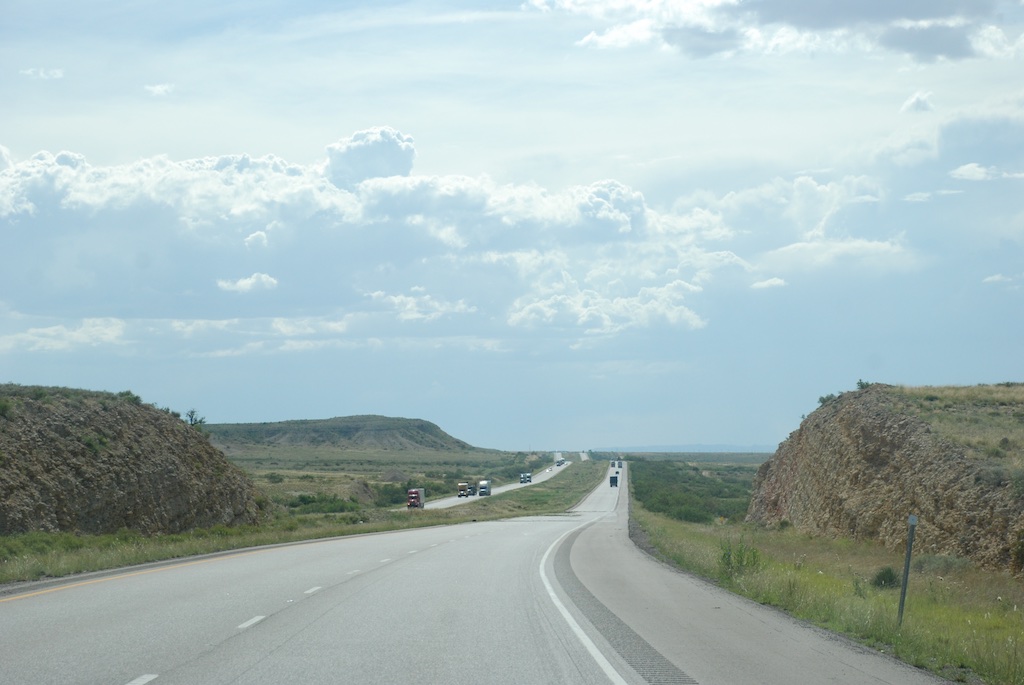
peach stand (1)Here is where they sort the peaches.peach stand (2)And here is where they bake pies and other delectables. It smelled wonderful inside. I was so tempted to buy a pie, but instead I bought fresh peaches and jam and…peach ice cream…this for the road…trying to ease the sadness of leaving our family behind.DSC_7444I amused myself by taking photos on the road (thinking that I would remember where they were taken).  I have not cropped or edited these photos. They include the squashbugs (as my brother and I used to call them) and glare on the windshield.

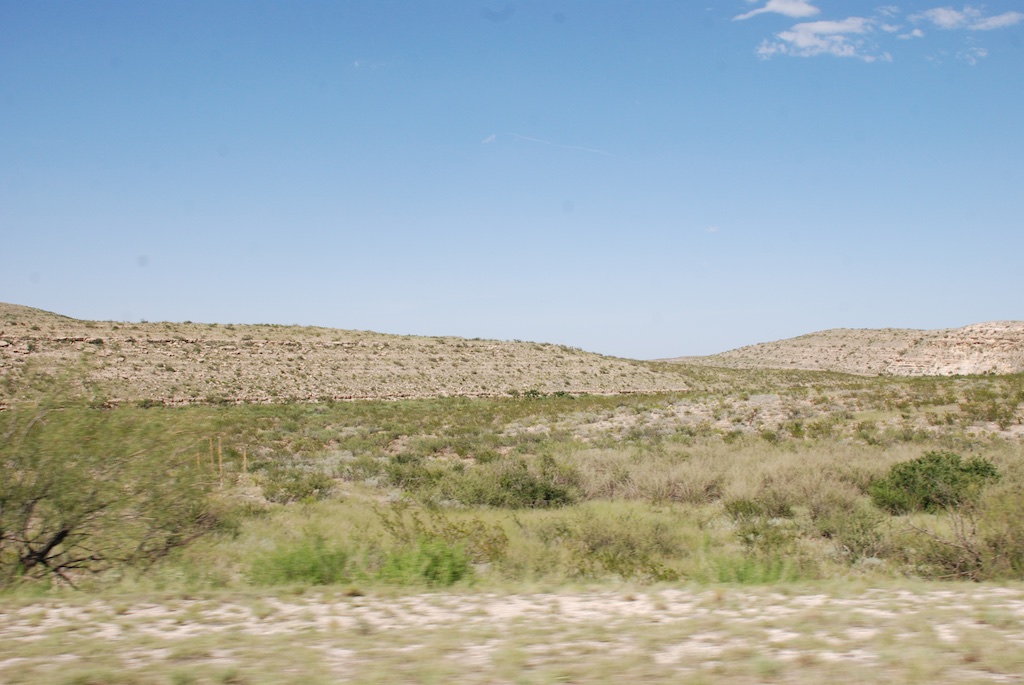
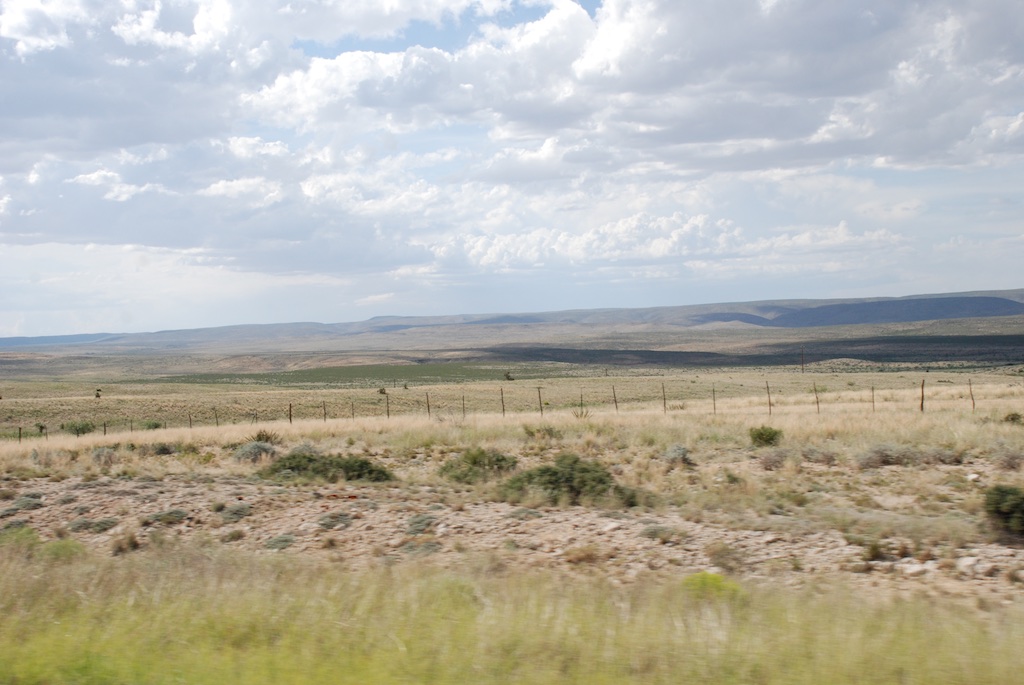
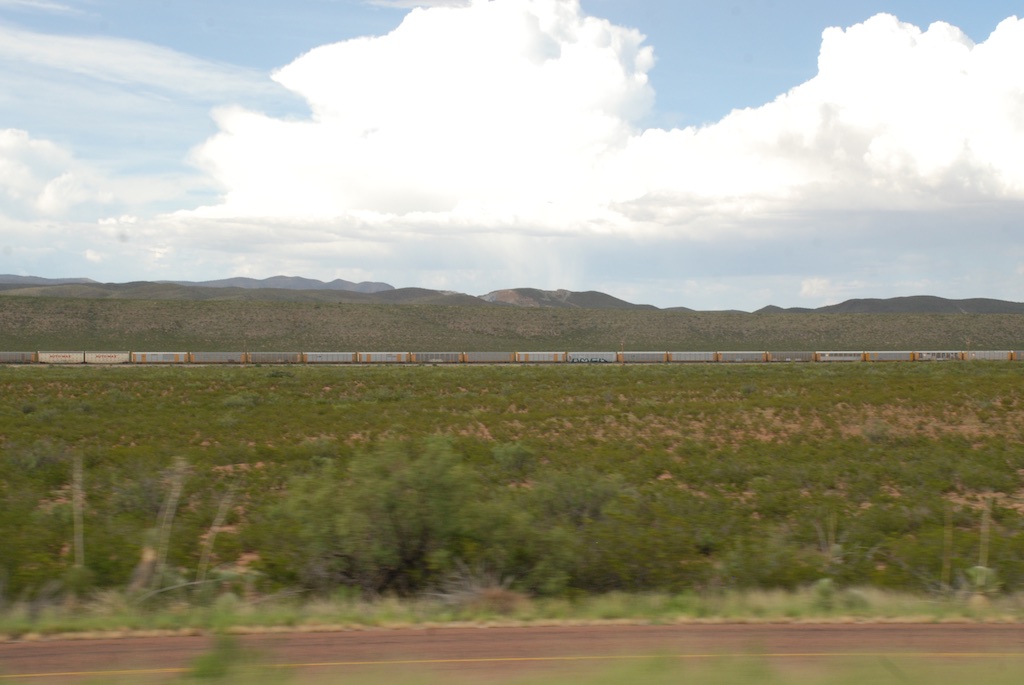
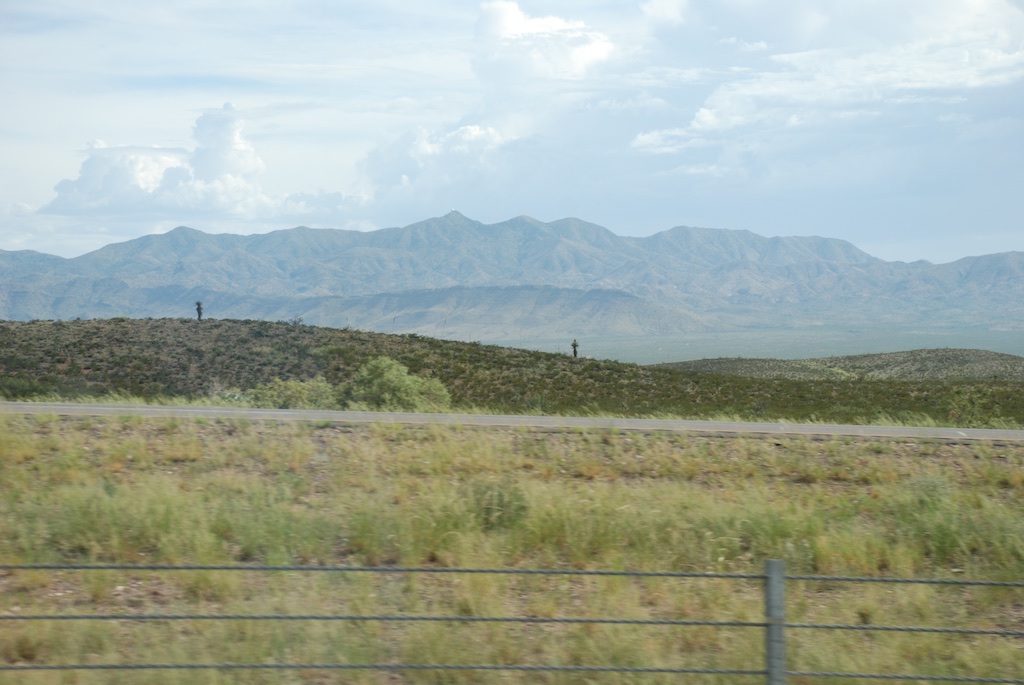
Texas is a big place. The country is not all what I had envisioned. DSC_7458There are more mountains than I expected.DSC_7469And more greenery. Even towards West Texas there is agriculture anywhere there is consistent water.DSC_7454

DSC_7463

Hwy 10, TXAt this gas stop I walked out back…Davis Mountains, TX…and took photos of the gorgeous Davis Mountains to the south.

DSC_7467 DSC_7471 DSC_7473 DSC_7487 The simple descriptor I kept thinking was Big.

DSC_7488 DSC_7498 DSC_7499

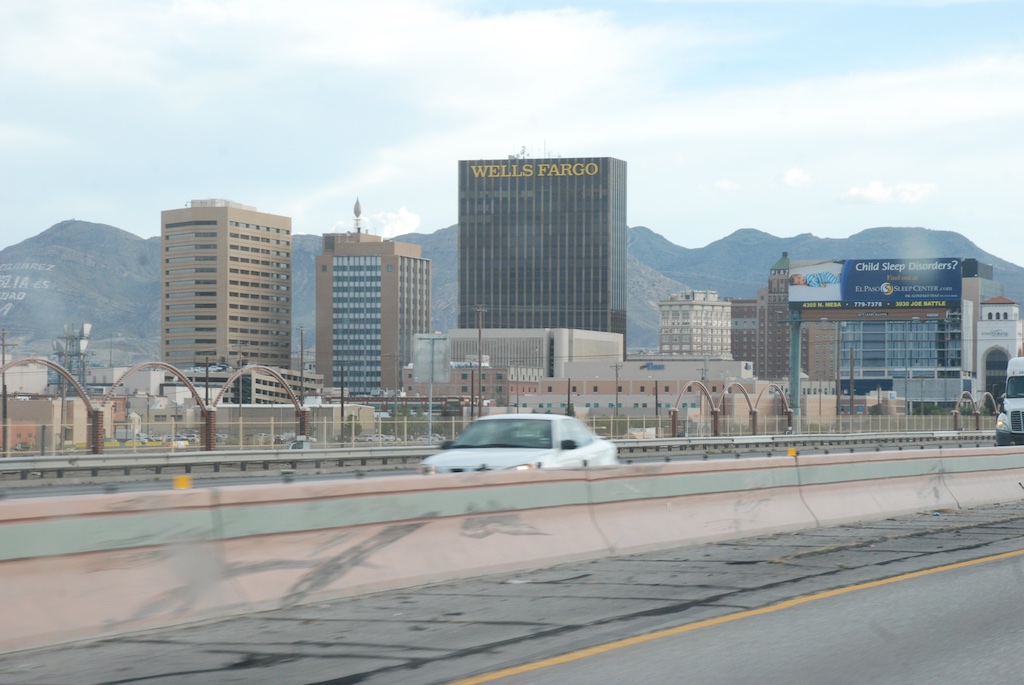
Rio Grande ValleyDropping into the Rio Grande valley.El Paso, TXEl Paso, on the U.S./Mexico border.

DSC_7520 DSC_7521 DSC_7525

US-Mexico fenceThe border fence.

DSC_7530 The end of this blog post but not the day. More in the next post.