Unknown's avatar

About Robin

Owner of Meridian Jacobs, farm and fiber shop. I raise Jacob sheep, teach fiber arts classes, weave handwovens for sale, and manage the store.

Farm Club Farewell

One of our “founding” members, Tina, is moving to Portland soon. Dona offered to have a farewell party at her house in Wilton. What a wonderful way to spend our Saturday. Food, fiber projects, animals, and most of all, good friends.

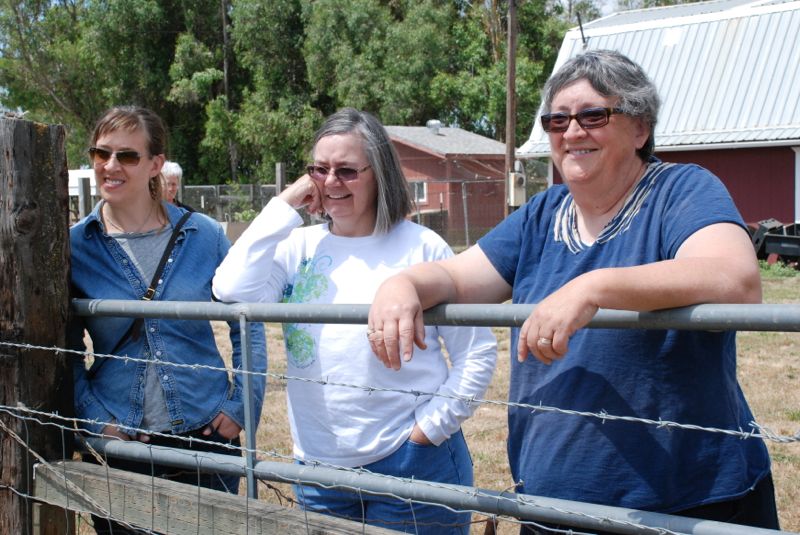
Tina, Chris, and Jackie watching Dona’s goats.

Shelby and two of Dona’s Boer goats.

Cracker treats for the lambs.

Some of us whip out our cameras at every opportunity but Alison always has a sketch book at hand. (And her sketches are wonderful.) By the way, that is Faulkner’s daughter on the right.

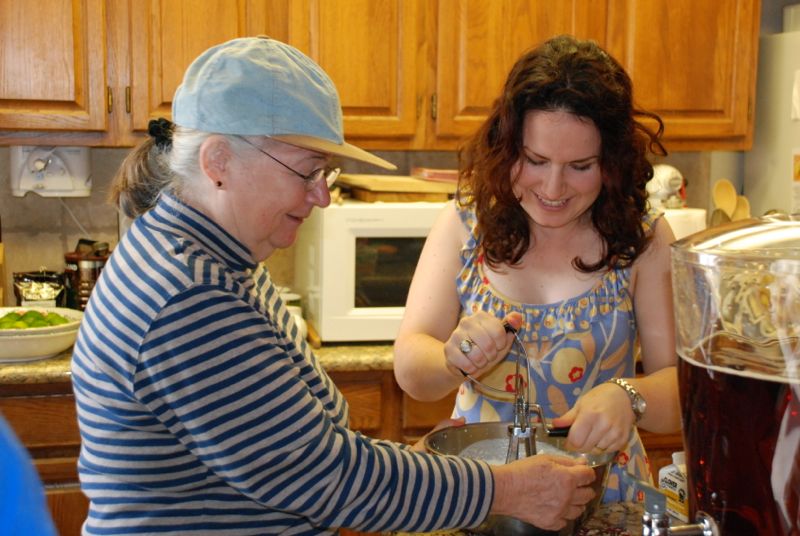
Last minute food prep as Shelby gets a lesson in whipping cream.

What a feast!

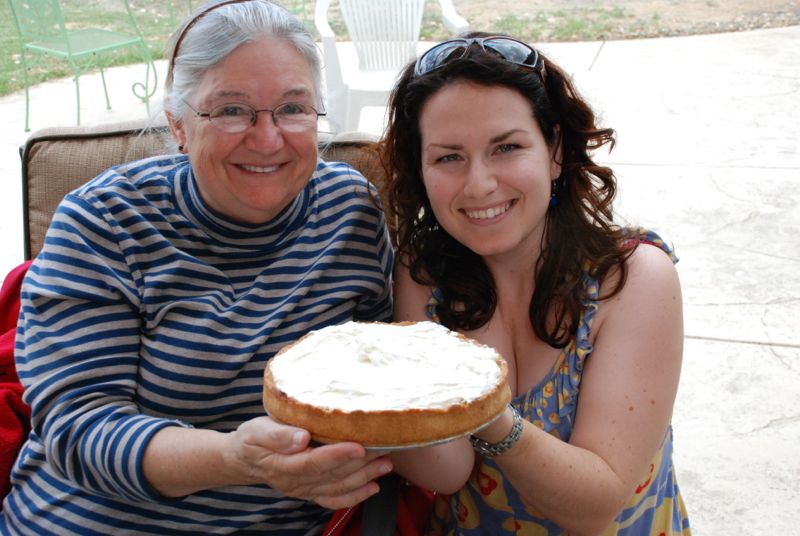
Kathy and Shelby present Shelby’s lemon tart with freshly whipped cream.

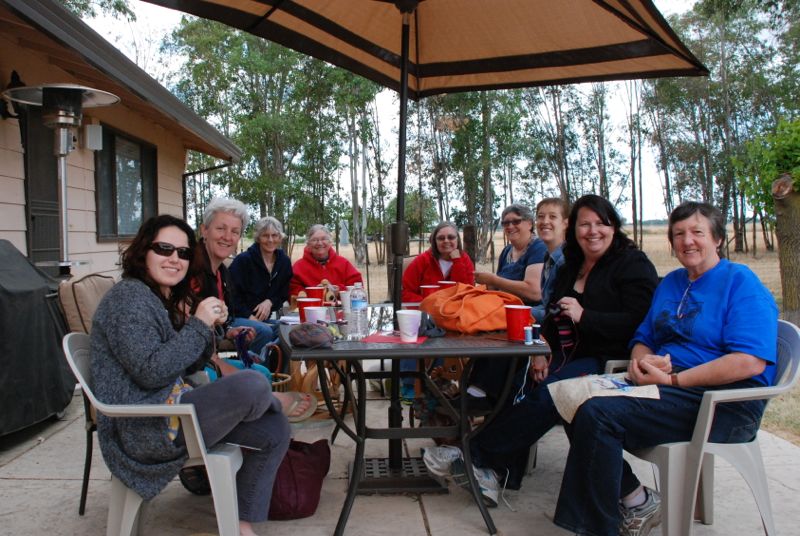
This is all of us who were able to make it to Dona’s sharing a wonderful afternoon.

Tina, if we don’t see you before then we’ll meet up with you at Black Sheep Gathering in 2013.


Wool Handling School

Last weekend I attended a Wool Handling School presented by the American Sheep Industry. On Sunday we spent the day at Flying Mule Farm in Auburn where the flock was being shorn. It was fun to attend a shearing day and just be a spectator. Lots of photo ops. And lots of learning too.

We spent the day with instructor, Ron Cole, handling wool and learning how to class fleeces. Flying Mule Farm sells most of their wool through the commercial market and it was surprising to me how little skirting is actually done (none other than removing bellies and manure tags). Fleeces that measure in the low 20’s (microns) or less would be skirted more carefully, but there is still quite different from what I do. When large flocks are being shorn, the skirting and classing must keep up with the shearing so they have to be quick. No agonizing over every little bit of fleece and of course there is no sorting of color. If there are any black sheep they must be shorn last and that wool kept away from the white wool.

Different parts of the fleece are examined.

Check for strength.

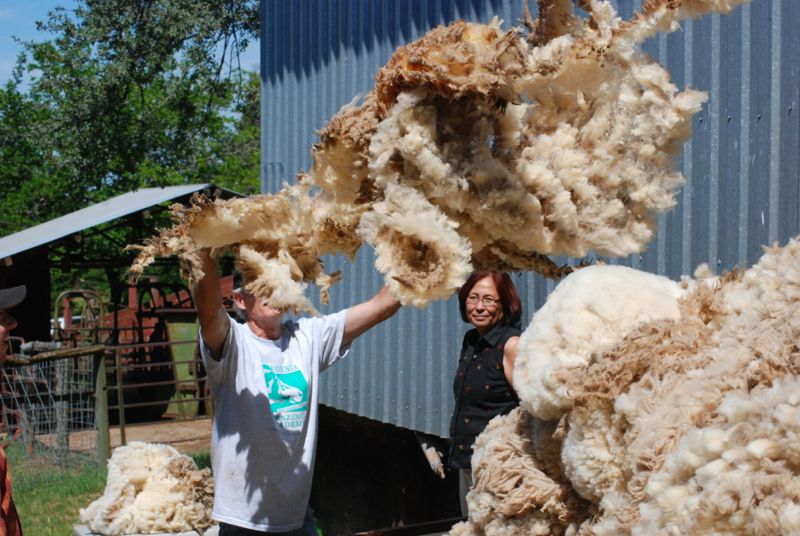
We learned how to throw a fleece. Normally you would pick it up right from the shearing floor and, using this method, throw the fleece on the skirting table.  The idea is for the fleece to land cut side down  already spread out for classing and/or skirting. In this case the fleeces were handed over the fence and then we all took turns learning to throw them.

I took videos of this as well and will post those when I have time.

Wool was packed into burlap sacks.

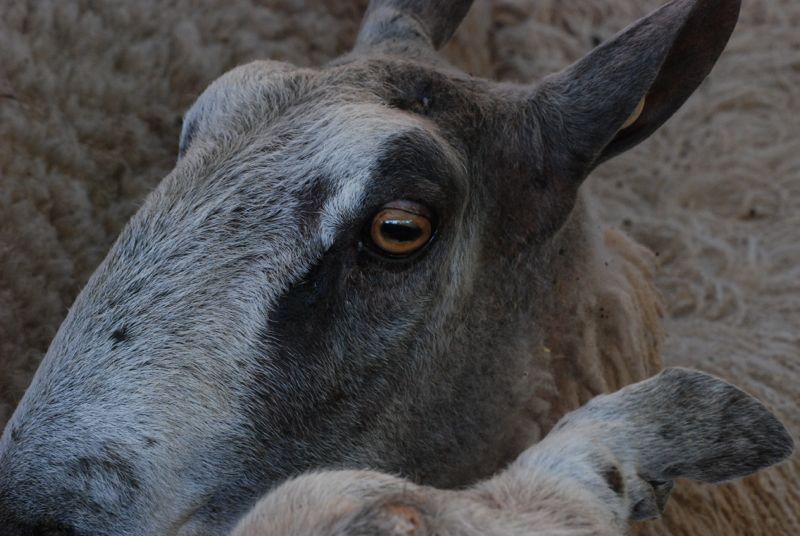
Blue-faced Leicester ram.

The attendees of this school were mostly new and/or small farmers and we spent some time at the end of the day discussing the differences in our perspective from that of larger producers. The focus of this school is how to improve quality and cleanliness of fleeces because all producers who send wool into the commercial market have an effect on the reputation (and therefore value) of U.S. wool in the world market. Farmers like me rely on niche marketing and we have direct contact with our customers.  I appreciated this opportunity to learn about other perspectives.

Moon Journey

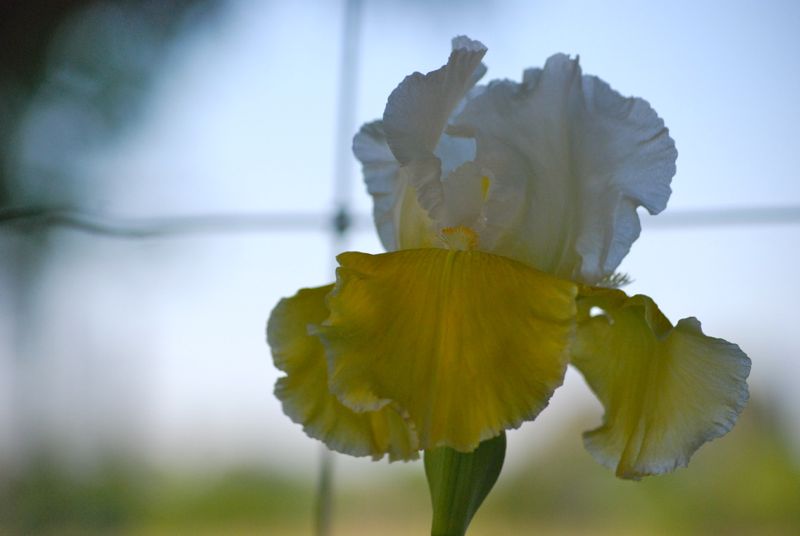
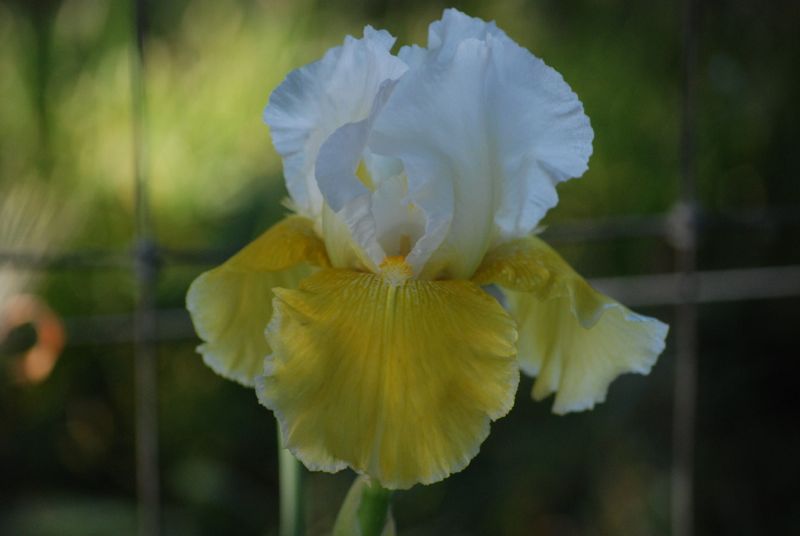
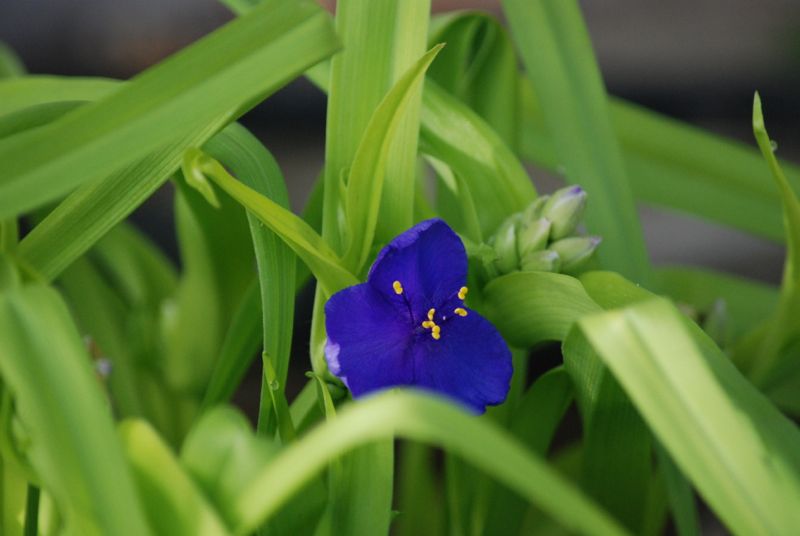
I was surprised to see this iris flower this morning. I bought four fancy iris plants from Pleasants Valley Iris Farm last year. You choose them in the spring when they are blooming (now) and then iris farmer, Mark, sends the rhizomes to you in the fall when they should be planted. I almost killed them by forgetting about them and leaving them in the box for…let’s just say…a long time.  I finally planted the rhizomes and have made sure they don’t get stepped on, eaten, etc. Today I was surprised to see the one called Moon Journey flowering! I don’t know if the others will produce flowers this year, but at least I am watching over them now. I can’t seem to turn Pleasants Valley Iris Farm into a link right now but go to http://irisfarmer.com


Some favorite sheep


I took a whole batch of photos yesterday morning before I went to two days of Nikon photography classes in Sacramento. I intended to write a blog post about ewes and their lambs and I took photos of family groups. After the class I’m looking at these photos and thinking…delete…delete…delete. I couldn’t bring myself to delete all of them, but I did delete most. And I’m tempted to go back through the last year i-photo and do a big cleansing.


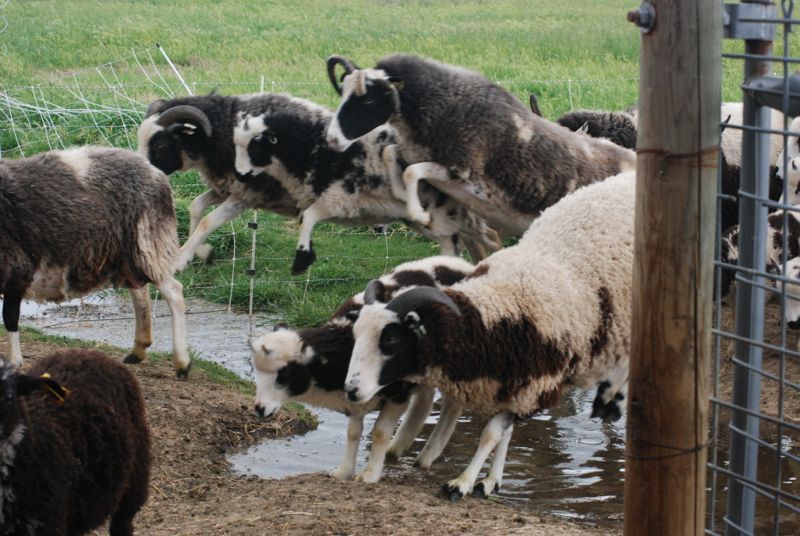
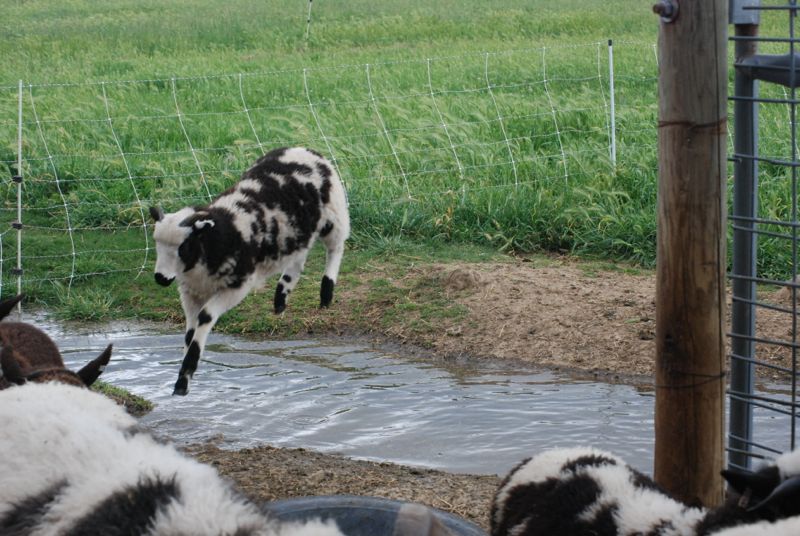
So here are a few photos that I kept and some of them aren’t all that great but I like the sheep.

Summer and her triplets

Hot Lips and twins

Dazzle and twins

Lola and daughter

Faulkner

Ebony

Fogerty


I finished 7 throws last week. Friends who saw them before washing tried to be polite but were un-impressed and maybe even shocked at how awful they looked. I used some yarn that had been spun several years ago at a mill that (I assume) uses a lot of spinning oil. The yarn on cones looks and feels like string that you would buy at the hardware store. The resulting blankets off the loom look and feel as though I wove them with string from the hardware store. Also, I wove them at a wide sett knowing that they would full.

See how open this is. You can easily stick a finger or a toe through this. And a cat would pull those threads and destroy it.

A trip through the washing machine to full (Not the way to wash a finished blanket–to do that see my instructions here)…

using Power Scour (normally for raw fleece, but this yarn was very greasy) changed that blanket into this:

Here is another before and after:

And another:

One of these blankets is a gift to the person from whom I got the wool several years ago. I’m sure she doesn’t see this blog so it will be a surprise until tomorrow when I take it to her. This blanket includes her dog hair that I washed and spun:

Here is one with Jacob weft:

All 7 blankets:


April Showers Bring….

Flannel bush, a native drought-tolerant CA species. I planted this behind the chicken house.

Yarrow, another drought-tolerant (read neglect-tolerant) species.

An incredibly fragrant rose. Hardy enough to have survived being dug up and replanted years ago and then suffer through seasons of aphids, little water, and pruning by someone who doesn’t know what she is doing.
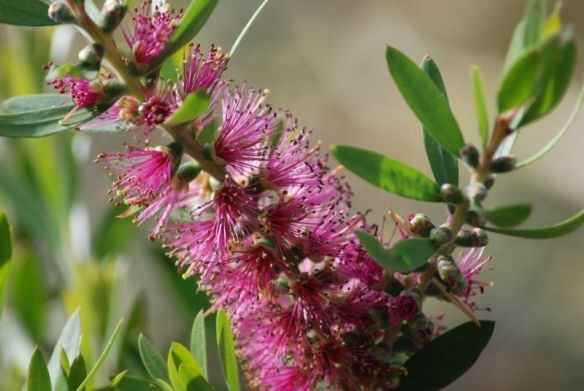
I just planted this pink bottle-brush and will try to give it water during it’s first summer. After that it’s probably on it’s own, but the red variety I have near the barn has thrived with similar non-care. (Come to think of it, I think there is a leaky faucet near the red one.)

I love iris because they grow almost no matter what you do or don’t do to them. I have some fancy varieties that I got from my friend the iris farmer last year. I am embarrassed to say that I almost killed those by forgetting to plant them when I got them in the fall. They are in the ground and seem to be thriving but I was too late to expect them to bloom this year.

The clover is blooming now that it’s getting hot. In the foreground is one of the plants we just call foxtails. I think this one is Hare Barley but I’ll have to take my weed book to the pasture to know for sure.
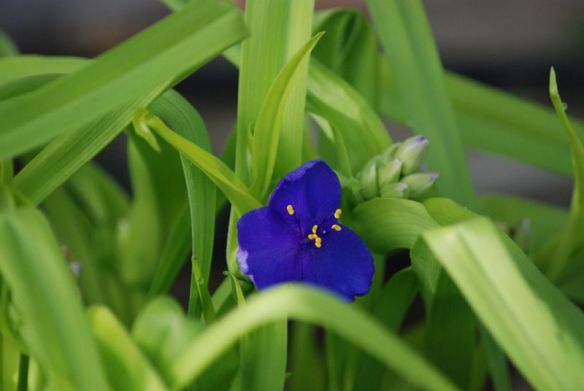
I can’t remember the name of this one but it’s in the box at the end of my shop. I always think the plant is not doing well because the leaves are almost yellow, but   whatever I am not doing to it seems to be working. It has a lot of flowers every year. (This box does get some water.)
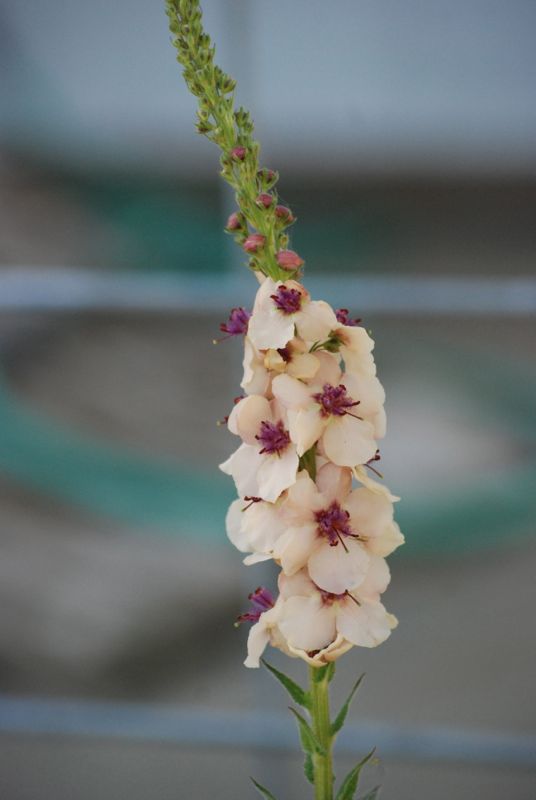
This is a Verbasum, a new plant that I just planted in a barrel near the shop. I was assured that it could live in the environment of heat and neglect. I saw that it flowered yesterday. Last night the flowers looked as though they had shriveled up, but they are open again this morning. Good plant.

I planted Walker’s Low Catmint in another barrel. I just put a leave of it under Ozzie’s nose and he doesn’t seem to care.

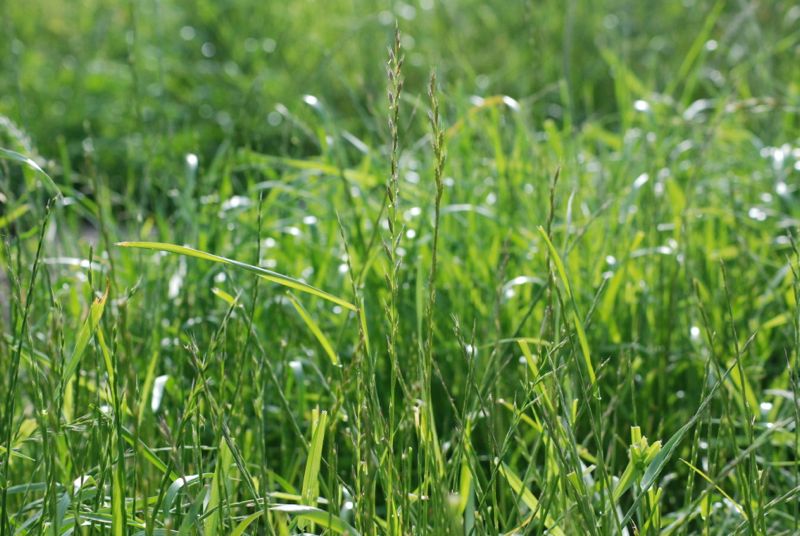
Annual ryegrass, a much more desirable grass, than the annuals that we call foxtails.

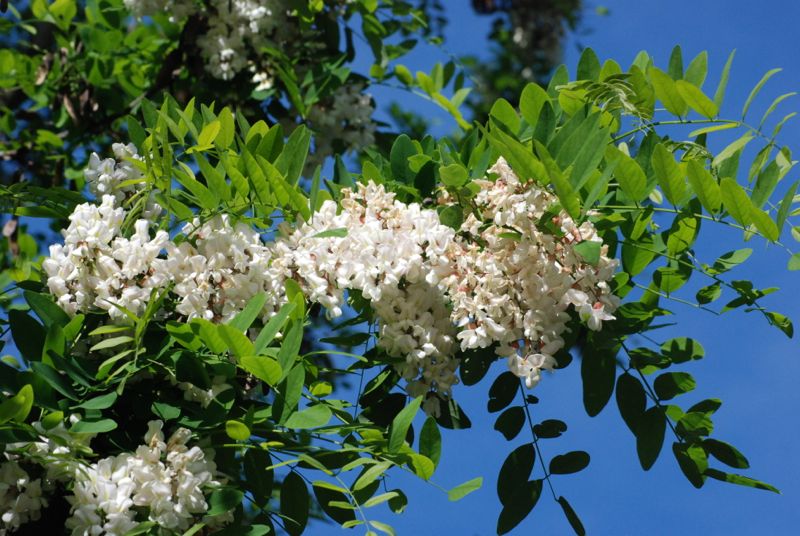
The locust tree is in full bloom and fills the air with its sweet fragrance.
Donkey Diet

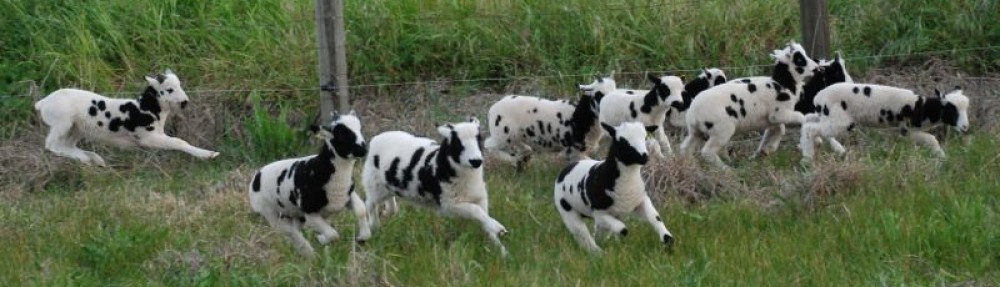
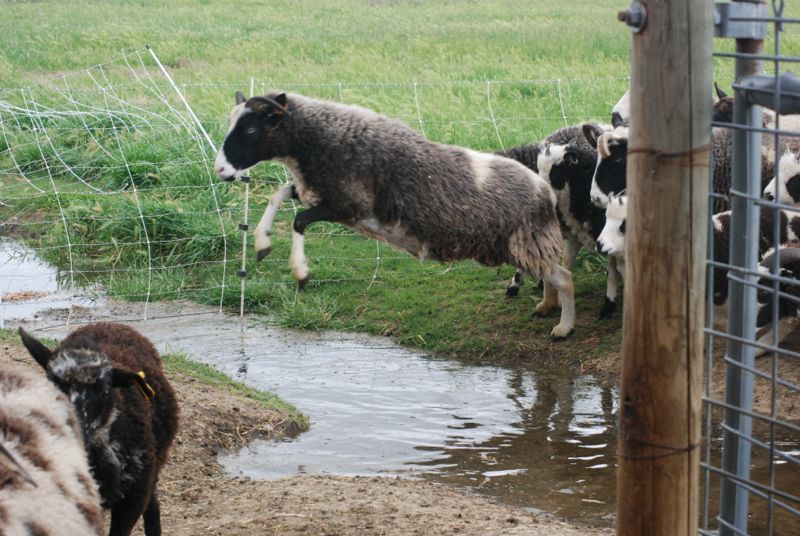
I have learned that a donkey is probably not the best choice as a guardian animal for sheep that graze irrigated pasture in the summer and eat alfalfa in the winter. My sheep eat a rather rich diet compared to what a donkey needs. So Amaryllis was put on a diet. For the last 6 weeks or so I have fed her grass hay, but to do that I have had to keep her separate from the sheep. As many of you know, Amaryllis doesn’t care much about the sheep, but she  really likes Stephanie, the goat (although the feeling is not mutual). So Stephanie and Amaryllis have been in a stall at night and I have put Amaryllis in an outside pen during the day.

I found a potential solution at my local feed store.

This is a grazing muzzle. There are holes that allow the wearer to drink and to eat little amounts of grass that poke through the holes. If Amaryllis wears the muzzle I can put her back in the pasture with the sheep (and Stephanie). I did that yesterday and today and put her back in her stall at night to eat grass hay. I will have to experiment with the amount of time she wears the muzzle and stays in the pasture. Maybe some horses wear it full-time.

I don’t know if the sheep were more interested in welcoming Amaryllis back or wanted to investigate her new muzzle.

They were happy to accompany her back to the pasture.

Before…

After. I think I can tell a little difference.
Color Wheel in Fiber

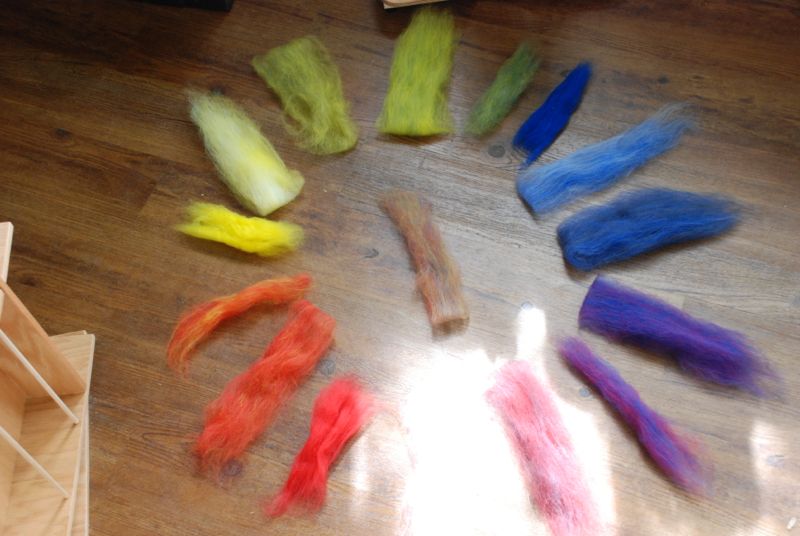
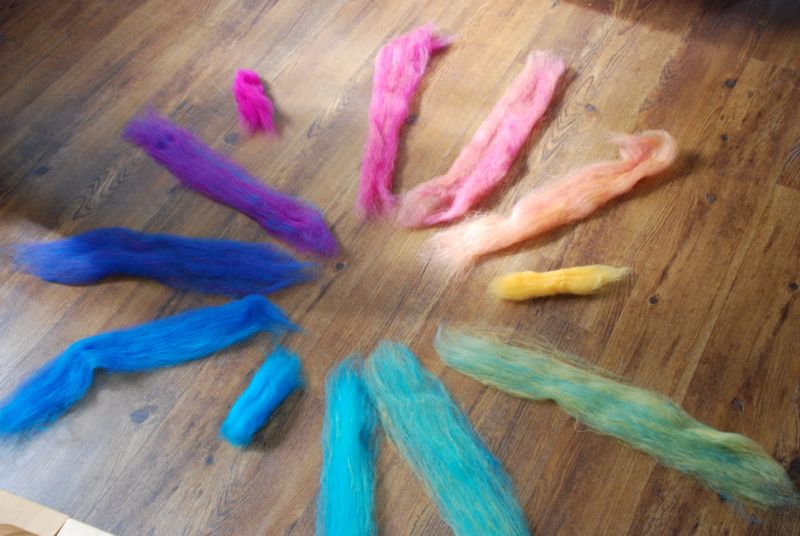
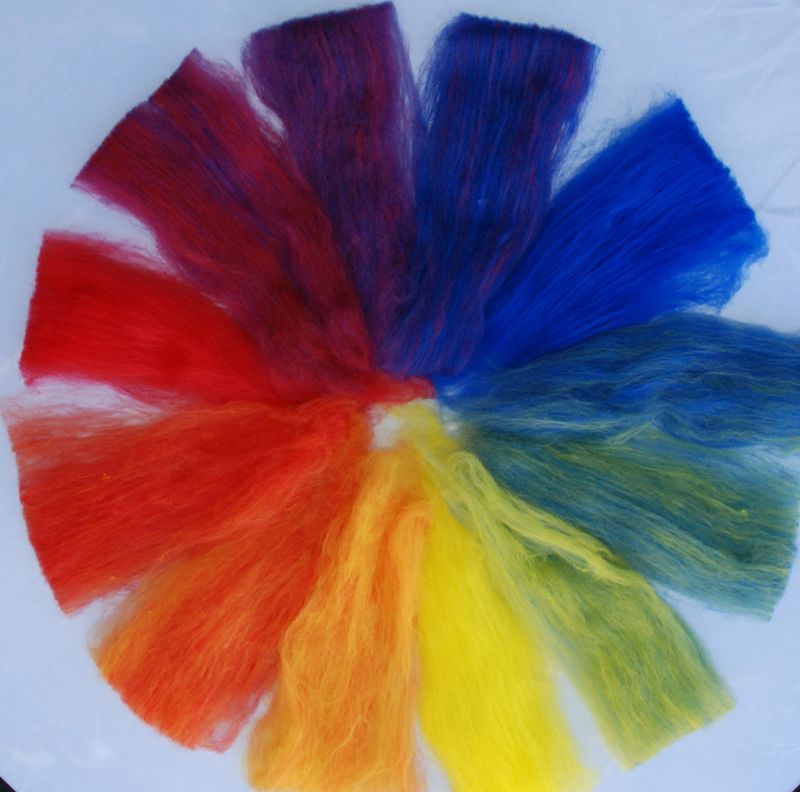
I taught Exploring the Fiber Color Wheel this week. Here are some photos.

We used the three primary colors to create secondary and tertiary colors and complete a 12-color color wheel. Dona’s wheel has some other blends in it as well.

Mary used printer’s primaries (cyan, magenta, yellow) to create her color wheel.

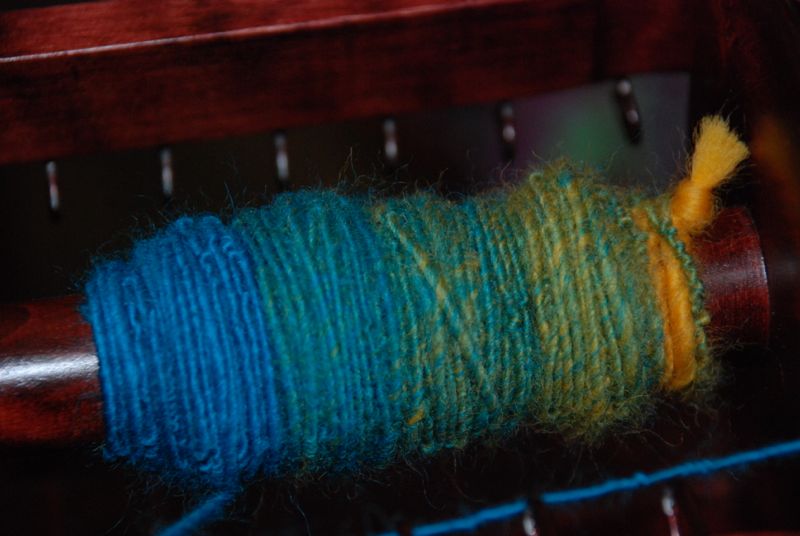
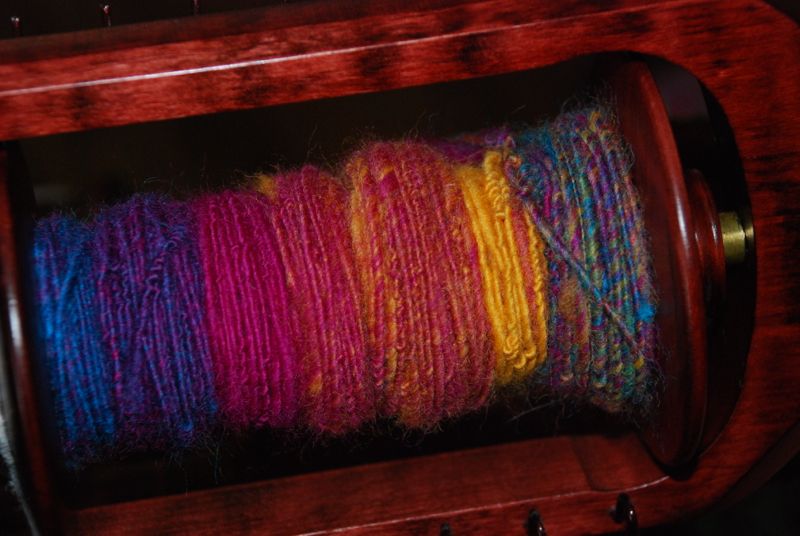
Jean also used printer’s primaries and spun her fiber.

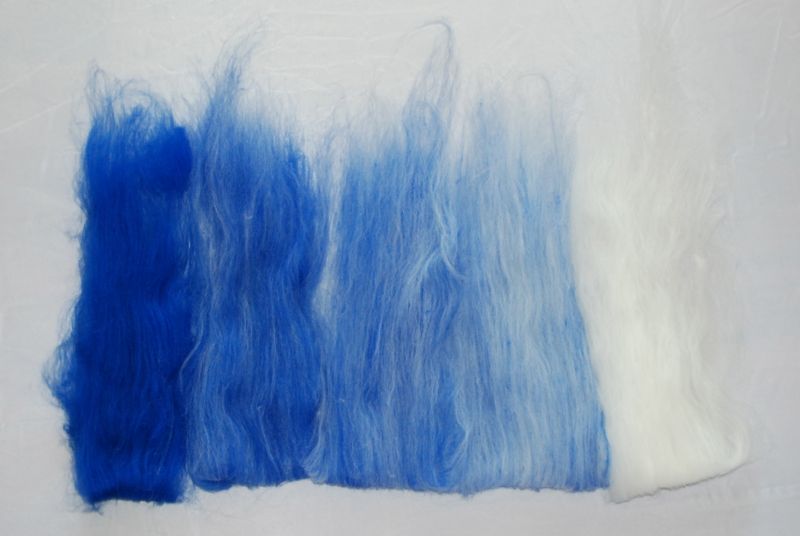
We made tints by carding with white.
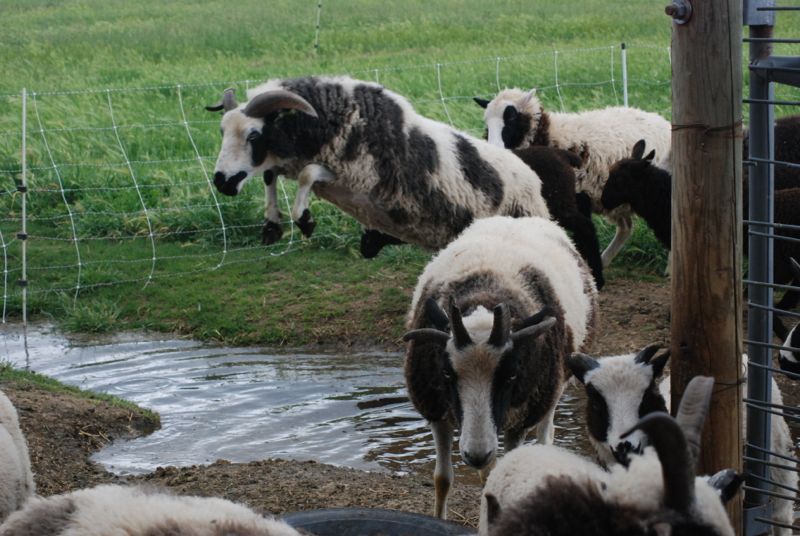
Here is the left-overs from the floor and the carders blended together.

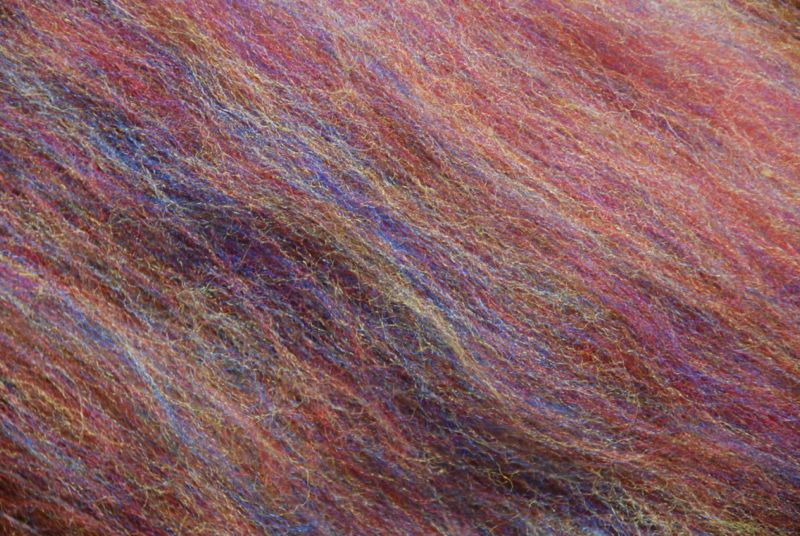
Today I had a chance to card my own colors. I will spin this tomorrow night at Spinners Night Out. What will I weave???

You can find out more about this class by clicking here.