On our first morning in Texas I took a walk up the road, a familiar route from my time spent here a year ago while waiting for Kirby to be born. Just as we had seen in northern Arizona and New Mexico everything was green. Summer monsoons are the norm, but there have been several dry years so this particularly wet year is a welcome change. However there can be too much of a good thing. We saw the signs on the Blanco River of the recent high water and were amazed at just how high it was.
 Katie and Kurtis live on high ground between Blanco and Wimberly (where the horrific May flooding swept houses and people away) so they were in no danger. This wash just down from their driveway has running water now but during the flooding was many feet higher and impassable. Hard to imagine.
 Western Horse Nettle
All this rain has caused crop damage and postponed harvesting to the detriment (or loss) of crops in some areas. However, it sure brings out the wildflowers. I took photos of 20 different species on this short mile and a half walk and identified some of them.Green thread, Thelesperma filifolium Buttonbush, a memorable flower that I first saw last year.
Our plan for the day was to visit a sheep farm that I found on-line. I was looking for “local wool” and this farm, only about 45 minutes from Katie’s house, popped up. Dan and Annette of Stonewall Fine Wool and Lambs were gracious enough to allow us to visit, although they usually don’t have on-site customers.
Most of the flock of Delaine Merino x Corriedale x Ramboulillet sheep, descendants of the original flock owned by Annette’s family, were somewhere else on the 129 acres but … …the rams……and some lambs for sale were near the barn.Dan had fleeces ready for me to see and we spread them out on the table. He shears the sheep himself, although he has to fit shearing in around another full-time job. He showed me these boxes of fleece–sorted, but unscoured staples on the left and washed wool on the right. What a transformation!The washed wool is very, very soft. I think it passed the “soft as a baby’s skin” test.I was also impressed that Dan had made himself a drop spindle and taught himself how to spin.You know that I don’t really NEED any more wool, but some of it followed me right into the car. I plan to share with my farm-sitting friends. Thanks very much to Dan and Annette for taking a couple of hours on their weekend to entertain us.
Next stop only a few miles up the road was the Wildseed Farm, a working farm that grows and sells wildflower seed to wholesale and retail customers.We were planning to go to this farm two days ago after a brief tour of the National Museum of the Pacific War in Fredericksburg, but as I explained in this post, the Museum requires a several hour visit to do it justice.
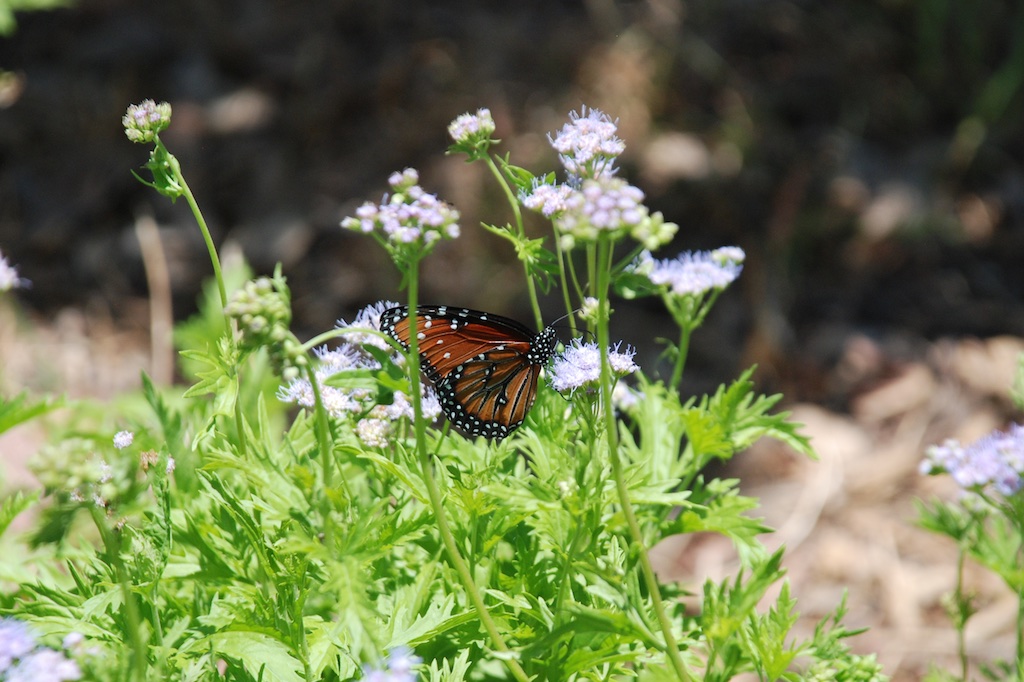
We missed the true wildflower season when all 217 acres are blooming, but there was still plenty to see.Those saguaro, barrel cactus, and beavertail cactus and are all metal! We walked through the Butterfly Garden.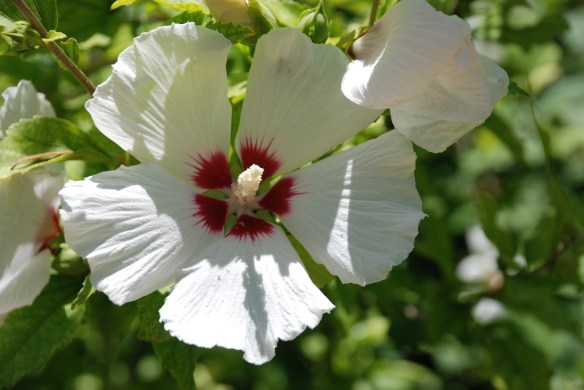 More plants from the butterfly garden.

More of the butterfly Garden.
 Last we admired the fields of red and white zinnias and sunspot sunflower…
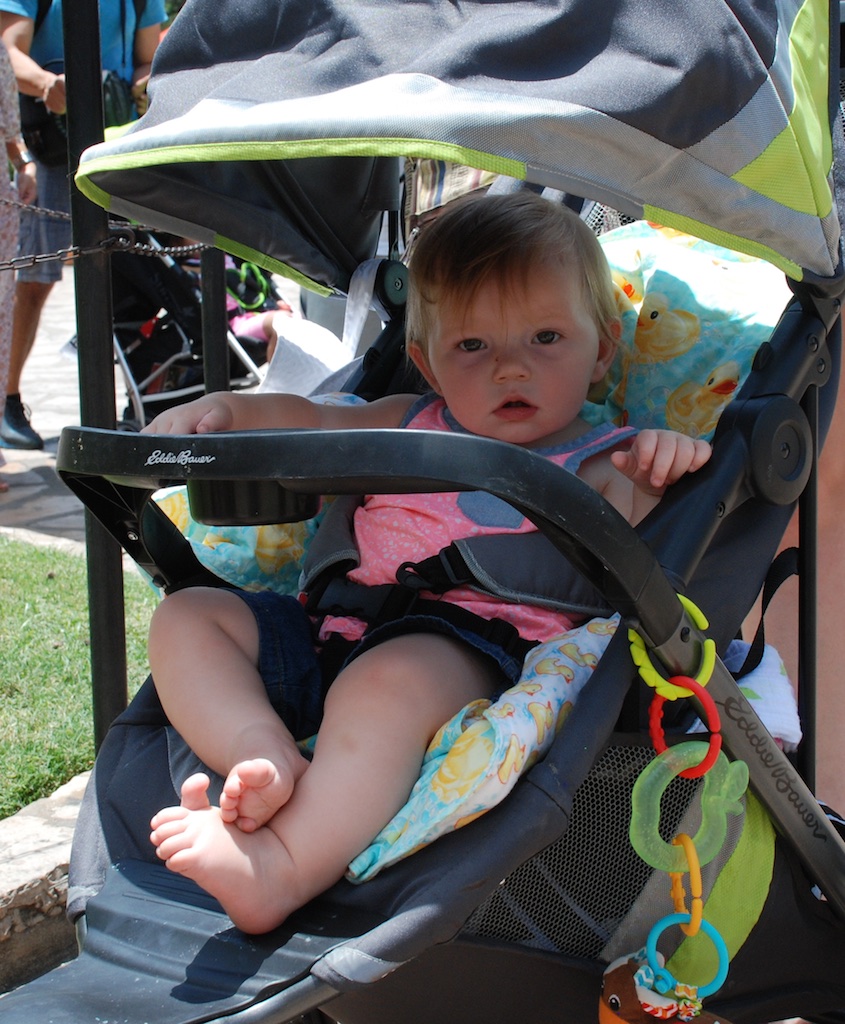
 …and then piled back into the car. Kirby was a real trooper.
One more place to stop on the tour of points of interest near Fredericksburg and Stonewall, since it was on the way.
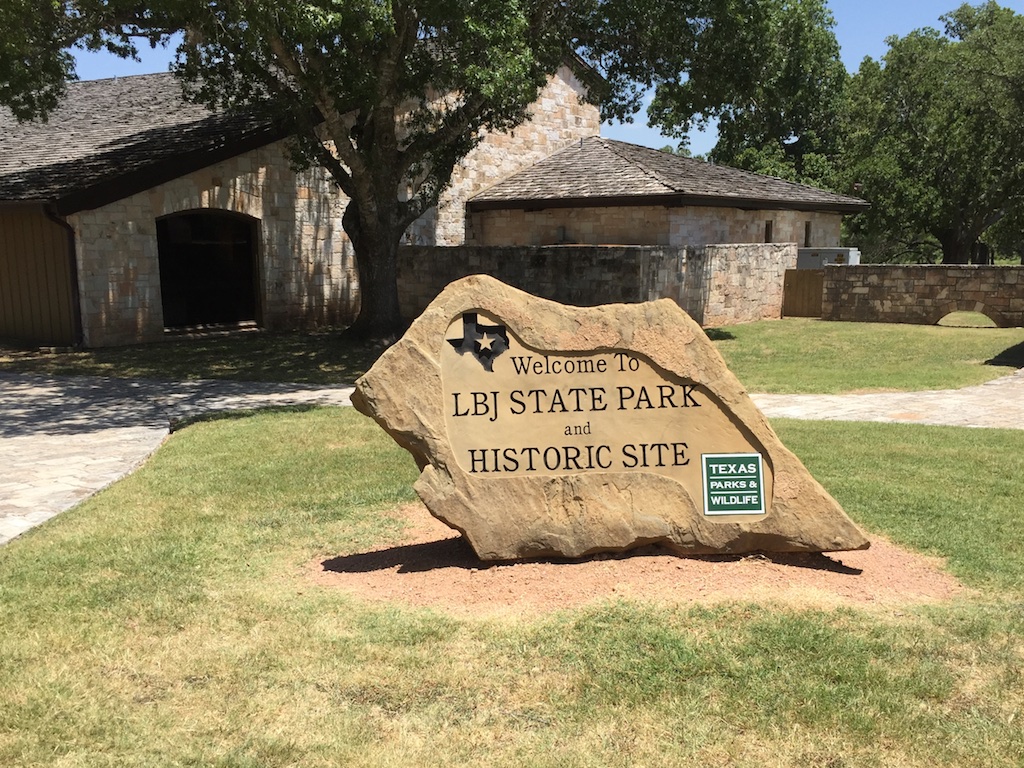 There is a visitor’s center and a tour through the LBJ home but, due to one of our party being under a year old and it had already been a busy day, we opted for the 8-mile driving tour of the ranch where LBJ was born, died (1973), and is buried. Someday we’ll return for the whole experience.
 This is a beautiful estate, a portion of which was donated to the National Park Service (by prior arrangement) after the death of Mrs. Johnson in 2007.
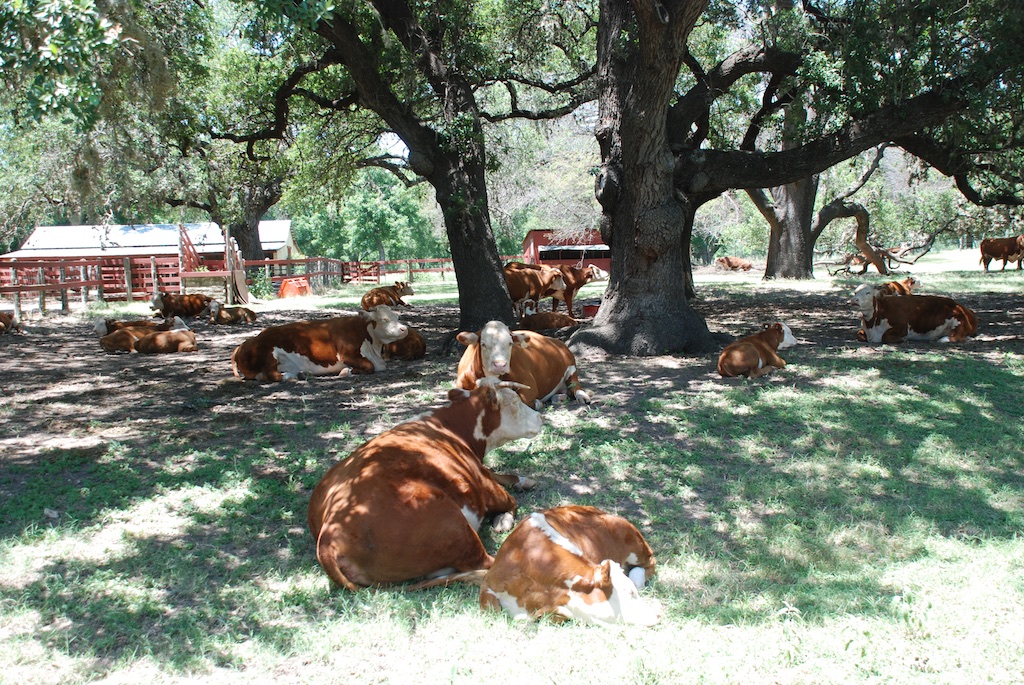 A stipulation of Johnson was that this remain a working cattle ranch rather than become “a sterile relic of the past”. The cattle on the ranch descend from the horned Herefords that he raised and he kept a close watch on management even during his tenure in the White House.
 First we stopped at Katie’s office and went to lunch with her co-workers. Then we drove to San Antonio.
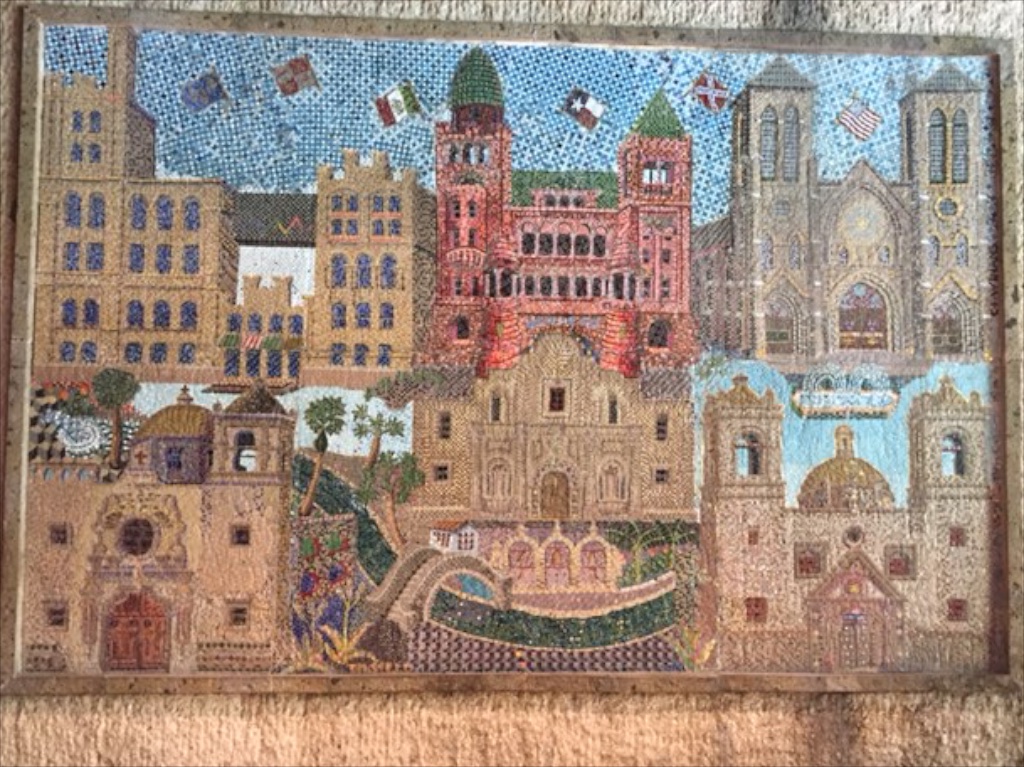
 The Alamo site is an interesting juxtaposition of the old and the new. The lower stone wall surrounds the Mission grounds.
 The Alamo site encompasses a block in downtown San Antonio with newer buildings rising around it.


 After a long drive and a lot of walking around in the heat what better way to end the day?


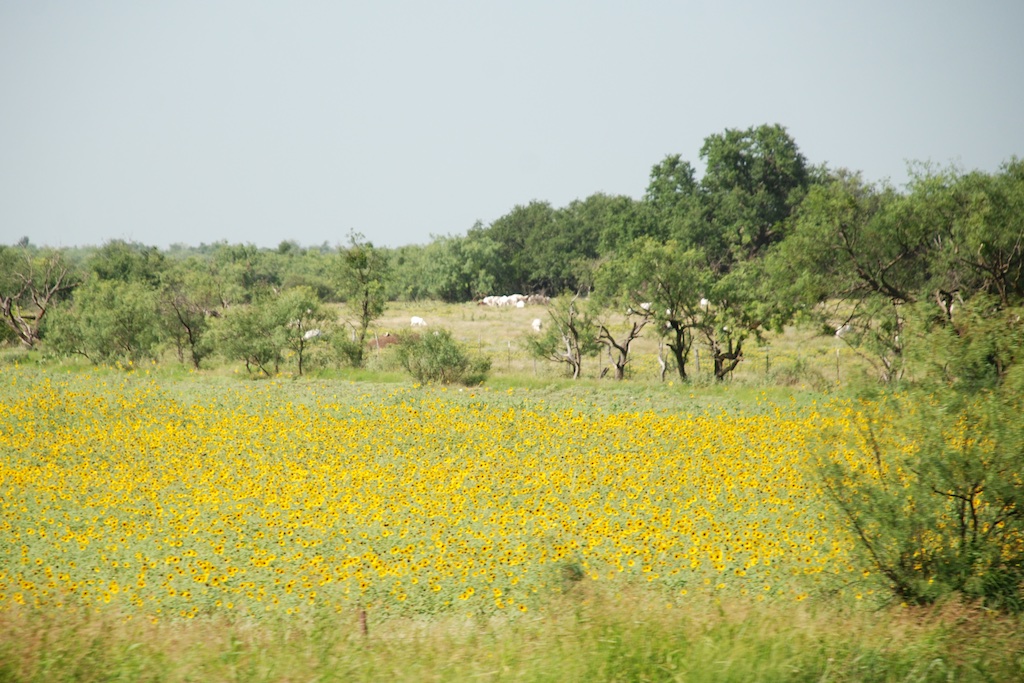

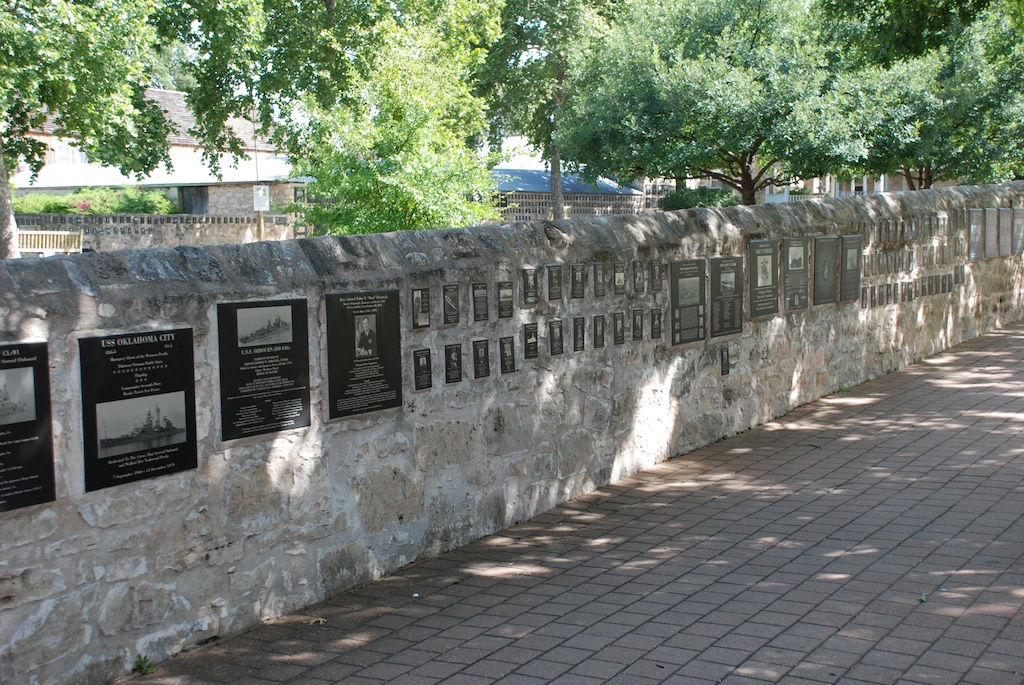
 I don’t have many photos. I snapped several from the moving truck, but although some of the scenery ones are passable, it was hard to get much in town when driving through.
 I must say that the iPhone has given me a new way to travel. We like our big map books with one book for each state. I kept that open on my lap but I continued to look up towns we passed or things listed on the map that weren’t there anymore. We garnered a lot of history that way.
 This photo doesn’t look especially green because the field has just been baled but there is a bumper crop of hay.
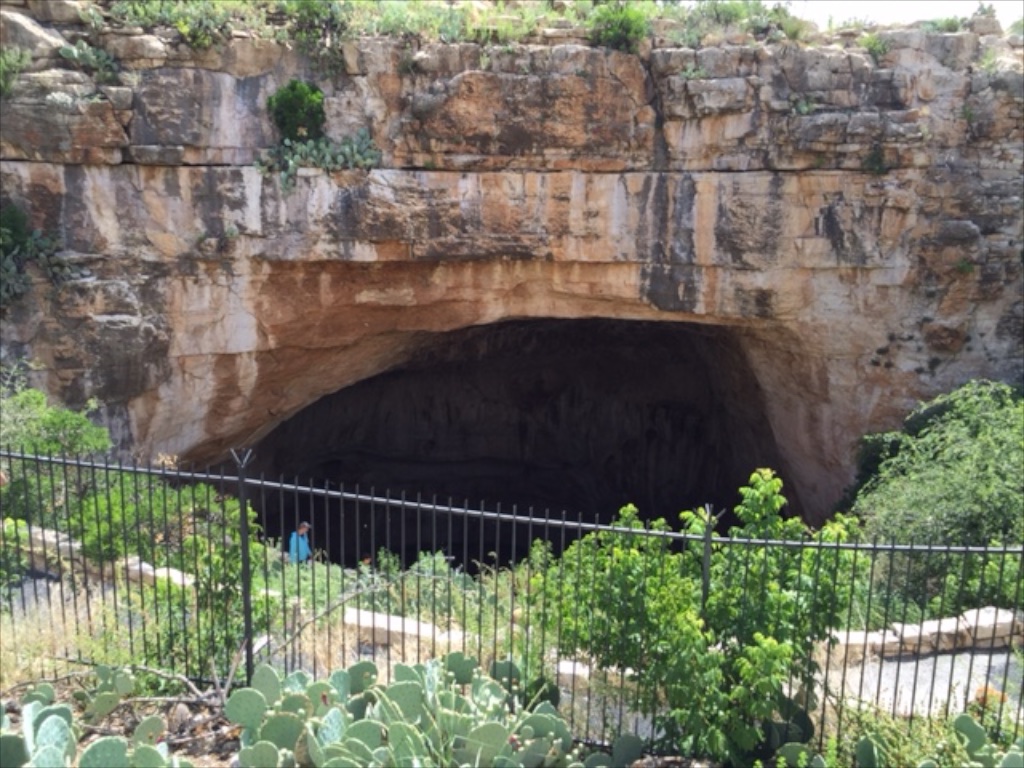
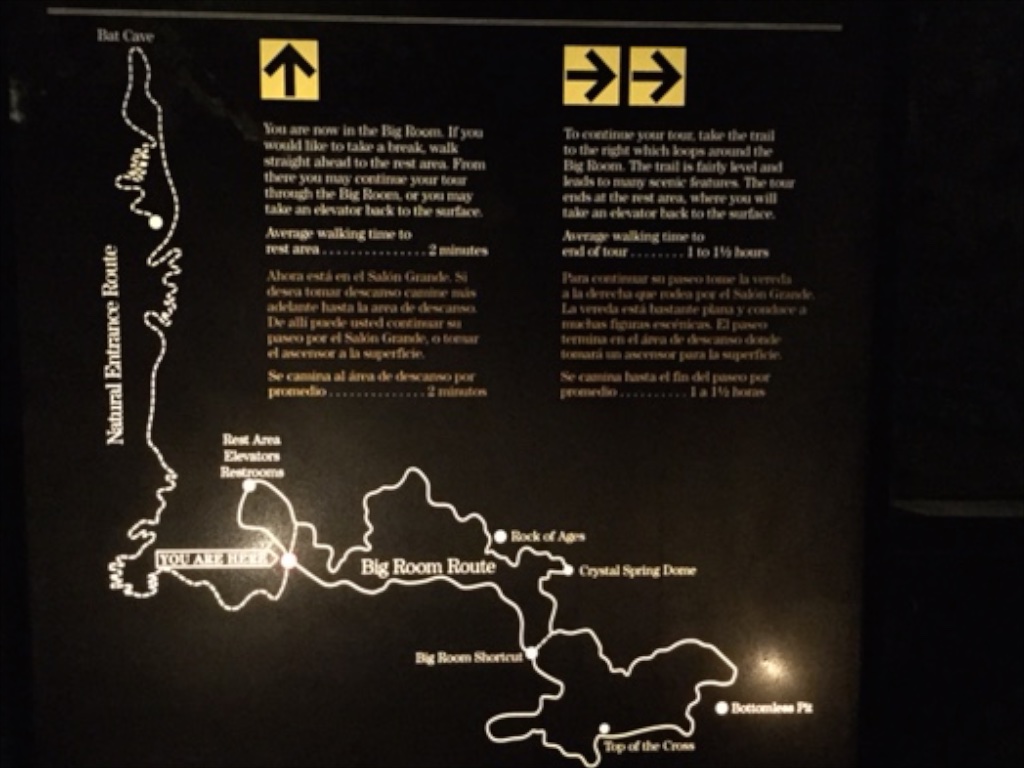
 The bats roost inside the cave in an area closed to the public. Cave swallows roost in the entrance.






 According to the sign we were standing on the rim of a collapsed super-volcano, 12 miles in diameter and magma is only 5 miles beneath.
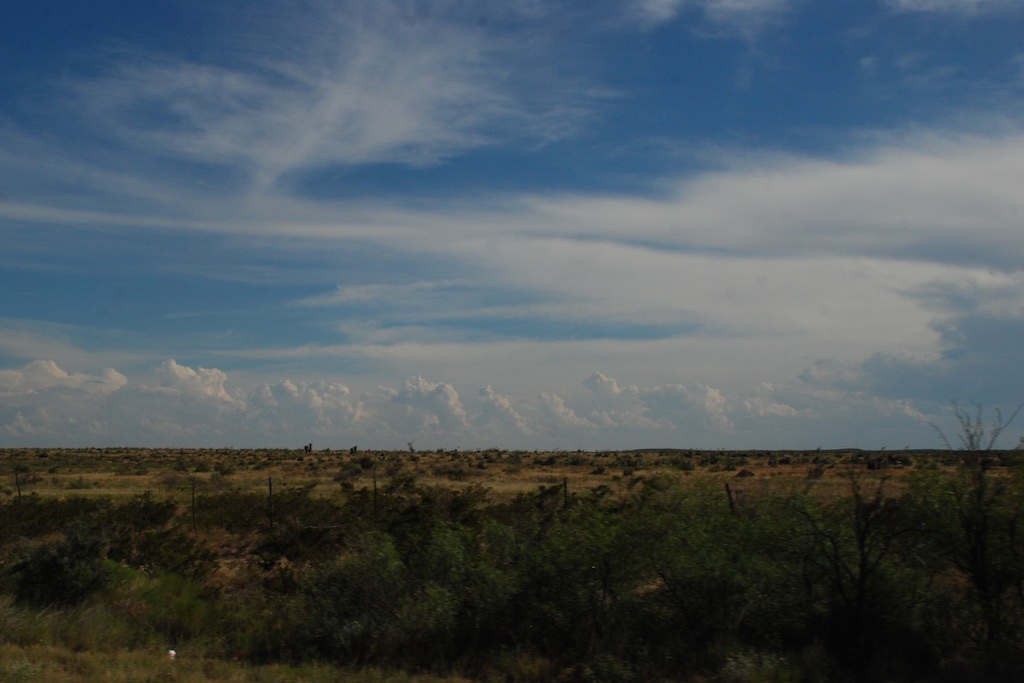
 We had been lucky with the weather the whole day. Other than the previous night we hadn’t been rained on. But we could watch the weather while we were driving. There is lots of flat landscape on the drive through central New Mexico, but I am just glad to see that there is so much unpopulated land in our fabulous country. The tune “wide open spaces” continued to run through my head (as did “standing on the corner…” from yesterday).
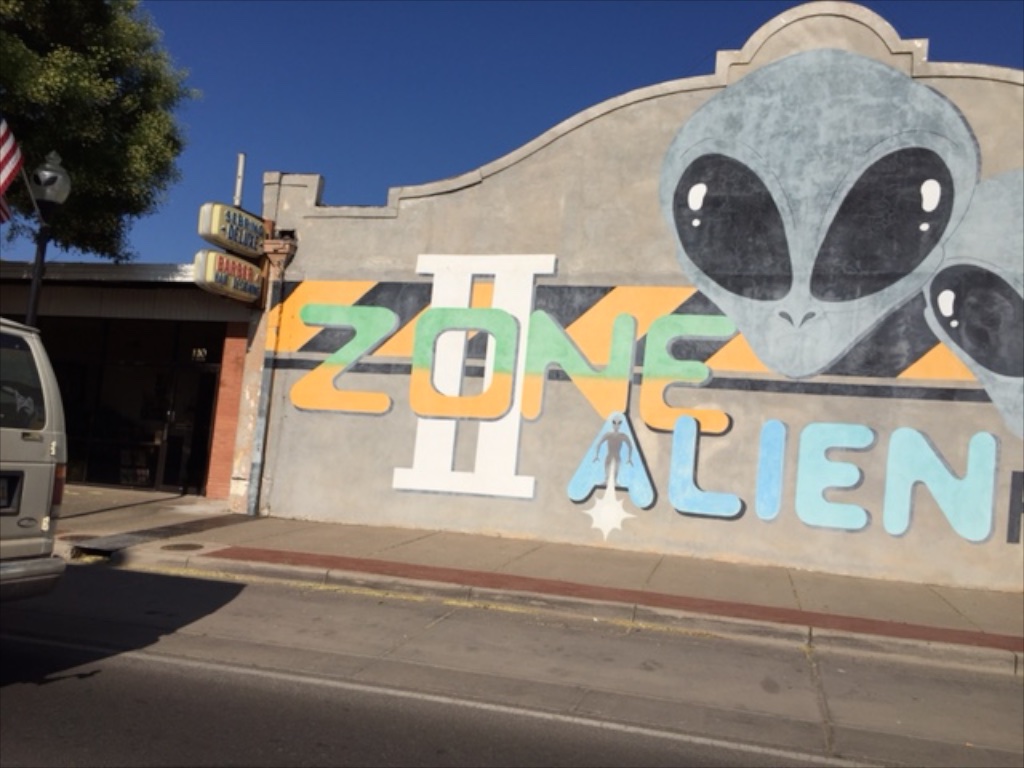
 Another train view but this is a train made up of a dozen engines. We saw this the previous day also. Mulitple engines are used to pull (and push?) trains up the long grades and I guess they send those engines back to be ready for the next train. Many hours of driving later and about dusk we got to Roswell,


 After stowing our gear we set off north to see what the town of Kelso looked like. Have you ever seen a sign with a flashing light that cautions you to watch for tortoises? I never had and I wish I had stopped for a photo. It was one of those things that I thought I’d do on the way back but we ended up making a loop through the preserve.


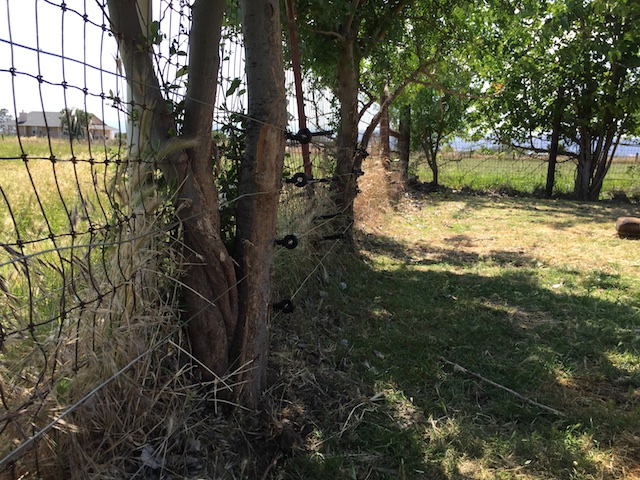
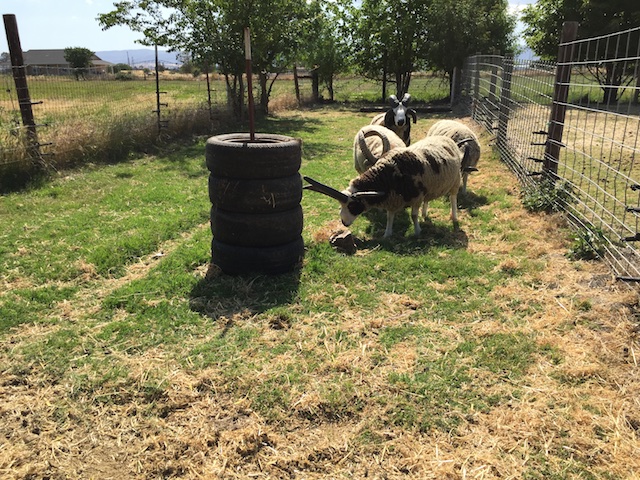
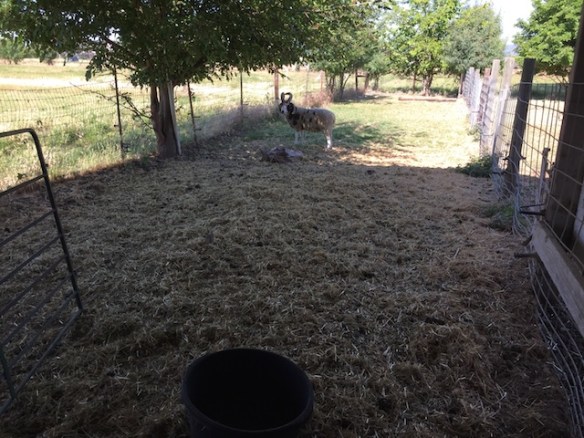 When I walked out there I saw that one electric fence wire was spiraled across the pen and Ringo wouldn’t cross it. I had been fixing the fence a couple times per week, tightening the wires, or replacing insulators, and once in awhile fixing a break.
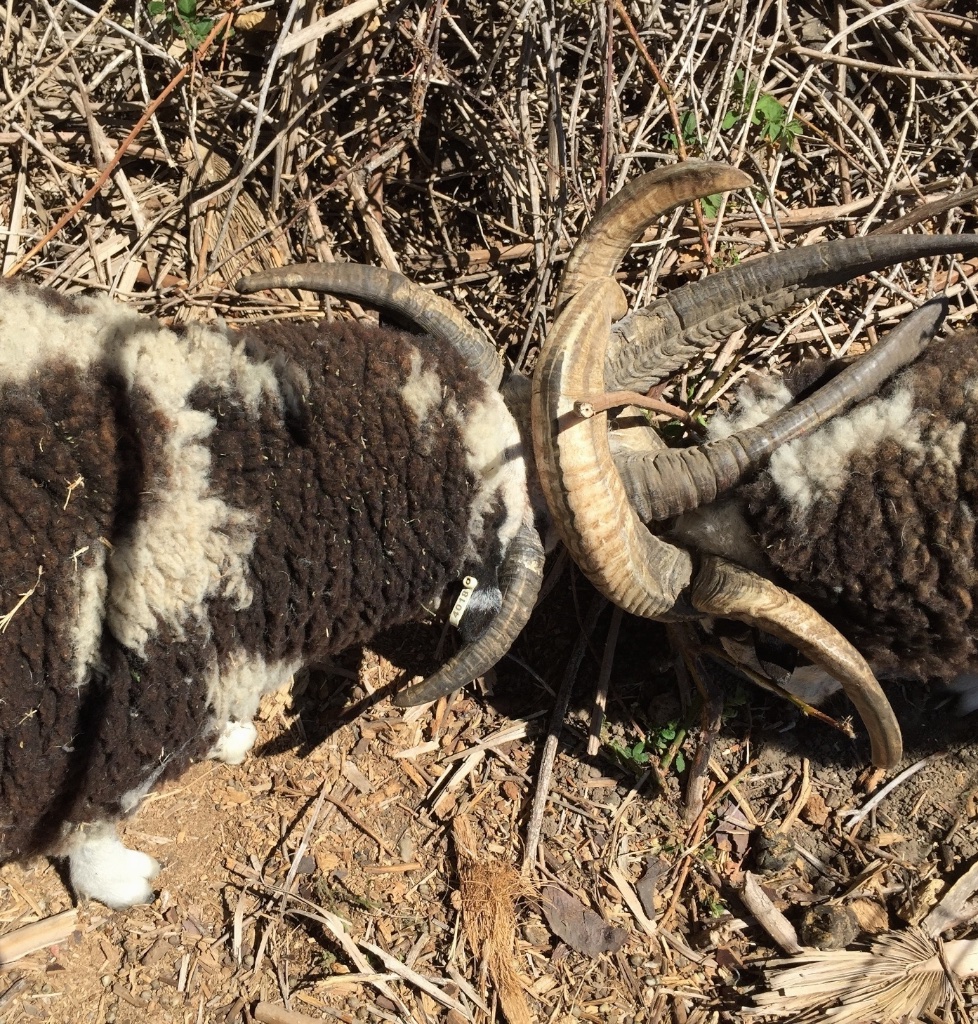
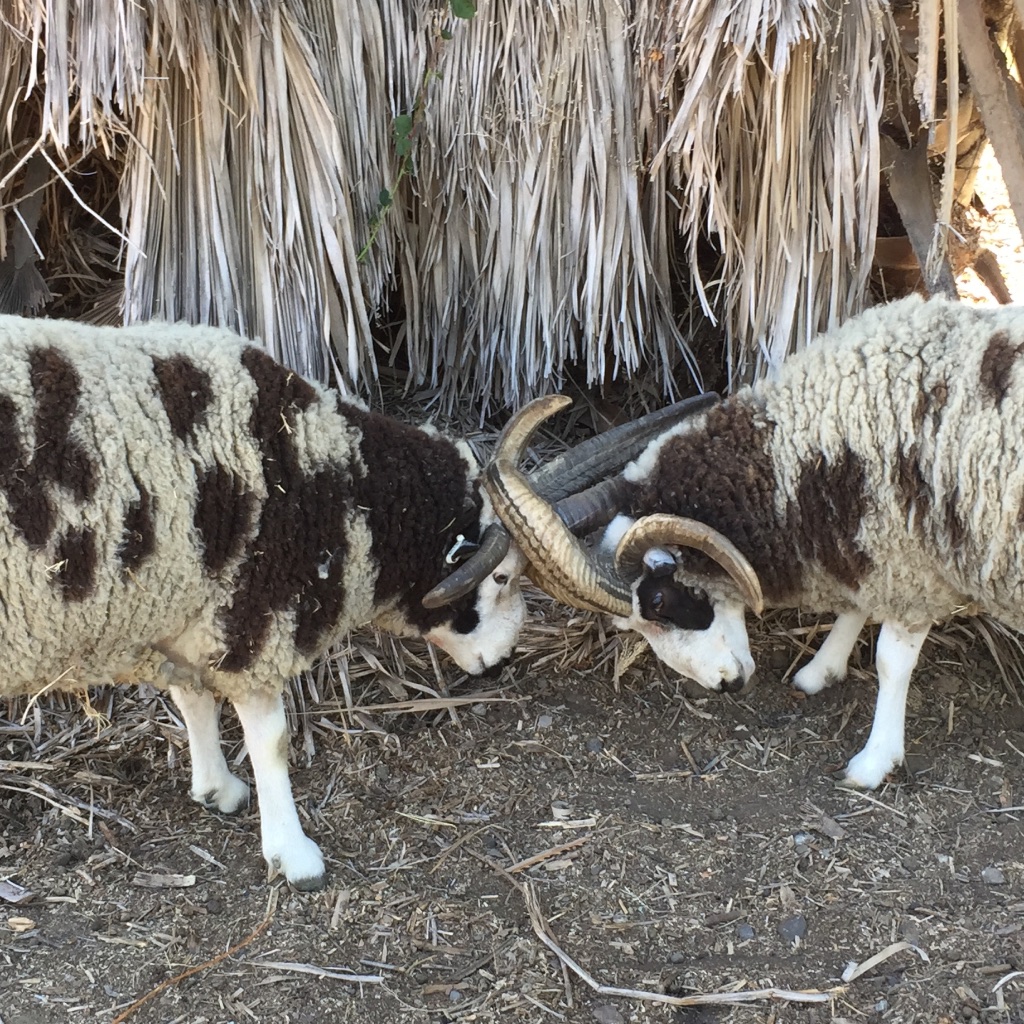
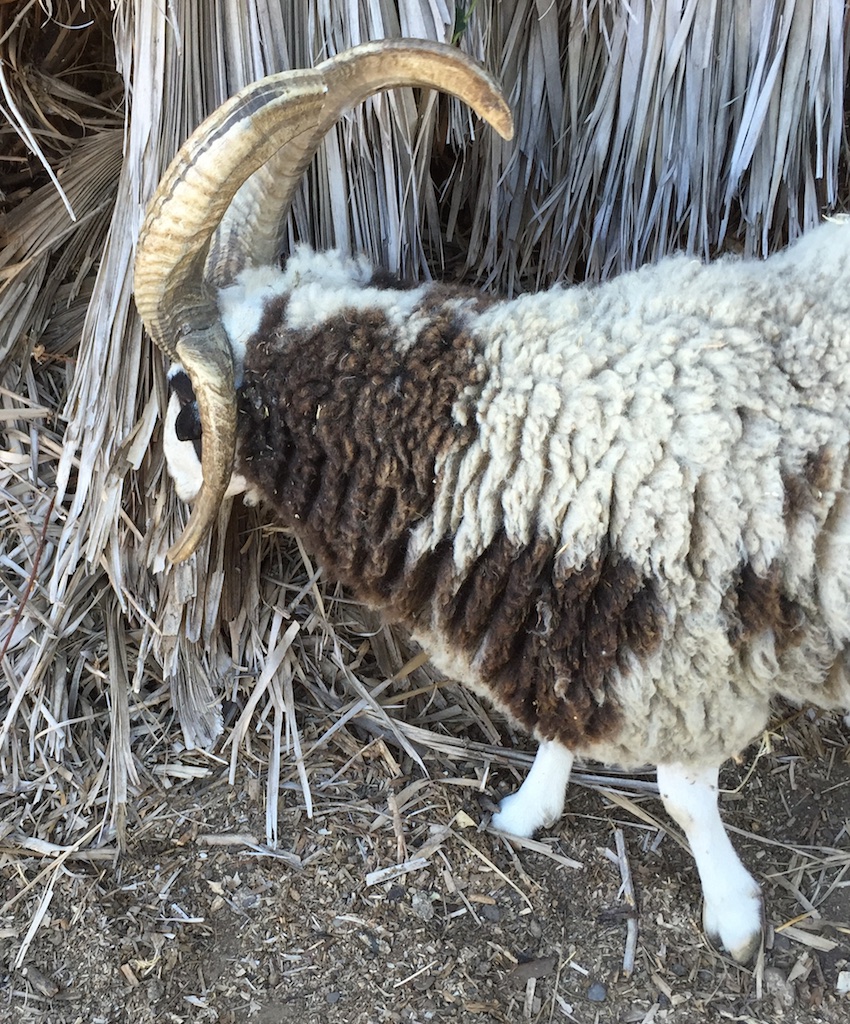
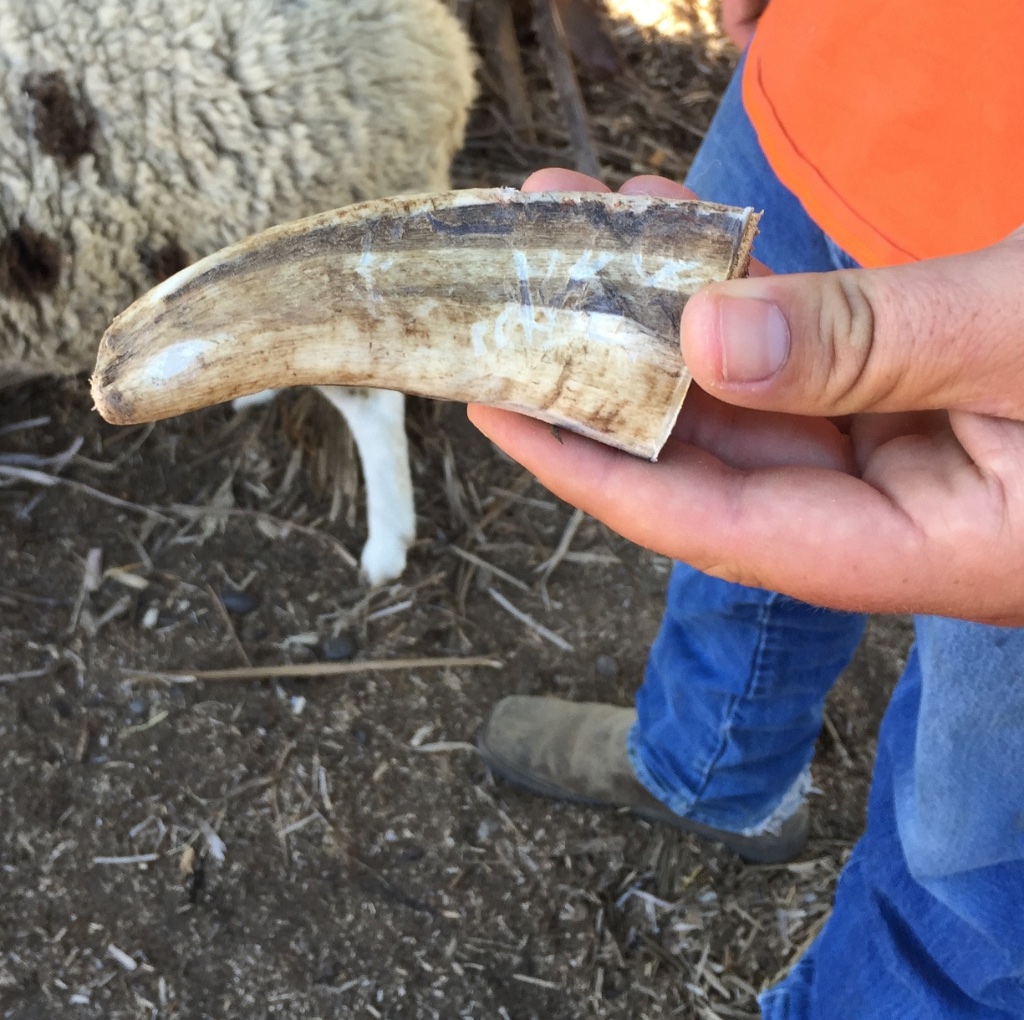
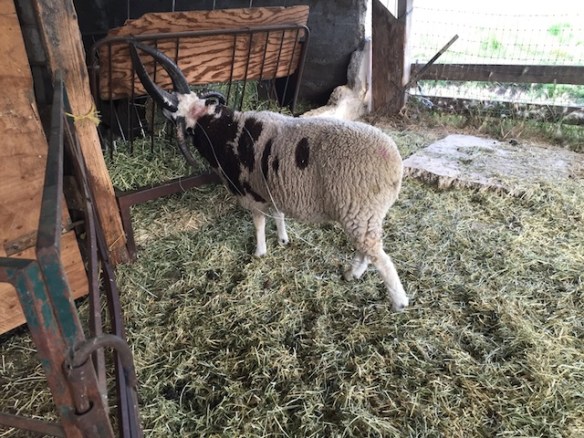 That evening I found this–Foley with wires wrapped all around his horns and his feet. It was worse than it looks in the photo. I had to cut the wraps of wire off of him. I knew that I had to do something better. The goal of this electric wire is to keep the sheep away from the field fence on the south side and the welded wire panels on the north side, both of which the rams can easily destroy. It works well for the ewes and it works for the rams to the extent that they don’t try to eat something on the other side or put their heads through the fence. But it is obvious that the charge is not felt through the horns. The rams actually spend time trying to scratch on the insulators and bash the tree that holds some of the fence. Then their horns catch on the wire and I think they like to fight with the wire just because it’s there.