Lambs Grow Up

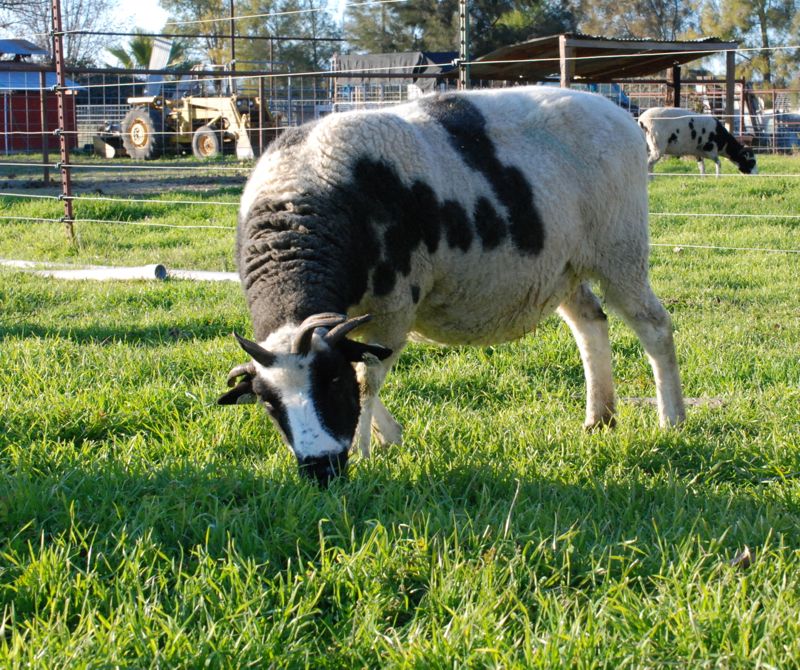
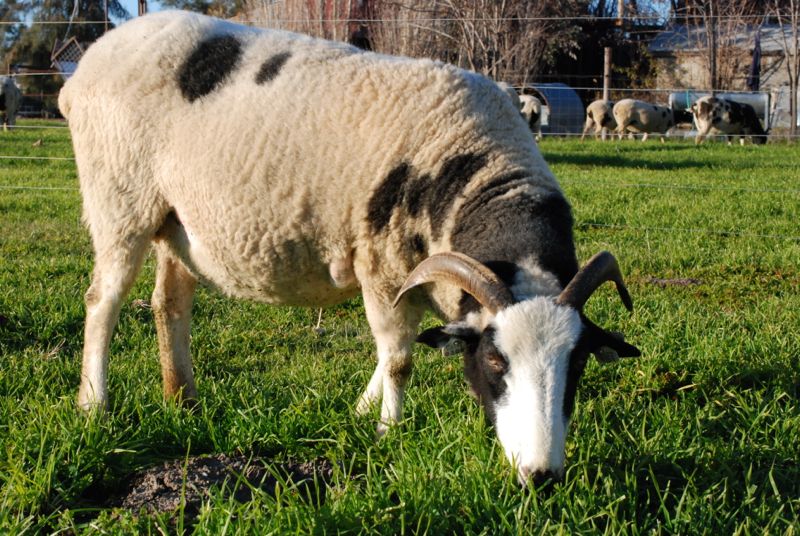
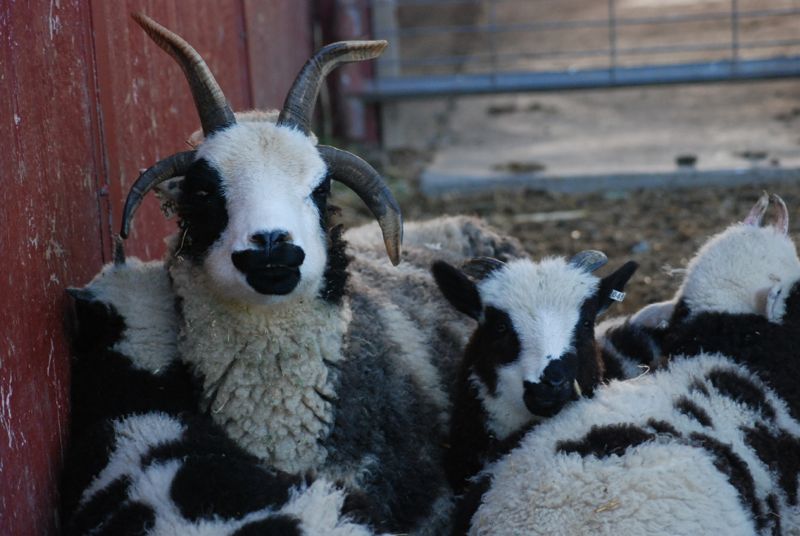
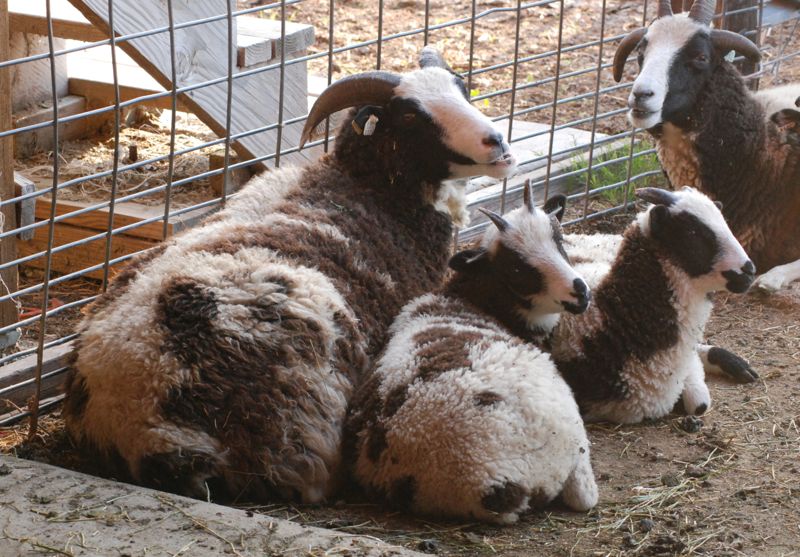
Lambs will be here at the end of February and I have been thinking about how fast they grow. Here are some of the 2013 favorite lambs as they grew up.

 008 This is Marilyn with her mom, Hot Lips. 009 2 1/2 weeks old.1st place ewe lamb 3007 First in her class at Black Sheep Gathering, 4 months old. 011 Marilyn at 8 months old. Isn’t she pretty?  012 Santana at 10 days old.  013 About a month old. 014 Not quite two months old.  016 5 1/2 months old with a great horn spread. 017 Santana with his ewes 7 1/2 months old.  020That’s Alex on the right at about 10 days old. Not much color on that side. Fortunately he has more on the other. 019 About 4 months old. 021 About 8 months old. 018Alex after shearing, 9 months. 024This is Cascade at 10 days old. 025Two months old. 022 Here she is at 7 1/2 months. 023 


Sheepy Morning


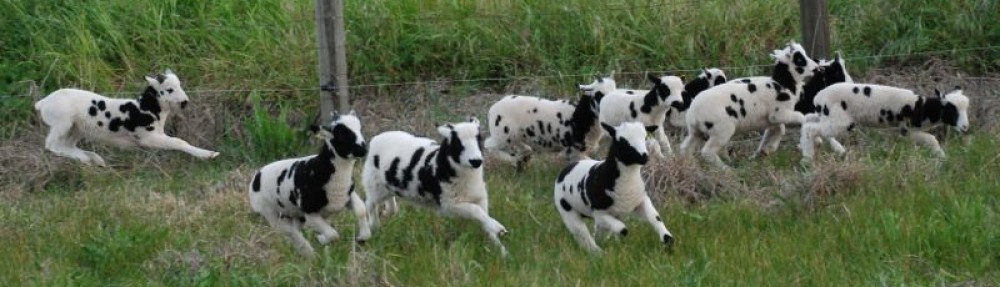
DSC_5160The sheep follow me, always hopeful that I’ll switch them to a new paddock.DSC_5171 They are in luck this morning.DSC_5172 DSC_5175 DSC_5180 The young lambs don’t always figure out going around the post.DSC_5198DSC_5181 DSC_5191 DSC_5196  Now they’re going the right way. DSC_5212Sheep aren’t the only thing in the pasture.DSC_5152Can you tell what I’m looking at?DSC_5149The mosquitoes haven’t been too bad this year, but that has changed now. The pasture mosquitoes are out in force. I don’t go out in the pasture without my long sleeved “mosquito shirt”.

Summer Lambs & Other Fair-time Observations

From a management standpoint having new lambs in July is not very smart. It’s like managing two separate flocks.  On the other hand, it’s always fun to see new lambs. More importantly I like to support the efforts of UCD and the Veterinary Medical Teaching Hospital in presenting the Livestock Nursery at the CA State Fair. It is a major attraction and helps to provide much-needed education to the public.

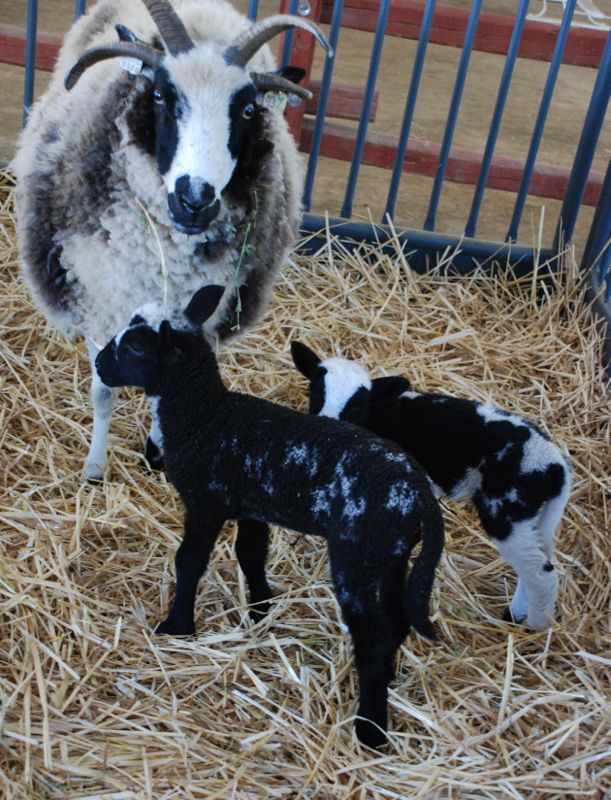
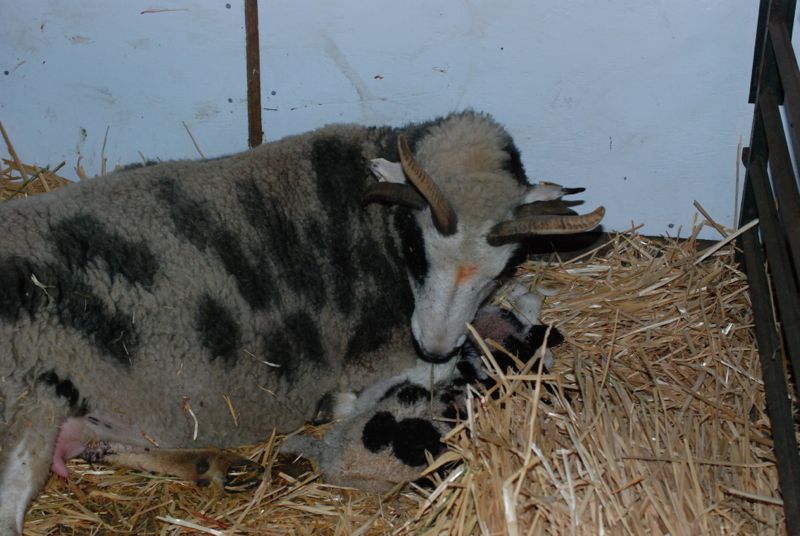
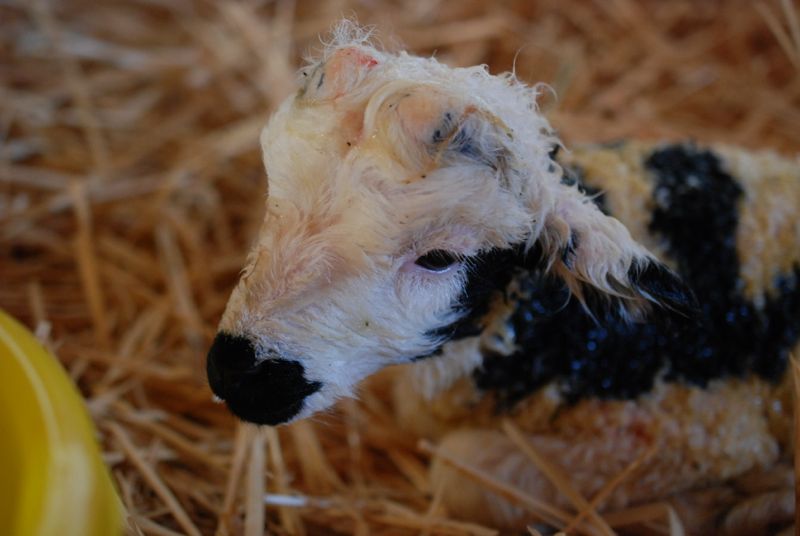
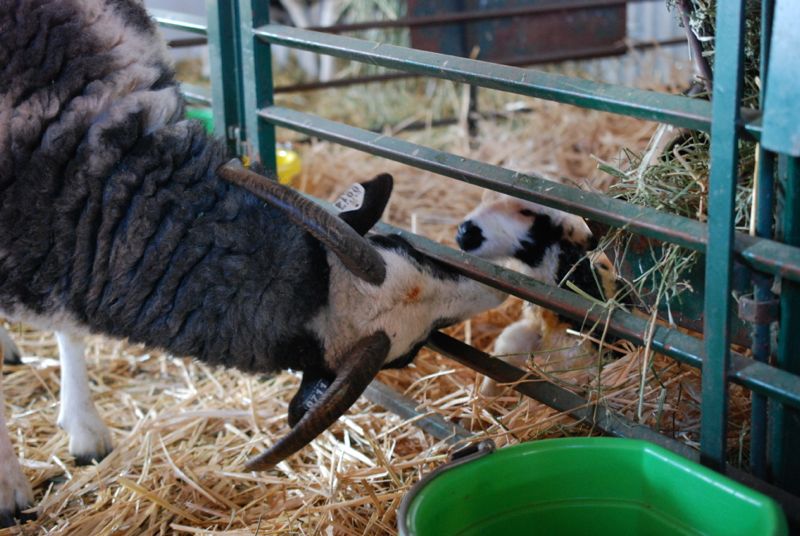
This year I took five pregnant ewes to the fair, and I visited the fair yesterday.DSC_4230 Dona has twins.  I bred some of the ewes to Faulkner, the BFL, as well as to a Jacob ram. It was more important to have lambs, any lambs, than to have purebred Jacob lambs. I decided that in breeding out of season using two rams would be safer than counting on just one and that by using Faulkner I’d be able to tell which ram sired the lambs. I think that I have one of each here. The lambs are quite different looking.DSC_4244 Phyllis had a single ram and Clover had twins, all sired by Faulkner. DSC_4252 Isadora was bred to a Jacob ram and has a nice single ram lamb. I had a phone call today that Foxglove has also lambed with a single ram. DSC_4258 Here is a view of the nursery first thing in the morning. When I left at noon the place was packed.

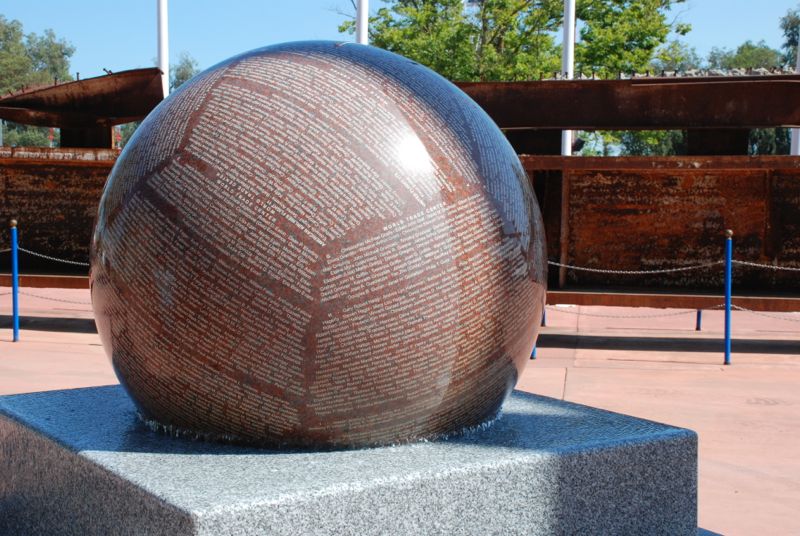
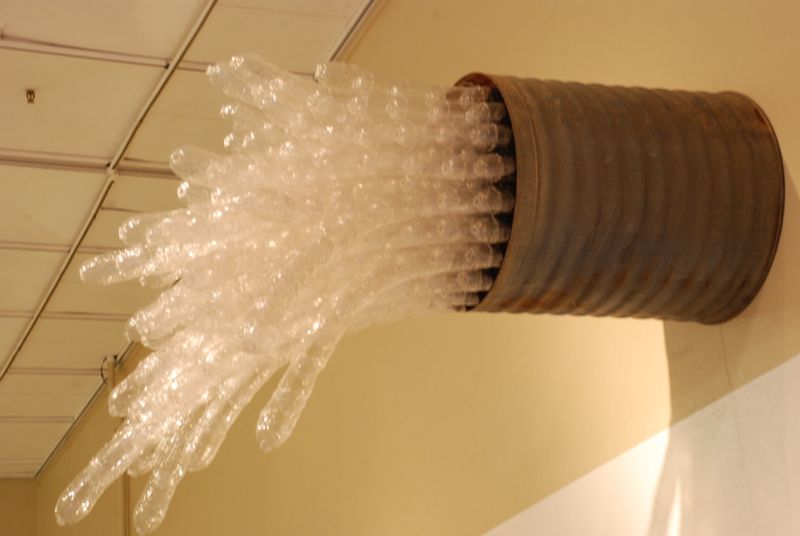
I wandered around the fair for a little while before I left. I thought I’d check out a few of my favorite spots. I won’t get much time to do that once I get there with the other sheep at the end of next week.DSC_4263 There is a memorial to September 11. In the background is a steel beam from one of the towers and in the foreground is a sphere on which is inscribed the names of all the victims of that horrendous tragedy. It floats and spins gently on a cushion of water.DSC_4266 I breezed through the art show. This caught my eye. That is plastic bottles (400 of them) pouring out of a culvert.DSC_4270 Here is a sculpture made of nails.DSC_4269

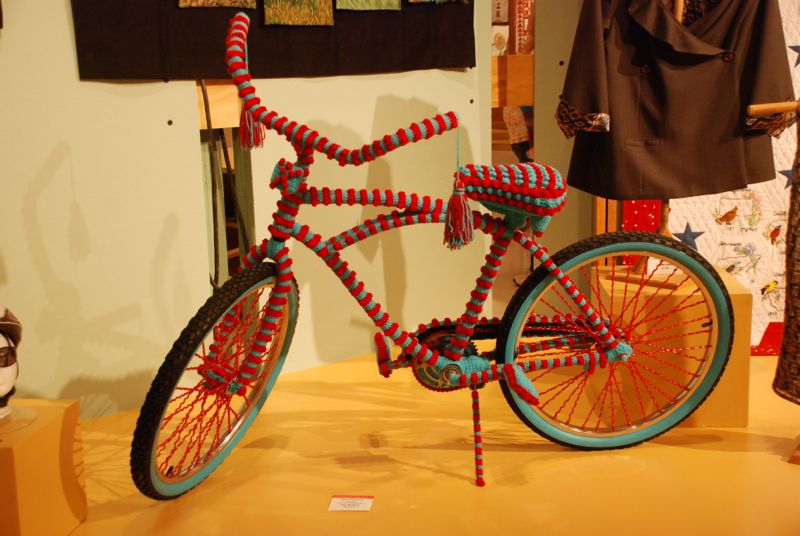
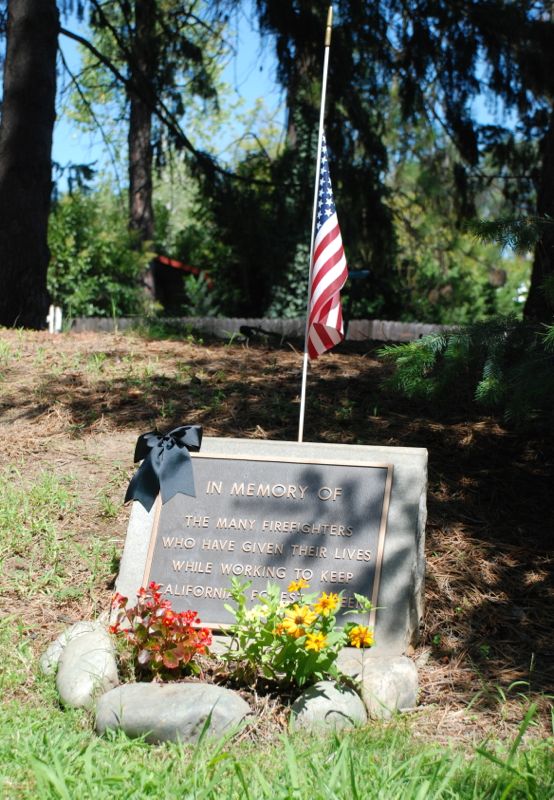
DSC_4271 In the California Living exhibit I saw a crocheted bicycle…or I guess it is a bicycle with crochet touches.DSC_4272 Lots of beautiful quilts.DSC_4281Solano County always prides itself on winning awards for the exhibit in the County Building. This year’s display was a bit different. It not only included the rich agricultural diversity of the county, but told the story of Travis Air Force Base. DSC_4275 My last stop was The Forest, a relatively quiet and cool spot in the busy, sun-drenched fairgrounds. This time, with the AZ tragedy still fresh in my mind and my fire-fighter sons both working now, I took notice of this memorial.

Lambs everywhere

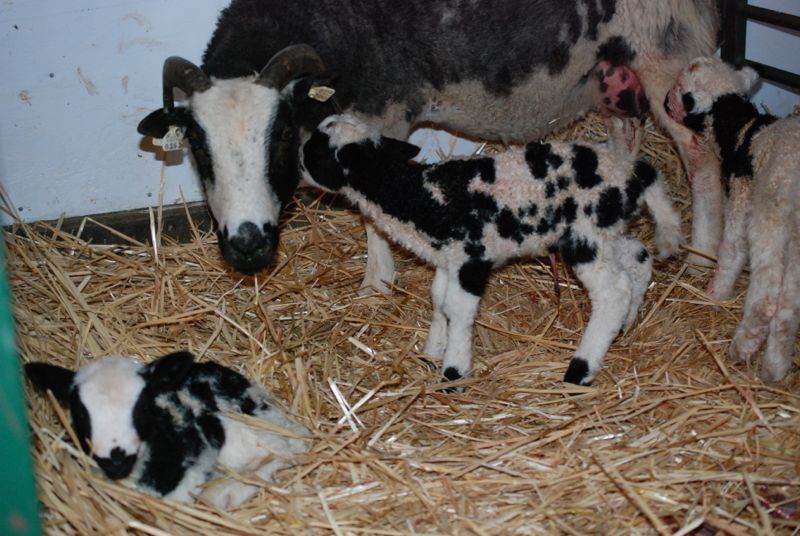
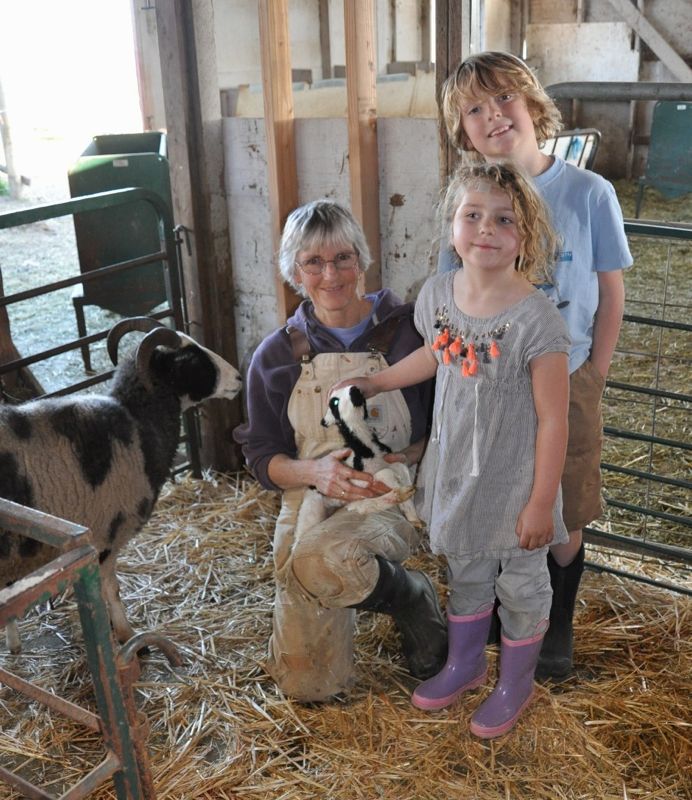
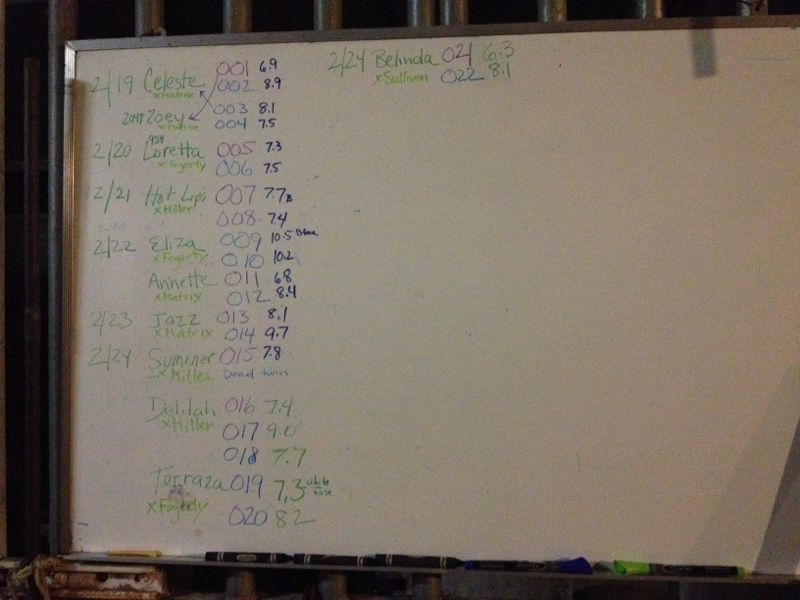
Eight lambs today brought us to 22 lambs in five days since lambing began. It was hectic today. I had a Lambtown Fiber Committee meeting scheduled here from 1 to 3. One ewe (Delilah) lambed with twins and I put another ewe (Belinda) in a lambing pen just before the meeting started. One of the participants in the meeting brought her kids and the kids needed something to do. They were charged with the task of telling us if Belinda started having a lamb. About half way through the meeting the kids told us that a different ewe had just had a lamb. That was Terraza and I brought her into the barn. By the time the meeting was over there were 5 more lambs (2 for Terraza, 2 for Belinda, and 1 more for Delilah, giving her triplets). DSC_8852The morning began with finding Summer’s lambs. Unfortunately one was dead. (This is not a very good photo but it is of the live lamb.)DSC_8832The third of Delilah’s triplets. Look at those horns.DSC_8843This is Belinda. It’s no wonder that lambs and ewes get mixed up when lambing in a confined area. Belinda was desperate to have a lamb, any lamb.DSC_8857Delilah and her triplets.DSC_8846Terraza and twins.1-DSC_5697weigh Dona came for the meeting and she took some photos. I like to weigh the lambs so I have an answer when people ask me “how much do they weigh when they are born?”1-DSC_5759kidsHere are the official Lamb Watchers of the day.Eliza This is one of Eliza’s lambs, born a couple of days ago.hot lips Hot Lips and one of her lambs.lamb listThe Lambing Board.

Lambs are Here!

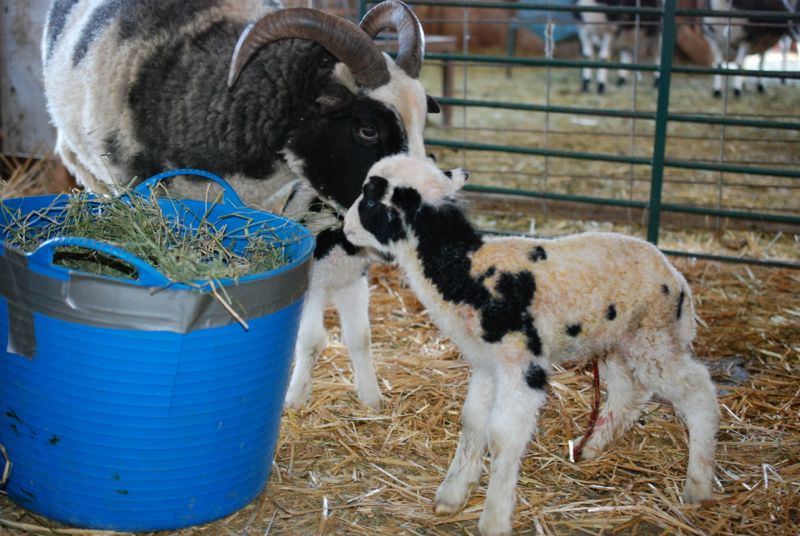
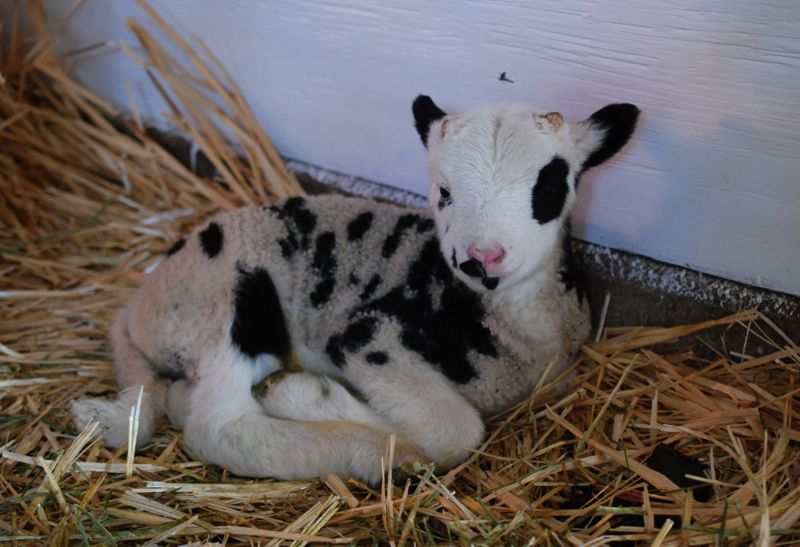
Lambs were due on Thursday, 148 days after the first breeding date. I’ve started watching for early arrivals. Last night I went out at about 12:30 a.m. (after finishing bookkeeping for the night) and found two ewes with four lambs. I brought them into the lambing pen area and tried to sort out moms and babies. I finally assigned two lambs to each ewe and they all seemed happy. In the light of day I realize that the sets of twins are split up. But that’s OK as long as each lamb has a happy mom.DSC_8709 This is a beautifully marked ram lamb. Meridian Celeste x Kenleigh’s Matrix. The two parents are both lilac (the color of this lamb) and they should have lilac offspring. DSC_8716 This is his adopted twin, but he is black so I think belongs to the other mom. (Meridian Zoey x Meridian Fogerty)DSC_8721 Here is a lilac ewe lamb (although in the photo she looks black) so this is the twin to the first one. DSC_8775 Meridian Loretta lambed with twins in the middle of the day. I put Loretta in a pen and came back an hour later. No muss, no fuss. Twins clean and nursing. This is a ewe lamb. Meridian Loretta x Kenleigh’s Matrix.DSC_8789 Here is that first lamb again. I usually just number the lambs and let buyers give them names.  This lamb is tempting me to name all my lambs. I don’t have his name yet, but I’ll think of one. DSC_8792Lambing season has started.


Sheep in the Sun

During the winter the sheep are mostly in the barn and corral area. The pasture doesn’t drain well and I don’t want it to be a trampled mess. I’m also waiting for there to be more growth there. It’s been dry enough the last few weeks that I opened the gate to the small paddocks near the barn. The sheep were thrilled to get out to that grass.

DSC_7922 This is Summer (the sheep, not the season). DSC_7925 This is Spring (also, not the season).DSC_7927 Here is Eliza. They are all looking a little heavy, but that is because they are due to lamb in about a month. DSC_7929 Stephanie, the old goat, is so stiff in the cold weather we’ve been having. I walked her out here to enjoy the grass.  Most of the sheep kept their heads down eating. But Kyra just wanted to play. DSC_7932 DSC_7937 DSC_7939  Happy sheep! DSC_7938I still have the new lens on the camera. It is a 40 mm lens and I wasn’t that close to the action. I’m surprised that I was able to crop the photos to this degree and still have them relatively sharp.DSC_7948

You Can’t Always Count on Genetics

This is Ebony, a black and white Jacob ewe.

This is Hudson, a lilac Jacob ram.

Here is one of their lambs at almost 2 months old. He is lilac like Dad.

This is the other lamb at about a month old…

… and here he is at just over 2 months. He has been marked with a cull tag because of a severe split eyelid, but also, do you see how his horns are growing?

Both lambs today, at 3 1/2 months old:

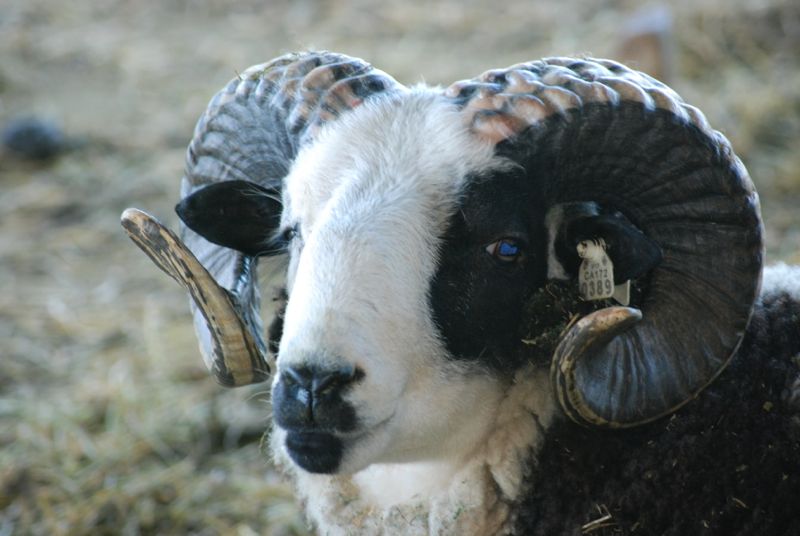
I love the horns, the color, and the fleece on this lilac ram, but (as in the discussion over on Facebook) I sure wish that I could combine these lambs into one and keep just the parts I like. Look at those pretty blue eyes on the black and white ram…

…and he has nicely marked feet also.

Speaking of rams, here are a few more photos:

The photo above is of Meridian Clapton at about 6 months…

and here he is as a yearling.  Look at the photo below for horn detail on his right side.

The first thing that is unusual is how his horns go behind his neck instead of under, but there is also a fifth horn there.

Meet Puddleduck Sullivan, a 2-horn yearling ram. But is he really a 2-horned ram? I see a seam in those horns that could mean that he is a fused 4-horn. And he also has another horn on this side. People talk about 6-horn Jacob sheep, but I haven’t seen any in which the 5th and 6th horns weren’t scurs or some how compromised by the larger horns. After all, where would you put another full set of horns?

This is Meridian Fogerty, a another 2-horn yearling ram. I had so many rams last year that I didn’t use him, but he will be in this fall’s ram line-up. His horns are closer to his face than I’d like, but still OK.

One more ram. Sweetgrass Clint is Clapton’s sire and here he is (above) at 6 months old.

This is Clint last fall as an adult.

Bottom line–you don’t necessarily get the perfect lamb by breeding two “perfect” parents and you can’t predict how the lamb will look as an adult when you buy it at 4 months old.

For more photos of how rams’ horns change see my website photo gallery . By the way, Ebony, who is at the beginning of this post, stars in her own video over on YouTube. Click here  and find her video to see her having those ram lambs.
Some favorite sheep


I took a whole batch of photos yesterday morning before I went to two days of Nikon photography classes in Sacramento. I intended to write a blog post about ewes and their lambs and I took photos of family groups. After the class I’m looking at these photos and thinking…delete…delete…delete. I couldn’t bring myself to delete all of them, but I did delete most. And I’m tempted to go back through the last year i-photo and do a big cleansing.


So here are a few photos that I kept and some of them aren’t all that great but I like the sheep.

Summer and her triplets

Hot Lips and twins

Dazzle and twins

Lola and daughter

Faulkner

Ebony

Fogerty


Ouch!

I have been vigilant in trying to watch for mastitis in the ewes. It’s not easy to spot until you see a ewe that doesn’t want to get up or is lame. Lame? Yes, the infected side of the udder becomes extremely painful and the ewe doesn’t want any pressure against it so she limps. Have any of you women ever had a breast infection? Then you know what I’m talking about.

I am learning that mastitis in sheep can progress so quickly that you often don’t see any signs until it is too late. Prevention or early detection is the answer. (Do I sound like a health care ad?) I noticed a lopsided udder a couple of weeks ago. I caught the ewe and her lambs. It was obvious that the ewe was not letting the lambs nurse on one side. I found a scab at the top of the teat–maybe something that started from vigorous lambs with sharp teeth (nursing moms can relate to that too). I used an udder cream to help soften the scab and I milked her out. Fortunately the milk still looked good–not starting to get chunky or cheesy. I kept that ewe in for a few days, milking her some, but mainly making sure that she let the lambs nurse–which she did when I used the cream on her udder. She is fine now.

Today in the pasture I saw Athena from the rear and thought that she looked a little lopsided, but not too much. I was able to sneak up on her and feel the udder. Hard. Immediate response needed. I brought all the ewes in so I could catch her and her lambs. Here is what her teat looked like:

It is hard and inflexible. A normal teat is squishy so you can actually get milk out. The good news is that the milk is still OK and I can get milk out if I milk her by squeezing the lower part of the udder and the upper part of the teat. The bad news is that it is very painful for her and she will get mastitis if I can’t keep the milk flowing or unless I dry her off so that there is no milk production at all. You can’t stimulate milk production on one side and not the other.

Here is what her lambs look like right now:

They are 50 & 55 pounds. Although normally I would have let them continue to nurse, at that weight and 2 months old they can be weaned. So they are on their own now and Athena is in a stall with a wether (with whom she is extremely annoyed) on no feed or water for a little while to help with the drying off process (discouraging milk production). Her udder will continue to fill with milk, but that in itself inhibits milk production. I will give her banamine as a pain reliever and anti-inflammatory and LA 200 as a prophylactic aid to prevent infection (not normally done when drying off). Hopefully without the stimulus to produce more milk she won’t get mastitis and hopefully the teat will heal without damage that might inhibit next year’s milk production.  Athena is a really nice ewe and I’d hate to lose her for this.