Keeping Busy on the Farm

I’m keeping busy.

IMG_2286

Most of the photos are from yesterday but this was a few days ago. I like this view.

IMG_2365

Morning chores. Do you see the grass on this ewe’s back? The dallisgrass is tall right now and it’s sticky. (From the web: Once dallisgrass seed heads ripen they can be infected with an ergot fungus. Infected seed heads are black and sticky.”) It is so strong that it trips me up when I walk and get my feet stuck under it. The sheep are coming in with it draped around their necks. They are dirty because all the dust sticks to the dirt. We’ll need rain to get them clean again.

IMG_2396

The sheep were going into this paddock on the right. I pulled the net fence out of the dallisgrass and put it back in so that it tipped the other way so hopefully they don’t get their horns in the fence.

IMG_2397

There is a 3-wire electric fence here that you can barely see. I stomped down the dallisgrass on the side of the paddock they’ll be in so that the fenceline is more visible. The only way this fence works when the grass is so tall is that the flock is used to the configuration of the paddocks.

IMG_2400

The ewes don’t even want to venture in when it’s that tall. They walked in and then came back to this part in the lane where they could graze normally.

Catalyst-Buster

The rams spend most of their time right now at this fence looking for the ewes. At night there are always a few ewes hanging around here. Tomorrow is the day, boys.

DSC_4743

A good contrast of lilac and black and white coloring. Also typical 2-horn and 4-horn contrast. That’s Catalyst on the left and Buster on the right.

1019-dyed yarn

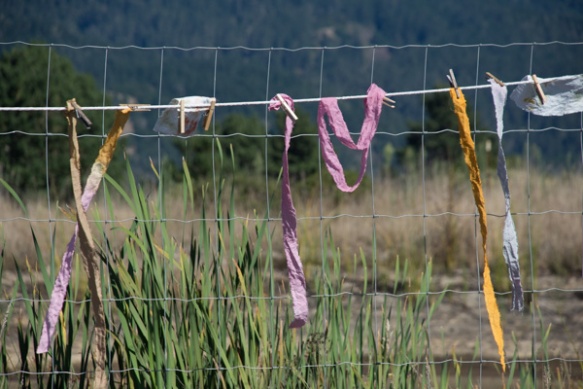
This photo is from a few days ago. These are yarns I used as the warp for two shawls that I just finished weaving. There will be photos of them after they are washed. These are dyed with weeping willow and hollyhock. IMG_2324

More recent dyed yarn.  Weeping willow on the left and coreopsis on the right. The three shades are successive runs through the same dyebath. All that color from 8 ounces of flowers!

Eucalyptus

I set up this pot outside. Eucalyptus getting ready to add yarn.

DSC_4850

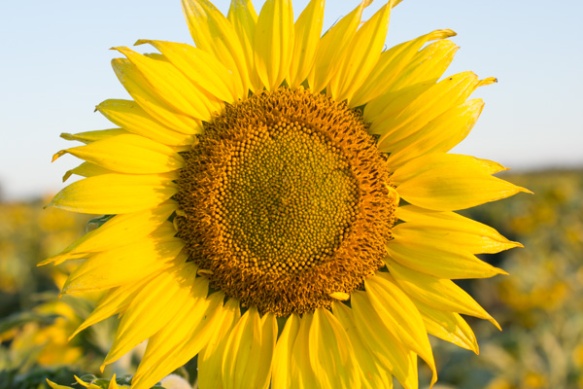
I am moving onto plans for a sunflower series of chenille scarves for my upcoming show. I finally got to the warp dyeing part.

IMG_2384

There will be more photos as I progress with these.

DSC_4860

Warp chains–two scarves each.

DSC_4851

While I was dyeing yesterday we got a hay delivery. Eighty more bales to go in the barn.

Redbud leaf

Color inspiration next to my dye table. Redbud leaf. It is incredible what you can see when you look closely.

IMG_2431

Ginny in her usual behavior. He’s not going to throw it, Ginny.

Fibershed Fashion Show

Saturday was the day of the long-awaited Climate Beneficial Fashion Gala presented by Fibershed. The first year there was a Fashion Show was in 2011. What a long way Fibershed has come since then. There was a second celebration in 2013 but I don’t find a blog post about that one. The third fashion show in 2015, Grow Your Jeans, featured jeans grown and sewn in California accessorized with “grassfed” tops.

I look forward to these celebrations. I only wish that my photos were better. Intense mid-day sun didn’t help and once the event started I was too busy at my booth to take more photos.

DSC_4493

This year’s fashion show celebrated the production of the cloth grown by sheep on the Bare Ranch in northern California and sold by Lani’s Lana.

untitled-39

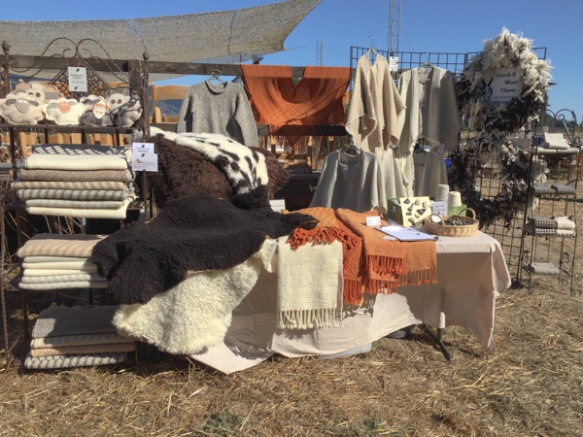
I was there as a vendor and the first thing to do was to unload the truck and set up my booth.

DSC_4480

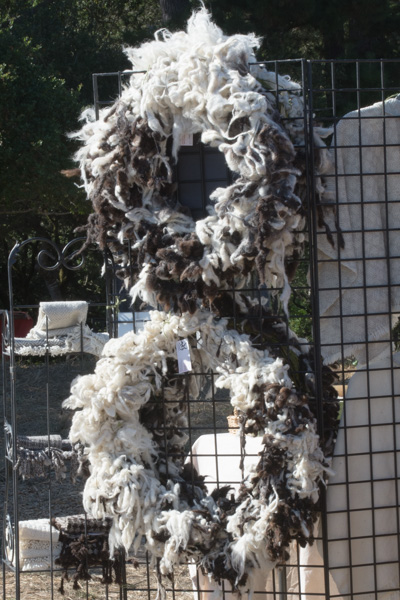
Other than all the weaving I have been doing (to be seen later) my newest products are wool wreaths. After setting up I took a little time to wander around and see other vendors.

DSC_4506

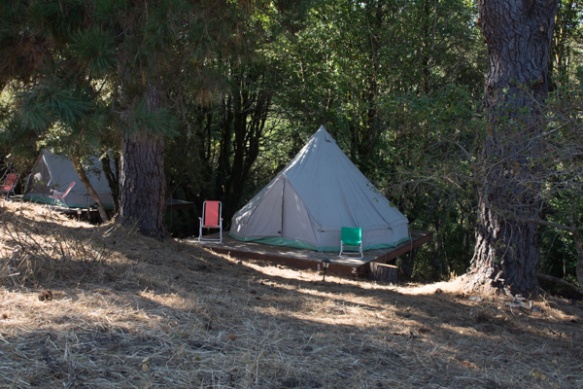
The event was held at Big Mesa Farm in Bolinas. They are an organic farm and also rent 4 “glamping” spaces on hipcamp.com .

FS Gala-4

While I was wandering around the rest of the venue was being arranged.

DSC_4477

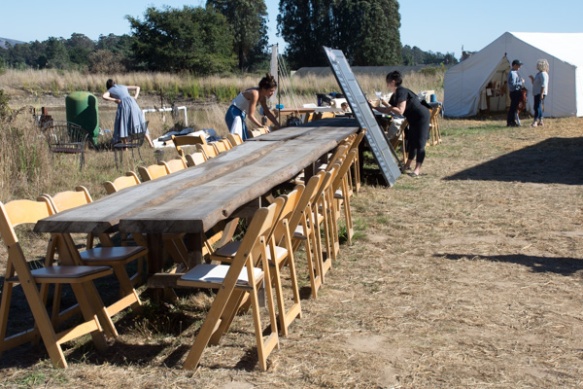
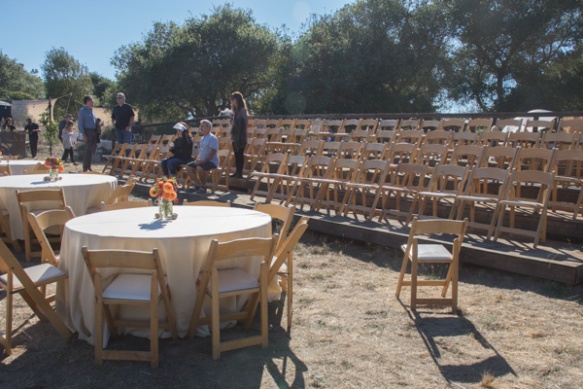
Seating for dinner. The tent on the right is where the models changed and the garments were displayed and sold in a silent auction.

FS Gala-9

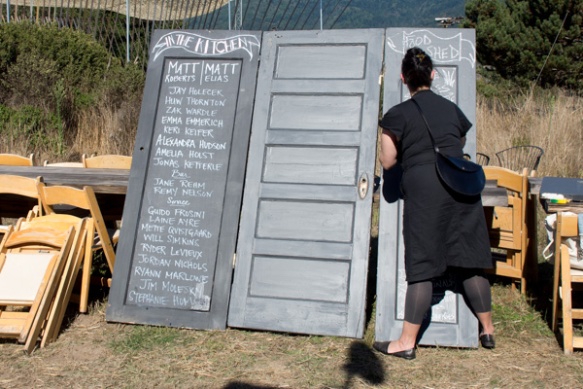
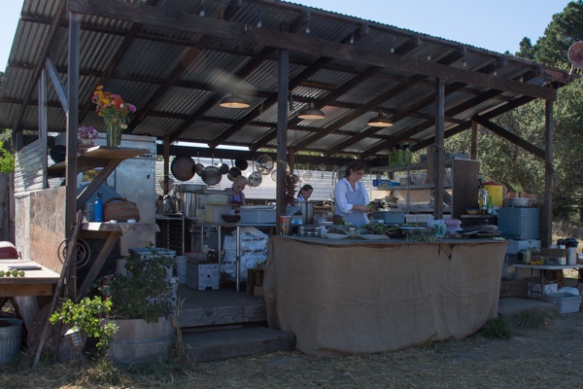
Chefs worked in this outdoor kitchen.

DSC_4501

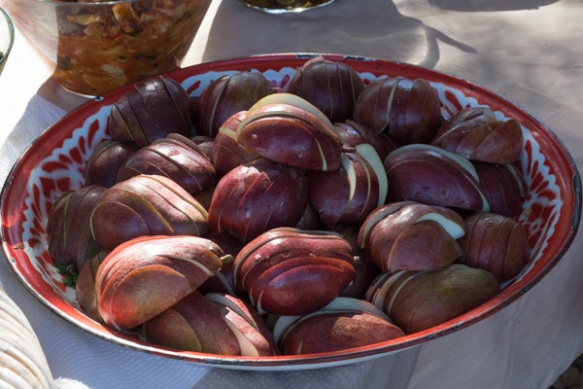
Food was set out.

DSC_4523

Tables and chairs were arranged in front of the stage.

untitled-37

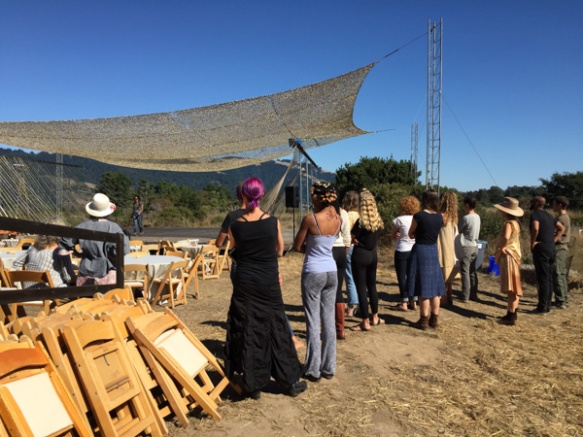
Models listened to instructions and practiced.

FS Gala-12

This is where the public entered the venue.

FS Gala-10

FS Gala-8

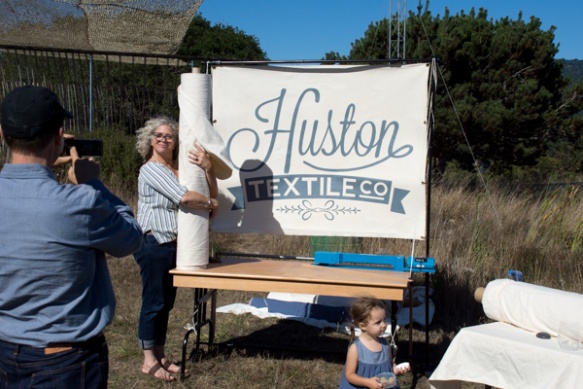
Huston Textile Company in Rancho Cordova wove the cloth that was grown by Lani’s sheep.

DSC_4518

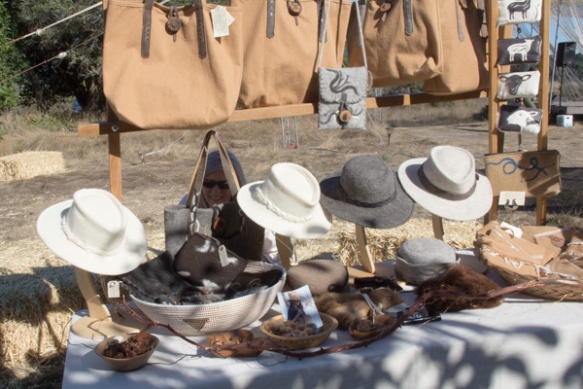
That’s Carol peeking out from behind her leather and felt hats and bags.

DSC_4517

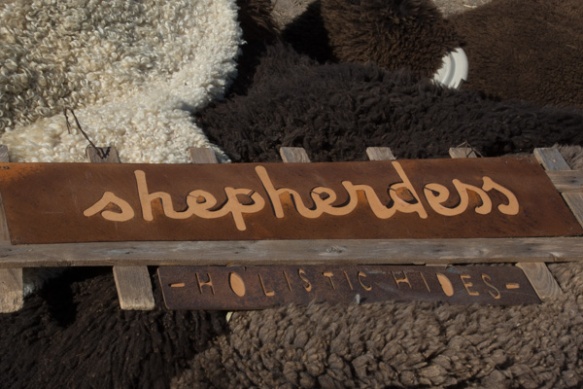
Sheepskins.

DSC_4515

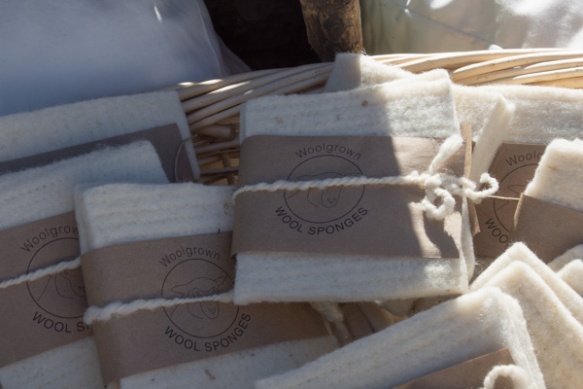
Wool sponges.

DSC_4510

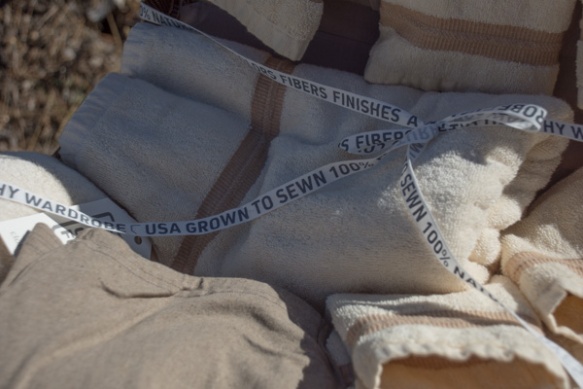
Cotton goods.

DSC_4470

There was a natural dyeing demonstration going on.

DSC_4530

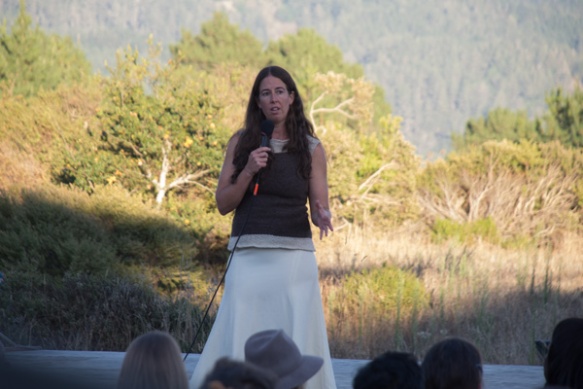
As the main event started Rebecca welcomed everyone and spoke about the Fibershed concepts.

DSC_4532

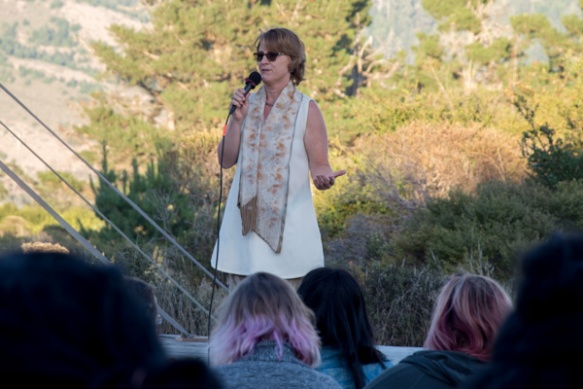
Lani spoke about her part in this project.

untitled-58

It was getting late (low light) and I was standing in the back, so I did not get good photos of the show itself. This is an enlargement of part of an iPhone photo that shows the shawl that I wove for the show. That shawl features Anderson Ranch yarn dyed with coreopsis and dahlia.

untitled-64

The colors range from rust to gold, the wool is soft, and the piece has fabulous drape. It was sold in the silent auction but I have one that is similar that will be in my show at the Artery in November.

The next Fibershed event is the Wool Symposium in November. That is one of my favorite events each year. If you want to go get your tickets early as this event sells out.

Yellow and Red

Here are some recent Across the Road photos. If I can’t have my own 100’s of acres then at least I get to pretend by living right across the road from bigger farmland.

DSC_4041

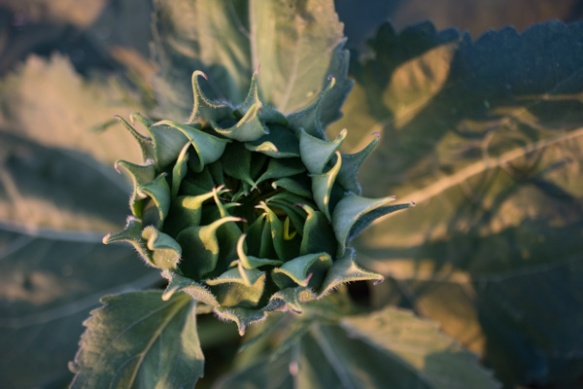
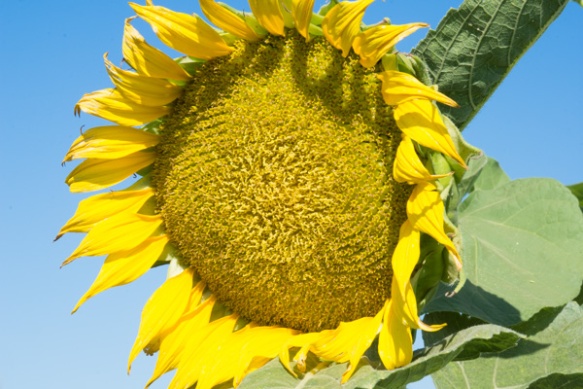
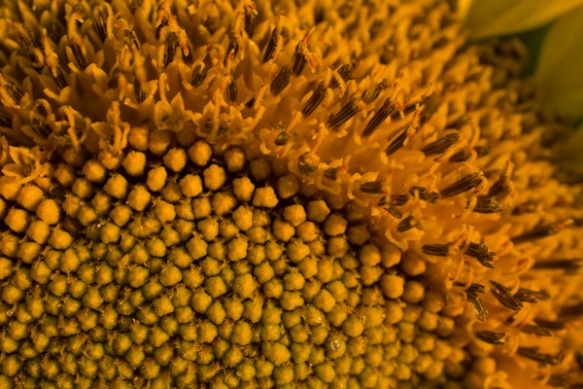
Sunflower in the making.

DSC_4022

DSC_4149

DSC_4024

I have some weaving plans to incorporate these colors but haven’t had time to get to it.

DSC_4157

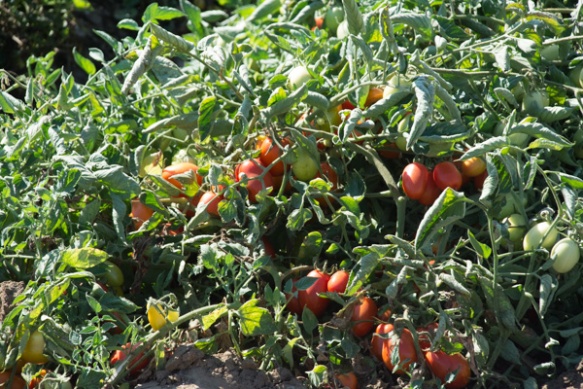
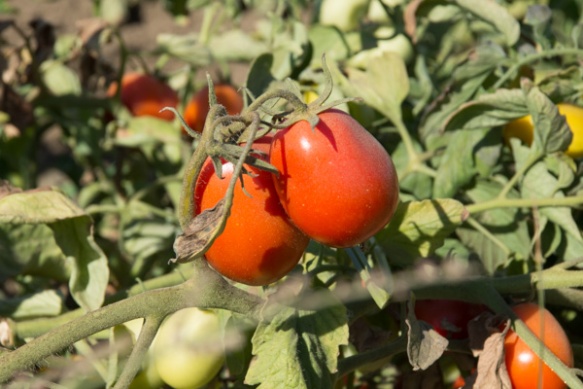
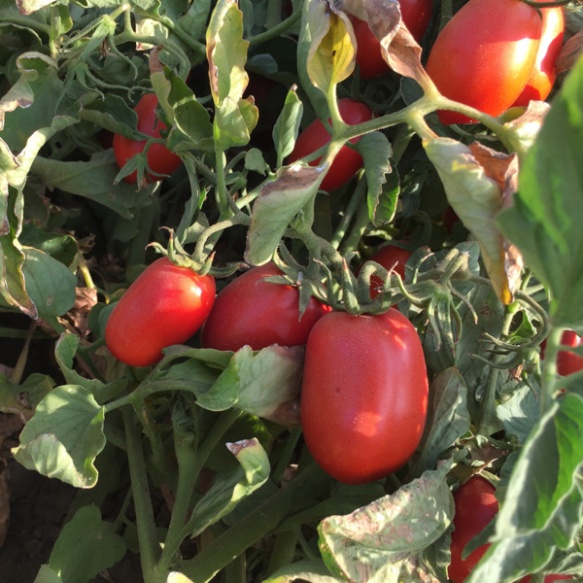
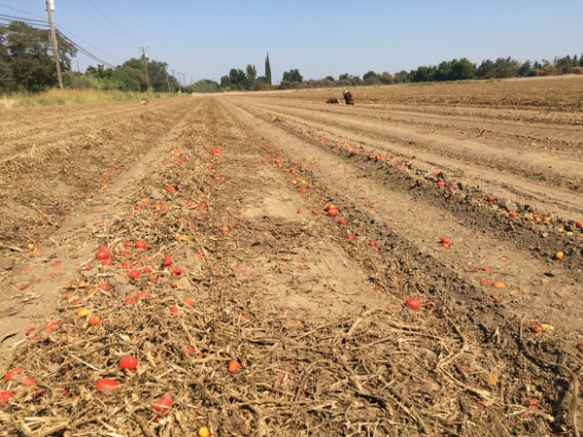
The tomatoes were harvested last week.

DSC_4142

These are canning tomatoes.

IMG_2043

untitled-9

This was the aftermath. There were plants at the ends of some rows and at the edges of the field that were toppled over but not harvested.

untitled-11

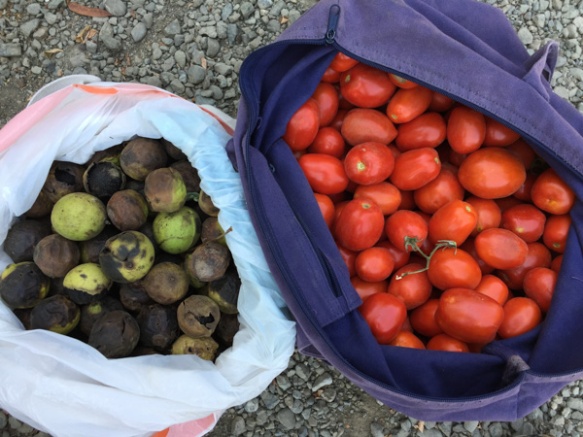
I gleaned 22 pounds on one walk and picked up black walnuts for dyeing as well.

untitled-19

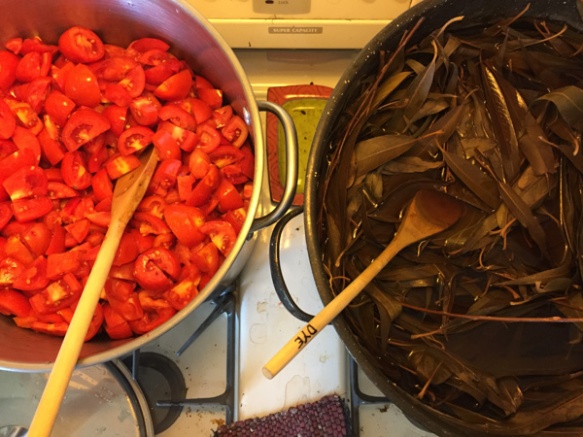
Tomatoes in one pot and weeping willow leaves in the other.

Road Trip to SD – Day 7 – Golden Spike & Rockets

My Road Trip blog posts keep getting longer and longer. I can’t decide which photos to leave out (and believe me, I’ve left out plenty) so I think each post has had more photos than the last. I know from feedback that at least some of you like the Road Trip posts so maybe you won’t give up on this one. This trip has got to end some time because I have lots more blog posts in my head (and my camera) from stuff around here. So rather than break this one into two posts it will just keep on going until it’s done.

We left off with Day 6 at dark trying to figure out where to stay. We had the map book spread out in the Subway where we had sandwiches for dinner. It was too far to any of the national forest land we were seeing north of Salt Lake City and it was dark by this time. That makes it more difficult to find a spot that is not a designated campground.  I had seen, while perusing the map, the Golden Spike National Historic Site that we thought we’d check out in the morning but still we needed to sleep somewhere. Dan suggested a place off the frontage road where we’d seen climbers on our trip out.
IMG_1596

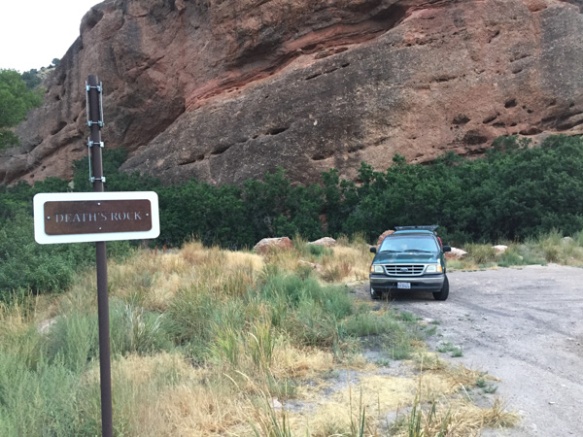
This is what the place looked like in daylight the next morning. Except for the train track next to us and the highway next to that we weren’t disturbed. Can you read the sign that I saw the next morning? “Death’s Rock.”
DSC_3356

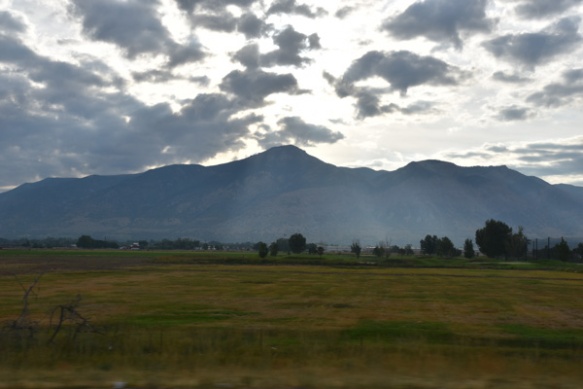
We took Highway 84 to get around Salt Lake City and north of Brigham City turned west to go to the Golden Spike site.
DSC_3359

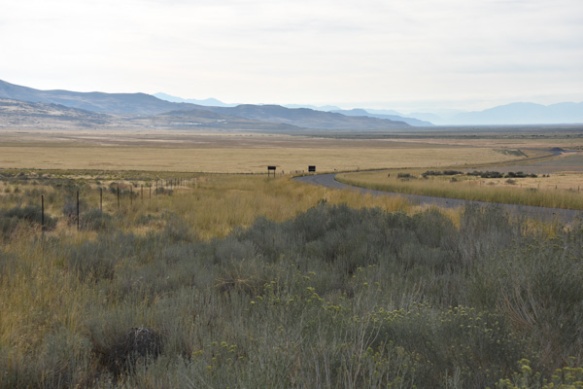
Before you enter the area near the Visitor’s Center there are plenty of places to stop and read the interpretive signs. This was at the first site, looking back east.
IMG_1598

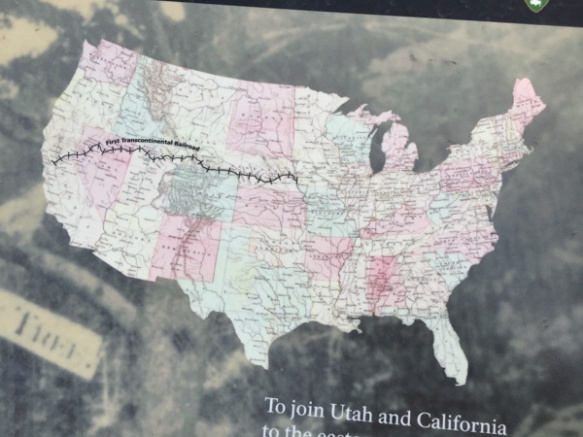
I knew generally about the building of the railroad in the 1800’s but I never knew or had forgotten the details. By the time of the Civil War there were railroads linking states in the east. It was in 1862 that Congress authorized the Central Pacific Railroad in the west and the Union Pacific Railroad in the east to construct railroads that would meet somewhere in the middle.
DSC_3361

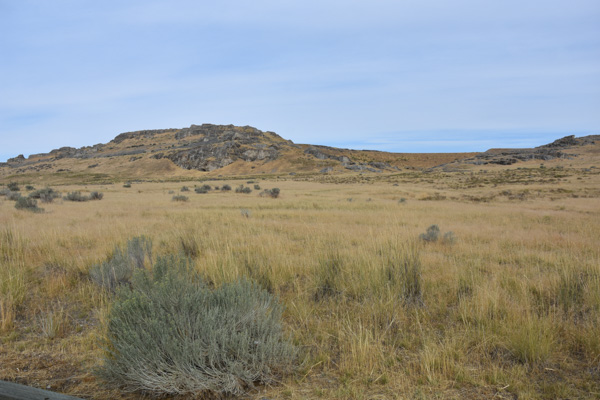
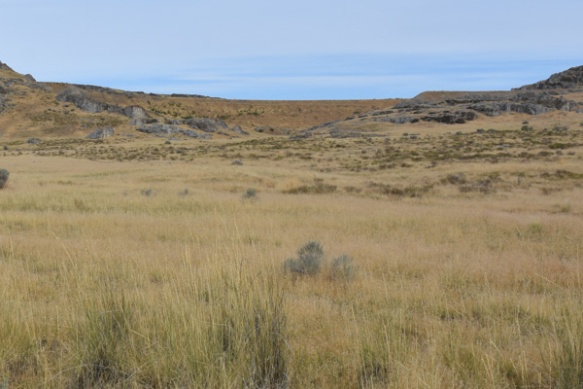
The details make a fascinating story, and if you’re driving through Utah, this site is definitely worth your time. Before the meeting place of the railroads was finally chosen both companies continued to build grade ahead of where the track was laid. (The graders worked 5 to 20 miles ahead of the tracklaying gang.) The railroad companies were paid per mile depending on the difficulty of the terrain and they were given sections of land. So there was incentive to keep on going. The railroad grades overlapped by 250 miles before Promontory Summit was chosen as the meeting place. This photo shows the site of what is known as the Big Fill.
DSC_3361-2

Here is an enlargement of part of that. This was a ravine to be crossed and the grade could be no steeper than 116 feet per mile. Let your eye follow the slope of the rocks–that marks the ravine. The line of dirt above that is the Big Fill. The Central Pacific built that grade by blasting rock and building up that area. The Union Pacific’s solution was to build a trestle and you can see what’s left of the rocky abutment on the left and just below the Fill. There are photos of the huge trestle that was built to span the ravine (but used only four times because it wasn’t secure enough).
IMG_1600

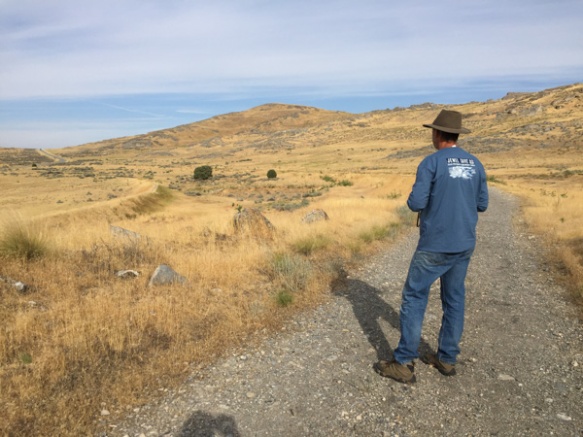
Here Dan is walking on the Central Pacific Grade and you can see the Union Pacific Grade to the left. When you walk on this trail you can use your cell phone at marked stations and hear the information about the points of interest along the way. I find it fascinating that these two crews would have been working this close to each other. And it is so hard to fathom the work involved. Shovels and picks, mule-drawn wagons. Other than using some dynamite, everything else was done by hand. I read that in the Sierra’s sometimes they only progressed 8″ in a day. DSC_3392
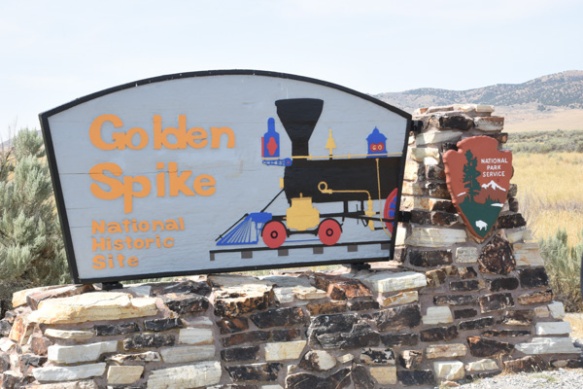
We got to the headquarters just after it opened and went to the Visitor’s Center.
IMG_1602

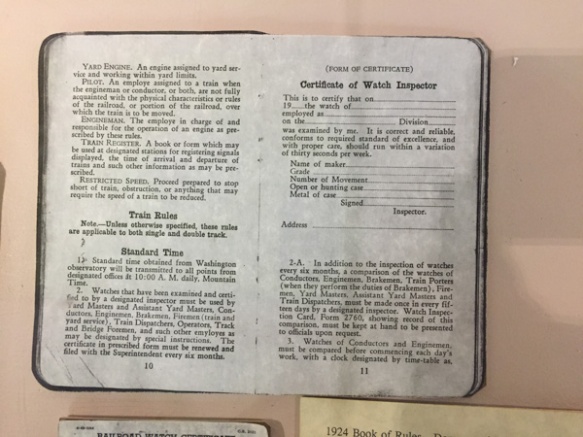
There was a display with watches. This is an example of one of those things that never would have occurred to me to wonder about. When did we start worrying about Time?  This is from a sign in one of the displays: “With the completion of the transcontinental railway, marking and maintaining precision time became more important than ever before. Prior to standard railway time, each city and town had it’s own time, often connected to “sun time” which was based on the sun’s movement across the sky. As rail lines crossed various local standard times, scheduling became increasingly complicated. Timetables and timekeepers, therefore, were essential parts of railroad operations.”
DSC_3378

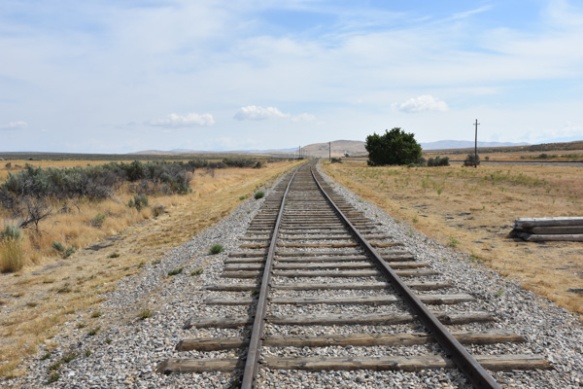
This is a view along the track (a replica now) at Promontory Summit…
IMG_1606

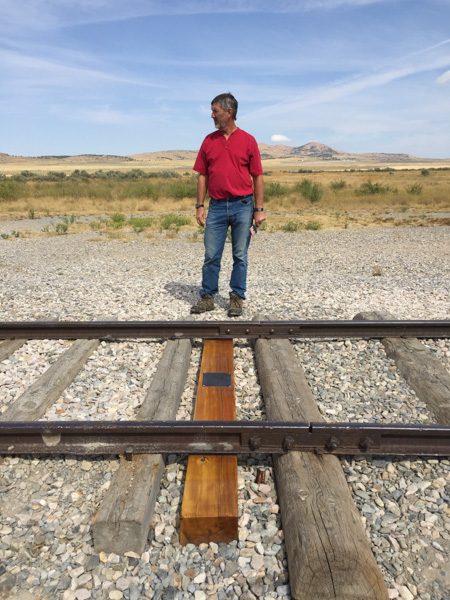
…and here is where the Golden Spike was symbolically tapped and the final iron spike was driven to complete the railroad. There can be many facets to every story and this is no exception. The material at the Visitors Center (as well as all the others that I’ve visited) speaks to the ramifications of our (humankind in general, and the White Man in the relatively recent history of the U.S.) relentless desire to control and often exploit our surroundings and each other. The achievement of this feat led to the decimation of the bison herds, destruction of the American Indians’ way of life, and “progress”. The West was opened up.
IMG_1610

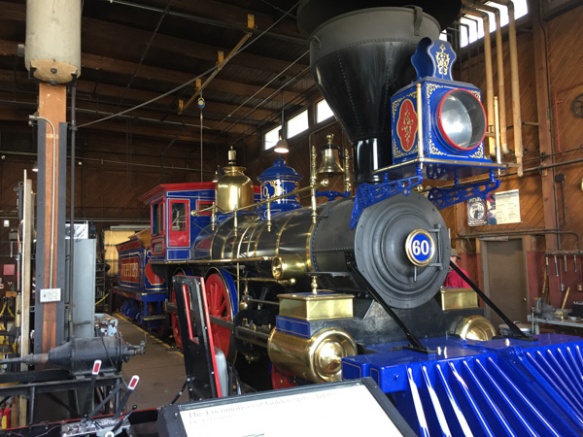
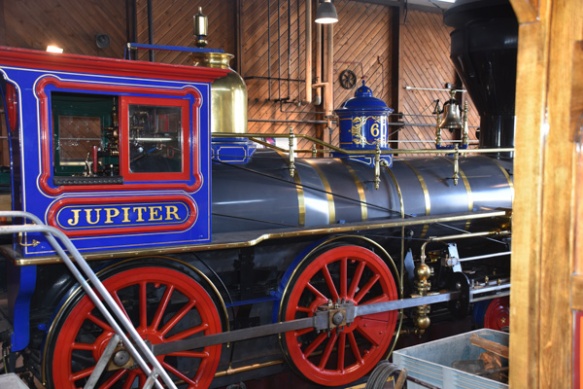
On that final day two locomotives met at Promontory Summit. The wood-powered Jupiter came from the West…
IMG_1613

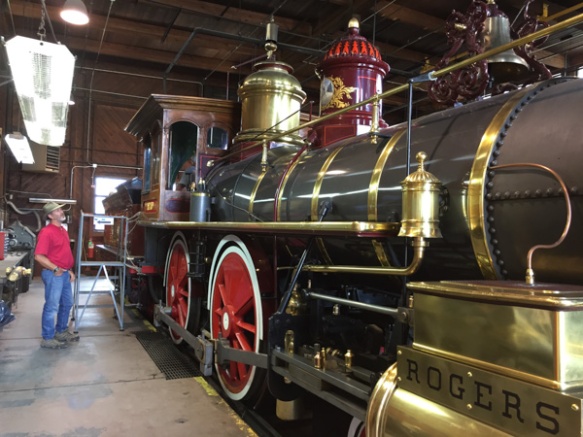
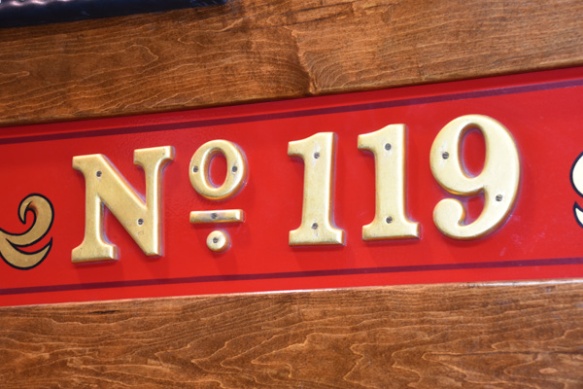
…and the coal-powered  No. 119 came from the East.
DSC_3386

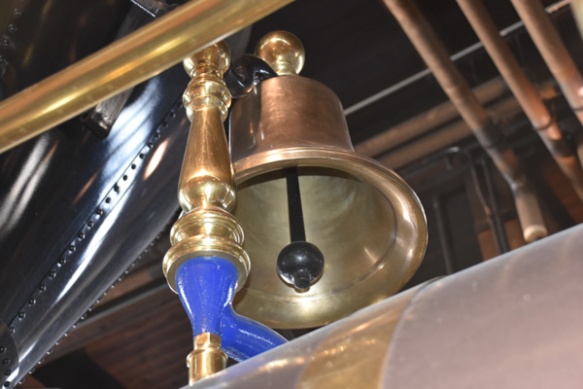
These engines are fully-functional replicas of the originals made in 1979.
DSC_3387

DSC_3388

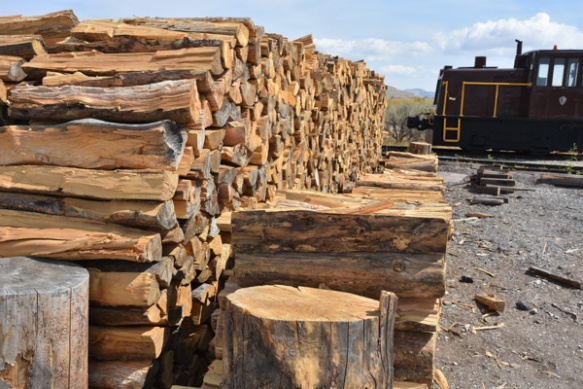
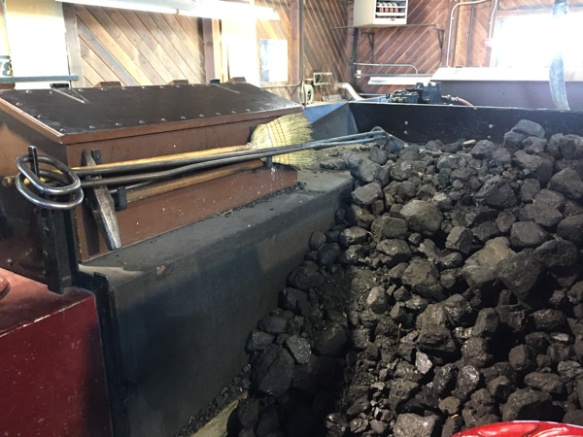
They weren’t in operation when we were there because the track was being repaired, but    usually they are taken out during the summer…therefore they need wood and coal to operate them.
DSC_3385

DSC_3384

IMG_1618

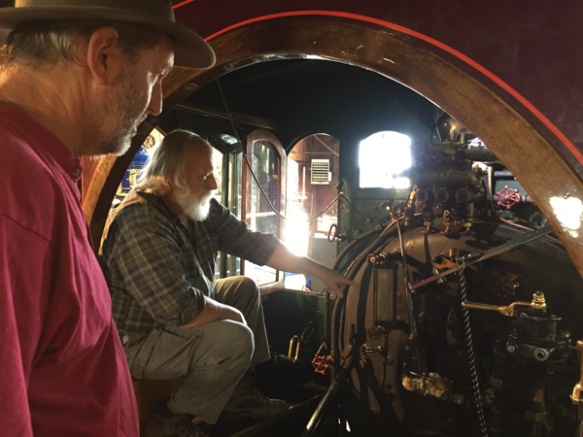
We spent some time in the No. 119 talking to the man who operates the engines.
IMG_1622

IMG_1621

IMG_1625

We drove part of the Union Pacific grade, now a road,  when leaving the site.
DSC_3401

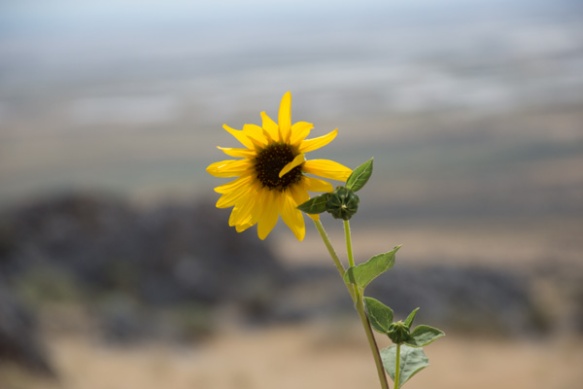
We made a couple of stops along the way. I didn’t take many flower photos on this trip. When you’re practicing 70 mph drive-by photography flowers usually aren’t the subjects of choice. I did love seeing the wild sunflowers that were everywhere.
DSC_3404

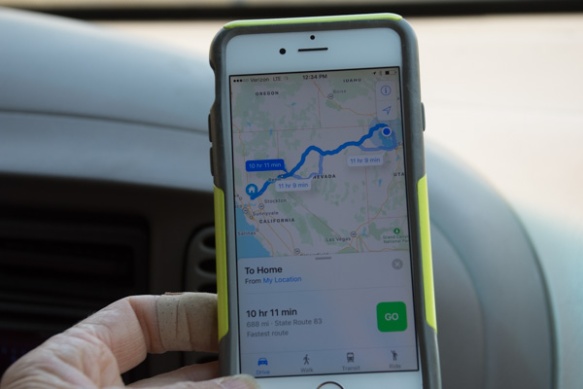
Time to head home. The map app showed 10-1/4 hours. Go!
DSC_3419

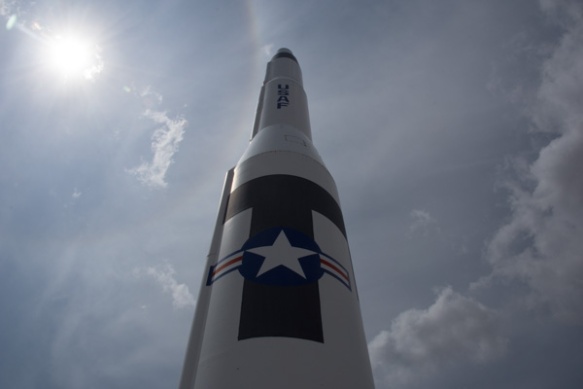
Wait! There was one more stop. From where we first got out to look at the railroad grades you could see what looked like industrial complexes covering the hills to the east. When we got back to the main road and turned north we saw that all the property to the east was part of the Orbital ATK complex. Their website says: “As a global leader in aerospace and defense technologies, Orbital ATK designs, builds and delivers space, defense and aviation-related systems … Our main products include launch vehicles and related propulsion systems, satellites and associated components…”
IMG_1628

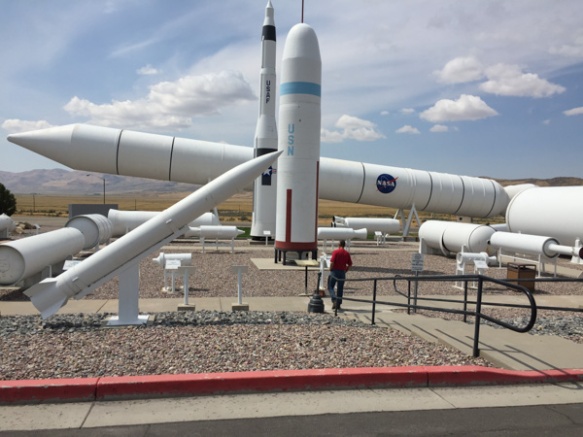
There was a Rocket Display outside the headquarters. Each piece was labeled with specs and details of use.
DSC_3418

DSC_3410

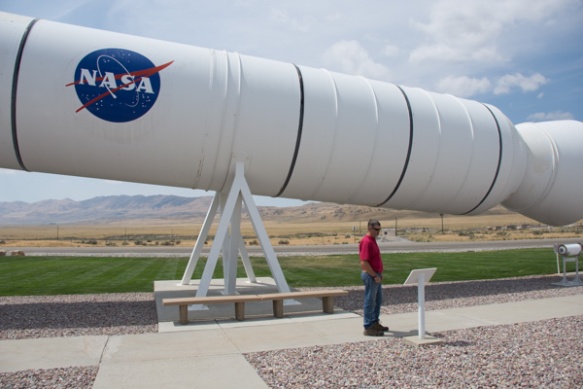
This is the reusable solid rocket motor from the Space Shuttle.
DSC_3415

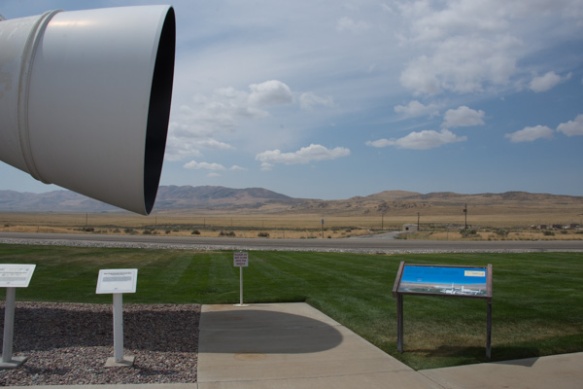
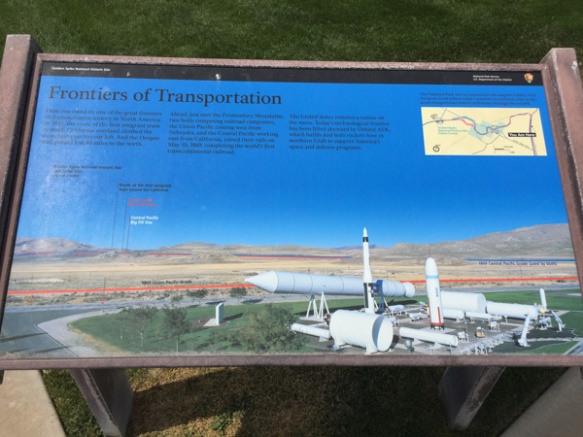
A sign that amused me is the one in red lettering that says “Please do not climb into the nozzle.” I guess that wouldn’t have occurred to me. The blue sign is shown below.
IMG_1631

This one pointed out the railroad grades that we just visited (red for Union Pacific and blue for Central Pacific), site of the Big Fill, Promontory Summit, and the route of the pioneers, all of which were visible from here.
IMG_1639

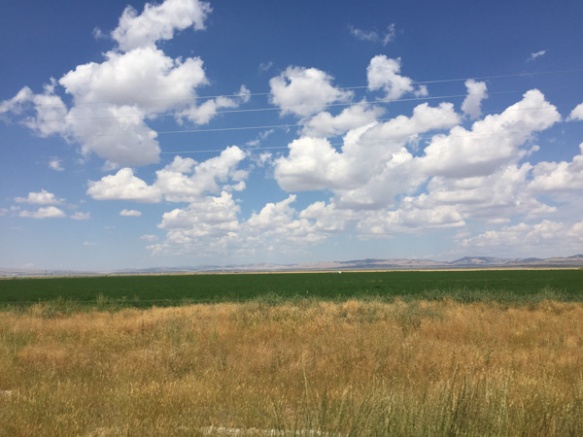
Now it was really time to start for home. These are alfalfa fields in Utah…
IMG_1640

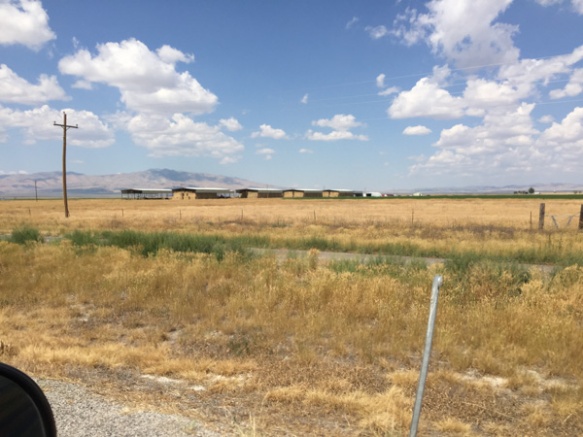
…and huge barns to store all that hay.
DSC_3435

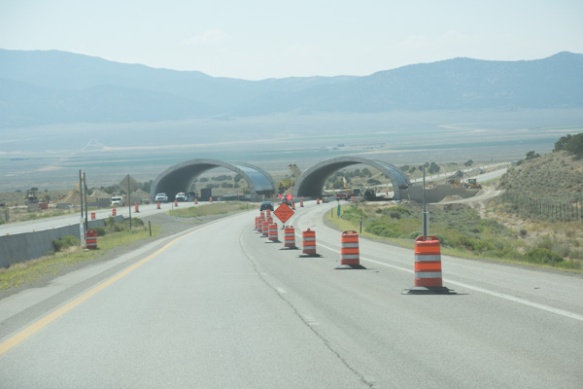
We had noticed these structures under construction when coming the other direction. I looked this up later and and found that they are overpasses for deer to try and reduce the high number of deer/auto collisions in  this area. They’ll be filled in with dirt and vegetation and fences will be put along the freeway to funnel the deer to that area.
DSC_3427

Usually when we drive on these trips I don’t do much reading or other activity even though I’m not the driver.
DSC_3437

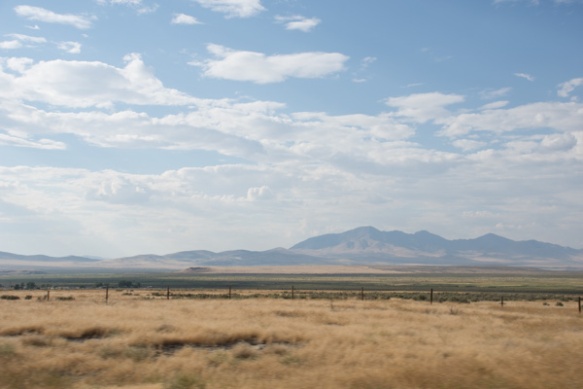
I enjoy watching the scenery. That is what a road trip is about. But driving home from Utah on I-80 isn’t new anymore. And it’s not as fun when you are driving straight through without stops.
DSC_3439

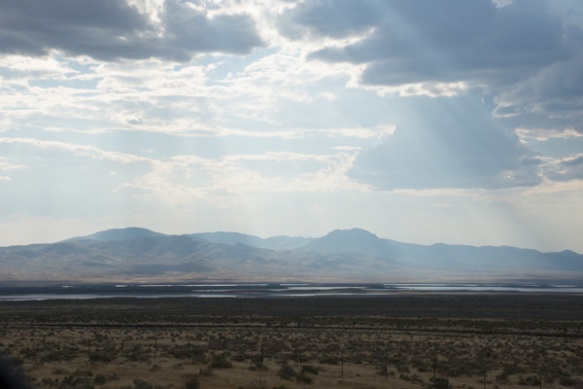
I still appreciate this landscape, but I ended this trip reading through much of the travel on this day and I read parts of the book to Dan. I read Overdressed: The Shockingly High Cost of Cheap Fashion by Elizabeth Cline. From the cover: “Overdressed does for T-shirts and leggings what Fast Food Nation did for burgers and fries.”—Katha Pollit. I’ve been immersed in these ideas for a long time with my Fibershed involvement but it was relatively new to Dan. Now he sees the ads in the paper in a whole new light. I could go on about that topic but I won’t. I recommend that you read this book.
DSC_3444

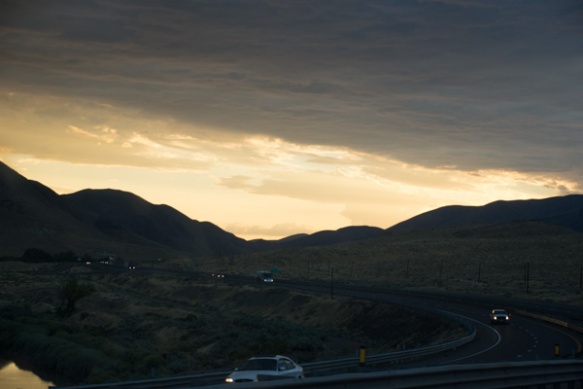
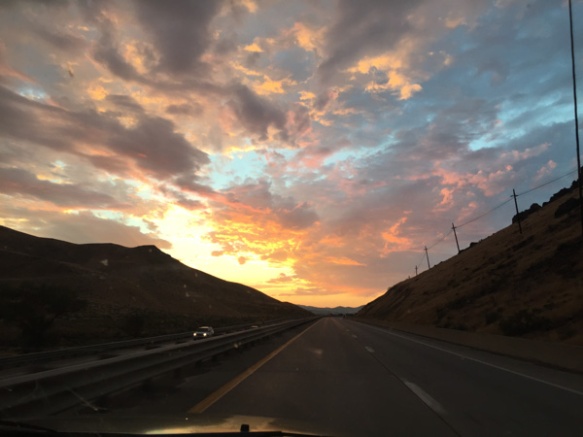
Heading west into the sunset. It was getting dark. No more reading.
IMG_1642

IMG_1644

A blurry photo as we entered California.
IMG_2050

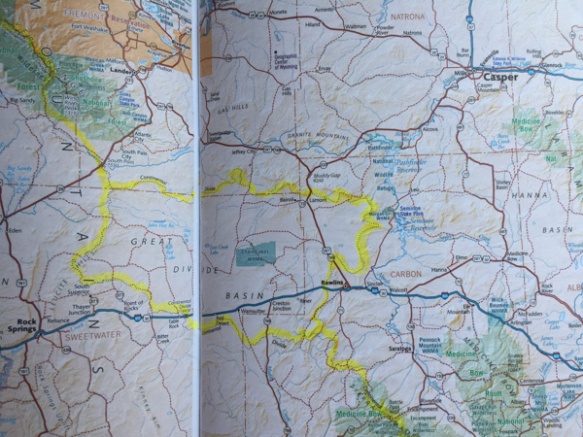
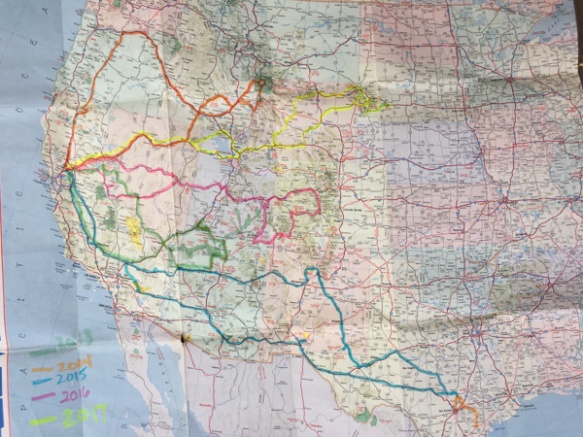
Here is a map of the trips we have taken over the last five years when we started our Road Trips. This year’s trip is in yellow. Now that Dan is retired maybe we’ll be able to do more than one a year. One of us isn’t retired though and has a lot of animals to take care of.
Road Trip to SD – Day 6 – Following the Pioneer Trail

At the end of  Day 5 we had stopped at the Horsethief Lake Campground in the Black Hills National Forest, still in South Dakota.

Black Hills NF, SD

We had looked at the map and planned the direction to start for home, wanting to roads that we hadn’t traveled before as much as possible.

DSC_3223

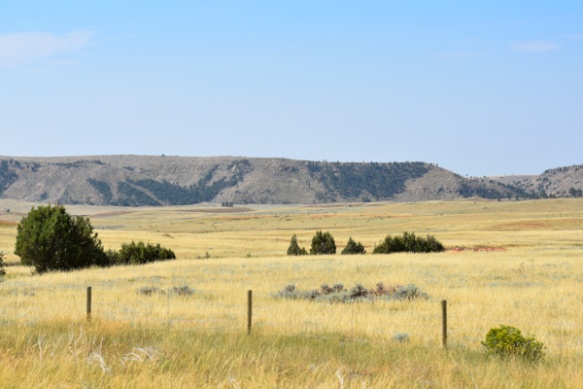
We headed toward Wyoming…

DSC_3230

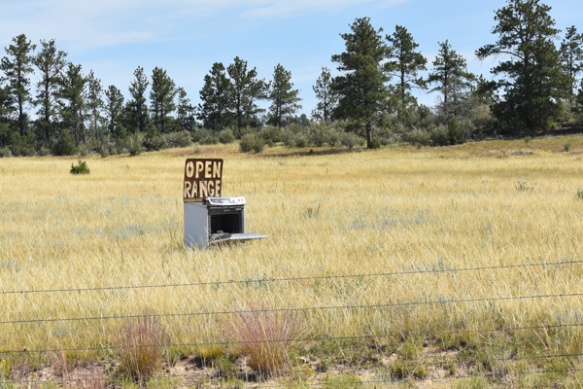
…and saw this along the road.

IMG_1563

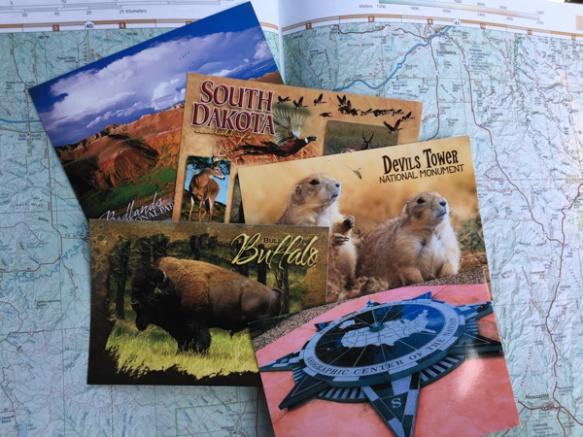
I had been collecting postcards to send to my 3-year-old granddaughter but hadn’t mailed many yet so today I was going to search out post offices in the small towns along the way.

Newcastle, WY

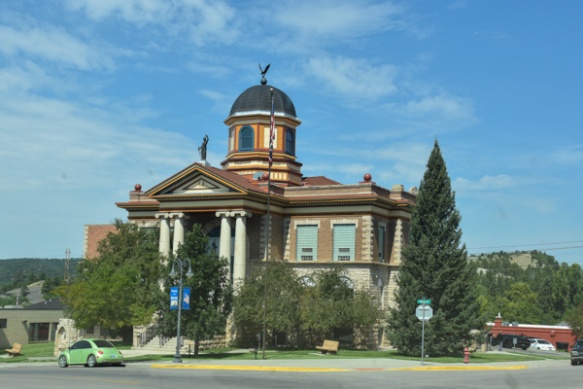
A gorgeous building across the street from the post office in Newcastle. From there we took Highway 450  west through the Thunder Basin National Grassland toward Wright.

Thunder Basin N Grassland

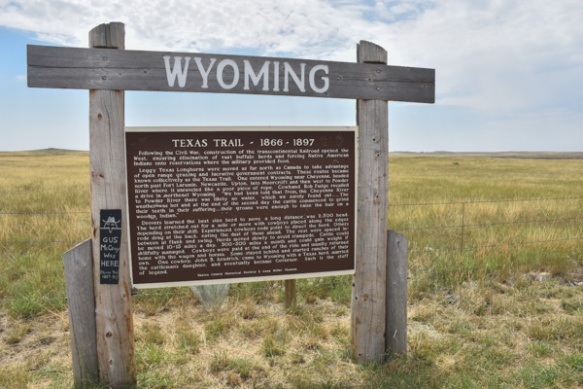
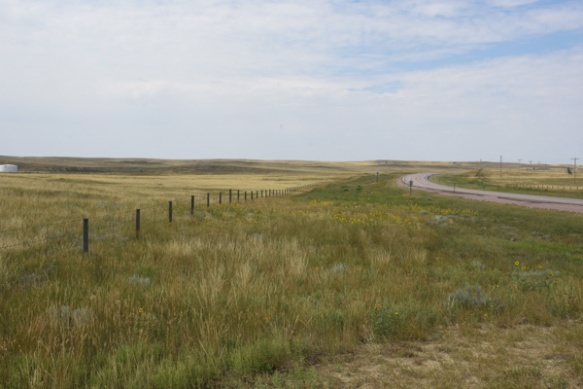
We were driving through the country where huge herds of cattle had been driven as far north as Canada, grazing along the way, and then shipped by railroad to eastern markets. Belle Fourche, where we had been a couple of days before was one of the important shipping points. (Lonesome Dove fans, note the sign on the post.)

Thunder Basin N Grassland

According to the sign 2500 head of cattle strung were strung out for a mile, traveling 10 to 15 miles per day. They could gain weight over the 300 to 500 mile trip.

Thunder Basin N Grassland

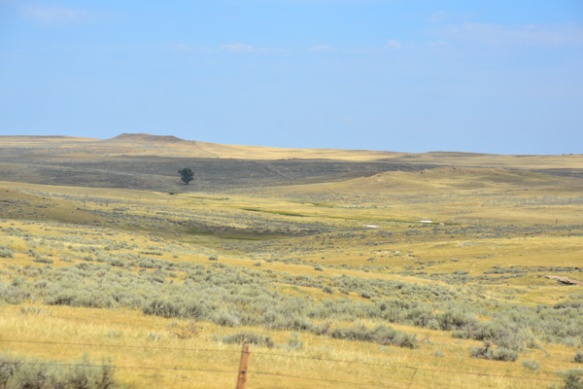
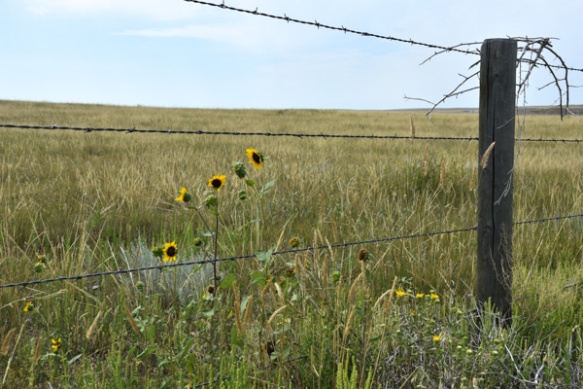
Alternatively picture the thousands of bison that once roamed here while the Native American’s called this home. Same place. Different eras.

Thunder Basin N Grassland

Thunder Basin N Grassland

Black Thunder Mine,WY

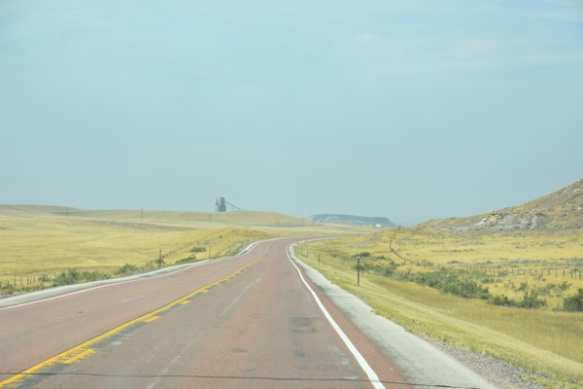
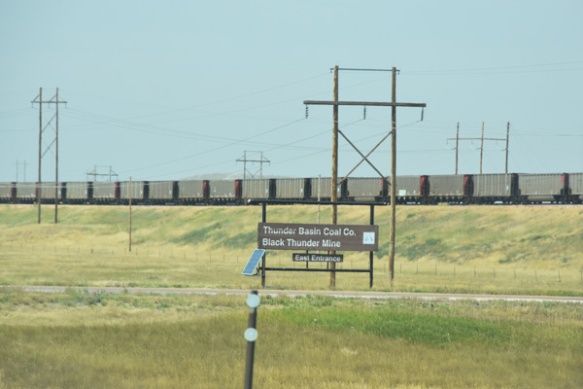
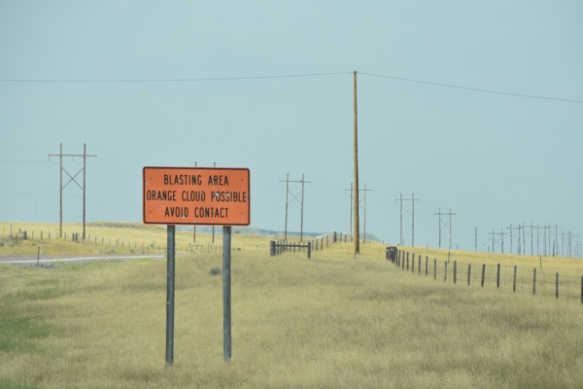
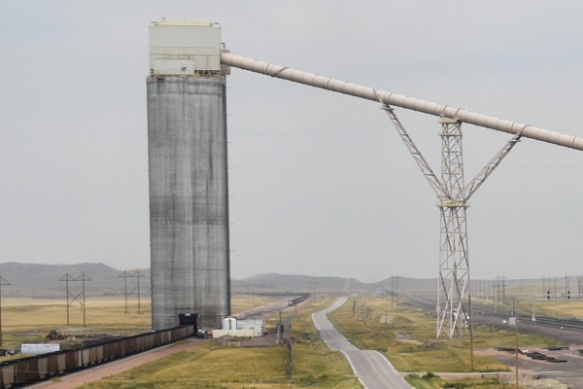
Before we got to Wright near the western edge of the Thunder Basin National Grassland we saw the first glimpse of a major industry in Wyoming…and the sky was more gray.

Black Thunder Mine,WY

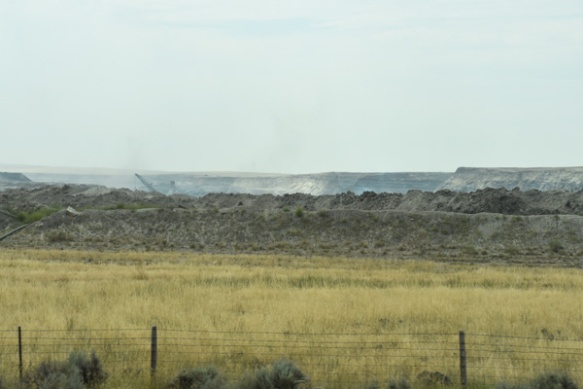
According to Wikipedia, the Black Thunder Coal Mine is the world’s largest coal producer.

Black Thunder Mine,WY

This is an immense operation.

Black Thunder Mine,WY

I couldn’t get photos to show the scale of what we were seeing. You can see a tip of the excavator down in the pit. Wikipedia says “Black Thunder’s dragline excavator is the biggest in the world and produces enough coal to load up to 20-25 trains per day.”

Black Thunder Mine,WY

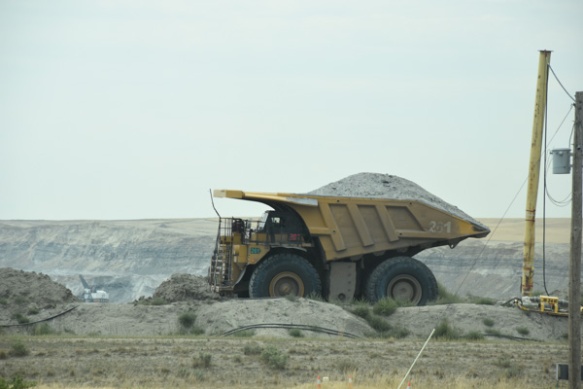
The excavator fills this truck with one pass of it’s giant scoop. This is a huge truck–the driver is sitting in that little cab above the wheel.

Black Thunder Mine,WY

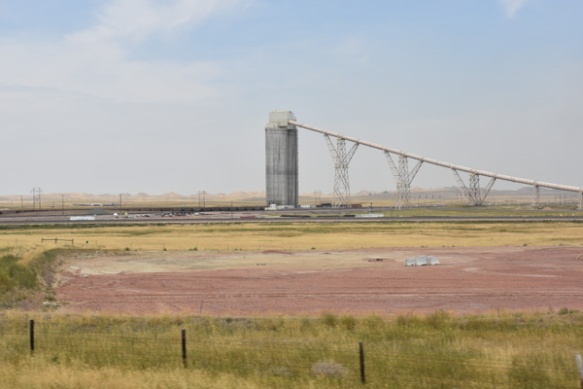
Take a look at the photo below to see the true size of this structure.

Black Thunder Mine,WY

east of Edgerton, WY

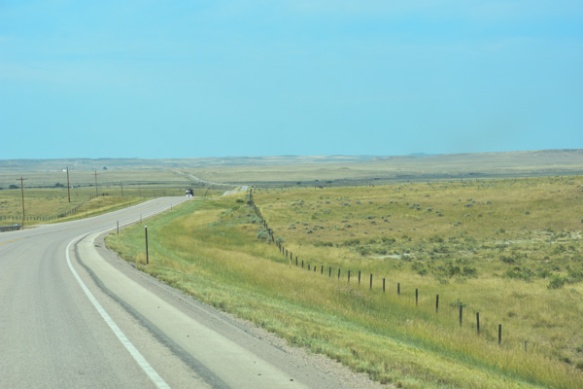
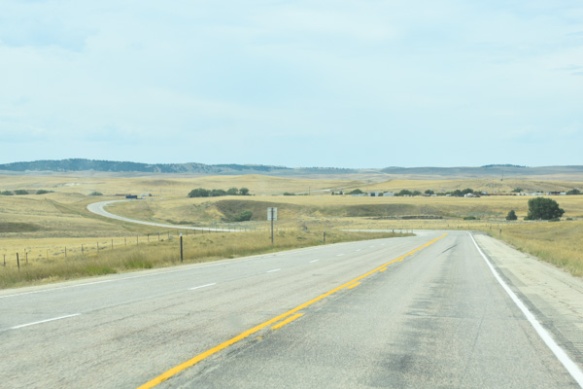
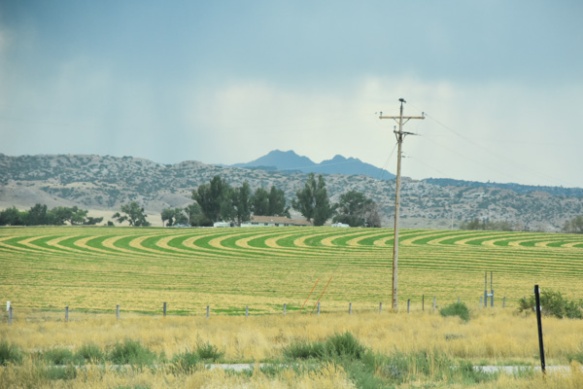
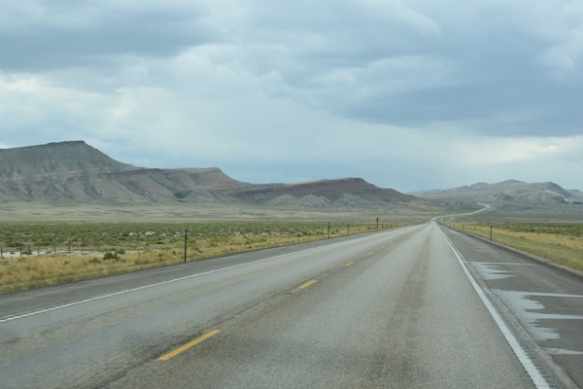
More of Wyoming prairie. This is between Wright and Edgerton.

near Edgerton, WY

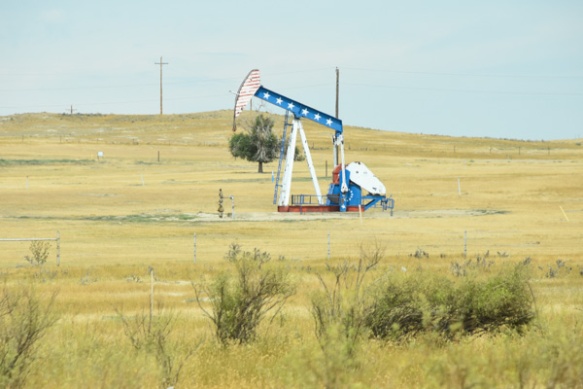
Someone has decorated their oil/gas well.

near Edgerton, WY

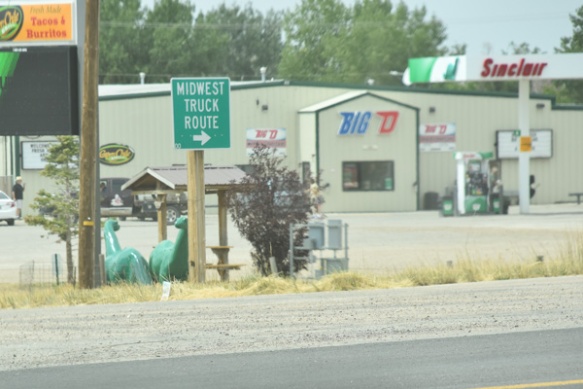
I have included this photo because of the two dinosaurs and it reminded me of a photo op that I missed earlier in the trip. The dinosaur seems to be the mascot for Sinclair gas stations. We passed a gas station somewhere along the way  where they had a dinosaur the size of these and it was tied to a fence post with a rope around its neck. I still think it’s one of the funniest things I saw on this trip. It would have looked natural to have a horse tied up right next to it.

south of Casper, WY

We drove through Casper and took Hwy. 220 towards Rawlins.

south of Casper, WY

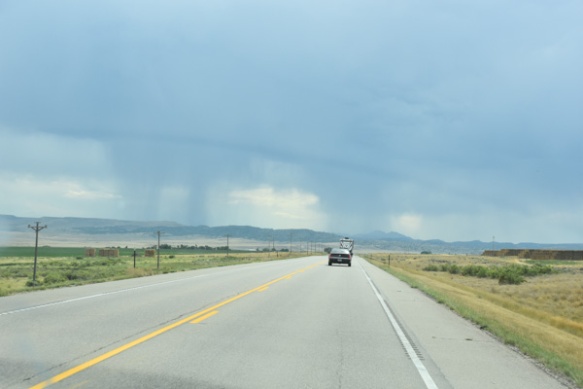
We watched lightning in the distance. Do you know how hard it is to take lightening photos?

Independence Rock, WY

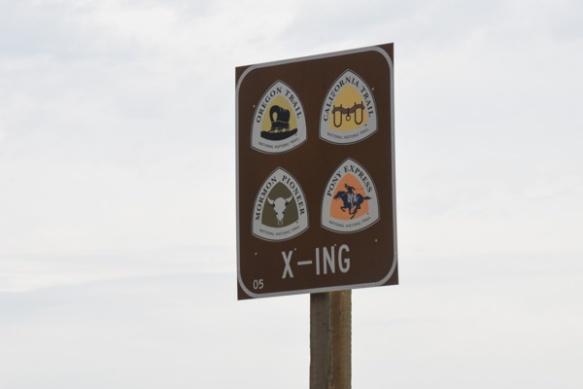
We were still following the trail of the pioneers…

Independence Rock, WY

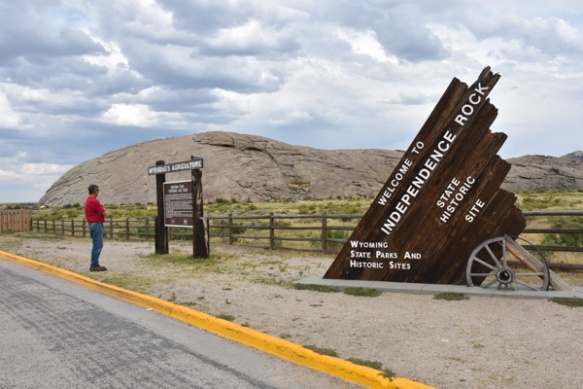
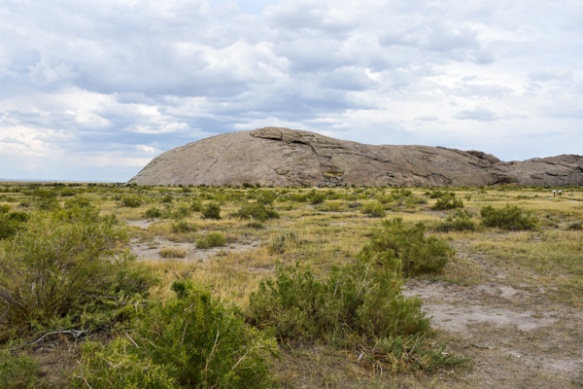
…and we stopped as they did when we reached the Independence Rock, which is now a State Historic Site.

Independence Rock, WY

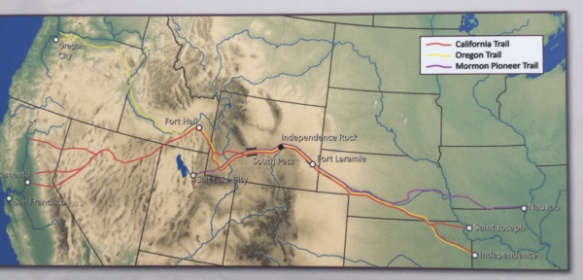
In one of the earlier posts (Day 2) we had stopped at South Pass. Then we were heading east, backwards from the direction the explorers and pioneers travelled. They would have been at Independence Rock first, looking west towards South Pass, 100 miles to the west.

Independence Rock, WY

Independence Rock was the first major landmark after leaving the North Platter River to follow the Sweetwater River to South Pass.

Independence Rock, WY

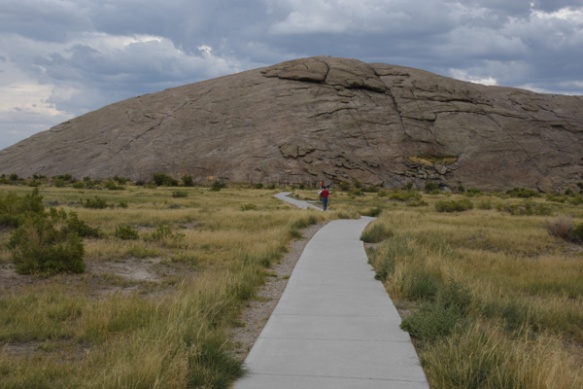
There is a trail around the rock for modern day visitors. You can see where early travelers left initials and names scratched into the rock.

Independence Rock, WY

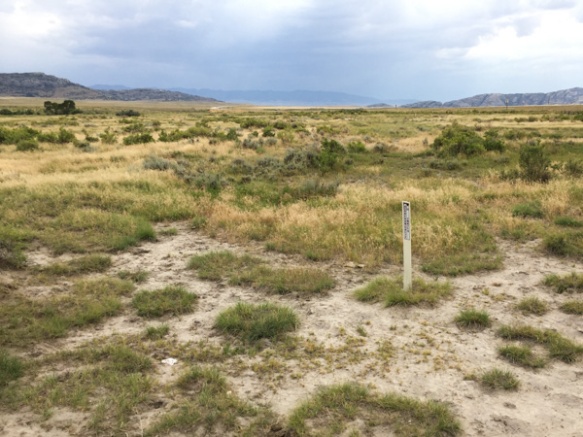
This is the remnants of the trail heading on southwest.

Great Divide Basin, WY

We were back on our trail towards Rawlins.

Great Divide Basin, WY

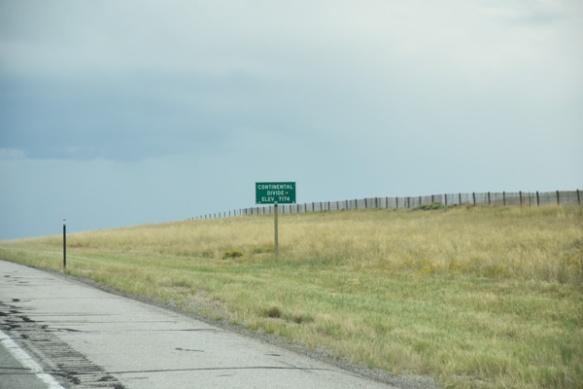
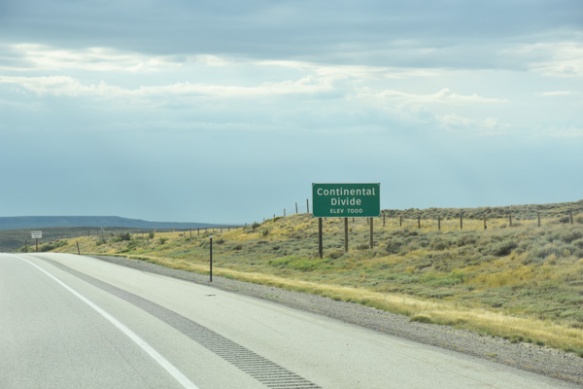
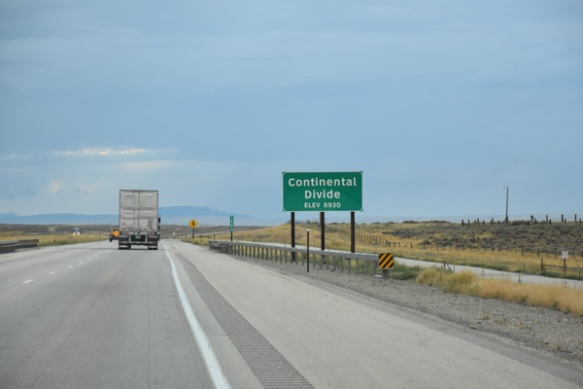
We crossed the Continental Divide.

IMG_1971

I used to think that you crossed the Continental Divide once and then were on the other side. I found out that there is an exception in Wyoming (and when I looked at a map of the Continental Divide, also in Mexico). Wikipedia again: The Great Divide Basin is an area of land in Wyoming’s Red Desert where none of the water falling as rain to the ground drains into any ocean, directly or indirectly.” I highlighted this on the map so that I could see it more clearly. South Pass is near that northern route of the Divide.

Rawlins, WY

We found the Post Office in Rawlins (this was across the street)…

Great Divide Basin, WY

…and then crossed the Continental Divide again…

Great Divide Basin, WY

…and again.

East of Green River, WY

Near Green River on I-80. From here on we were backtracking where we’d already driven.

Evanston, WY

It was dark when we got to Evanston, just on the edge of the Wyoming-Utah border. Looking at the map book and trying to find somewhere to spend the night I had found one more point of interest for the next day. We still hadn’t figured out a good place to camp so we stopped here for gas and Subway sandwiches and took the maps inside for closer scrutiny.

To be continued…

Road Trip to SD – Day 5 – Mt. Rushmore

After driving through the Badlands we decided to continue on the scenic roads rather than go to the highway. Some of them were a bit of a guess since all we had was a road map of the state.

DSC_3163

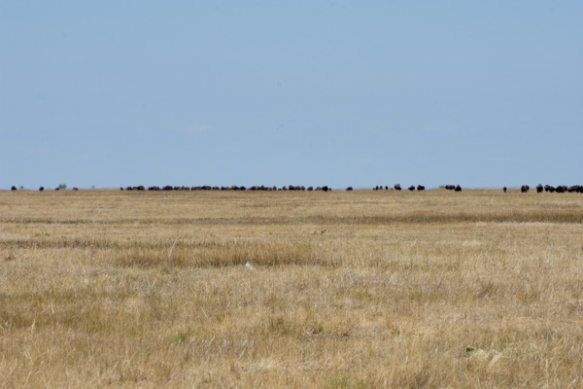
Not far out of the National Park we stopped to watch a herd of bison. This is not much of a photo but it give you an idea of the number in the herd.

DSC_3196.jpg

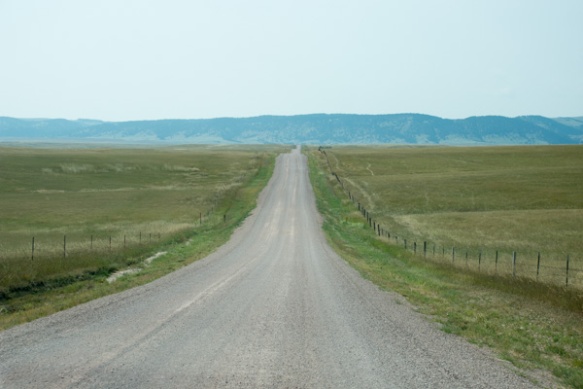
Then we headed west on a gravel road that went through another part of the Buffalo Gap National Grassland. Most of the National Grasslands are located in or around the Great Plains and they are managed in the same way as National Forests. Until I looked up this information I didn’t know that there is a National Grassland in California. In fact it is near the Klamath National Forest where I worked when I was in college–but it was designated as such until after that.

DSC_3183

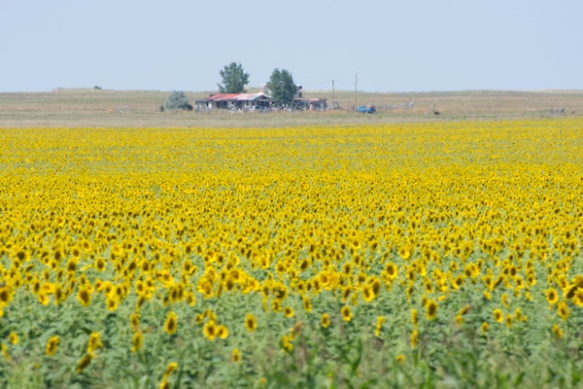
As I had seen on a map in one of the Visitors Centers, the public lands are interspersed with private lands. We saw miles of one of my favorite crops.

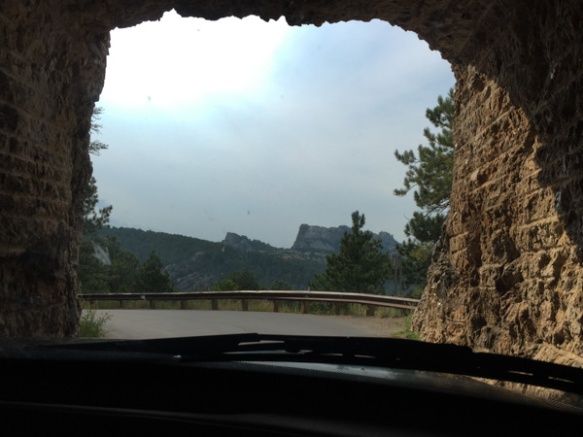
Leaving the grassland we drove into the forest again. The engineering of the road to Mt. Rushmore is a marvel in itself. From Custer State Park you drive 17 miles on Iron Mountain Road to Mt. Rushmore. There are three pigtail bridges and three tunnels that were engineered to frame Mt. Rushmore.
IMG_1552

This very poor photo shows what I mean by framing the mountain. Each of the tunnels is aligned to present the view of the mountain.DSC_3209

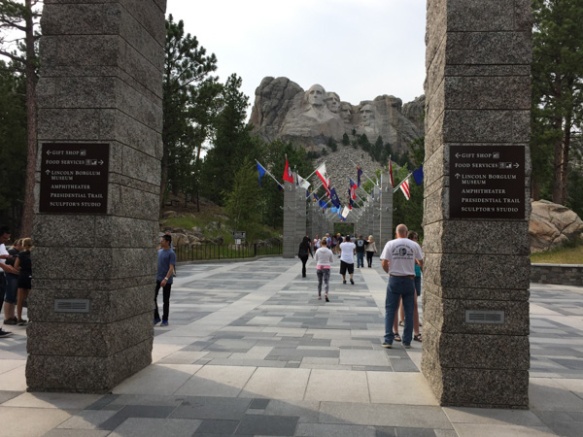
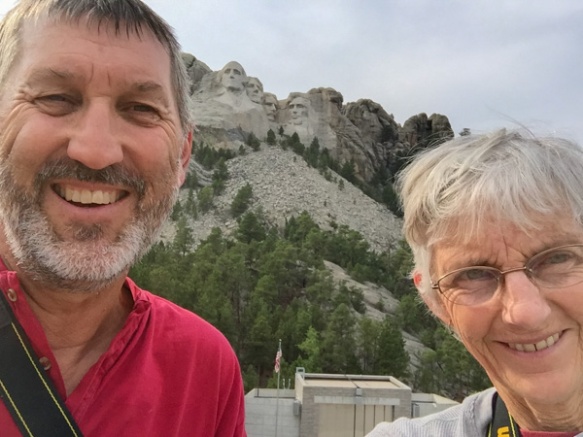
I was surprised when we arrived to be directed to the roof of a parking garage built into the mountain. It makes sense–they have to do something with all the cars that come here.

IMG_1553

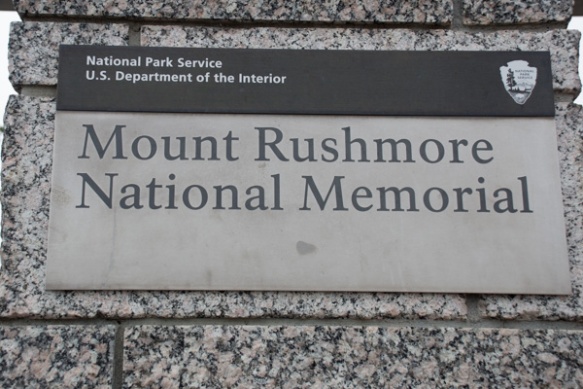
I knew what to expect of the mountain itself because I’ve seen pictures. But I didn’t know about the infrastructure built around this National Memorial.

DSC_3211

There is an amphitheater facing the mountain. From there you can walk on the Presidential Trail around the base of the mountain (or the rubble left from carving the sculptures) and then to the Sculptor’s Studio, where there is a plaster model and tools used by Gutzon Borglum, the sculptor of Mt. Rushmore. DSC_3212

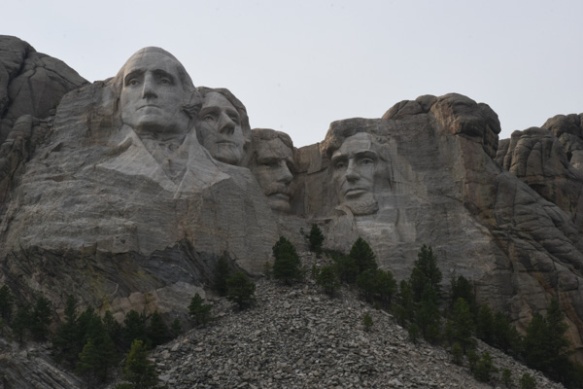
This was an amazing feat in the 1930’s. It took 400 laborers to do this work. DSC_3213

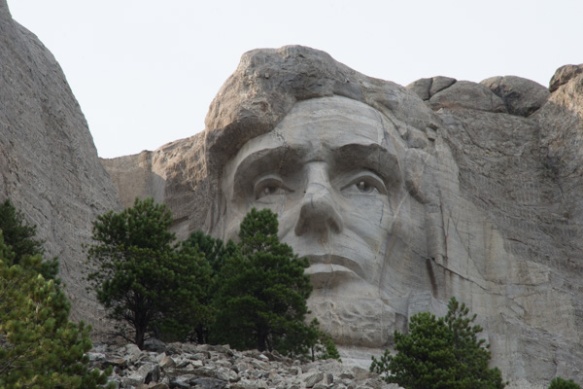
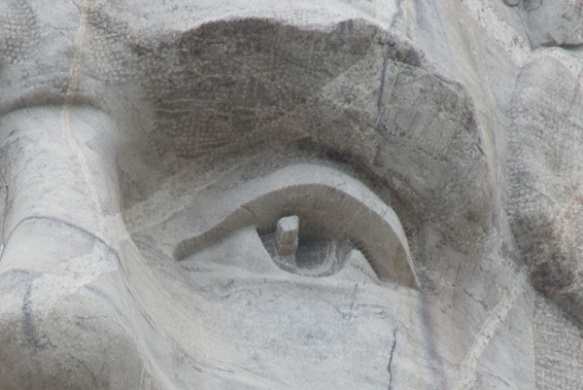
Look at the detail on Lincoln’s face. The noses are about 20 feet long and the eyes are about 11 feet wide. Can you imagine what it would be like to be hanging in a basket here drilling holes for dynamite?

IMG_1555

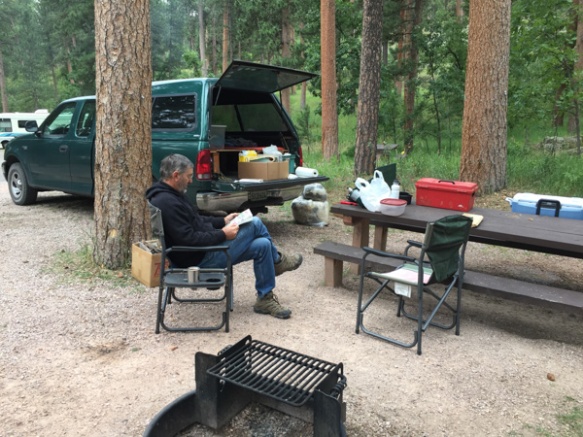
Time for us to move on. It looked as though there were several campsites in the nearby forest and I didn’t want to have a repeat of the night before. We stopped at the first one that we saw and found a good spot. We had time that evening to relax and read.

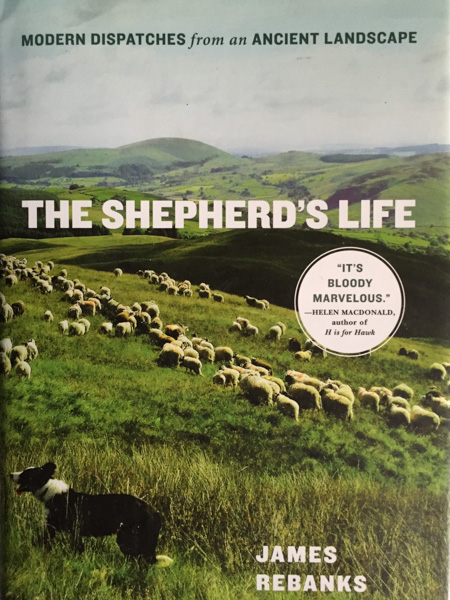
I finished a book called A Shepherd’s Life by James Rebanks.

IMG_1843

The author grew up on the family sheep farm in the Lake District of England.  At the beginning of the book he describes how he felt as a boy when it was assumed by “outsiders” that he would (or should) want to do something better with his life, but all he ever wanted to do was to continue with the sheep farm. Also he was resentful with the interest that others (non-residents/city people) showed for the landscape but in a way that he didn’t understand–they didn’t respect the farms and the farming life but looked at the landscape as something with a “higher” purpose. I’m not explaining this very well, but as I was reading this book in the evenings on this trip I found similarities in his description of the visitors to their farm land and the fells above and to us in taking this trip and the others we’ve taken. We are grateful that there are National Parks and other public lands so that we can explore these landscapes that we’d never have a chance to see in depth otherwise. In this landscape we were the visitors, admiring the stunning views, the wildlife, and the agriculture. But we don’t live the life there, don’t have to deal with weather challenges, prairie dog invasions, etc. As an adult Rebanks learned to see the other side and understood the appreciation the “city people” had for the land, albeit without the understanding of the integral part that centuries of farming had played in those landscapes. He found a way in his career (second to shepherding) to promote the importance of farming and shepherding on this land while allowing tourism to benefit the communities as well.

I couldn’t help but find parallels in this book to the experiences that we were having during this week vacation.