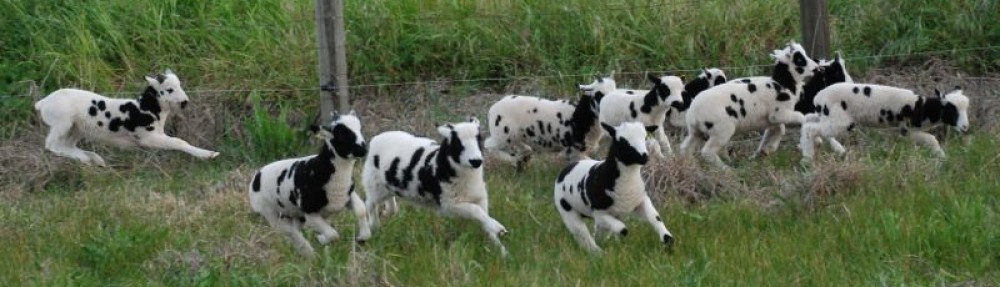

Hendrix and his group of ewes have been in the back pasture since breeding season started and they have been at the north end of that pasture for a couple of weeks. Since hardly anything is growing (start the rain dance please) I figured that they couldn’t do too much damage leaving them that long. I thought that maybe that could take down the dallisgrass and they actually did a pretty good job of it in most of the pasture. It is still a challenge however along the ditch and the fence-line. (If you search dallis in the blog search you’ll see several posts about my attempts to conquer it.)
This is the north end of the property. Notice the blackberries on the north fence. I cut these away in the spring to uncover the electric fence wire on the inside of the field fence. The sheep could help in that job except that this time of year the dallis grass growing in and around the ditch keeps them from going over there. It may seem hard to believe that a grass keeps sheep from something, but this stuff is so coarse and strong it’s like hacking your way through a jungle. And it’s very sticky now from a fungus that grows on the seed head. Several years ago I found a ewe whose horns were so tangled in it that she was stuck upside down in this ditch. The only reason that I knew she was there was that she was baaing. The sheep in the photo above are in the ditch because I trampled some of the grass and put alfalfa there. 
 This photo shows that they are making progress. Now I can actually see a ditch and the sheep can get through it to the side with the blackberries.
 They are finding the hay in the blackberries and it makes it worth their while to work their way through the grass.
 After about a week we have worked our way through the ditch and I’m putting the hay near the fence.
  Then I moved beyond the blackberries and had them trample the dallisgrass along the rest of the fenceline.
 This is the east fence and it looked almost as full of grass before I started this project. It is more overrun with blackberries. The sheep have eaten some of the leaves off. I think I have to get in there with clippers now though. There is an electric fence hiding in there somewhere.

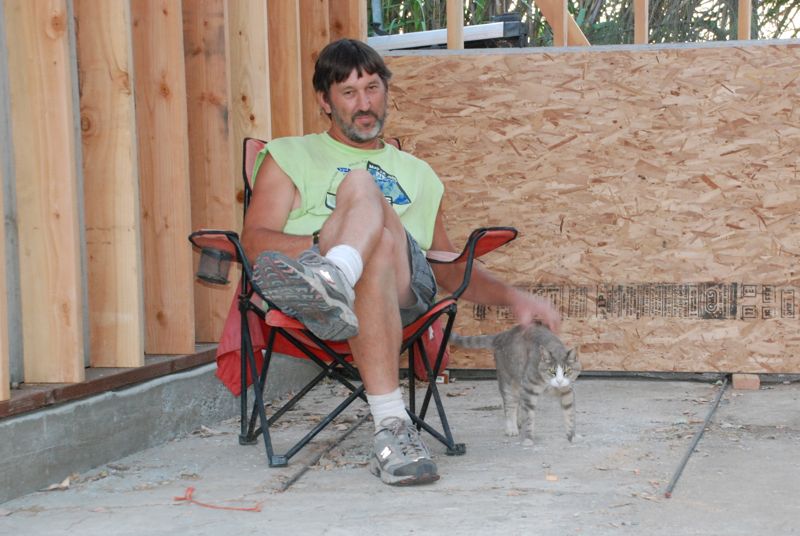
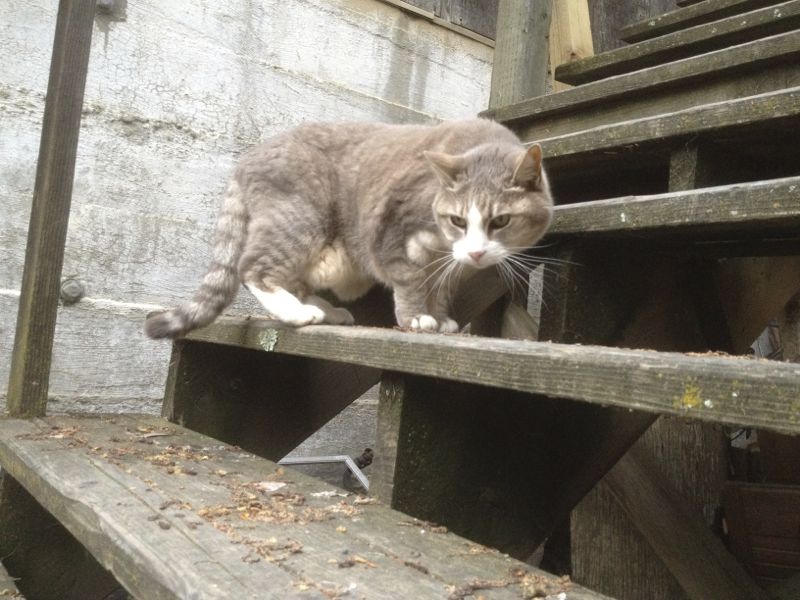
 Molly lived a good life for 19 years, but a couple of weeks ago it was time to say that final goodbye.


 I wanted to use one of this year’s ram lambs for the fourth group of ewes. I had a hard time choosing among the rams I have saved. My first choice was a four-horn ram lamb who I think has promise and also placed well at the summer shows. Unfortunately, he was very sick with bluetongue (insect transmitted virus common in the fall) a few weeks ago. He pulled through (I lost two others) but with the 106+ temperature I can not be sure that he is fertile. He may have his chance next year, but this year I needed to find another ram.


 He weighs less than all these ewes but that doesn’t seem to bother him (or the ewes).


 Gathering around a loom to talk about this sample. We wove a series of sample treadlings that showed varying amounts of each of the two warp layers and then we learned pick-up, changing sheds (opening between threads) three times in each pick (row of weaving)…




 Vertical gardens.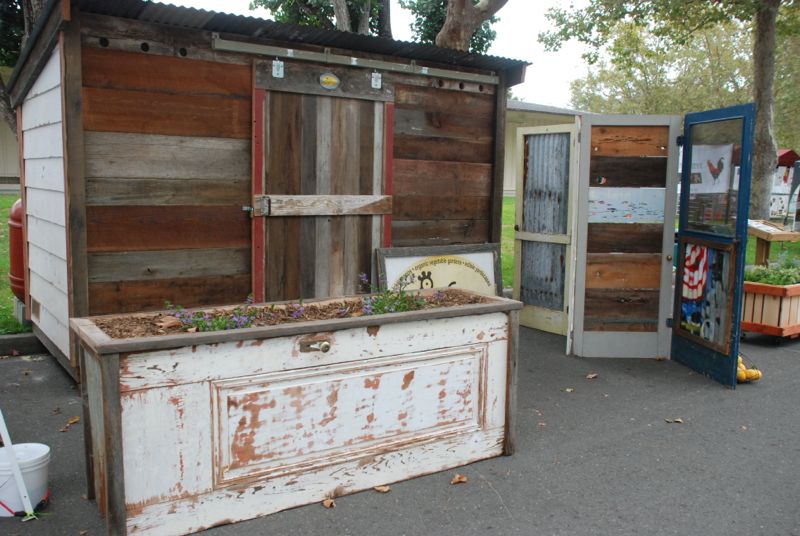








 I have been looking at these paint samples for months and finally chose one.


 It was extra nice that a couple of husbands also volunteered to help. The more the merrier!


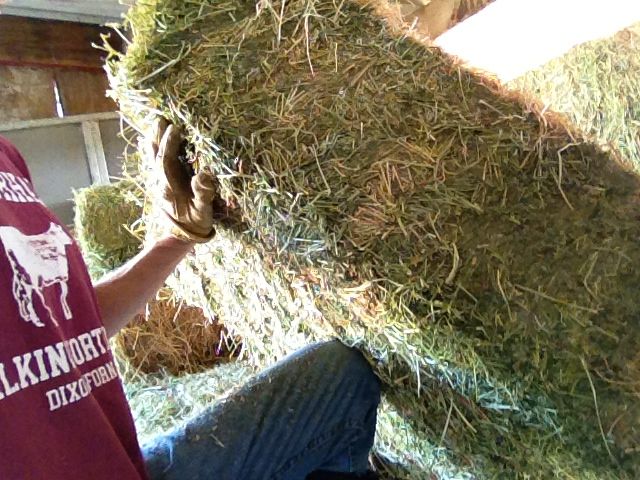
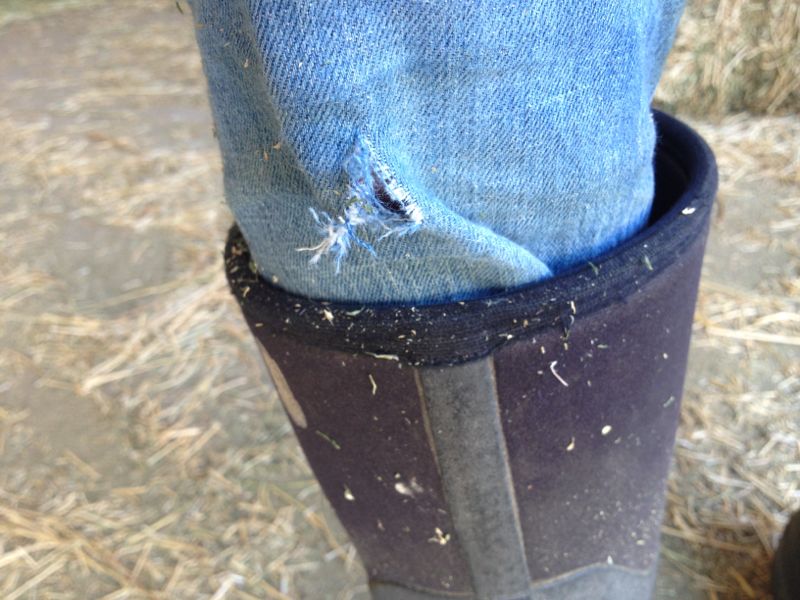


 One down, more to go.
 Meridian Jacobs' Blog