Unknown's avatar

About Robin

Owner of Meridian Jacobs, farm and fiber shop. I raise Jacob sheep, teach fiber arts classes, weave handwovens for sale, and manage the store.

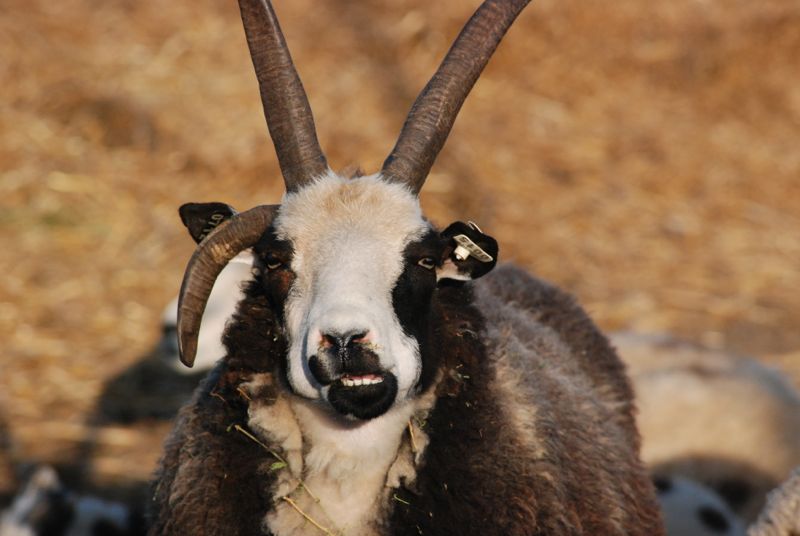
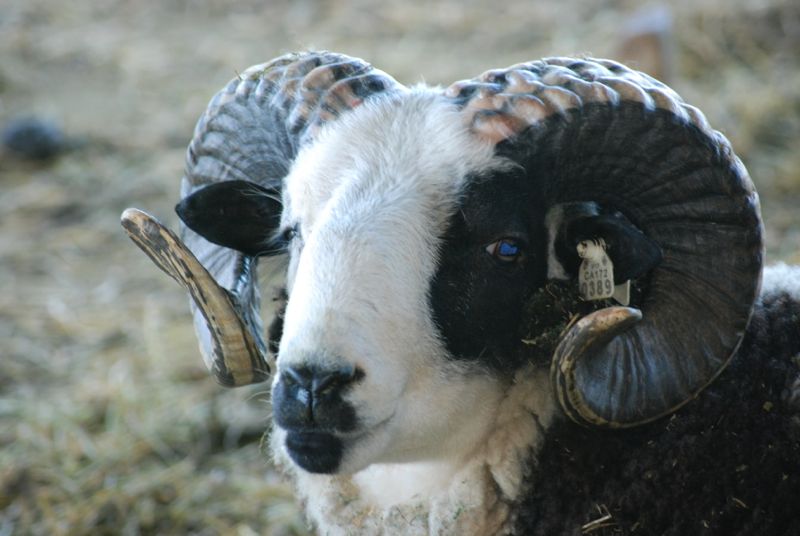
Some favorite sheep


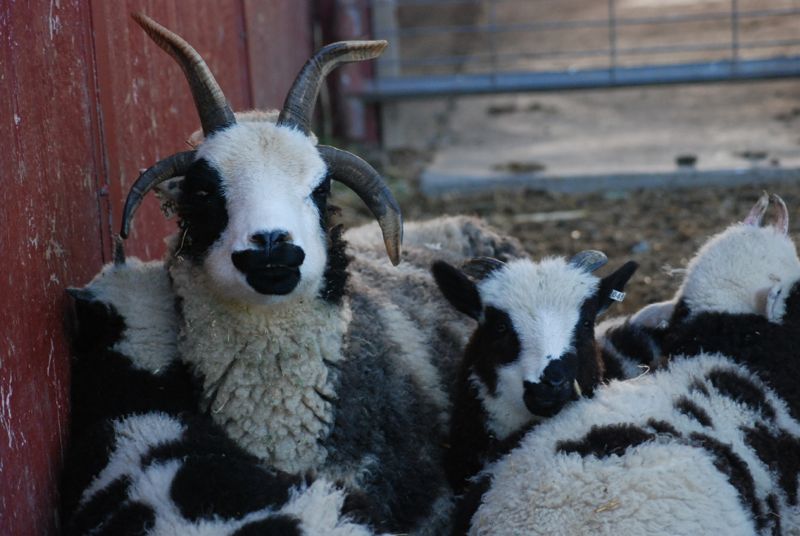
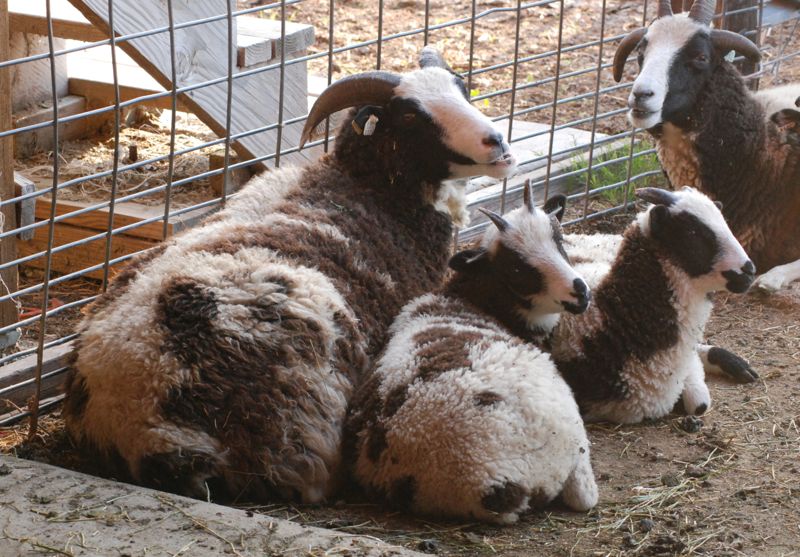
I took a whole batch of photos yesterday morning before I went to two days of Nikon photography classes in Sacramento. I intended to write a blog post about ewes and their lambs and I took photos of family groups. After the class I’m looking at these photos and thinking…delete…delete…delete. I couldn’t bring myself to delete all of them, but I did delete most. And I’m tempted to go back through the last year i-photo and do a big cleansing.


So here are a few photos that I kept and some of them aren’t all that great but I like the sheep.

Summer and her triplets

Hot Lips and twins

Dazzle and twins

Lola and daughter

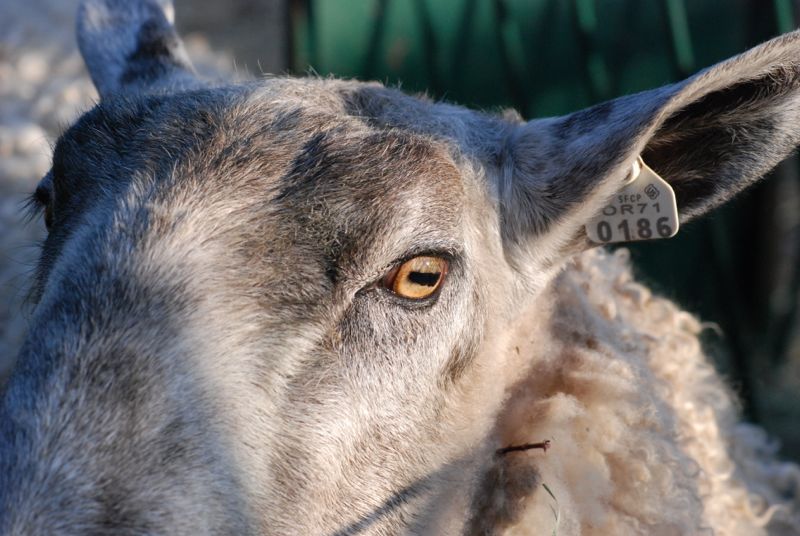
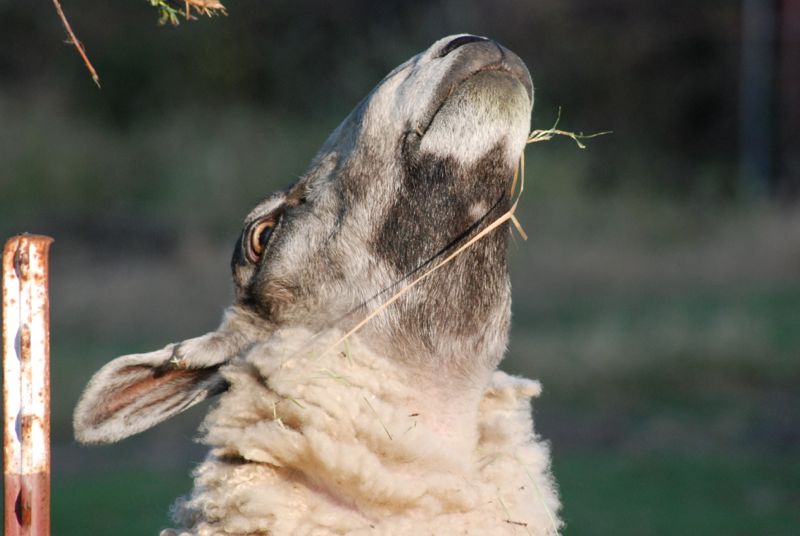
Faulkner

Ebony

Fogerty


I finished 7 throws last week. Friends who saw them before washing tried to be polite but were un-impressed and maybe even shocked at how awful they looked. I used some yarn that had been spun several years ago at a mill that (I assume) uses a lot of spinning oil. The yarn on cones looks and feels like string that you would buy at the hardware store. The resulting blankets off the loom look and feel as though I wove them with string from the hardware store. Also, I wove them at a wide sett knowing that they would full.

See how open this is. You can easily stick a finger or a toe through this. And a cat would pull those threads and destroy it.

A trip through the washing machine to full (Not the way to wash a finished blanket–to do that see my instructions here)…

using Power Scour (normally for raw fleece, but this yarn was very greasy) changed that blanket into this:

Here is another before and after:

And another:

One of these blankets is a gift to the person from whom I got the wool several years ago. I’m sure she doesn’t see this blog so it will be a surprise until tomorrow when I take it to her. This blanket includes her dog hair that I washed and spun:

Here is one with Jacob weft:

All 7 blankets:


April Showers Bring….

Flannel bush, a native drought-tolerant CA species. I planted this behind the chicken house.

Yarrow, another drought-tolerant (read neglect-tolerant) species.

An incredibly fragrant rose. Hardy enough to have survived being dug up and replanted years ago and then suffer through seasons of aphids, little water, and pruning by someone who doesn’t know what she is doing.
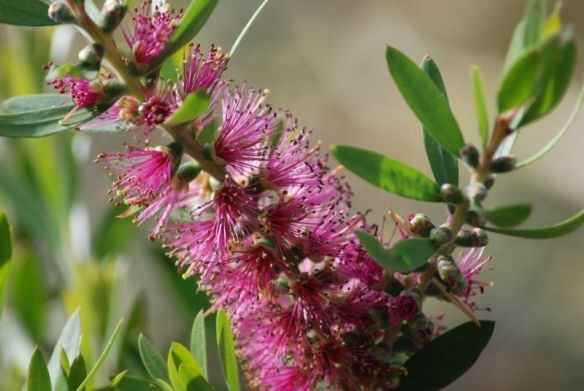
I just planted this pink bottle-brush and will try to give it water during it’s first summer. After that it’s probably on it’s own, but the red variety I have near the barn has thrived with similar non-care. (Come to think of it, I think there is a leaky faucet near the red one.)

I love iris because they grow almost no matter what you do or don’t do to them. I have some fancy varieties that I got from my friend the iris farmer last year. I am embarrassed to say that I almost killed those by forgetting to plant them when I got them in the fall. They are in the ground and seem to be thriving but I was too late to expect them to bloom this year.

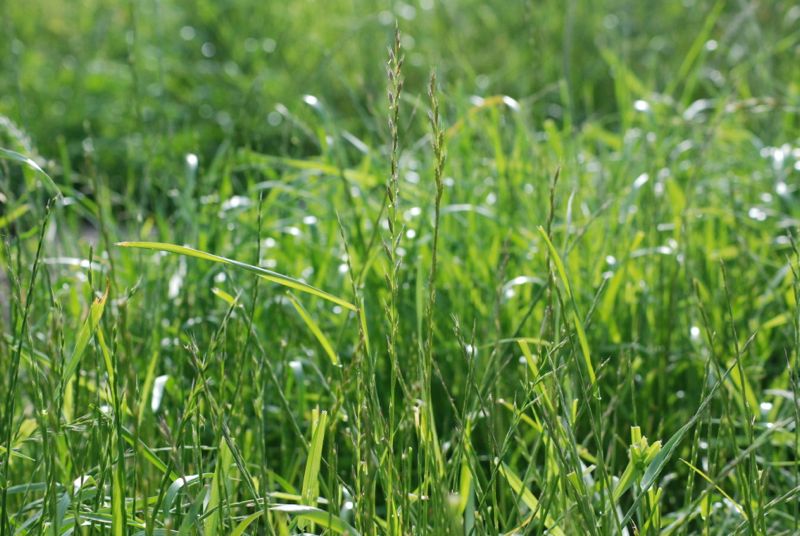
The clover is blooming now that it’s getting hot. In the foreground is one of the plants we just call foxtails. I think this one is Hare Barley but I’ll have to take my weed book to the pasture to know for sure.
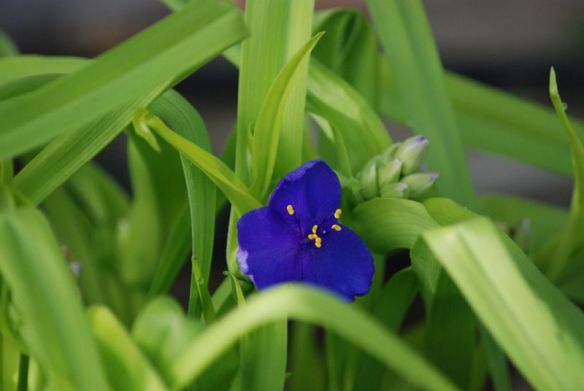
I can’t remember the name of this one but it’s in the box at the end of my shop. I always think the plant is not doing well because the leaves are almost yellow, but   whatever I am not doing to it seems to be working. It has a lot of flowers every year. (This box does get some water.)
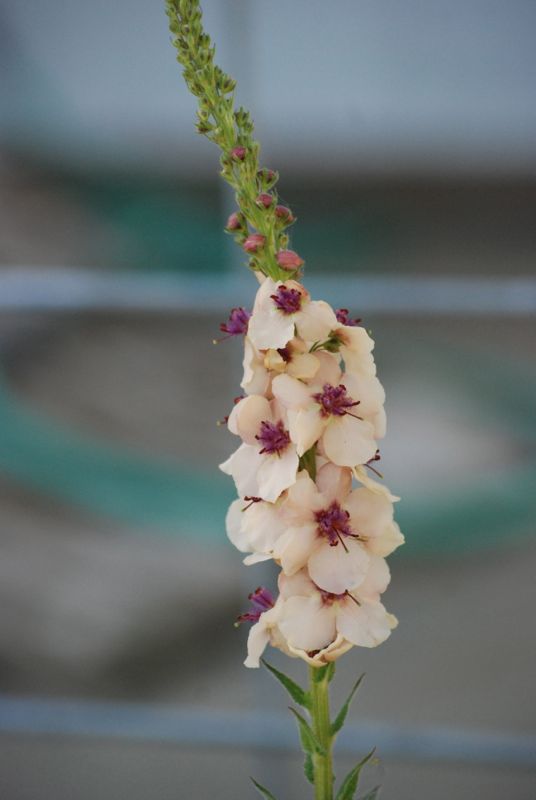
This is a Verbasum, a new plant that I just planted in a barrel near the shop. I was assured that it could live in the environment of heat and neglect. I saw that it flowered yesterday. Last night the flowers looked as though they had shriveled up, but they are open again this morning. Good plant.

I planted Walker’s Low Catmint in another barrel. I just put a leave of it under Ozzie’s nose and he doesn’t seem to care.

Annual ryegrass, a much more desirable grass, than the annuals that we call foxtails.

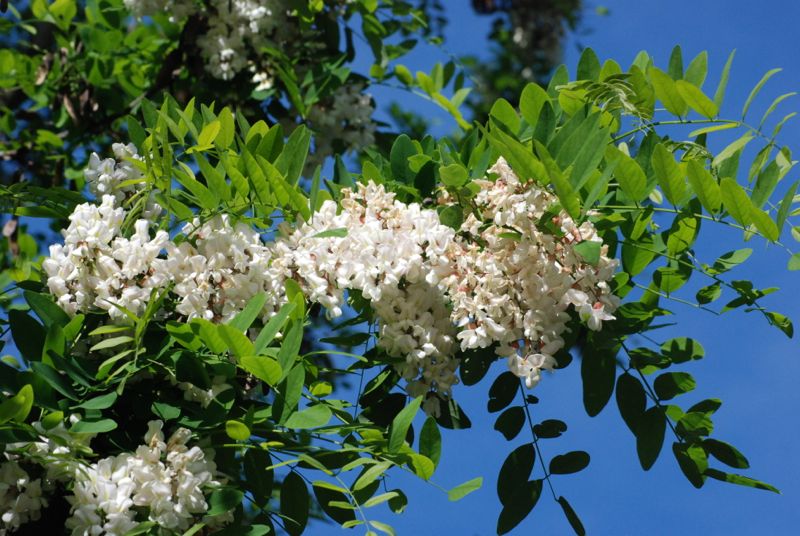
The locust tree is in full bloom and fills the air with its sweet fragrance.
Donkey Diet

I have learned that a donkey is probably not the best choice as a guardian animal for sheep that graze irrigated pasture in the summer and eat alfalfa in the winter. My sheep eat a rather rich diet compared to what a donkey needs. So Amaryllis was put on a diet. For the last 6 weeks or so I have fed her grass hay, but to do that I have had to keep her separate from the sheep. As many of you know, Amaryllis doesn’t care much about the sheep, but she  really likes Stephanie, the goat (although the feeling is not mutual). So Stephanie and Amaryllis have been in a stall at night and I have put Amaryllis in an outside pen during the day.

I found a potential solution at my local feed store.

This is a grazing muzzle. There are holes that allow the wearer to drink and to eat little amounts of grass that poke through the holes. If Amaryllis wears the muzzle I can put her back in the pasture with the sheep (and Stephanie). I did that yesterday and today and put her back in her stall at night to eat grass hay. I will have to experiment with the amount of time she wears the muzzle and stays in the pasture. Maybe some horses wear it full-time.

I don’t know if the sheep were more interested in welcoming Amaryllis back or wanted to investigate her new muzzle.

They were happy to accompany her back to the pasture.

Before…

After. I think I can tell a little difference.

Color Wheel in Fiber

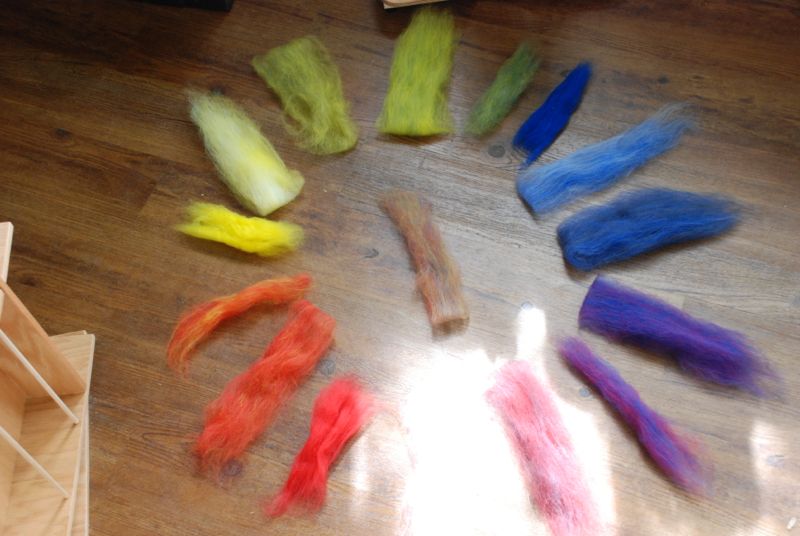
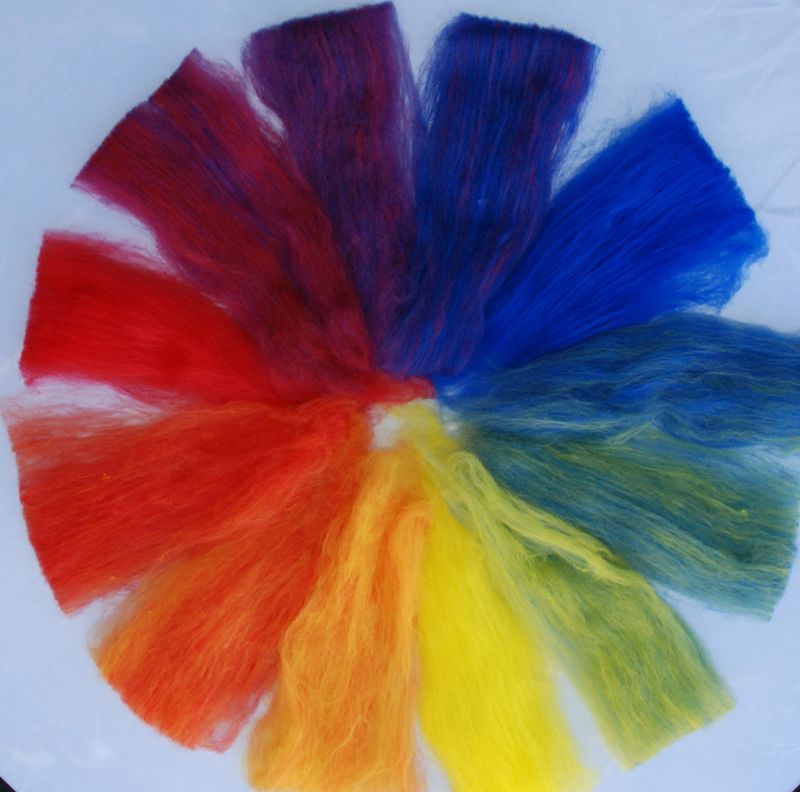
I taught Exploring the Fiber Color Wheel this week. Here are some photos.

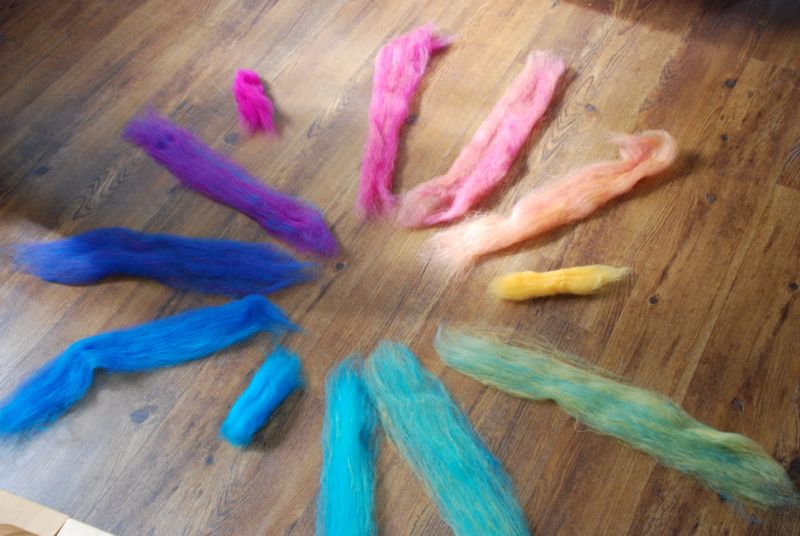
We used the three primary colors to create secondary and tertiary colors and complete a 12-color color wheel. Dona’s wheel has some other blends in it as well.

Mary used printer’s primaries (cyan, magenta, yellow) to create her color wheel.

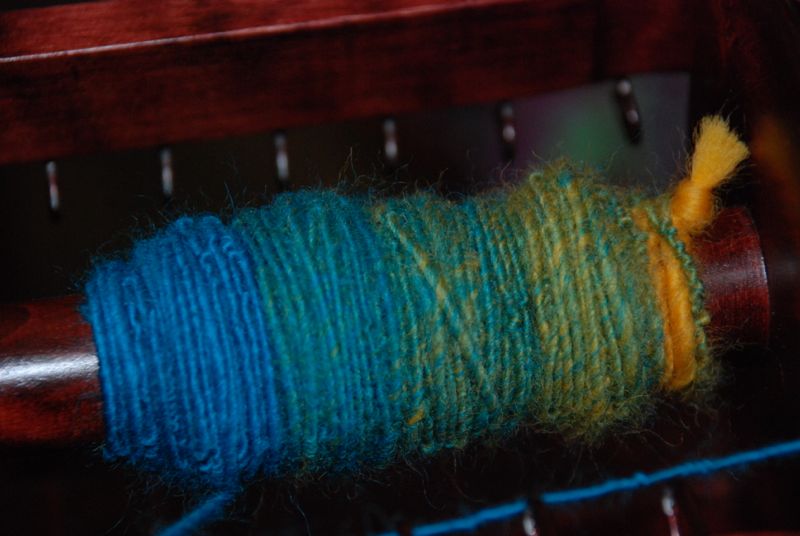
Jean also used printer’s primaries and spun her fiber.

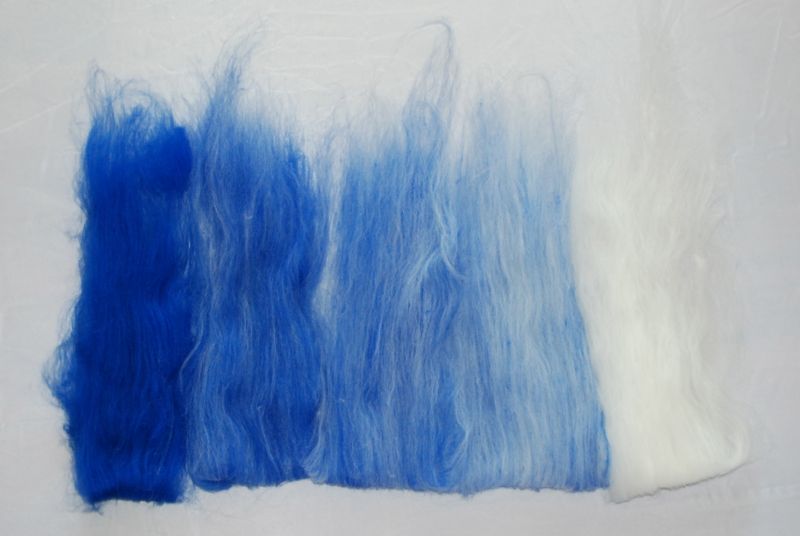
We made tints by carding with white.

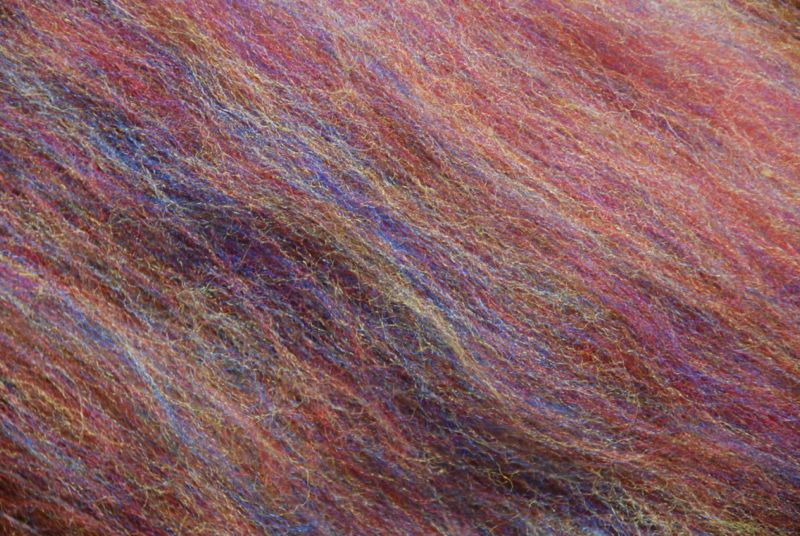
Here is the left-overs from the floor and the carders blended together.

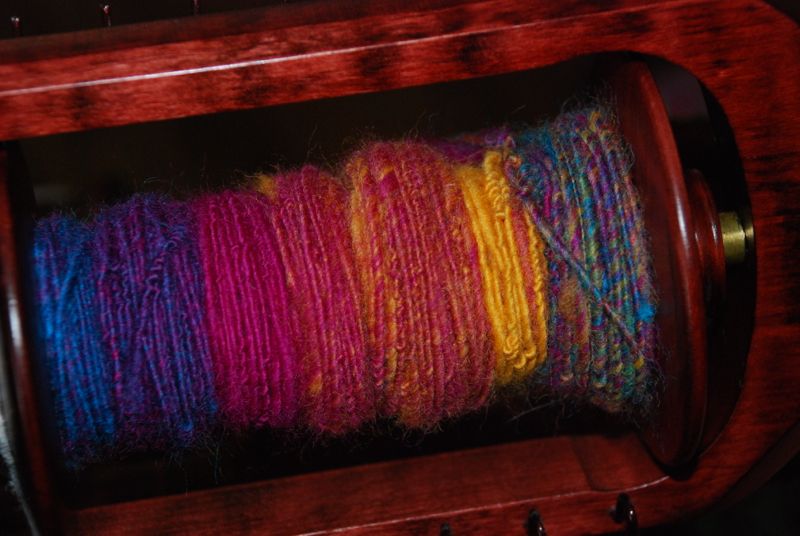
Today I had a chance to card my own colors. I will spin this tomorrow night at Spinners Night Out. What will I weave???

You can find out more about this class by clicking here.

Ouch!

I have been vigilant in trying to watch for mastitis in the ewes. It’s not easy to spot until you see a ewe that doesn’t want to get up or is lame. Lame? Yes, the infected side of the udder becomes extremely painful and the ewe doesn’t want any pressure against it so she limps. Have any of you women ever had a breast infection? Then you know what I’m talking about.

I am learning that mastitis in sheep can progress so quickly that you often don’t see any signs until it is too late. Prevention or early detection is the answer. (Do I sound like a health care ad?) I noticed a lopsided udder a couple of weeks ago. I caught the ewe and her lambs. It was obvious that the ewe was not letting the lambs nurse on one side. I found a scab at the top of the teat–maybe something that started from vigorous lambs with sharp teeth (nursing moms can relate to that too). I used an udder cream to help soften the scab and I milked her out. Fortunately the milk still looked good–not starting to get chunky or cheesy. I kept that ewe in for a few days, milking her some, but mainly making sure that she let the lambs nurse–which she did when I used the cream on her udder. She is fine now.

Today in the pasture I saw Athena from the rear and thought that she looked a little lopsided, but not too much. I was able to sneak up on her and feel the udder. Hard. Immediate response needed. I brought all the ewes in so I could catch her and her lambs. Here is what her teat looked like:

It is hard and inflexible. A normal teat is squishy so you can actually get milk out. The good news is that the milk is still OK and I can get milk out if I milk her by squeezing the lower part of the udder and the upper part of the teat. The bad news is that it is very painful for her and she will get mastitis if I can’t keep the milk flowing or unless I dry her off so that there is no milk production at all. You can’t stimulate milk production on one side and not the other.

Here is what her lambs look like right now:

They are 50 & 55 pounds. Although normally I would have let them continue to nurse, at that weight and 2 months old they can be weaned. So they are on their own now and Athena is in a stall with a wether (with whom she is extremely annoyed) on no feed or water for a little while to help with the drying off process (discouraging milk production). Her udder will continue to fill with milk, but that in itself inhibits milk production. I will give her banamine as a pain reliever and anti-inflammatory and LA 200 as a prophylactic aid to prevent infection (not normally done when drying off). Hopefully without the stimulus to produce more milk she won’t get mastitis and hopefully the teat will heal without damage that might inhibit next year’s milk production.  Athena is a really nice ewe and I’d hate to lose her for this.

It’s been a week since Meet the Sheep, our spring open house. My internet service has been sketchy and every time I started to add photos it was too slow and I gave up. I think technology has been upgraded and hopefully all is well with our internet tower. I can see that tower on the mountain several miles away (one of many–I don’t really know which it is–do you think they could put a ribbon on it so I can pick it out?) and if I can see it, shouldn’t the little thing on the roof be able to pick up the signal?

The Saturday of Meet the Sheep we had gorgeous weather and I know that was one reason we seemed to be so popular. Dozens of people came and enjoyed the sheep, the goats, fiber, fresh air, and a wonderfully sunny (dry) day. As always Farm Club members were a huge help.

 Image
Paulette always enjoys a good scratch.
Image
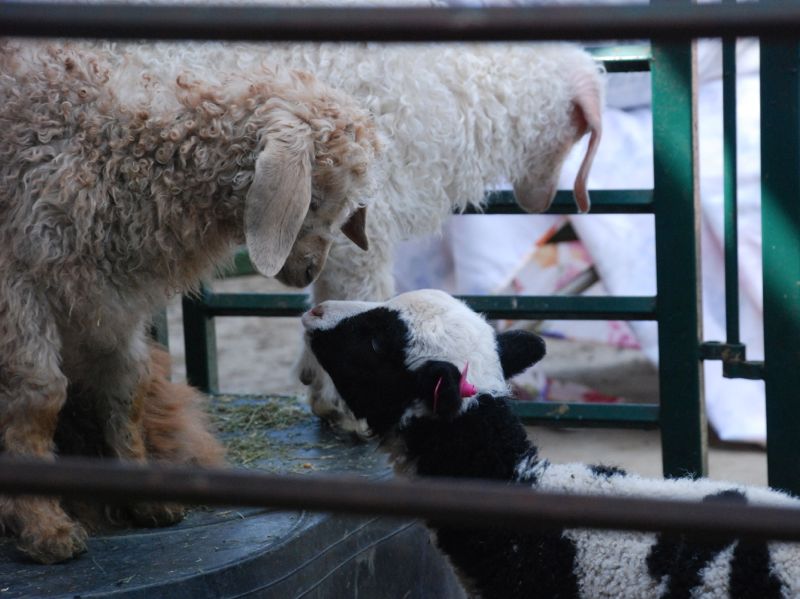
This is an Angora kid owned by my friend, Julie, of Black Oak Ranch.
Image
Julie brought kids and a bottle lamb, all of which were very popular.
 
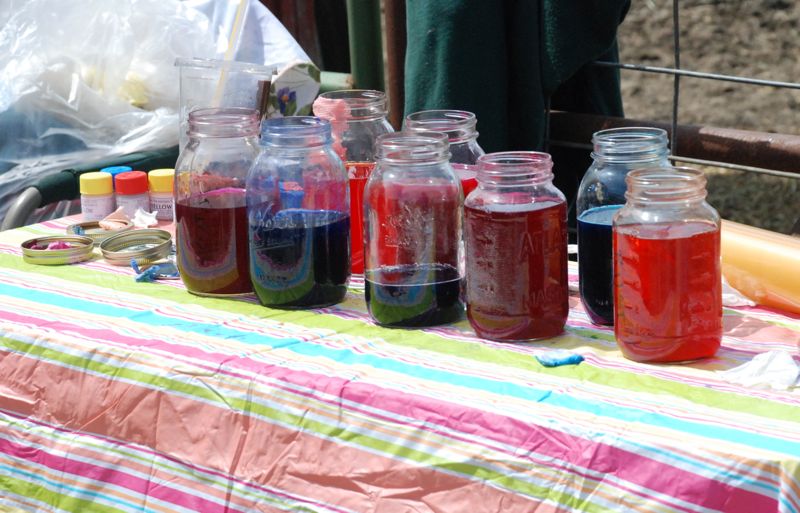
She also did a dying demonstration.
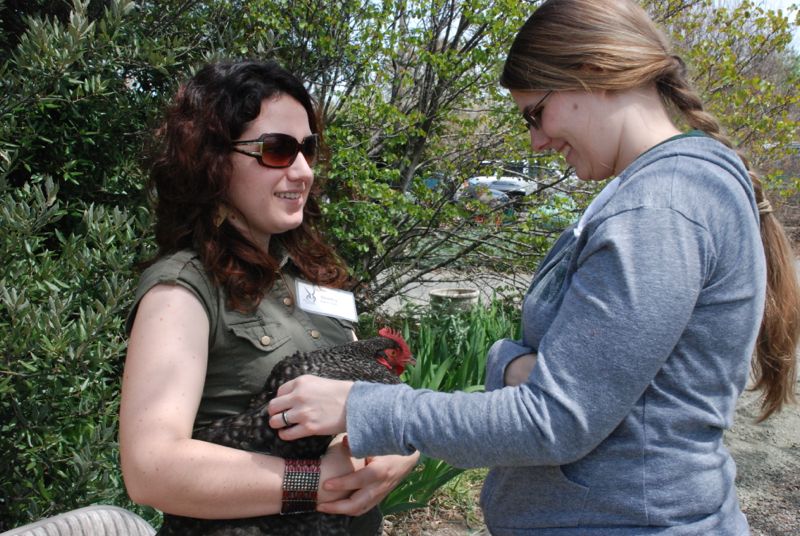
Shelby brought her tame chickens.
Jackie demonstrated carding and…
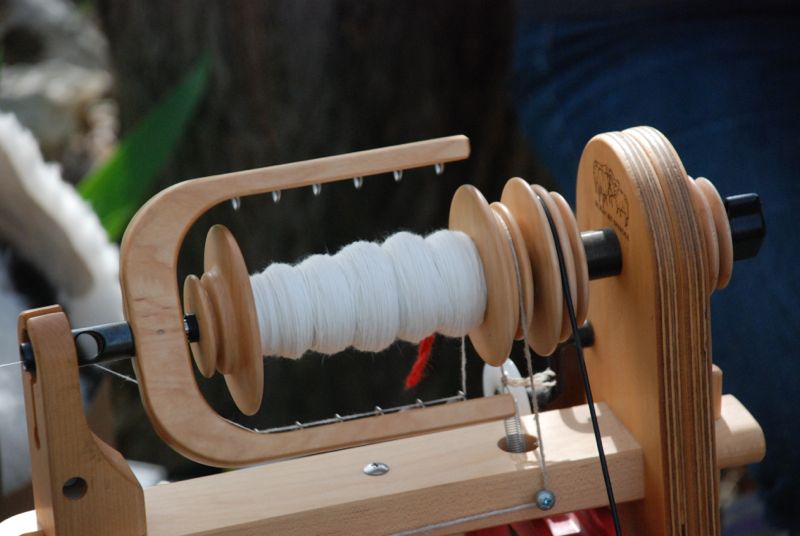
…Alison taught a visitors how to spin.
First handspun yarn.
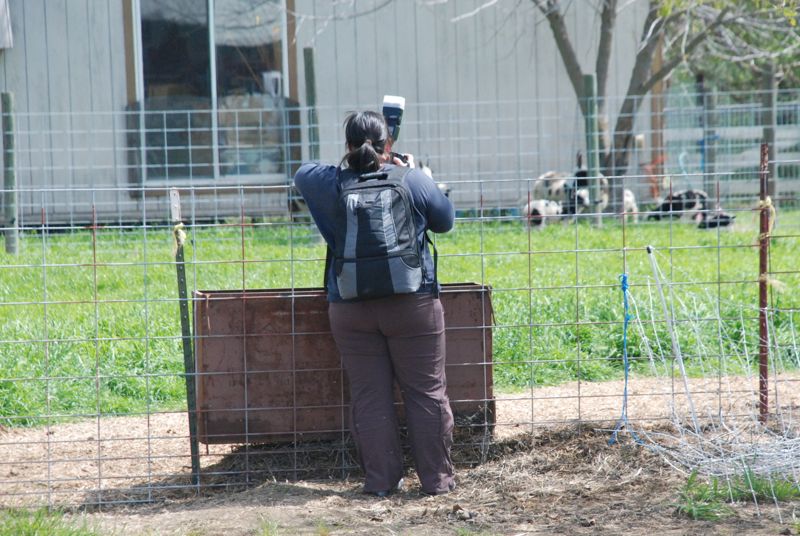
Photo opportunities
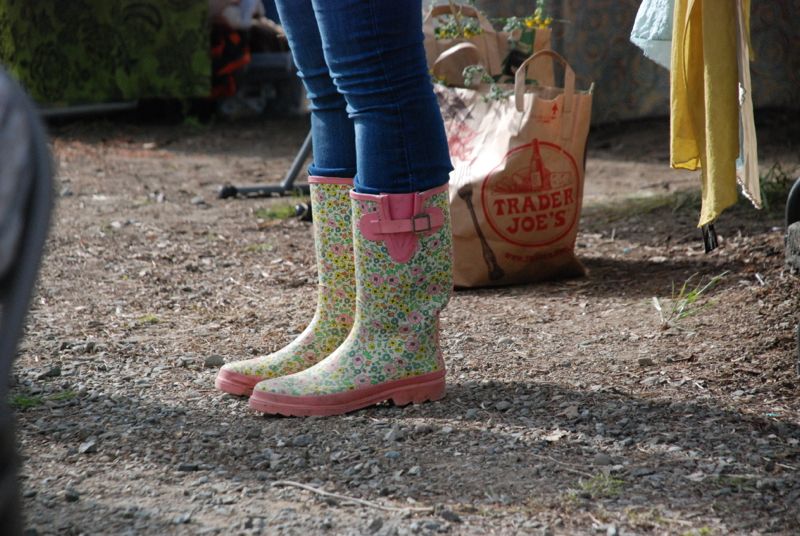
Fashion footwear
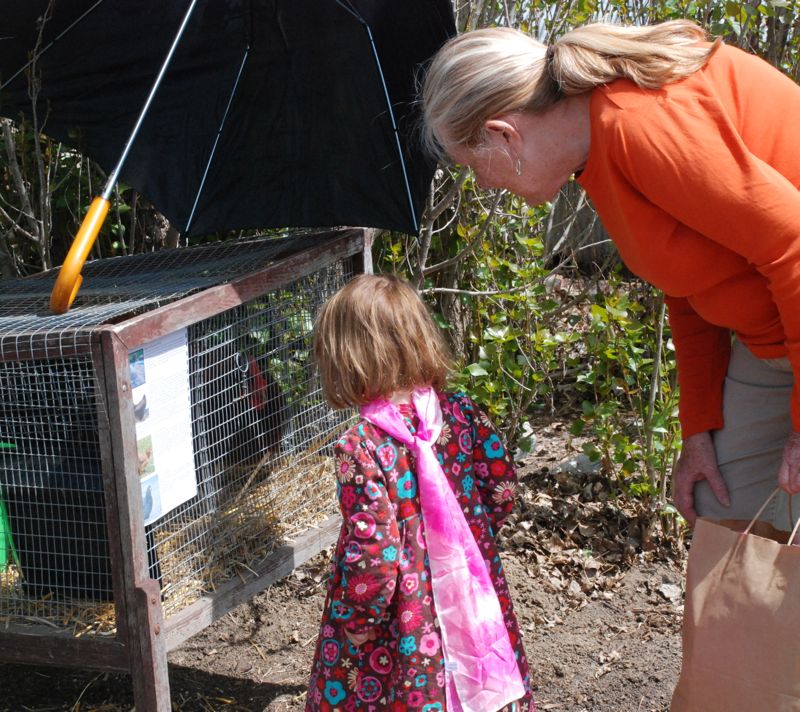
Checking out chickens
Fresh yarn
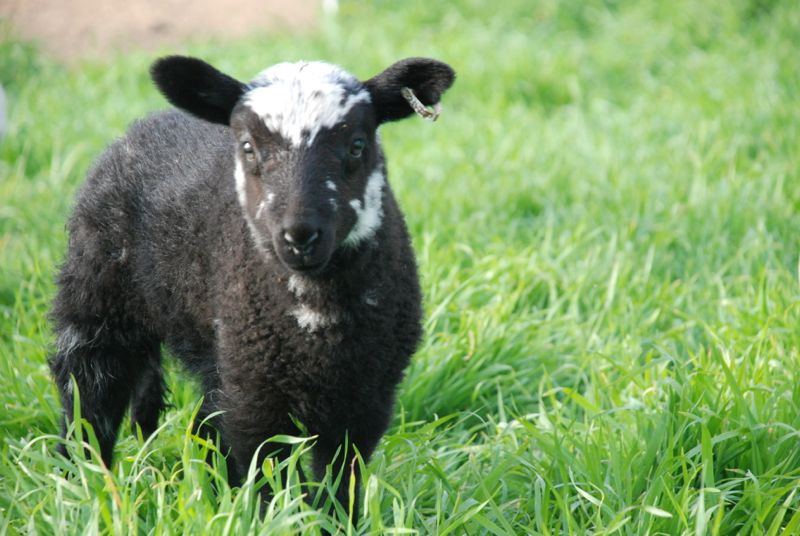
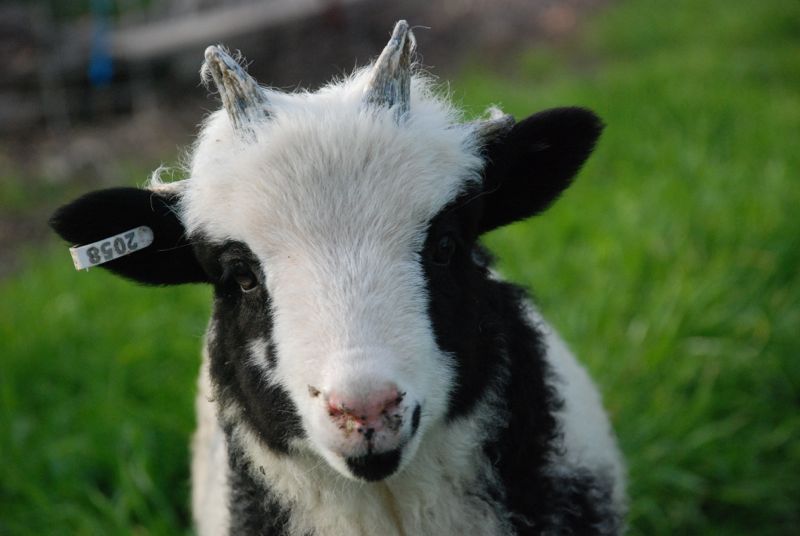
Of course it was all about Meeting the Sheep:

The grass really IS greener on the other side

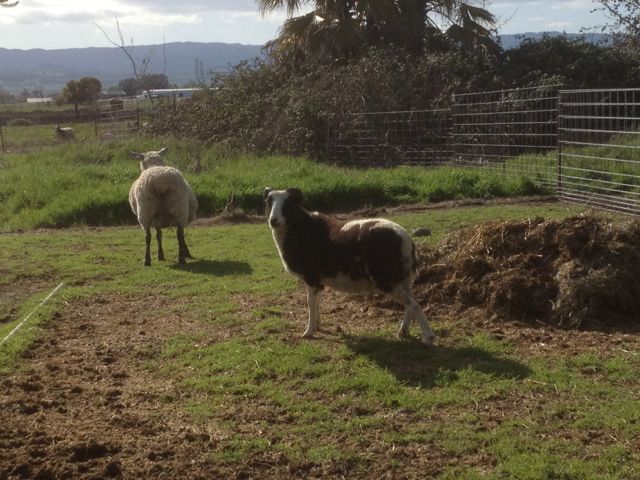
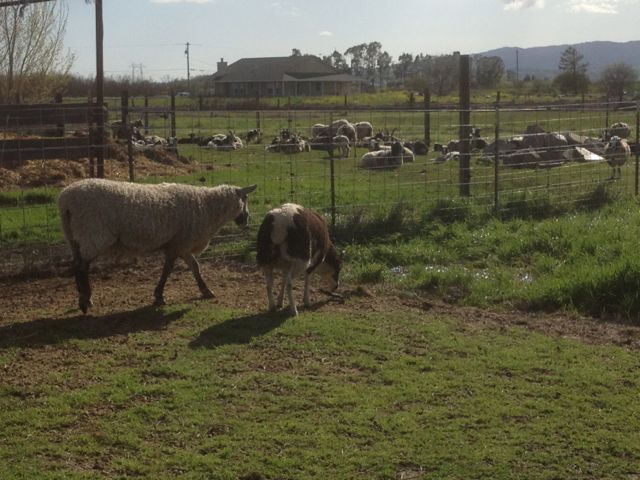
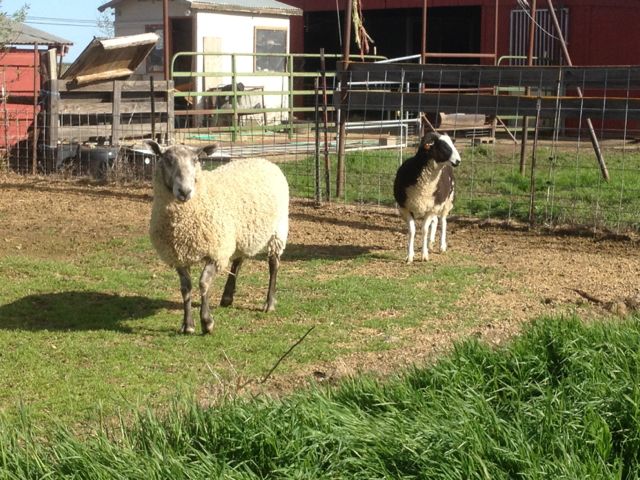
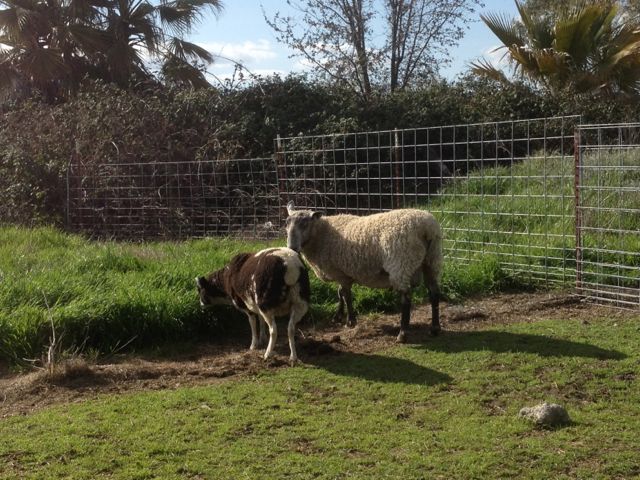
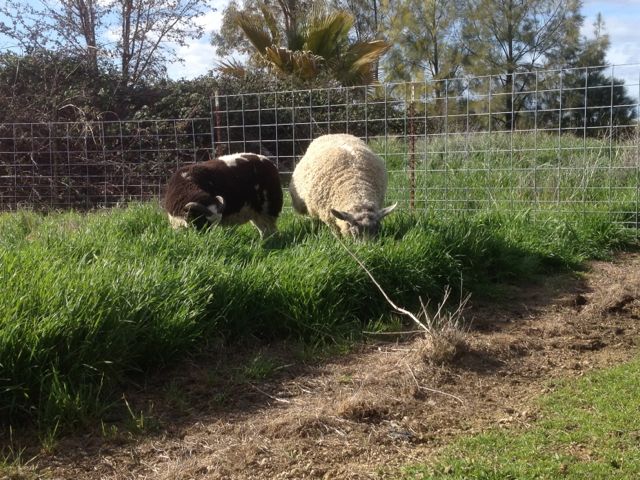
Faulkner, the BFL ram lives with his buddy, Jerry,  because I don’t want to put him up against the adult Jacob rams with horns. He lives in what used to be the pig pen back in our 4-H and FFA days. I have been meaning to expand his pen ever since last year and finally got to it (with the help of son, Chris) yesterday.

Hey, Jerry, where are those bars? I can't see them.

Jerry: Dude, I don't see them either. I think there is some invisible force-field though. I wouldn't go any further.

What do we do now?

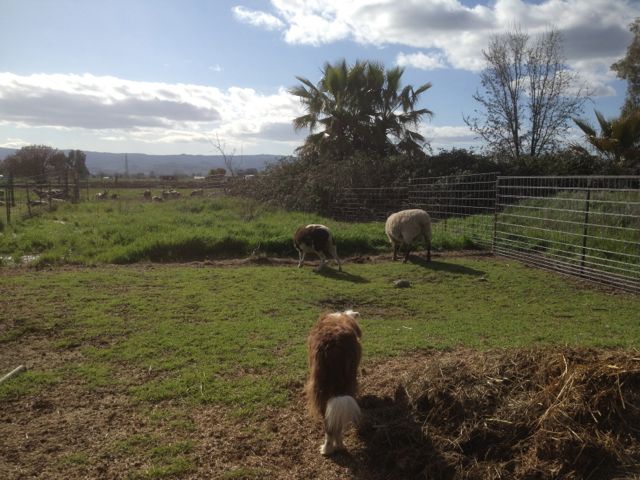
Faulkner: There is that annoying dog. Let's pretend we don't notice him.

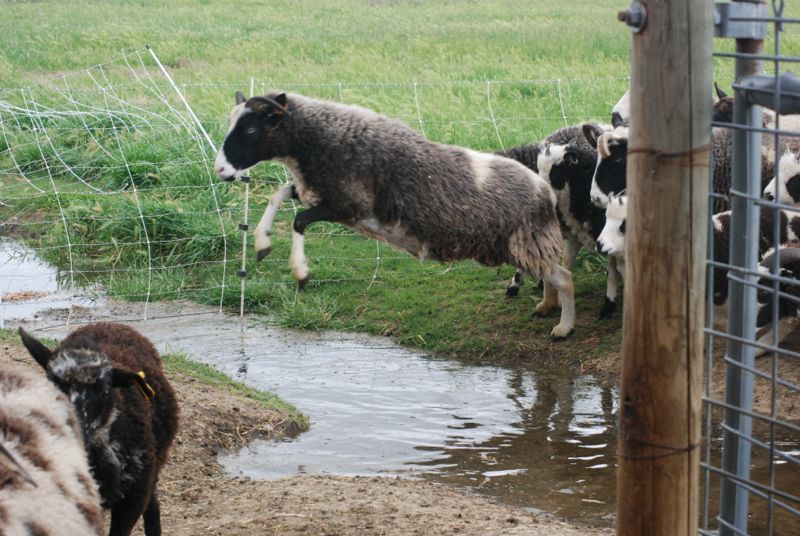
Jerry: Hey, dude, the dog's power corrupted the forcefield and now we can get through.

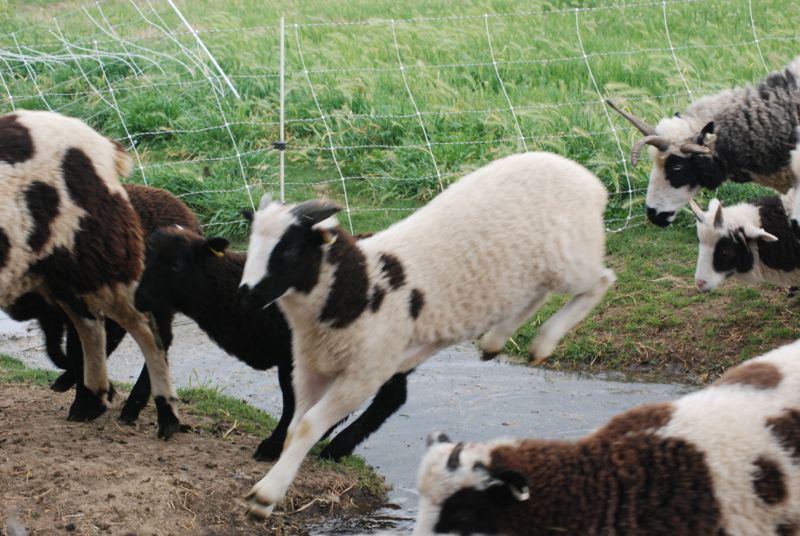
Happy Sheep.