Road Trip to CO – Nevada to Home

In the last post I wrote that we drove until dark and then kept going. We didn’t have a plan about where we’d stop and Dan just kept driving. (By the way, when I say that “we” drove I mean that Dan drove and I rode. I used to offer to drive but I don’t bother anymore on our trips. Dan likes to do the driving and that’s fine with me, since I’d rather be watching the scenery and napping when I get tired.)

Eventually, somewhere in eastern Nevada, Dan got too sleepy and pulled over. We didn’t try to stretch out in the back of the truck but slept in the front. After an hour or two I got too cold and uncomfortable (and bothered by someone snoring) and switched places with Dan so I could drive. When I got too tired and pulled over we both slept awhile until he recovered enough to go on.

DSC_1540

The view when I woke up next.

DSC_1541

Have you noticed that the Open Range signs in many places have cattle that look like dairy cows? The Open Range signs in Nevada show what looks like bulls.

DSC_1544

Even along Highway 50 in Nevada there are Points of Interest.

DSC_1547

It’s hard to see in this photo but there are remnants of a stone building surrounded by cyclone fence. One of the signs at Cold Springs (between Austin and Fallon) described The Overland Stage Station: “Constructed using the volcanic lava rock found throughout the area, the Cold Springs Stage Station was built in 1861. The original Pony Express Station was built 1-1/2 miles to the east of here in 1860. When the stage station was erected the Pony Express moved its operation to this building…Life at Cold Springs was not for the timid. The 2 to 3 man station crew endured the barest, leanest forms of living. They ate, lived, and slept in this crude structure for months at a time. Floors, when dry, were dirt and when wet, they were mud. Sanitary facilities were primitive. The handmade furniture was crude and utilitarian at best. There were no luxuries, only the necessities of life: food, water, and a firearm for protection.”

IMG_2952

IMG_2956

IMG_2951

Additional signs explained the quick progression of communication and transportation milestones that occurred here between 1860 and 1927–the Pony Express in 1860, then the Overland Stage in 1861, telegraph in 1861, (dooming the Pony Express), and eventually the creation of Highway 50.

DSC_1549

Here is one more sign. This one is provided by Trails West whose “primary activity is installing, and maintaining, distinctive steel-rail “T” markers along the many emigrant trails leading to California and publishing guide books to enable anyone to follow these trails from beginning to end.” They have placed over 600 markers along 2000 miles of trails.

IMG_2948

Putting my iPhone in my pocket it took this photo.


DSC_1564

Way back in this post I mentioned a Shoe Tree. Here is another west of Cold Springs. This one is even marked in our map book and described in this internet article.

DSC_1566

Not to be a spoil-sport, but I’m not a big fan.  Sure, it is a curiosity and, in this case, a landmark, but I think I’d rather just admire a nice tree growing in the desert. To me it brings to mind the question is graffiti artwork or vandalism?

DSC_1574

Sand Mountain is a 2-mile long, 6oo’ high sand dune that is 20 miles east of Fallon and is the site of another Pony Express Station.

DSC_1577

DSC_1568

DSC_1579

Impressive house in Fallon…

DSC_1582

..and an auto repair shop featuring a NAVY jet out front (representing Fallon Naval Air Station).

DSC_1586

Seen on the highway and reminiscent of a twill pattern in weaving.

DSC_1588

Just past Fallon, we left Highway 50, as it headed southwest, to get on I-80 toward Reno…

DSC_1591

…and, eventually, home.

DSC_1593

California! Only about 2-1/2 hours to home.

IMG_2992

We drove about 2800 miles on this trip. It’s marked in pink. Our 2015 trip to Texas is in blue. Orange is to Grand Tetons and Yellowstone in 2014 and Green was to Grand Canyon and beyond in 2013. Where to next year?
Road Trip to CO – Four Corners to Dark

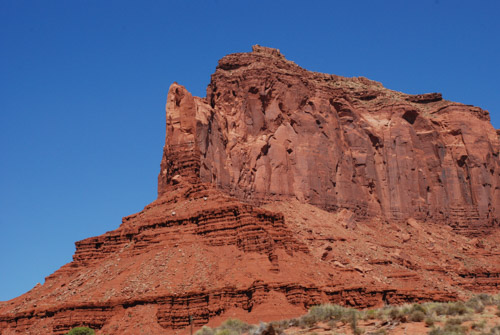
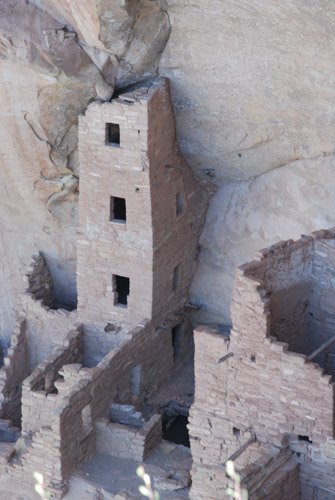
Our 8 day road trip was almost over. We spent Monday night and Tuesday morning in Mesa Verde National Park but needed to be home on Wednesday. We decided to drive through Four Corners and Monument Valley–it wasn’t much out of the way and Dan had never seen the area (and I had been there just once).

DSC_1391

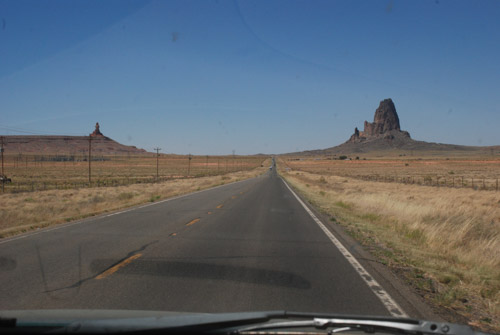
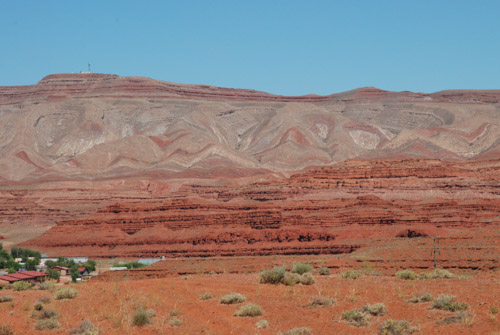
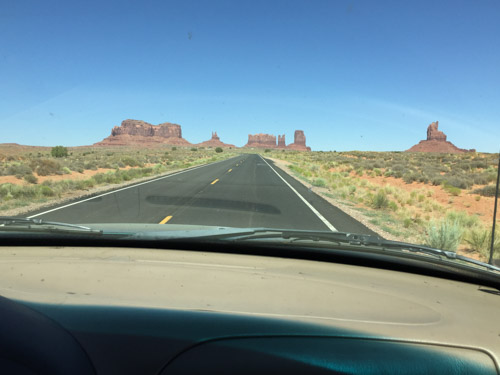
Most of the photos in this post were taken from the truck window at 70 mph. I found that I could sometimes roll the window down (yes, roll, there are no push buttons in this truck), sometimes remove the lens cap, and sometimes turn the camera on, but not always all three of those things.

DSC_1395

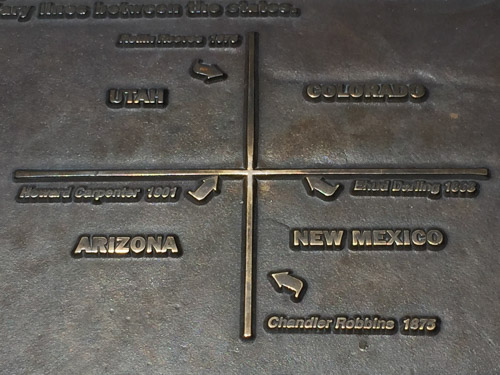
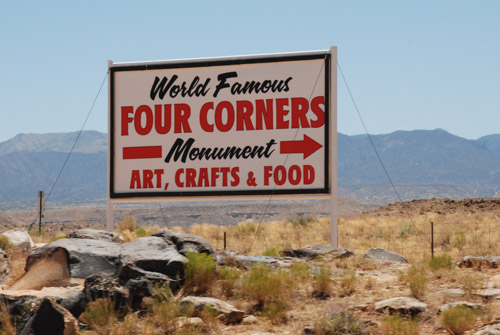
Four Corners is notable for being the only place in the United States where four states meet. It is also marks a boundary between the Navajo Nation and the Ute Mountain Ute Tribe Reservation. The Navajo Nation runs the Four Corners Monument as a tourist attraction.

IMG_2938

This is not the actual monument, but part of a sign about the surveying that began in the 1860’s. Wikipedia says, “the origins of the state boundaries marked by the monument occurred just prior to, and during, the American Civil War, when the United States Congress acted to form governments in the area to combat the spread of slavery to the region.”

IMG_2940

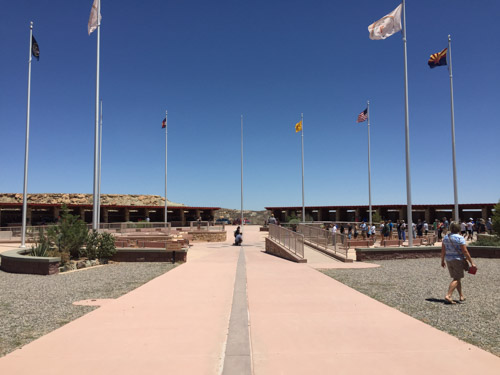
The marker itself is in the center of this courtyard. Notice the line of people to the right. They are all waiting to take their photos over the marker. We didn’t join them, but walked around the outside where there are stalls in which Navajo and Ute members sell souvenirs. Then we got back on the road.

DSC_1414

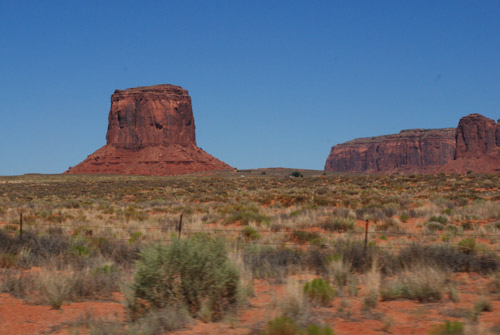
We took Highway 160 southwest to Kayenta where we turned north on Highway 163 to head back to Moab, but drive through part of Monument Valley. Wikipedia: “Monument Valley is a region of the Colorado Plateau characterized by a cluster of vast sandstone buttes, the largest reaching 1,000 ft above the valley floor…Director John Ford used the location for a number of his best-known films, and thus, in the words of critic Keith Phipps, ‘its five square miles have defined what decades of moviegoers think of when they imagine the American West.’ “DSC_1416

DSC_1419

DSC_1424

DSC_1435

DSC_1439

DSC_1446

Spectacular country for it’s rock formations. A tough place to live on the land.

DSC_1459

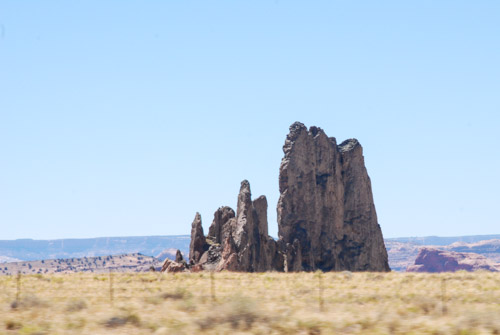
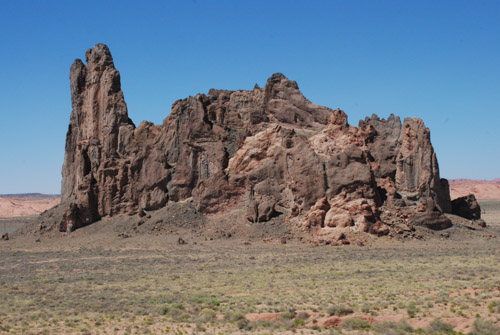
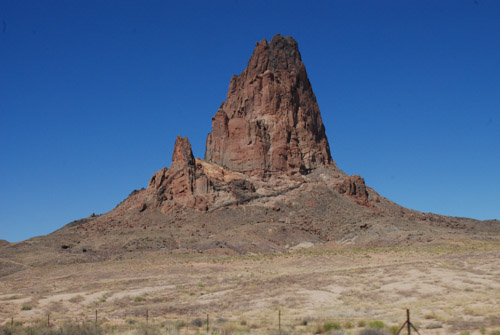
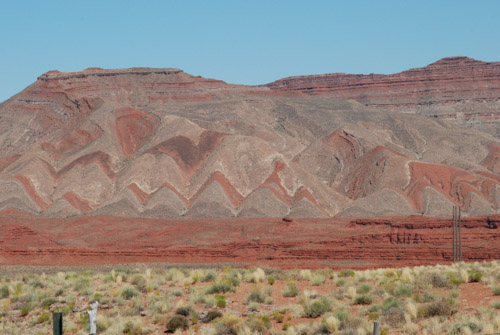
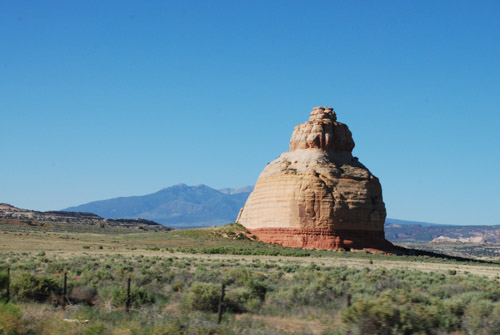
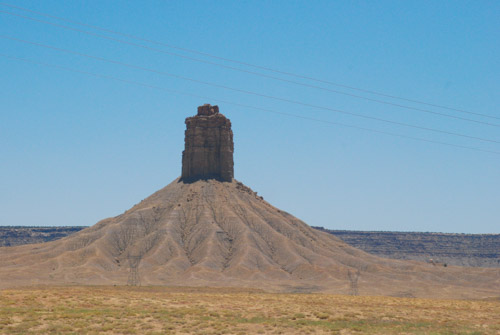
This rock formation kept us entertained for many miles as we drove closer and closer to it. I think it is just north of Bluff, Utah. I have googled a variety of words to describe this near both Bluff and Mexican Hat, Utah, but I don’t see any photos like this.

DSC_1473

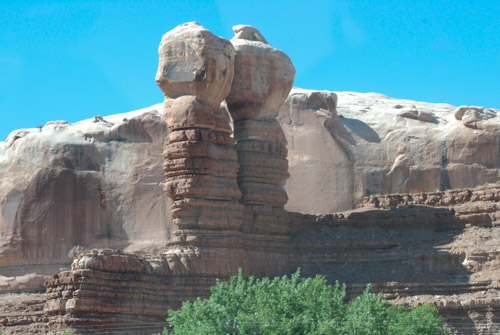
I do know the highway roughly followed the course of the San Juan River between those two towns. The rock formations that show up on-line are the Mexican Hat for which the small town is named and…

DSC_1474

…Navajo Twin Rocks near the town of Bluff.

IMG_2943

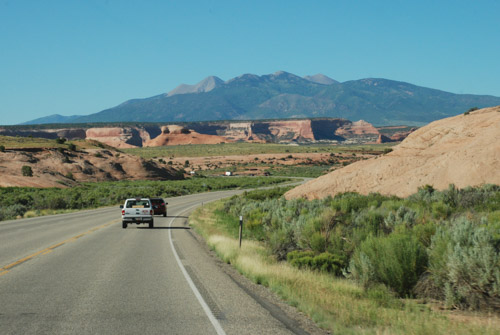
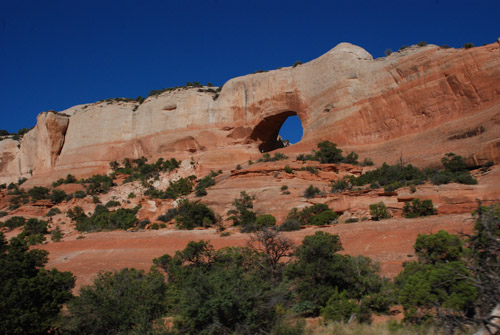
We continued to see red rock formations as we drove north toward Moab.DSC_1477

DSC_1486

DSC_1488

DSC_1499

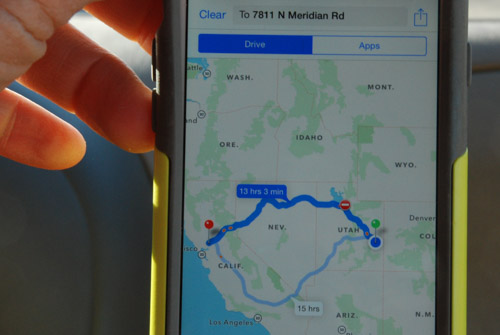
We hadn’t started the trip in Moab, but we’d been there just four or five days ago. I checked to see how long it would take to get home. I couldn’t get the phone to show me the route that we planned to take. We were headed to Highway 50 to cut straight across Nevada.

DSC_1494

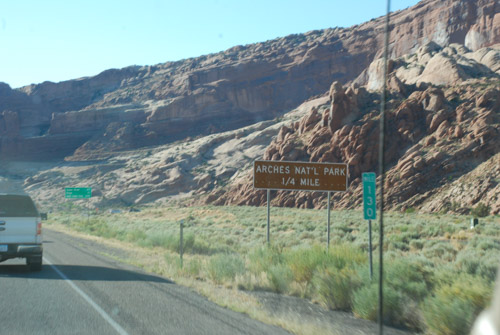
We passed Arches National Monument where we’d spent a day hiking

DSC_1507

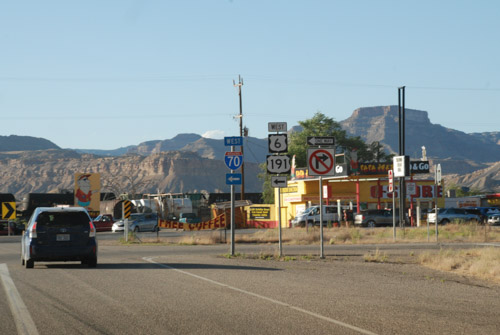
…and picked up Highway 50 at Crescent Junction.

DSC_1521

The plan was to drive west until we needed to stop.

DSC_1530

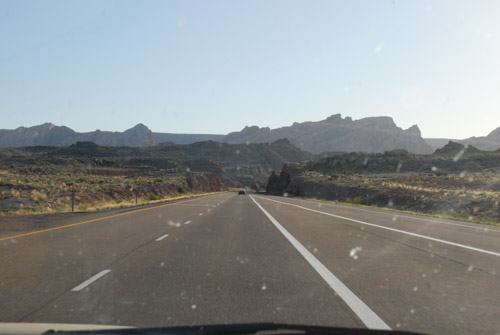
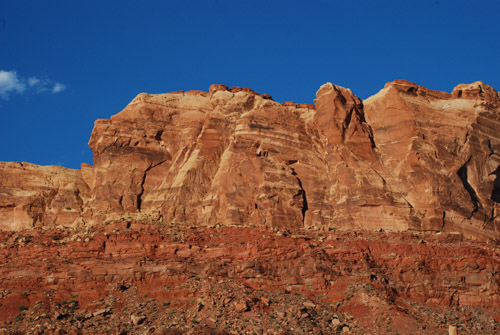
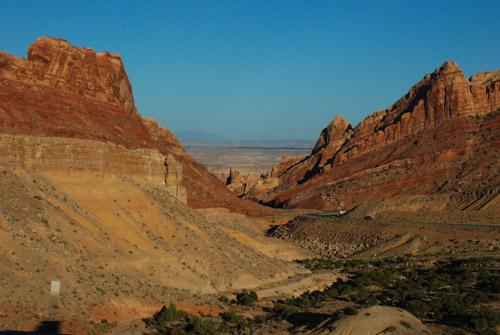
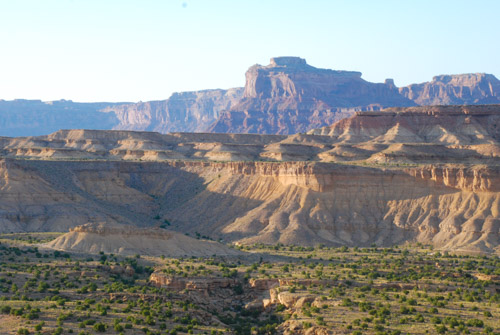
We’d seen some of this spectacular country but it looks different going the other direction.

DSC_1532

DSC_1533

We drove until it was took dark to take photos and then we kept driving.

To be continued…


2016 Vineman – Ironman

A lot has been going on here during the last month, from our 8-day road trip to the fair and sheep adventures. The most recent event was yesterday. Chris had competed in his first Ironman three years ago in Texas and I shared photos and the story here. This was his second Ironman although we were all at the Tahoe Ironman two years ago when it was cancelled at the last minute due to the smoke from the huge arson-caused King Fire.

The Ironman is a 2.4 mile swim, 112 mile bike ride, and a marathon (26.2 miles) all one after the other. The training is intense (understatement) and the event infrastructure is mind boggling. Athletes pick up packets and leave off gear, including bikes, the day before. This event was local (Sonoma County, CA) although it was not local enough to sleep in our own beds and still be there for a 5 a.m. check-in on Saturday. We left our motel at 3:30 a.m. to make sure that we would avoid the anticipated traffic jam of all 2000 athletes descending on the small town of Guerneville at the same time.

DSC_0270

As the athletes arrive volunteers write numbers on their arms.

DSC_0280

Chris’ support crew at the river included my husband (who took this photo) and me, daughter Katie, daughter-in-law Meryl, brother-in-law & sister-in-law Rob & Renee. Rob was also competing this time. Can you tell it was cold at 5 a.m.? Sonoma County is known for morning fog, especially this near the coast. I haven’t been that cold in a long time.

DSC_1613

Morning preparation includes checking air in the bike tires,

DSC_0281

…securing the chip that marks times throughout the course,

DSC_1617

…and donning wetsuits….and lots of standing around for the support crew. Once the event begins the support crew can only support by finding places along the course to cheer on their athlete. No physical support is allowed.

DSC_1618

The pros started at 6:30 and the rest of the 2000 +/- athletes started at 6:45.

DSC_1622

Athletes are pensive. Many have put a year’s worth of training into preparing for this day.

DSC_1634

My brother-in-law came from Colorado to compete with Chris.

DSC_1623

They both anticipated about a one-hour swim time and lined up near the front of the pack.

DSC_1628

It is daylight now but still cold. The rest of us just wait. The national anthem is sung and the athletes are off.

There was a fairly small beach area where the athletes entered the water so they were funneled through a narrow gate to avoid crowding at the beginning of the swim. (It was impossible to get photos of that or to pick out our swimmers.)  I am so glad that our guys were at the front, because it took a half hour before all of the competitors were actually in the water and swimming. By that time the pros were almost finished with the swim portion. Our guys weren’t far behind.

DSC_1639

The athletes pack transition bags prior to the event and they are all put in place the day before. Everyone has a bag for the swim/bike and bike/run transitions. As the athletes come out of the water they strip wetsuits with the help of volunteers. Most are already wearing their cycling/running clothes under the wetsuit.  Wetsuits and goggles go into the bag and they take out cycling shoes, helmet, socks, and anything else they need while on the bike.

DSC_1647

For competitive athletes (or those who are aiming for the best PR) the transitions become an important part of the whole event where time can be made up or lost.This is Chris (in white and navy) leaving the transition tent to get his bike…

DSC_1648

…and running with his bike to the beginning of the bike route. I must say here that we were all worried (OK, it was us, Mom and Dad, who were mostly worried) about Chris’ ankle that he sprained badly about six weeks ago and then sprained again just three weeks ago while out in the bumpy pasture with my sheep. We saw him twist that ankle again while running here in cycling shoes and continue running with a limp to the bike course. DSC_1649

Rob left the river not long after Chris…

DSC_1654

and got his bike. Rob has done these events for many years and was smiling at this point.

After the guys got on the bikes (well in front of most of the other competitors, giving us an edge on getting out of town) we got to our car and drove to Windsor where the bike/run transition and the finish would be.

DSC_1659

Depending on the configuration of the course the Ironman can be a difficult spectator sport. At this point we had picked up another two support crew members (my cousin, Carol, and another family member, Barb, who both live in the area).  We found a spot where we would see the cyclists come by in the first of their two loops of the bike course. We saw Chris who looked strong at this point.

DSC_1665

As Rob saw us he slowed down and stopped. His bike had a broken spoke on the back wheel at about Mile 25. That meant he was out of the event because his wheel was getting more and more wobbly and there was nothing to do about it without a replacement spoke or wheel. It would be frustrating to train for this event and spend all the time and money on it and then  have a mechanical issue end your day. But Rob has competed in many of these and he put his bike in the car, got something to eat, and spent the rest of the day enthusiastically cheering on everyone else.

DSC_1670

We saw Chris get off the bike, pick up his bike/run bag and run through the transition area. He emerged with cap and running shoes. The run portion is a marathon and this one was three times over the same 8+ mile course. We found a place  where we could watch runners coming and going as they made a loop around our grassy, shady area to enter the turn around and then see them come out again. This gave us four views for each lap.

DSC_1698

Chris on the first lap. The athletes’ first names are on their tags and spectators’ cheers help buoy the runners’ spirits.

DSC_1705.jpg

Part of the support crew waiting for the next sighting.

DSC_1708 DSC_1727

On the second lap Chris was picking up cups of ice chips at the aid stations to eat and cool his back. After seeing him on the second lap we went to the finish where we could position ourselves for cheering and photos. We didn’t know what time to expect him but he seemed to be ahead of scheduled, sprained ankle and all.

DSC_1729

This is after coming around the last turn to the finish…DSC_1736

…at well under 12 hours. The official clock counts the time from the start of the pro racers but Chris’ actual time was an impressive 11 hours 37 minutes.

DSC_1745

We were all so thrilled and proud of him.

DSC_1764

DSC_1773

DSC_1781


No Time to Blog

What do all these photos have in common? They are all topics that I want to blog about. But I’ve been from one adventure to another and am off again pretty soon. I hope I get to tell all these stories (including the rest of my Road Trip) before too long.
Maybe there should be a contest. Anyone who tells a story that incorporates all of these images (any order) can be entered. Write a paragraph and put it in the comments or send me an email me at robin@meridianjacobs. com (I can’t seem to make this a live email link) and I’ll either choose my favorite or do a random drawing for a prize. How about a Meridian Jacobs bag? Or a T-shirt? Go for it!!!

DSC_1378

IMG_3224

IMG_3222

IMG_3075

IMG_3323.jpg

IMG_3258

IMG_3236

IMG_2795

DSC_1603

IMG_3277


One More State Fair Post

Before I get back to my Road Trip blogs I have a few more photos to share. No big surprises in this post like there were in the last one, but Dona sent me the great photos that she had taken of the show. And since I’m writing another fair post I’ll include a few others as well.

I didn’t see much of the fair besides the livestock area but I walked around briefly. Here is what caught my eye.

IMG_3122

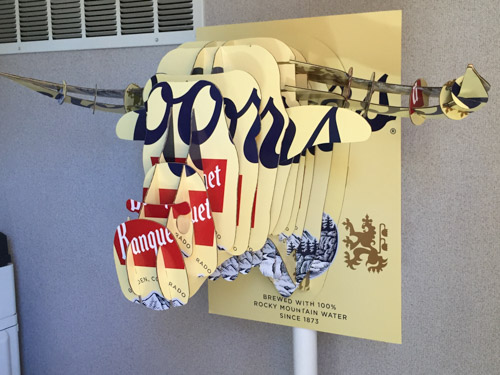
On the wall of the livestock office.

IMG_3147

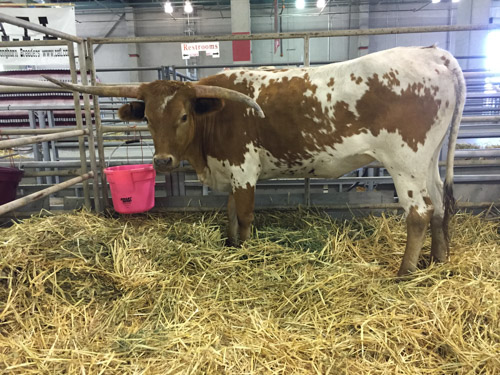
Another longhorn, this time with not-so-symmetrical horns.

IMG_3141

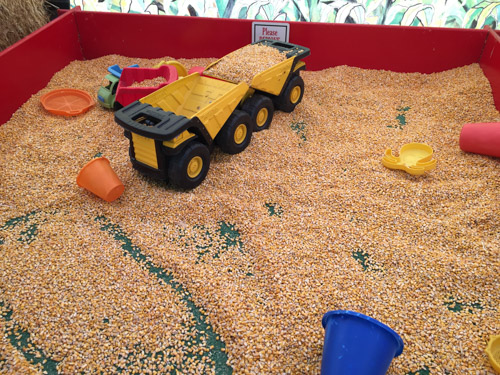
A “corn-box” for children.

IMG_3142-2

This seems like a good idea for kids but I think I’d want it far from my house. It’s hard to tell in the photo but there are metal bars hanging at each station for banging “music making”.

IMG_3159

I always like walking through “The Farm” to get ideas for my garden. I like these bricks that made the corners of the raised beds. It would be easy to change the location of the beds.

DSC_8141

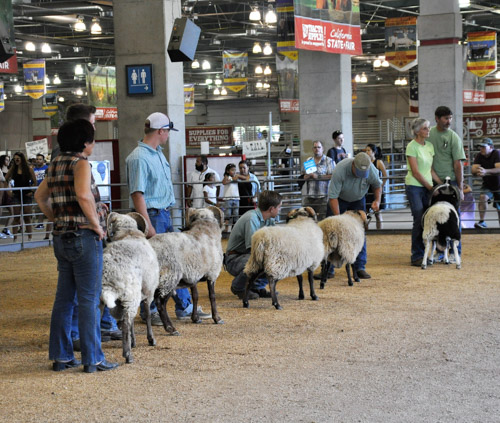
Back to the show ring. Rotor was sometimes reluctant at moving around the ring.

DSC_8168

Here he is at the head of the class of Shetlands and Karakuls.

DSC_8216

This is the Primitive Breeds Champion judging.

DSC_8218

DSC_8248

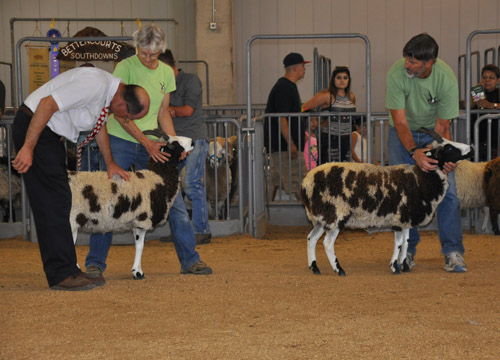
None of my other sheep did as well as Rotor. The judge preferred his fleece over that of my other sheep, although I think they are just fine. Meridian Honey, shown by my husband, had won Champion Jacob ewe at Black Sheep Gathering in June, but she was last in this class. That is part of showing any livestock, especially Jacob sheep. There is such a wide variety in acceptable traits in our sheep that it may not really be appropriate to judge them against each other. That is why Jacobs used to be judged by “card-grading”. Each sheep would get a “grade” based on the characteristics–not putting one of a similar grade above another. But that’s not how it’s done in traditional livestock shows.

DSC_8258

These are my two yearling ewes, Meridian Honey and Meridian Zinnia.

DSC_8319

This is the Jacob portion of the Primitive Breeds ewe lamb class. The two lambs without much color have a bit more on the other side. They are sisters and my friend, Mary, has bought one of them.

DSC_8362

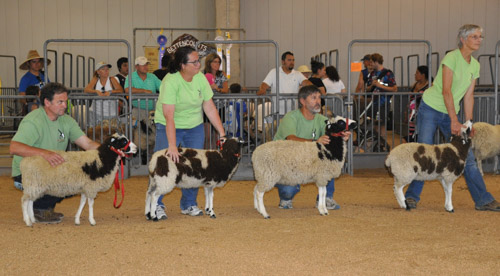
Here is our Flock entry in the Primitive Breeds Division.

DSC_8380

Rotor’s debut on the photo stage after winning this show. See the previous blog for his other winning photos.

Big Wins at the CA State Fair – 2016

We interrupt this blog series…

I am not even half way through sharing photos and stories about our recent Road Trip, but for the last four days I have been at the State Fair and I have to share that experience.

Every year I wonder if it’s really worth the time and effort to go to the fair. My friends and I go to Black Sheep Gathering because…hmmm…why do we go? It’s a Road Trip With Sheep. I just bring sheep, look at fiber, and hang around with my friends. That can’t be said for the California State Fair. Although it’s close to home, it’s a lot of work. I set up a big display booth and my Farm Club friends and I staff it all day. It’s hot (105 this year), dusty, and I stay every night until about 8:30 because there are so many people still in the barn. We are under pressure to keep the area spotless and be nice to everyone because we are in contention for a couple of major awards for the display.

IMG_3121

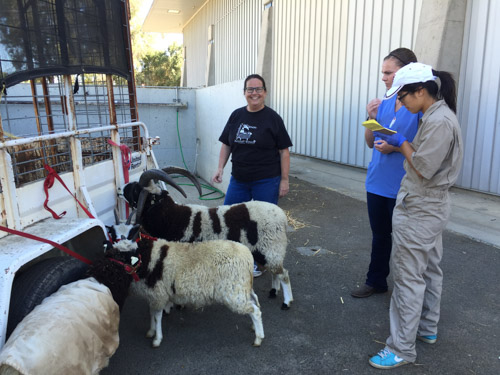
For Farm Club member, Mary, who is also a new farm owner, this was a new experience. She has been here before but it’s different when you have your own sheep. Before we can put the sheep in the barn they are checked by the veterinarians.

IMG_3123

Once the sheep are settled in their pens we start with the display.

There is prestige and a good monetary award at stake for the Marketing Program that “should be directed at potential customers and show case the exhibitors Breeding Program and Operation”. Here is the scorecard:

  1. 20% Display. Clearly demonstrates it’s purpose, message and/or image.
  2. 20% Effective use of display materials. Paper, wood, metal, plastic, plants, etc.
  3. 20% Use of color and signage. Graphics and signage to create impact and storyline, QR codes
  4. 5% Special Effects. Movement, sound, audio visual, participatory element
  5. 20% Effective Use of Handout Materials. Flyers, pamphlets, business cards, recipes, children’s materials, etc.
  6. 15% Craftsmanship. Well constructed, balanced and has an overall finished, artistic, visual appeal.

IMG_3177

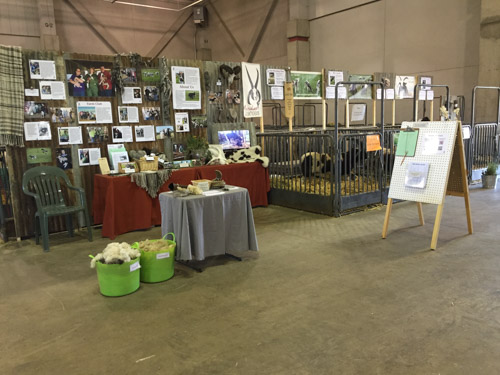
Here is the finished display.


IMG_3154

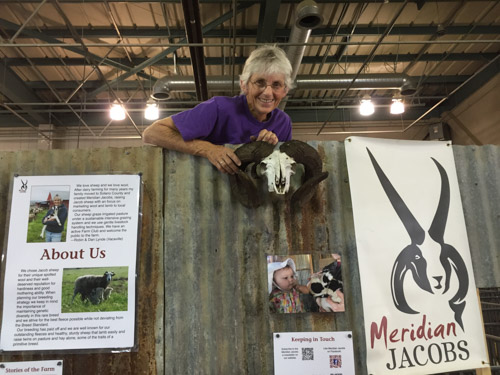
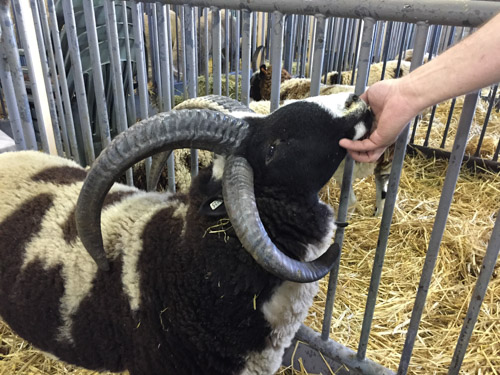
I’m glad that I had the last minute thought to provide a Touching Table. That came to me when I was looking for something else in the barn and came across these horns. We’ll expand on this next year. I was especially glad I thought about this when I realized that I had forgotten to bring the A-frame that holds some of our other interactive display material.

In addition to the Marketing Program, there are Herdsman awards that are offered “to encourage attractive, educational, and high quality presentations of all livestock exhibits”.  The Herdsman Award is judged on :

  1. 65% General Appearance
    1. 25% Neatness/cleanliness of bedding and aisle
    2. 10% Signage, banners, QR codes
    3. 10% Creative use of plants and special exhibit materials
    4. 20% Condition/cleanliness of animals
    5. 10% Educational material, marketing, breed promotion)
  2. 25% Feed Alleys/Tack Pen
    1. 15% Free of debris, not obstructed
    2. 10% Tack storage
  3. 10% Conduct
    1. 5% Exhibitor sportsmanship and cooperation with other exhibitors and staff
    2. 5% Public interaction and accessibility

In addition there is Best Educational Presentation over all the species entered in the three week run of the fair.

Farm Club members help to set up the display and come each day to staff the area and answer endless questions.

IMG_3135

This is the crew that was at the fair on Friday.

IMG_3131

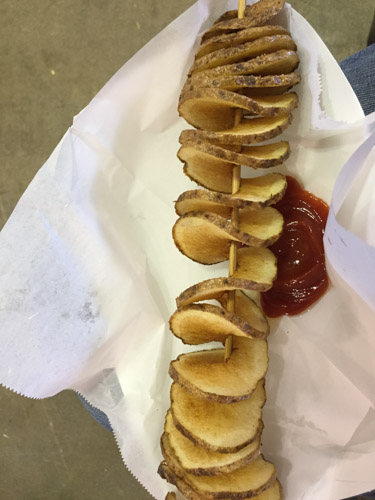
I think they worry that I will forget to eat. On $2 Sample Thursday (all the fair food booths have to include a $2 item on their menus) they returned with this treat for me. I have a good photo of all of them eating their selections but they wouldn’t let me use it.

Other faces in the barn include:

IMG_3179

This Lincoln across the aisle from us.

IMG_3184

Suffolk ram that was just down the aisle.

IMG_3145

Longhorn steer at the other end of the barn.

IMG_3188

This is one of Mary’s new lambs who seemed delighted with the attention.

IMG_3157

The yearling ram, Meridian Rotor, standing behind the “DO NOT PET THE RAMS” sign.

IMG_3149

We spent the four days answering questions

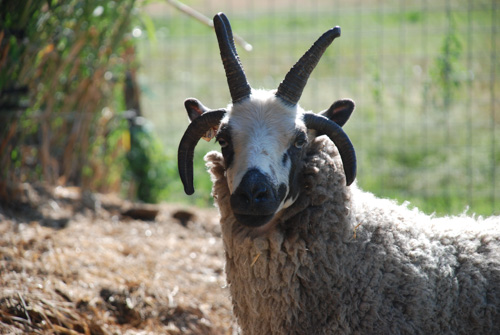
  • Q: Is he normal? A: Yes, Jacob sheep can have 2 or 4 horns. (And that info is on the other sign right in front of the ram.)
  • Q: Where are the pigs? A: Out there (pointing).
  • Q: How do you get get it from this (wool in bucket) to this (carded sliver that I’m spinning)? A: We explain. Next year I will include the carders and carded batts, etc to more easily explain that.
  • Q: What happens if it breaks (fiber I’m spinning)?. A: Demonstrate how to join it.
  • Q: Where are the cows? A: Longhorns are at the other end of the barn. The dairy cows were here last week.IMG_3174-2

I spun three skeins of singles yarn while I was there.

But it’s really supposed to be all about the sheep show.IMG_3167

Mary and Russ practicing with their sheep.

IMG_3171

Dona, Mary, and Amy prepping sheep for the show. We don’t do all the fitting that other breeds do. That morning I had taken each sheep to the wash stall to clean their legs and feet. We wiped their noses and cleaned the grime off the eartags. Then we pretty much just brushed off the straw and were ready to go.

IMG_3175.jpg

The show started with yearling rams and I was thrilled when Rotor was placed first in his class and then awarded Champion Ram of the Primitive Breeds Division. The judge was not as happy with the rest of my sheep and they were interspersed with or at the end of the line-up of Shetland and Karakul sheep that were also in our division. Even Honey, who was champion Jacob ewe at Black Sheep Gathering, was placed last in her class.

image4

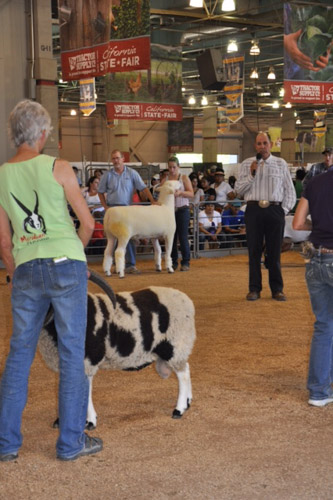
The breed show was Saturday. On Sunday champions from all 14 Divisions compete for the award of Supreme Champion. Rotor lo0ks pretty small in that line-up. (Some of those smaller sheep ahead of him are ram lambs that won their divisions.) As the judge went down the line he stopped and scrutinized him more than the others.

image3

He was one of four rams pulled out of the line-up to be in contention for the award.

image1

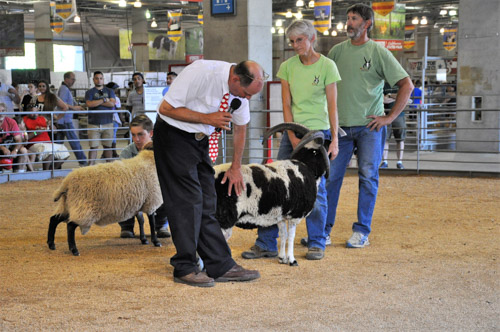
Thanks to Dona who got these great photos of us in the ring. In this photo the judge is discussing the four rams and said that although he wouldn’t ever want a Jacob (at least I think I heard that) he was very impressed with Rotor.

image2

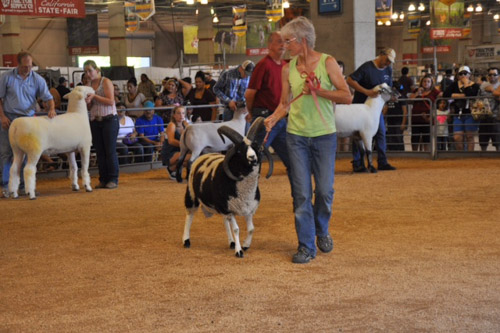
He awarded Rotor Supreme Champion Ram of the State Fair!!!

IMG_3202

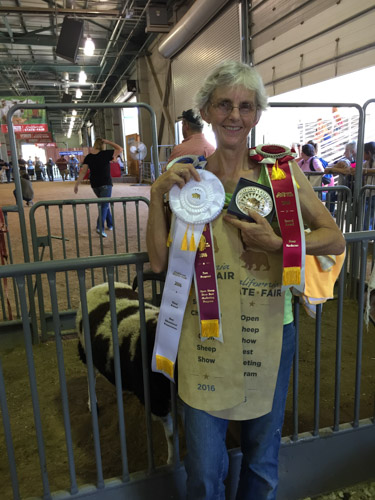
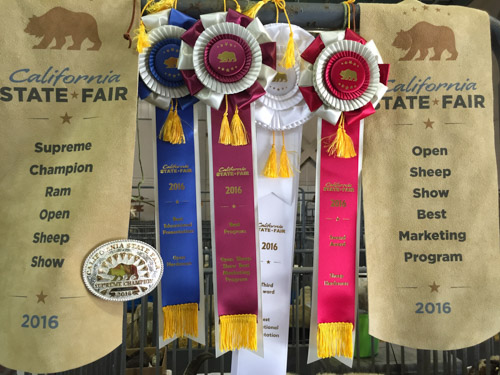
Here is me right after with all my loot.

Oh yeah, some of that is for the Herdsman and Marketing awards. Usually that is the highlight for me because I don’t expect to win with my sheep.

IMG_3211-2

From right to left: Supreme Champion Ram (banner and buckle); Best Educational Presentation (Herdsman); Best Program (Marketing); Third Best Educational Presentation over all the species for the three weeks of the fair; Second in Herdsman; Best Marketing Program.

IMG_3220-2

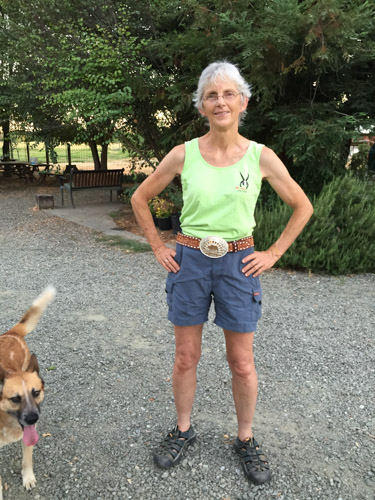
Of all the years showing in 4-H and later with our dairy and then with sheep, I’ve never had a belt buckle! I guess I need some Wranglers to go with it. And maybe some boots. I realized after the show that I hadn’t even changed into my (work) boots for the show and I was wearing those sandals through the whole thing. The excuse is that it the show was at 5 p.m. in the afternoon of a 105 degree day. (I was wearing jeans though. This picture was taken later at home.)

Seen on the Farm

This one isn’t actually on OUR farm. I love this sunflower crop that is Across the Road.

Sunflower

I took the rest of these photos here.

Monarch caterpillar

Monarch caterpillar on narrow-leaf milkweed.

DSC_0589

Alfalfa butterfly. The caterpillars are considered pests in fields of alfalfa. They also consume other legumes (like clover and trefoil in my pasture).

DSC_0581

I still don’t know what this one is. Previously I tentatively identified one in a better photo as a forage looper moth. Maybe? Do you know how hard it is to chase a butterfly/moth that doesn’t want to be photographed?CA Red dragonfly

California Red Dragonfly. While we’re looking at insects here are nasty ones that supposedly the dragonflies eat.

DSC_0577

We were doing pretty well keeping the pasture mosquitoes at bay.  I guess it was the last irrigation followed by a heat wave that brought them on to this degree. This morning in the pasture I was covered head to foot–overalls and a hooded sweatshirt with the hood tied around my face. I could still hear them buzzing.

paper wasp-2

While on the subject of nasty buzzing things in the barn last year’s paper wasp nests are active again. I guess I need to find the wasp spray.

Black widow

Same subject. Different pest. This is another black widow on the hay. You have to be careful pulling bales of hay away from the wall or off the floor.

brewers blackbird nest

Also in the barn but no stings or bites (except maybe when the parents dive-bomb the dogs). This is another nest of Brewer’s blackbirds. This photo was taken a couple of weeks ago…

Brewer's blackbird nest

…and this one a little later. These birds have left the nest now.

DSC_0590

Sheep going to pasture in the morning.

DSC_0597

These are some of the new sheep. That’s Bronagh who seems to take the lead. They are out with the rest of the flock now and are as anxious to come to the fence for grain when I rattle the bucket as the other sheep.

New Faces on the Farm

The last few blog posts were about Black Sheep Gathering. One reason that I decided to go this year was that I could bring home some new sheep. Here they are:

Bronagh-4

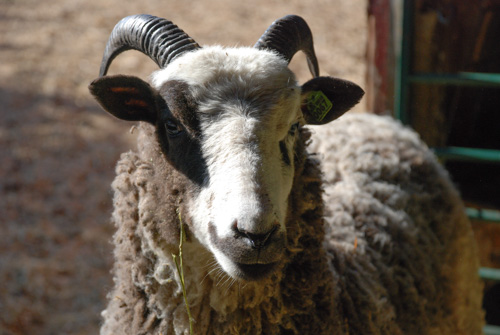
Windy Acres Bronagh, 3 years old, lilac (that’s a gray-brown color in Jacob sheep lingo).

Bronagh-fleece

This is her fleece…

Bronagh

…and here is another view.

Scout

Another sheep is 2-year old Hunter’s Glen Scout.

Scout-fleece

This is her fleece…

Scout-4

…and another view.

Hallie

Bide a wee Hallie is a yearling with very pretty horns…

Hallie-fleece

…and a long, open fleece.

Shelby-head Shadow Mountain Shelby is a yearling…

Shelby-fleece

…with a fine crimpy fleece.Sheena-head-2

Kenleigh’s Sheena is the last yearling.Sheena,Shelby

Sheena-fleece

Trista

I brought home two lambs from bide a wee Farm. I just realized that I didn’t get a decent photo of the ram lamb, buster. This ewe lamb is Trista and I just love this little lamb. She is one of those sheep who seems to have a friendly nature and is taming herself.Trista-fleece

And look at her lovely fleece.

I can’t wait to see these fleeces next February and new lambs in March.

Miscellaneous Views at BSG

The last three blog posts have been about Black Sheep Gathering but, wait! There is more!

Camping-tent

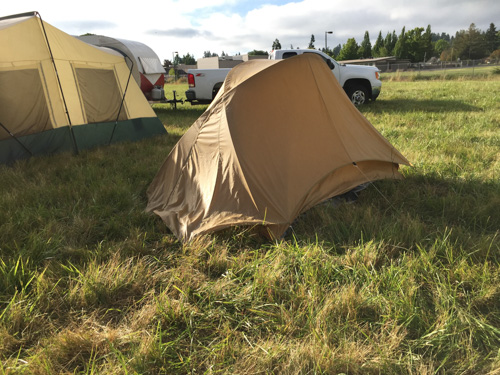
My tent.I have had this tent for 35 years and wasn’t sure that the rainfly was waterproof. I don’t think I’d want to be in a major storm, but it was adequate for the light rain the first night of camping.

IMG_2193

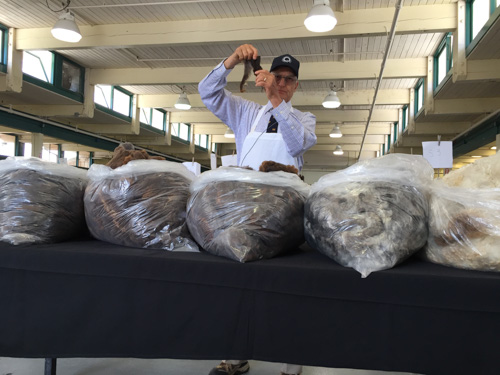
I spent some time on Friday afternoon and Saturday morning watching the wool show.Martin judging

Martin Dally  is entertaining as well as knowledgable. He explained what he was doing throughout the show and even let the audience come up to see and feel the fleeces after he finished with a class.

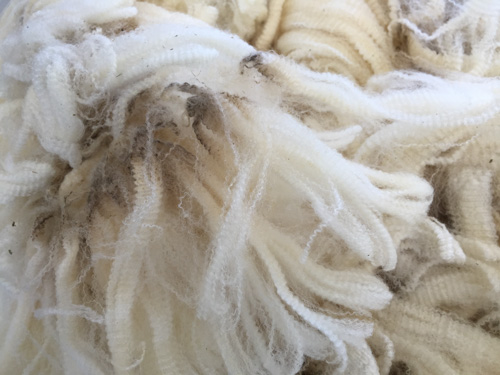
Merino fleece

Colored Merino fleece.

Merino fleece-2

White Merino fleece.

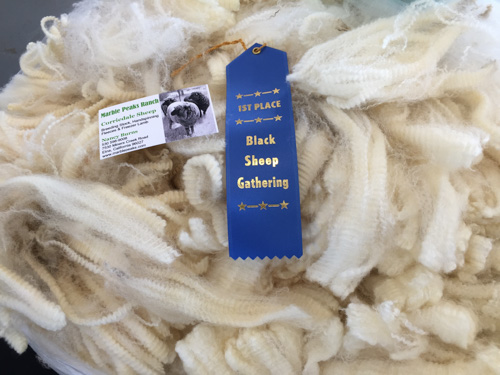
Corriedale fleece

Corriedale fleece that won the overall best white fleece.

Then to the vendor hall where I took shots of color, texture, and other things that caught my eye.

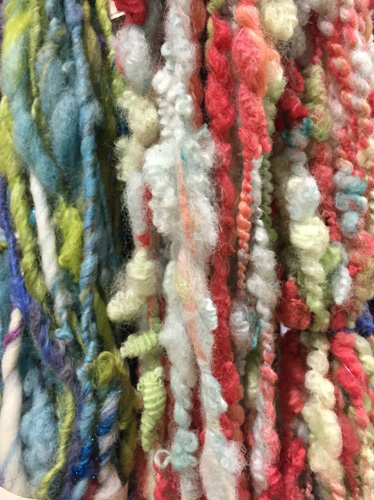
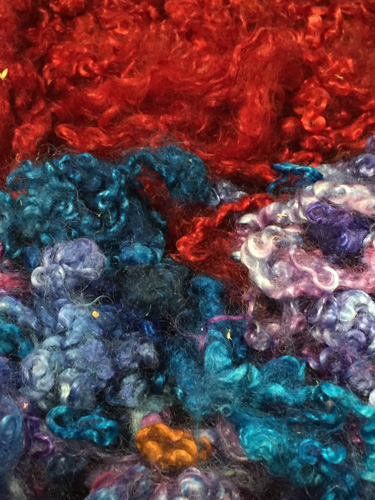
Art yarn

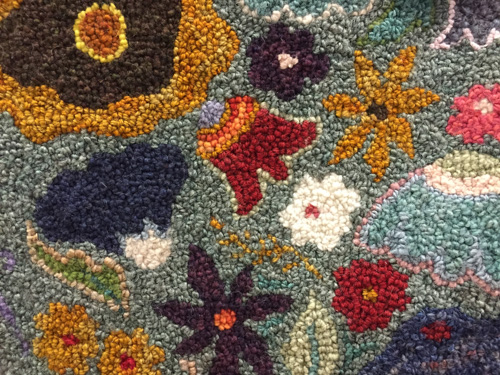
Hooked rug

IMG_2233

Mohair locks

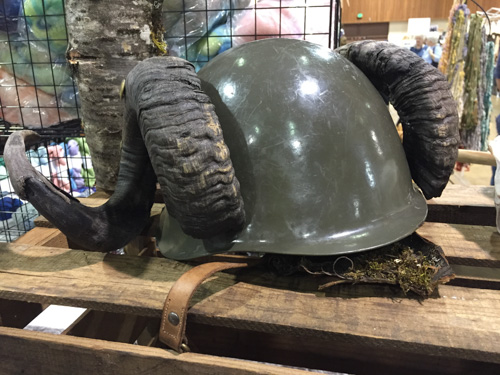
Horn helmet

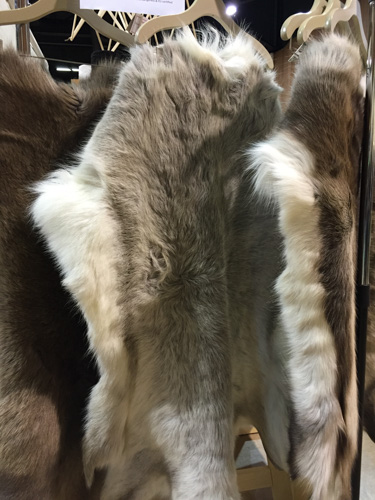
Reindeer pelt

These are reindeer hides.

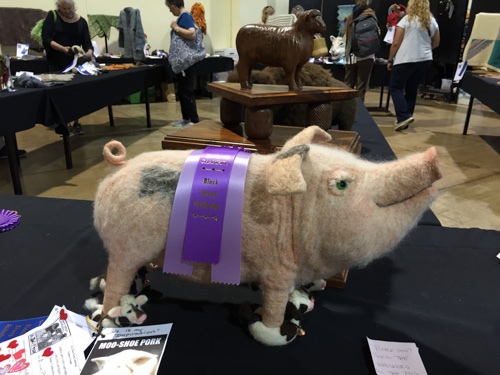
There is also a Fiber Arts contest.IMG_2227

Moo-shoe pork

This one is called Moo-Shoe Pork. Look closely at the feet.

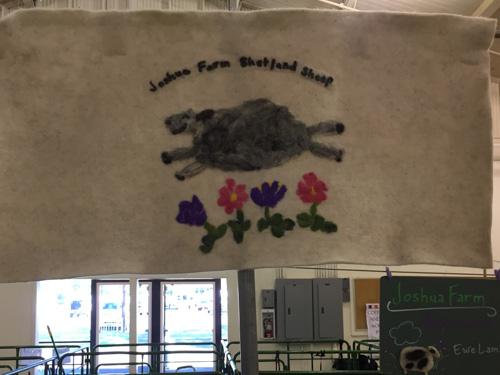
IMG_2452

Back in the barn, this felted banner was made by Jackie, Farm Club member and friend who’s business is Sheep to Shop.

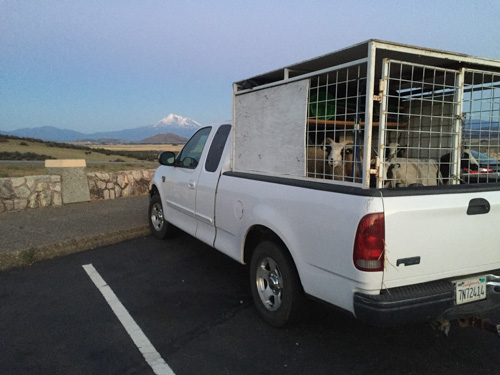
Mt-2

I got a late start home on Sunday (the next post) but made my ritual stop at the Mt. Shasta overlook just before dark. I love that mountain…and I love California.

Spinners’ Lead at BSG

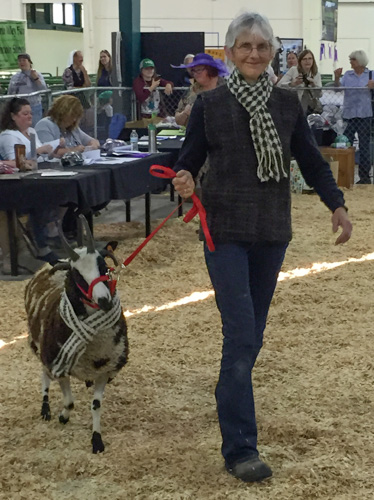
The Spinner’s Lead is one of the events I enjoy most at Black Sheep Gathering. It is a competition in which entrants show off their handspun or felted items and bring the animal that was the fiber source (or borrow a representative one from one of the animal exhibitors). There are two categories–one for Owner and one for Non-Owner.IMG_2291

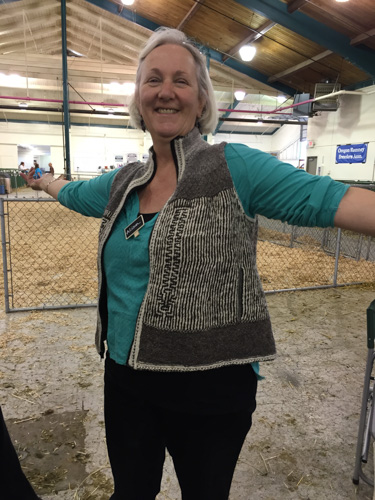
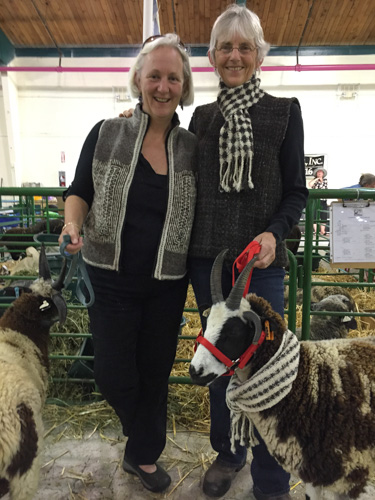
Alison and I both entered Jacob yarn vests. Alison’s vest is incredible. She started this project three or four years ago, spinning Jacob wool into 4-ply yarn. She knit the vest using twined knitting to create a fabric that is windproof but stretchy–a natural alternative to Polartech. At one point Alison had knit the vest almost to the top but was not happy with it and ripped it all the way back to the cast-on row! It features i-cord band, sewn in zipper, and pockets.

IMG_2310

I started working on my vest about four weeks before BSG, inspired when I figured out that the fleece of the sheep I was entering, was still in the barn and was a beautiful one. After spinning the yarn the fabric took two days to warp and weave and another to turn into a vest. On Tuesday of the BSG week I wove scarves using white and the leftover black yarn. Weaving is so much faster than knitting!

IMG_2292

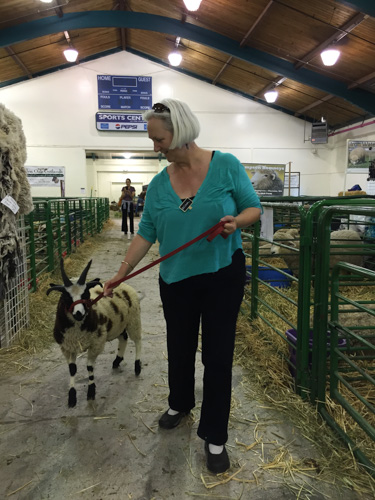
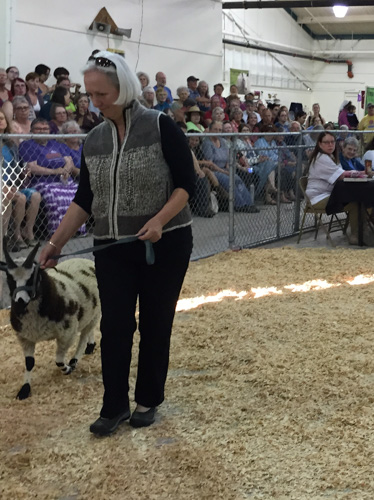
Honey was my selected sheep for the Spinners’ Lead because it was her fleece I used. I chose Marv for Alison because he seemed the best most compliant of the other sheep. She spent a little time practicing with him before the event.

IMG_2327

I handed my i-phone off to a friend who took most of these photos, and it’s not easy to get good photos standing at the outside of the show ring. (Thanks, Deb.)

IMG_2356

IMG_2365

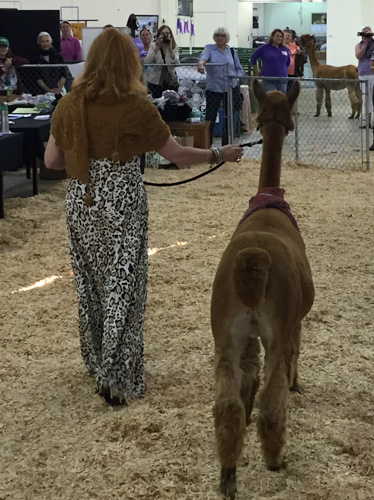
Alpaca shawl. Red hair, red shawl, red alpaca. (Honey did not like the alpaca when it showed up in the line near her.)

IMG_2394

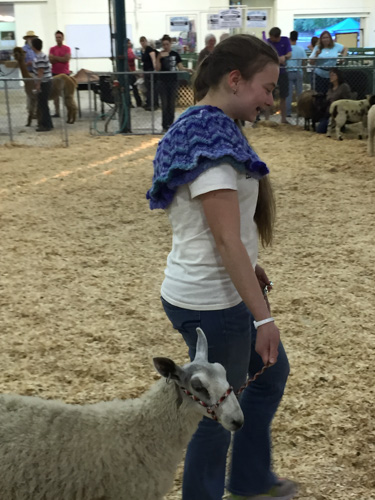
BFL sheep with her young owner. This one was the winner of the Owner category.

IMG_2404

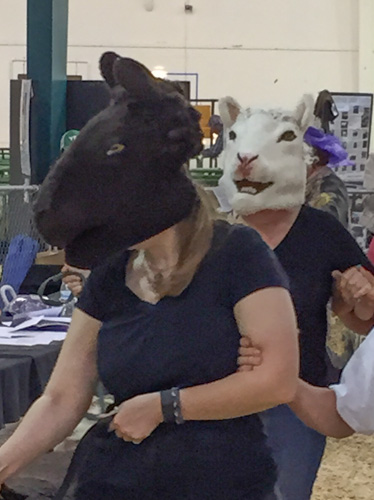
This was the most unusual entry this year–felted sheep masks. The wearers are leading sheep, but they needed to be guided as well.

IMG_2411

Sweater knitted from natural colored fleece.

IMG_20160625_203217339-1

Waiting to hear the results. Alison won the non-owner category! It was well-deserved.