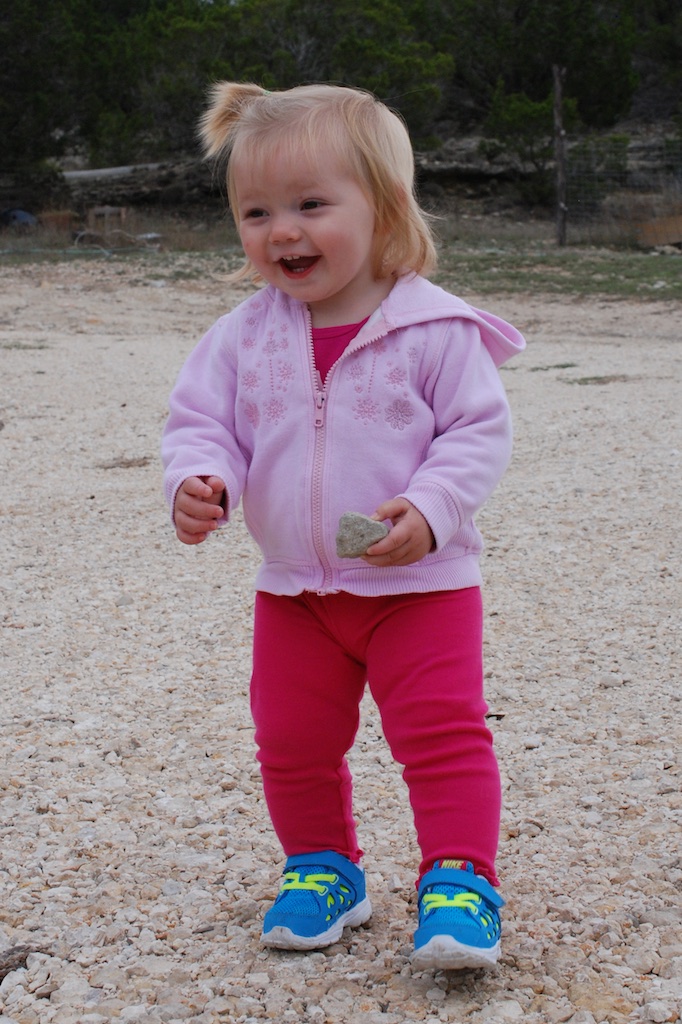
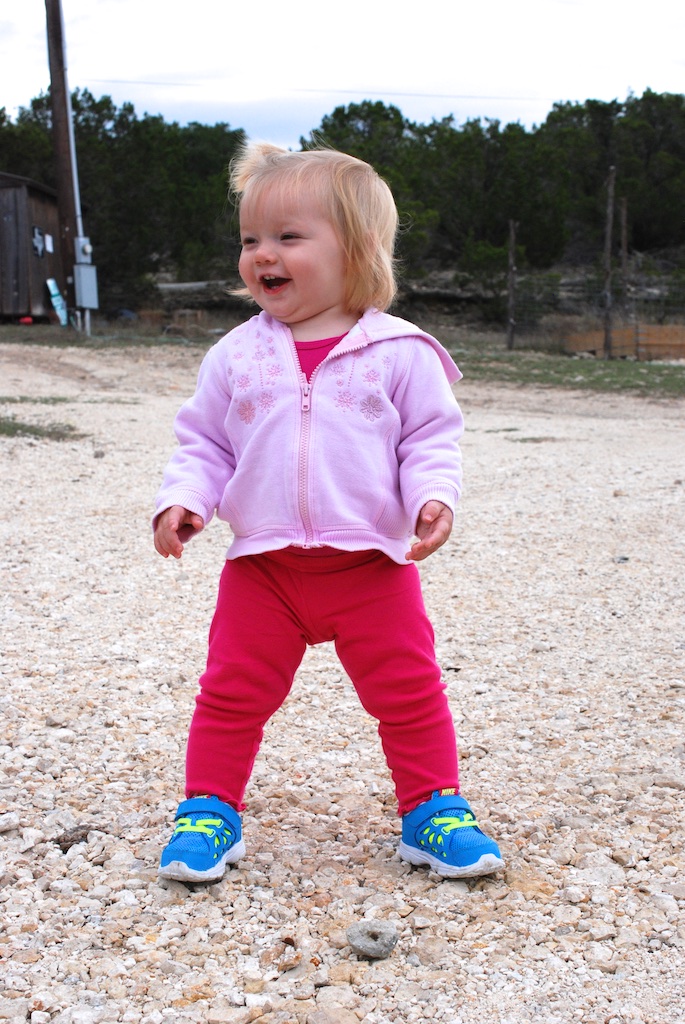
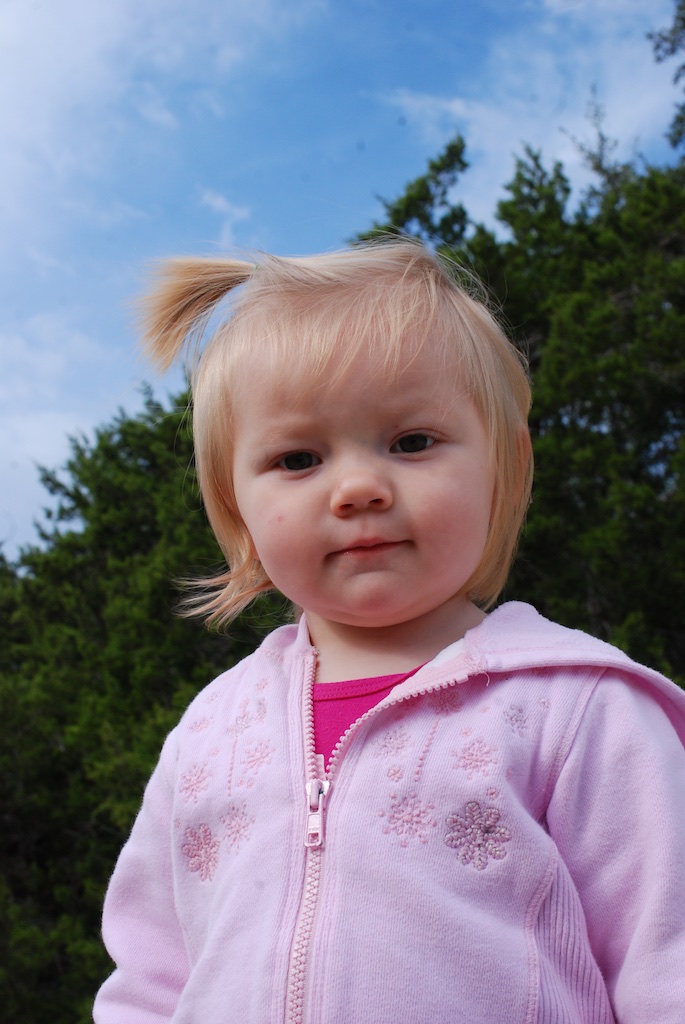
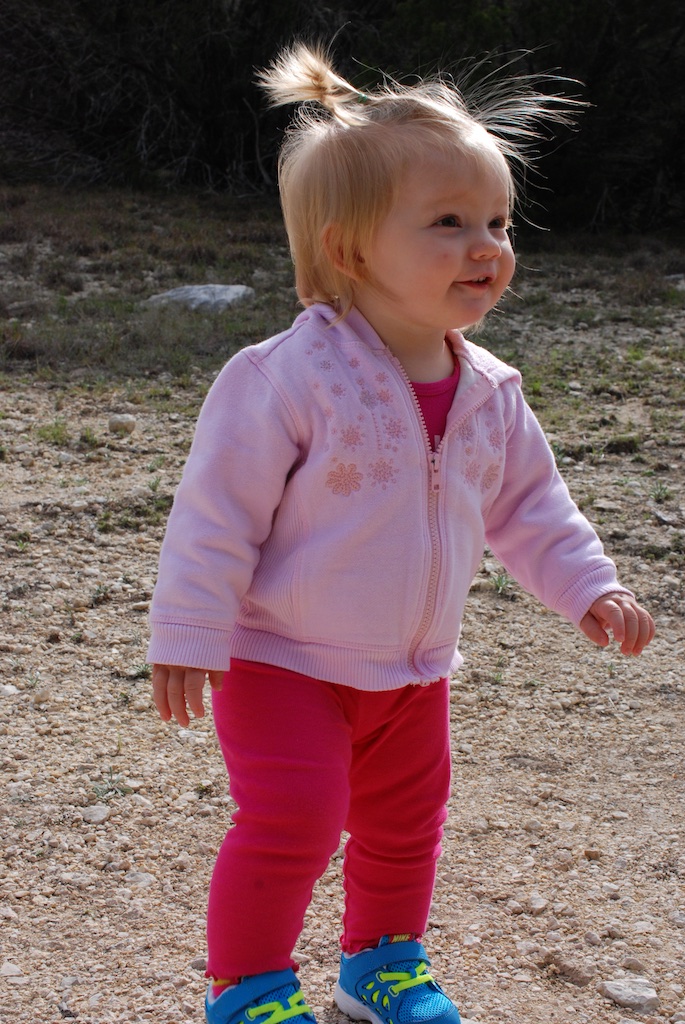
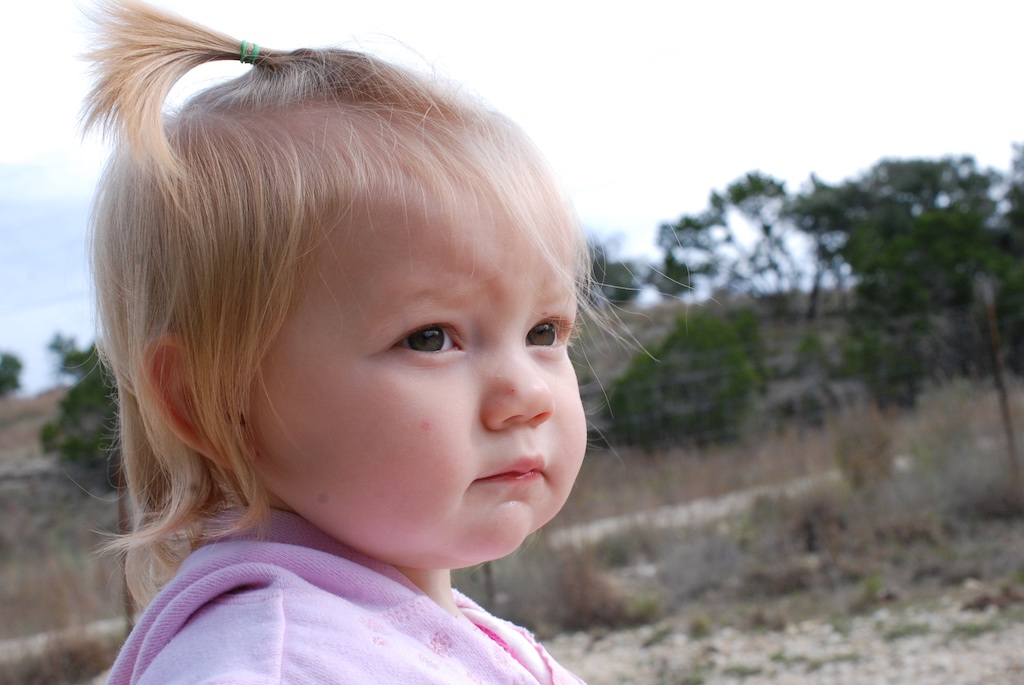
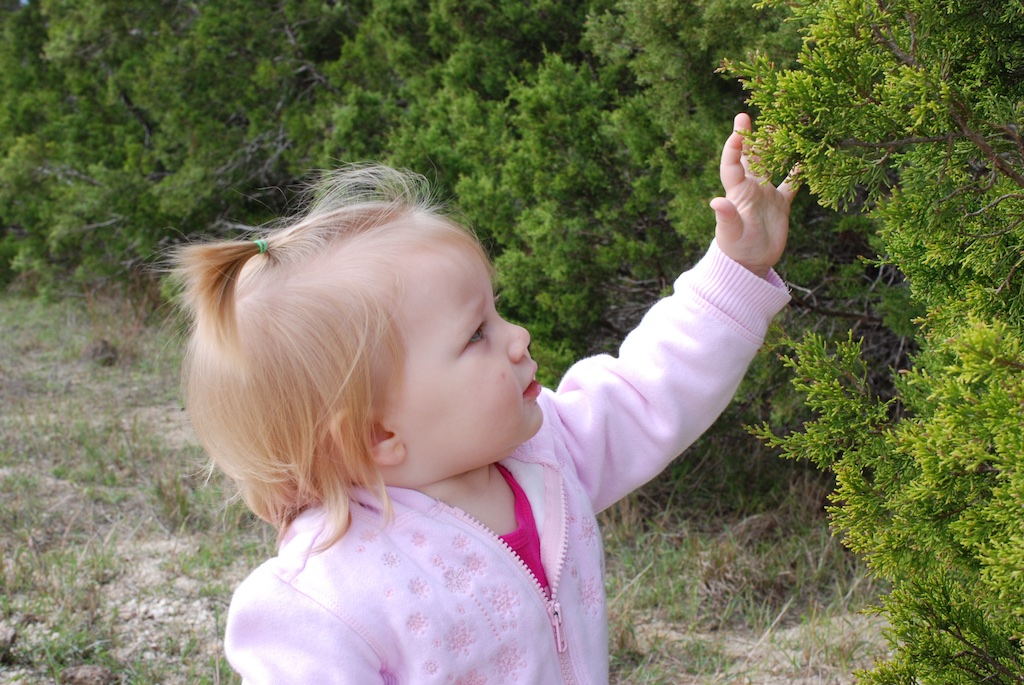
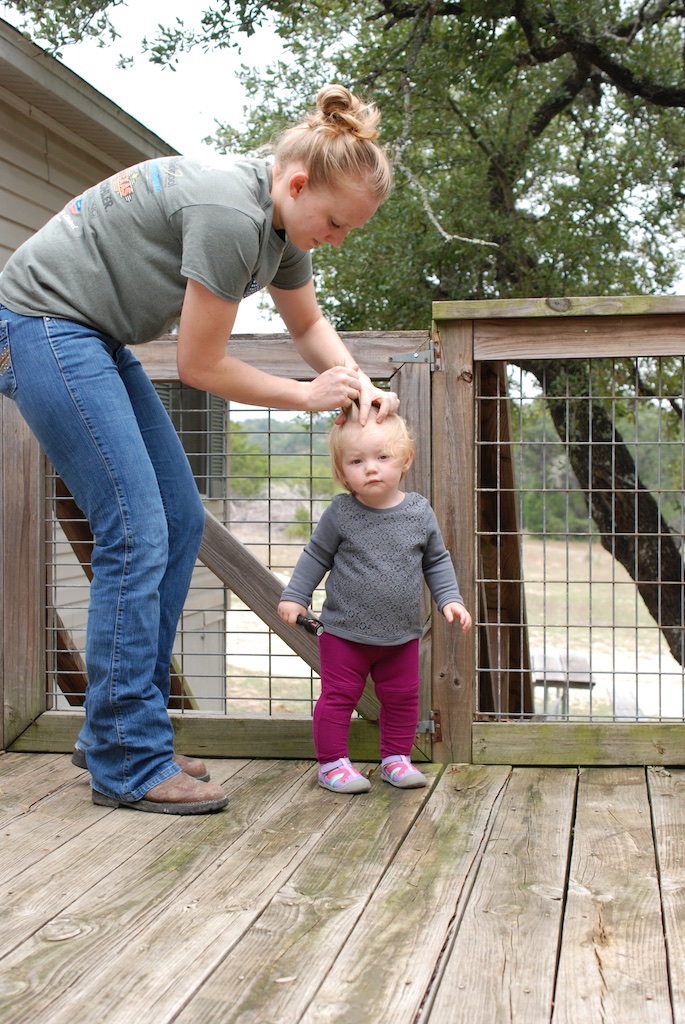
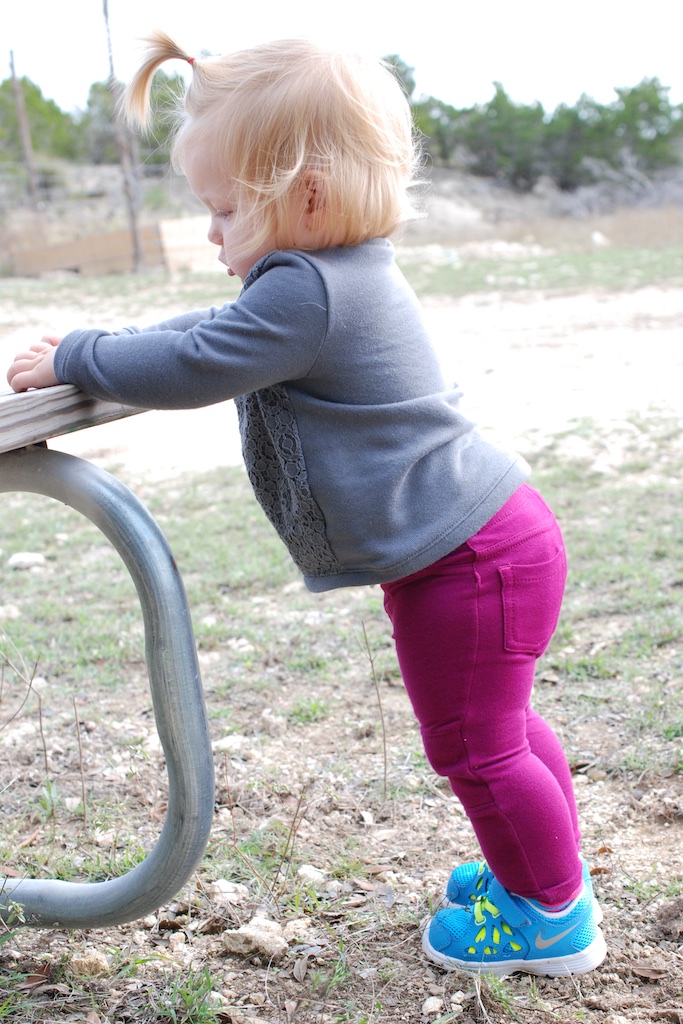
More Cutest Grandchild Photos

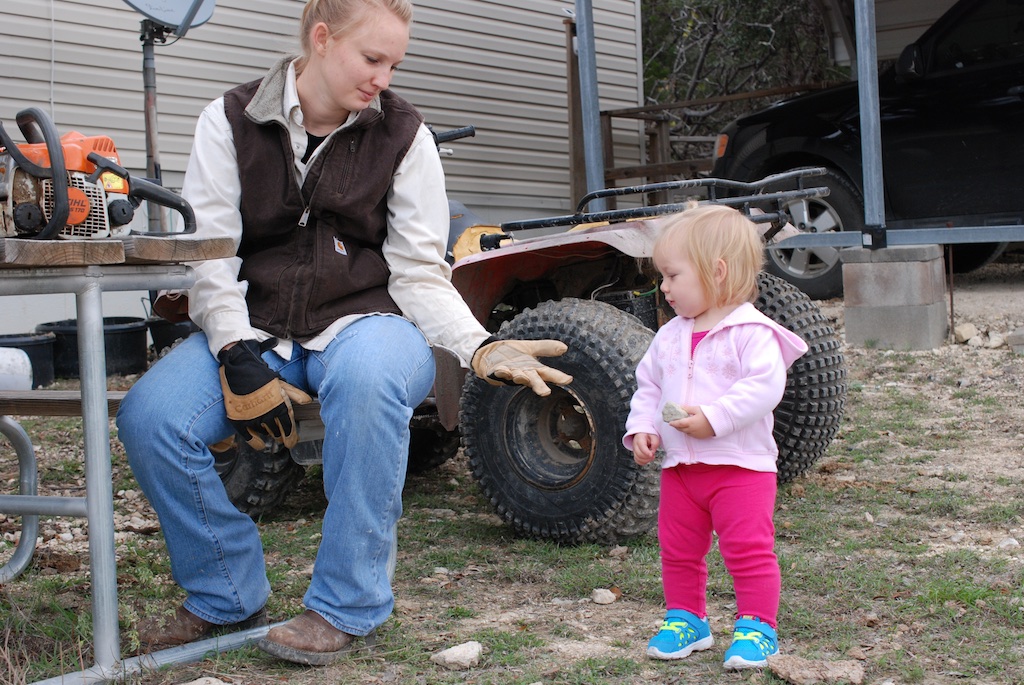
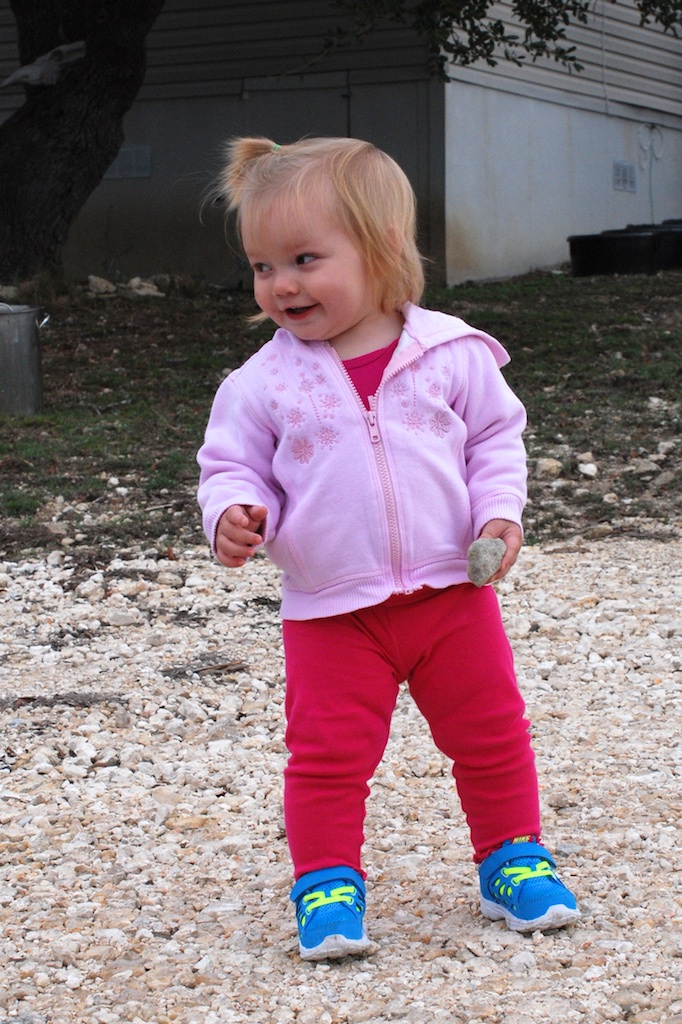
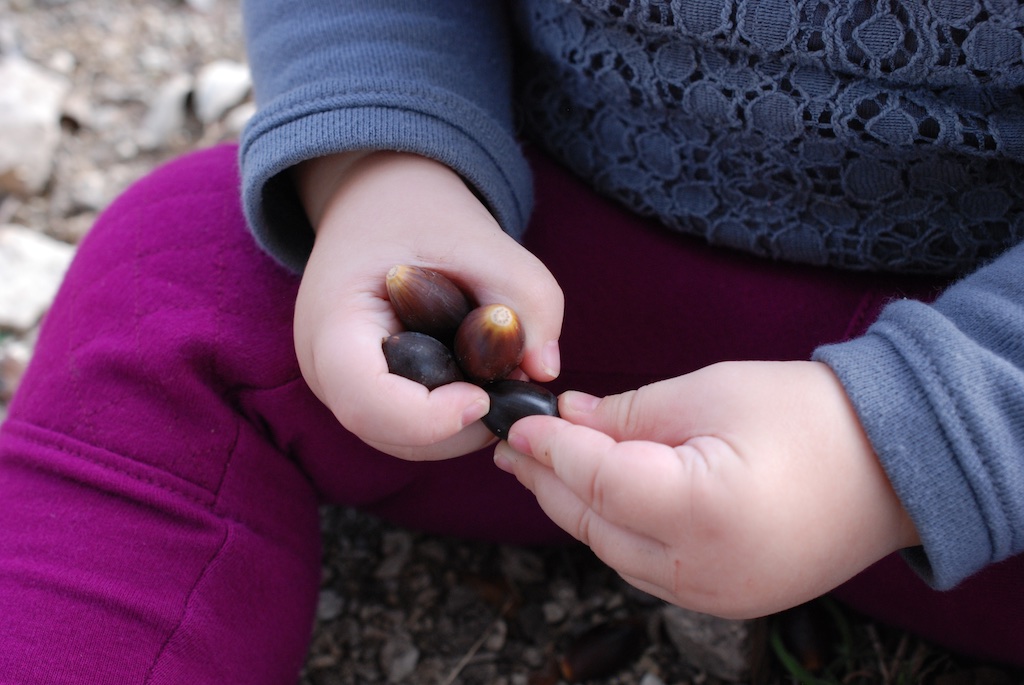
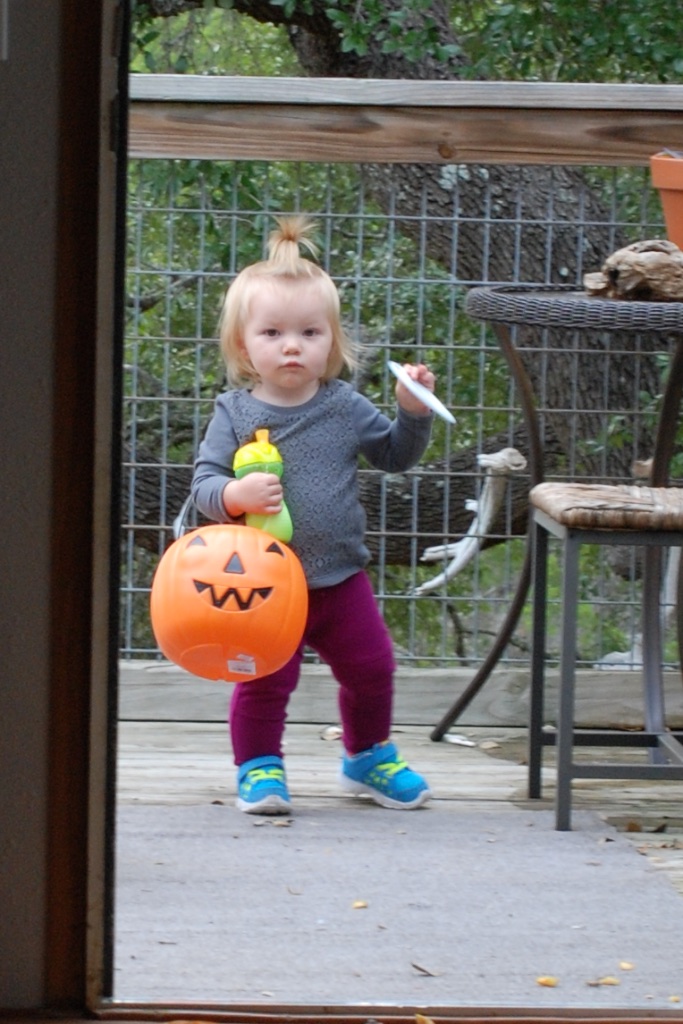
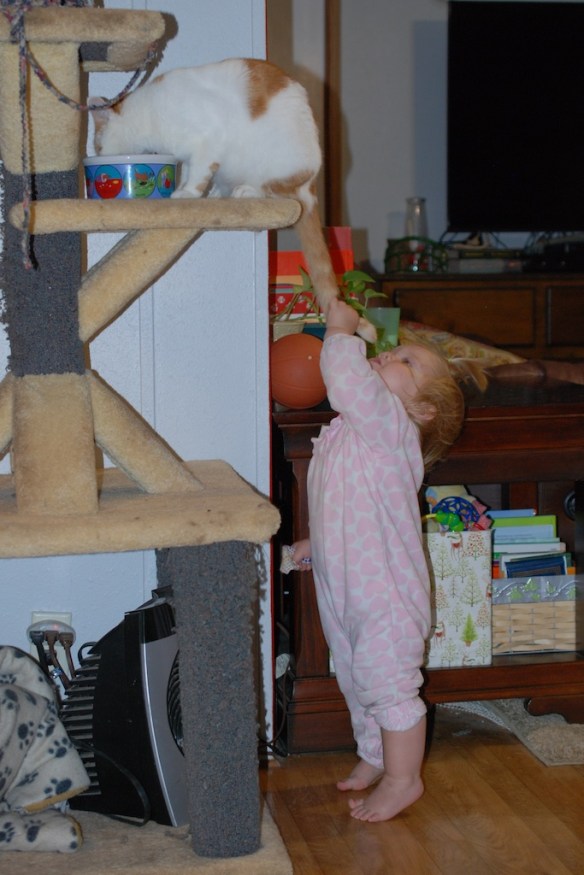
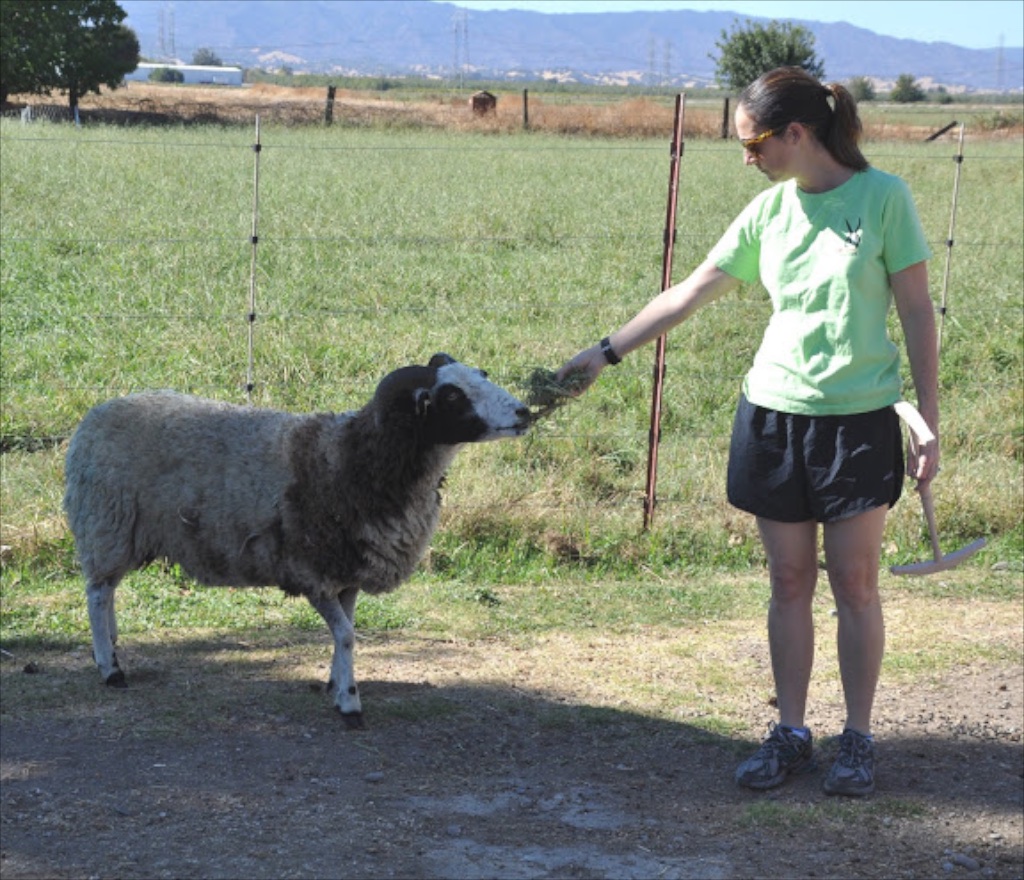
As I watch this incredible child working her way through her world with curiosity, wonder, concentration, and learning I wonder when and why does this change? Babies are born with the potential to grow up kind and caring. What happens that an innocent and loving child becomes a hateful, ignorant, and cruel person? That’s the extent of my public commentary about recent world events but I’ve been thinking a lot about it as I spend a week watching this new mind develop.DSC_2329 Kirby wondering why Mama’s hands look so different. Mama was taking advantage of me being here to get some outside work accomplished.DSC_2345

DSC_2359

DSC_2362

DSC_2366

DSC_2436

DSC_2377

DSC_2385

DSC_2398

DSC_2406

Sustainable Cotton Tour

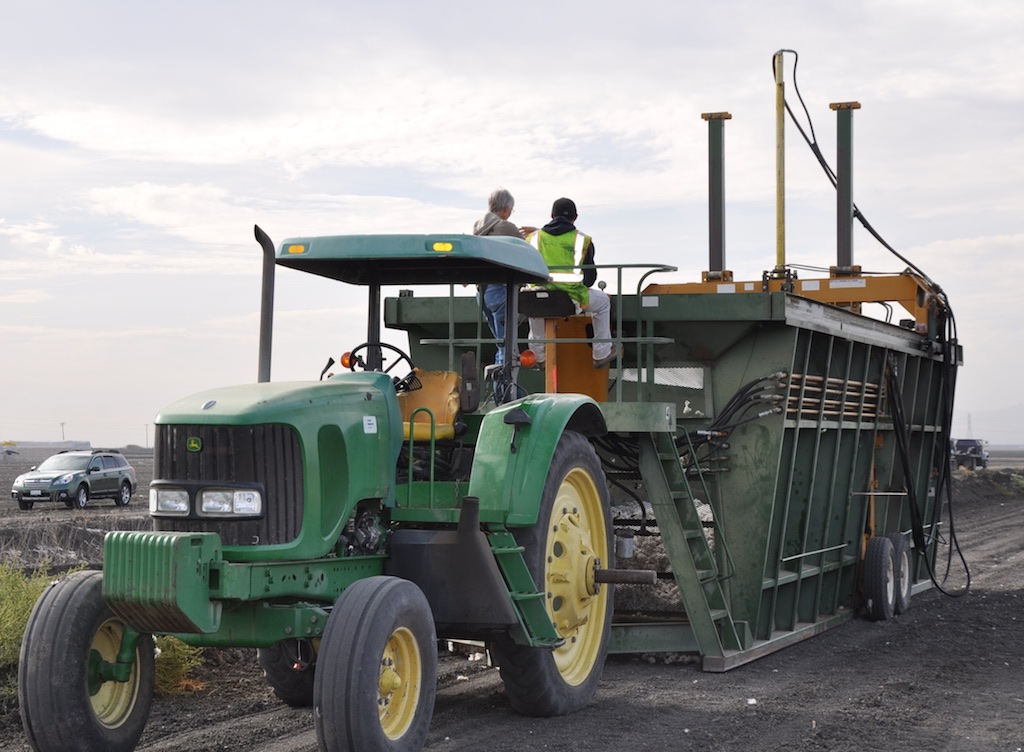
Earlier this week Dona and I went on a Cotton Farm Tour organized through the Sustainable Cotton Project (SCP) and sponsored by The North Face and the CA Sate Water Resources Control Board. The website of the SCP says: “Since 1996, the SCP has been dedicated to the production and promotion of sustainably grown domestic cotton fiber. In the field we work with innovative growers to produce a high-quality fiber without using the most toxic pesticides and herbicides. And, in the industry we connect growers, manufacturers and consumers to develop a Cleaner Cotton supply chain.” DSC_1959 cotton and bollThe tour was a very full day and I took dozens of photos. I’ve tried to narrow them down for this post but there are still a lot.DSC_1875In most cotton crops a defoliant is applied prior to harvest. DSC_1885I was reading up on this and find that, as in most things, it is a whole lot more complicated than that simple statement implies. Dozens of factors are involved in the decision of to defoliate or not, type of defoliant (hormonal or herbicidal), and timing of defoliation (based on crop maturity and desired harvest time with some weather predicting skill necessary).DSC_1906 cotton harvesterMost cotton in the U.S. is harvested by machines that pick four or more rows at a time.DSC_1904

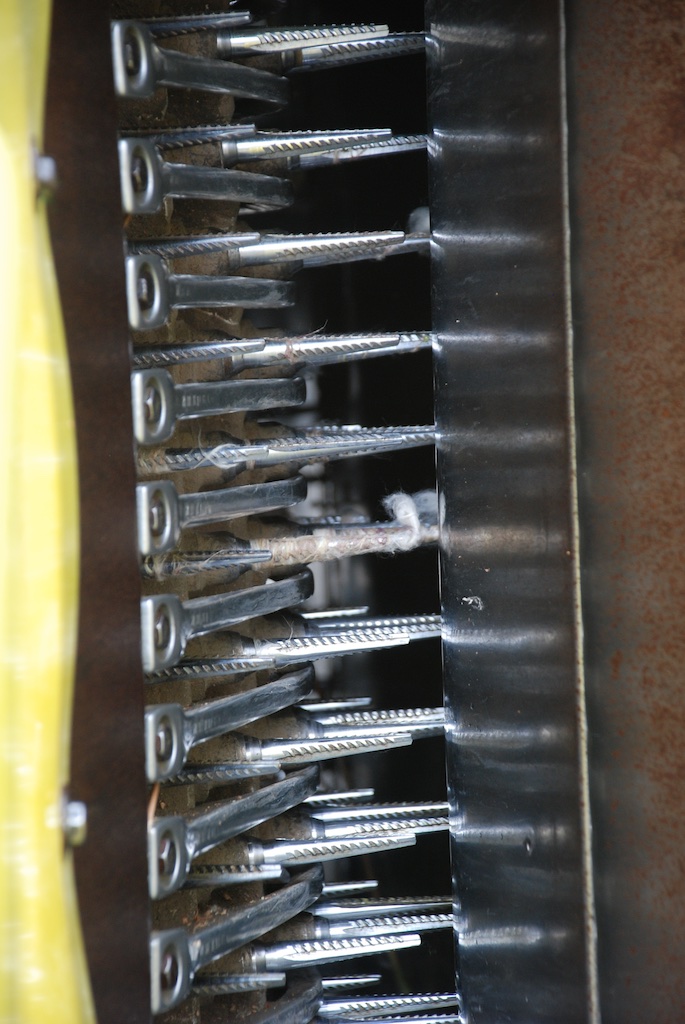
DSC_1919Close-up of the rotating barb spindles that pluck the cotton from the plant. DSC_1917 dangerWarning signs on the harvester.DSC_1928 cotton harvesterThe fiber is sucked up into the back of the harvester.DSC_7778Dona took this photo of me on the harvester and the one below of me watching the module packing.4-DSC_7798 When the harvester is full the load of cotton is dumped into the module builder…DSC_1938 cotton packer…where it is hydraulically pressed into modules that will produce up to 14 bales of cotton.DSC_1939 cotton in packerThis is cotton in the module builder.DSC_2044 Cotton modulesModules covered with plastic and waiting to go to the gin.DSC_1931 cotton fieldYou can see the already-harvested rows. 

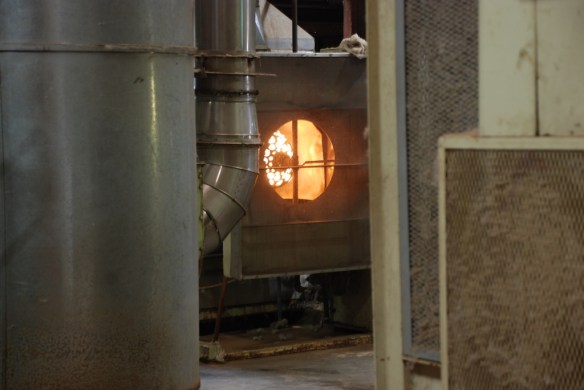
After watching the harvest for awhile we went to the nearby gin where the manager spoke to us before we toured the gin.DSC_1995 Upland & Pima cottonHe showed us examples of ginned cotton and by-products. Acala cotton (left) is a brighter white than Pima and it’s seeds remain fibrous. Cotton seed (60% of the weight of the harvest) is an important by-product of cotton production. Most is sold as a protein supplement for dairy cattle. (I found it interesting that the “cleaner” Pima seed doesn’t stay in the cow’s rumen long enough to be digested and needs addition of fiber to keep it there.) DSC_2006 Cotton seedPiles of cotton seed.DSC_2022 Module entering ginA module just before it enters the gin.DSC_2021 Module coversCovers removed from the modules.IMG_7003We waited at this entrance to the gin as small groups were taken through. Finally, because we were on a schedule and lunch was waiting, we were all allowed to walk through the gin. Control panel in the ginThe process was described to us prior to entering the gin but once inside I wasn’t sure which machine was which. There are dozens of machines and tubes are running everywhere. DSC_2038 Inside ginIn the ginning process modules are broken apart and the cotton enters a dryer which removes excess moisture. It passes through several rotating, spiked cylinder cleaners that break up large clumps and remove soil and leaves. The saw gin separates the fibers from the seeds and lint cleaners separate immature seeds and any remaining foreign matter. DSC_7987The cotton then enters a press where it is formed into 500 pound bales.IMG_7033These are the wires that hold the bales together.DSC_7991The bales are wrapped with plastic. (Some were in cotton bags for a specific destination.)DSC_1999Each bale is labeled so that it can be traced back to the field in which is was grown…DSC_1984 …and then loaded for transport.DSC_1973 gin trash  Even the gin trash has a value, being used for cattle bedding.

This brought us up to lunchtime. I’ll finish the story in another post. 

Navigating the Maze

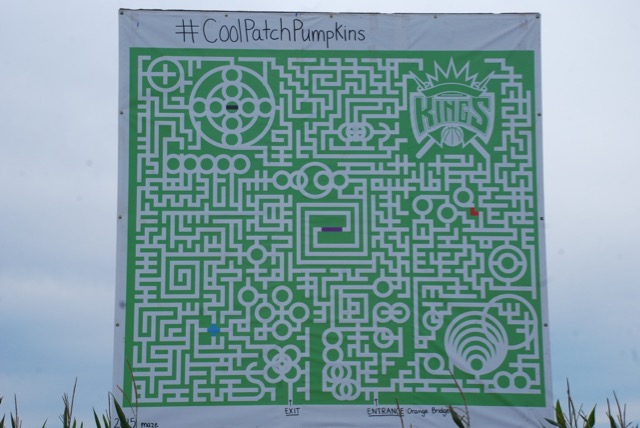
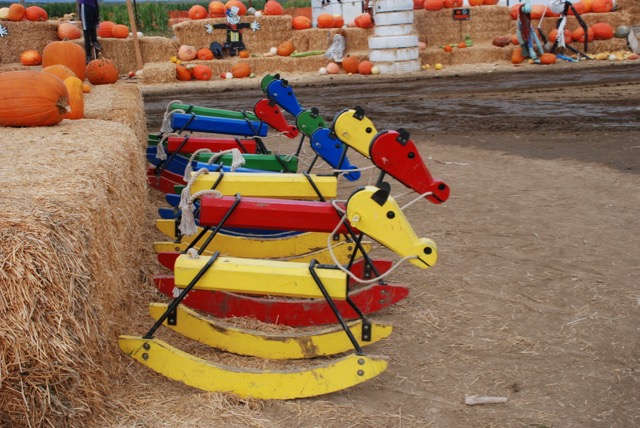
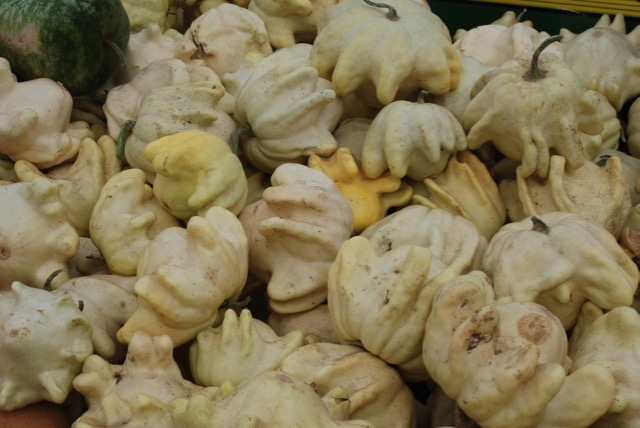
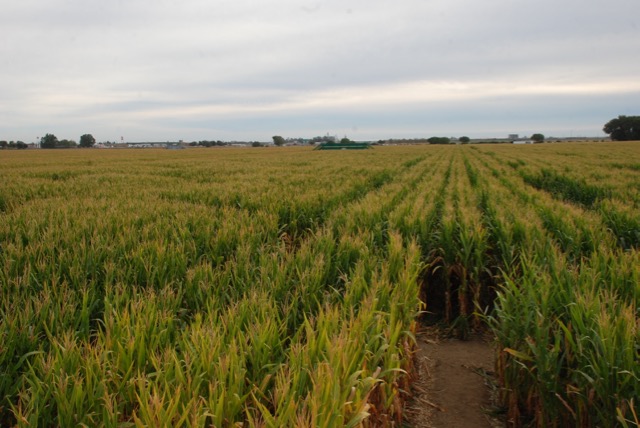
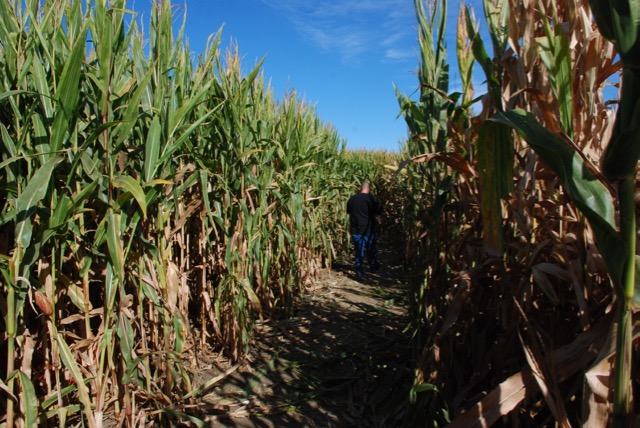
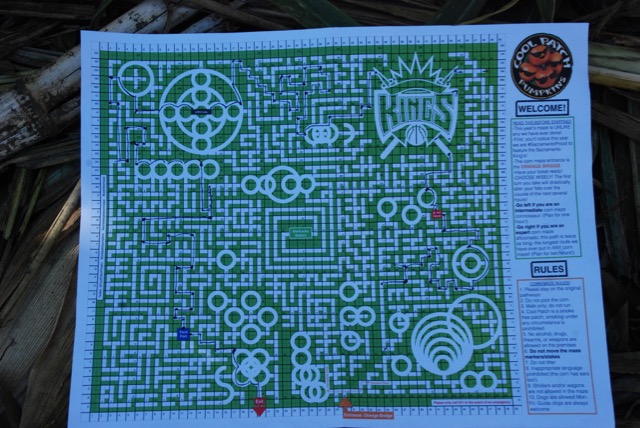
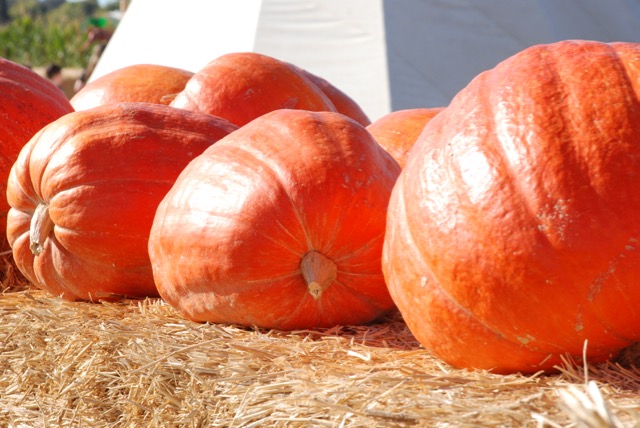
A couple of adventuresome Farm Club members said that they’d go to Cool Patch Pumpkins with me to navigate the Guinness Book of World Records record-holding corn maze. We showed up at 9 a.m. just as the maze opened. (Note for next year: come early because hordes of people show up just an hour later.)DSC_1813 (1) Here was our challenge.DSC_1815 (1) No trusty steeds were going to get us through the maze.DSC_1811 (1)It was an overcast morning which made conditions perfect for squash photography.DSC_1809 (1)

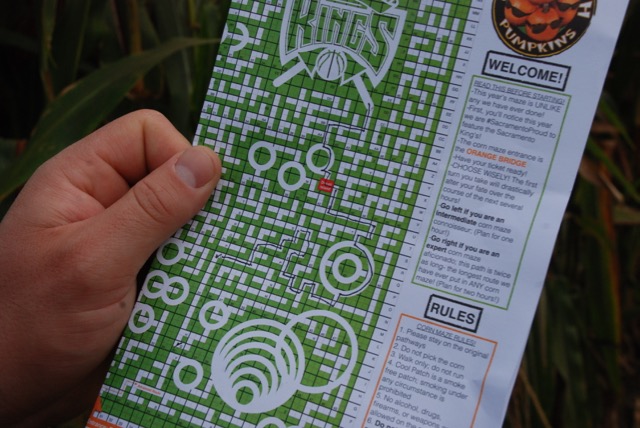
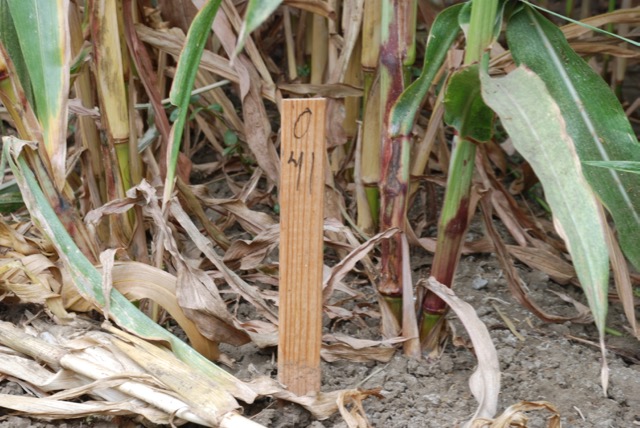
DSC_1817 (1)DSC_1818 (1) This is the view from the structure that overlooks the maze at the entrance. The map said turn left for the intermediate adventurer and right for advanced.DSC_1819 (1) We turned right.DSC_1820 (1) We figured out strategy. 1. Use the map. Otherwise I think it would be hopeless. 2. Mark the route with a pen.DSC_1821 (1) Roy was in the lead and spotted subtle markers every so often.DSC_1835 (1)

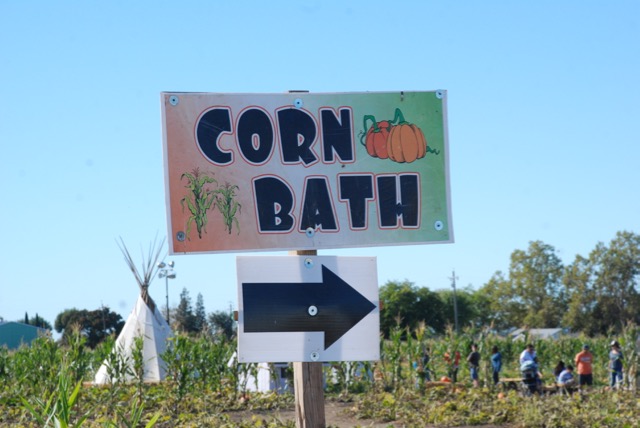
DSC_1834 (1)DSC_1824 (1) Checking the map.  There are four or five of these structures where you can get up above the corn and get a view.DSC_1841 (1) DSC_1844 (1) DSC_1847 (1) We made it out with no need for a rescue call. (There is a line on the map that says to call 911 for emergencies only–people have called from within the maze just for help to get out.) Gynna’s step tracker said that we’d gone almost 2.5 miles!DSC_1849 (1) The sun came out while we were in the maze.DSC_1855 (1)Do we need a bath after working out in the maze? It’s actually like a giant sand box but filled with corn. It’s in the kids’ area that cost another $5 to enter so we skipped that.

Next up for the afternoon was the Solano Grown birthday bash where I set up a booth.DSC_1858There was a great raffle and I won four pots of iris from the Pleasants Valley Iris Farm and a dinner out!

Foxy’s Fall Century

There aren’t many photos here and it doesn’t relate to sheep or weaving, but for me this is a blog-worthy event. I used to ride a bike a lot. I rode regularly enough that I could ride in the Davis Double Century (200 miles in a day), finish before dark, and feel good the next day. I rode that ride a few times on my single bike and another three or four on the tandem with my husband. But that was a long time ago. After two back surgeries I decided that the bent over position wasn’t the best for me (although the back problems did not relate to cycling–probably more to running) and I was raising kids and working in our dairy, so I gave up the long distance stuff.  The first of those surgeries was 20 years ago and I haven’t seriously ridden a bike since, although I ride a mountain bike short distances and my poor old road bike has been relegated to the inside trainer.

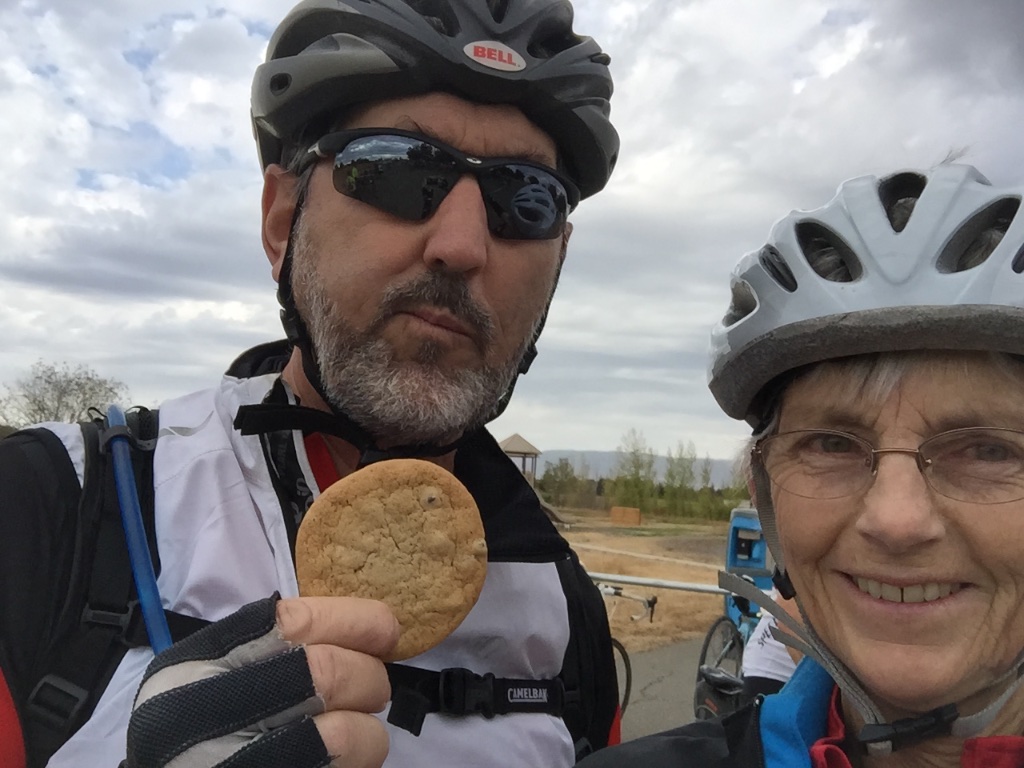
Dan continues to ride and in the spirit of togetherness I decided to do one of our regular (from the old days) century rides that is in October. I planned to train all year. Didn’t happen. I rode the trainer a few times in September and then had dental surgery which set me back. Fortunately we had signed up for the 100 km and not the 100 miles and fortunately we were using the tandem. I didn’t get a free ride, but it wasn’t as hard as if I had been on my single bike.IMG_6848Our bike needed new tires and tubes, new pedals and one seat (because parts had been used for other bikes) and a major clean-up.IMG_6926Here’s the route. Surprise! In the past the 100 mile went into the hills but the 100 km stayed in the flats (more boring, but easier, unless there was a north wind). This year the 100 km had some climbing too as shown  at the bottom right of the map.IMG_6845Eating cookies at the first rest stop. We never used to stop at the first one, but in this case decided that we would take a break. Besides we paid for this ride so we should eat something.IMG_6843 (1)Notice the gray clouds. When is the last time it rained in California? We sure need the rain so I won’t complain. We didn’t get too much on the ride and most of our cycling in the rain was in the last third of the ride. IMG_6846Leaving the lunch stop. We really weren’t hungry so ate a few grapes and kept going.Desmond-1839There were a couple of professional photographers along the route and photos could be downloaded for free. If we’re going to do more of this we might need to get matching gear. I was wearing red and white on top but needed the blue vest because of the weather. And the shoes don’t match but I’m still using the cycling shoes that were my father-in-law’s hand-me-downs. They work if I wear thick enough socks.IMG_6849  That’s not a tan. That’s road grime. 

The ride took us about 4 hours including the stops so we were home by 1:00. Chocolate milk was waiting. It was a good ride and maybe I’ll do this again. It would be easy if I could just do a ride every now and then and not have to train in between.

Spinzilla Stats

What a team! We placed 18th out of 64 teams worldwide. That’s pretty good. In all 5,246,487 yards were spun by those 64 teams plus some rogue spinners (not affiliated with teams). The winning team spun 271,607 yards and the top spinner spun 48,028 yards.

Team Meridian Jacobs spun 81, 730 yds, with our top spinner spinning 5687yds. Her comment was that although she doesn’t recommend this for everyone, emergency dental surgery (and it wasn’t me) meant she couldn’t eat or sleep. Why not spin?

Here are more photos from our great week. Thanks to Dona for all these photos.DSC_6612 Lisa.DSC_6624 There were lots of prizes to keep us motivated.DSC_6630

DSC_6646

DSC_6649

DSC_6696 Spinning at Kathleen’s house.DSC_6702

DSC_6788

DSC_6822 Taking a break for Ginny’s birthday party. See more photos at Rusty’s blog.DSC_6853

DSC_6858

DSC_6971 Spinning in Chico. That’s our Illinois member on the left who met up with us at Fiber Fusion.DSC_6985 A few of our members were on a Sheep to Shawl team at Fiber Fusion so had to figure out their spinning yards in the event. DSC_6995 Ginny on a time-out with no Toy in sight.DSC_7003 In the corral for a group photo. The photo we entered in the contest is in the previous post.DSC_7034 DSC_7065 Another contest entry.DSC_7088What a great group of friends I have. See you here next year. Same time, same place!

Spinzilla Week

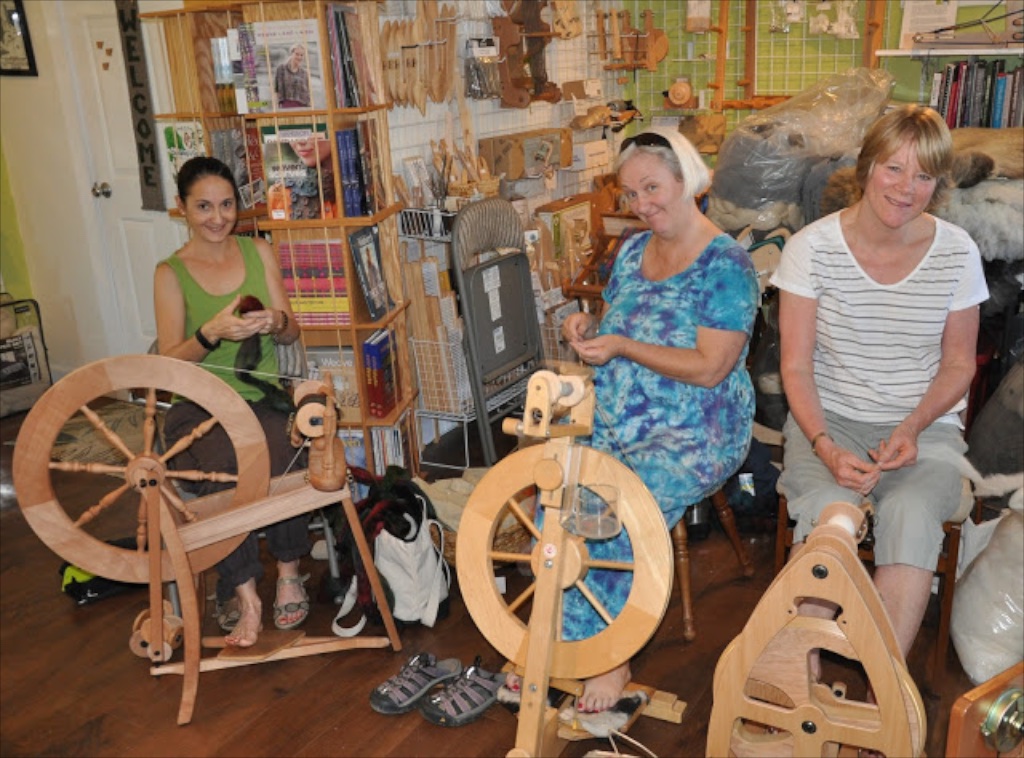
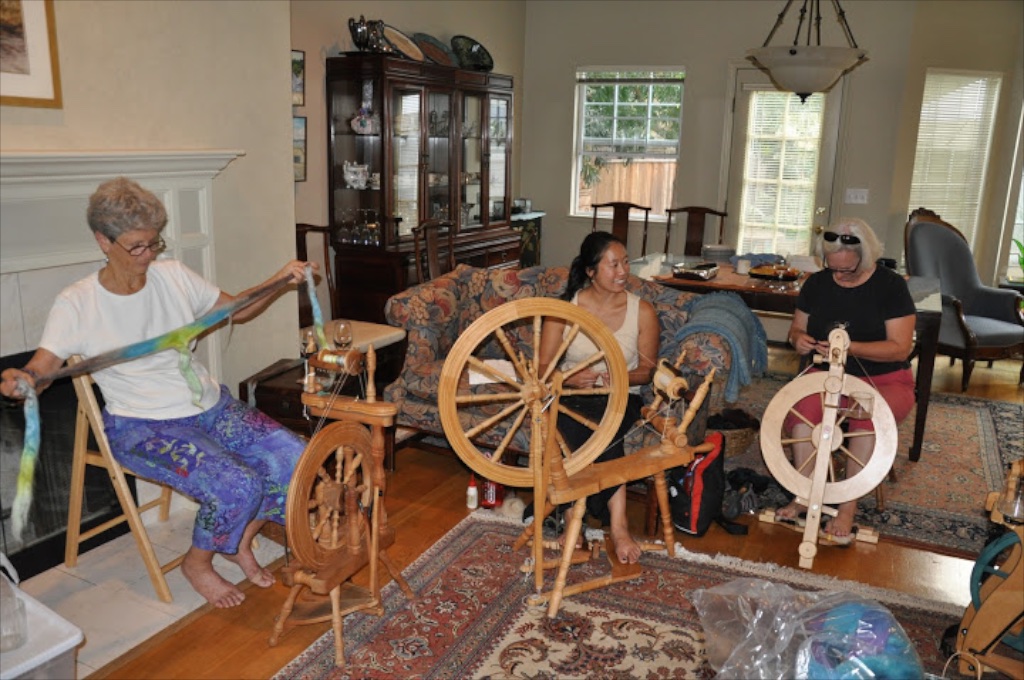
Spinzilla, A Monster of a Spinning Week is, according to the website: “a global event where teams and individuals compete in a friendly challenge to see who can spin the most yarn in a week!” The real goal is as a fundraiser for the NeedleArts Mentoring Program sponsored by TNNA. This year 1754 spinners participated and Meridian Jacobs hosted a team. Timing was tough for some of us because the week of spinning was right in between two other fiber events (blogged about here and here) and I was recovering from dental surgery.Spinzilla 2015Members of Team Meridian Jacobs are a dedicated bunch and many showed up for the spinning days we had here on Monday, Thursday, Friday, and Sunday as well as in Davis on Wednesday and Chico on Saturday. Six of the 25 members are from out of state and one spinner from Illinois even made it to California for a Spinzilla day. And of course there was a lot of spinning into the wee hours at home by all the members. Results will be posted tomorrow and we’ll know how we stacked up.

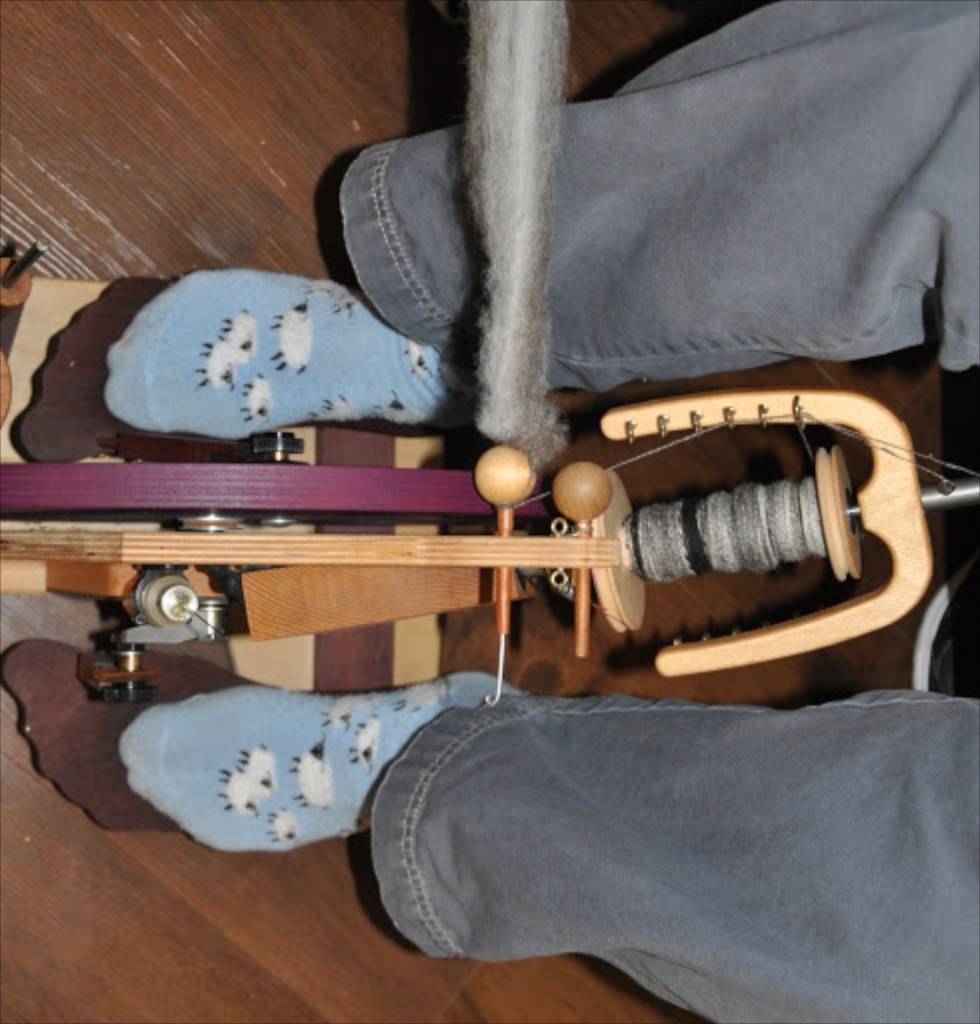
Here are some photos.IMG_6732It’s hard to spin outside here without dogs in the way being involved. There will be more photos of Ginny in Rusty’s next blog post.DSC_1593 DSC_1594 DSC_1596 A fun part of Spinzilla is the photo contest. One of our members suggested that we stage a photo where we are running, wheels and all, from the giant Sheepzilla.DSC_7007group3 This is Dona’s photo that Alison used to create this:teammj+sheepzillaHere is another entry…portapotty spinning…showing how dedicated Team Meridian Jacobs members are. By the way anyone on Ravelry can vote for these photos before October 22 by clicking “love” on those photo entries here and here as well as other photos by our team members and other teams. Some are quite clever so take a look.

Each of our members submitted their yardage and a photo of their yarns. Here are a few.Helene-5175 yds

Lisa-2178 yds

Marilyn-3374 yds

Paula's yarn

Sara-5484 yds 

Anna-3813 yds

Robin-2409 yds

This is the yarn that I spun…Jacob, of course.

The Second Week Ends with Fiber Fusion

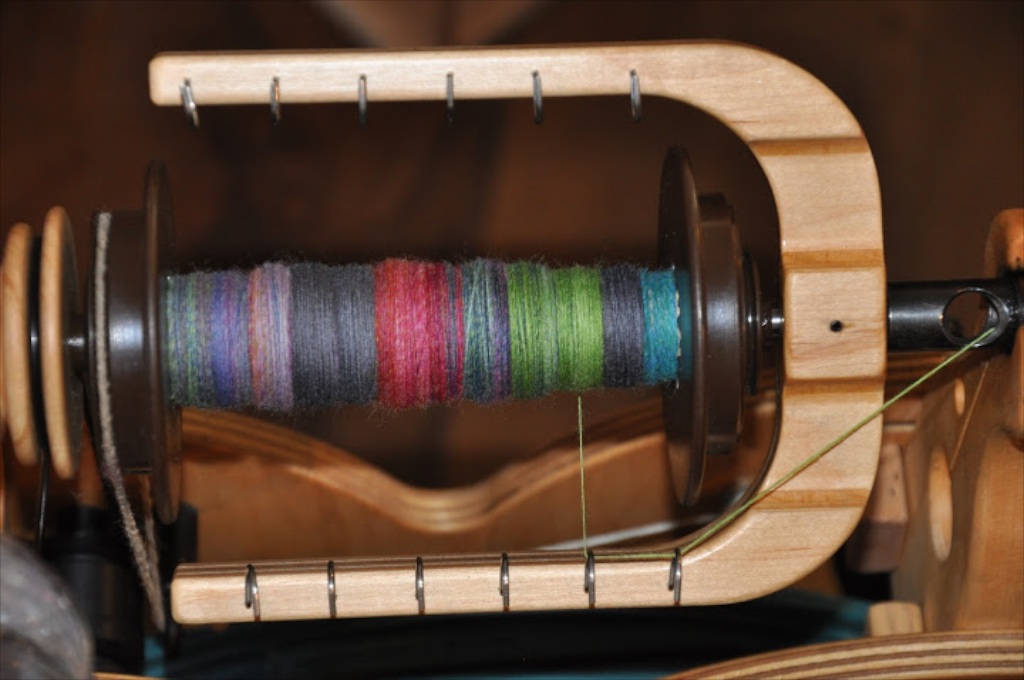
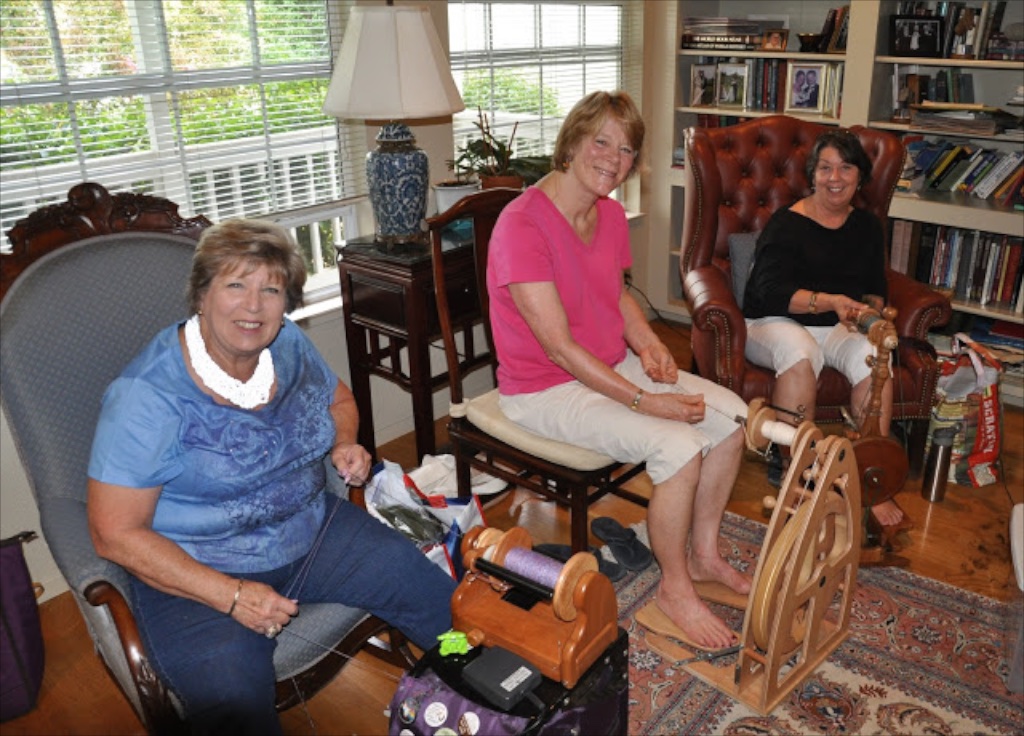
I ended the last post with double doses of tylenol with codeine. I decided that I should treat myself this week the way I should have last week–relax, sleep, sleep some more. It didn’t work quite like that because it was Spinzilla week, but it was much better than the previous week. People came here and I didn’t have to do much else. I’ll write another post about Spinzilla and Team Meridian Jacobs later. However, there was another fiber event on the weekend following Lambtown–Fiber Fusion in Chico.spinzilla spinnersI had not planned to be a vendor here. Instead I was scheduled for a talk about the fiber business. I brought a couple of sheep and fiber, yarn, buttons, and lambskins. Some of Team Meridian Jacobs made the two hour drive here to spin together.Spinzilla spinningOne very dedicated Team member, who lives in Illinois, scheduled a California visit to coincide with Spinzilla week so we were able to visit with her in person, all the while keeping those wheels going.spinningSpinning side-by-side Jacob roving.Shaul'sOur neighbors on one side were Shaul’s, who make all the panels and feeders that I use in the barn. I brought a few more pieces home with me.yakOn the other side was Elvis, the yak.Jackie's booth Jackie had a booth inside where it got hot and stuffy. We had the more pleasant conditions with a nice breeze. Although I always enjoy hanging out with my friends and I was thrilled to meet our distant team member, I was still not back to normal and this felt like a really long day. I didn’t look forward to the two hour drive home, but then I saw the most beautiful sky and hundreds of geese flying in from the south.sunset, Colusa Co? (1) I had to stop. I pulled off the freeway at an exit that I recognized as one where I had slept for an hour or so on my way back from Oregon in June. This is the view to the northwest.sunset, Colusa Co?You can’t make out the geese in these but here is the view with my other camera:DSC_1661These don’t do the scene justice.DSC_1657

geesegeese (1) This stop along the freeway was a big boost in a long day. I need to go back up there this fall or winter and spend some time in the Sacramento Wildlife Refuge.

Weaving and Other Woolly Things

I’ve been  checking things off my endless list.

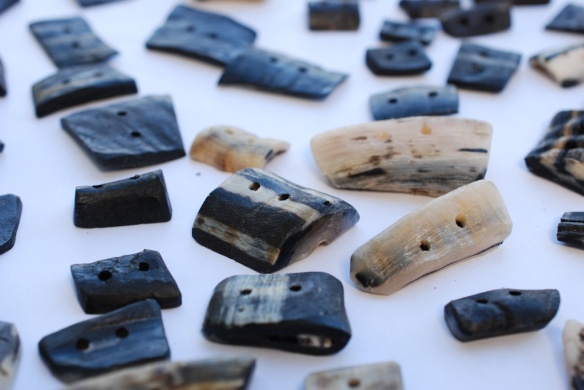
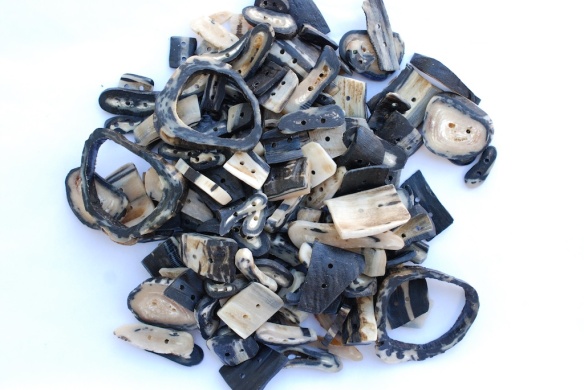
Make buttons. DSC_0944There are over 150 buttons here.DSC_0965Weave more products to take to Fibershed’s Grow Your Jeans event on October 3. DSC_0773This are four shawls using very soft wool from Anderson Ranch.
Deal with sheepskins. I got one batch in and one batch out. At first I got four boxes with 29 sheepskins that were not mine. Those went back to the tannery. DSC_1113Yesterday I got the boxes with my 30 sheepskins and I photographed them for my website (although they aren’t there yet). Not artsy photos, but I  need to show the size and the color and this is how it has worked best for me. In addition I shipped off 42 more sheepskins and am keeping my fingers crossed that I get them back before December. That’s a pretty big investment and I need to be able to sell them before Christmas.

Weave a blanket for a customer using her handspun yarn that she sent me last year. I hate having things hanging over my head. When I was finally ready to get to it I opened the box that I though held her wool. Nope–there was something else in that box. Then I almost panicked wondering if it was possible that her yarn had ended up out in the big yard/estate sale that I had over Labor Day. Fortunately that was not the case.
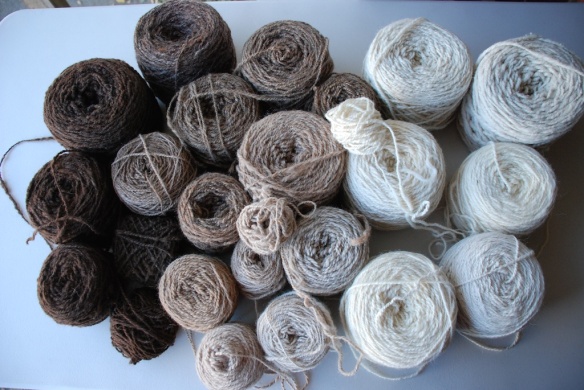
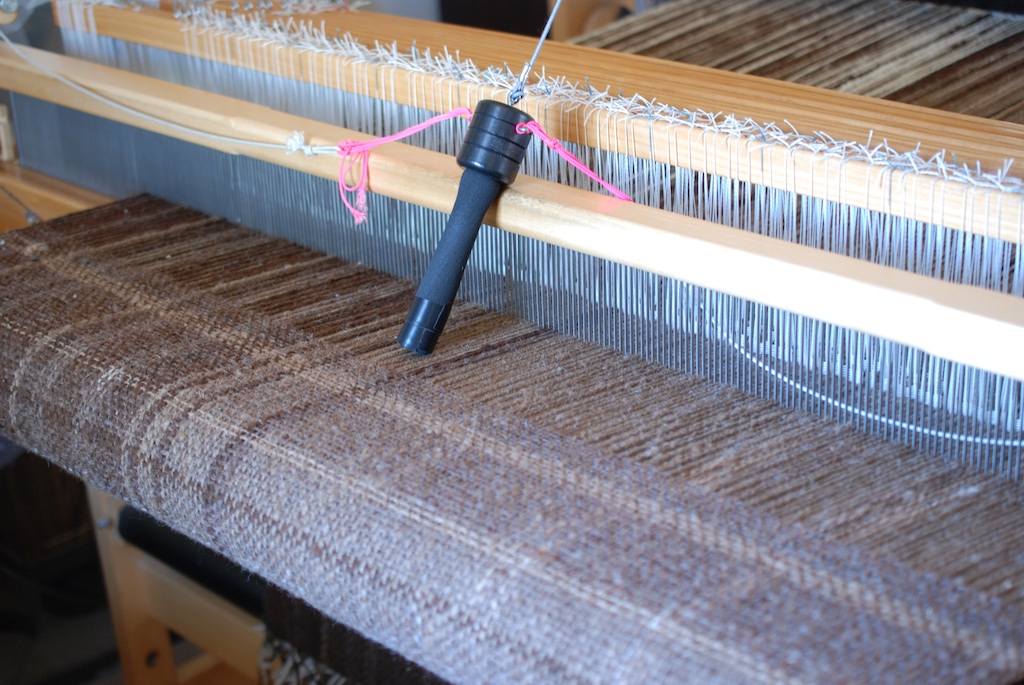
DSC_0744 I had spent a lot of time thinking about how best to use this yarn. One worry was that using yarns that are very different is likely to result in tension issues and different elasticity in the finished piece (showing up as ruffly places where it should be smooth and flat). I’m glad that I waited to plan this blanket because one of the last emails that I had from the spinner had the word “gradient” in it. That gave me the inspiration for how to wind the warp and weave it.
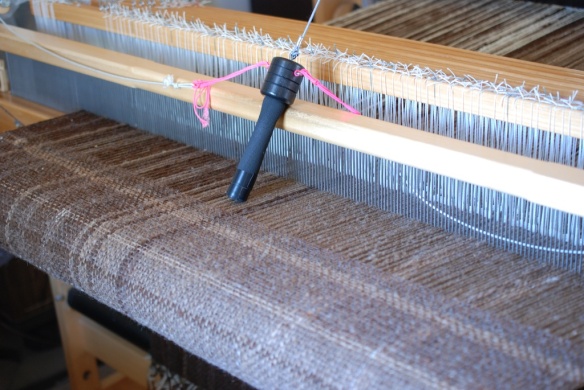
DSC_0761 I made a gradient from the darkest brown all the way to white in the warp and then I wove with the same pattern. This is double width so this photo shows only the half that goes from dark to mid-brown. The lighter half is underneath. After weaving and unfolding the blanket…
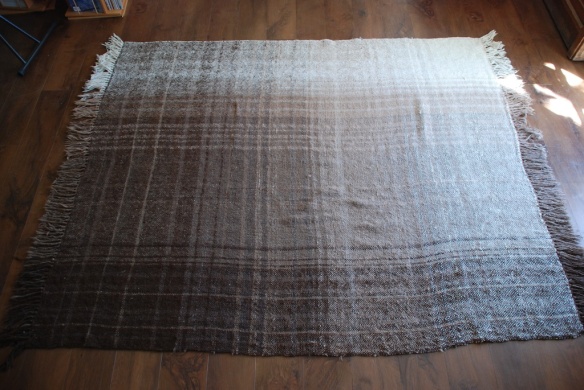
DSC_0887 …this is what you get. This is not a very good photo but I just don’t have a good place to take a photo of a full size blanket spread out. I am really pleased with this piece and am inspired to do some more like it.

One last thing. At Spinners Night Out one of the spinners said that her husband had made a discovery in his bowl of popcorn:popcorn sheep

Mothers & Daughters

I was trying to get photos of ewe lambs that I want to register. The sheep had come in from the pasture so it was more difficult. In addition the lambs (who don’t look much like lambs anymore) are still sticking close to their mothers.15073 and 11086Alexandria and her lamb, above and below.11073 right rear 

15015 rt and Ginseng Ginseng and her lamb (who is sold but still here).15020 Foxy and Foxglove Foxglove and lamb, Foxy. She will be at the Lambtown Sheep Show in a couple of weeks.15020 Foxy, Foxglove Foxy and Foxglove.

Amaryllis rolling Donkey break.Hot Lips and daughterHot Lips and her lamb, Honey.