It Is Someone’s Birthday!

I brought Ginny home ten years ago when she was two months old.

She is a red and white Border Collie named after the red-headed girl in the Harry Potter books.

She came from Mendenhall Wool Ranch, where I also got Rusty. They were related in some way, but I forget how now.

We still have this moose in the toy basket.

I don’t remember who brought this drone here, but Ginny didn’t think it belonged.

Ginny’s one-year birthday. Fiona, Rusty, and Maggie were in attendance.

Ginny was born with good herding ability. The most training that is needed is that of the partner (me). I learned most of what I know from Debbie at Herding 4 Ewe, just up the road from here. I had worked with Rusty there when he was younger and took Ginny for awhile.

We don’t have that much work for a dog here and I try to create situations where she can work. Most of it is after I have weaned lambs and we can work with them. It’s difficult for a dog to move sheep with young lambs when the ewes aren’t “dog-broke”, meaning that they are going to defend their lambs and threaten the dog.

And young lambs certainly don’t know that they are supposed to move away from a dog.

One of the important jobs I have for a dog is to either move the rams into a place where I can catch them or to keep them away from me while I’m working in the pen. Ginny and Rusty keeping rams away in this photo.

Rusty never wanted to play with a ball. I taught Ginny about balls thinking that would be a good distraction when we didn’t have real sheep work to do. Sometimes I wonder if that was a mistake. On walks Across the Road her favorite thing is to drop the ball into the canal just beyond the dams where the water is swirling.

She also puts the ball through a fence where I am working and she can’t get it. Therefore I am expected to pick up the ball and throw it.

Here is a different canal photo with a pink ball. Ginny gets in the canal in the other portions but I don’t want her jumping into the cement canal at these areas where the water is fast and swirling.I have been known to create a net using a forked stick and the leash so I can get the ball out of this situation.

This photo is from about a year ago. That’s the same moose and an oil bottle she took out of the recycle bin.

Also taken a year ago.

This photo is from last week. I didn’t let her have the ball while we were near those dams but she dropped it in the canal repeatedly as we walked along here. She drops it in and jumps in for it after I tell her she’ll have to get it.

How will we celebrate? We’ll go for a walk Across the Road and she can help move rams as we set up breeding groups.

Lambtown 2024 – Part 2

The entrance to Lambtown.

I went early on Saturday and Sunday to feed sheep. This is the display that Farm Club members put together for the barn.

The ram, Blizzard, started out in a different pen but he and the ram lambs were fighting through the fence during the night. Dan and Farm Club members switched pens for him and a couple of ewes so there wasn’t direct contact with the other rams.

Walking back to the vendor building I stopped at Woolly Adventures. This is quite an undertaking, but Gynna does a fabulous job.

There are over a dozen different activities for kids here. ..

…and she thinks up more each year.

I labeled more naturally dyed yarn Saturday night and had it at the booth on Sunday..

The sheep show was on Sunday. I had to be in the vendor hall so Farm Club members handled all the show details. Marina, Beth, Reba, and Nicki showed most of the sheep.

Dan helped out with the yearling ram.

Sheep show--sheep in the show ring.

Thanks to Deborah and Nicki for the photos of the sheep show.

Thanks to Doris for recording the show and the judge’s comments so I could watch it later at home! The sheep show didn’t end until after 4 when the vendor hall closed. Friends and I took the booth down quickly. Dan loaded sheep and drove them home. Then he came back with the other trailer for the booth.

He walked in with this new dolly with a note that said Happy Birthday (early for my November birthday)

All these years I have carried these grids in and out of buildings two at a time. Now it will be easier.

Lambtown 2024 – Part 1

Lambtown is our local fiber festival–only 15 minutes from my farm. After a very different beginning many years ago (but that would be another story) it is now a full-fledged fiber show complete with sheep, sheepdogs, contests, classes, vendors, demonstrations, and other activities. It is the first weekend of October, but starts on Thursday with classes. If I am going to teach it has to be on Thursday because I set up a vendor booth on Friday and am in the booth both Saturday and Sunday. This makes for a busy week. I knew I had to have the trailer packed up on Wednesday.

The kitchen island one of the evenings that week. I described making these buttons here. After making them I still have to put them on cards, especially for selling online later.

A friend thought that I should sell cosmos seeds to grow flowers for dyeing and printing, so I worked on that too.

I picked up the 2024 Jacob fiber from the mill on Tuesday and needed to weigh it. Some were single color bags and others are a mix of all four colors.

A few of the shop while I was still trying to decide what to pack up for the show.

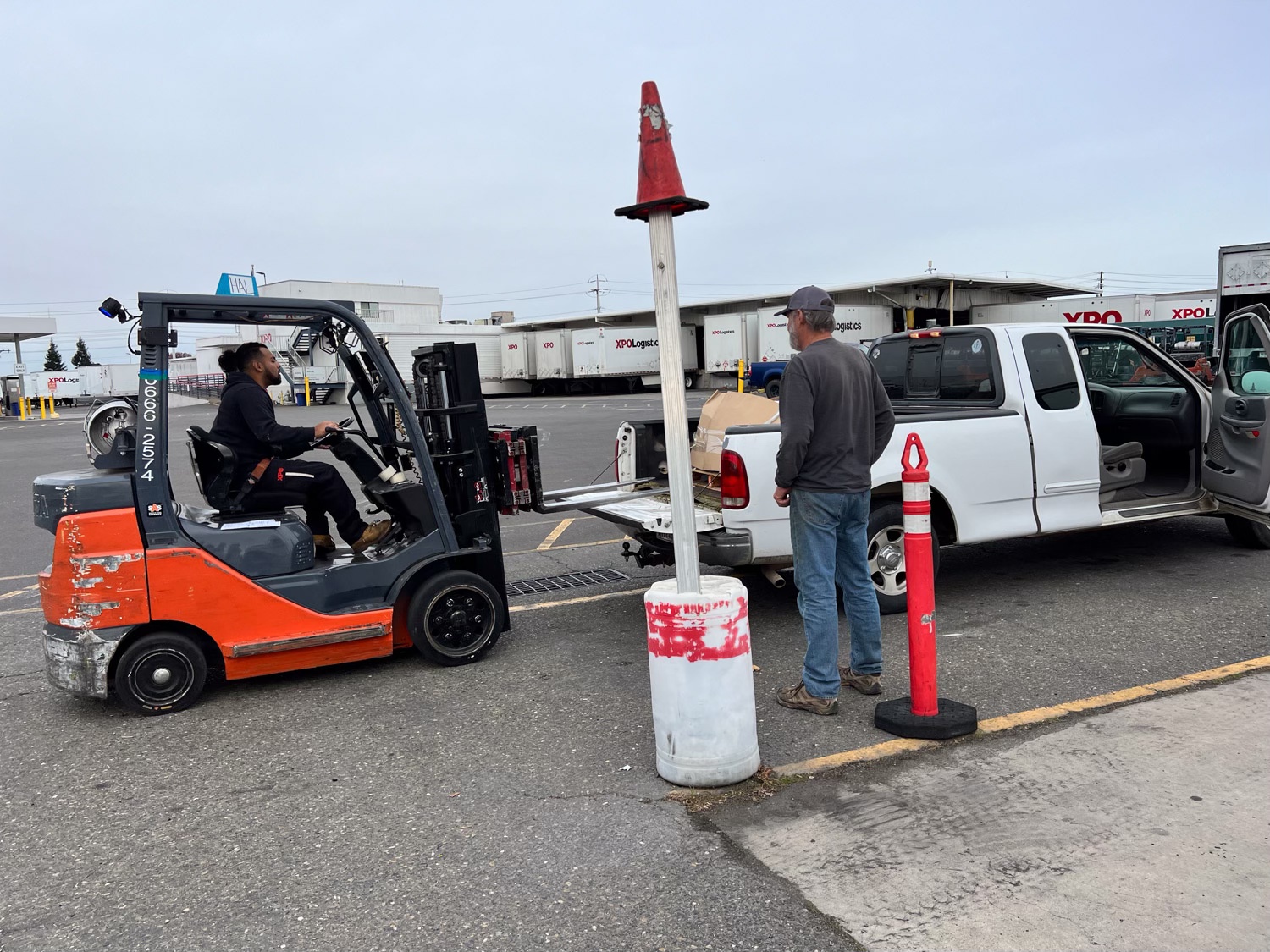
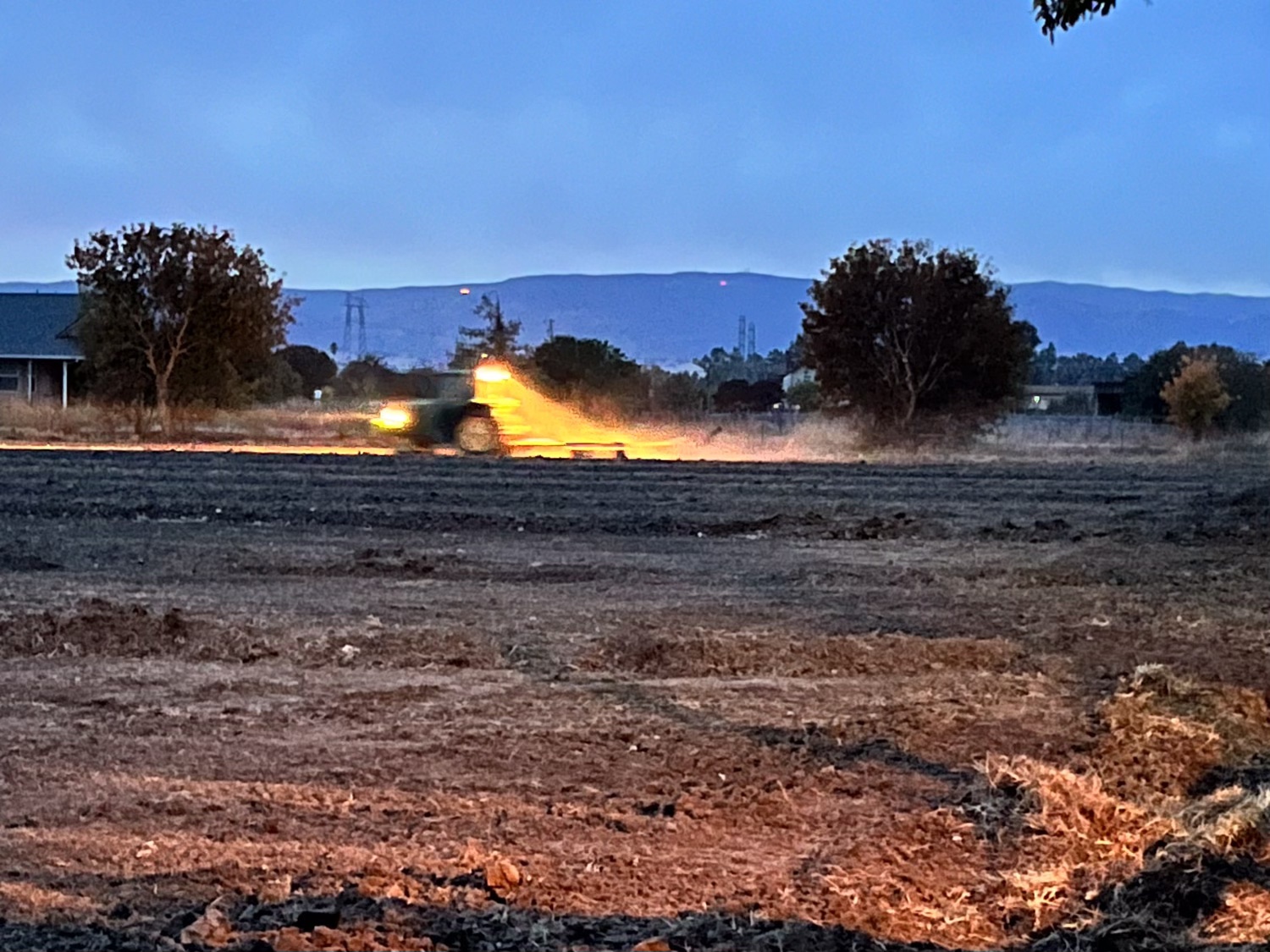
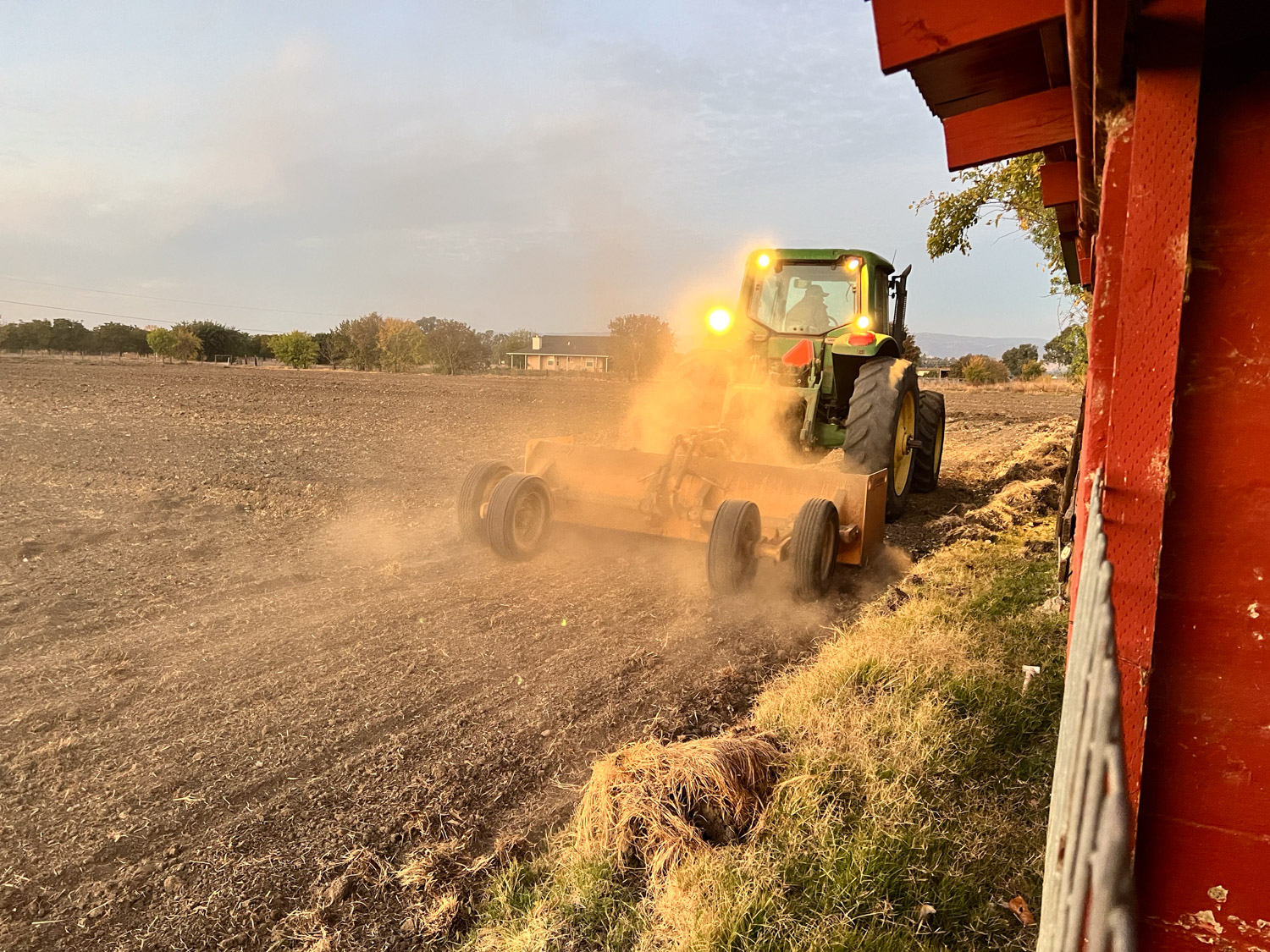
Thursday morning, Brett was at work discing the pasture. That project was described here. We haven’t moved beyond the last discing. Hopefully leveling will happen soon.

Thursday there were ten students in my “Let’s Get Fancy” class where I showed hand-manipulated techniques for design in weaving.

Danish Medallions.

Brook’s Bouquet, Leno, and Loops.

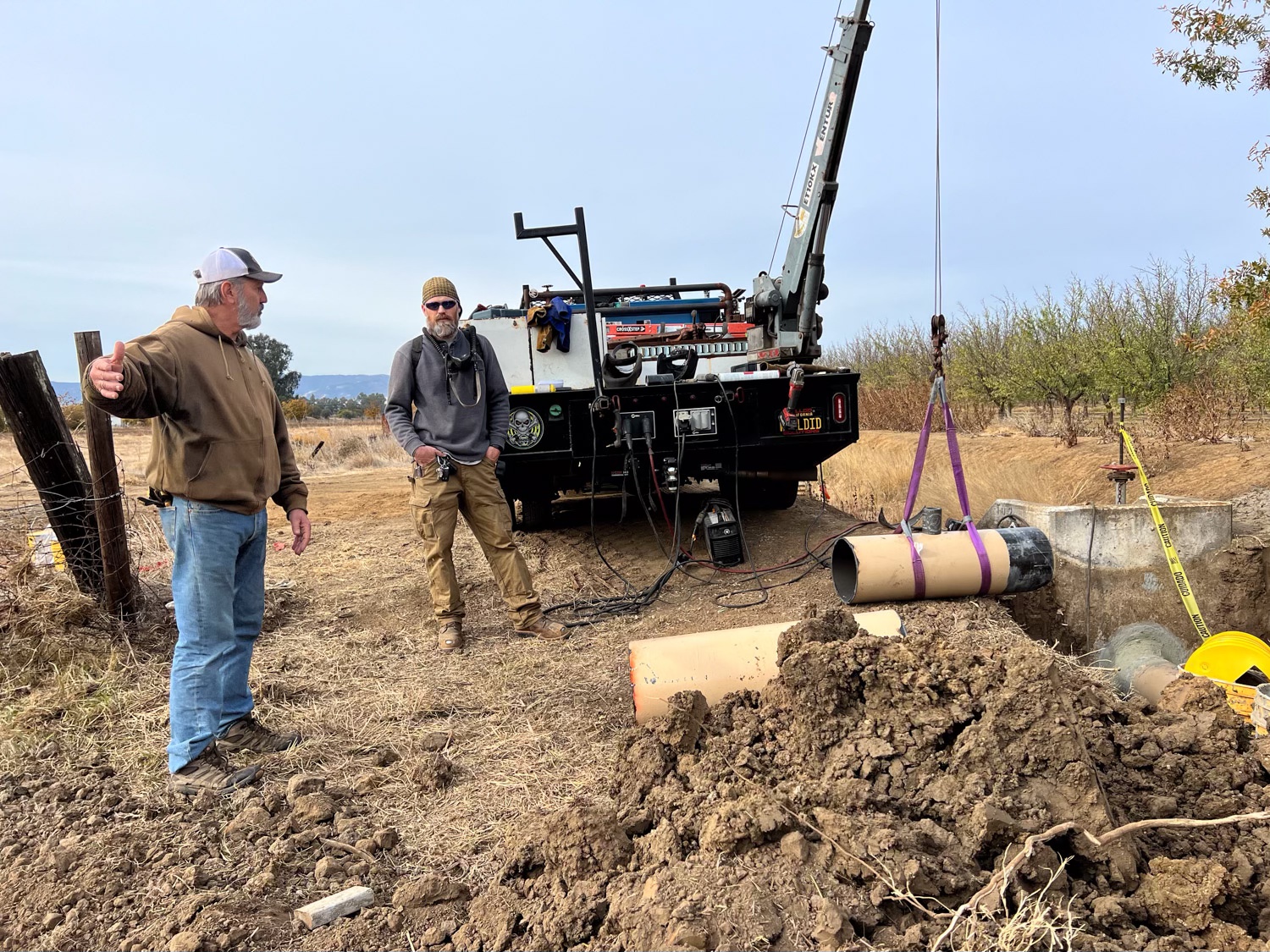
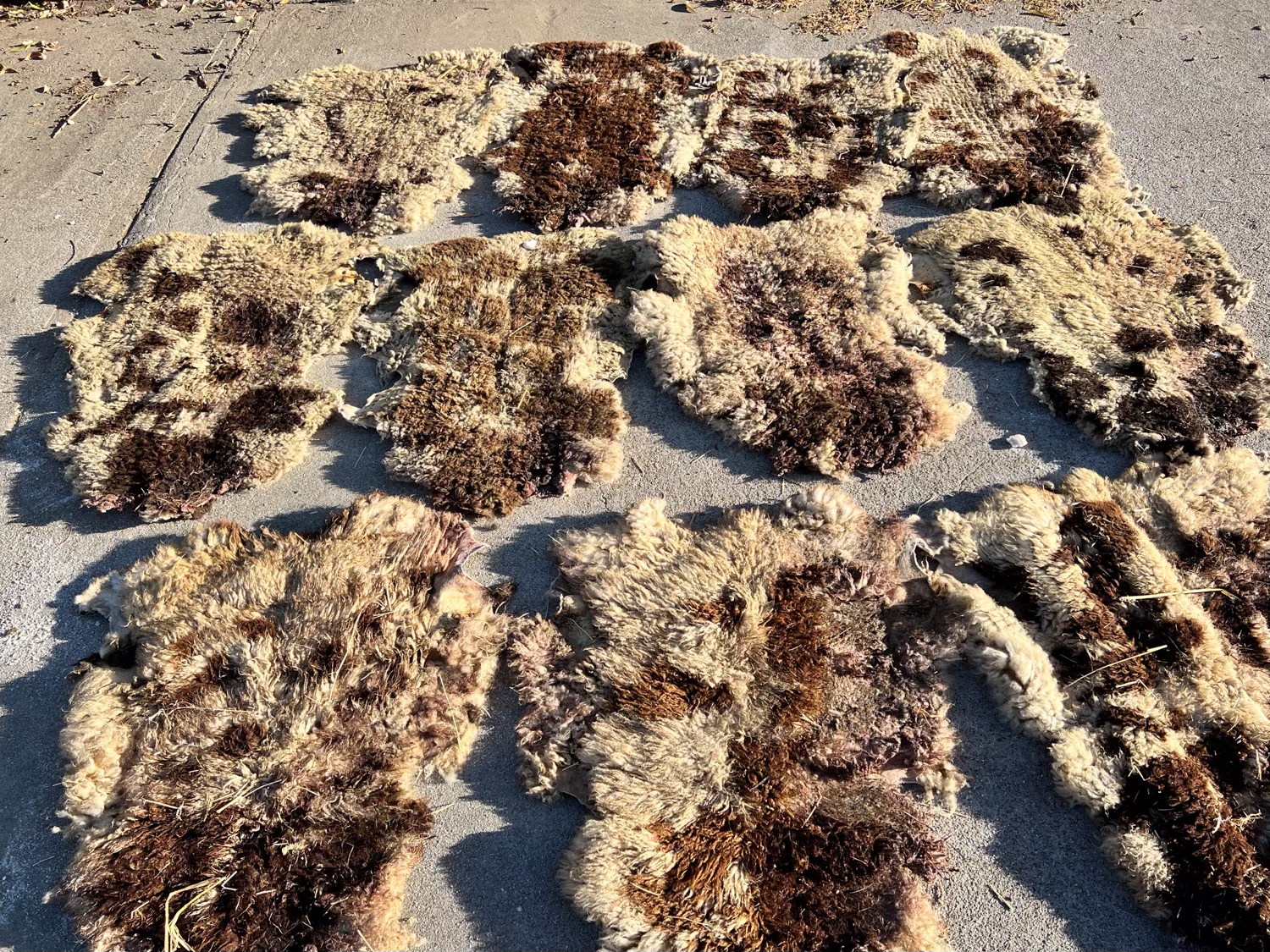
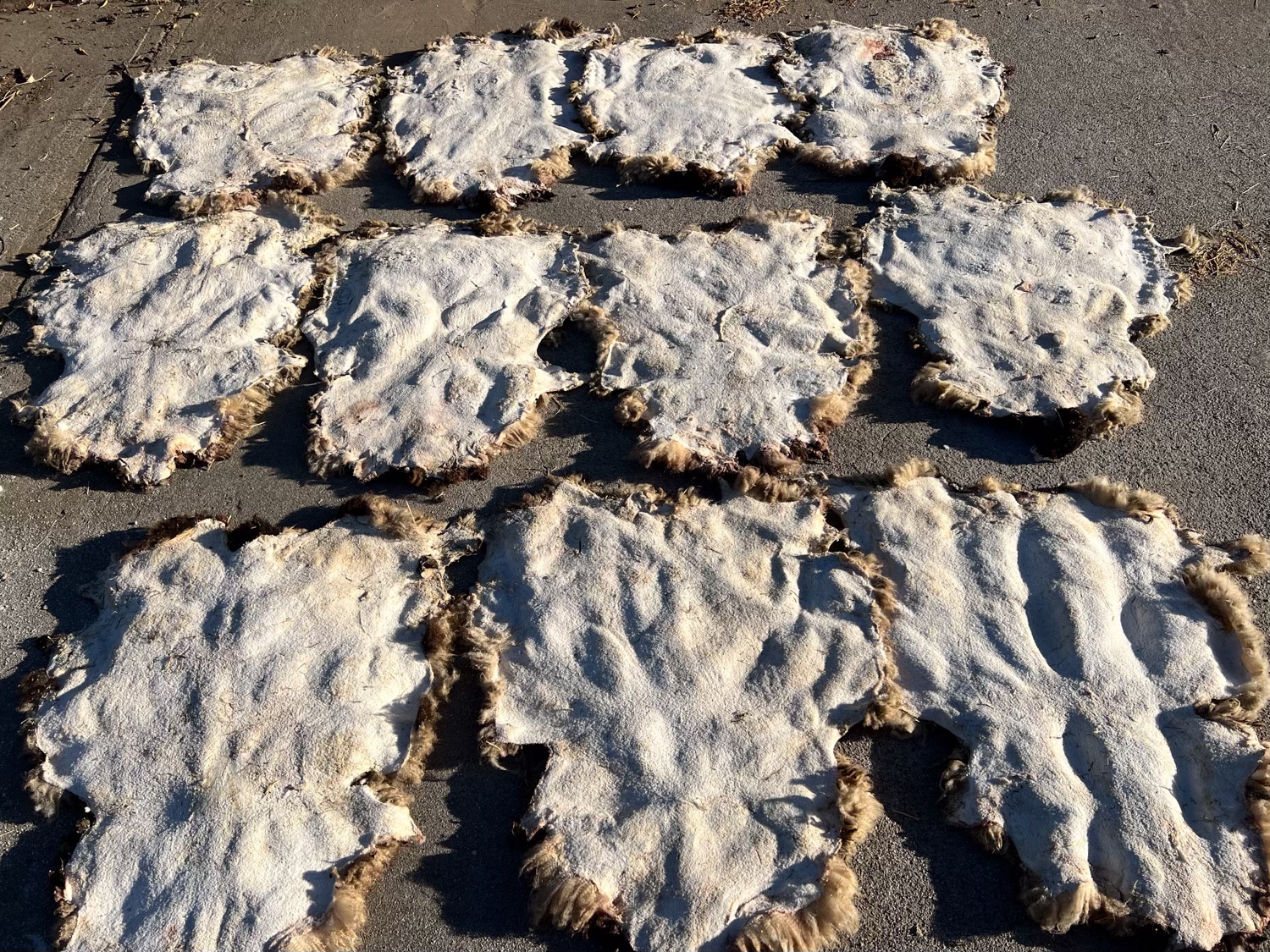
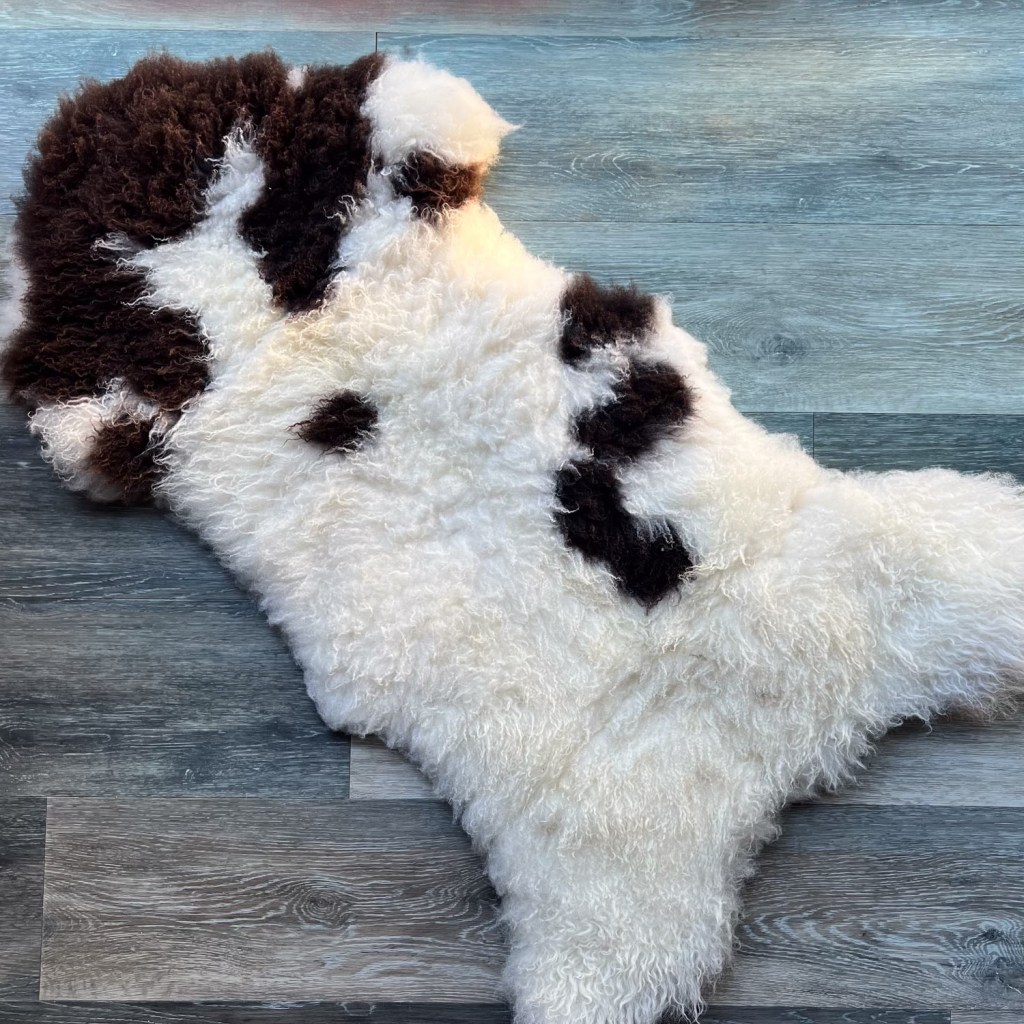
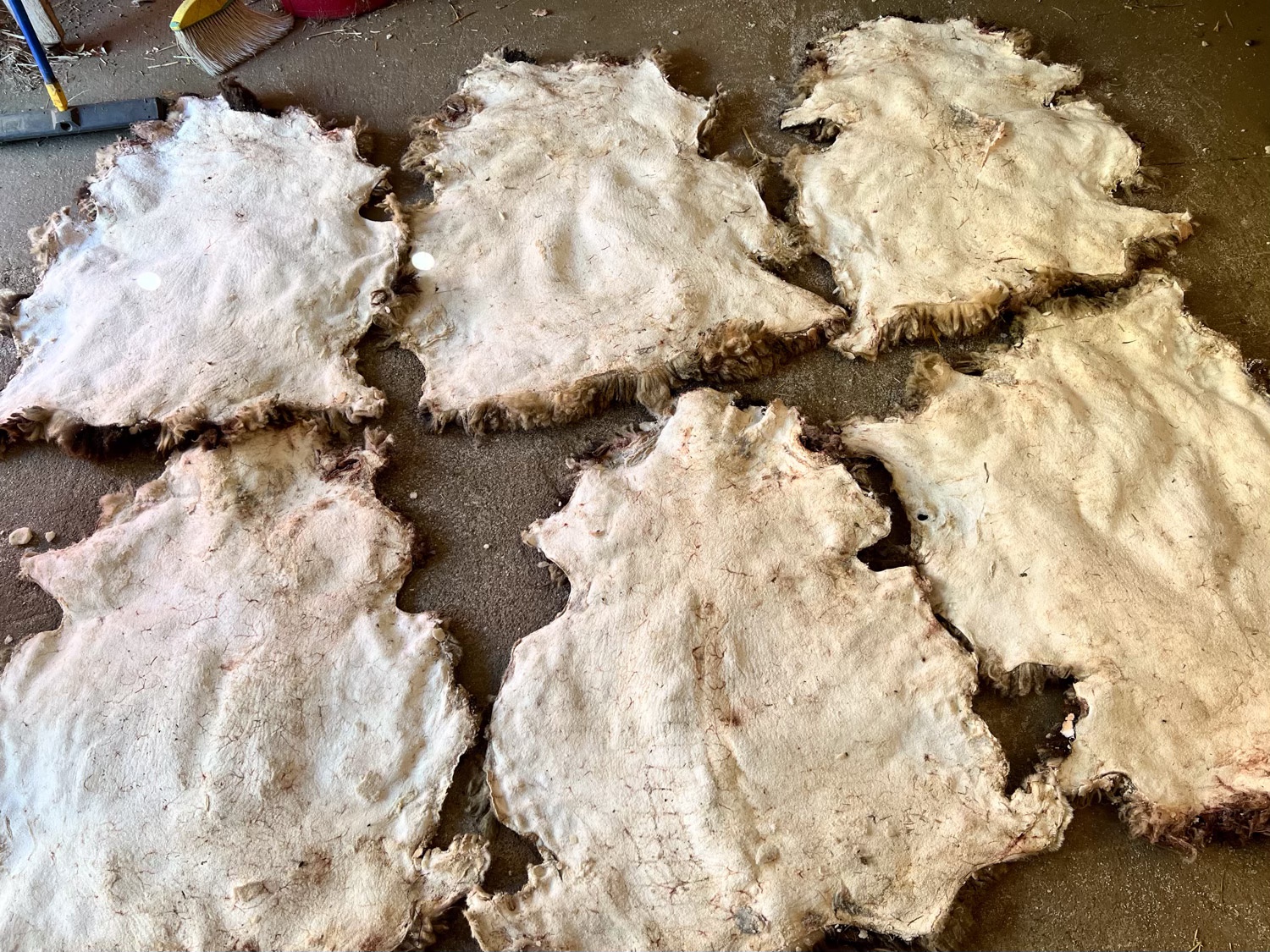
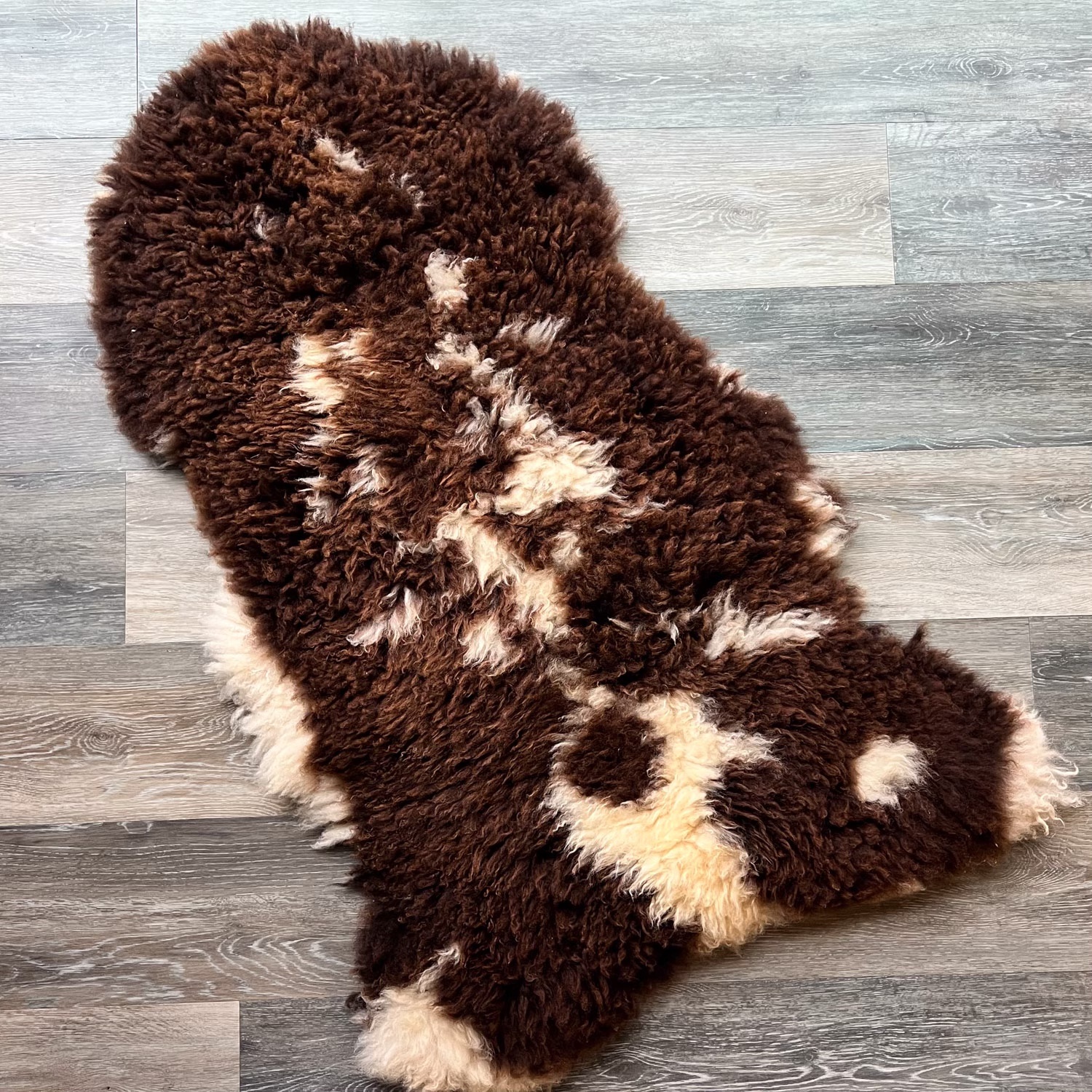
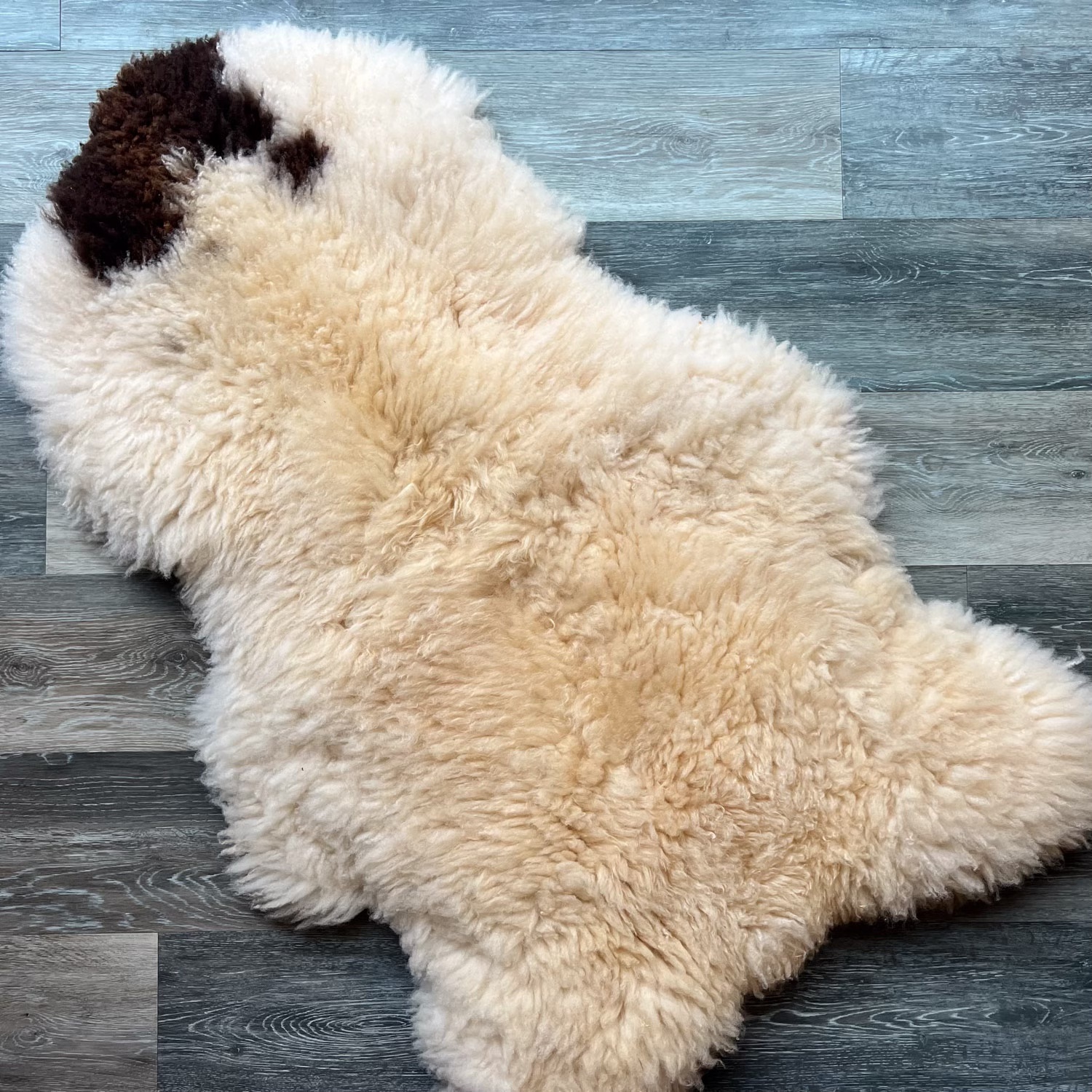
Friday was a full day as we harvested lambs first. A friend brought her lambs here for one of my customers and I salted the hides. We finished around 11 and went to the fairgrounds by noon.

Here is what the booth looked like by the time I went home.

The other half of the booth. It still needed tweaking, but it was mostly done, thanks to a couple of friends who spent the afternoon helping. We still needed to get the sheep here for the sheep exhibit so I went home to load sheep.

Dan and I drove back with sheep and Farm Club members met to figure out how to best set up a display.

Stay tuned for Part 2.

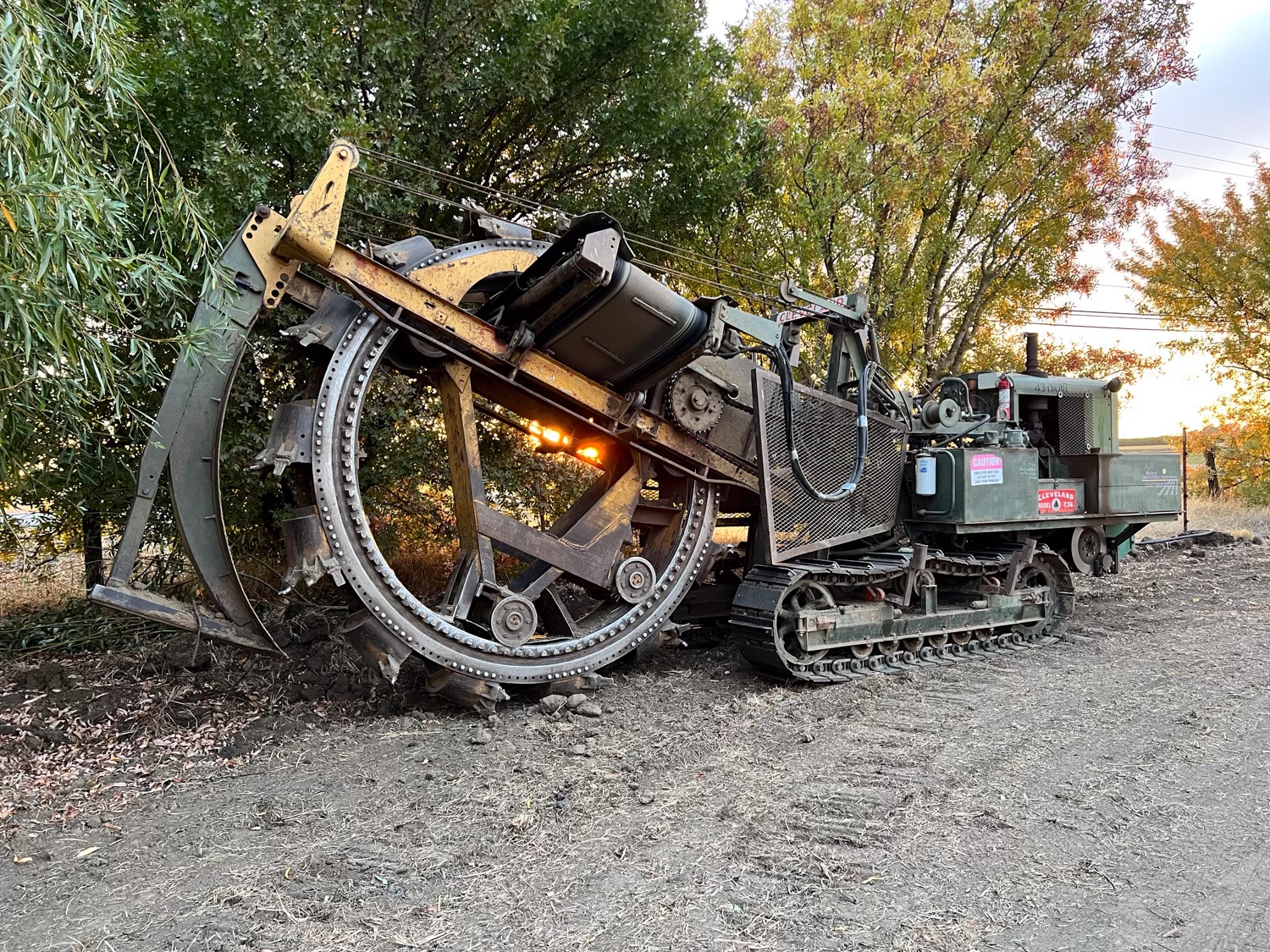
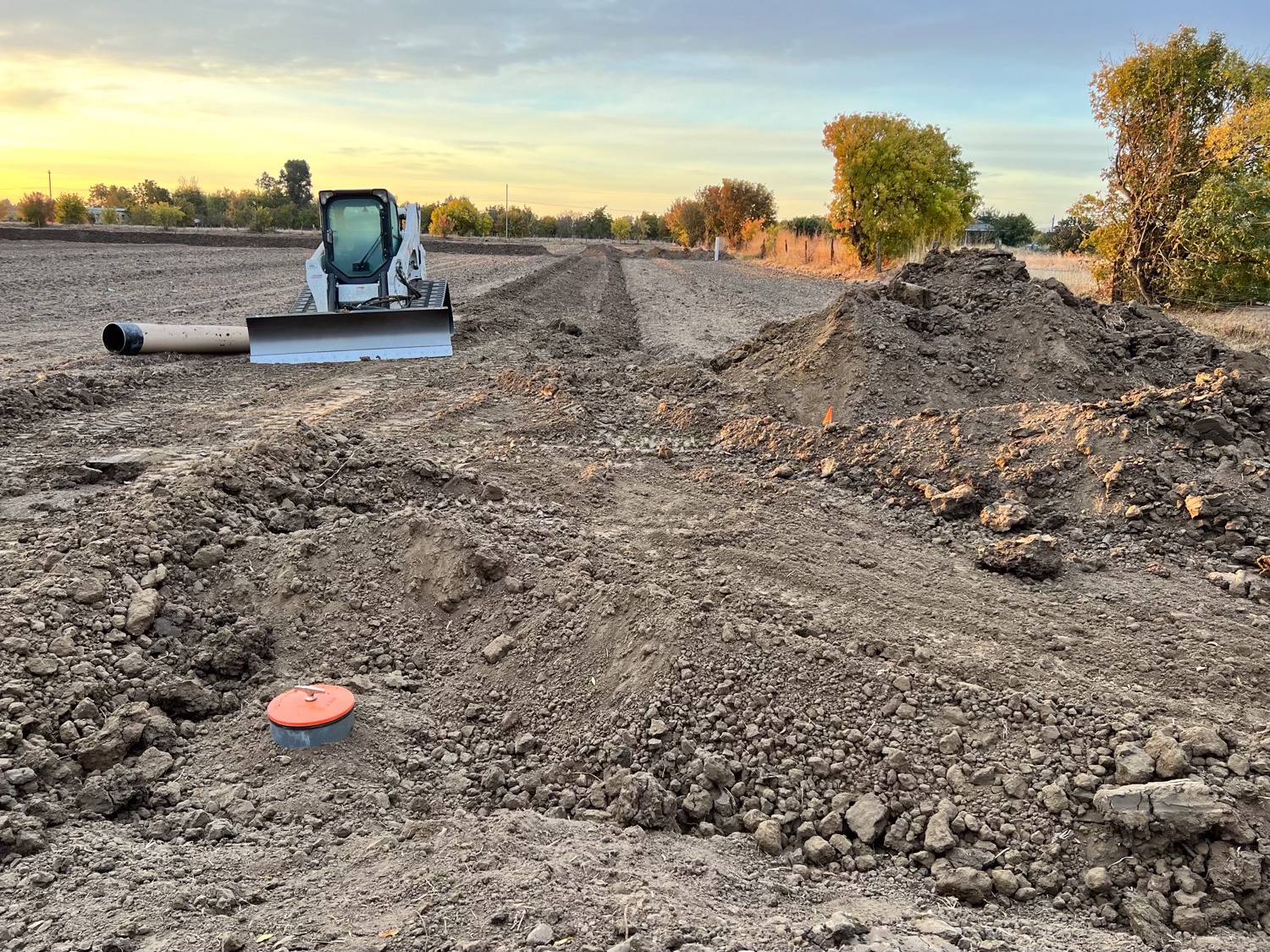
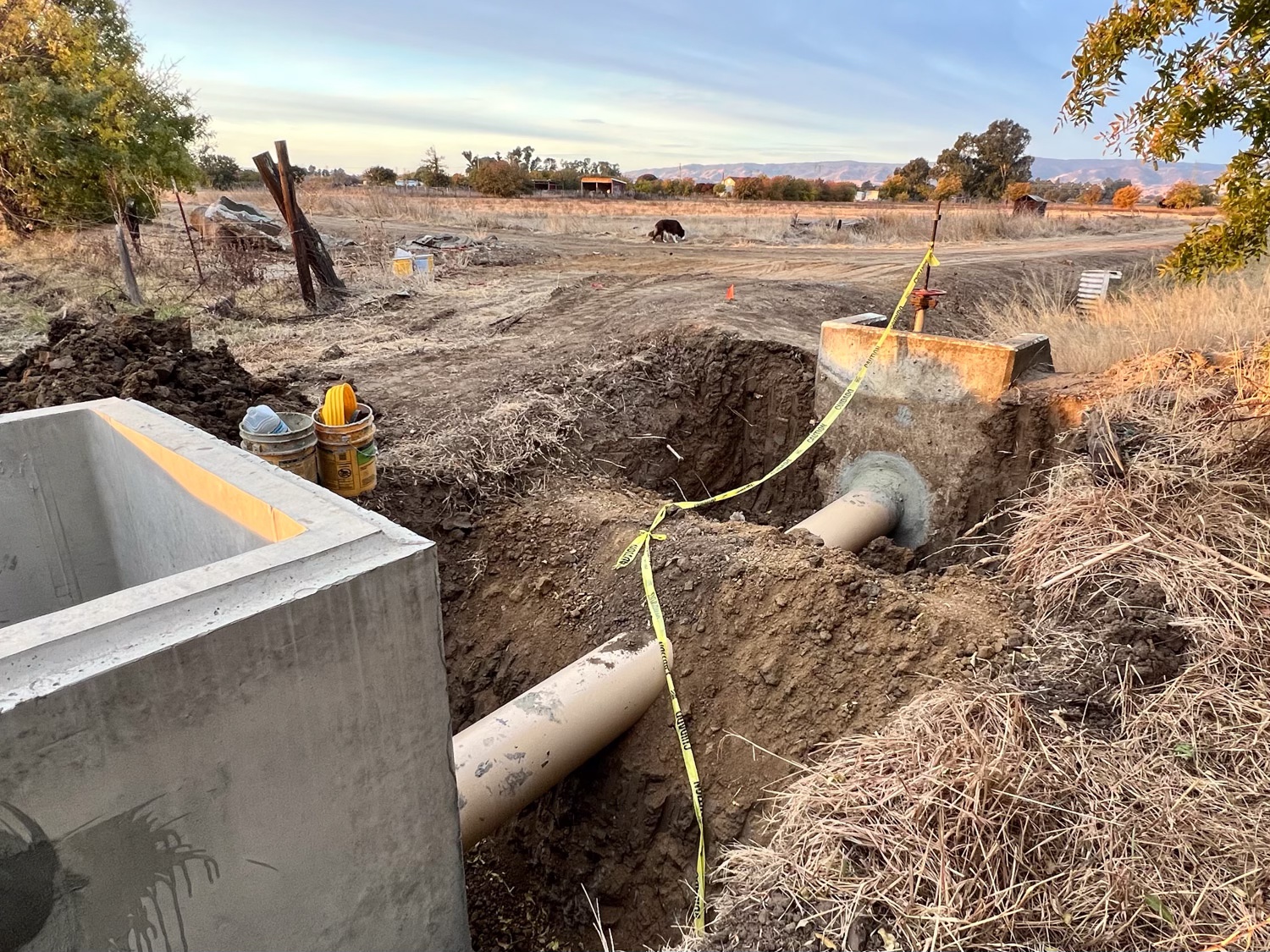
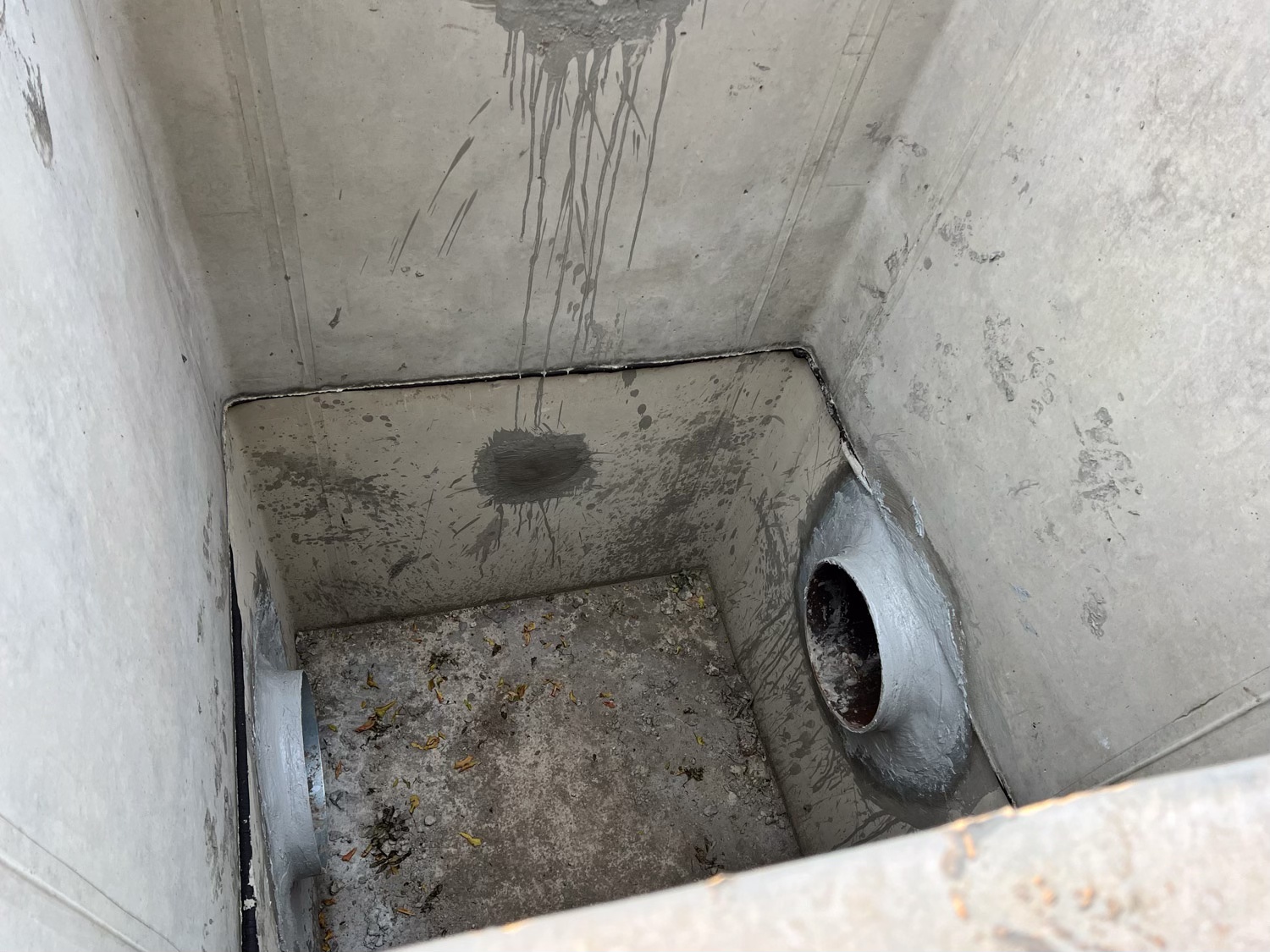
Pasture and Irrigation Renovation – Part 1

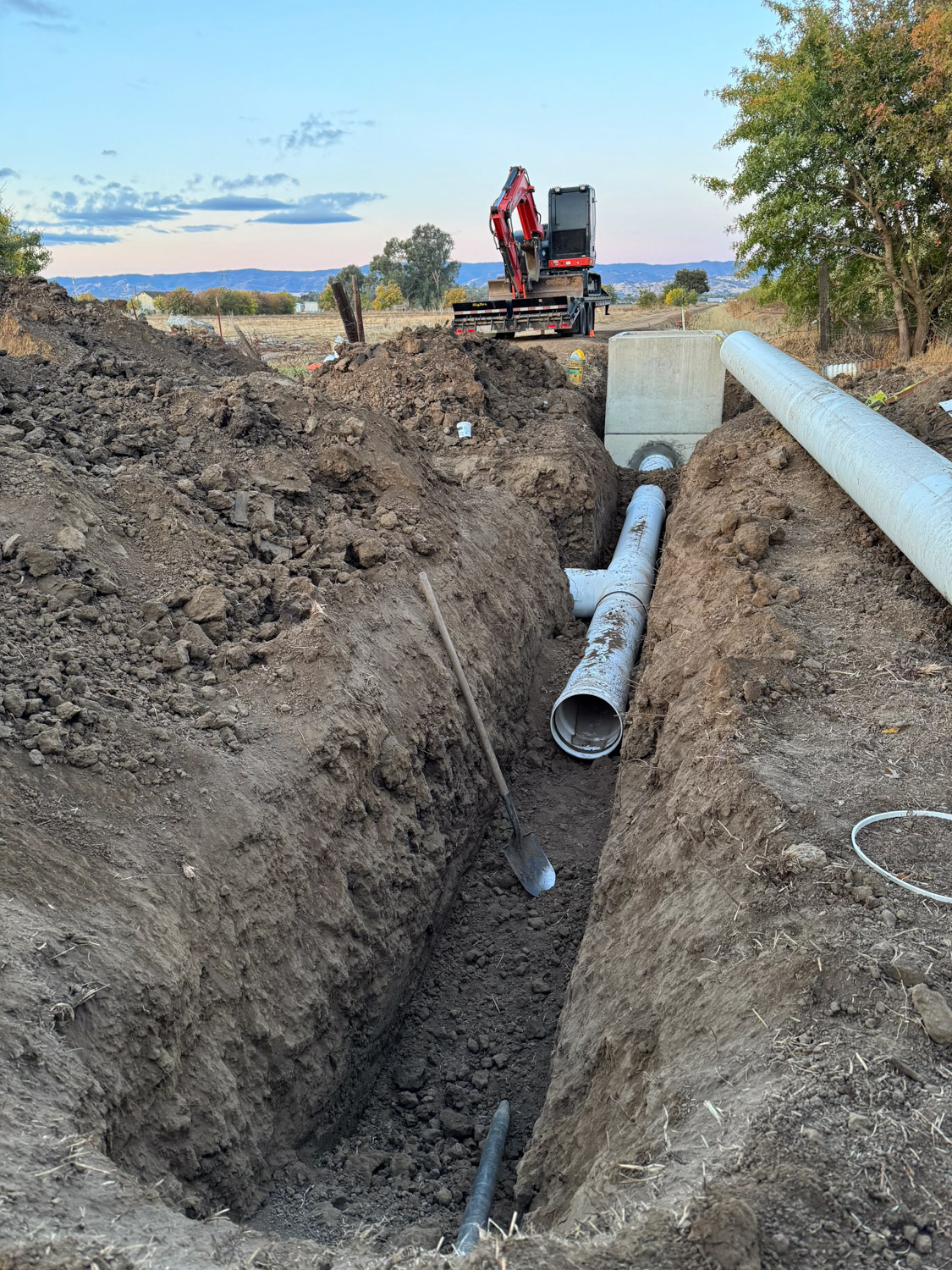
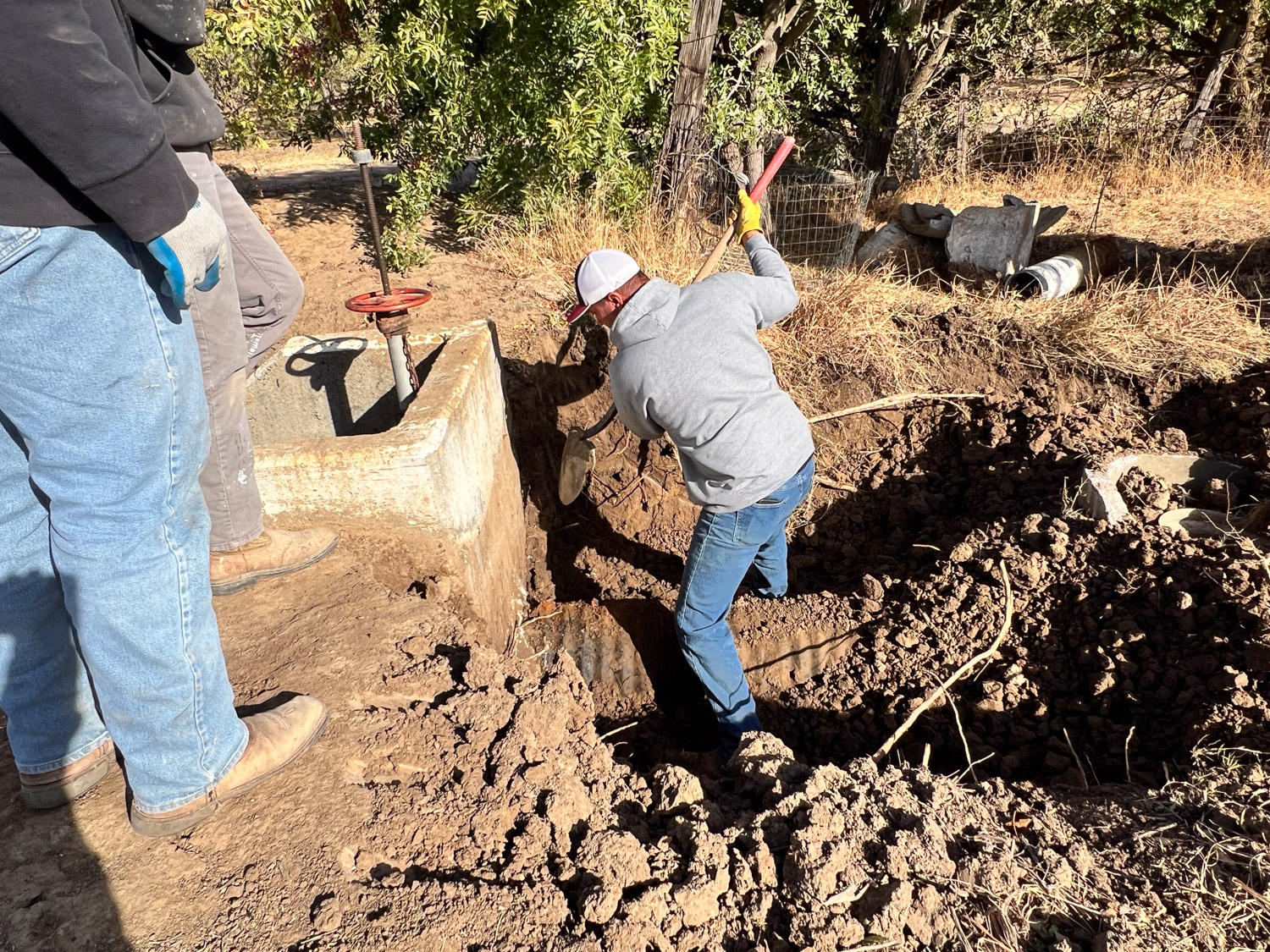
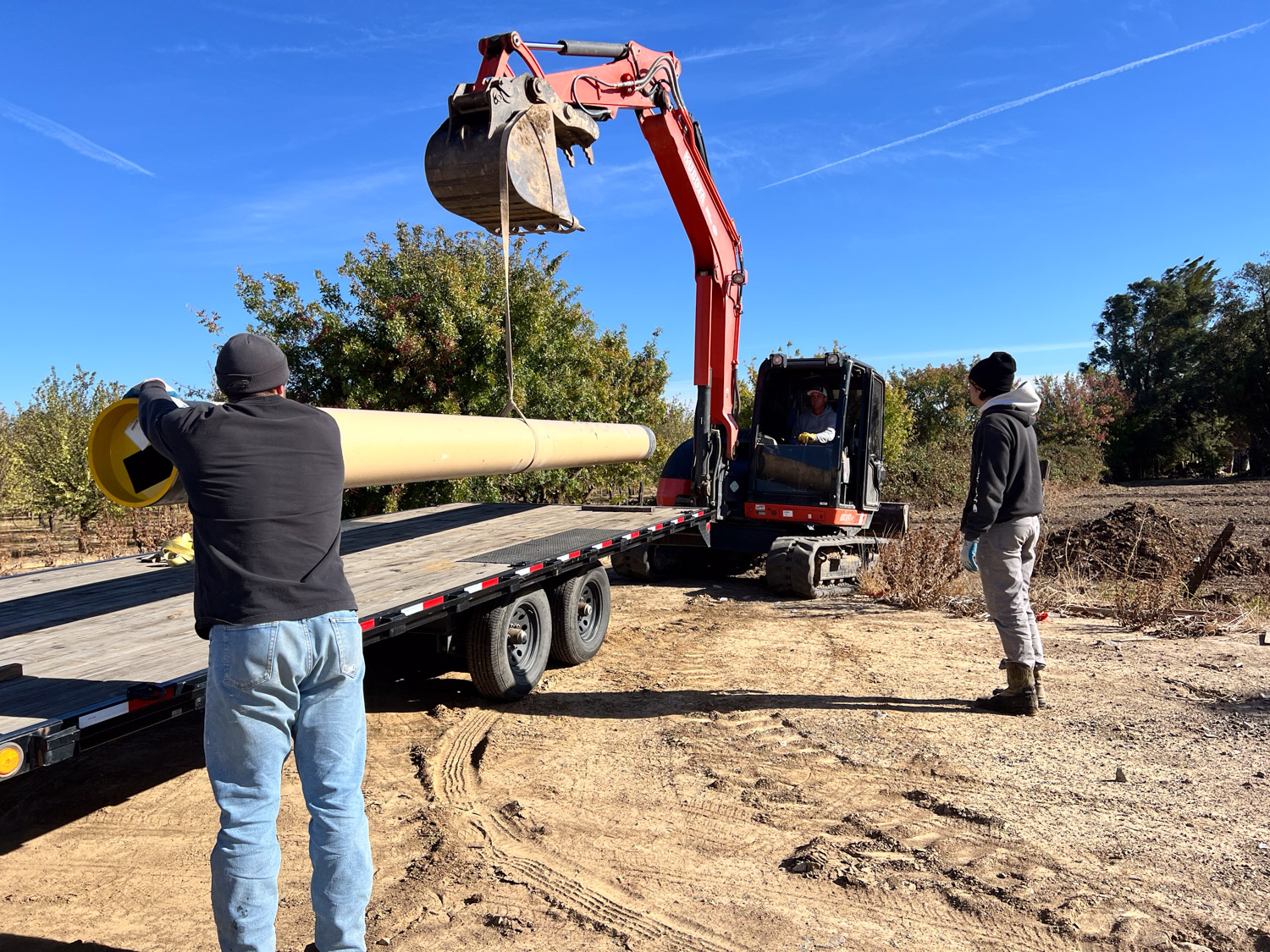
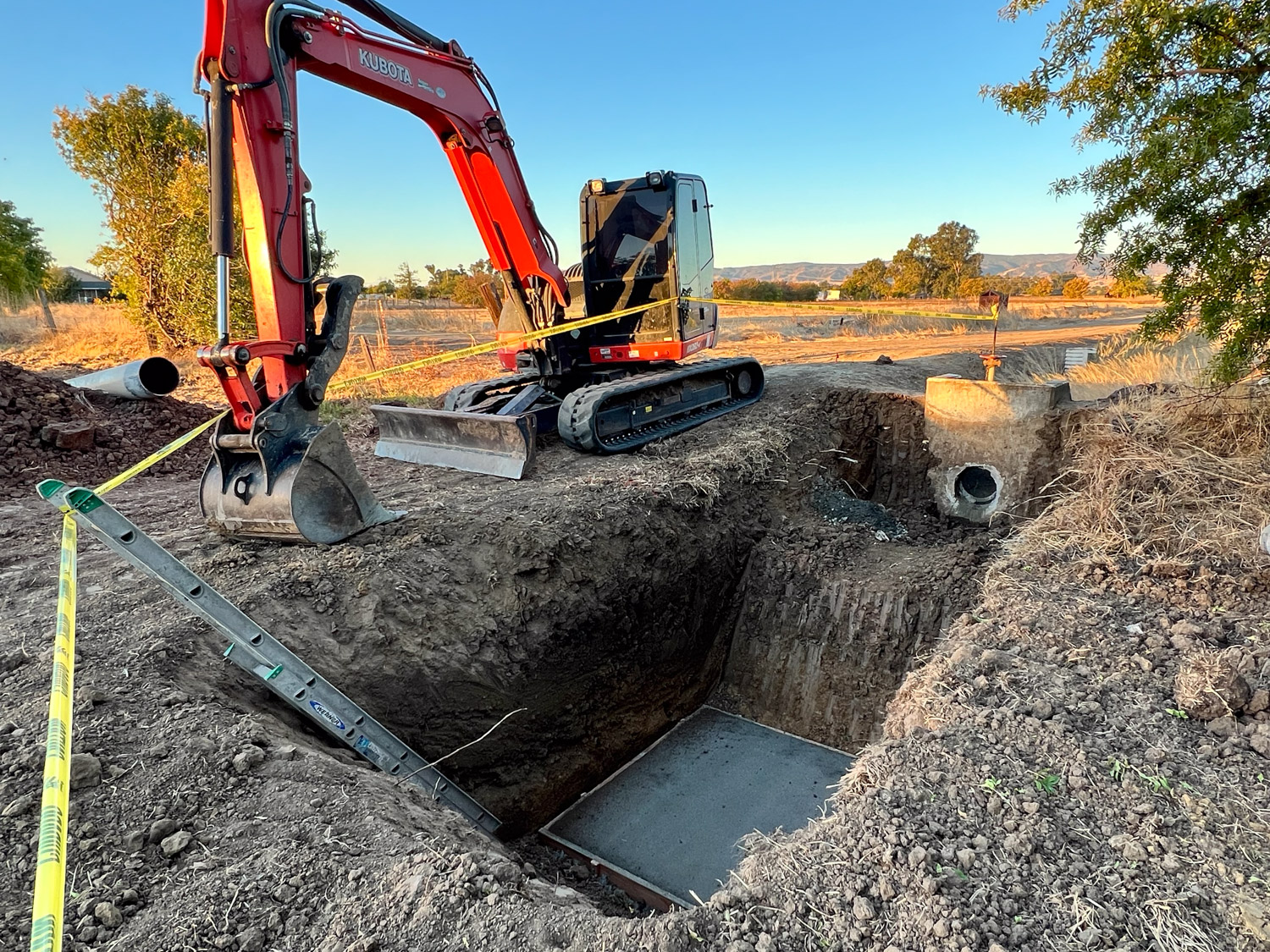
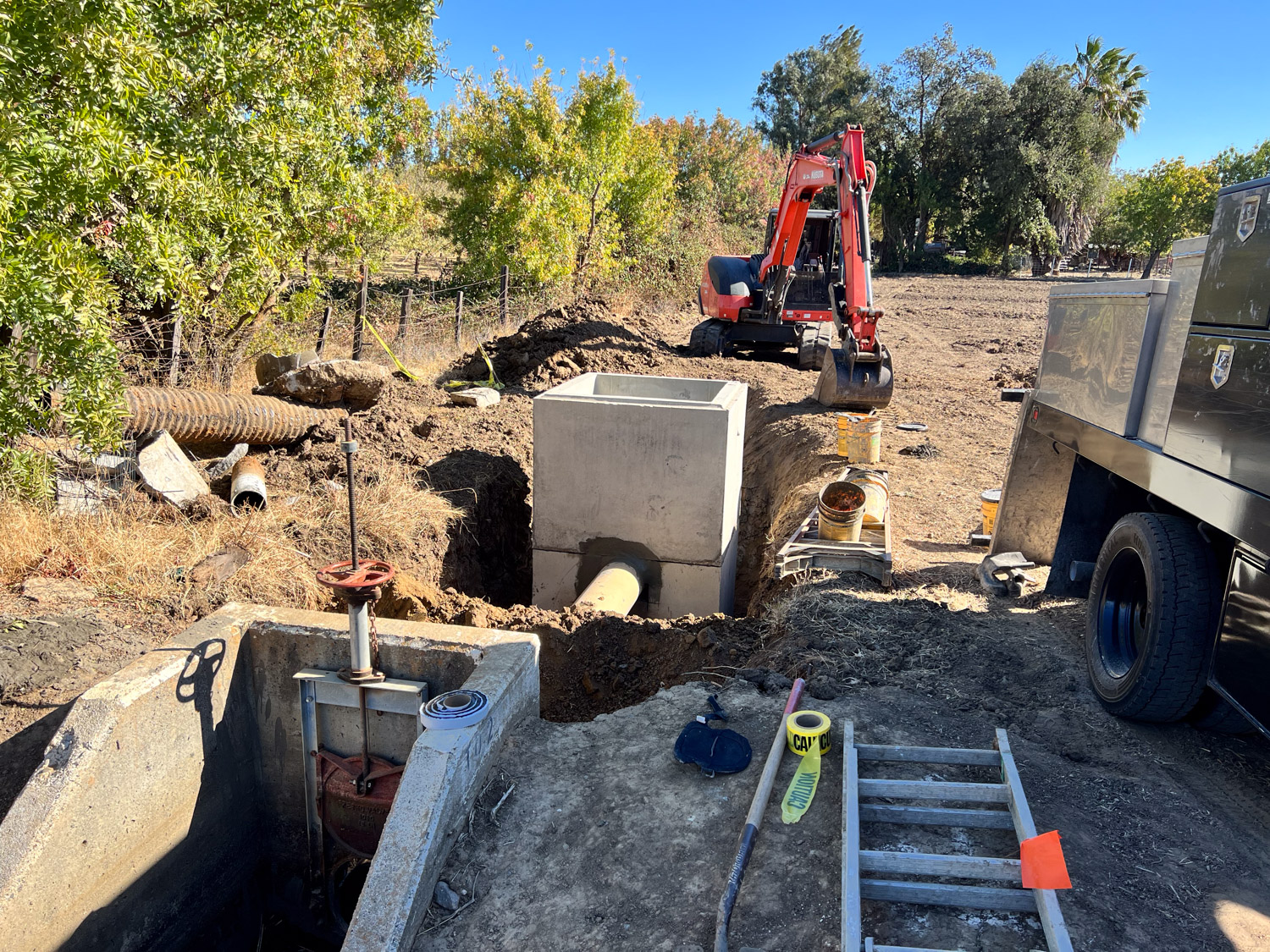
This will be a multi-part story probably with other stories mixed in. This project began about 4 years ago when I taught a weaving class and we were talking about irrigation and field work. I was probably complaining about the difficulty of irrigating properly with our old worn out ditches and the uneven growth of the pasture. One of the students is an engineer with NRCS (Natural Resources Conservation Service) and she suggested that I ask for help (engineering and money) from NRCS because that is what they do.

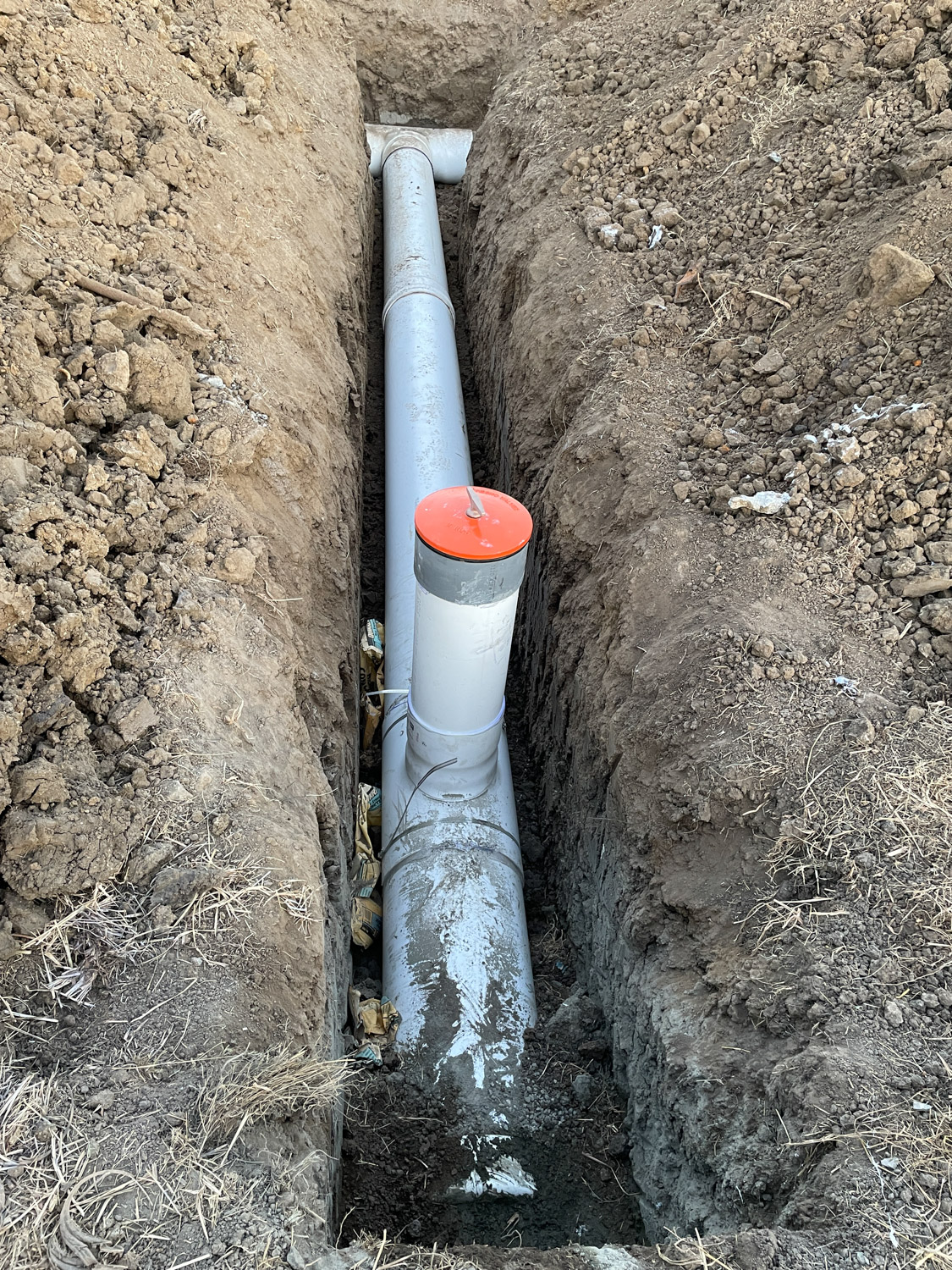
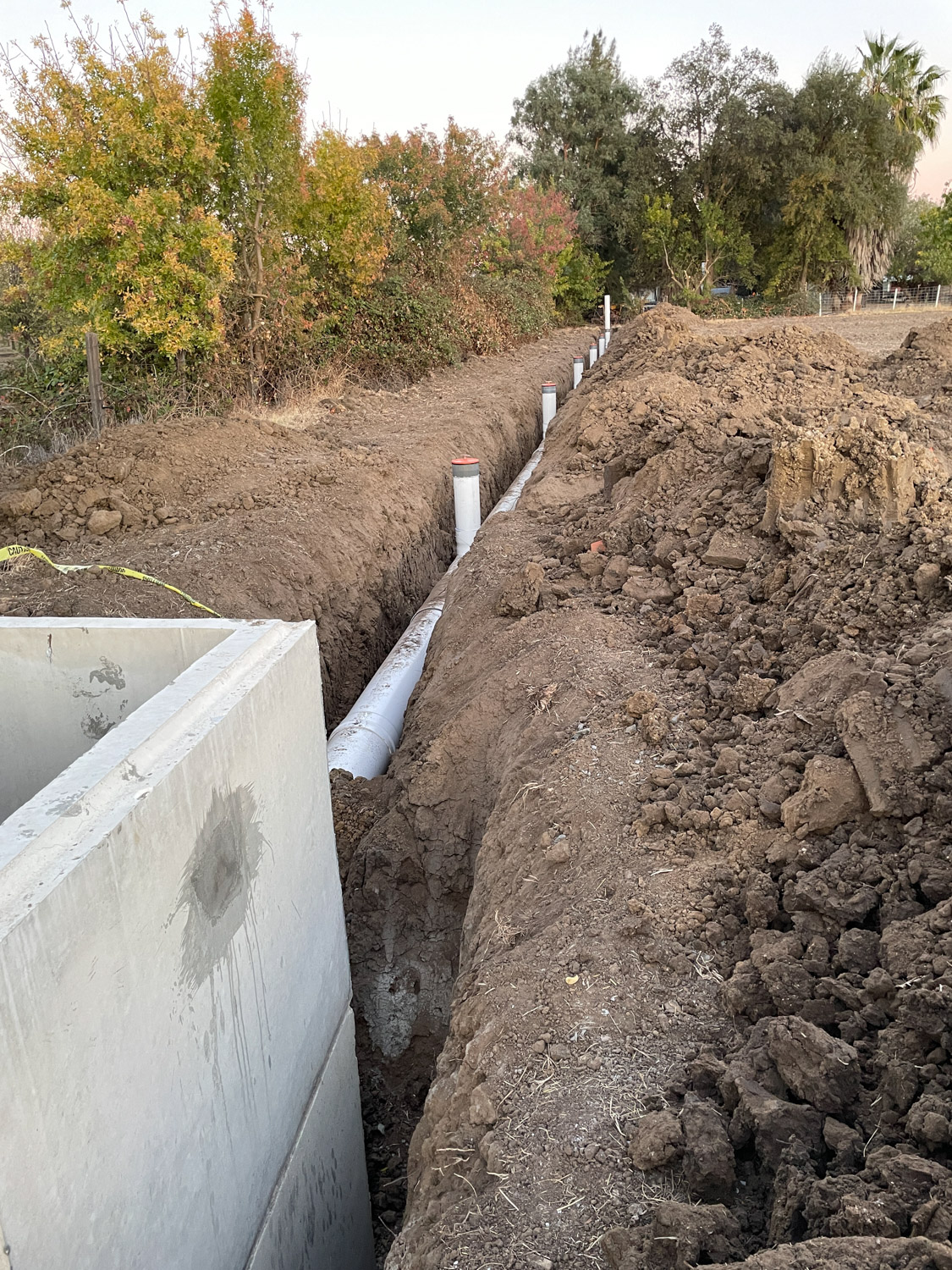
NRCS personnel helped develop a plan to renovate the pasture and the irrigation. It doesn’t make sense to do one without the other. The proposal was submitted with high hopes that it would be selected. It was not. We tried the next year and just missed being included in that year’s funding. This spring our plan was approved, and is partially funded through EQIP (Environmental Quality Incentives Program).

Before work began there was a lot of preliminary work for us to do. That fell on Dan’s shoulders. First he took down all the internal fences.

Then he started mowing…and mowing…and mowing. That tall grass is mostly dallisgrass that has taken over a good part of the pasture. It can grow 5′ tall and the sheep can’t keep up with it once it takes off in the summer. The sheep can’t (won’t) eat it as it gets coarser through the growing season. It crowds out everything else and is dormant in the winter. Our tractor isn’t strong enough to mow it at ground level when it gets this tall. Dan has to go over each section at least a couple of times.

Another task was to make an opening in the fence along the road so the heavy equipment had access. That started with trimming back the tree here. The fence on the south half of field was built by the county when, in 1971 the canal was put in (or enlarged?), and Solano County was deeded the triangular sliver of land along the road. We weren’t going to take down that part of the fence.

Looking into the pasture from the road. That post is the corner of the county owned sliver of land.

We don’t have a chainsaw large enough to take the whole tree down, so the larger job had to wait until we could borrow a chainsaw from Matt. In the meantime Dan had to be careful about the lower part of the tree branches because there was a lot of fence wire embedded where the tree had grown around it.

Brett, the contractor, was able to drive his truck in to start leaving equipment.

Our little Kubota tractor seemed dwarfed by some of the large equipment that eventually showed up.

Dan made a platform that fits on the front of the bucket so that he can carry more branches than he could without it. The tractor is hidden behind branches.

More equipment being delivered.

I thought I’d try out the equipment.

The equipment came in on a Friday and work would start Monday. We put panels where the fence was removed so we could let the sheep out for the weekend. Once work started the sheep would not have access to grazing for a very long time.

This was only three weeks ago and it seems like it’s been much longer. I have a lot of catching up to do for this blog.

Using the Whole Sheep – More Buttons

To read the whole story go to the previous blog post. In that post I showed the whole process of producing buttons from one horn. That day I took photos of two more horns and want to share those too.

This is another horn and the buttons created from it.

With that last horn I put the photos in a “gallery”. With this one I’ll do it my regular way. There is a lot of trial and error in figuring out how best to share photos here. So I’ll check my computer and my phone later and see what seems best. Feedback from anyone reading is appreciated.

All the buttons that don’t sell at Lambtown will be on my website–at least the ones on the cards. If you visit here or at a show you can look through the bo with all those extras and make up your own set.

Using the Whole Sheep – Buttons

Each year many of the lambs produced here end up in someone’s freezer. I wouldn’t be able o breed sheep if there wasn’t a market for these lambs. There were 88 lambs born this year. I selected some to keep, but most are sold to other breeders or for meat. I want to use the WHOLE sheep and buttons are one of the products that I can make.

These are just some of the horns from the latest lambs. I did not photograph the first step because I can’t take a photo while using a Sawzall (just looked that up–a reciprocating saw) and my blog would probably get black-listed if I had a photo of cutting horns off a dead sheep head. The second step is to put the horns in a bucket of water in the sun for a few days. There is a bony core and the living tissue between the bone and the outer horn needs to degrade enough that I can get those horns off.

From Wikipedia: horn is a permanent pointed projection on the head of various animals that consists of a covering of keratin and other proteins surrounding a core of live bone. Horns are distinct from antlers, which are not permanent. 

Look at what you can learn about by reading my blog. I read about horns or horn-like features on a variety of animals from giraffes to triceratops.

I took photos of the button making stages with three horns, but I think that’s too many photos to put in one post. I’ll start with this one which is unusual because it is mostly white.

The first step (beyond what I described above) is to cut the horn into button shapes. I use a band saw.

The solid core makes buttons of interesting shapes. most people think of horns as round but you can see that the shape of these horns are anything but round.

Here are all the pieces I cut from that horn. The squarish shapes come from the hollow part of the horn that surrounded the core. I often try to make a few pieces that can be used with a shawl pin. I was told that I could call it an annular although that usually refers to a medieval brooch with a pin attached.

The next step is drilling holes, another step that is difficult to photograph while in progress.

All pieces after drilling the holes.

Then I move on to sanding using a belt sander. This is the step that takes me the longest. It’s difficult to get to all the edges.

I can’t use the pliers for all of it and I have been known to come away with nicely (completely) sanded fingernails.

Here are all the buttons from that one horn after sanding.

I have figured out the best way for me to apply a lacquer finish. I can put the buttons on wires that I dip in the lacquer and then I put poke the wires into styrofoam packing material saved from purchased items. These are the buttons made from three horns.

Throughout the process II keep track of the buttons that are from the solid part of the horns so I can match the up for sale. If I plan to sell buttons online I need to be able to identify individual buttons and sets. So the last step is to attach them to cards I have printed.

These buttons are not on the website yet because I’m going to wait until after Lambtown and post those that haven’t sold.

Air Attack – What Does That Mean?

For the best explanation of the question in the title listen to Life With Fire podcast featuring my son, Matt, who explains Air Attack and discusses the expectations and reality for use of aircraft in wildland firefighting. This is what you will hear. I think it’s a great podcast, even if I am a little biased.

I wrote this blog post when Kirby was here and we visited Matt’s office at the USFS Wildland Fire Training and Conference Center at the old McClellan Air Force Base, now the McClellan Business Park. Matt is hardly ever at his office, at least not during this season. Right now he is near San Bernardino on the Line Fire.

This is from this morning’s (9-15-2024) CBS News online: “Firefighters continued to gain ground in their firefight against the 38,421-acre Line Fire, which was burning in San Bernardino County. The fire, believed to be the result of arson, was 36% contained, the California Department of Forestry and Fire Protection (Cal Fire) reported Sunday. .. Over 4000 personnel are assigned to the fire across multiple fire agencies…”

Last month I picked Matt up in Placerville after he returned a rental car he was using on his last fire assignment. We stopped at the Placerville Airport where helicopters had been staged for some of the recent fires in Northern California.

This is the helicopter Matt is usually in. He is in touch with the other aircraft and ground personnel and helps direct the air attack where it is needed.

Another view of Matt’s helicopter with the pilot waiting for action.

This Chinook helicopter is huge. I can’t remember the details now. I think it can carry 2000 gallons of water. (I may have pulled that number out of the air and I can’t ask Matt right now. I just asked Mr. Google and see that Chinooks of various configurations may carry 2500 to 3000 gallons and fill at a rate of 4000 gallons/minute.)

The Chinook fills with a retractable snorkel. There are windows down low in the front to give a better view of the ground.

This is the cargo area.

If the Chinook is called into action this whole crew goes with it. There is a fuel truck, and a maintenance/mechanic truck and trailer. I think Matt said that two mechanics are with the team at all times.

After seeing the helicopters we drove to Matt’s house outside Pollock Pines and shared a firefighter lunch he had brought with him. There are a lot of calories there–needed when on the fire line.

Then we drove up the mountain to take Ralston for a swim.

The destruction of the Caldor Fire in 2021 is obvious.

On lands that are privately owned much of the burned timber was harvested while it could still be used for lumber. Trees have been replanted, but I won’t see the return of this forest in my lifetime.

Road Trip 2024 – Day 8 – Heading Home

This post describes what happened on Day 7 and why our week long road trip took eight days. If you’re just tuning in and would like to start from the beginning go back to this August 11 post.

First thing in the morning we walked from the hotel to Service Masters where our truck was. I spotted this bench in the waiting area. They confirmed that the alternator was the problem and that they have the best luck using a Ford manufactured Motorcraft part in a Ford truck (only about $300 more than the other one we bought). We walked back to the hotel to kill time until we needed to check out. Then we walked back to Service Masters where we waited until the truck was ready.

Screenshot

We got on the road just before 1 p.m.

I took this photo because of the Clown and how it relates to Day 2. I don’t understand the fascination with clowns, but after writing the first post in this story I have a new understanding of the Clown Hotel in Tonapah, so I guess I can accept it. In looking through my photos I noticed the gas price–$3.49 is a lot less from my last fill-up here at $4.79.

Mountains east of Salt Lake.

Heading west. The Kennecott Copper mine is to the south and the Tailings Pond is to the north.

Kennecott Copper Smelter

Salt, “harvested” (or is it mined?) from the Great Salt Lake.

Metaphor: Tree of Utah, also called Tree of Life is described by http://www.utah.com: “Swedish artist Karl Momen created the 87-foot high tree between 1982-1986. He financed the project himself to bring bold color and beauty to the stark, flat, salty landscape. The sculpture is made of 225 tons of cement, almost 2,000 ceramic tiles and five tons of welding rod, and tons of minerals and rocks native to Utah.”

East of Wells, NV

Not too many more photos. I spent most of the rest of this trip reading a weaving book that’s I’d had with me the whole way. Most of the time I wanted to see the scenery, but I’ve been on this highway enough that I didn’t need to watch the whole time.

We crossed the border to Home about 8 p.m. I think we made it home a little after 10.

That’s the trip in green. Too bad the odometer on this truck doesn’t show up most of the time so there is no mileage record.

I just came back to edit this post. I meant to thank my Farm Sitters for handling things while we were gone. Four different Farm Club members took shifts so we could be gone for this length of time. I am grateful to them!

Road Trip 2024 – Day 7 – Colorado NM, then Utah

We are winding down this adventure and the stories about it. Yesterday’s part was Day 6. We made it to Colorado National Monument at dusk and found a campsite.

I woke up early and wanted to explore the area.

I walked to the nearby Visitor Center (closed at that hour), picked up a brochure and map, and started walking the Canyon Rim Trail.

This is a view of Monument Canyon as the sun comes up.

A view of the valley we’d driven through to get here. The towns of Fruita and Grand Junction are along the Colorado River. The road switchbacks its way along the canyon walls. It’s amazing to read the stories of how this road was built in the early 1900’s with one man, John Otto, the instigator and tireless promoter of this monument. After walking this trail I went back to the truck to see if Dan was up.

He and I walked the same trail later that morning.

Views of the canyon. Click to see them larger (I think).

Here is a panoramic view of he same landscape. There was more spectacular scenery as we drove the road that winds through the monument. We came in from the Fruita side on the east and left going to Grand Junction. This monument was designated in 1911 and I had never heard of it. I only found it by seeing it on our maps. It is well worth the visit. Maybe someday we’ll have the chance to go back and walk some of the trails.

While we were driving through the monument Dan noticed that the battery warning light was blinking. We thought we had dealt with that with the alternator replacement less than 24 hours ago.

We drove into Grand Junction and found another O’Reilly’s. They tested the alternator and battery and declared them both OK. When you have the hood of the car up in front of an auto part store, other people (guys working on their own cars) come to see what’s going on and offer advice. There were a few who had opinions about the problem. One of them recommended that we go to Sparky’s to have it checked out. Sparky wasn’t there and the UPS driver, who was also looking for Sparky, sent us to ASAP, who sent us to Big O. That Big O send us to a different Big O that would have the equipment to check electronic stuff. They tested the alternator and some other electrical things and declared everything OK. That put us about three hours behind our plan for the day.

We got on the road, thinking it might be possible to make it home by early morning if we slept a few hours in a rest stop.

We were still driving through beautiful country. This is east of Green River.

North of Helper Utah on Hwy 6.

At Green River we drove north towards Price, planning to take I-80 as the fastest way home. About half way to Salt Lake City there is a small town called Helper. If this wasn’t already Day 7 of a seven day trip I would have stopped at a museum there. I was intrigued by the name as well as the scenery through this canyon. I found out that Helper was a hub for coal mining and the railroad. From the Helper website: “Helper is named for the extra engines historically required to help trains up the steep mountain grade to Soldier Summit.” I may not have made it to the museum, but now I have spend some time on the website and found this video, Helper, UT, Where Coal Meets Canvas, that tells about the modern revival of a town that was on a steep decline with the end of the coal mining era. It is an 11 minute video that is an uplifting story.

North of Helper Utah on Hwy 6.

That plan of driving almost straight through was short lived.

When we were between Provo and Salt Lake City the warning light came on again and the battery gauge showed that we were losing charge quickly. Dan pulled off the freeway at a shopping center in Draper and we called AAA. This was about 8:30 p.m. The tow truck driver recommended a mechanic who he said would fit us in first thing in the morning and he dropped us off at a motel that was near enough for us to walk to the mechanic.

To be continued again…

Road Trip 2024 – Day 6 – Trouble on the Road

I wrote the previous post about this trip a week ago. Now I have to look at the map to figure out where we were for some of this. There was beautiful scenery throughout the trip, but there were a few days where the main memory is of things that happened on the road. This is one of those days.

Reminiscent of Day 3 with the highway backup west of Green River, traffic came to a stop on Hwy 24, just west of Hartsel, Colorado. The plan was to get to Colorado National Monument on the western border of the state so we could explore and camp there. We were planning to turn north at the upcoming junction (where there are cars to the right in the photo) or the next one, taking us through Leadville.

It turns out that neither choice was going to be possible, at least not for hours. The accident that had stopped traffic involve a fatality. As we waited, we could see that CPR was underway…until it wasn’t. At that point we were told that cars would have to turn back. Our only option for continuing west was to head back southeast to Cañon City and catch Hwy. 50 going west.

We saw beautiful country, I found it interesting that we were following the Arkansas River, the river I had walked along every morning while in Wichita only the month before.

I noticed the unnatural look to this part of the forest and thought maybe it had to do with logging. Now I wonder if those are all ski runs because this is home to Monarch Mountain ski resort.

Monarch Pass, Hwy 50

The pass is at 11,312′. Our truck that is used to living at almost sea level was not happy about these high mountain highways.

More gorgeous country along the way. At some point Dan saw that the truck’s battery gauge indicated a problem. He had replaced the battery just two weeks before this. We made it to Gunnison and knew that we needed to figure out what was wrong before going farther west. This was a Sunday afternoon–not a lot of options in a small town if we needed a mechanic. I found the address of a towing business and we saw the owner washing his truck, He agreed with Dan’s opinion that it might be a bad alternator. He directed us to Ace Hardware and O’Reilly’s which were both open. We started with Ace, looking for a tester of some kind. When we told them the problem and that we were heading west they alerted us to bridge work being done between Gunnison and Grand Junction. Road crews were replacing welds on some of the older bridges and there were road closures in effect. Hwy. 50 uses two bridges to cross Blue Mesa Reservoir. The Ace employee looked on his computer to find the schedule and showed us that there was a two hour window from 4:30 to 6:30 to get across those bridges if we were to continue the trip that evening.

It was about 4:15 when we got to O’Reilly’s where an employee tested the alternator and found it to be the problem. They had one that would work for this truck and told us we could park in the back to install it. Notice the black car behind Dan. That was someone replacing a radiator so he could continue on to Texas.
Dan bought one tool and borrowed another and was able to replace the alternator.

We made it to the first bridge just after 6:00…

…and to the second about 6:15.

The cliffs in this photo are part of Colorado National Monument, and we made it there as it was getting dark.

To be continued…