


For this trip to Texas I combined a family visit with work, although I’m not sure that I should say that visiting a fiber festival is all work.
Kid’N’Ewe & Llamas Too is in it’s 27th year. It is held in Boerne, TX which is about 50 minutes from my family’s home so it was a convenient event to visit. When I was planning my trip I found out that the organizers were still looking for instructors so I applied.
I taught two classes.
 The first was a rigid heddle weaving class with four students.
 The second class was a new one I developed using the Schacht Zoom Loom. There were 7 students in this one. They had all purchased Zoom Looms previously but had not used them yet.
 I couldn’t bring 16 different cones with me but I had wound off several groups of all those colors in 8 yards (enough for a Zoom Loom square) each. It wasn’t difficult to separate the colors.
 Students learned how to use the loom and went home with flowers and the knowledge to go further with the little loom.
 After that Sunday morning class Katie and Kirby and I walked around the vendor buildings.
 These are batts of fiber ready to felt…
 …on the needlefelt loom that this vendor brings to the shows. Customers can needlefelt the fiber they buy from her for no charge or pay a fee to use the loom for fiber that they bring.
 Angora goats are common in Texas and there were some at the show.
 Where you have Angora goat producers you’re going to have dyed mohair.
A few other images from the show:


I think I know where I’ll be next year on the second weekend of November.
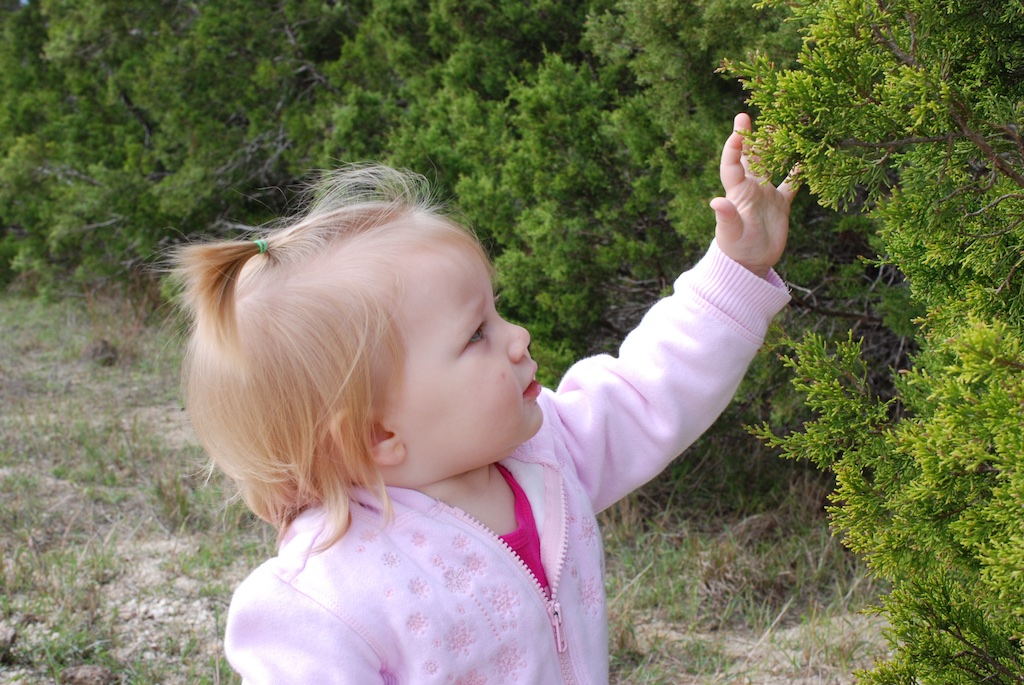
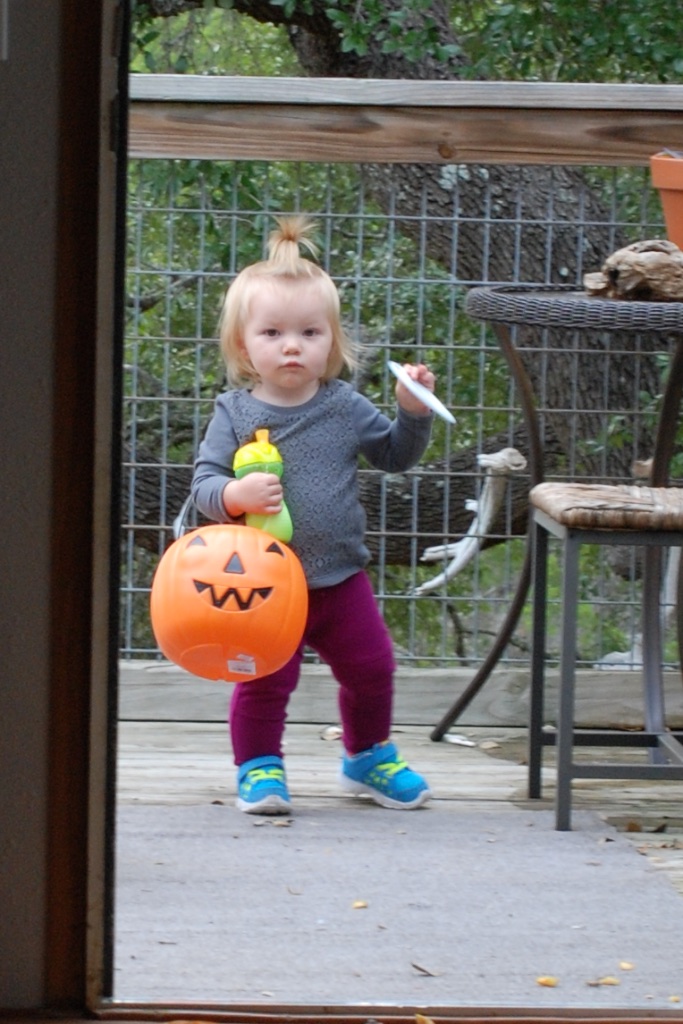
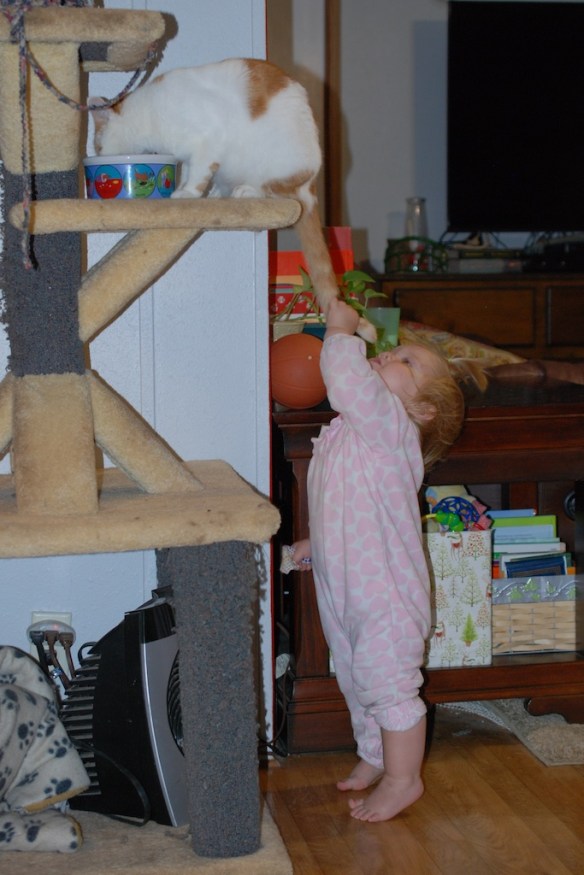
As I watch this incredible child working her way through her world with curiosity, wonder, concentration, and learning I wonder when and why does this change? Babies are born with the potential to grow up kind and caring. What happens that an innocent and loving child becomes a hateful, ignorant, and cruel person? That’s the extent of my public commentary about recent world events but I’ve been thinking a lot about it as I spend a week watching this new mind develop.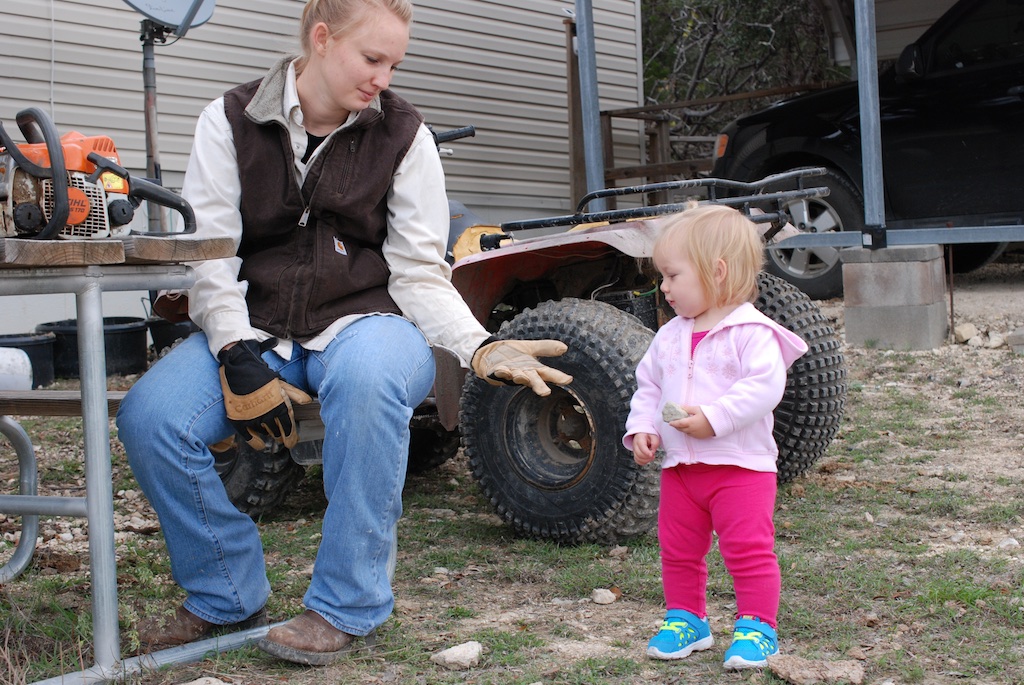 Kirby wondering why Mama’s hands look so different. Mama was taking advantage of me being here to get some outside work accomplished.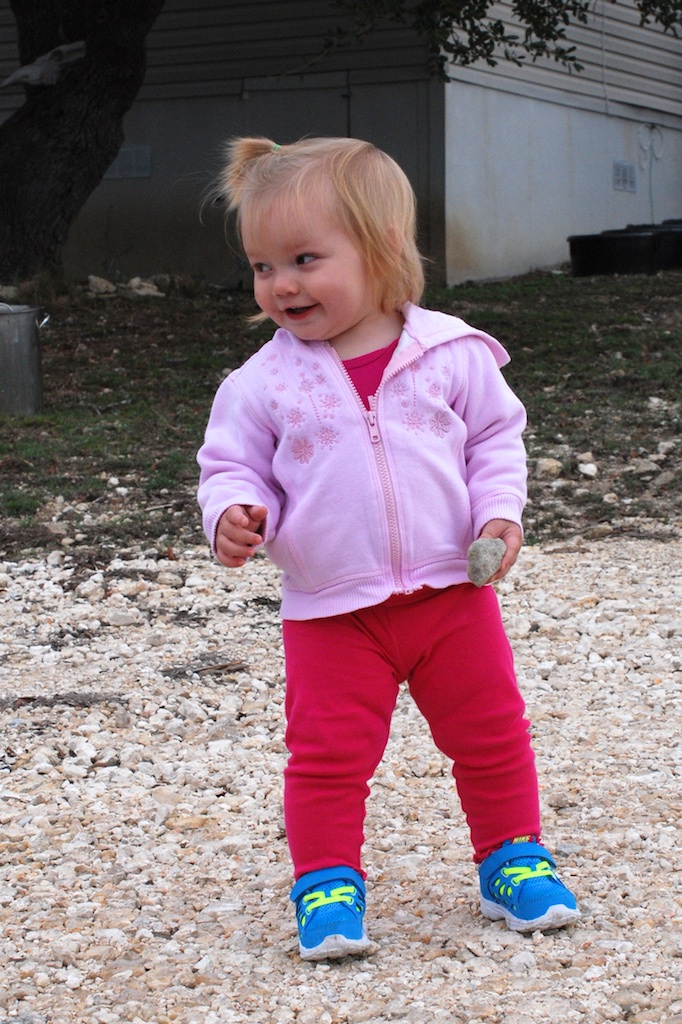

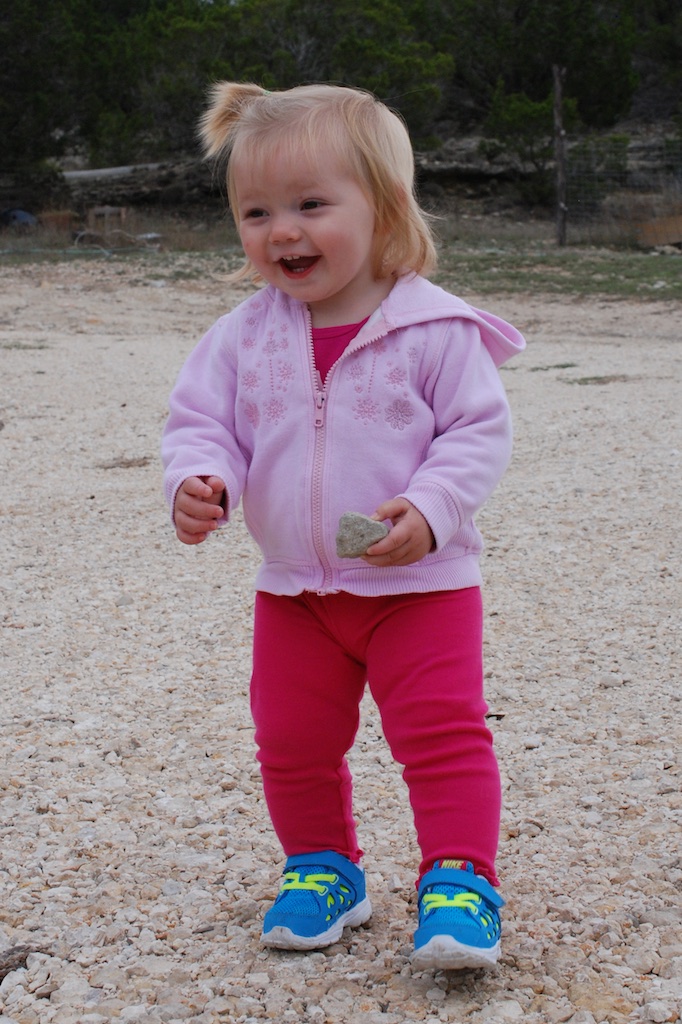
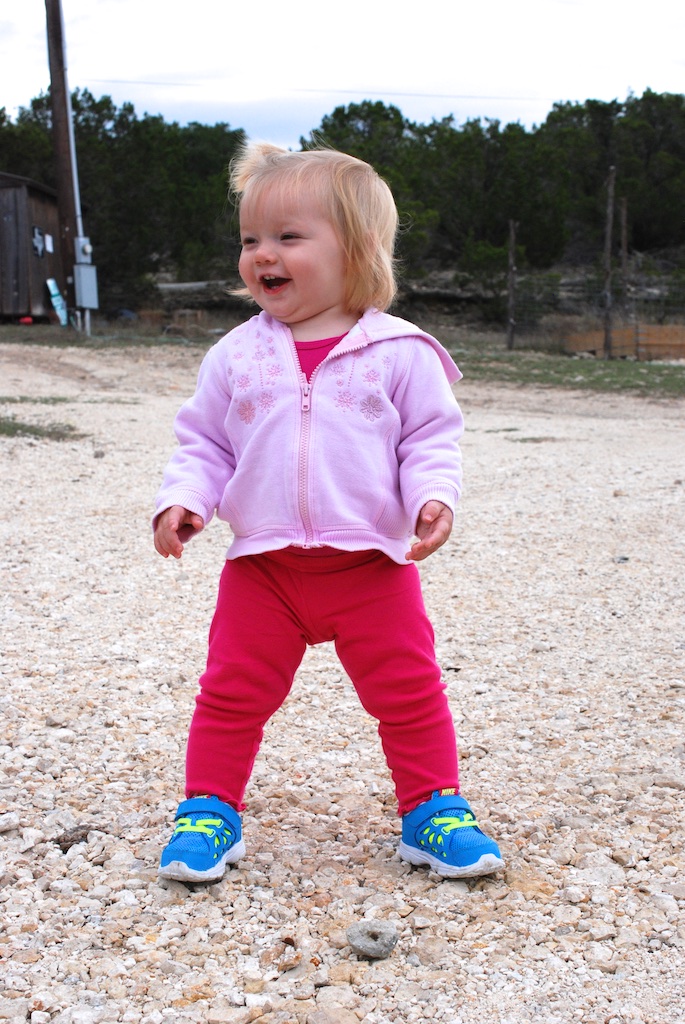
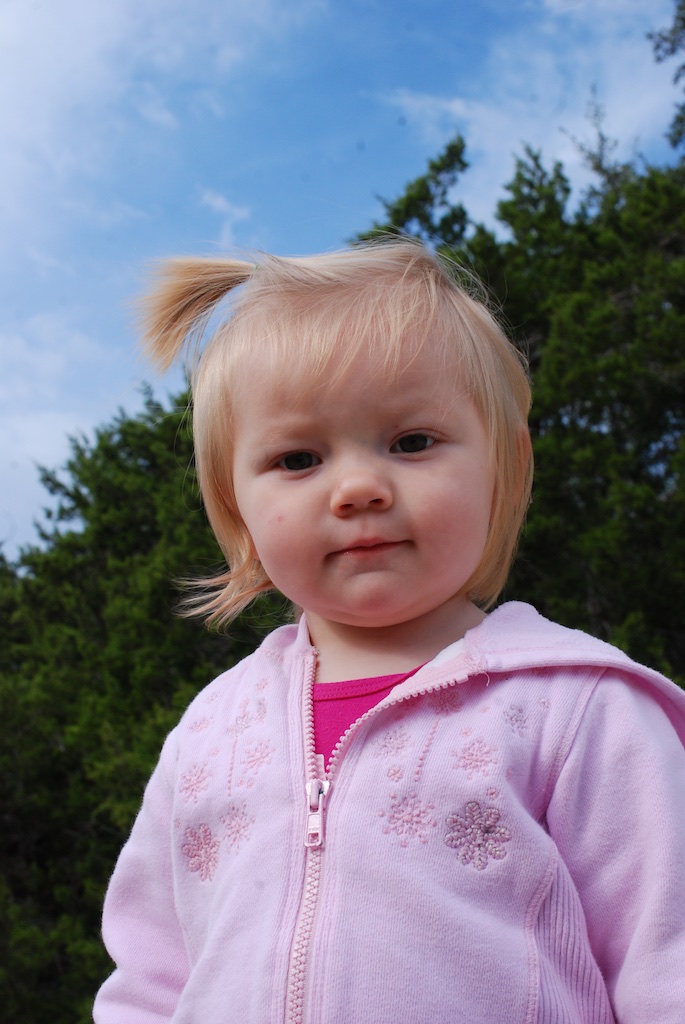
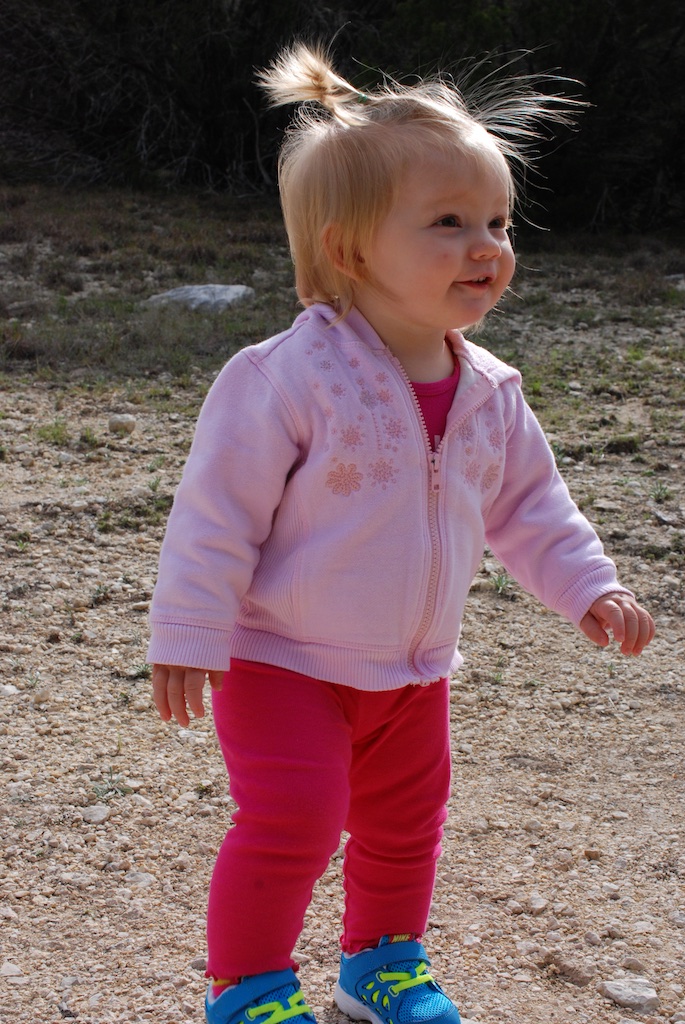
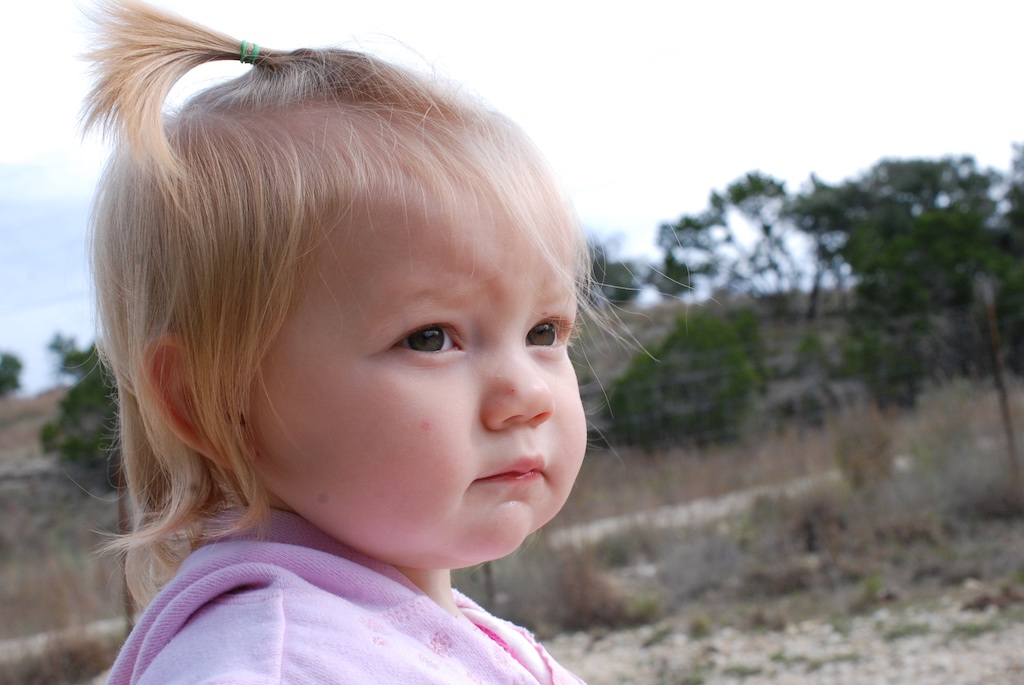
It’s been 23 years since I have had to keep up with a 15 month old. So much work, but oh, so very cute.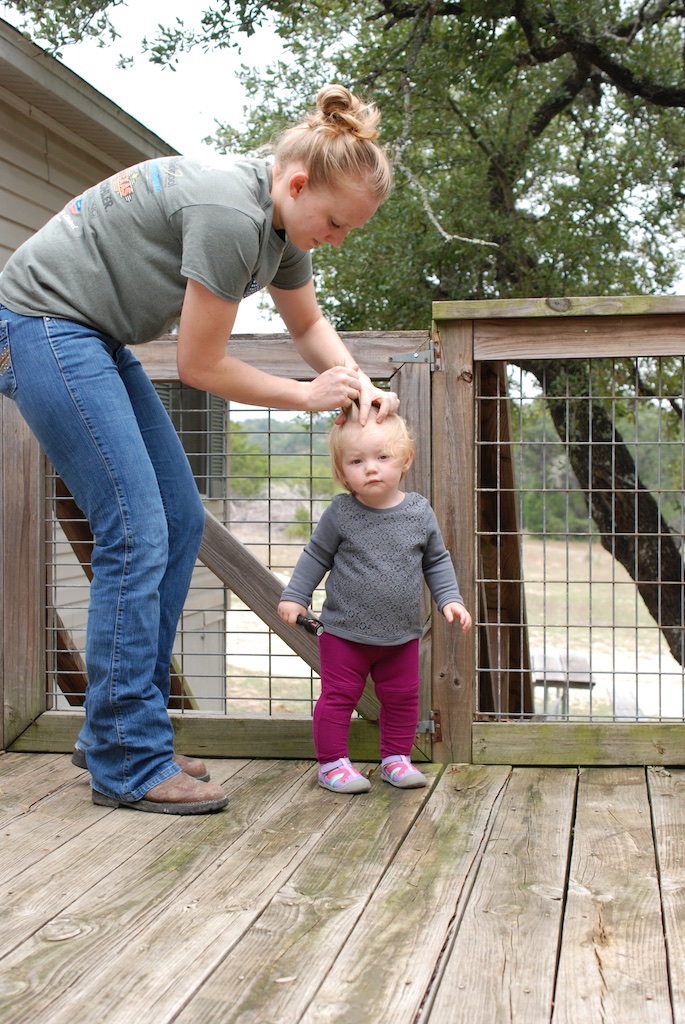



I thought that this would be a one blog post event but there was a lot going on. In the last blog post I wrote about our morning watching cotton being harvested and ginned. After touring the gin we loaded the two buses and drove to the Cardella Winery in Mendota where we had a great catered lunch. I admired the table decorations. We listened to speakers after lunch. Steve Melanca spoke about the movement he created, “My Job Depends on Ag” to raise awareness of how important agriculture is to the California economy. More about this in a future blog post.
 Lydia Wendt of California Cloth Foundry spoke and showed products that are produced from Cleaner Cotton and natural dyes.Lynda Grose spoke more about bringing Cleaner Cotton into the supply chain of manufacturers and designers.
  We got back on the bus and stopped not far from the winery to listen to Dan Munk, a UC Cooperative Extension Farm Advisor discuss cotton production and water use of cotton and other crops. Cotton requires 28″ of water in a growing season. Nut and fruit trees require 48-52″ of water. The western side of the San Joaquin Valley is in a rain shadow created by the mountains and receives only about 12″ of rain annually. Surface water use has been curtailed or drastically reduced over the last few years of California’s drought so people are relying more on ground water.The most available ground water is salty, coming from what was an old sea bed so wells must go down 300-500 feet for clear water. This is not only very costly but now some areas are having to deal with subsidence–where the ground is actually sinking from the loss of ground water. This becomes a major issue when you consider the effects on that on concrete roadways and major water canals. No matter the water source, when drip systems are used filtration systems (shown in the two photos above) are vital to maintain the systems in working order. Back to the buses.The last stop was at Frank Williams and Mark Fickett’s colored cotton field. We learned about the perennial hedgerow that was planted to increase biodiversity and beneficial insect activity. Unfortunately it hasn’t really been tested because since the hedgerow was planted there hasn’t been enough water to plant these fields. Hillary Sardinas also spoke about her passion and recent PhD thesis, the huge variety of native bees that are important components of the ecosystem and provide more complete pollination for cotton crops. She represents the Xerces Society for Invertebrate Conservation (think Audobon Society for insects) and was fun to listen too. I had no idea that we had all these native bees and that they mostly live in ground burrows.Plants along the half mile hedgerow had been labeled for our benefit.I got carried away walking up the hedgerow (right in this photo) and missed hearing the farmer speak about the patch of colored cotton on the other side. I think that it may have planted for our benefit because it is just a small area and it was filled with all varieties of cotton that have been parts of the breeding work that these farmers have been doing over the years.


 We were given bags and were able to pick as much cotton as we wanted to.
This is Dona and me back on the bus. The tour ended about 5 and we drove home. This was a full day and I thoroughly enjoyed seeing this part of the valley up close and learning about the SCP and cotton farming in general.This is the cotton that was packed into my ziplock bag. My goal is to spin and weave it before the next tour.
Earlier this week Dona and I went on a Cotton Farm Tour organized through the Sustainable Cotton Project (SCP) and sponsored by The North Face and the CA Sate Water Resources Control Board. The website of the SCP says: “Since 1996, the SCP has been dedicated to the production and promotion of sustainably grown domestic cotton fiber. In the field we work with innovative growers to produce a high-quality fiber without using the most toxic pesticides and herbicides. And, in the industry we connect growers, manufacturers and consumers to develop a Cleaner Cotton supply chain.”  The tour was a very full day and I took dozens of photos. I’ve tried to narrow them down for this post but there are still a lot.
 In most cotton crops a defoliant is applied prior to harvest.
 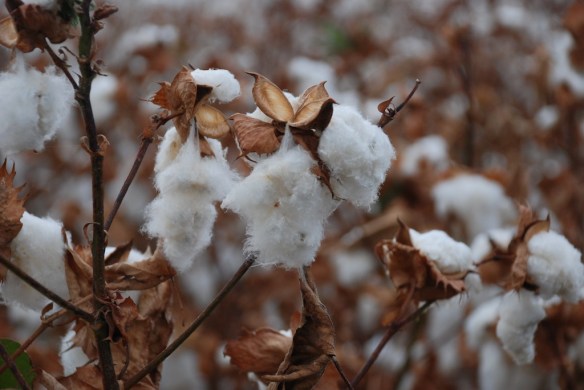 I was reading up on this and find that, as in most things, it is a whole lot more complicated than that simple statement implies. Dozens of factors are involved in the decision of to defoliate or not, type of defoliant (hormonal or herbicidal), and timing of defoliation (based on crop maturity and desired harvest time with some weather predicting skill necessary).
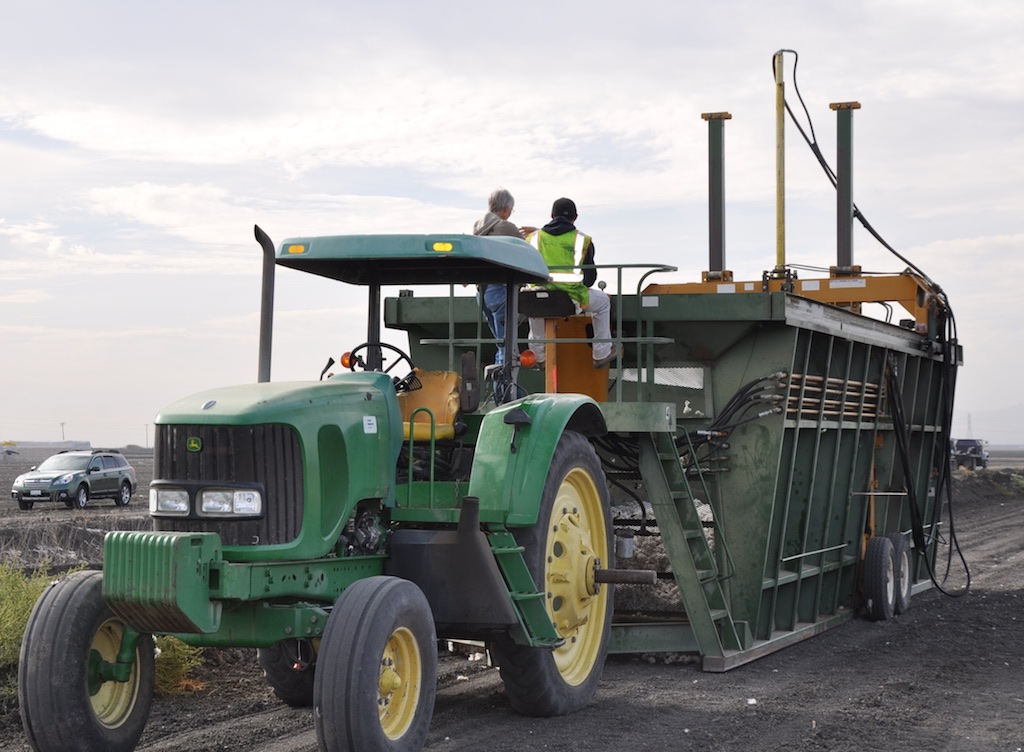 Most cotton in the U.S. is harvested by machines that pick four or more rows at a time.
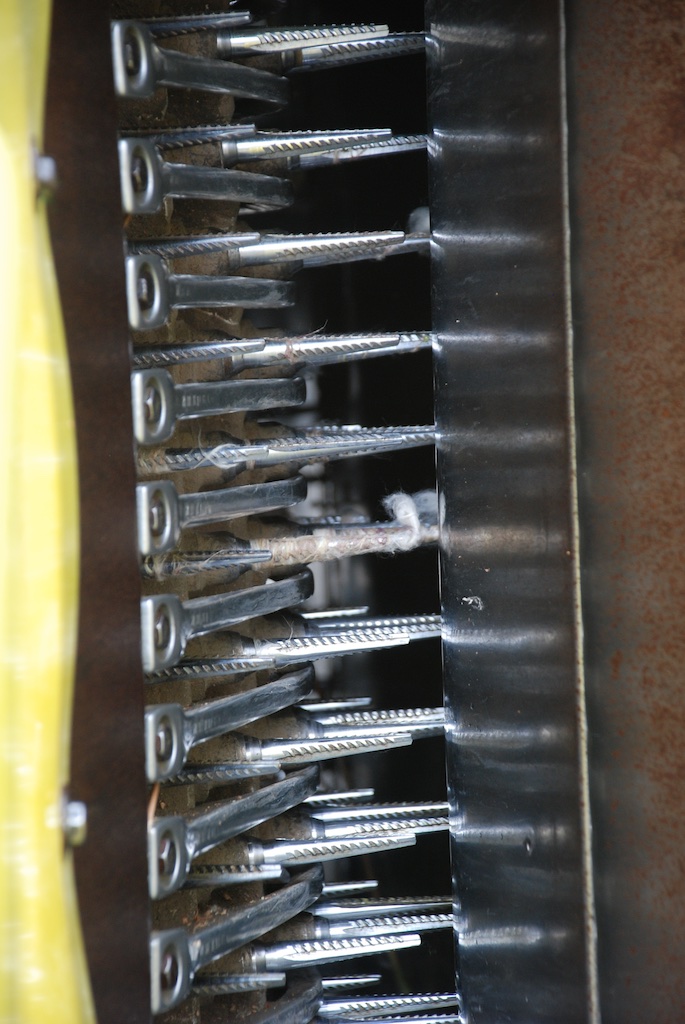 Close-up of the rotating barb spindles that pluck the cotton from the plant. Warning signs on the harvester.The fiber is sucked up into the back of the harvester.Dona took this photo of me on the harvester and the one below of me watching the module packing. When the harvester is full the load of cotton is dumped into the module builder…
 …where it is hydraulically pressed into modules that will produce up to 14 bales of cotton.
 This is cotton in the module builder.Modules covered with plastic and waiting to go to the gin.You can see the already-harvested rows.
After watching the harvest for awhile we went to the nearby gin where the manager spoke to us before we toured the gin.He showed us examples of ginned cotton and by-products. Acala cotton (left) is a brighter white than Pima and it’s seeds remain fibrous. Cotton seed (60% of the weight of the harvest) is an important by-product of cotton production. Most is sold as a protein supplement for dairy cattle. (I found it interesting that the “cleaner” Pima seed doesn’t stay in the cow’s rumen long enough to be digested and needs addition of fiber to keep it there.) Piles of cotton seed.A module just before it enters the gin.Covers removed from the modules.We waited at this entrance to the gin as small groups were taken through. Finally, because we were on a schedule and lunch was waiting, we were all allowed to walk through the gin.  The process was described to us prior to entering the gin but once inside I wasn’t sure which machine was which. There are dozens of machines and tubes are running everywhere.
 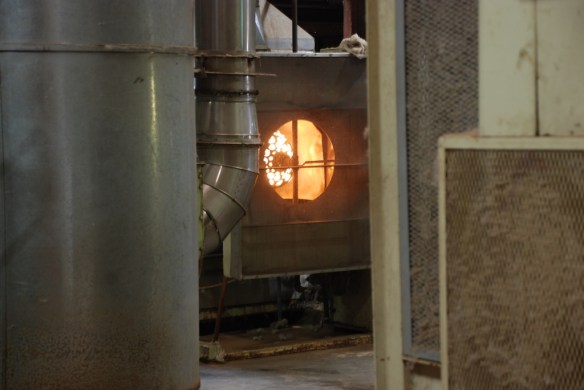 In the ginning process modules are broken apart and the cotton enters a dryer which removes excess moisture. It passes through several rotating, spiked cylinder cleaners that break up large clumps and remove soil and leaves. The saw gin separates the fibers from the seeds and lint cleaners separate immature seeds and any remaining foreign matter.
  The cotton then enters a press where it is formed into 500 pound bales.These are the wires that hold the bales together.The bales are wrapped with plastic. (Some were in cotton bags for a specific destination.)
 Each bale is labeled so that it can be traced back to the field in which is was grown… …and then loaded for transport.
 Even the gin trash has a value, being used for cattle bedding.
This brought us up to lunchtime. I’ll finish the story in another post.
Yes, it is Hug a Sheep Day and we’ll be celebrating it here at the farm. Anyone can join us. So that those of you who have never hugged a sheep can get a feel for this I thought I’d share some sheep hugging photos.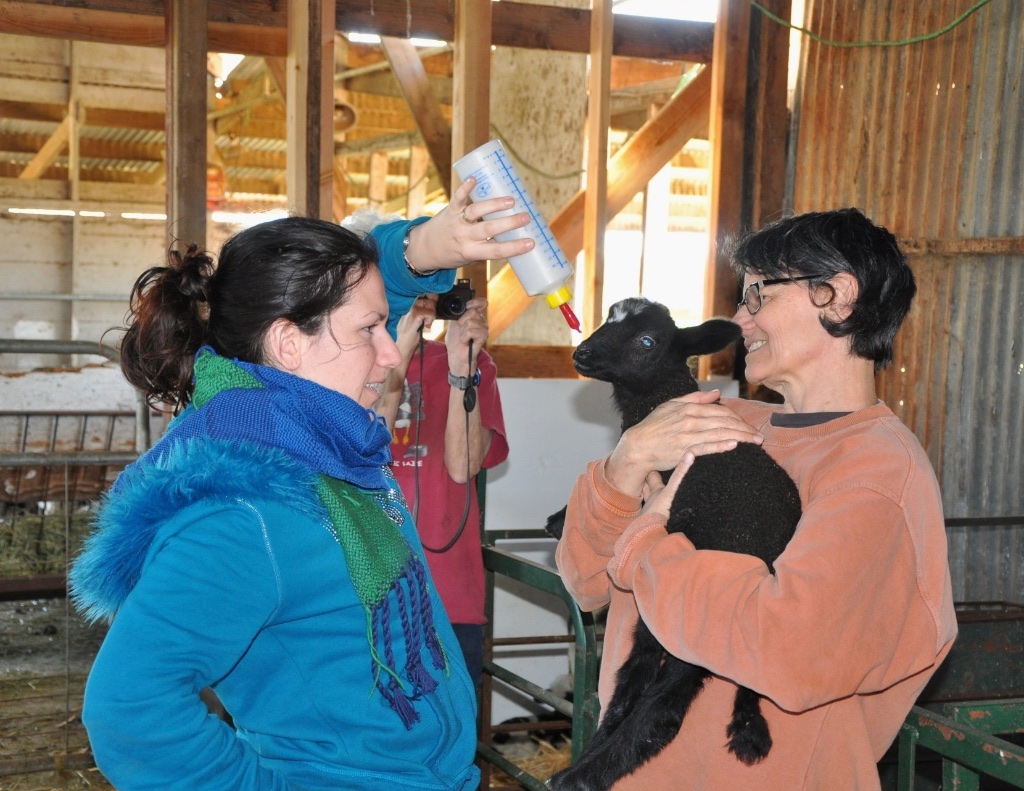
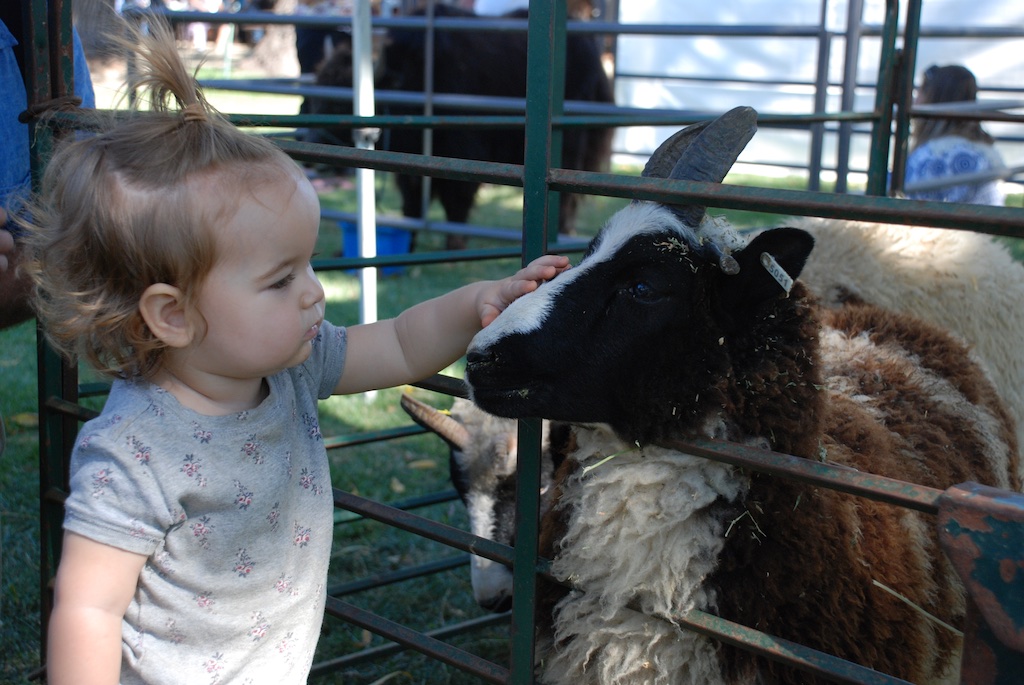
The photos above are all of Farm Club members. If you join Farm Club you will have plenty of sheep hugging opportunities.My granddaughter on a visit out here last spring. This is another cute kid, the age my granddaughter is now, at Fiber Fusion.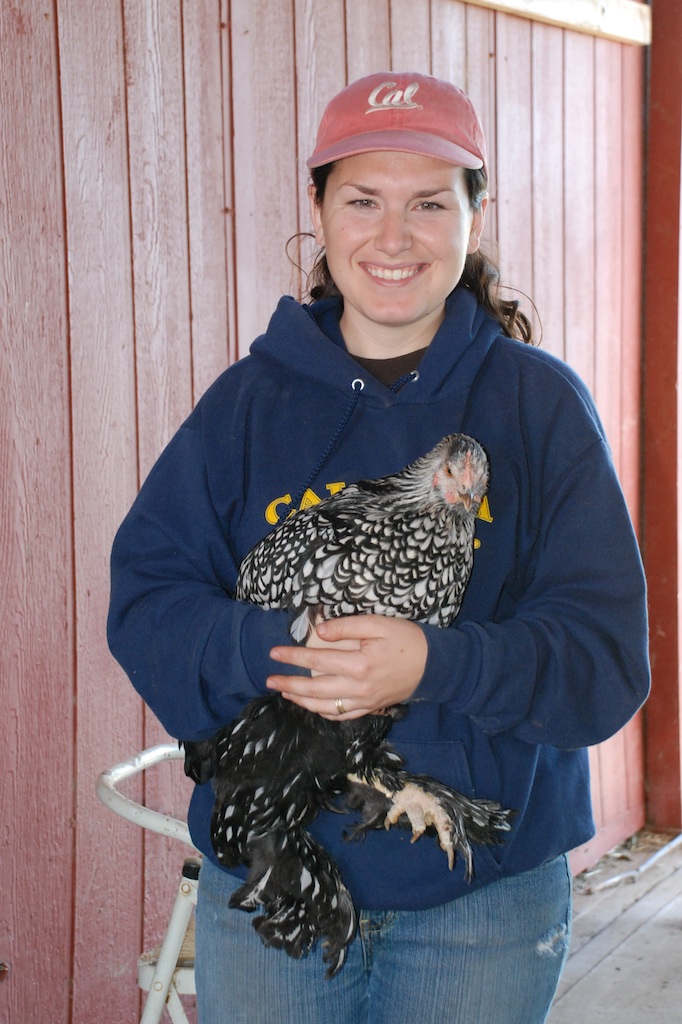 Chickens deserve hugs too.
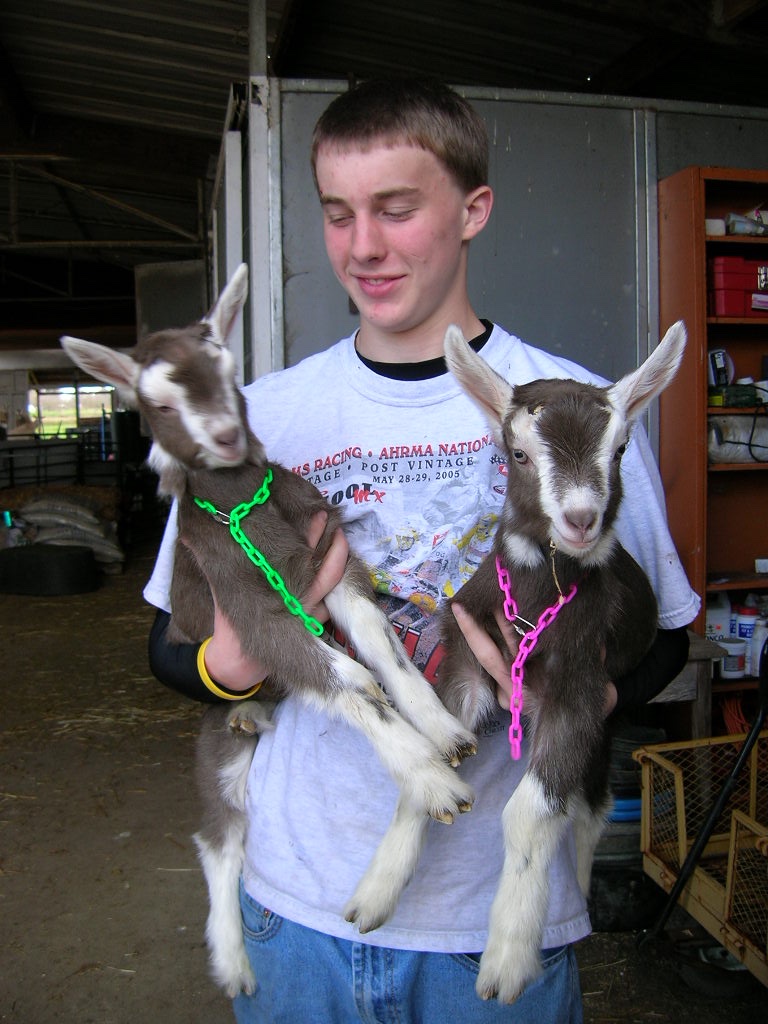 And baby goats. Now we’re getting into the archives. This is my son about 10 years ago.
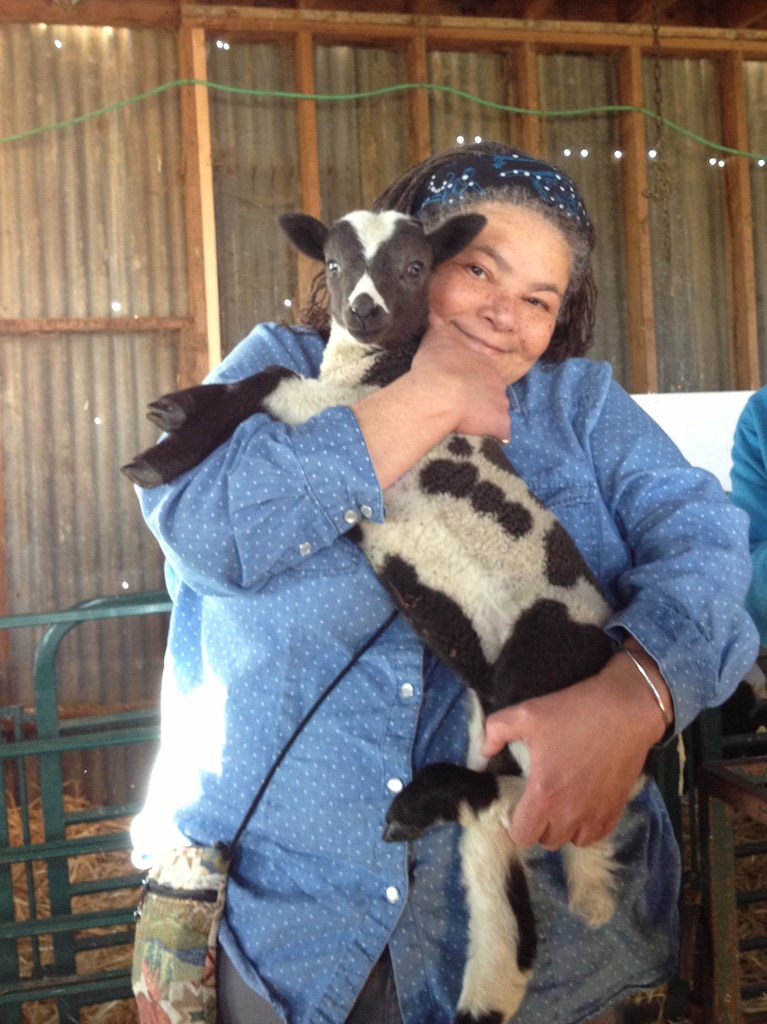 Another sheep hug.
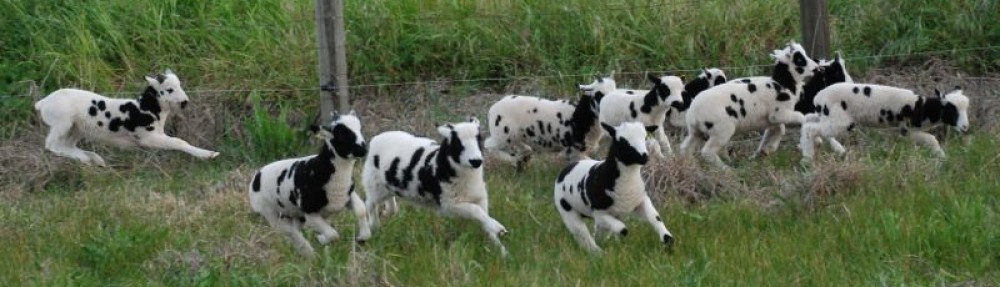
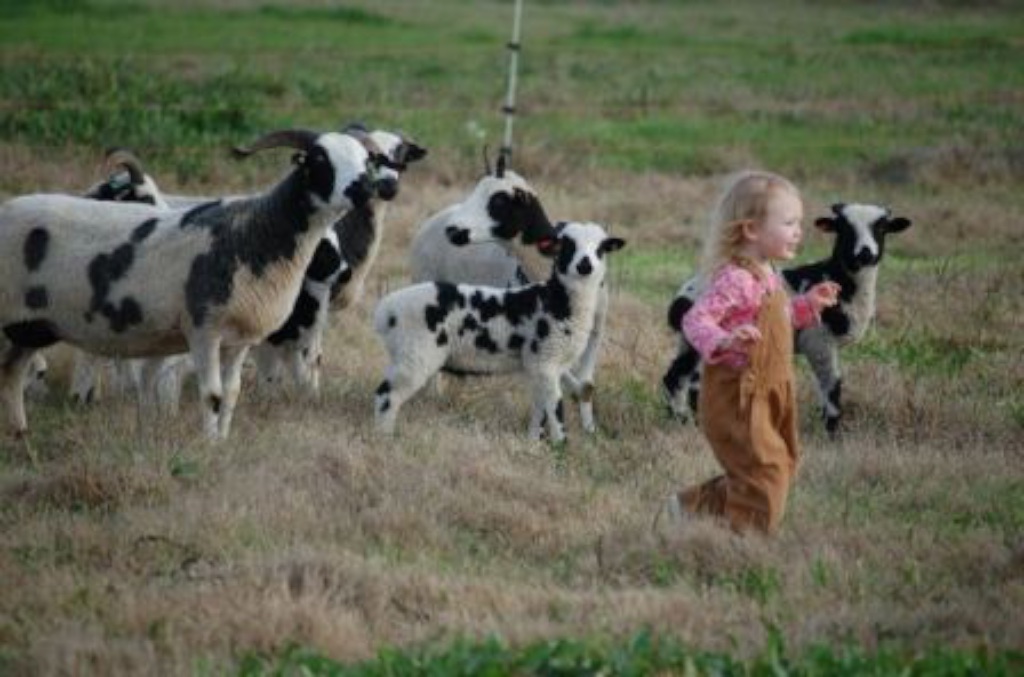 Running with sheep.
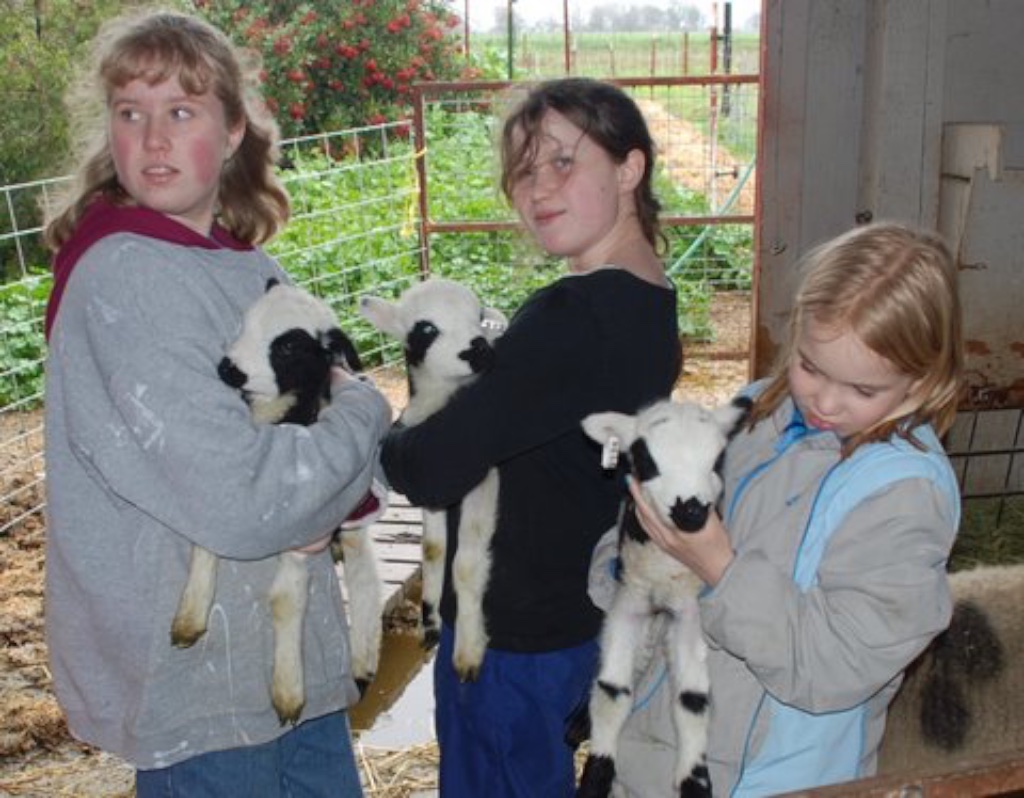 I love this photo. A couple of these girls are in college now.
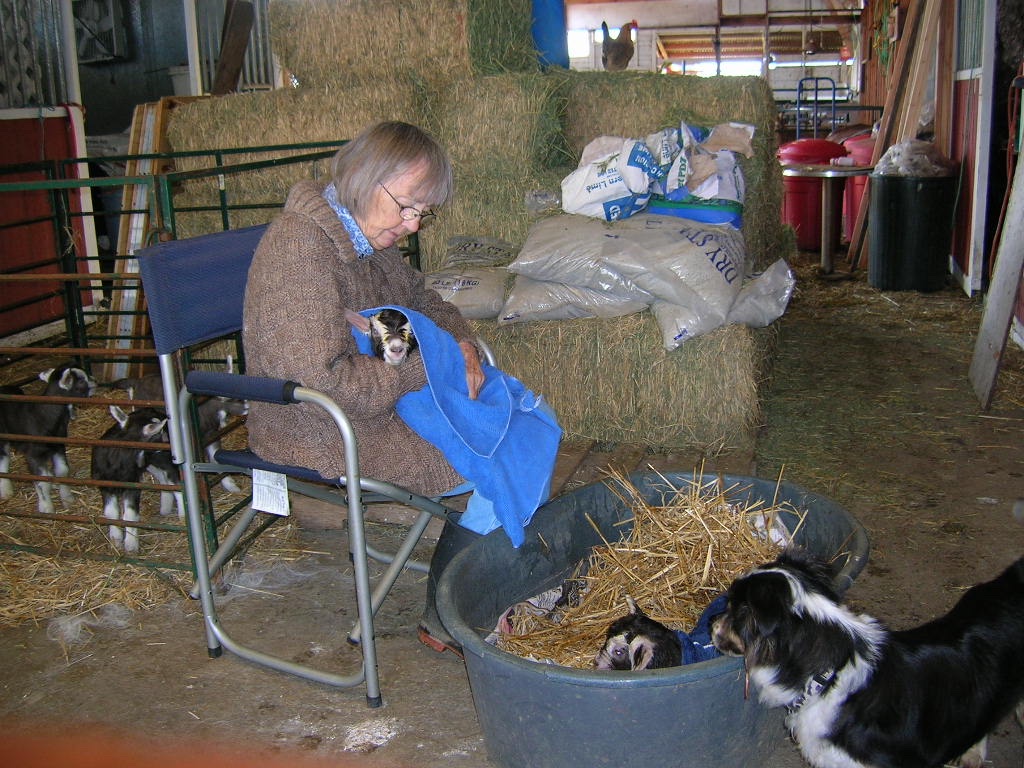 While I was searching photos I found this one. Doesn’t have to do with hugging sheep, but it’s two of my kids waking up in the dairy barn at the State Fair back in my dairy cow days. My mom drying off a newly born kid.
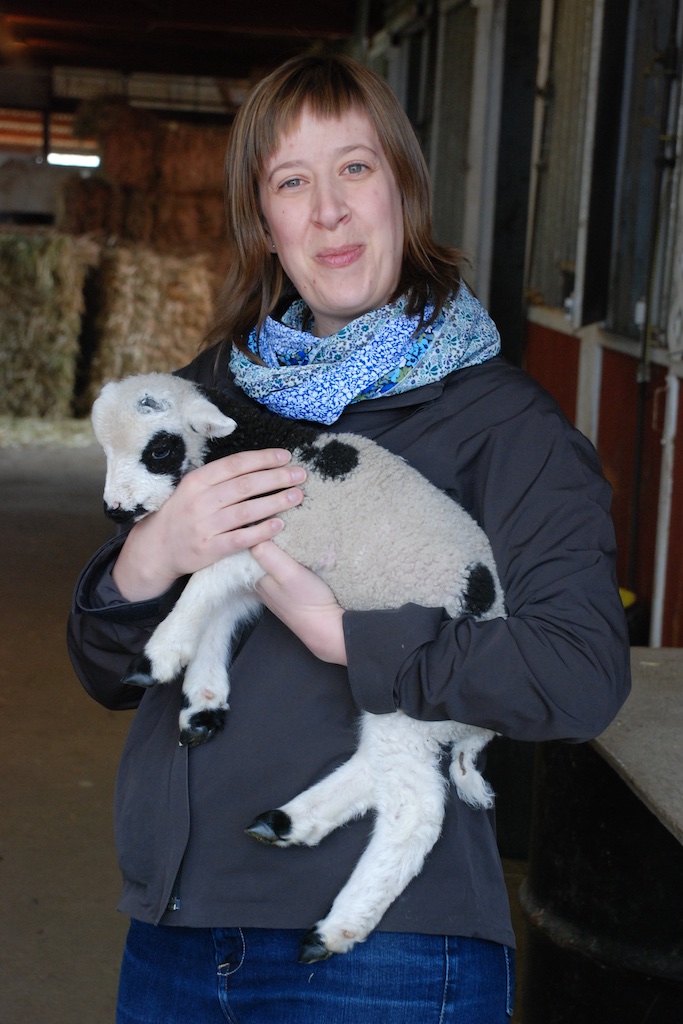 But today will be all about hugging sheep.
A couple of adventuresome Farm Club members said that they’d go to Cool Patch Pumpkins with me to navigate the Guinness Book of World Records record-holding corn maze. We showed up at 9 a.m. just as the maze opened. (Note for next year: come early because hordes of people show up just an hour later.)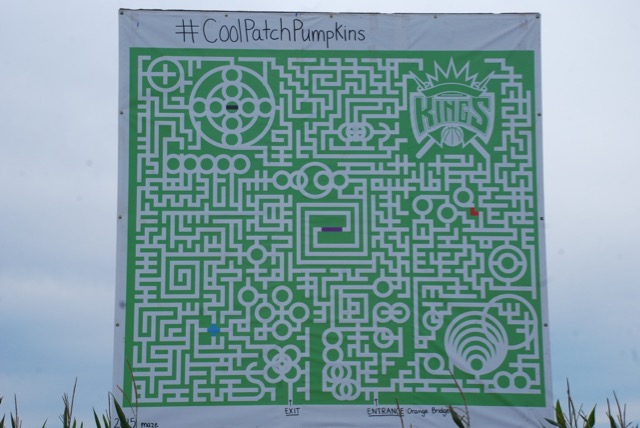 Here was our challenge.
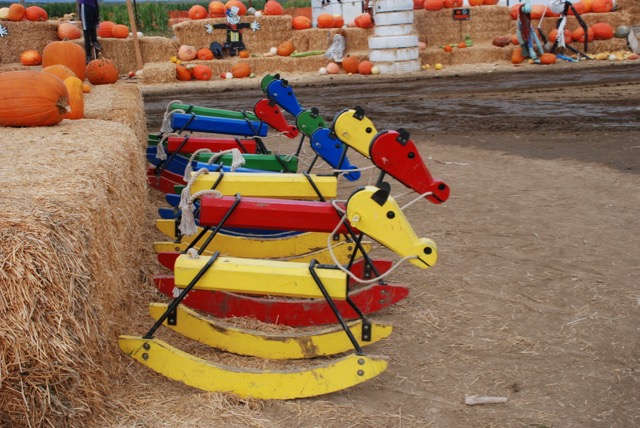 No trusty steeds were going to get us through the maze.
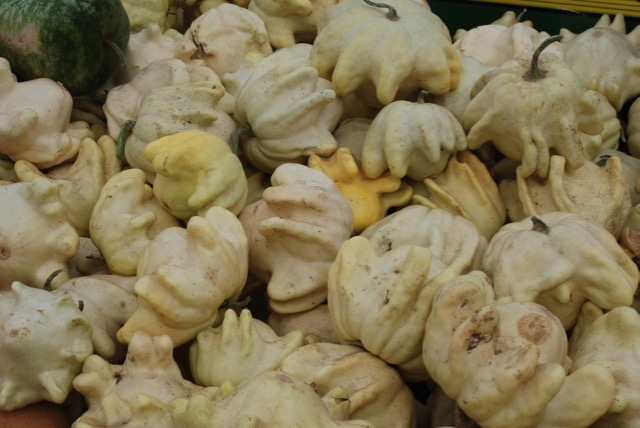 It was an overcast morning which made conditions perfect for squash photography.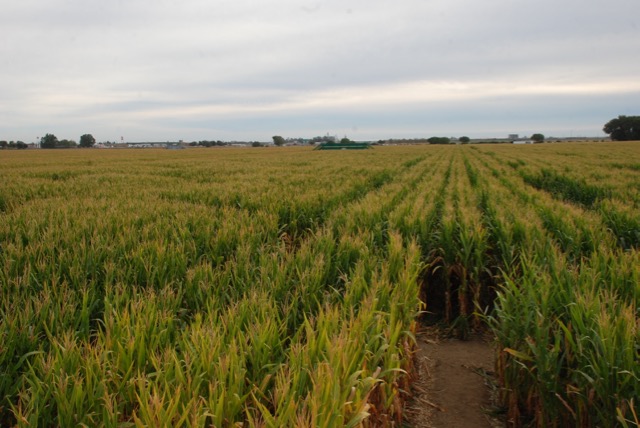
This is the view from the structure that overlooks the maze at the entrance. The map said turn left for the intermediate adventurer and right for advanced. We turned right.
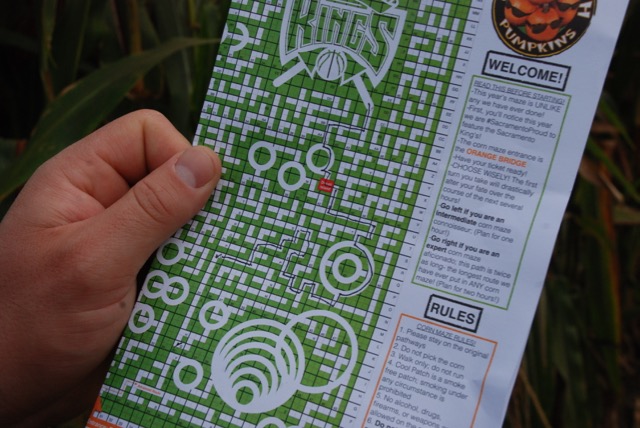 We figured out strategy. 1. Use the map. Otherwise I think it would be hopeless. 2. Mark the route with a pen.
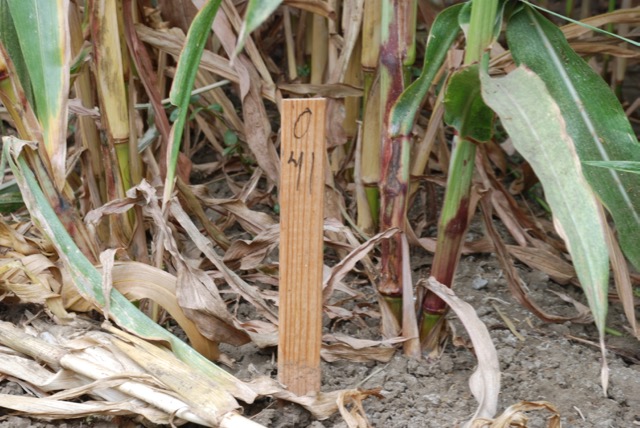 Roy was in the lead and spotted subtle markers every so often.
Checking the map. There are four or five of these structures where you can get up above the corn and get a view.
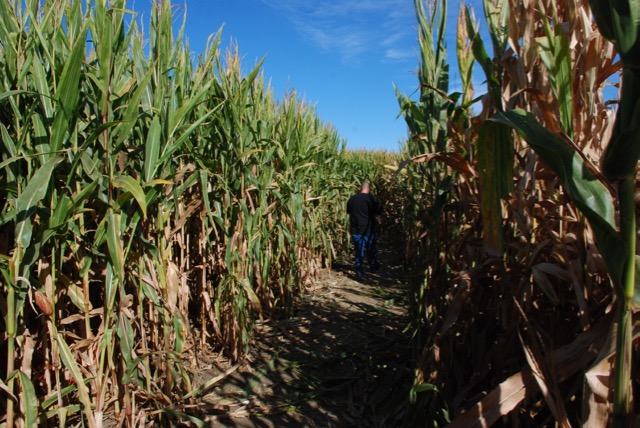
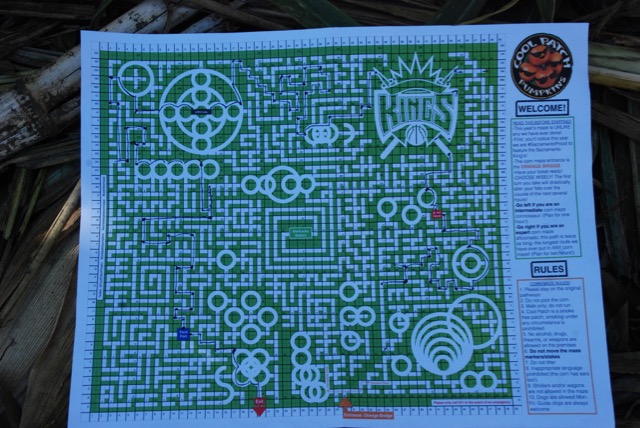 We made it out with no need for a rescue call. (There is a line on the map that says to call 911 for emergencies only–people have called from within the maze just for help to get out.) Gynna’s step tracker said that we’d gone almost 2.5 miles!
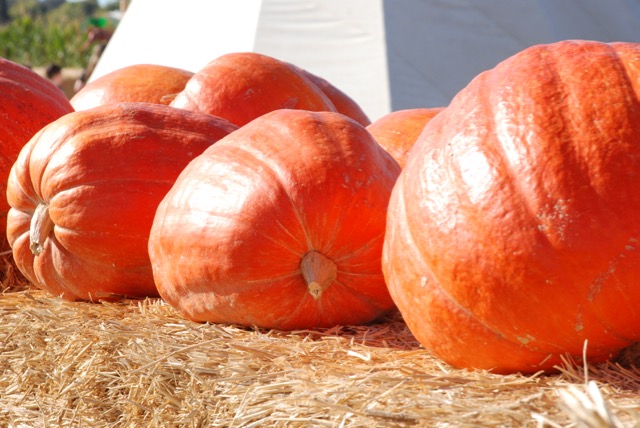 The sun came out while we were in the maze.
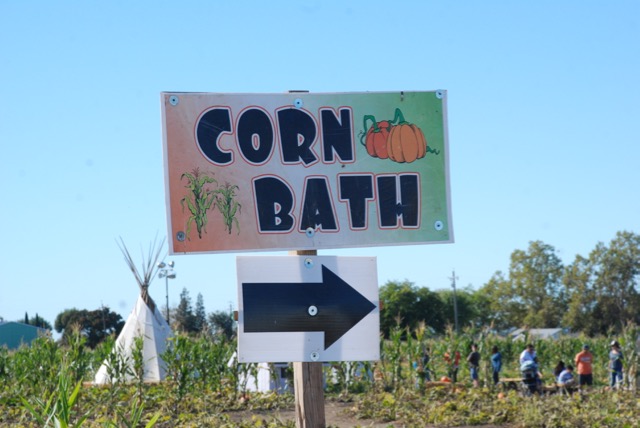 Do we need a bath after working out in the maze? It’s actually like a giant sand box but filled with corn. It’s in the kids’ area that cost another $5 to enter so we skipped that.
Next up for the afternoon was the Solano Grown birthday bash where I set up a booth. There was a great raffle and I won four pots of iris from the Pleasants Valley Iris Farm and a dinner out!
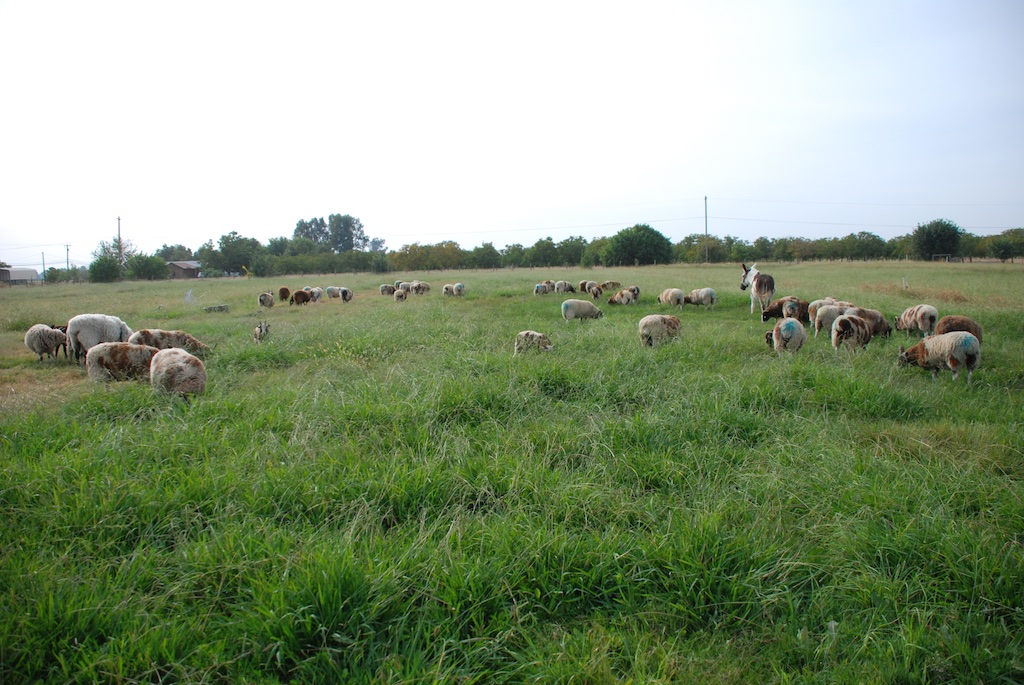
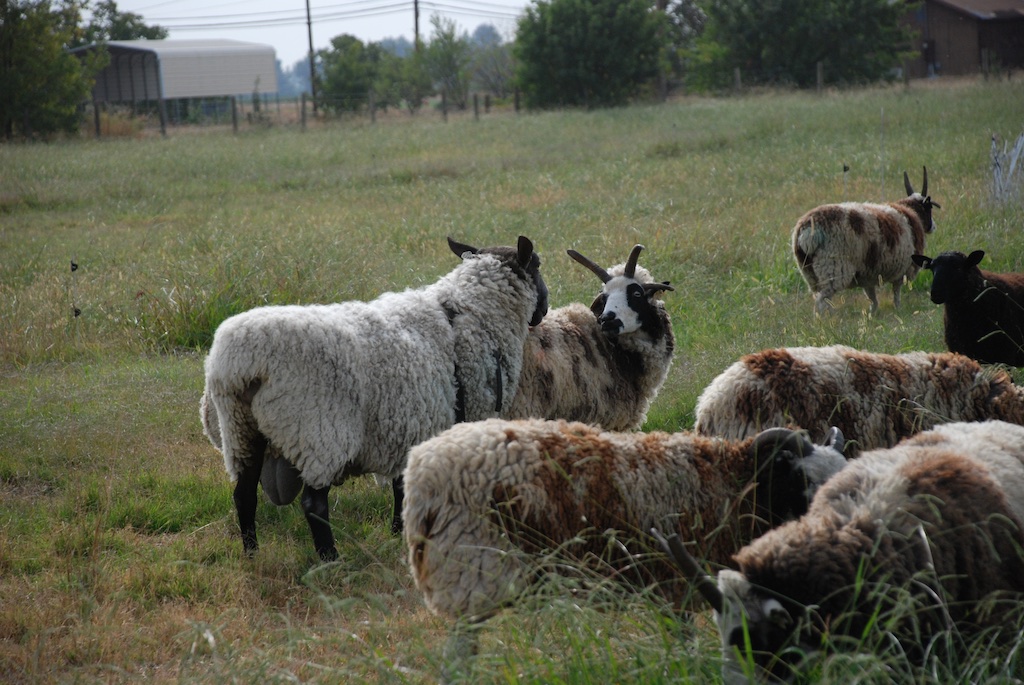
The sheep are now separated into only two flocks now. There is a smaller non-breeding group and the larger group of ewes who are all (hopefully) bred. A couple of days ago I put the young rams, Nash and Rotor back together and their ewes with the rest of the flock.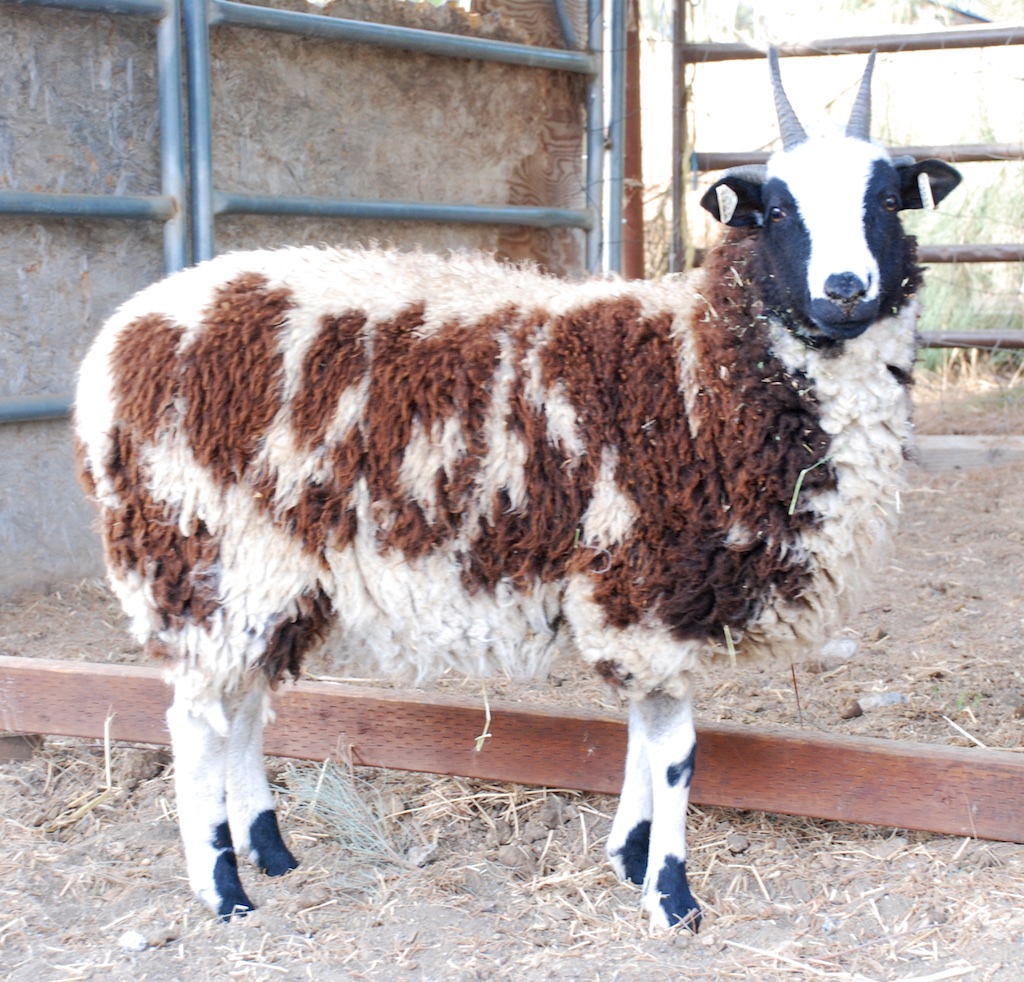 The trick with putting rams together is to crowd them into a small space until they have figured out the pecking order. They will still fight but can’t do as much damage as if they had more room to bash each other. This was too much room even with the barrel taking up space. Rotor, the 4-horn ram was beating the heck out of Nash, the 2-horn. Nash is the bigger ram so it surprised me that Rotor was the dominant one.They spent the night in this space and I took out the middle panel the next morning.
 Now they are back in the ram pen and best buddies. This is one of the photos I will send in for Nash’s registration.
 This is Rotor. Both are only 7 months old. Another March lamb I will register is Honey.
  After I sent Ringo off to a friend’s farm (when he comes back I’ll have to go through ram introduction all over again) the ewes were in the barn near Faulkner. Is this wishful thinking on his part? I sent him out to the field with all the ewes.
 He found at least one ewe who was interested in him.
There aren’t many photos here and it doesn’t relate to sheep or weaving, but for me this is a blog-worthy event. I used to ride a bike a lot. I rode regularly enough that I could ride in the Davis Double Century (200 miles in a day), finish before dark, and feel good the next day. I rode that ride a few times on my single bike and another three or four on the tandem with my husband. But that was a long time ago. After two back surgeries I decided that the bent over position wasn’t the best for me (although the back problems did not relate to cycling–probably more to running) and I was raising kids and working in our dairy, so I gave up the long distance stuff. The first of those surgeries was 20 years ago and I haven’t seriously ridden a bike since, although I ride a mountain bike short distances and my poor old road bike has been relegated to the inside trainer.
Dan continues to ride and in the spirit of togetherness I decided to do one of our regular (from the old days) century rides that is in October. I planned to train all year. Didn’t happen. I rode the trainer a few times in September and then had dental surgery which set me back. Fortunately we had signed up for the 100 km and not the 100 miles and fortunately we were using the tandem. I didn’t get a free ride, but it wasn’t as hard as if I had been on my single bike. Our bike needed new tires and tubes, new pedals and one seat (because parts had been used for other bikes) and a major clean-up.Here’s the route. Surprise! In the past the 100 mile went into the hills but the 100 km stayed in the flats (more boring, but easier, unless there was a north wind). This year the 100 km had some climbing too as shown at the bottom right of the map.
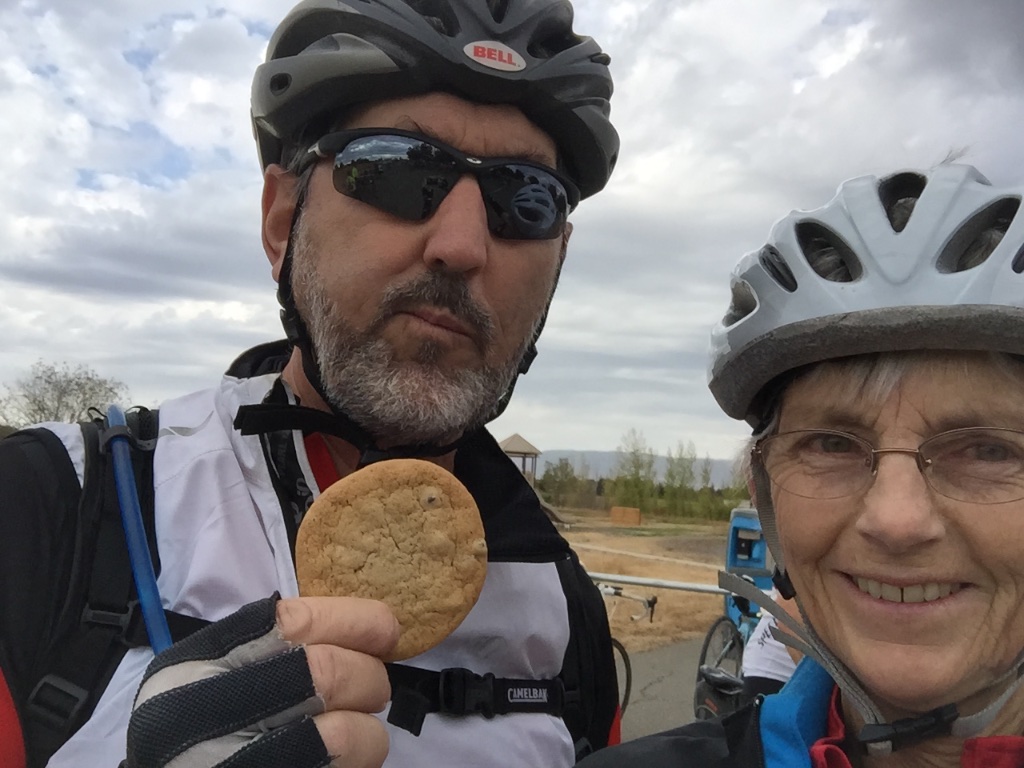 Eating cookies at the first rest stop. We never used to stop at the first one, but in this case decided that we would take a break. Besides we paid for this ride so we should eat something.
 Notice the gray clouds. When is the last time it rained in California? We sure need the rain so I won’t complain. We didn’t get too much on the ride and most of our cycling in the rain was in the last third of the ride. Leaving the lunch stop. We really weren’t hungry so ate a few grapes and kept going.There were a couple of professional photographers along the route and photos could be downloaded for free. If we’re going to do more of this we might need to get matching gear. I was wearing red and white on top but needed the blue vest because of the weather. And the shoes don’t match but I’m still using the cycling shoes that were my father-in-law’s hand-me-downs. They work if I wear thick enough socks. That’s not a tan. That’s road grime.
The ride took us about 4 hours including the stops so we were home by 1:00. Chocolate milk was waiting. It was a good ride and maybe I’ll do this again. It would be easy if I could just do a ride every now and then and not have to train in between.

