Unknown's avatar

About Robin

Owner of Meridian Jacobs, farm and fiber shop. I raise Jacob sheep, teach fiber arts classes, weave handwovens for sale, and manage the store.

Farm Club Retreat #12 in San Francisco

We started the tradition of the Farm Club Retreat in 2011. We find a weekend between shearing and lambing that we can stay in the house owned by NDGW (Native Daughters of the Golden West). We skipped 2020 through 2022 because of the pandemic, so that makes this one #12. This is last year’s Retreat.

Two of us are members of NDGW and can bring guests to the Home. Sometimes we have a planned excursion and other times we make it up as we go along. But we always have plenty of time for enjoying each other’s company while working on projects.
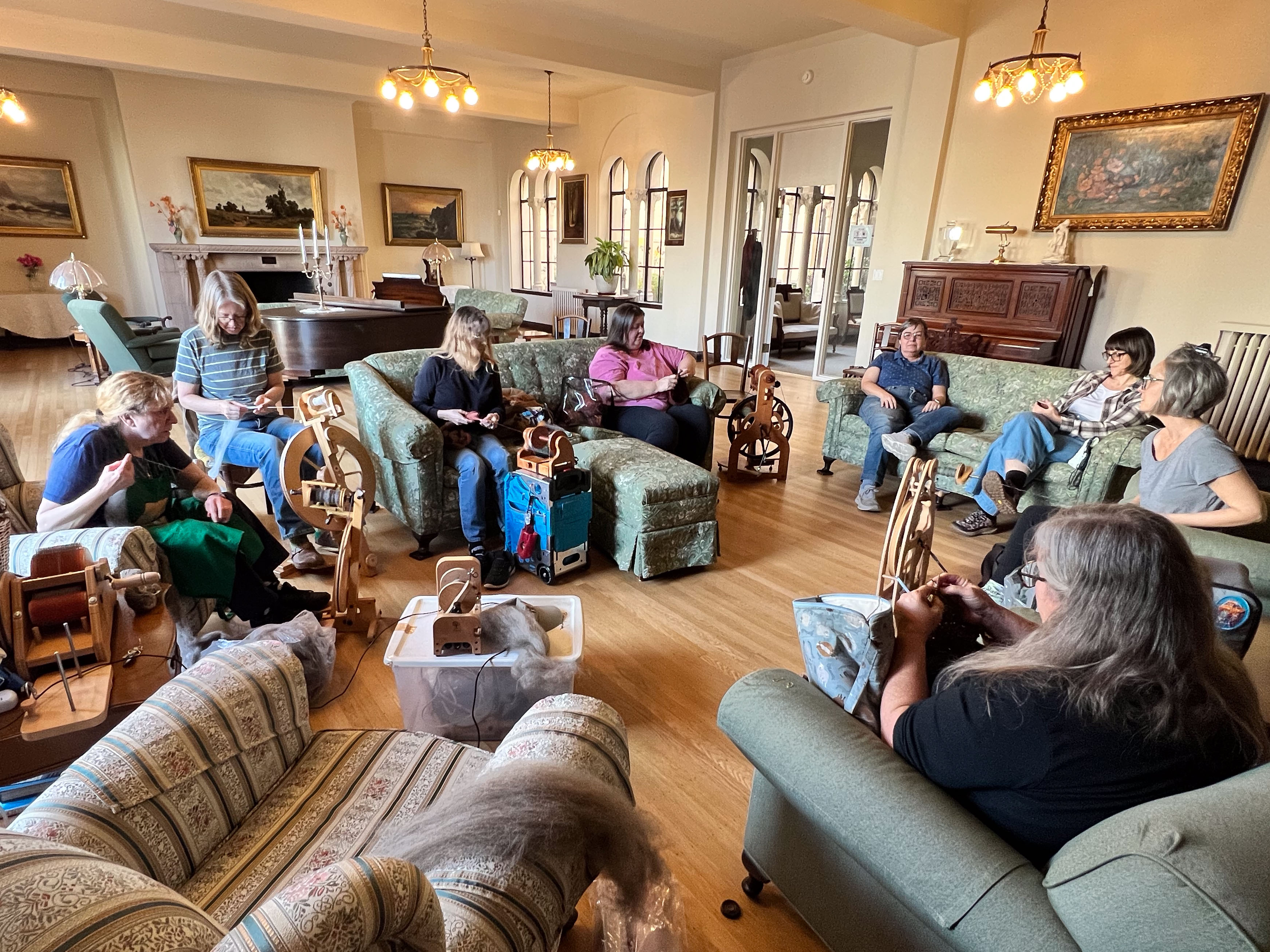
There were ten of us this year. On Friday afternoon we gathered in the parlor to spin or knit. We found a place Mexican restaurant about three blocks away to eat dinner.

Saturday morning I got up early and went on a walk.

I am always entertained by the variety of houses. I sure would like to see them inside.

The color of this house and the amazing flowers certainly make it unique.

I walked south on streets that wound their way up the hills and I found that I was on a part of the Bay Area Ridge Trail.

I wanted to get to Sutro Tower because it seemed like as good a destination as any and it is certainly a visible landmark. Sutro Tower is a 3-legged radio and TV tower 977 feet tall built in 1973. It’s not quite so visible when the clouds are low.
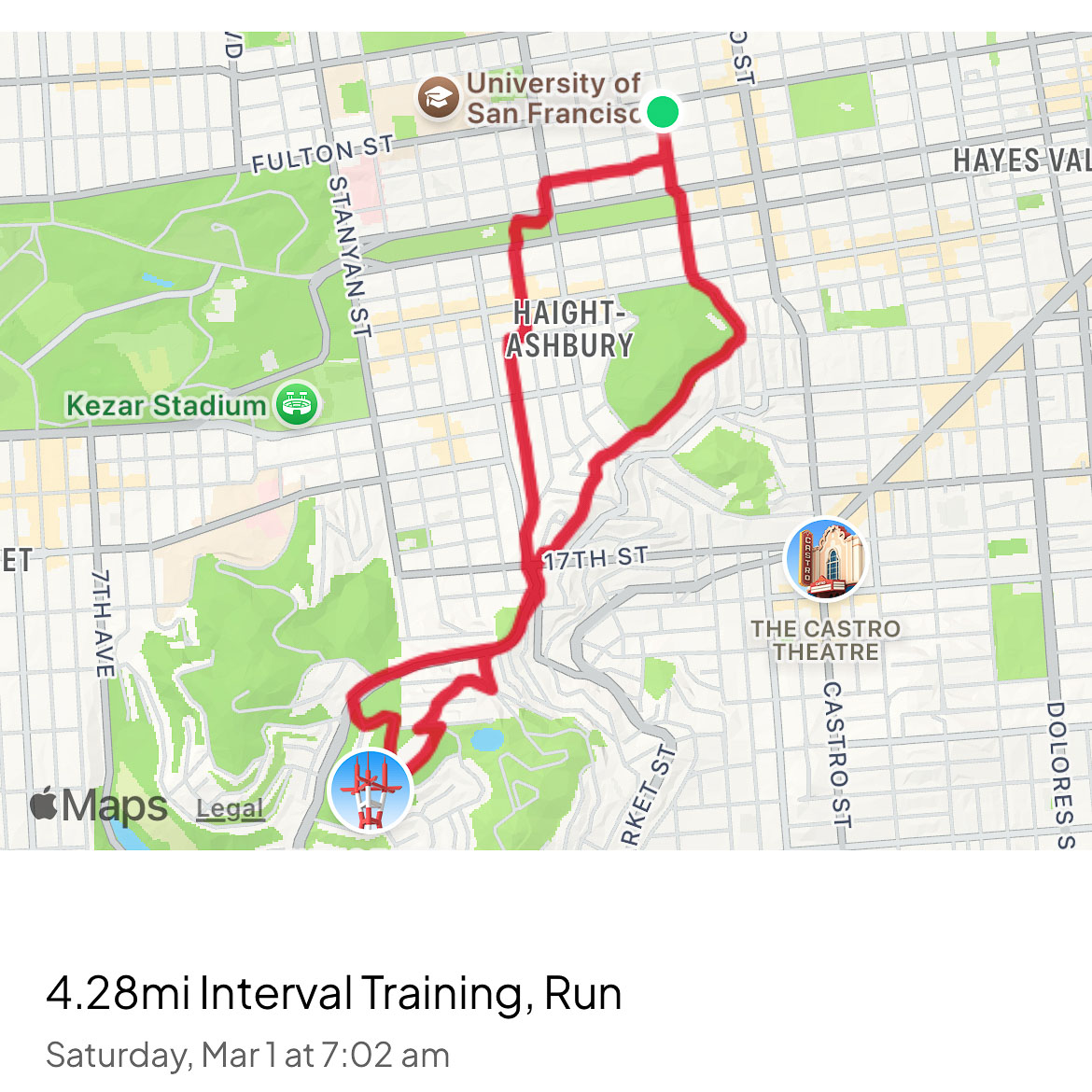
The hilly part of this course made it feel like a good workout considering that I usually only walk where it is flat. I got back in time for breakfast.

Our traditional breakfast is pie! This time we had lemon pie, pumpkin pie, two apple pies, and quiche.
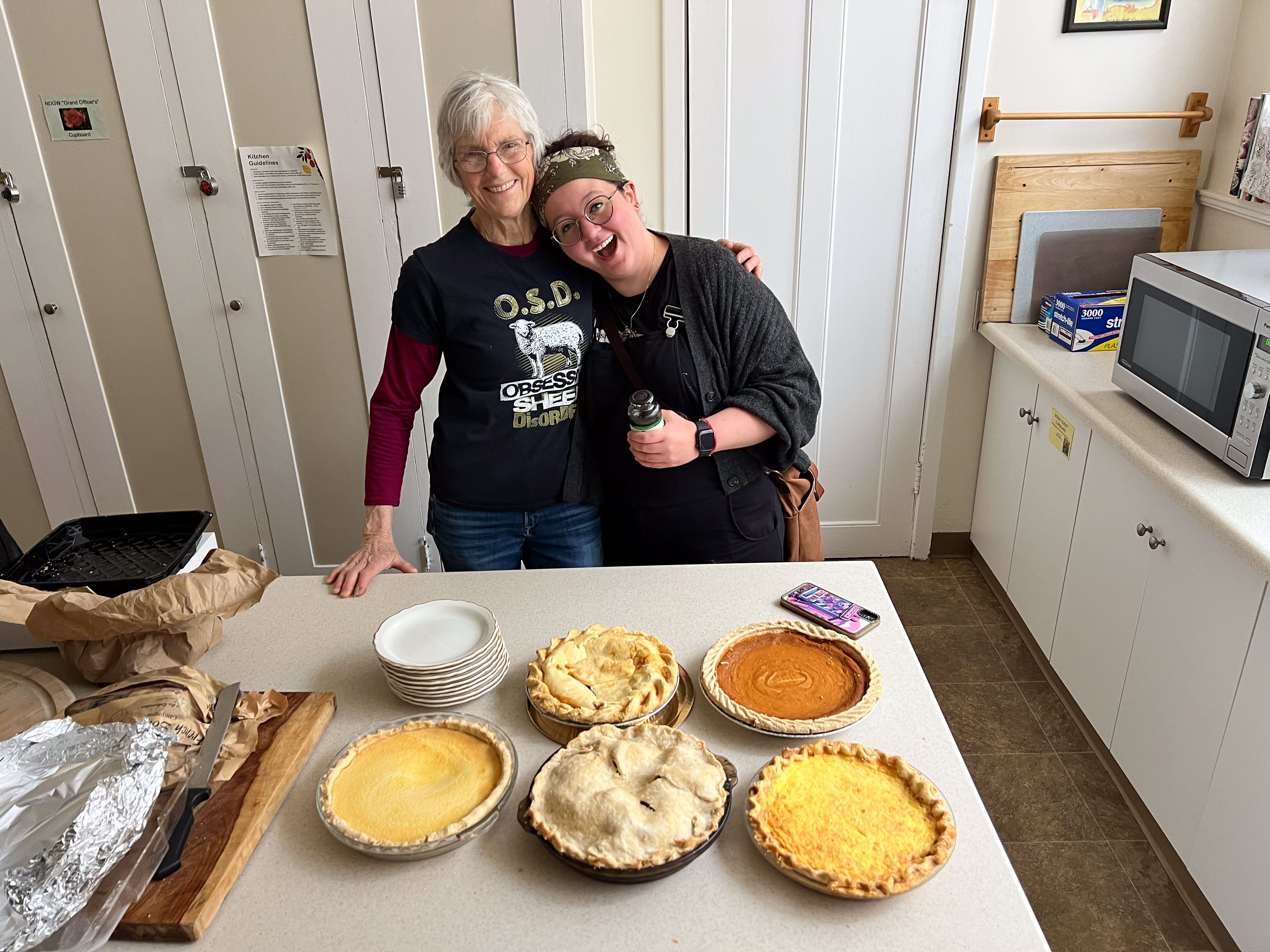
This was enough to provide us some dessert after dinner that night too.

We spent the next couple of hours in the parlor

Siobhan couldn’t spend the night but came for the camaraderie on Saturday. Here she is spindle spinning flax.

Klara knit a lace shawl. I took this photo because I liked the color scheme, knitting green, wearing green, and sitting in a green chair.

Rachel worked with wild colors and fibers!

Stay tuned for Part 2.

Random Farm Photos from Yesterday

Oxalis, also known as sour grass, wood sorrel and other names. It is considered a weed, but the flowers give a dye. Before Dan took the mower to these growing in the front yarn I picked flowers.

Dan started to fill in the low spot behind the barn.

First he re-stacked the compost pile and then moved dirt and ash from the burn pile that has accumulated over years.

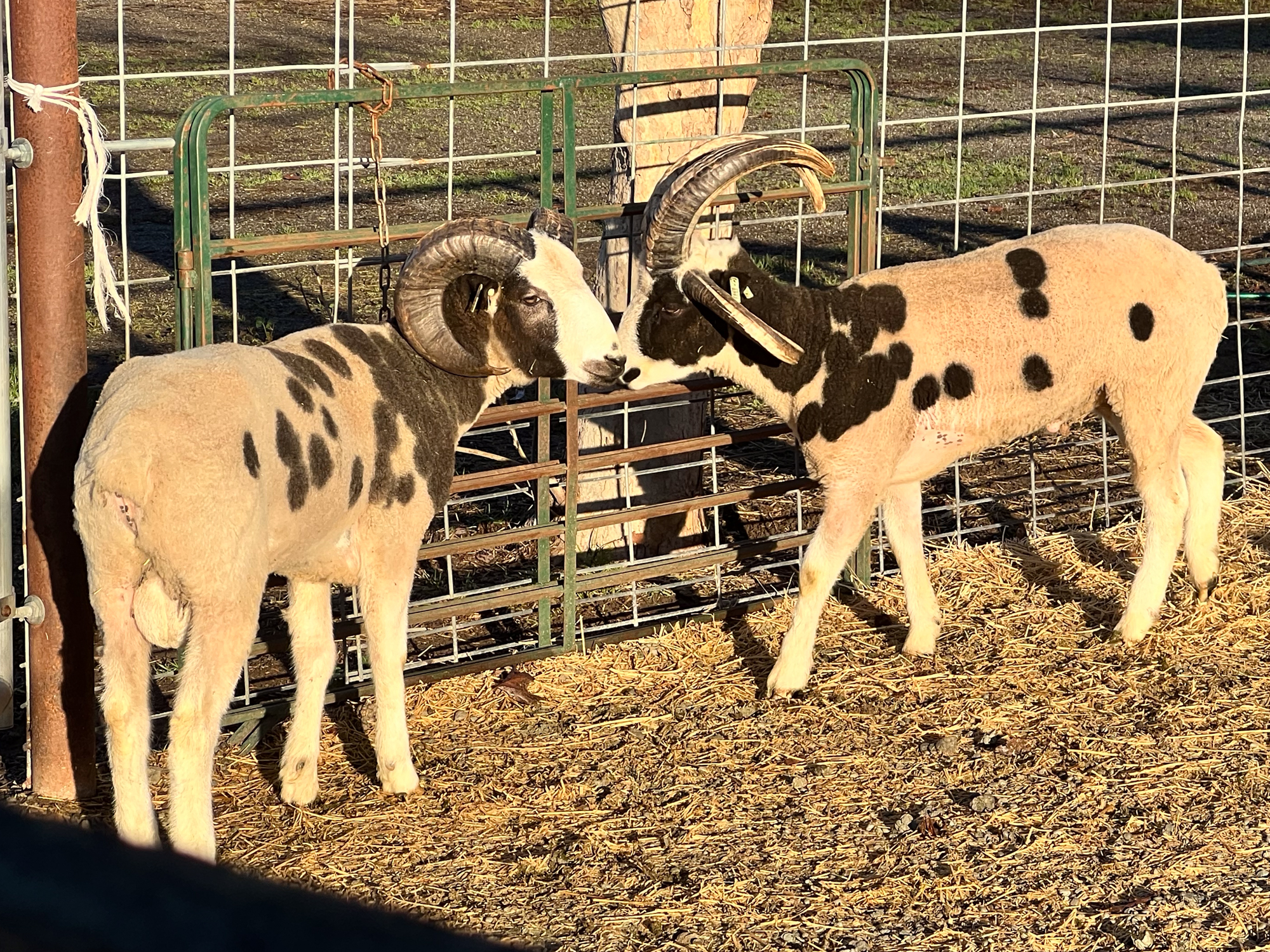
Four rams posing. Left to right: Sterling and Griffin, both yearlings; Horatio and Blizzard, older.

We’re getting close to lambing. This is Tranquility and Eileen, due in the next ten days.

Roca

Trista, also due in the next 10 days.

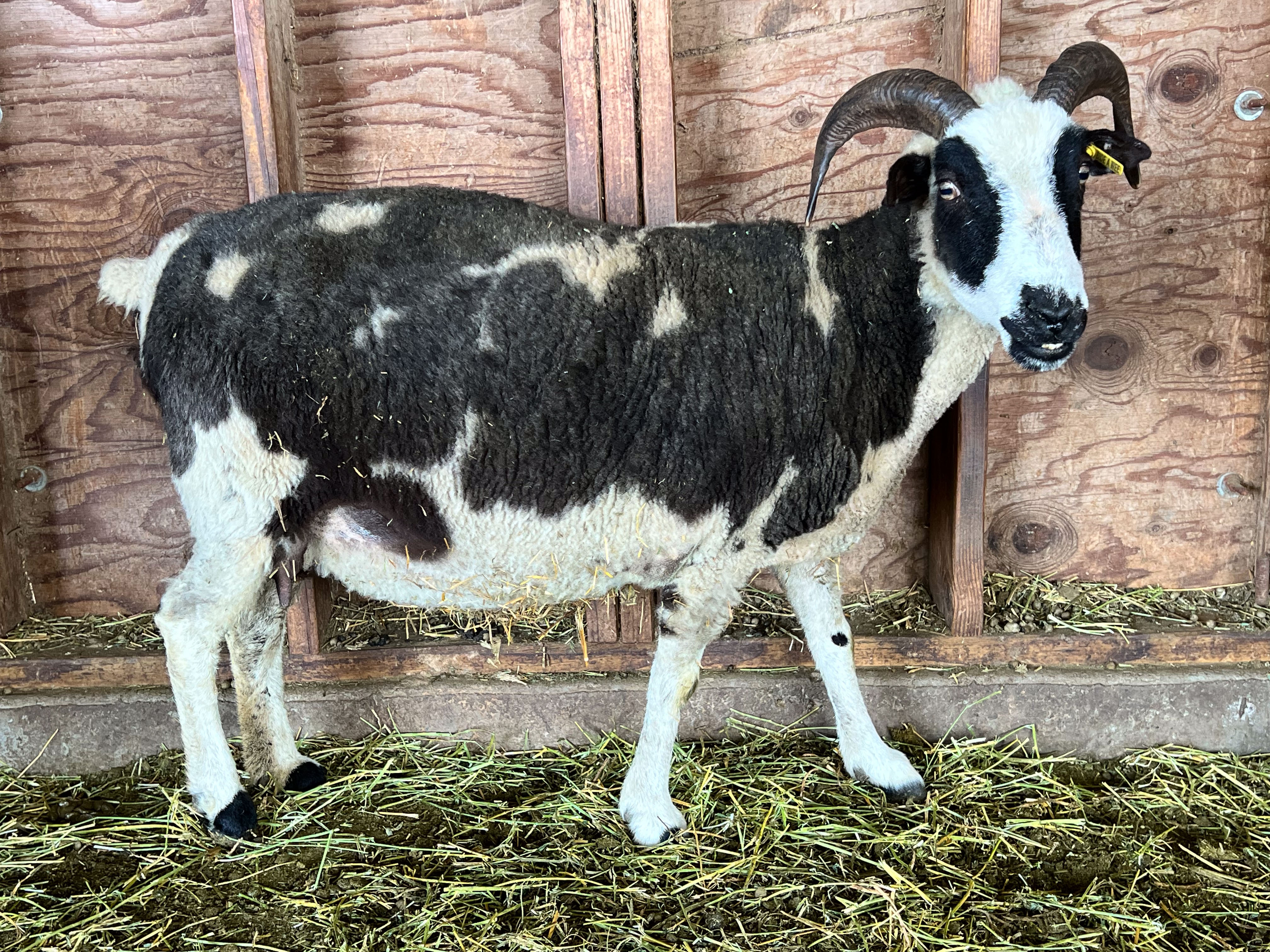
Zoe is a 2024 lamb and is not pregnant, but I included here because I just skirted her fleece and saw something interesting. The locks below are from her fleece.

I have seen one other ewe’s fleece this year with a similar change in fleece color occurring part way through the year. I’m not sure of the cause.

Wool sorted and ready for the mill. I have more to finish before I can deliver this.

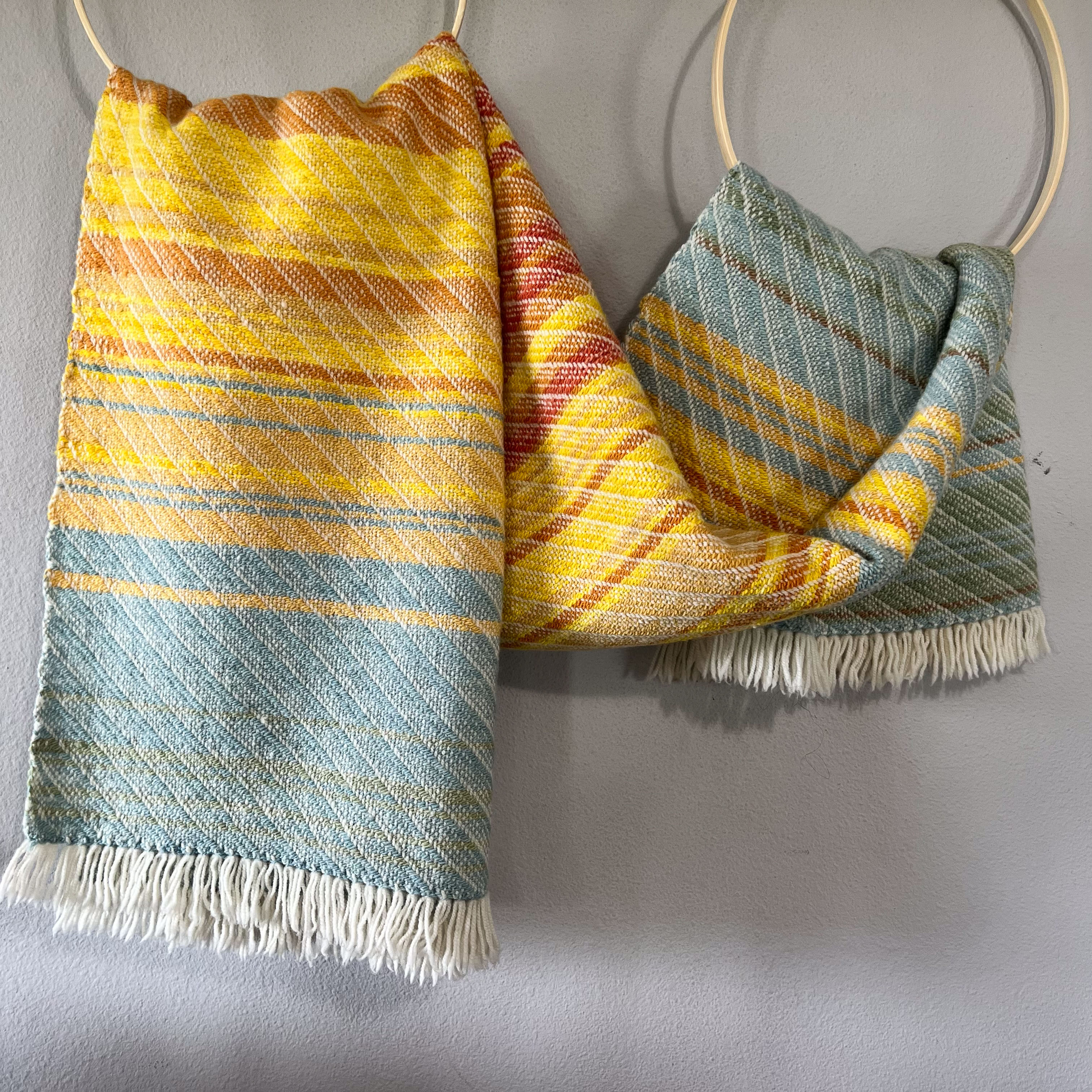
Photographing a naturally dyed Year to Remember blanket.

A Totally Random Sheep-Related Post

I was looking for something on my computer. Now I can’t remember what but I was browsing through my folder with the title Sheep. That includes everything from Breeding and Lambing Dates to Body Condition Scoring to Processing Skulls to Vet info and Wool Facts. Now I remember what I was looking for–a list of butcher lamb customers because I have an email from someone who wants a lamb this year–we haven’t even started lambing, so how am I going to remember that person if I don’t add it to a list that I still haven’t found?

Anyway, look at what I found while I was browsing through the files.

I have no idea where I got this photo or who is in it, but the file name is WWII-German . That sure looks like a Jacob lamb!

So this prompted a post of random sheep photos. I found this photo that I had scanned not long ago.

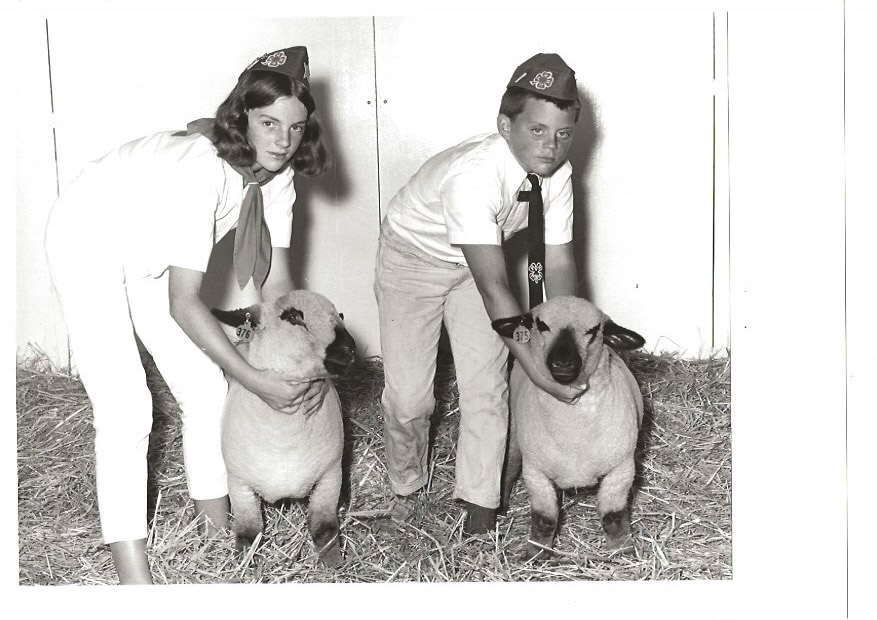
This is my brother and me with our 4-H market lambs.This was probably in the late 60’s. I barely remember raising market lambs because I mainly raised dairy heifers in 4-H.

I thought there must be more and I plugged in a hard drive that I’ve had a hard time viewing. Now it seems to be working! I might get carried away with old photos at some point! I’ll stick with sheep tonight.

This is the house we had in Cotati. Mom and my brother are feeding lambs in the kitchen while Joe, our favorite college student renter, looked on. These were Dave’s and Mom’s sheep. I had a horse and dairy cattle at this point.

Mom with sheep

I think I was going to school at UC Davis by now. Mom had a merino sheep and I think the other sheep were probably Dave’s. Mom is holding a lamb and a white cat named Bill. That is Honky, the goose, on the right.

So there’s a trip down Memory Lane. There may be more to come.

Computer Time and Cycles

This was a catch-up day at the computer. I’m still not caught up, but accomplished a few things. Did you know there is a Meridian Jacobs YouTube channel?

I spent some time today editing videos.There is probably a way to embed them here, but I don’t know how. I’ll include links. Two are from shearing day. Shearing Jacob Rams and Shearing Two Jacob Ewes. The third is one I’ve been meaning to put together for quite awhile. I show how I Using A Warping Wheel to warp my big loom. This is a specialized piece of equipment that is hard to explain even to other weavers.

To make this post a little more interesting, here are some photos that relate to the videos.

This is one of the ewes that was shorn in the video. It’s not always possible to keep hay out of he wool!

This is Eli, one of the rams in the shearing video.

Here is the warp I was winding in the Warping Wheel video. These are the blankets just cut off the loom.

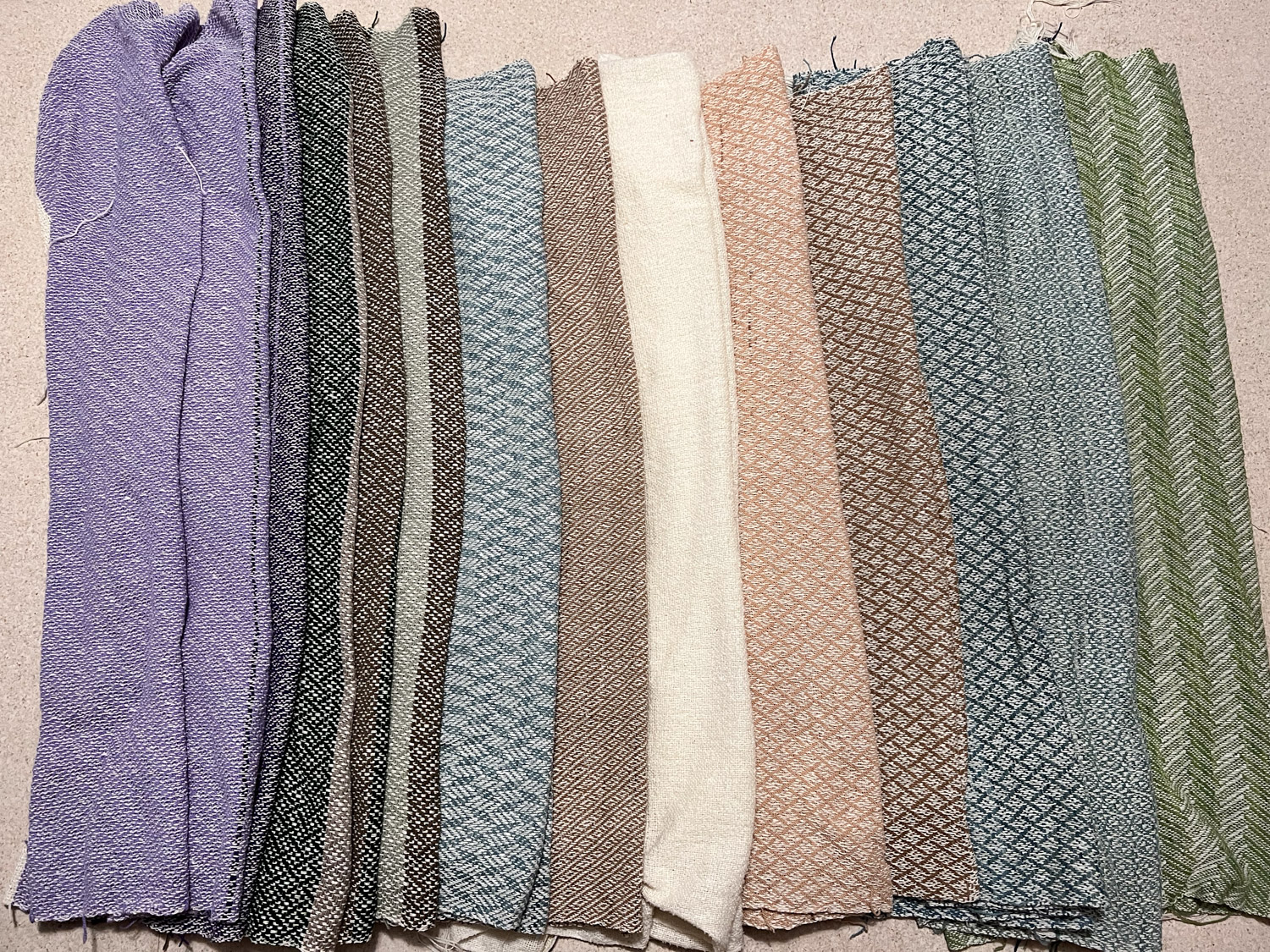
These six blankets are some from the previous photo after wet finishing. The yarn in the blue blankets is dyed with indigo I grew and the brown yarn is dyed with walnut hulls.

There is are cycles to farming. The sheep are shorn and starting to grow new wool. The ewes are pregnant and lambing season will start soon. These blankets are woven using wool I get from Timm Ranch and have spun into yarn. Timm Ranch shearing will be in March and I’ll skirt fleeces and buy wool for the 2025 yarn. I am still waiting on the 2024 Timm Ranch yarn. Due to unforeseen circumstances I will be combining the 2024 and 2025 wool for the next batch of yarn.

The dye garden has its own cycle. I won’t be ready to dye blue yarn until the indigo plants get big enough…and they aren’t even planted yet for this year. Fortunately I have some dried cosmos and hollyhock flowers that I can use, but that’s only if I have enough yarn left from previous years. The cycles don’t always overlap the way you want them too.

Griffin – Lilac or Black?

In the Jacob world sheep are either black and white or lilac (and white). Lilac refers to a color that is Not Black. That is usually gray maybe with a brown cast. This blog post shows photos of several lilac sheep. Many time people think Jacob sheep have brown spots, but that is because tips of the dark wool become unbleached. The wool is still dark at the skin. When you describe the Jacob sheep’s color you look at the facial markings. If the hair is black or gray(ish) that dictates the label for the color.

Griffin is a ram that was born in February 2024. Last fall when this photo was taken I wasn’t sure of his color but now I am. In this photo he looks black and white. Remember, it’s based on the facial markings. It may be hard to tell from just a photo as well.

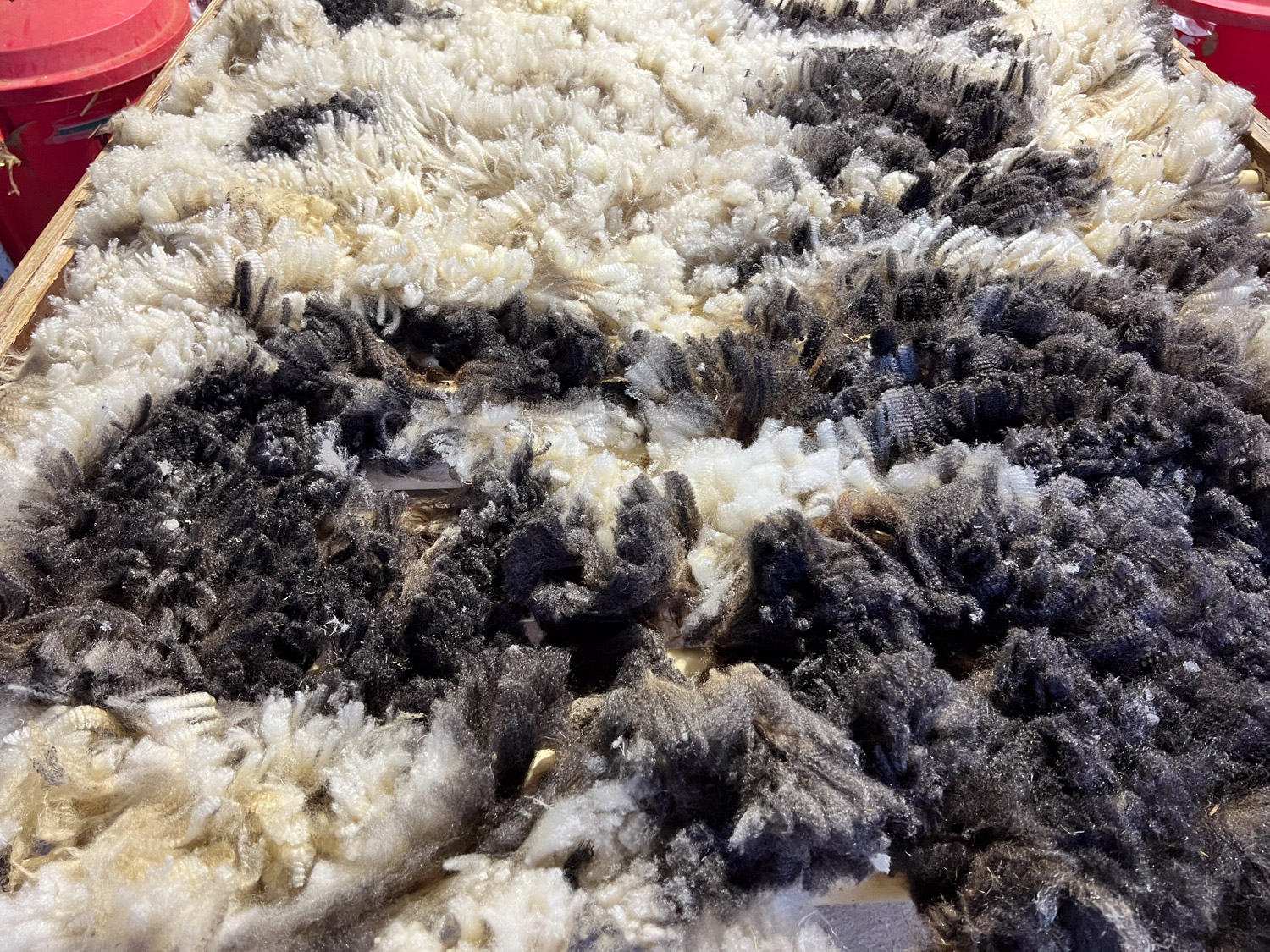
This photo was taken shortly after shearing in January. The eye ring that is often part of the lilac coloring is obvious and the fleece looks gray.

In this photo it is much easier to tell the difference in color between Griffin on the left and Sterling on the right.

Griffin’s fleece looking at the cut side.

Griffin’s fleece, on the right, with a lock of wool on the left from a definitely black and white sheep.

The lilac trait is recessive so breeding two lilacs should produce lilac lambs. When there is a black and white parent the appearance of lilac lambs means that there is lilac somewhere in the ancestry of the black parent. In Griffin’s case, both parents are black and white. There is a lilac great-great-granddam on his sire’s side and a great-grandsire and on his dam’s side.

Sometimes we wonder if all “not black” Jacob sheep have the same lilac genetics. This is being investigated now.

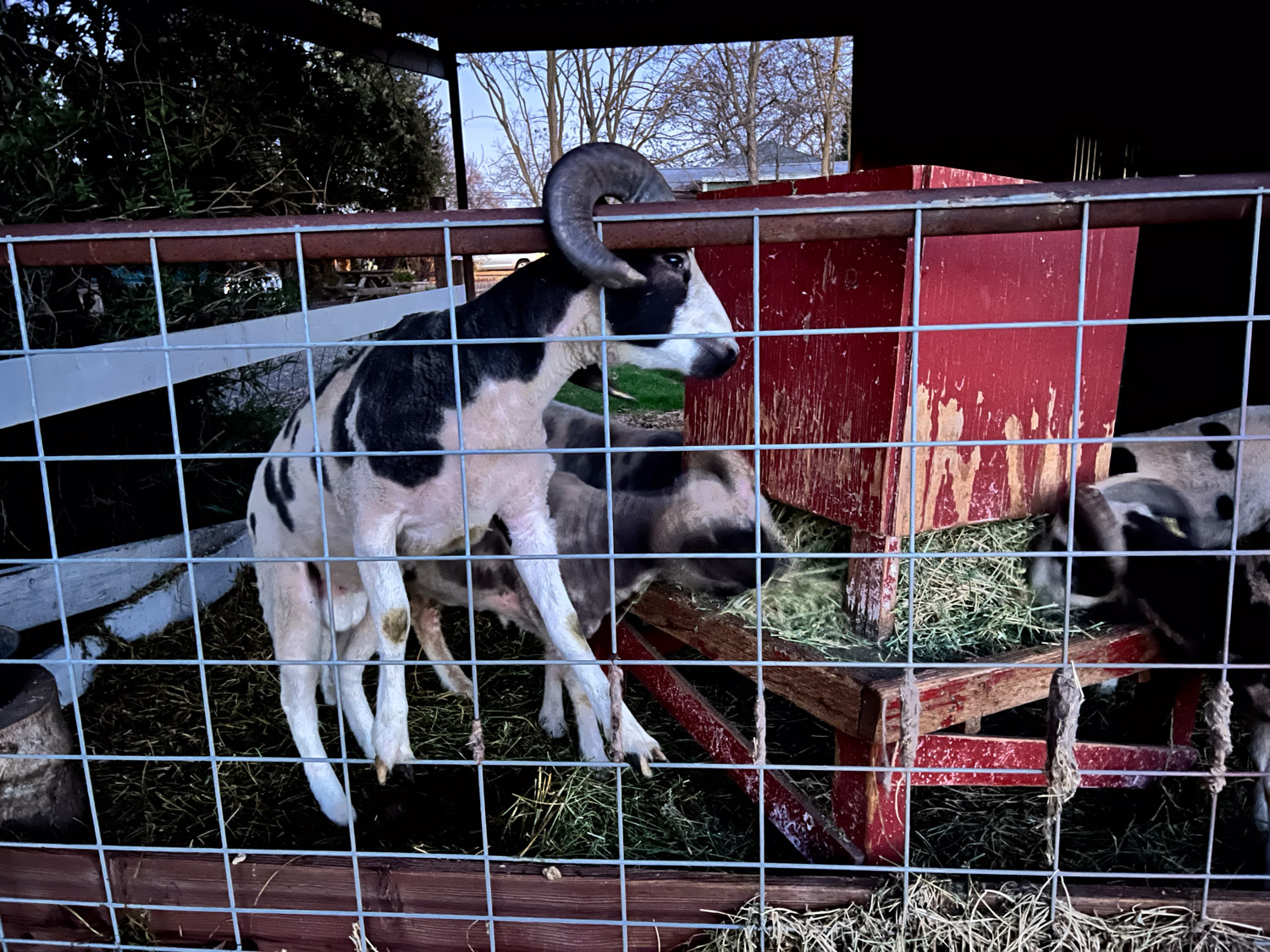
I took this photo a few days ago when Griffin was stuck on the fence. He must have had his front feet on the tray of the feeder and caught his horn over the top pipe along the fence. I couldn’t get him off and had to get Dan to help.

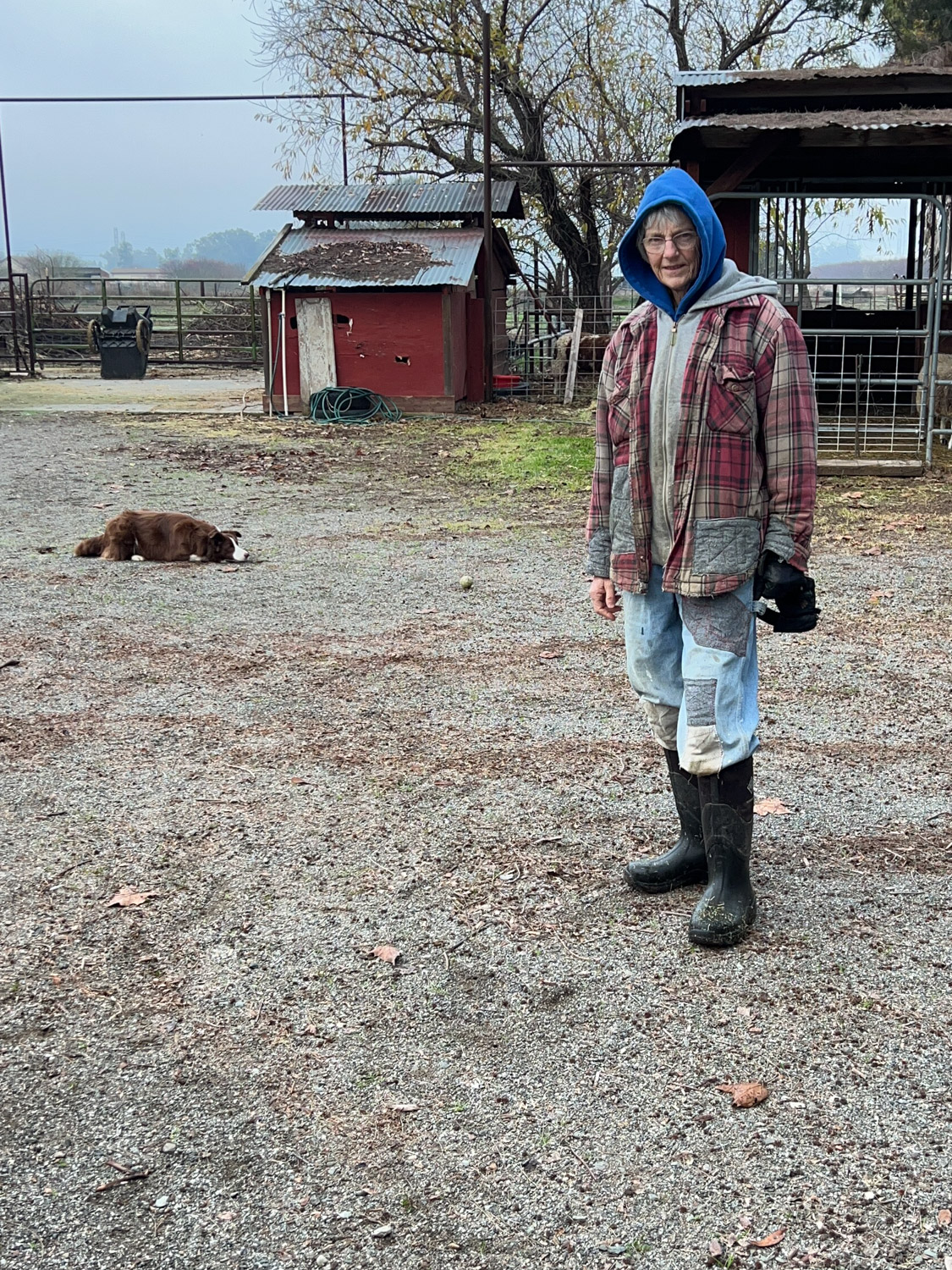
A Flannel Barn Jacket

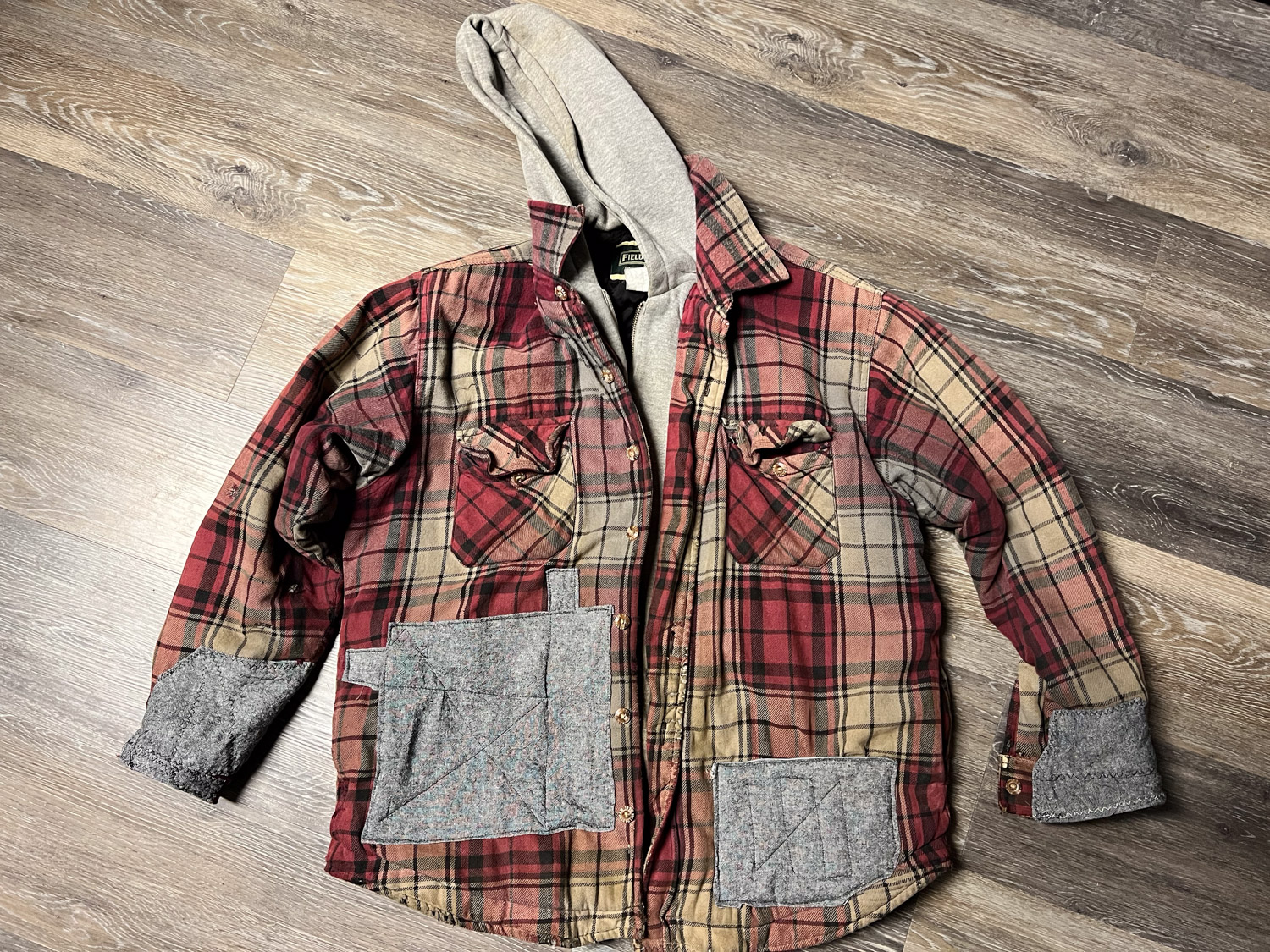
I shared some photos on Instagram a month or so ago about a jacket that I finally mended.

The only thing wrong with this jacket is that I kept catching it on gates and the inner parts of it were getting filled with hay. The top half and the whole back still kept me warm. Why would I throw it away?

I finally fixed it. It’s a relief to not have to worry about getting caught on the gates as I walk through.

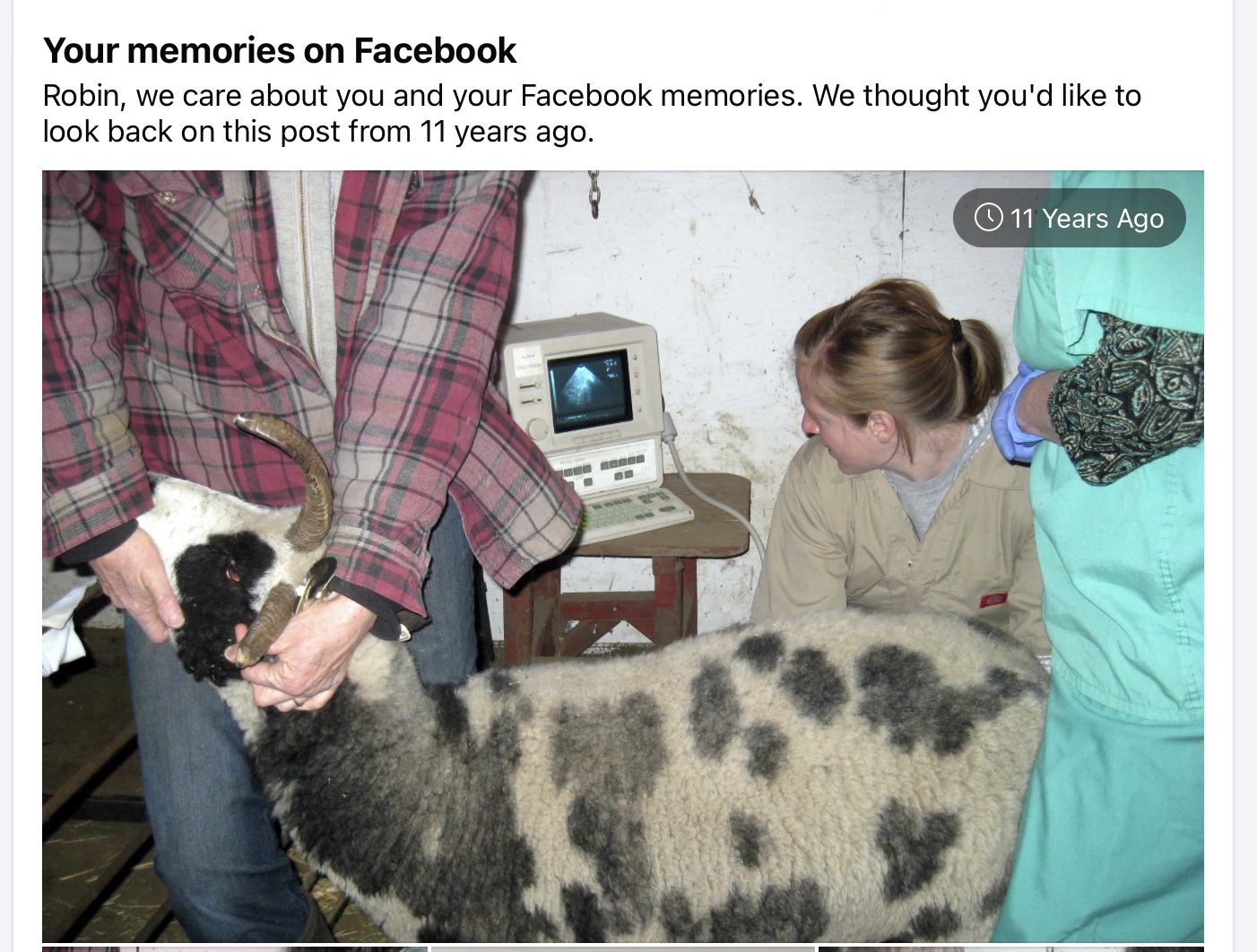
Then I decided it was time to mend the overalls. The following post popped on Facebook a couple of weeks ago. Same jacket. I guess no one can accuse me of being part of the fast fashion problem.

Who’ll Stop the Rain?

Can you tell that I just watched a Creedence Clearwater Revival documentary (and I’m of an age to have that phrase pop into my mind)? Did you know that the CCR members got together in junior high?

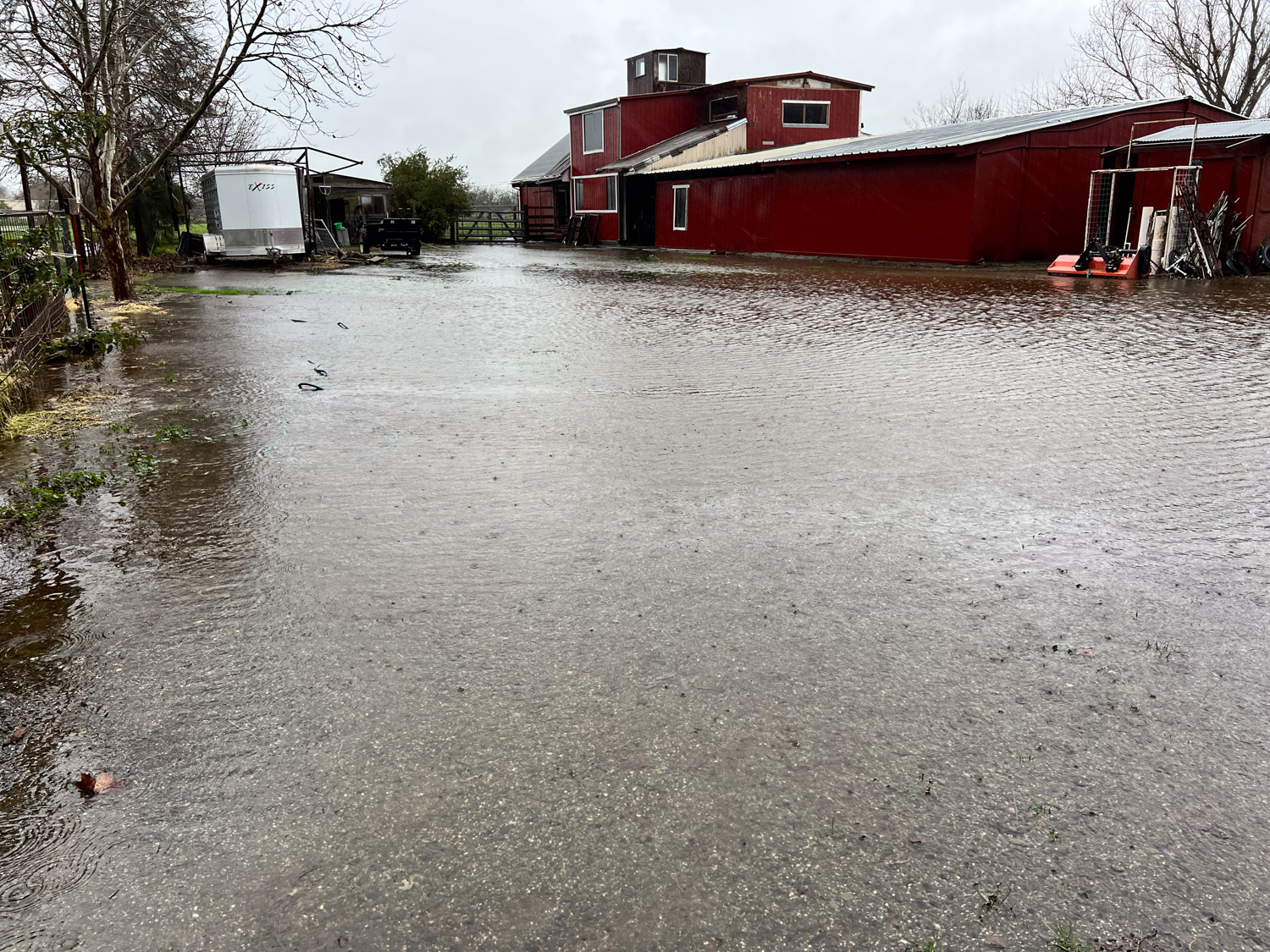
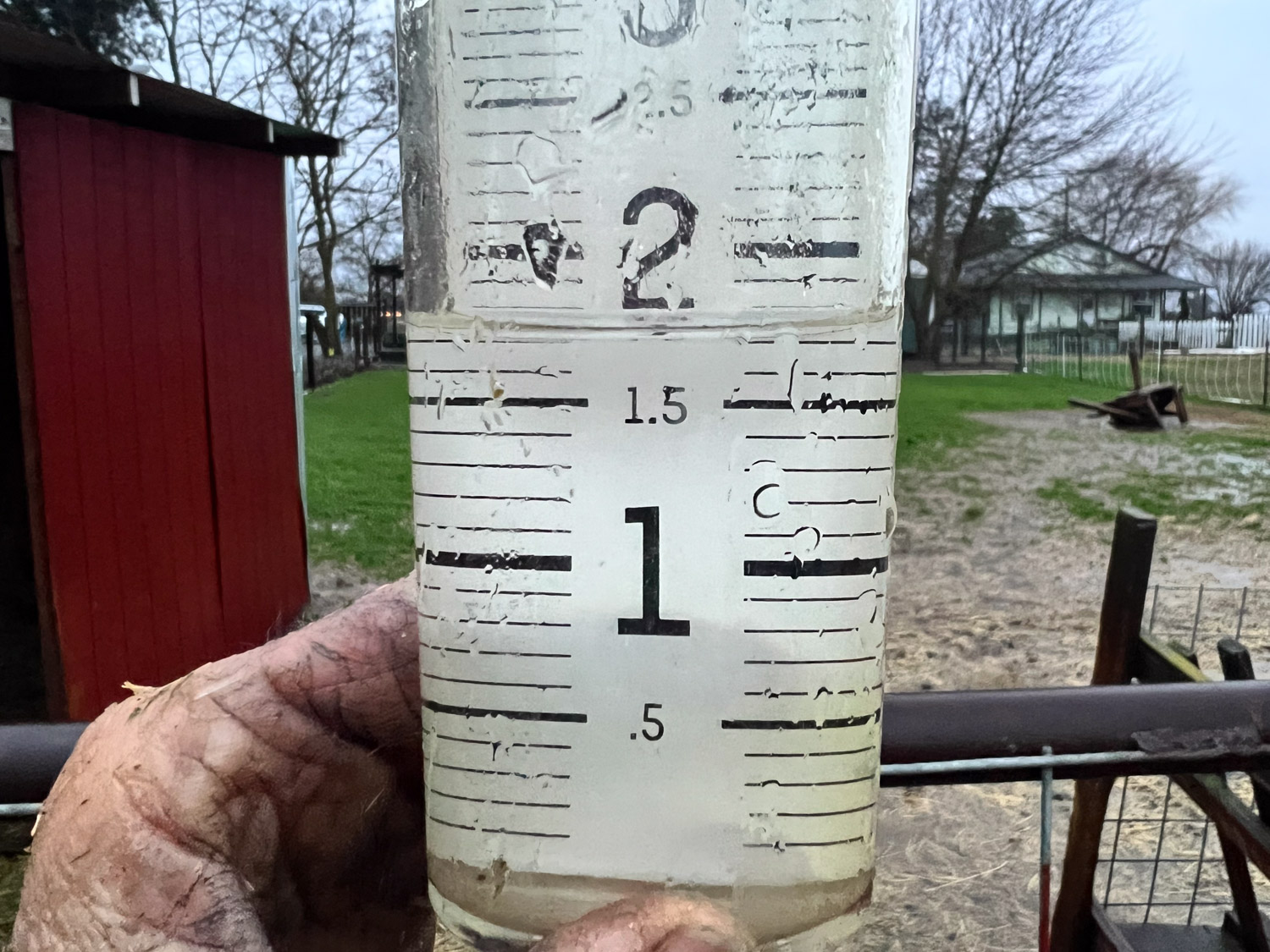
But I digress. This was to be a post that follows up on the Pasture and Irrigation Renovation posts because it’s about the pasture….and rain. After NO rain in January the first few days of February were wet. We had almost 5″, with close to 2″ in one day. That doesn’t sound like a lot to people in many parts of the country but it’s a lot for our flat property. That is 1/5 of our annual 24″ in five days.

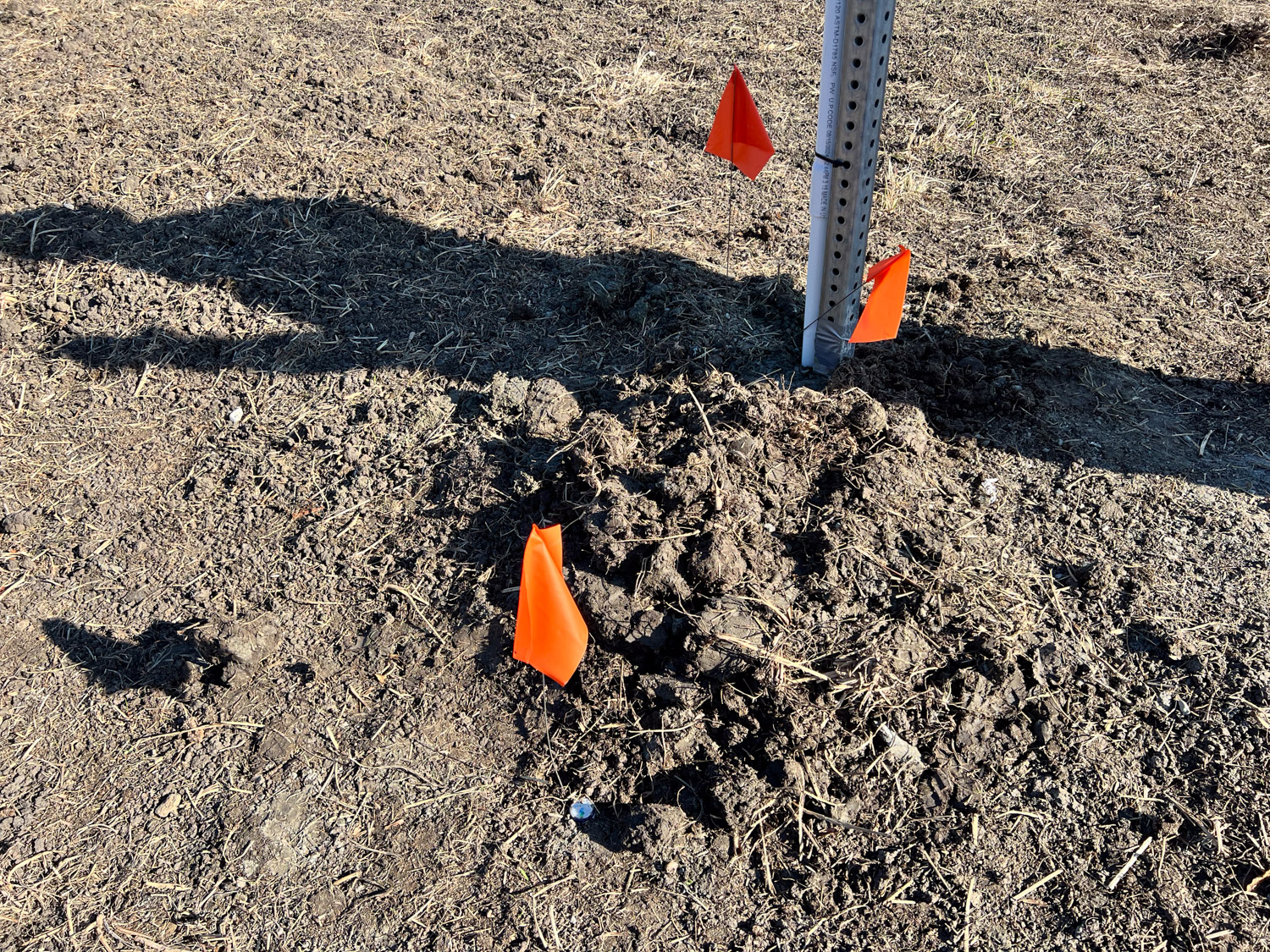
This was before the last inch of rain fell. There was a break in the rain and I walked to the south end of the property. That post with the orange flags holds one of the soil moisture sensor I mentioned in the last post.

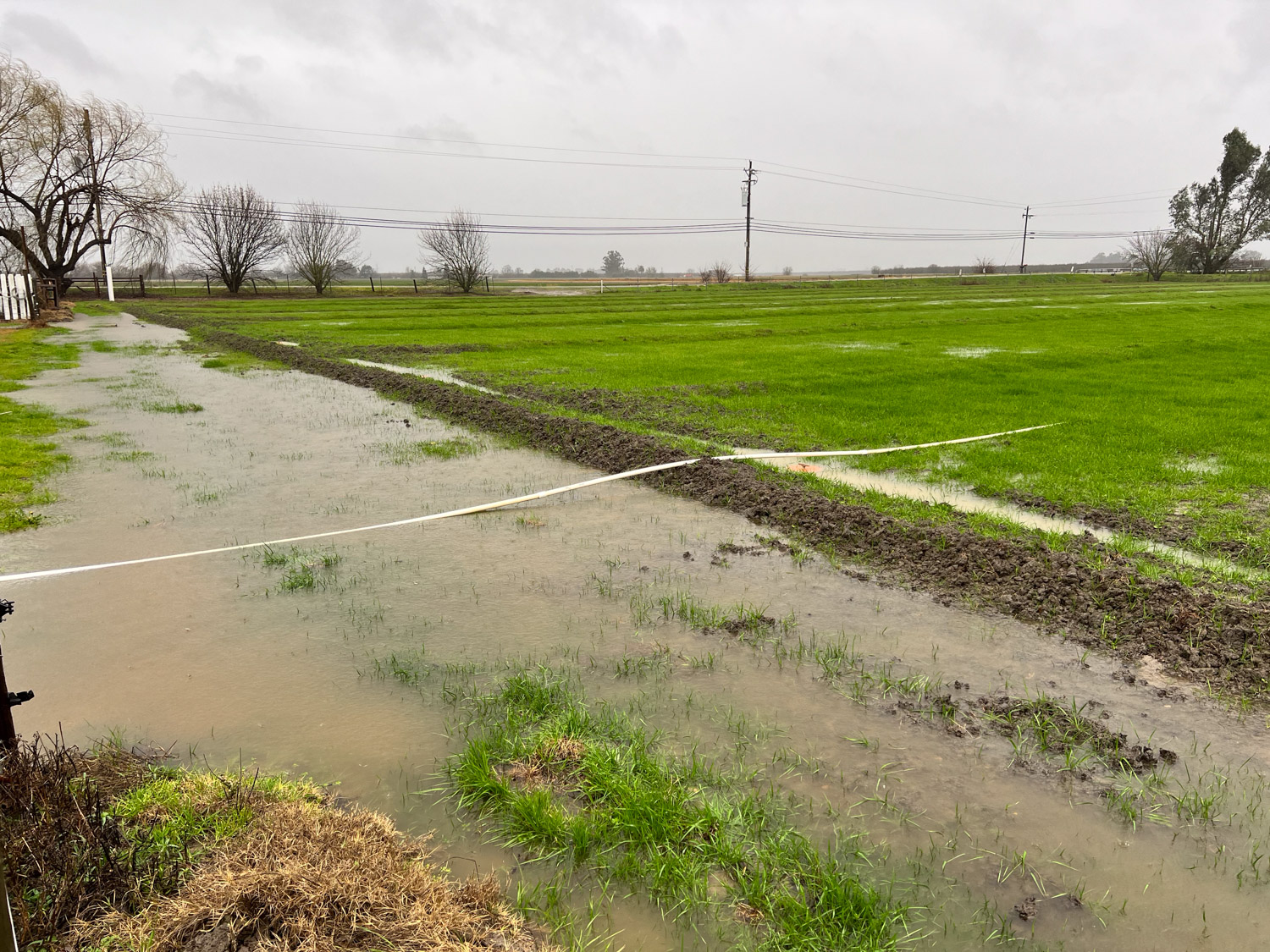
This is the other sensor. We are not happy about the lines in the field that have become ditches. We needed to disc and seed the fields before the heavy rain in November, which was finished hours before that storm (blog post). However the irrigation pipeline work was not completely finished. That involved more traffic back and forth in the field and we have truck tracks to deal with.

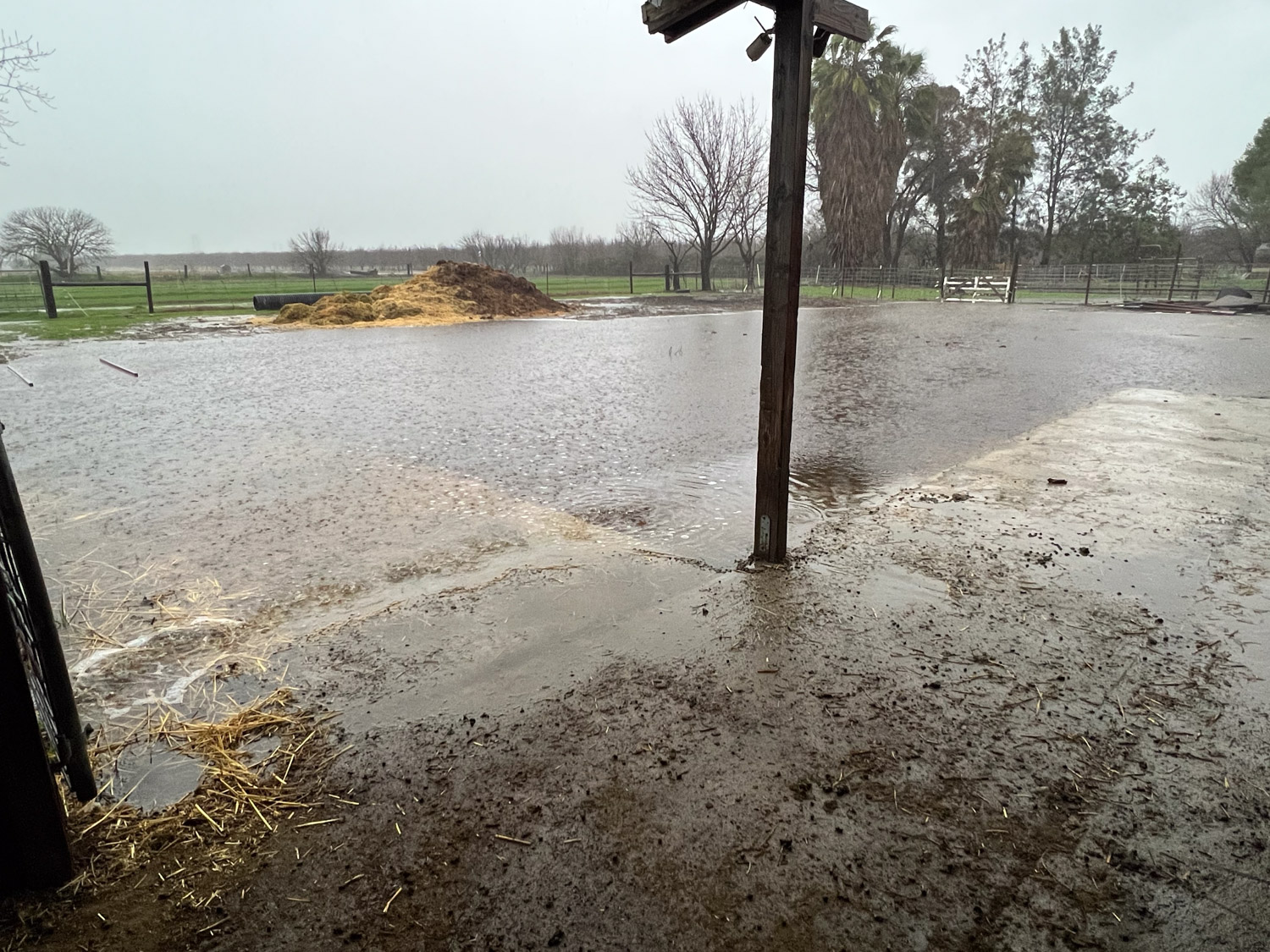
Back to the barn. For those of you who have been here, you know that this is where we walk to the barn from the house. It doesn’t take much rain (well, 2″ on top of 3″ the previous days) to look like this. Thankfully our barn stays dry inside…so far.

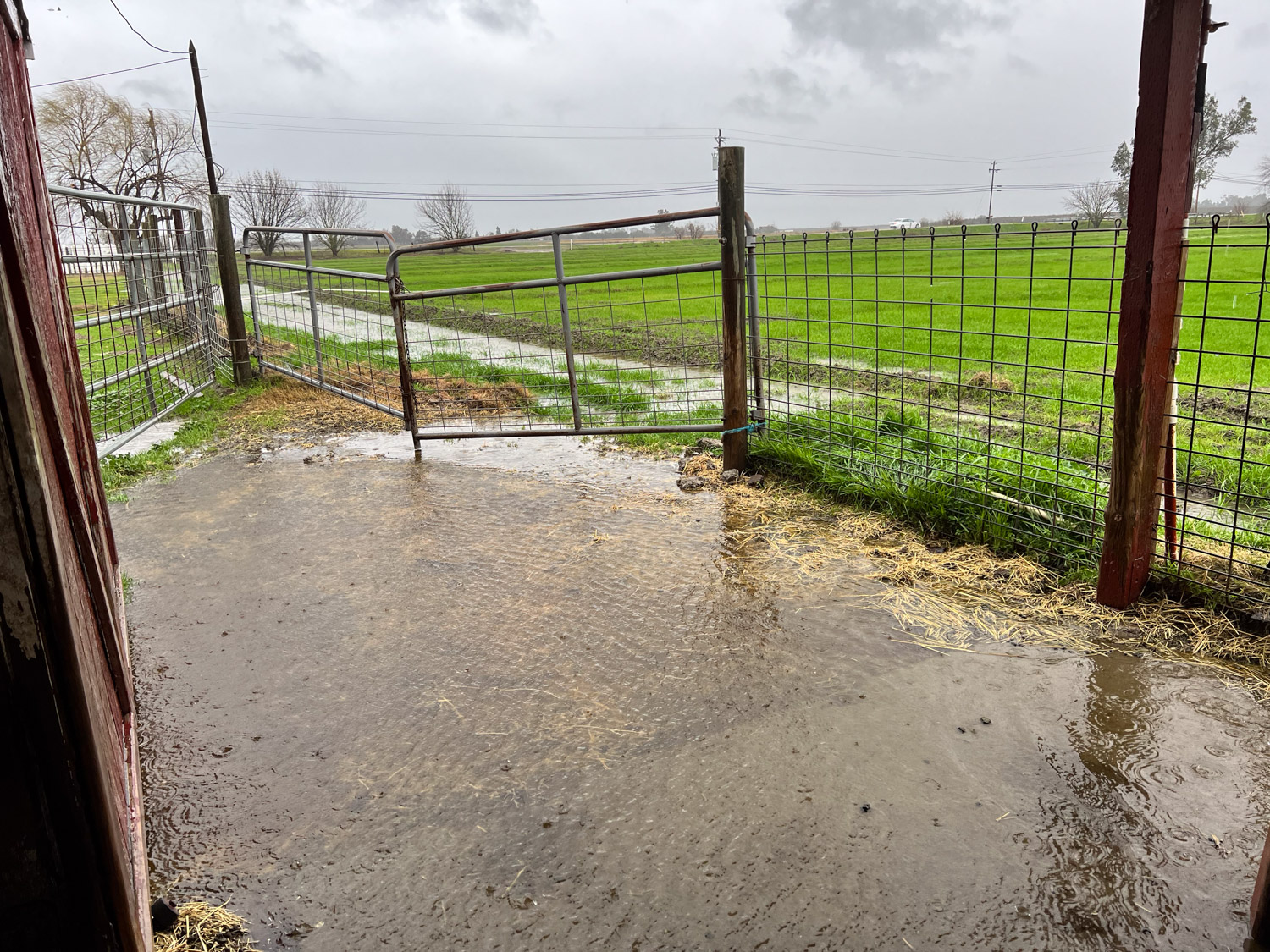
Looking south from the barn door. Normally I’d be digging a ditch to drain the water from here to the irrigation ditch. But we don’t have an irrigation ditch anymore. We have a pipeline which will hopefully make life so much easier and more efficient in the summer.

What looks like a ditch in the foreground is where the old ditch was. Now there is a buried pipeline on the other side of that row of dirt. All of this is still settling so we don’t know what it will look like eventually. The water drains off our property from the southeast corner (near the tree in the top right corner of the photo). Dan set up a pump to take the water from the near the barn through an old pipe and over that row of dirt into the field. It seemed to work OK.

This is the view behind the barn.

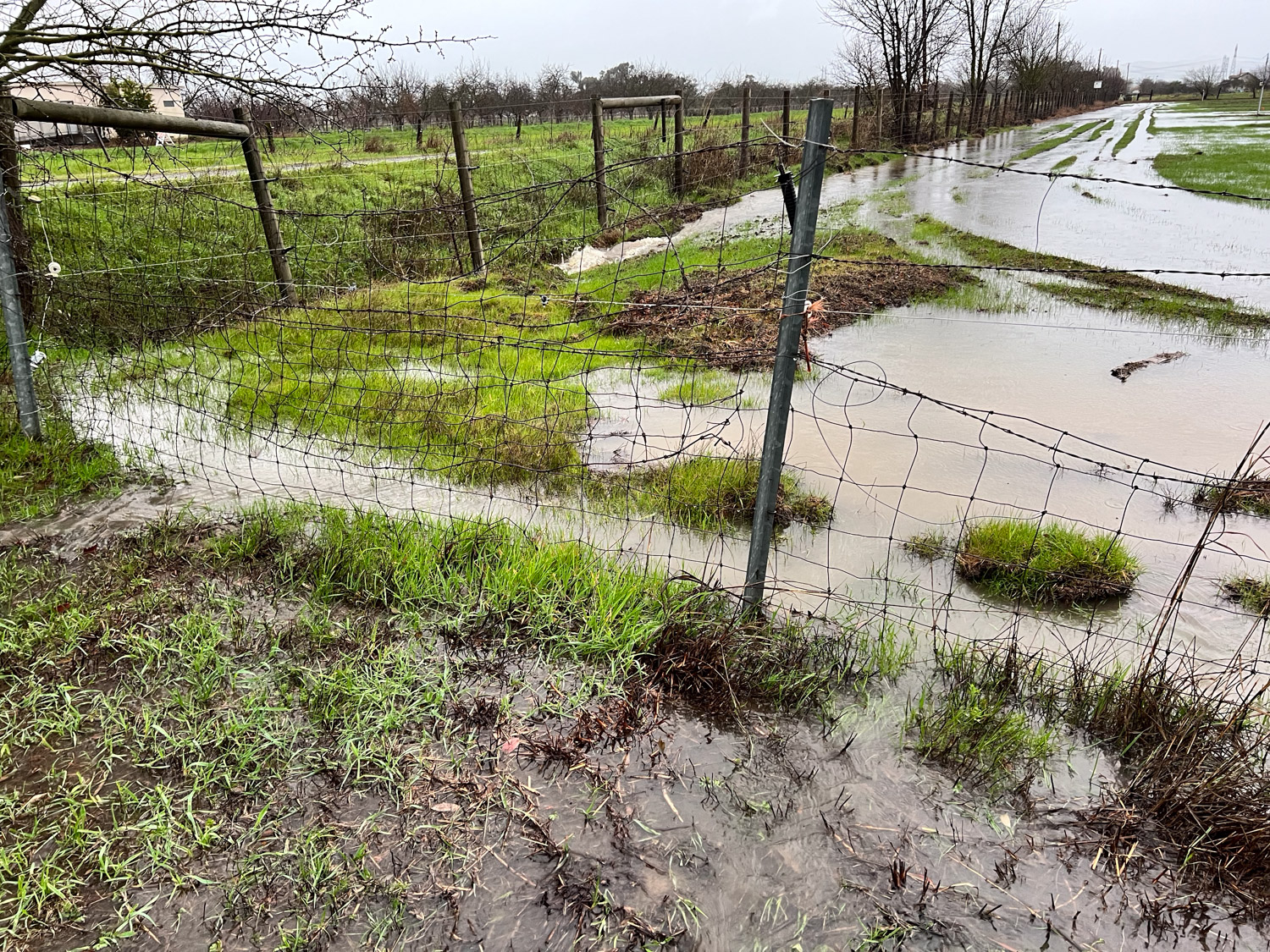
Later in the afternoon I walked back to the southeast corner and brought a shovel. Like I’m going to drain this with a shovel. There is a ditch that is between the fence and the road with a culvert that takes water into the canal, and water was starting to flow under the fence here. The problem to deal with eventually is that the water flowing along the south fence line erodes the soil there as it goes under that fence into another culvert, and eventually those posts will go.

Wednesday’s total.

Yesterday was dry and sunny. Today it started raining again and that’s why the title of this post came to me.

Pasture and Irrigation Renovation – Part 14

The last time I wrote about this project was over six weeks ago in December.

About two weeks ago one of the NRCS representatives came to check on the progress of the pasture seeding. Not a great photo, but he is putting down a grid to aid in evaluating plant growth.

This is what it looks like and I should have asked more about it. I didn’t see him mark where he put it or count plants. We were talking about generalities in the pasture, but now I’m going to ask. Did you know that my degree from UC Davis is in Range and Wildlands Science? So I recognize this for what it is–a tool for analysis of plant germination and growth–but we didn’t talk about it.

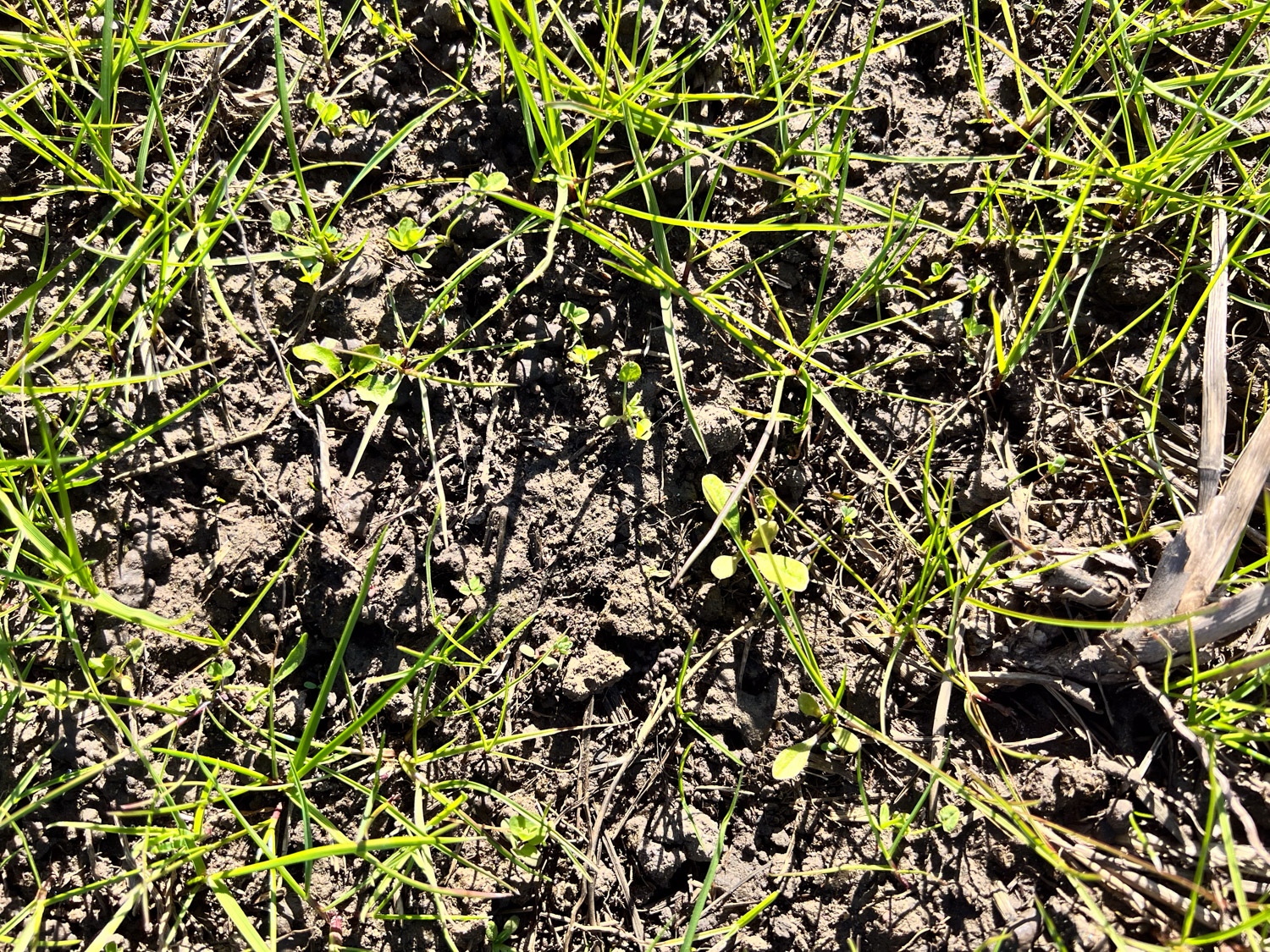
Do you see how hard it is to evaluate growth when you look across the field and not straight down? Compare the first photo to the next two. In the second photo close up photo it shows grasses and forbs. There were three of each in the seed mix. We identified clover and chicory, but I don’t see trefoil yet. I can’t identify the grasses.

This is the field west of the barn. The grass growth is thicker here, at least in that small area.

This is a photo taken from the same spot as the last one, but looking north. This is the check where there was traffic from the people working on the irrigation system. We’re thinking that it probably needs discing again.

Last week we met with a representative from the company that makes the soil moisture sensors that were installed. He showed us how to see the info generated by the two sensors and we talked about how we’ll use that. They are sensors are at the south end of the field, one near the west edge and one in the center, still in line-of-sight with the sensor in the northwest corner.

The flag in the foreground marks where the sensor is at this station.

This is what it looks like inside the box.

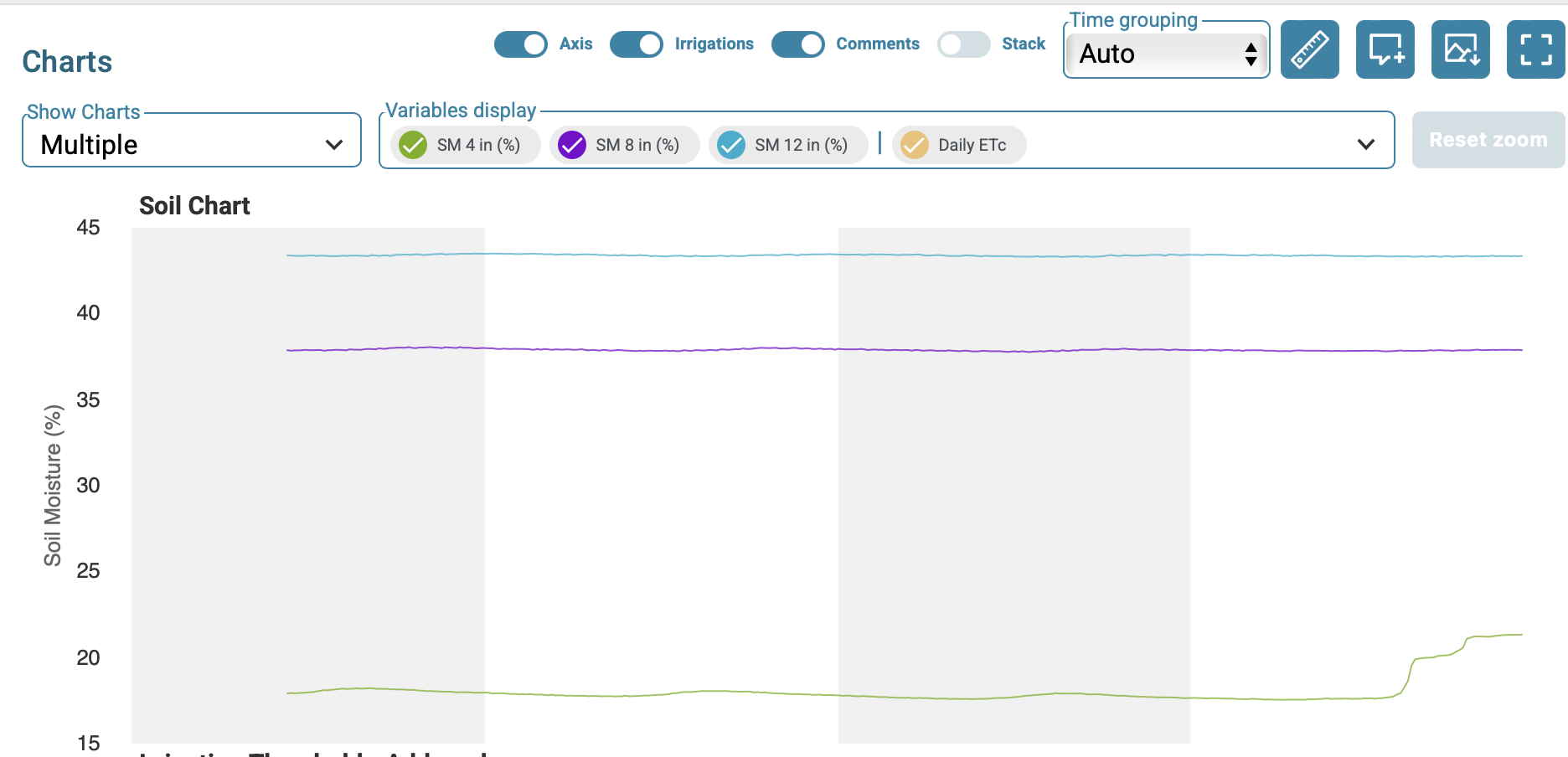
We haven’t had rain for a month and there have been north winds that make things dry out even more. We were getting worried about this new pasture. Those little seedlings need moisture in their root zone to stay alive. This is a screenshot of what the sensor shows for one station. The gray and white columns each indicate a day. The horizontal green line is 4″ depth, purple is 8″, and blue is 12″. You can tell that today’s 1/4″ rain just started to soak in.

Here is what the other sensor shows. The scale on the left axis is different. This 4″ level had more moisture to begin with than the other two. We will be learning how to use this info. There is a lot more available. I just copied this portion for now. This will sure be interesting to follow.

Shearing Day 2025 – Part 2

Shearing Day was a week ago. Here is the first post.

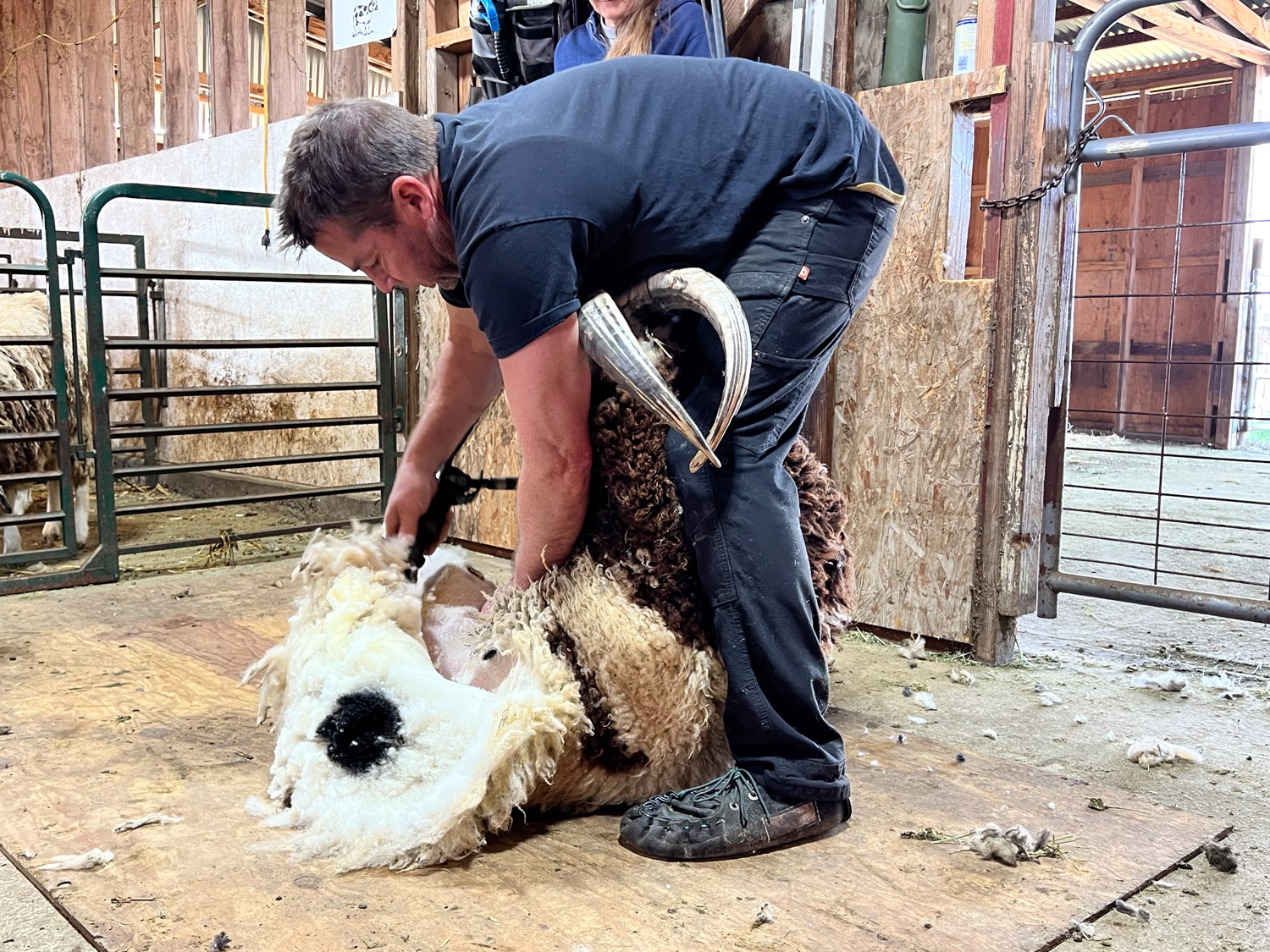
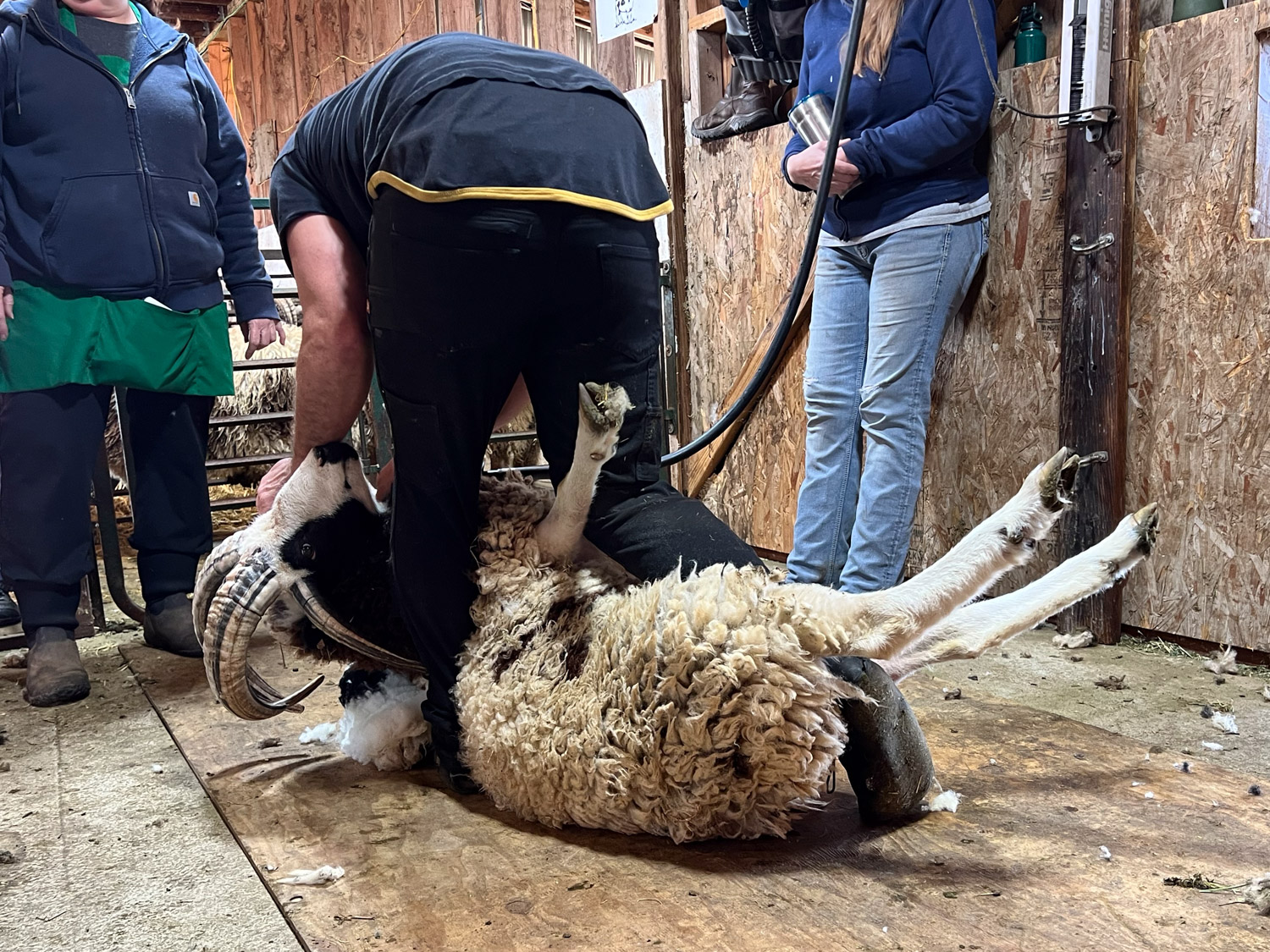
As we loaded Trish’s sheep into the trailer John kept shearing, starting with my rams…

…and then moving on to ewes.

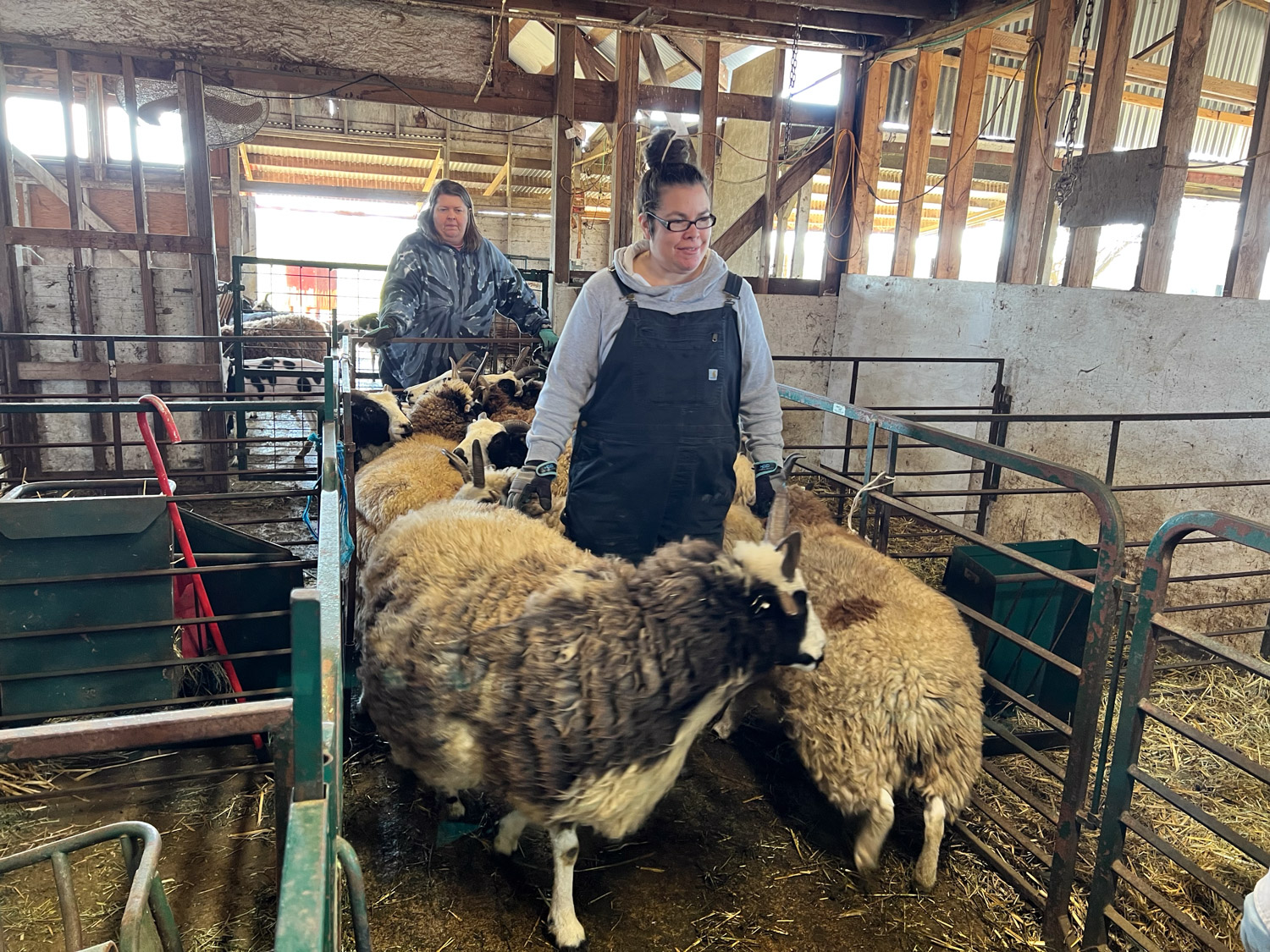
Farm Club members kept the sheep coming so that John didn’t have to wait.

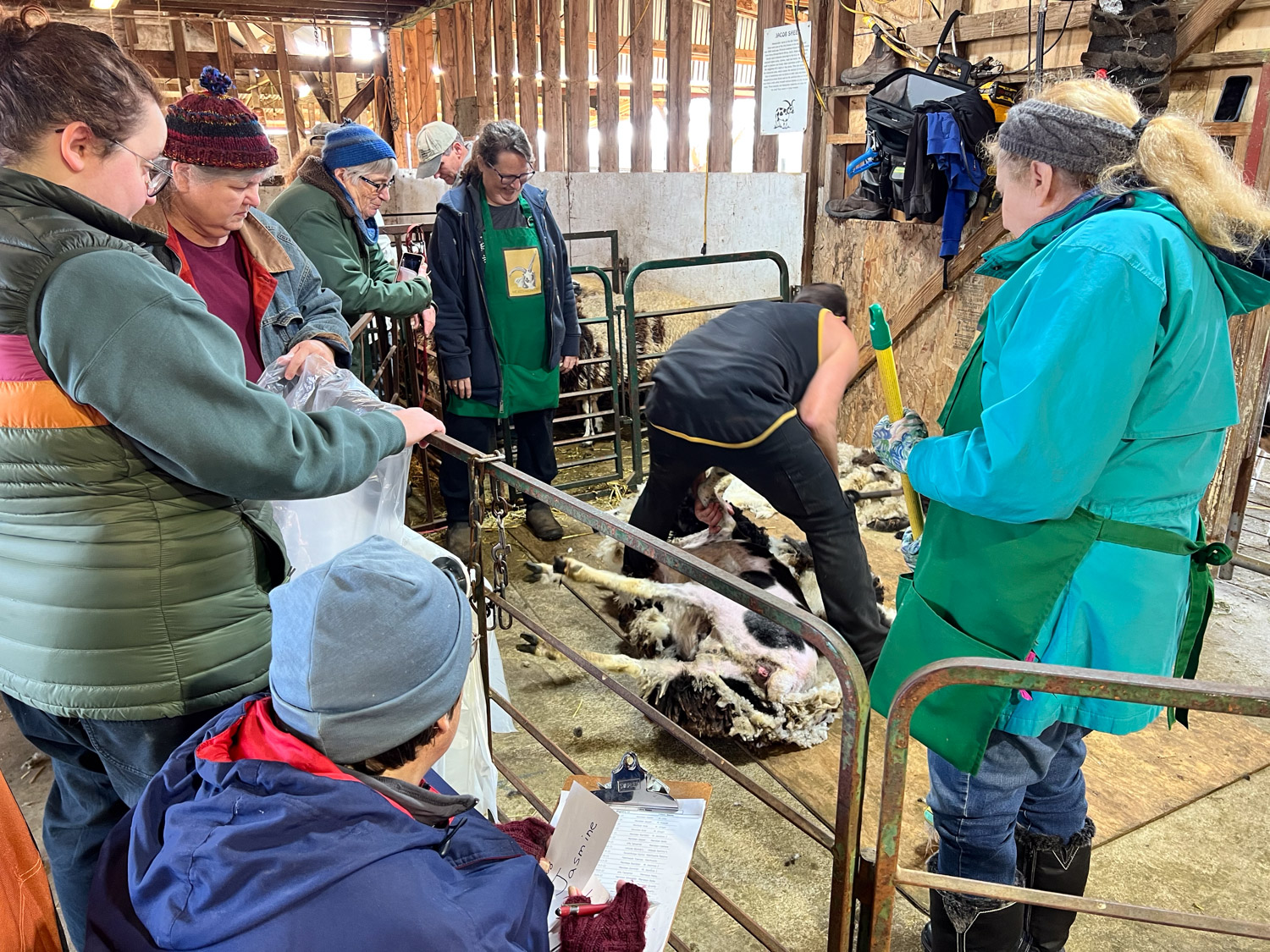
Farm Club members covered all the jobs. They moved sheep, bagged fleece, checked the ciipboard, swept between sheep and let sheep out as they finished. I have videos of shearing but haven’t had time to post them yet. Because I recorded 4 or 5 videos I can say that John shears a sheep in just over 2 minutes. It is amazing to watch.

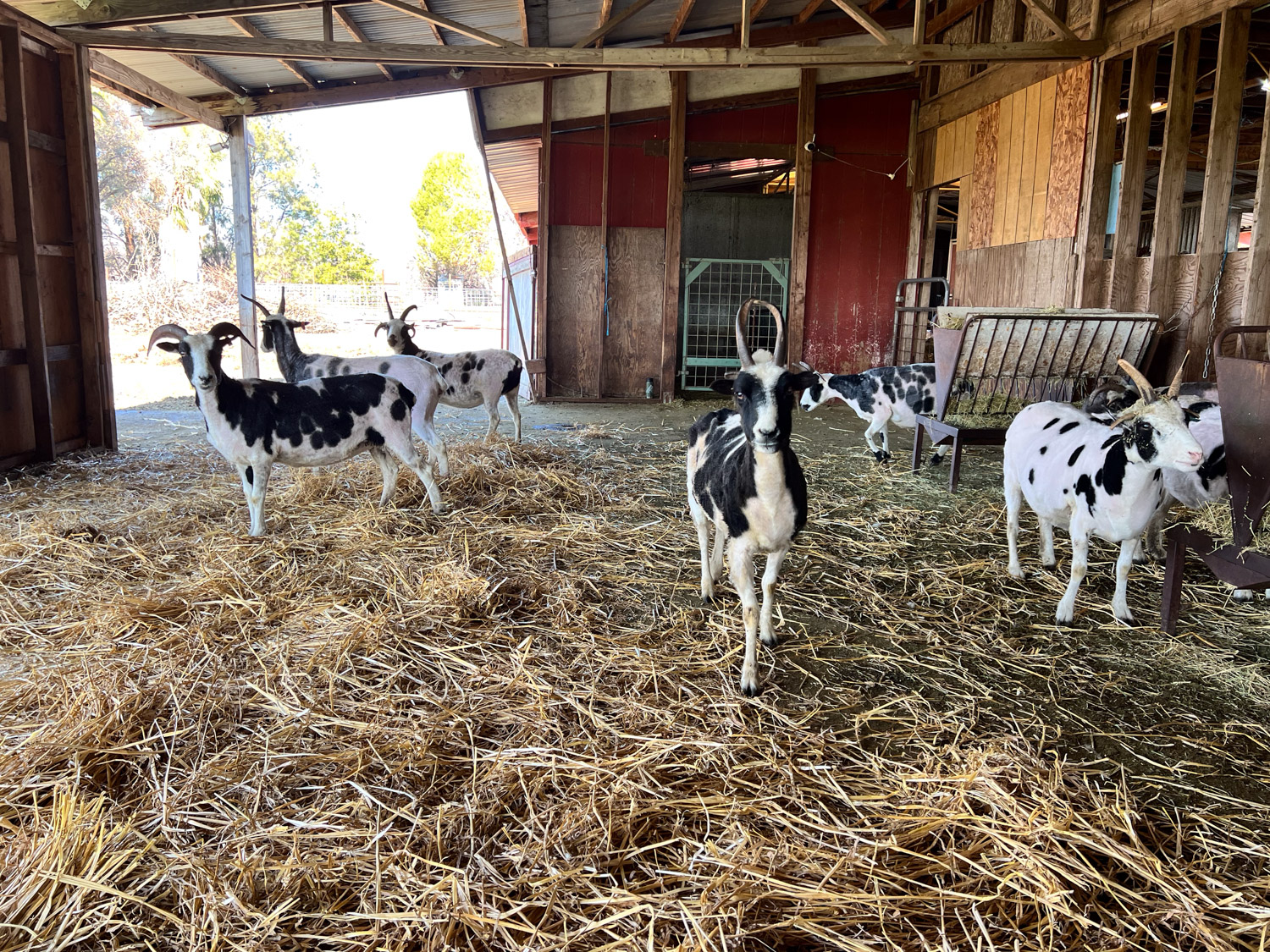
We bedded the barn with straw knowing that would help with the cold at night.

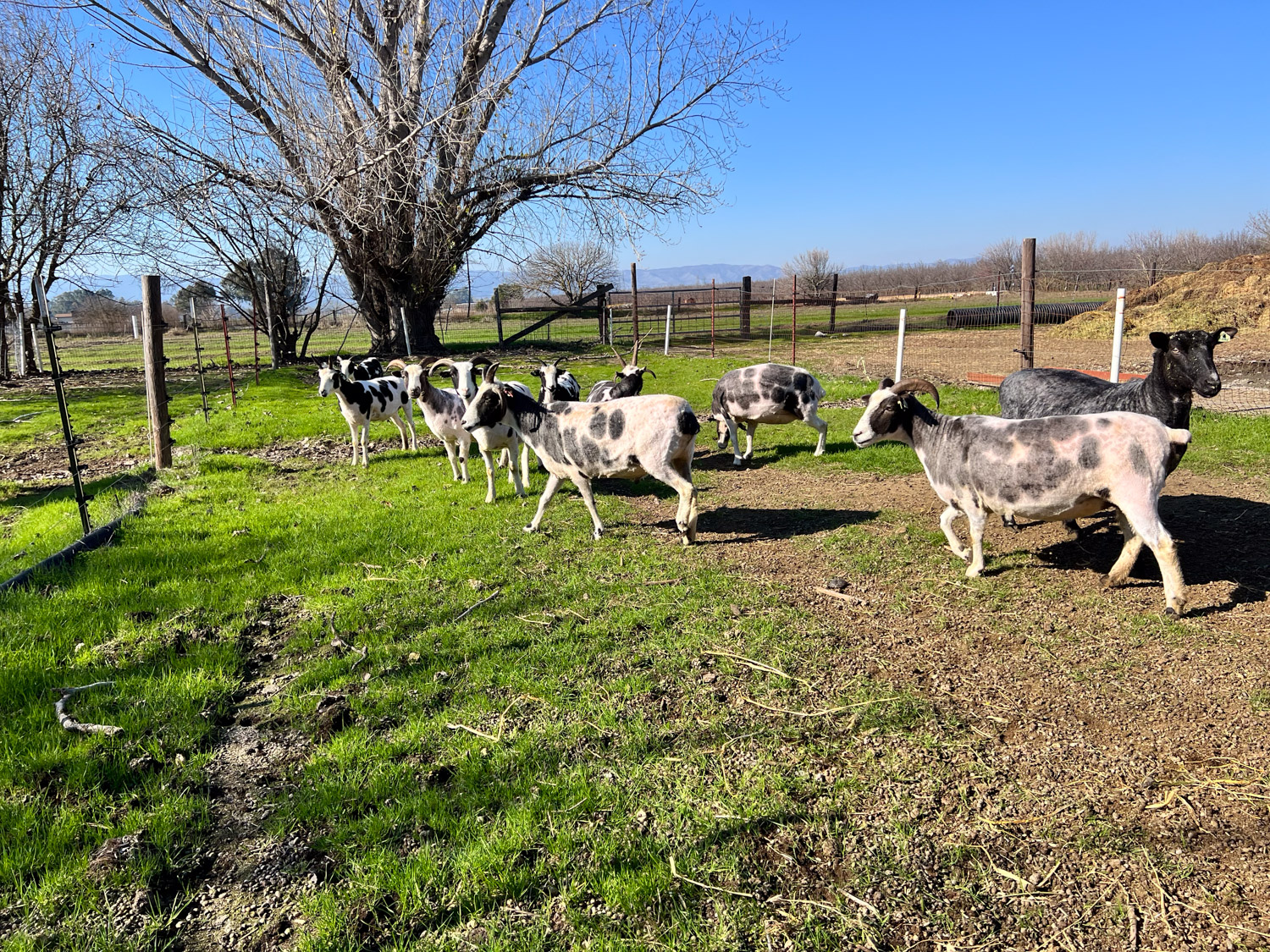
The shorn sheep enjoyed the sun during the day.

Farm Club member, Kathleen, took over her annual job of weighing fleeces.

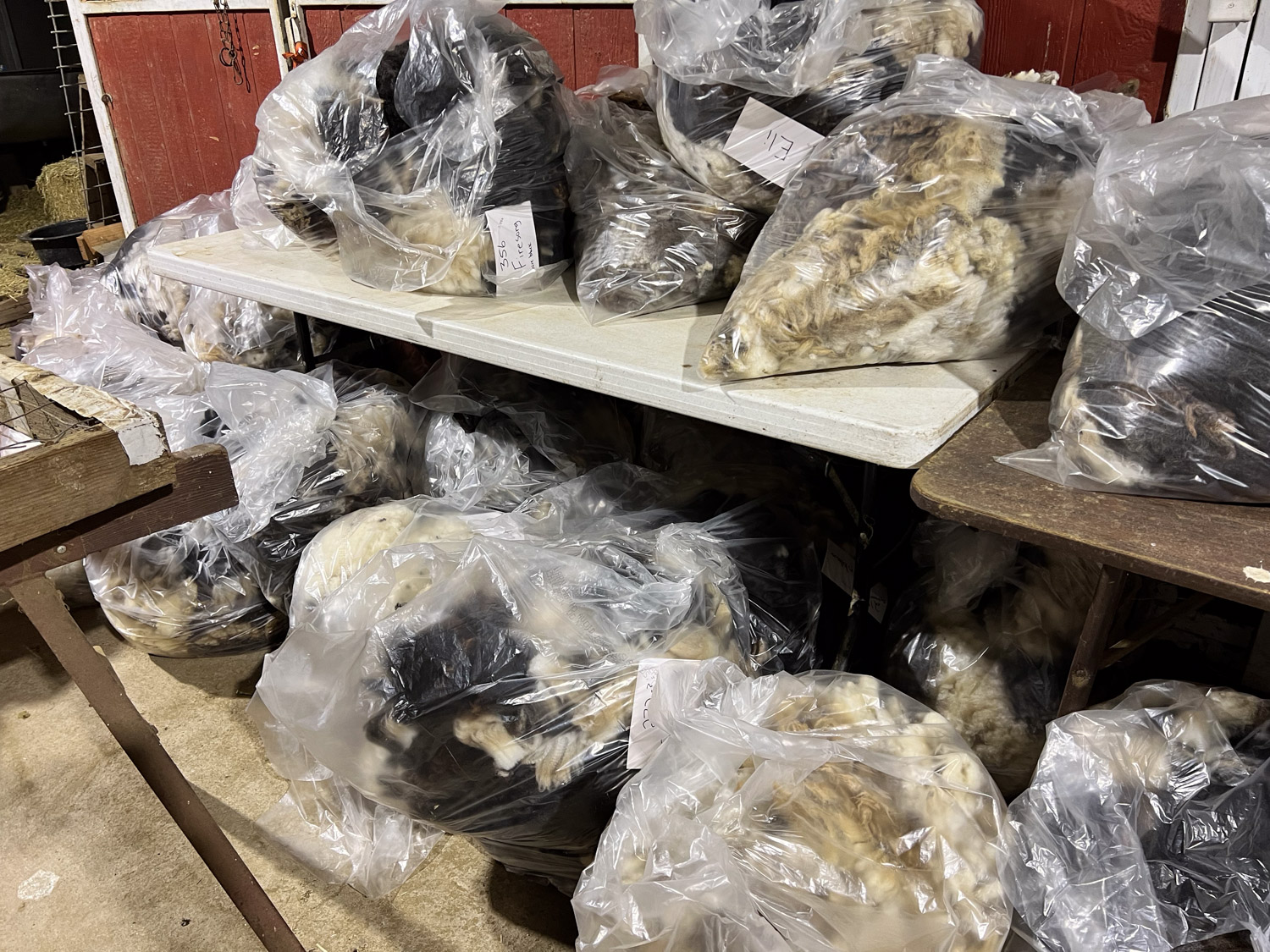
This is just some of the fleeces, bagged and labeled with sheep name and weight.

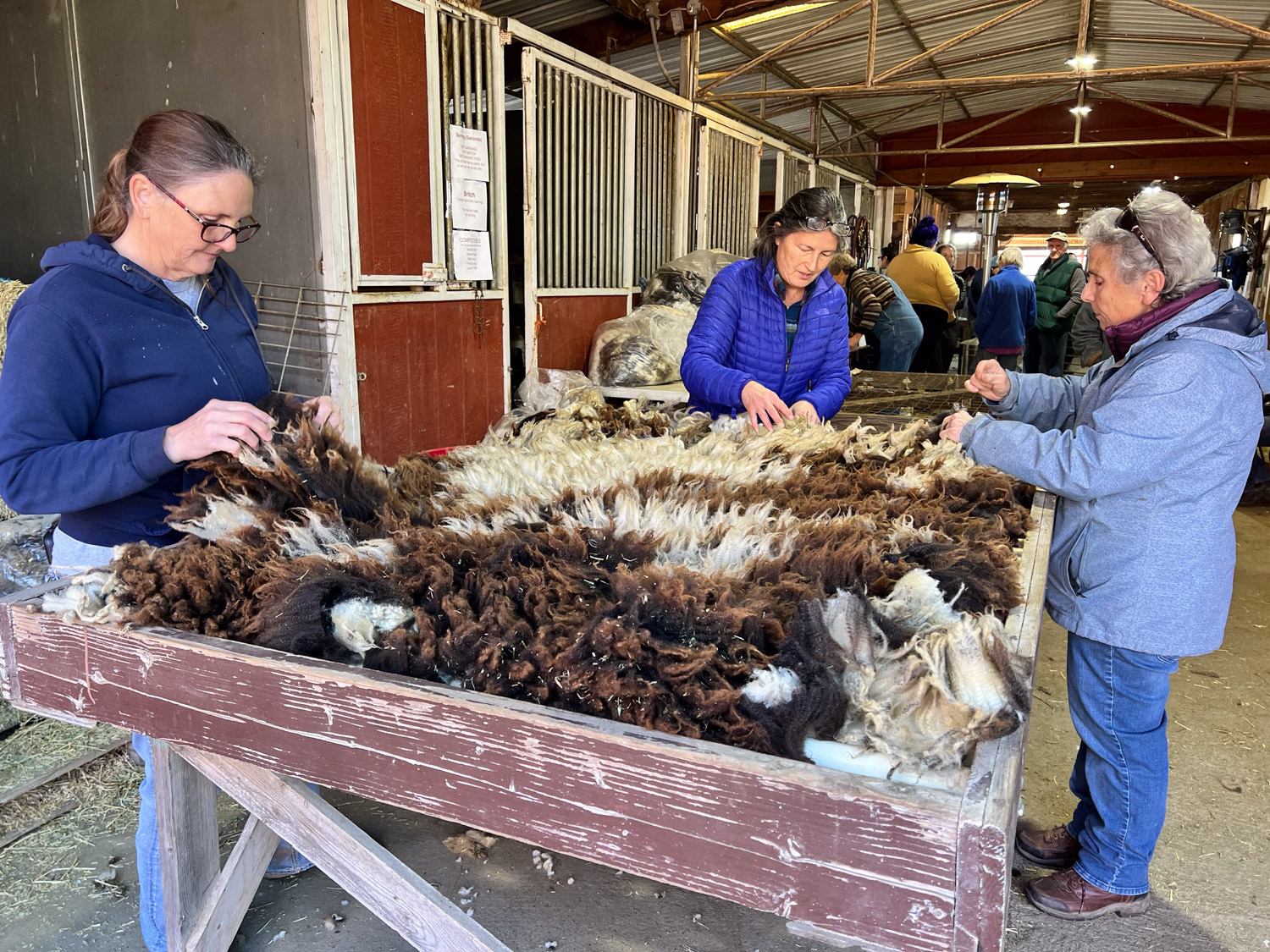
Farm Club members and other friends who purchased fleeces were able to skirt fleeces the selected.

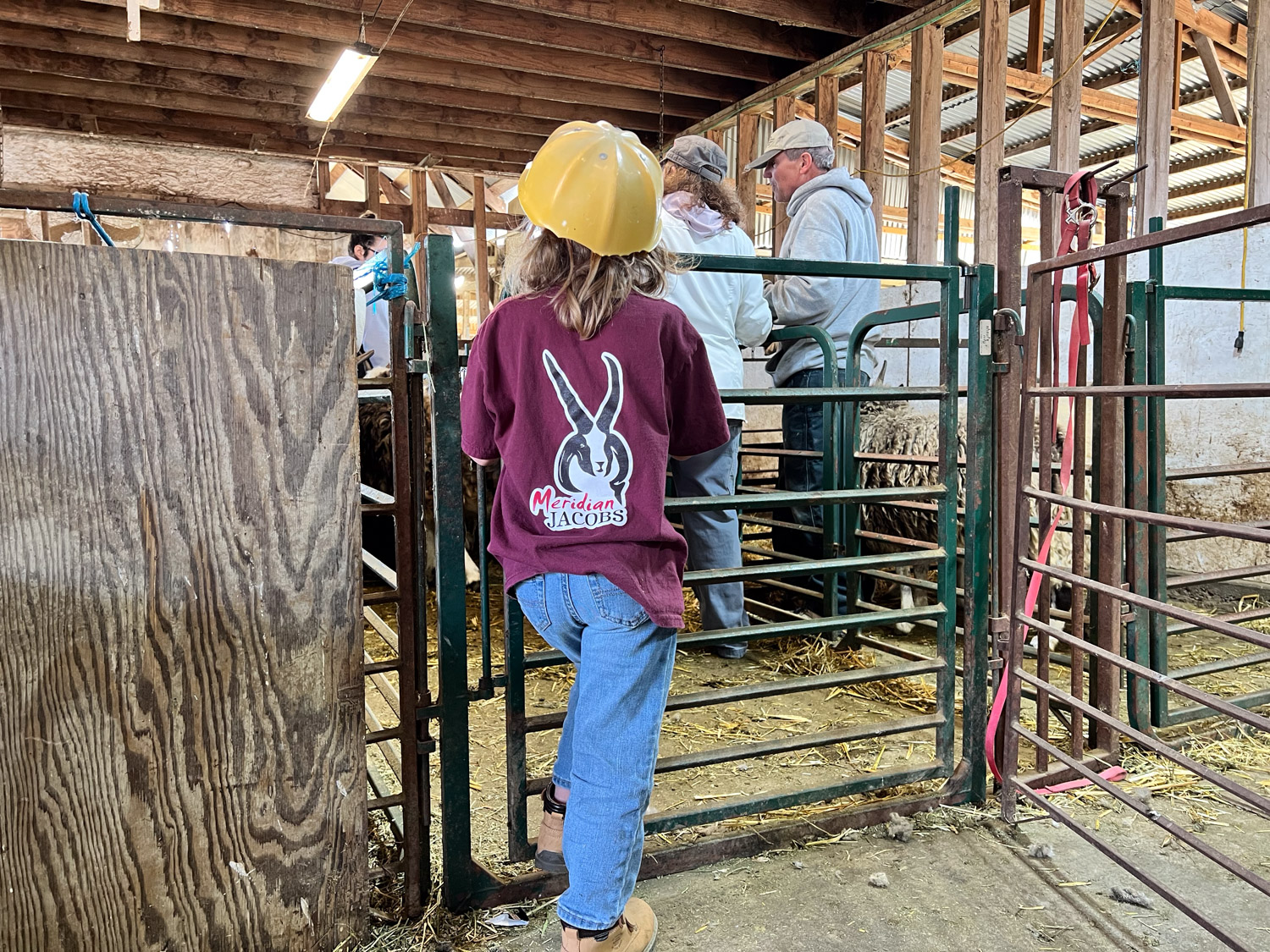
This is our youngest Farm Club associate, son of a member. He wanted a job and spent most of the morning cleaning the barn with the help of Dad.

Shearing Day can be tiring. This is Oakley, John’s dog, in a pile of belly wool.

After shearing was over I called on three Farm Club members, who are now tagged as the Tech Team, to figure out why I couldn’t get the barn cameras to work after we made a big switch to a new internet service. I hadn’t been able to get them set up again. Farm Club members have links to those cameras. Success!

Shearing stats: We sheared 64 ewes, 12 rams, and a wether. That’s important to know because shearers charge more for rams. I guess it’s a good thing that they don’t charge more for horns. (Joke) Of those sheep 47 ewes, 9 rams, and the wether are mine. We didn’t shear 2 ewes who will be the subject of another blog post. Fleece weights range from 2.5 to 6 pounds. That’s typical for Jacob sheep.

I need to start skirting and sorting fleeces so I can get some on the website for sale and others to the mill for processing.

Shearing Day 2025 – Part 1

We were lucky on Shearing Day. It was cold in the early morning, but there was no threat of rain and the sun was out.

The day before we took our trailer to Trish’s farm a few miles away. We loaded 21 sheep to bring them to our place for shearing the next day. It turns out that one of the 21 was mine–I had forgotten about the ram lamb Trish borrowed in September to breed some of her ewes. So now I have 9 rams–that’s a few too many!

These are Trish’s sheep the next morning. I remember that ewe on the left from last year. See her photo below.

Her hair style makes her memorable.

John got here at 9 and we started with Trish’s sheep. This ram is Starthist Goldhill, sired by one of my 2-horn rams who is no longer here.

Farm Club members were on hand to help with all the jobs. They kept the shorn sheep out of John’s way while he worked.

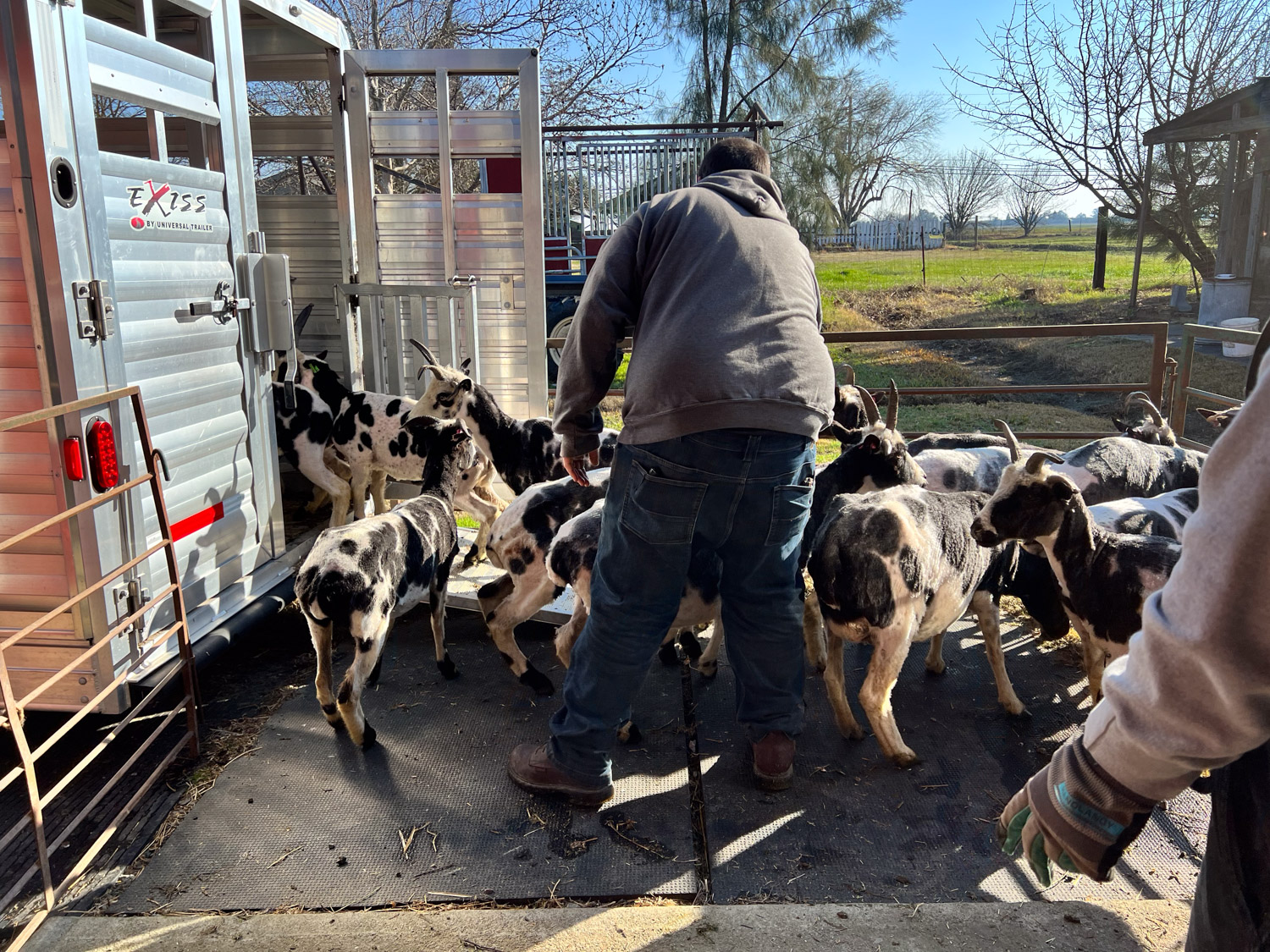
After all 20 of Trish’s sheep were shorn we moved panels around to load them back in the trailer.

They fit better after shearing.

Then John started on my rams. This is Eli.

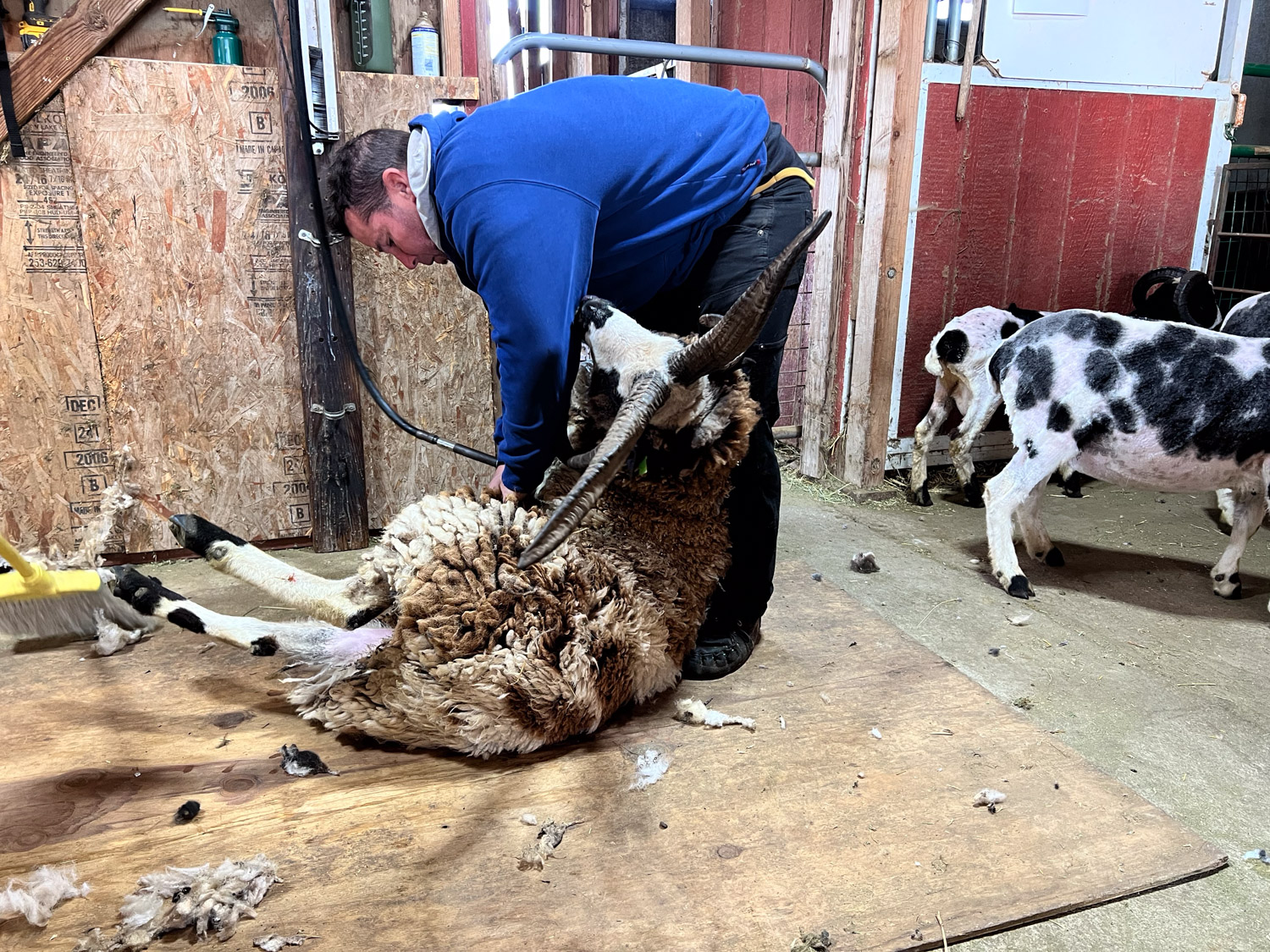
For those of you who may not have watched shearing, the shearer follows the same pattern on all the sheep.

I recorded video of shearing four or five sheep. I haven’t had time to edit and post those videos yet, but because of recording I know how long it took to shear those sheep. What do you think?

John is shearing each sheep in under 2-1/2 minutes. Some are close to 2 minutes!

More shearing photos in the next post.