Unknown's avatar

About Robin

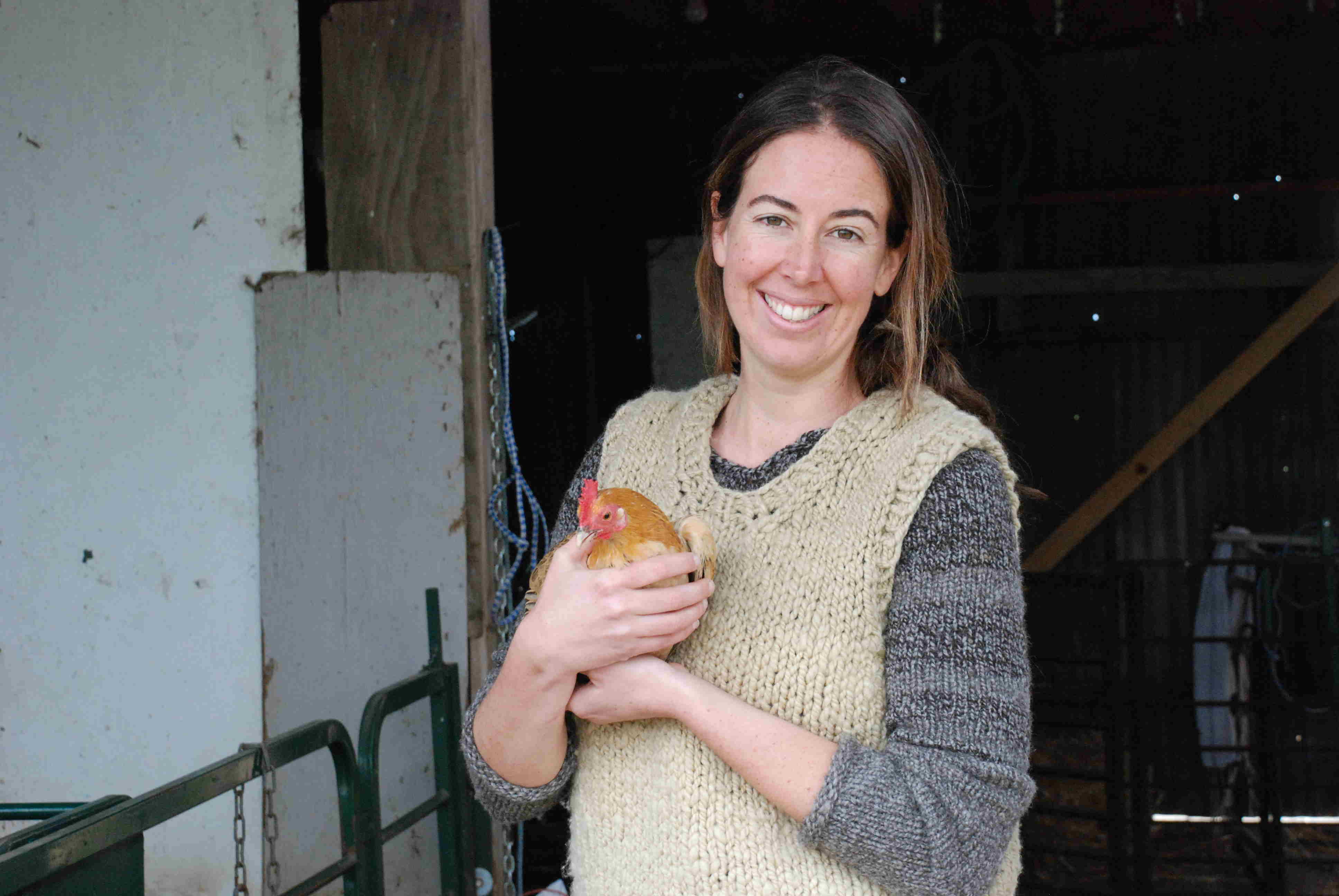
Owner of Meridian Jacobs, farm and fiber shop. I raise Jacob sheep, teach fiber arts classes, weave handwovens for sale, and manage the store.

Meet the Sheep a Success

After a very wet winter, we welcomed fabulous weather (and our first dry weekend) for Meet the Sheep, our annual Open House. Even with the great weather it would not have been such a success without all my friends helping.

Julie set up a dying and drum carding demo area and also brought…

her cute Pygora goats.

Colleen skipped Saturday at he Farmer’s Market to bring her Fiber Confections booth here.
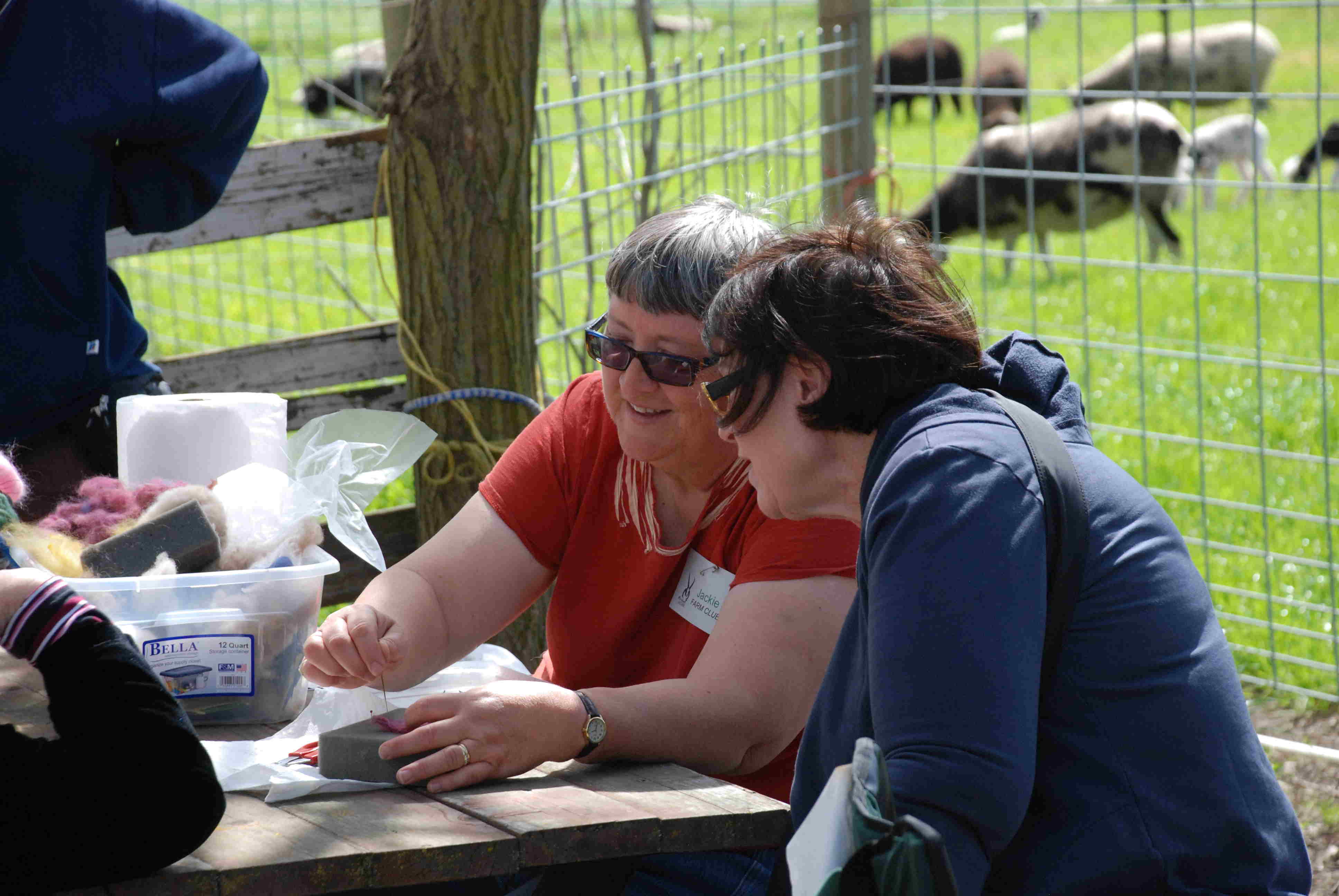
Jackie had her booth here and helped people learn to needle-felt.

I don’t have photos of everyone but I am grateful to Farm Club members for helping as well as to my friend Chris who worked in the shop.

There were a lot of visitors.

This is Marissa who modeled her first sweater made of handspun yarn, from Jacob wool of course.

New weavers enjoyed the weather, their wine, and a new weaving book.
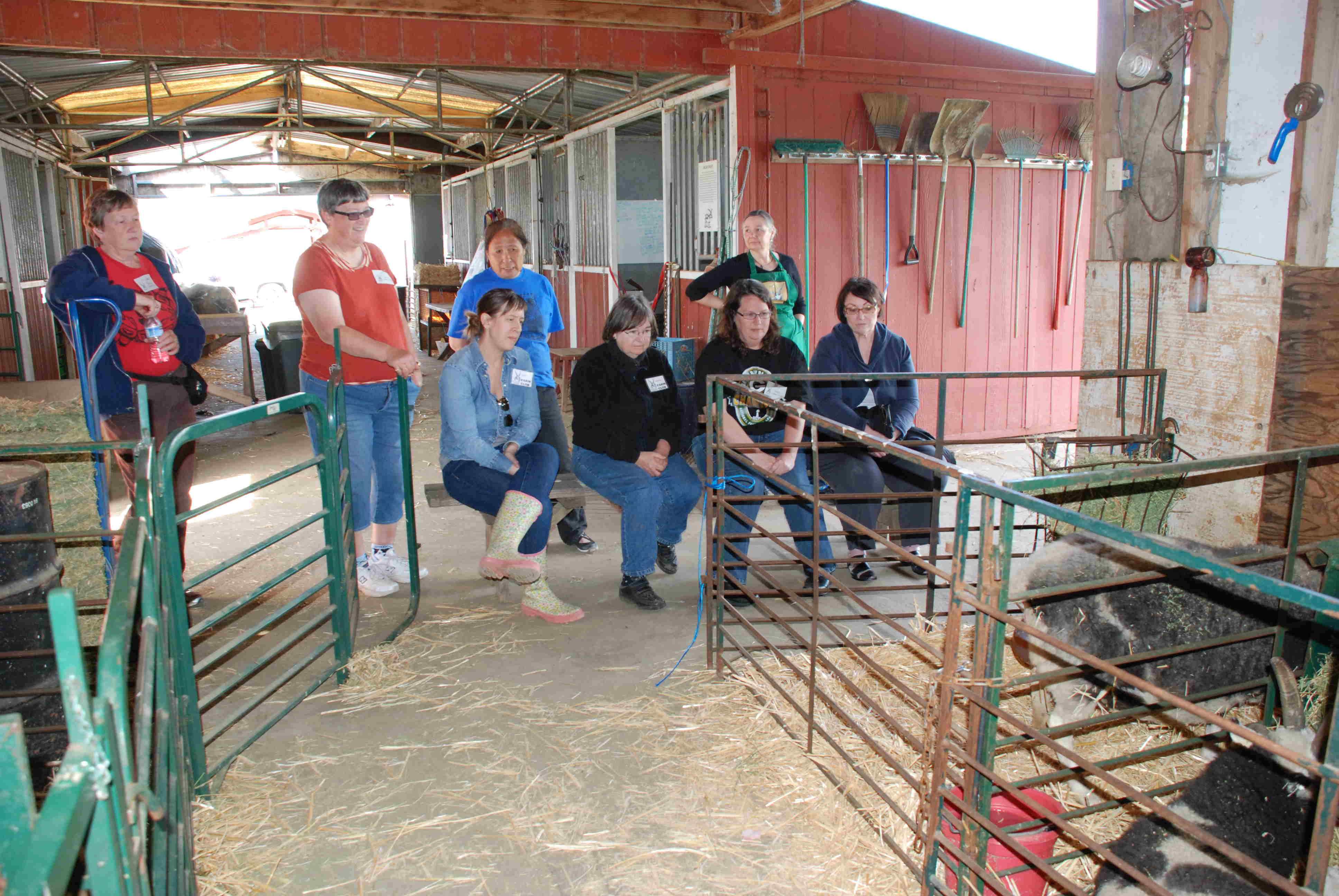
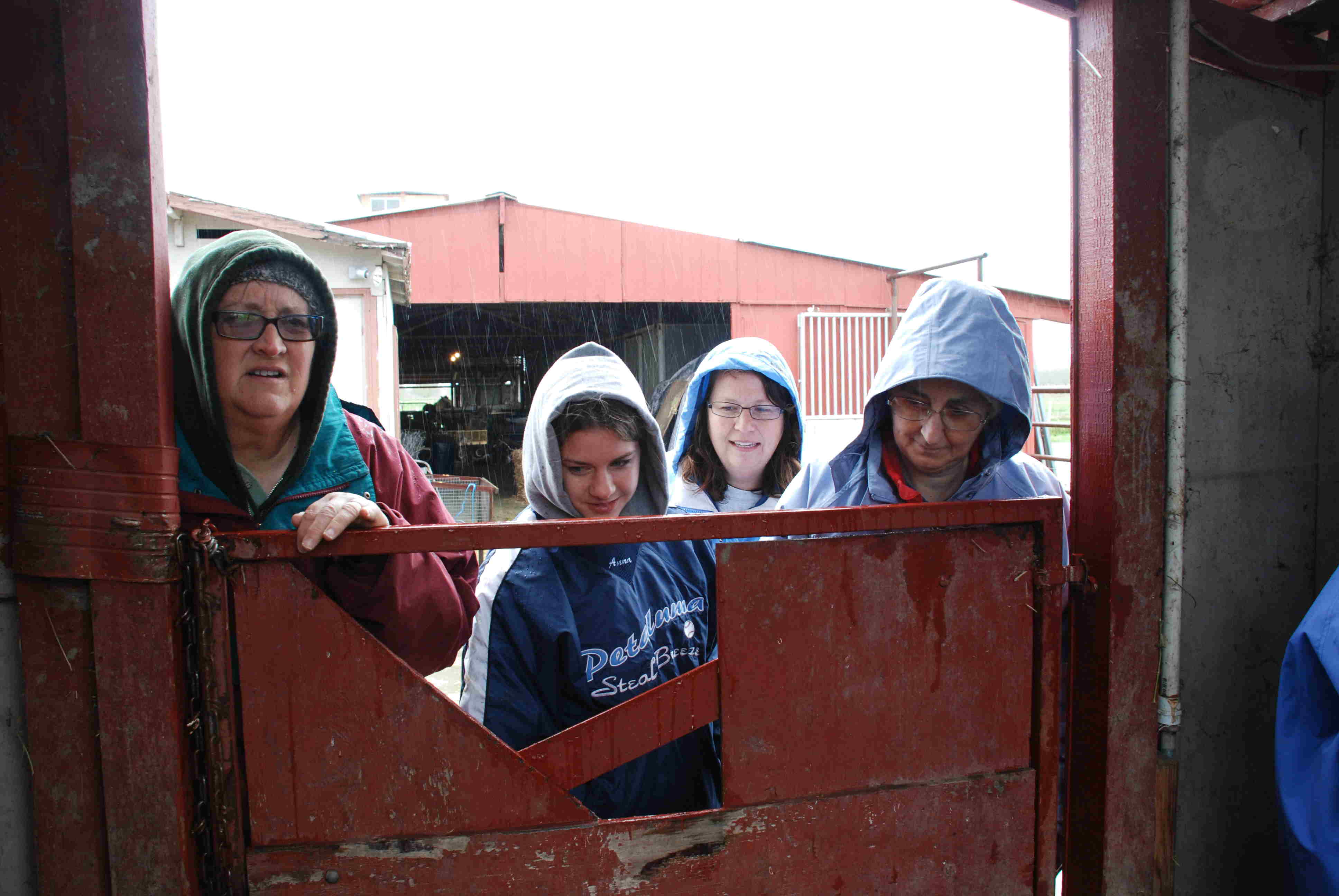
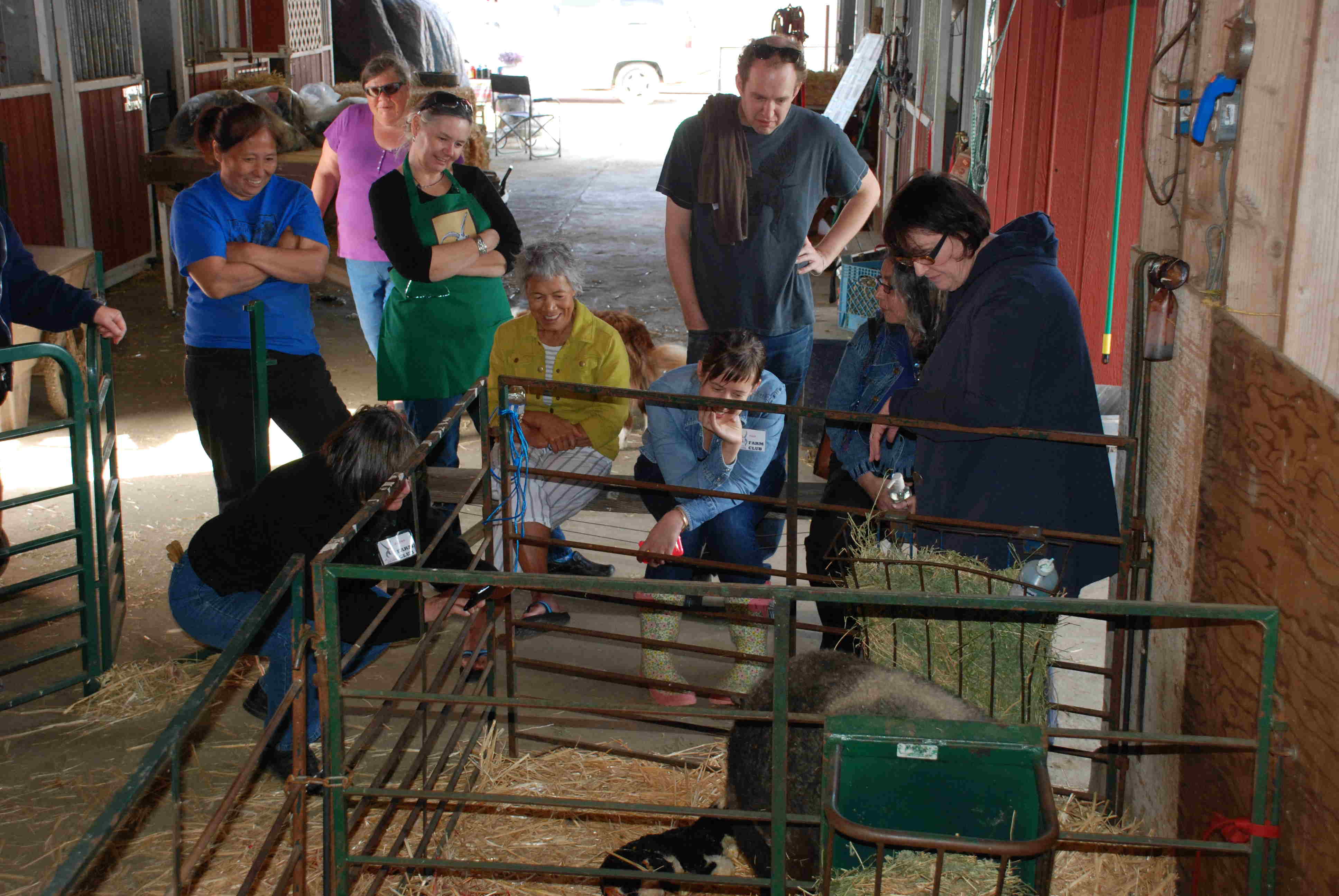
At the end of an exhausting day Laura finally decided it was time to lamb. Most of the Farm Club members were here watching.
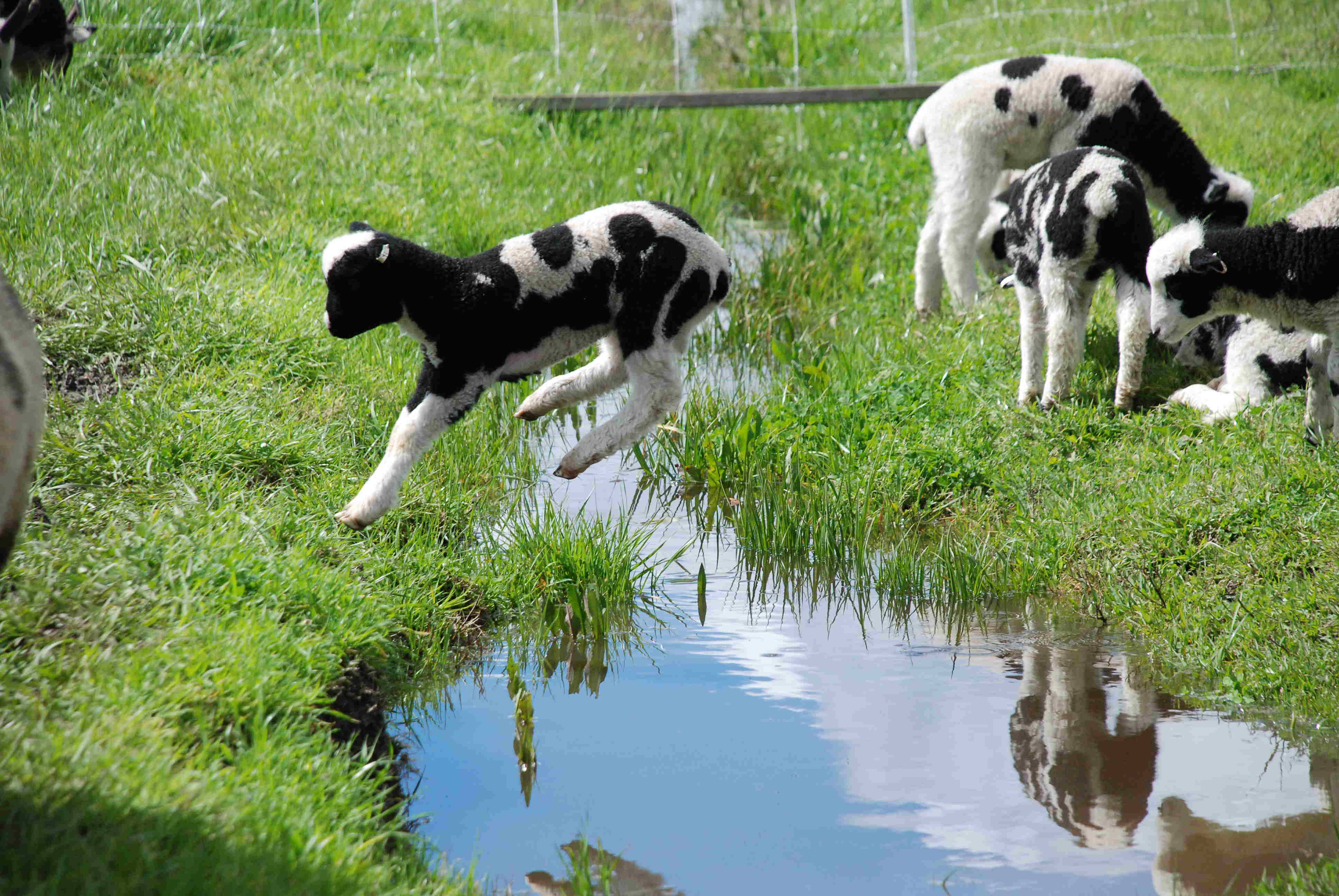
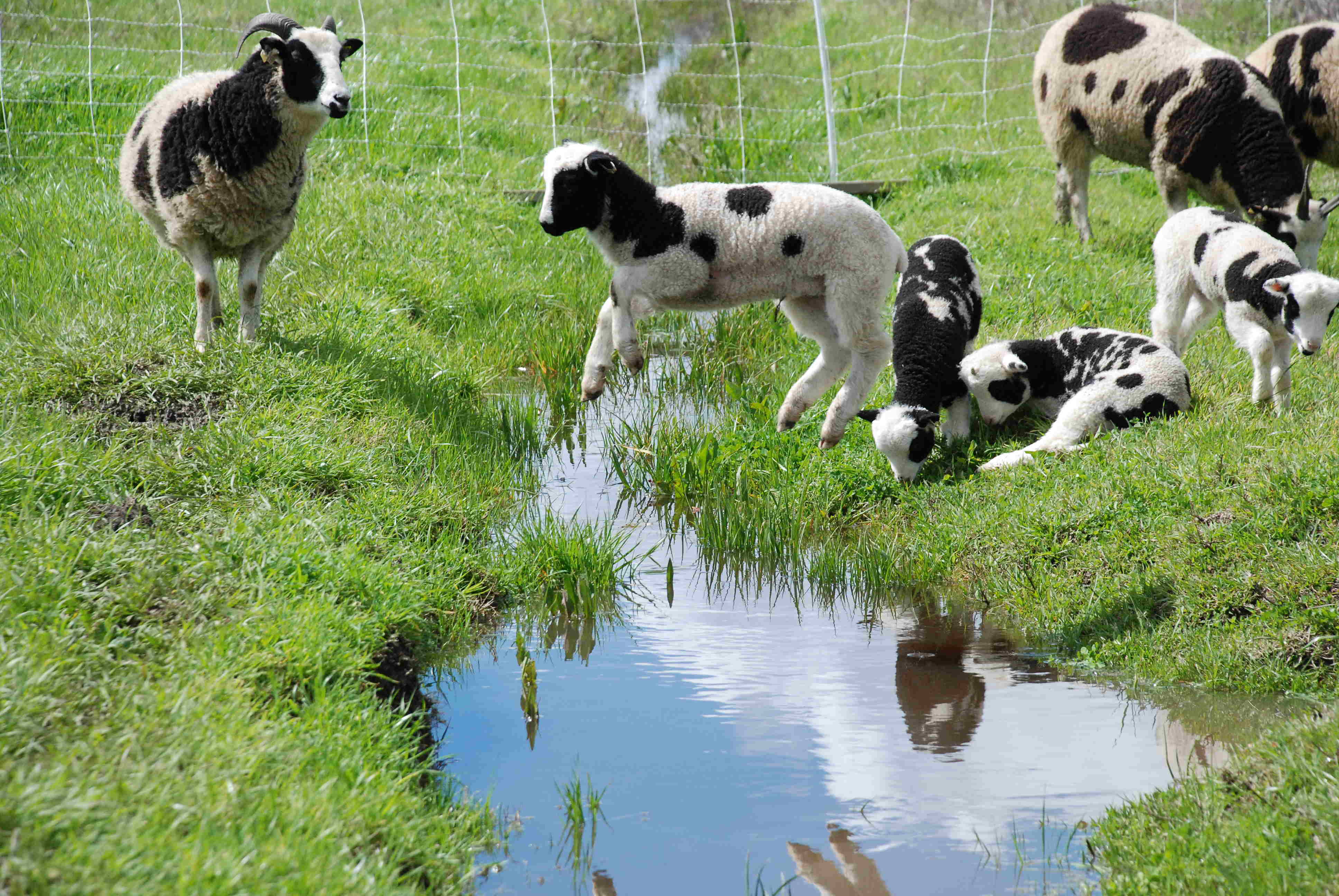
There was relief after Laura delivered a healthy set of twins.
A Rainy Farm Day

Farm Club members braved stormy weather to make the March Farm Day a fun and productive day. As usual I had more tasks on the list than we could hope to accomplish in the morning but we made good progress.

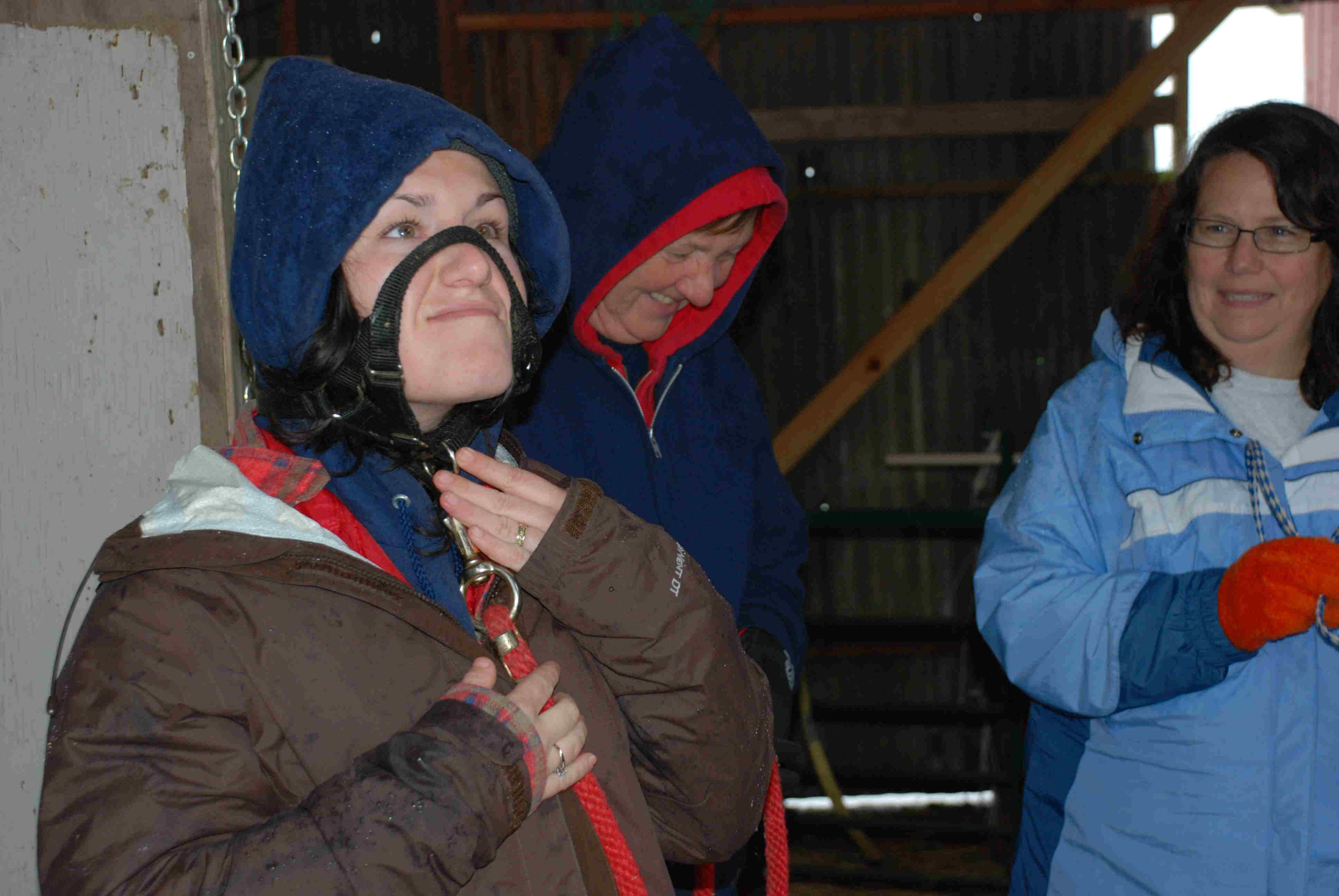
First on the list was a lesson on using a halter and tying a rope, using a knot that can be easily released. I didn’t mean that the people had to wear halters, but Shelby is always ready for anything.

Everyone helped catch lambs and record the number of horns and whether or not there were any eyelid defects.  (Split eyelids are not uncommon in 4-horn sheep.)

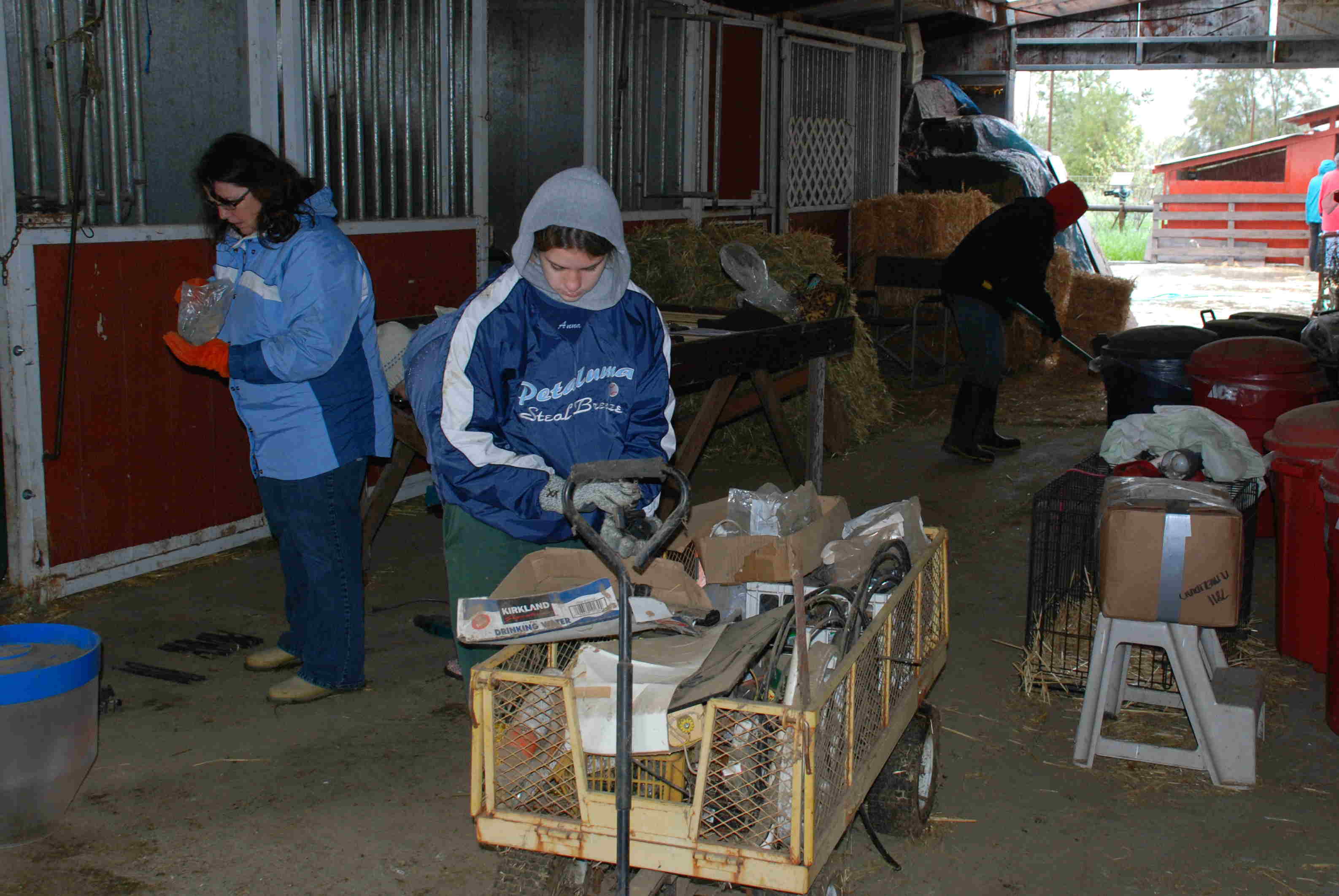
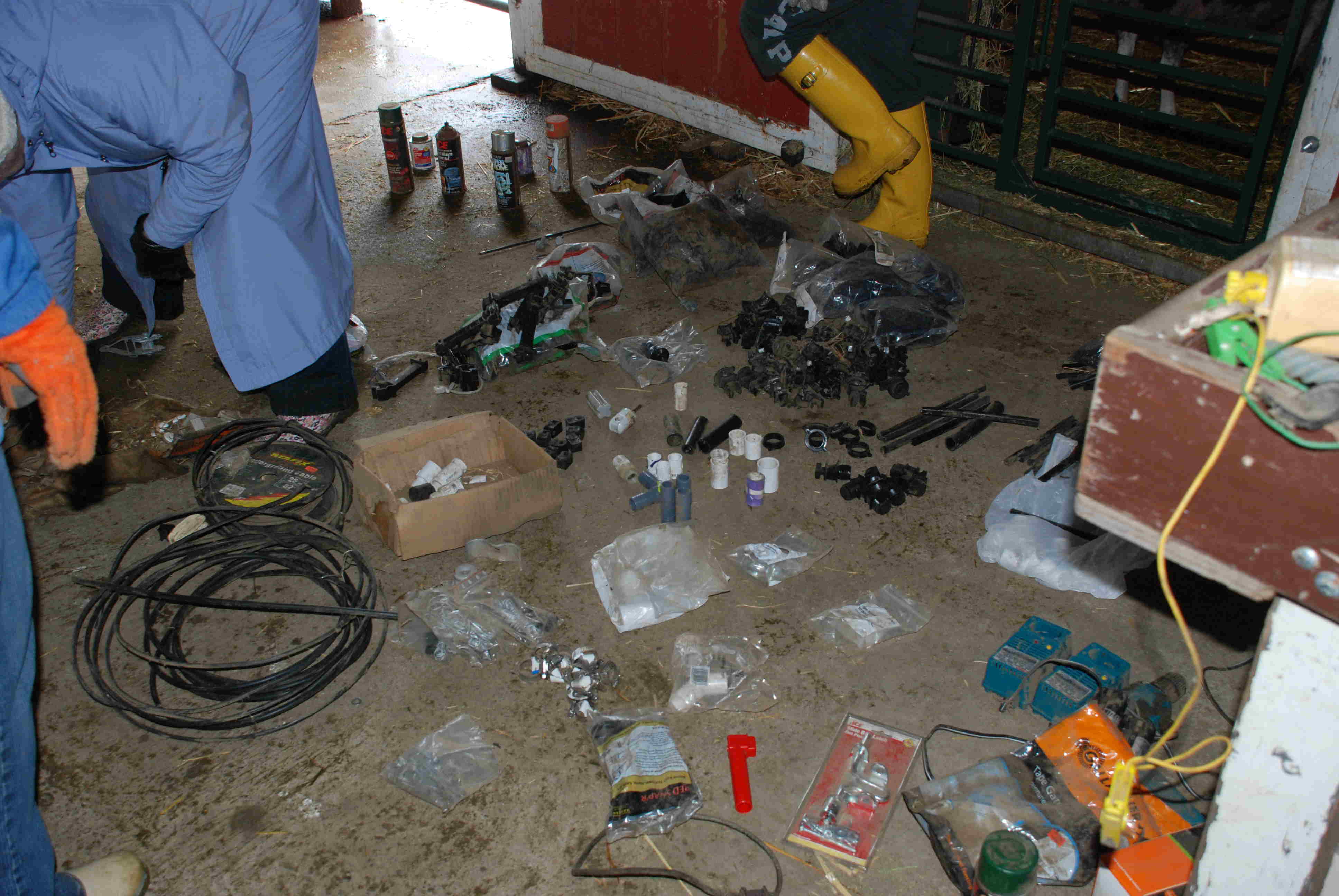
Next task:  Empty this wagon that has been accumulating electric fence parts and who-knows-what-else for a could of years and sort it.

Good job, ladies! Now the trick is to throw out the true garbage and keep everything else sorted.

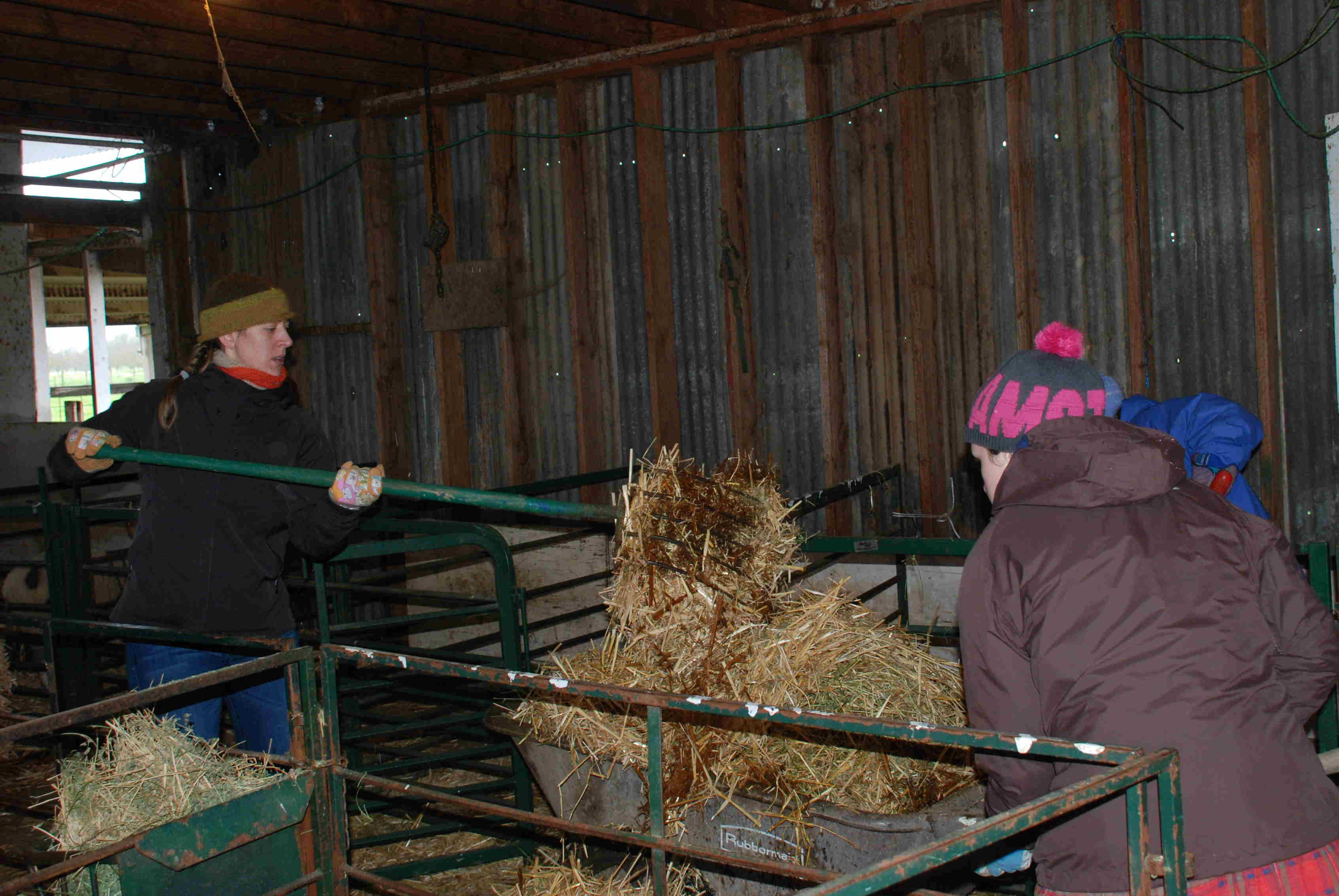
Tina, Shelby, and Lily cleaned lambing jugs.

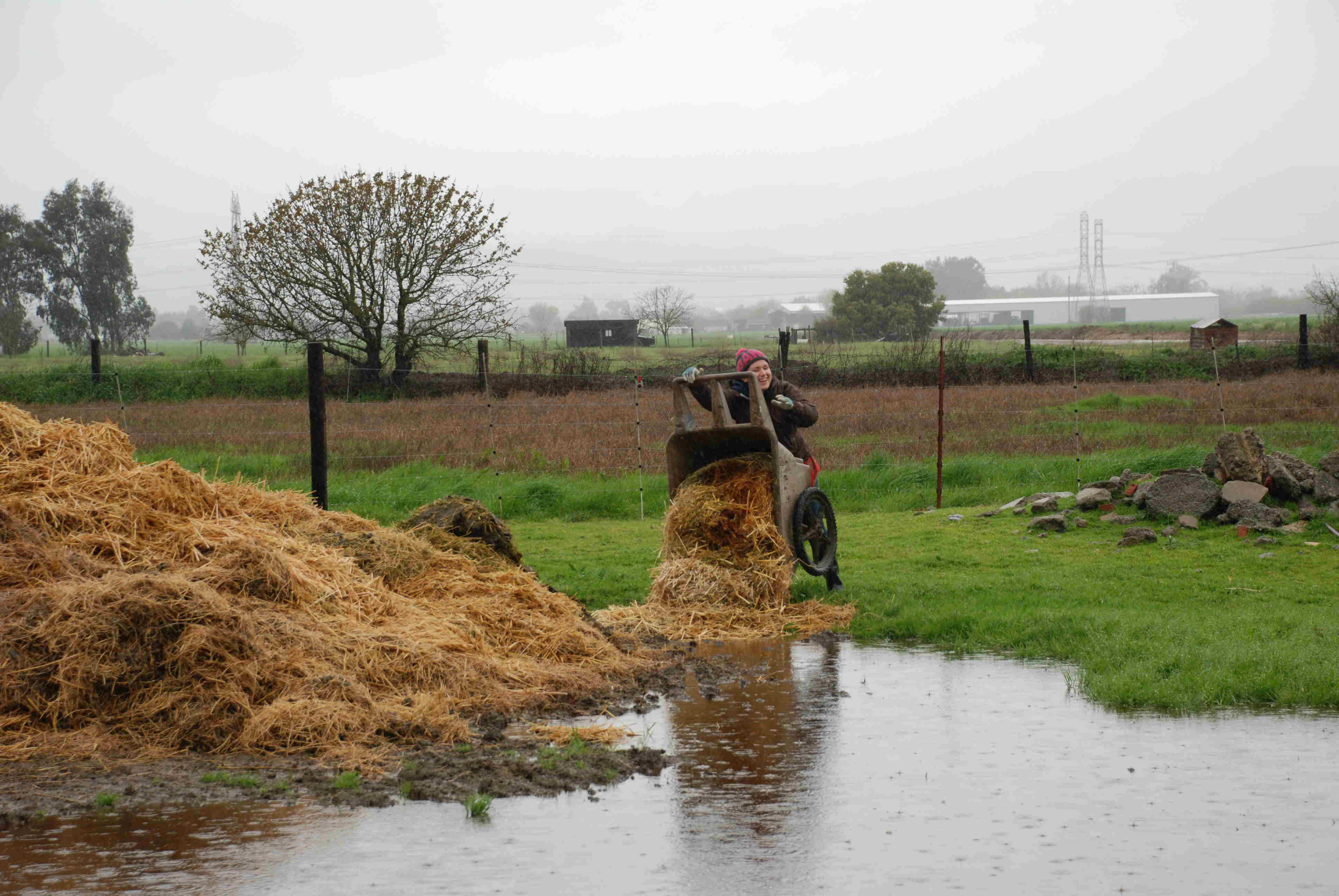
Shelby volunteered to brave the lake and dump the loads.

Can you see the rain coming down in the background?

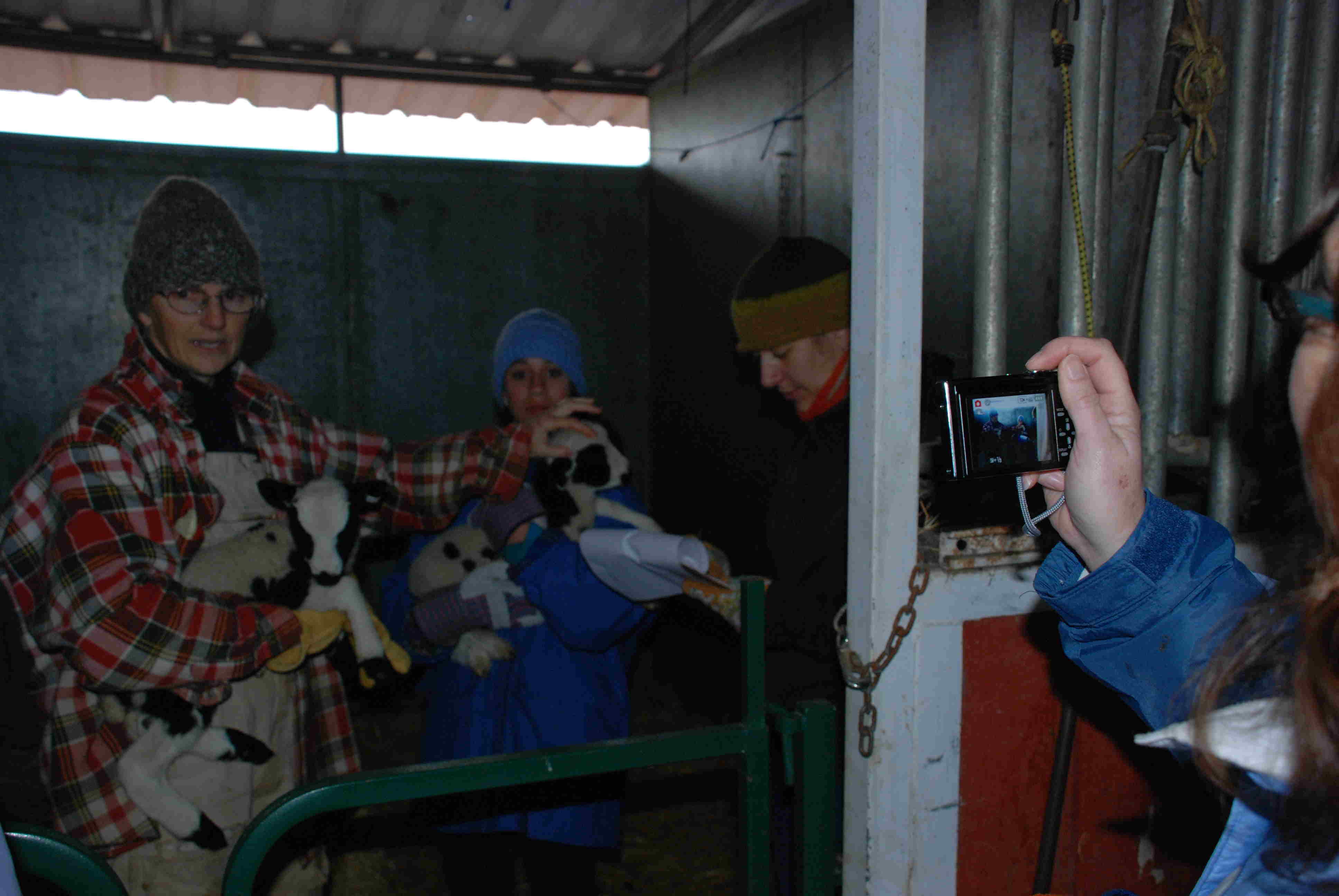
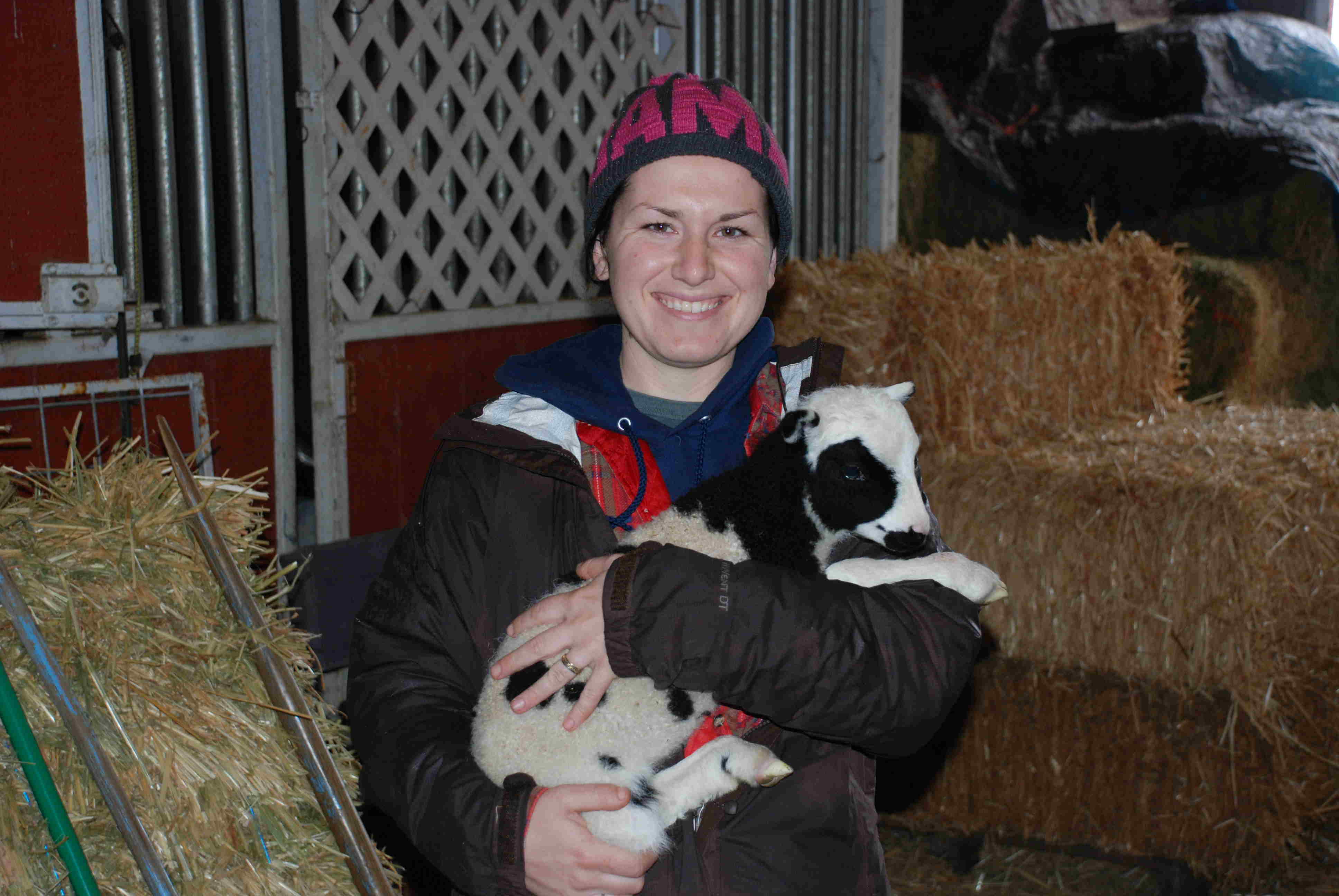
Shelby holding Shelby, the sheep’s, lamb.

Tina’s turn.

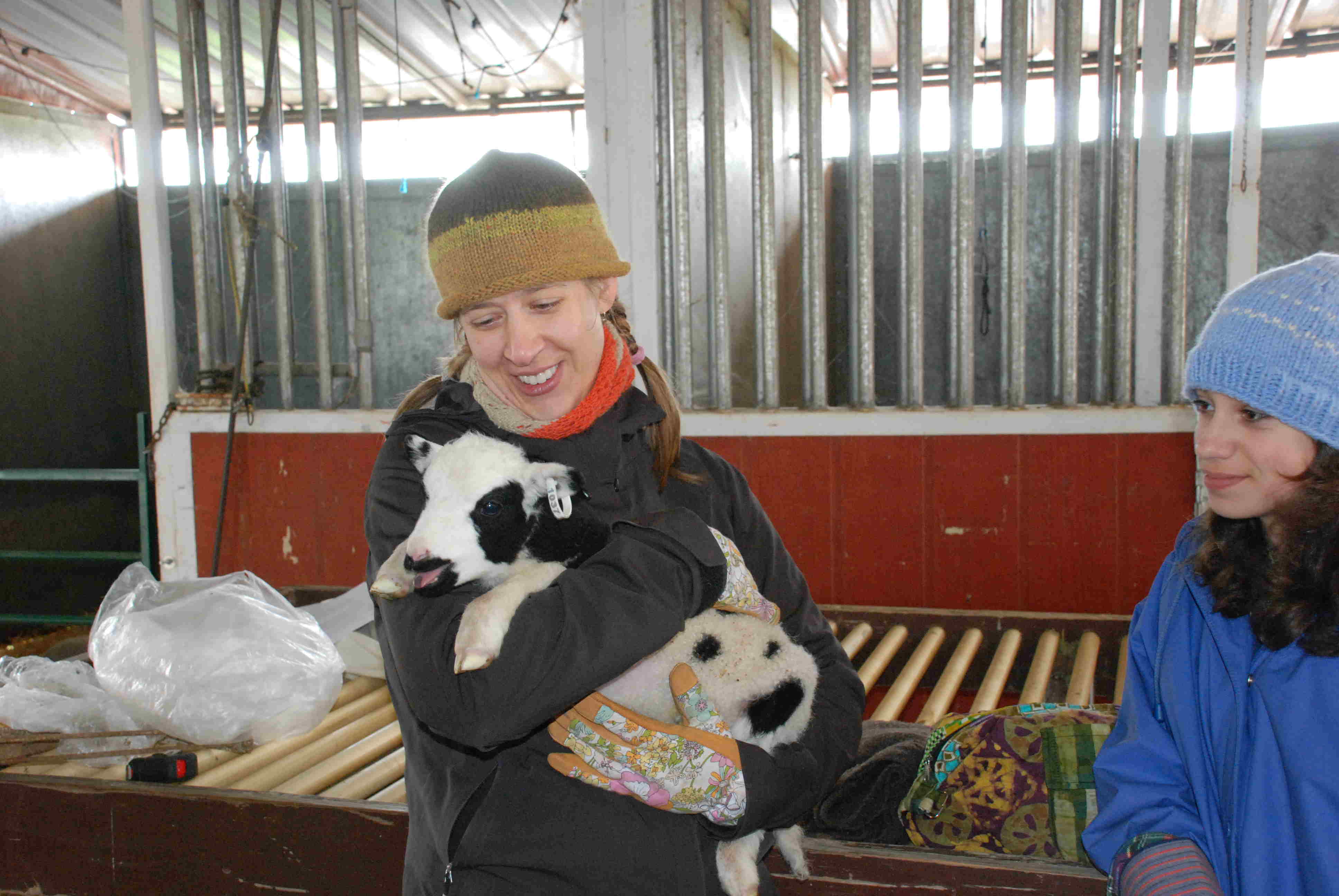
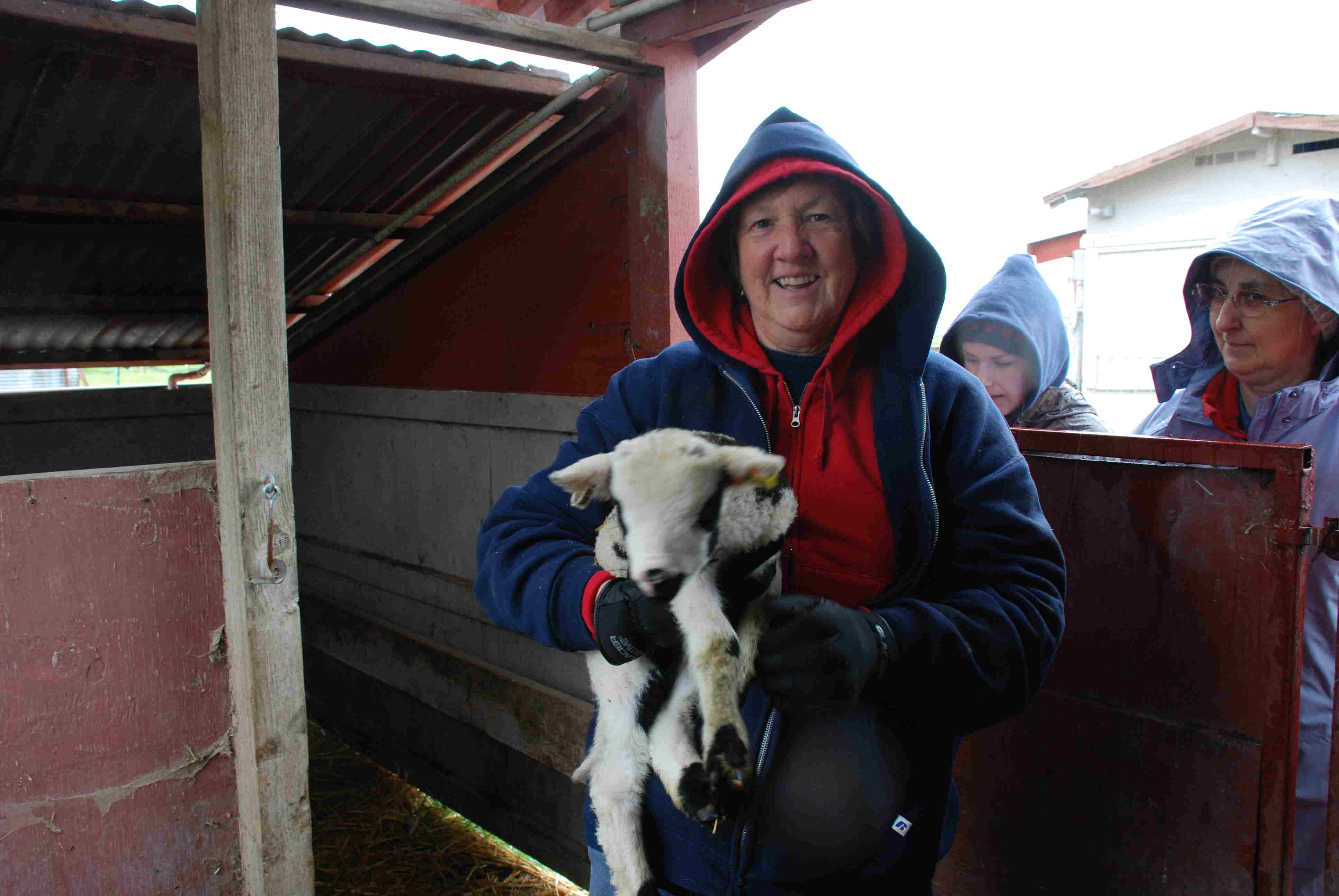
Dona holding her favorite.

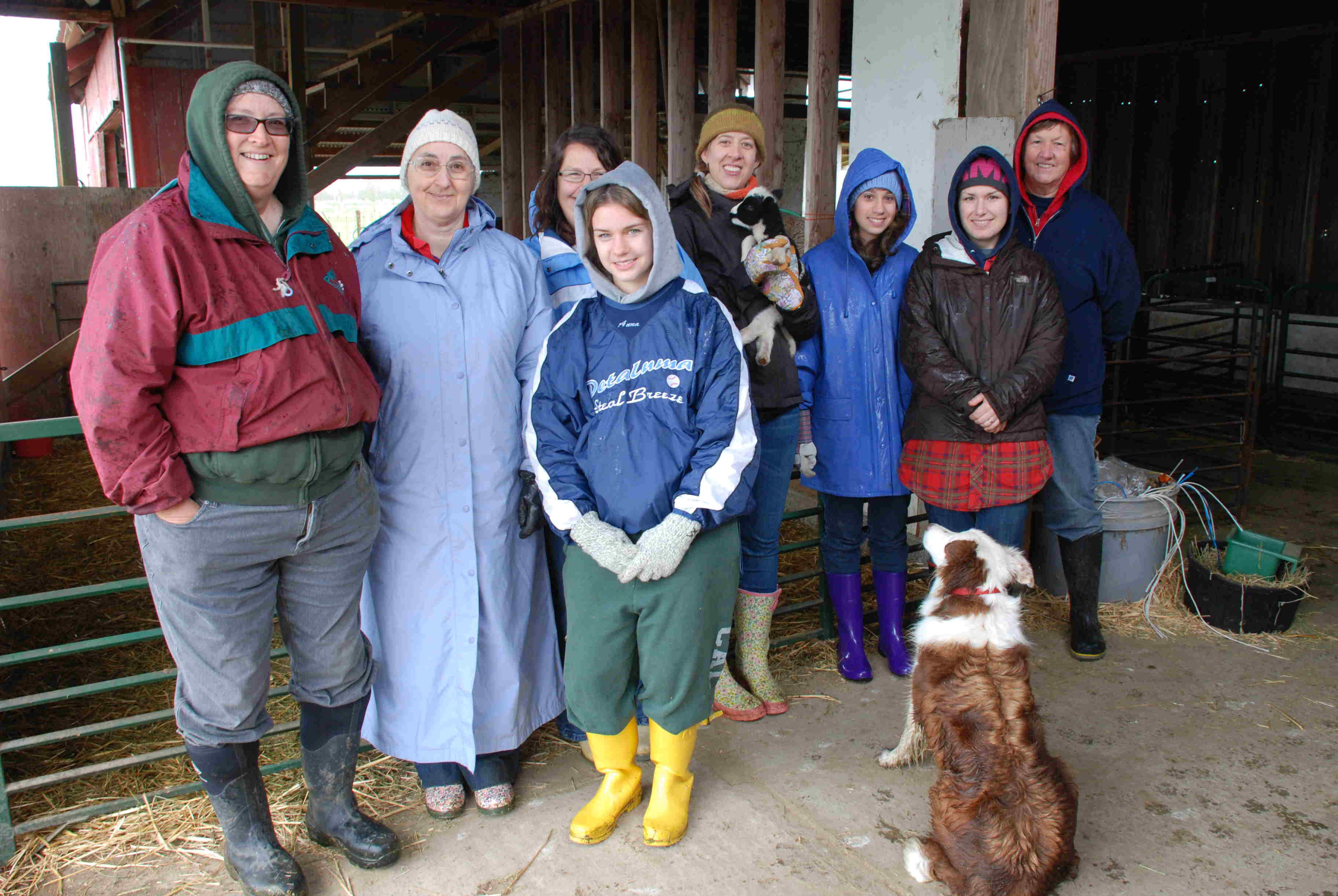
Here is the crew ready to have lunch and spend the afternoon in visiting in the warm, dry shop.

Thanks to all of you for your help and cheerful attitude!


Learning a new Rigid Heddle Technique

My friend and business mentor, Irene of Cotton Clouds asked me to weave a scarf as a sample for the Coloring Contest for Weavers that is on her website. Usually I can whip up a scarf in a few hours, but with an “irene project”, as I fondly refer to our endeavors, there is always something that slows me down. This scarf was to be on the rigid heddle loom AND using a pick-up technique. I have been planning to teach myself those techniques, but have never quite got around to it. Well, now was the time.

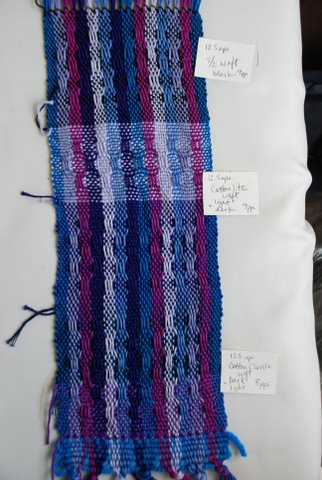
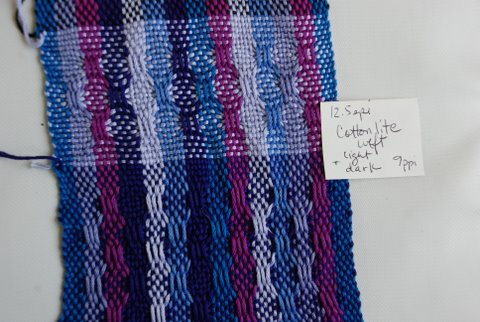
Irene sent me several colors of Cotton Classic and Cotton Classic Lite yarn and I started to play around with color order.  I chose a warp float pattern out of The Weaver’s Idea Book by Jane Patrick. The pattern unit is six threads so I wanted to make the color changes in 6 thread increments. I arranged the colors randomly with the exception of using the same color at each edge. Here is the sample I wove. I used the heavier Cotton Classic first (bottom of sample) in purple and navy, then the lighter Cotton Classic Lite in navy and then lavender, and then black 5/2 cotton.

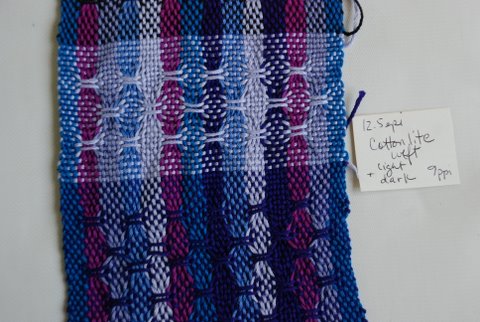
This is a detail of the middle part of the sampler. Notice the huge difference there is depending on the value of the yarn you use.  These two sections are the same pattern but the lighter yarn shows the pattern as circles. The darker weft accents the warp floats.

This is the back of the sample. Warp floats on one side mean weft floats on the other.

I like both effects but decided to use the darker yarn for the final scarf. I made other changes as well. When you look at the top photo what does your eye see? I first notice the light value stripes. I decided that was too distracting.  I also decided to vary the size of the stripes.  However I didn’t have enough yarn to wind another warp. So I removed the lightest value yarns from the warp and rearranged the other yarns in the rigid heddle, adding a few more warp ends as needed. Then I wove with purple. The result is below. Unfortunately the color of the photo below shows up differently than the photos above even though these are the same yarns. (But the trials and tribulations of photographing weaving are another story.)
Another bonus of this project–I love this pick-up technique. it’s not hard at all once you get used to the pattern. I can see more of these in my future.


Fibershed project

Last year I met Rebecca Burgess when she taught a natural dye class at my place. She told me of her Fibershed project and she describes it much better than I can:

“The Fibershed Project is a challenge:  To live for one year, in clothes made from fibers that are solely sourced within a geographical region no larger than 150 miles from my front door; this includes the natural dye colors as well!

Why? The textile industry is the number one polluter of fresh water resources on the planet, as well as having an immense carbon footprint. The average CO2 emitted for the production of one T-shirt is up to 40 times the weight of that shirt. The goal of this project is to both show and model that beauty and fashion can function hand-in-hand with sustainability, local economies, and regional agriculture.”

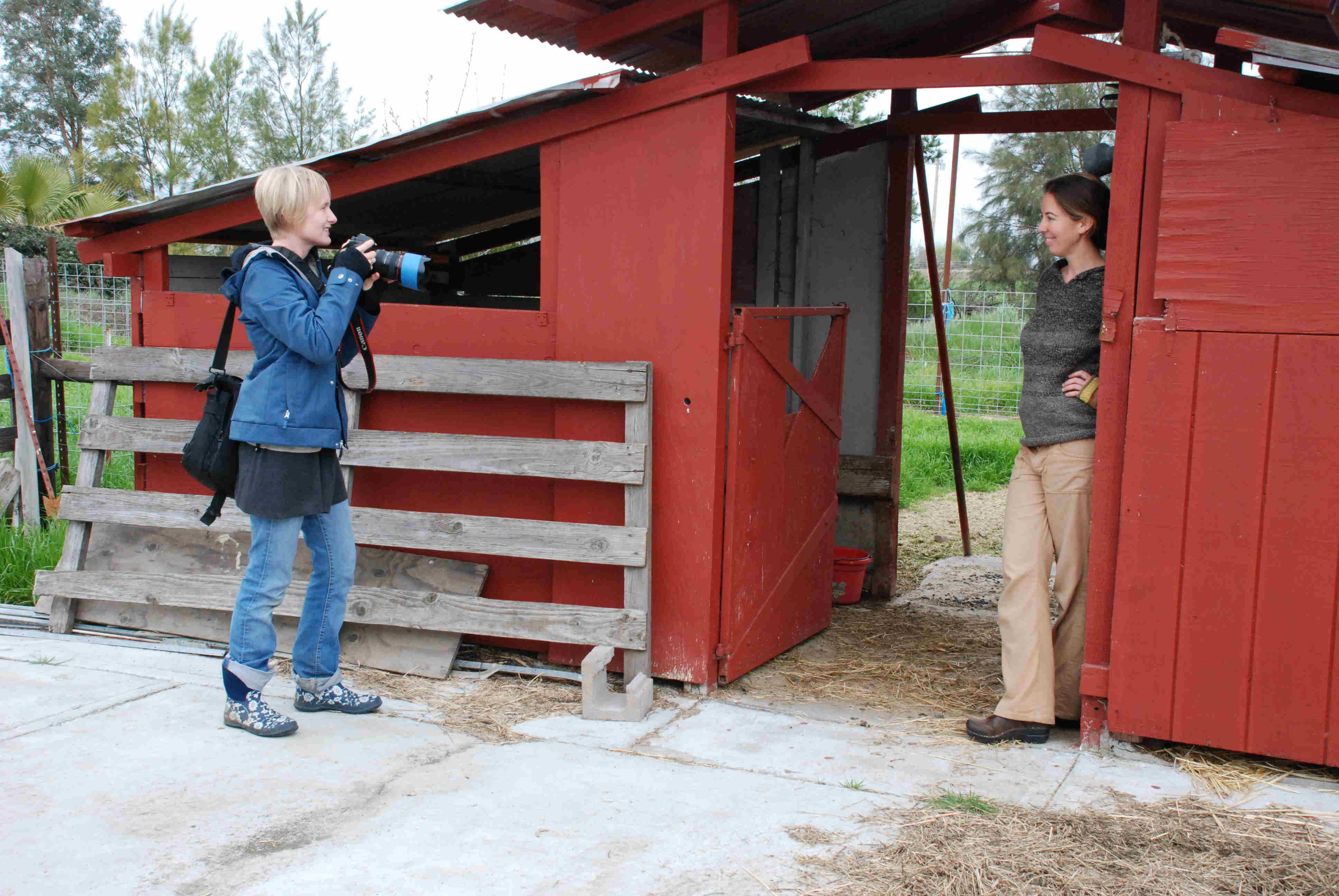
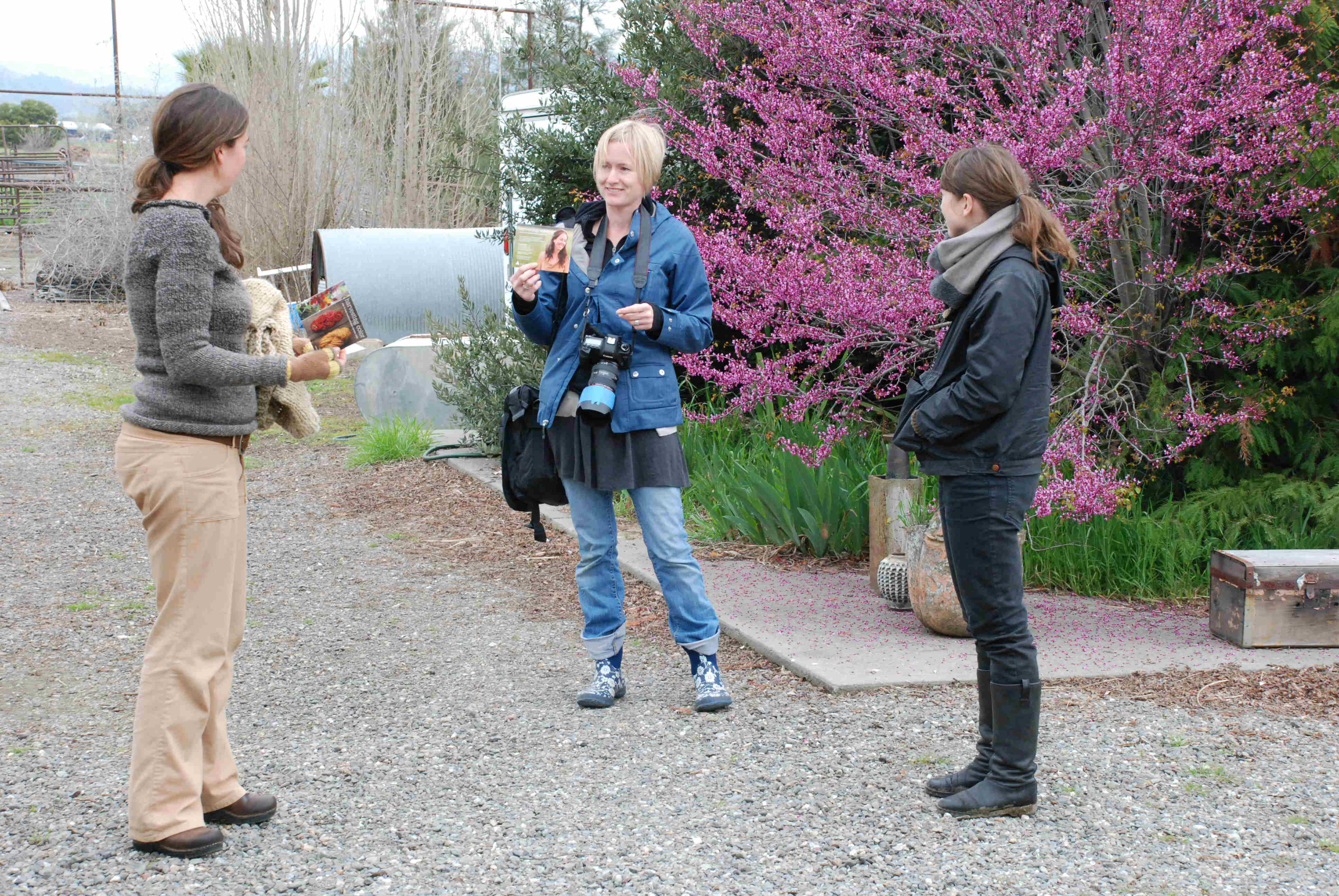
Rebecca visited today along with designer, Kacy, and photographer, Paige. I donated some yarn to the project last year and Kacy designed a sweater as part of the wardrobe.

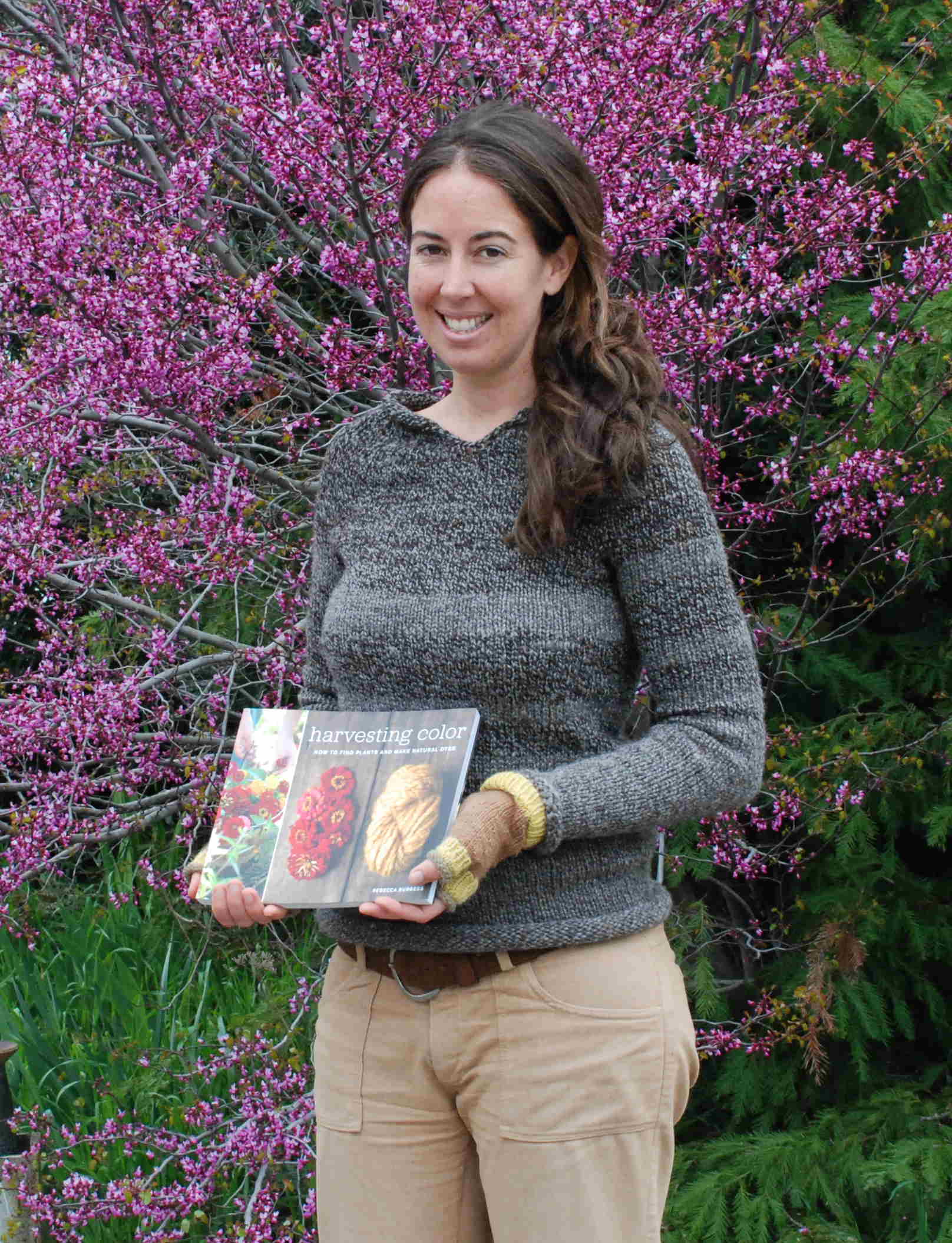
This is Rebecca wearing her Jacob sweater and showing off her new book (with photos by Paige) which will be out in April. I will have some here.


The three creative women who were here this morning.  You’ll be hearing much more from these three.

In the meantime while we were busy Dora lambed with twins:

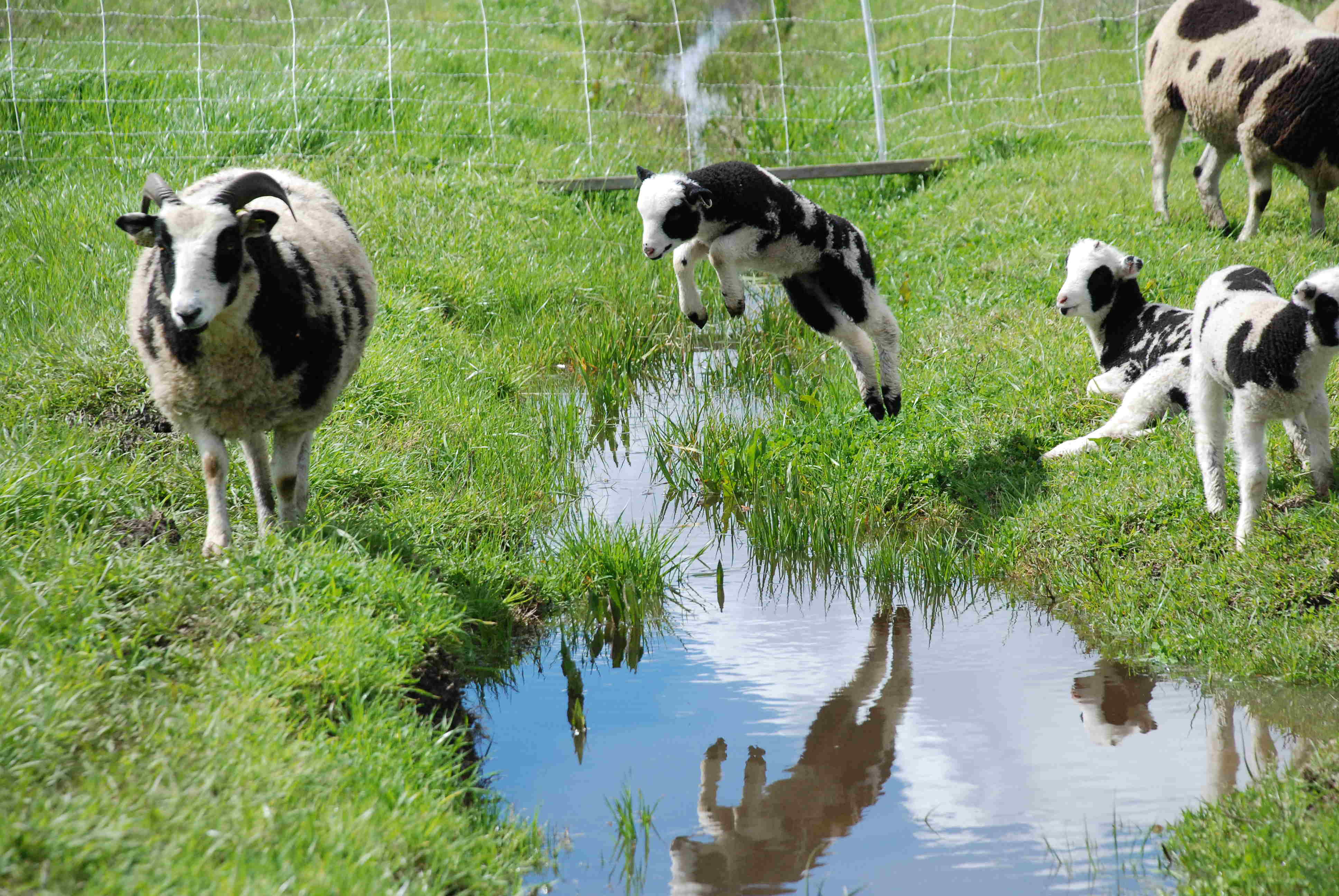
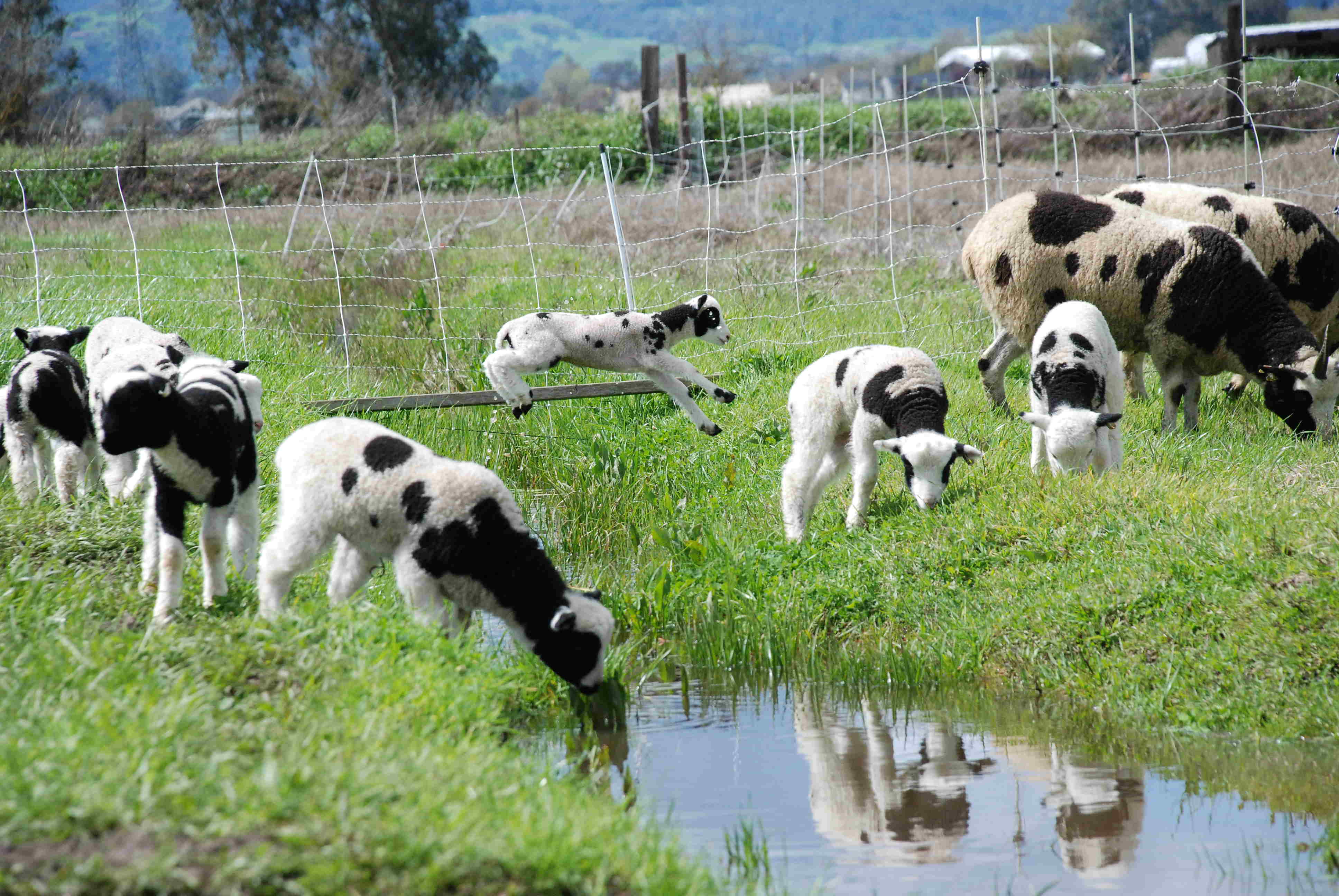
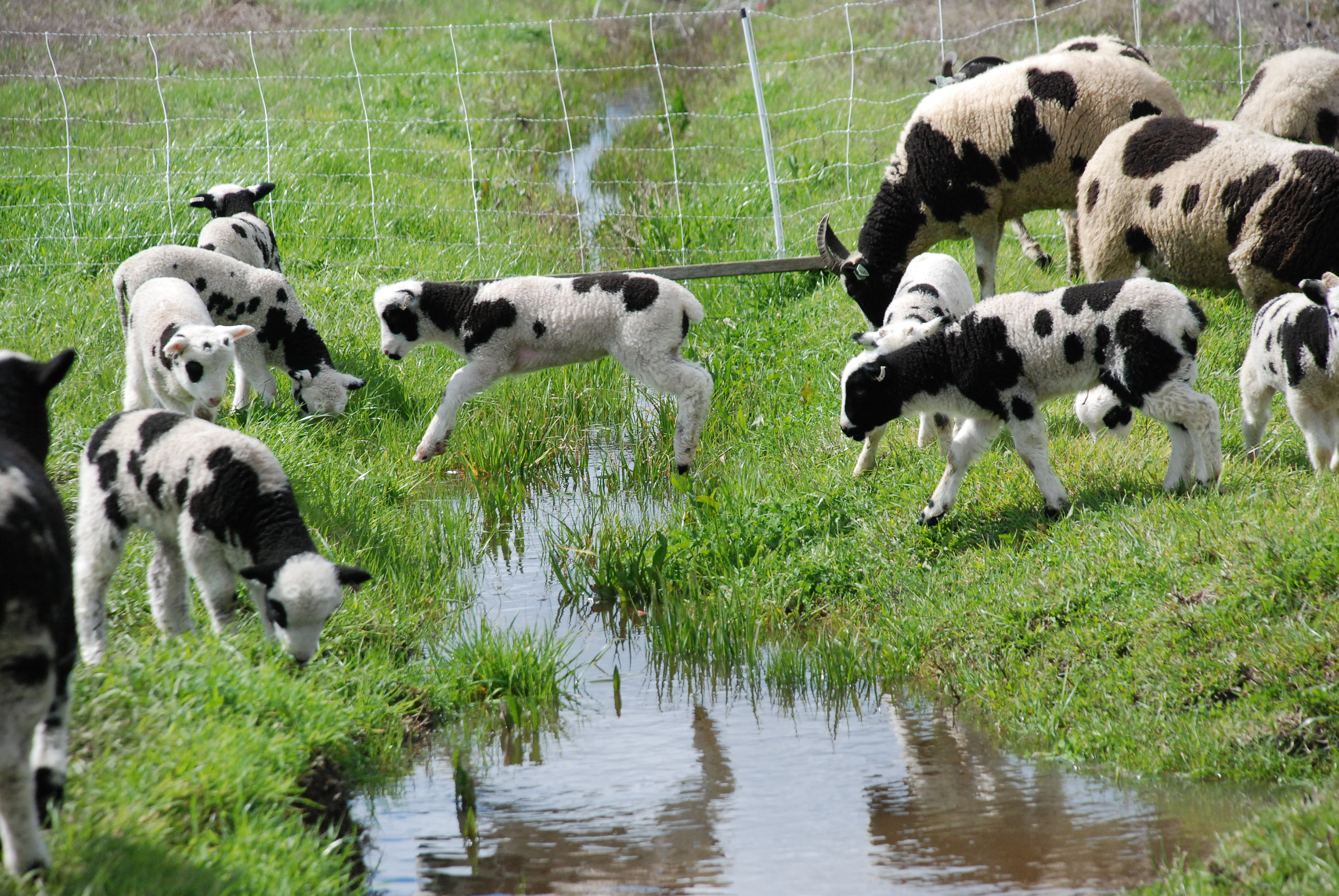
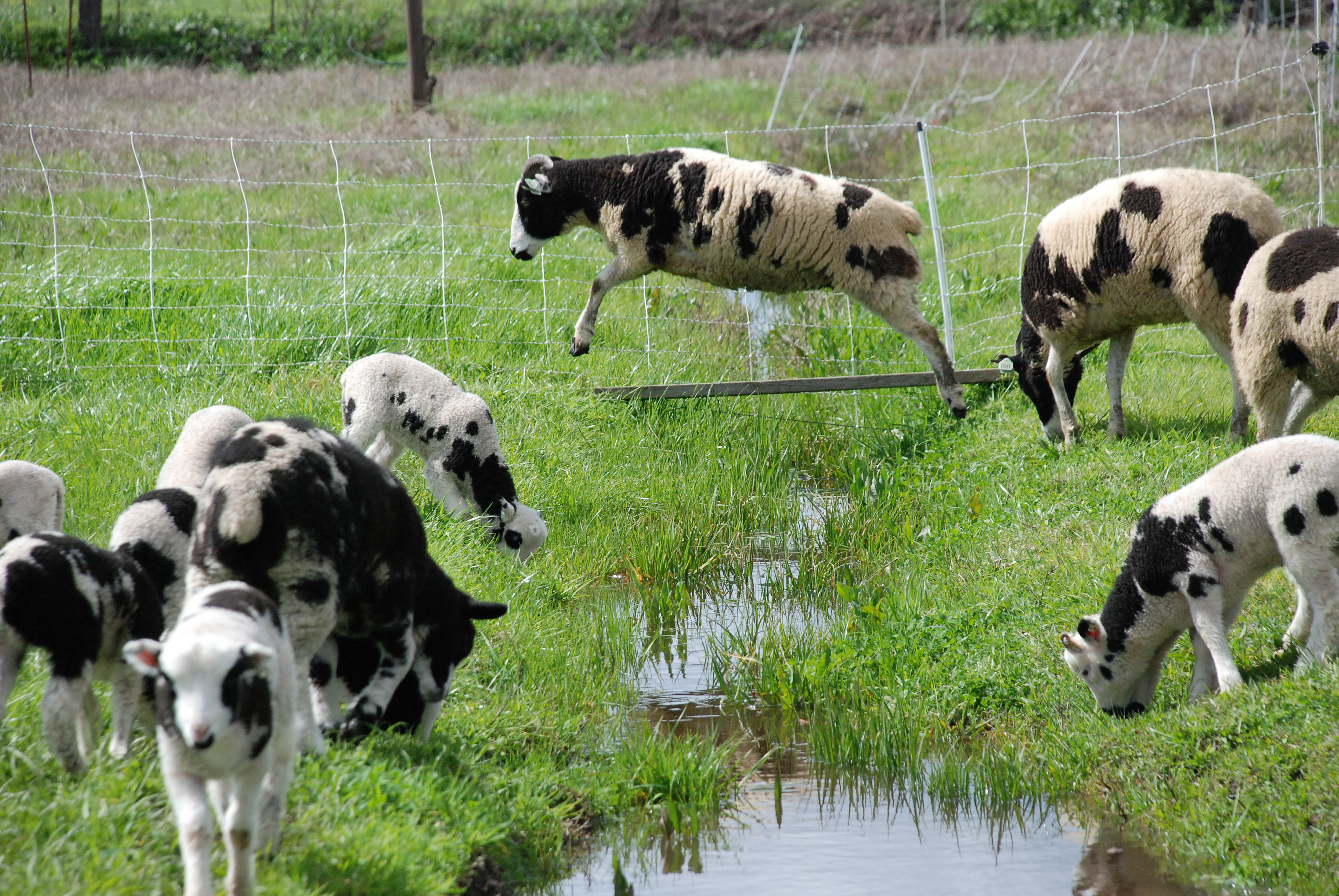
Lambs….again.

Are you tired of new lambs photos?

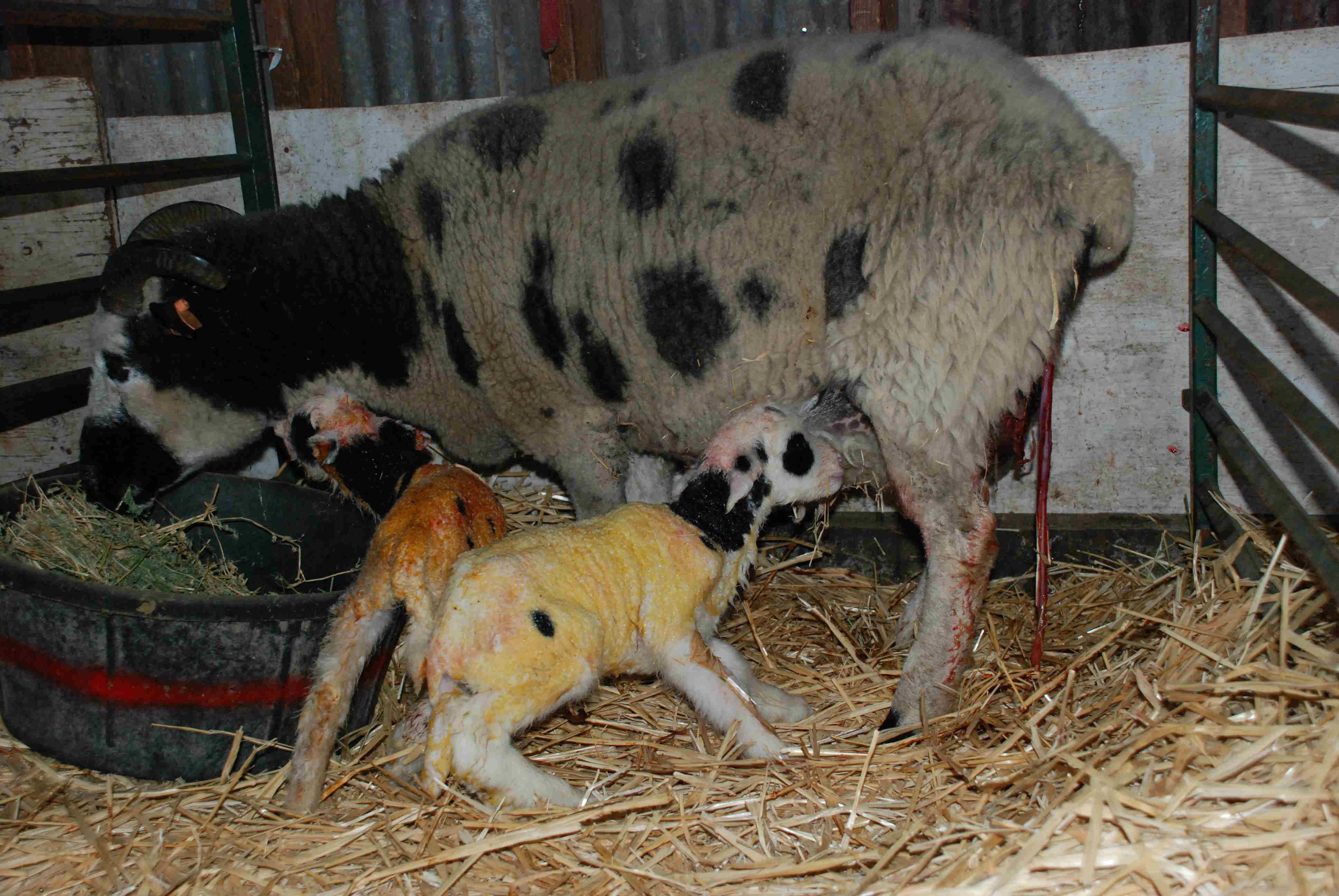
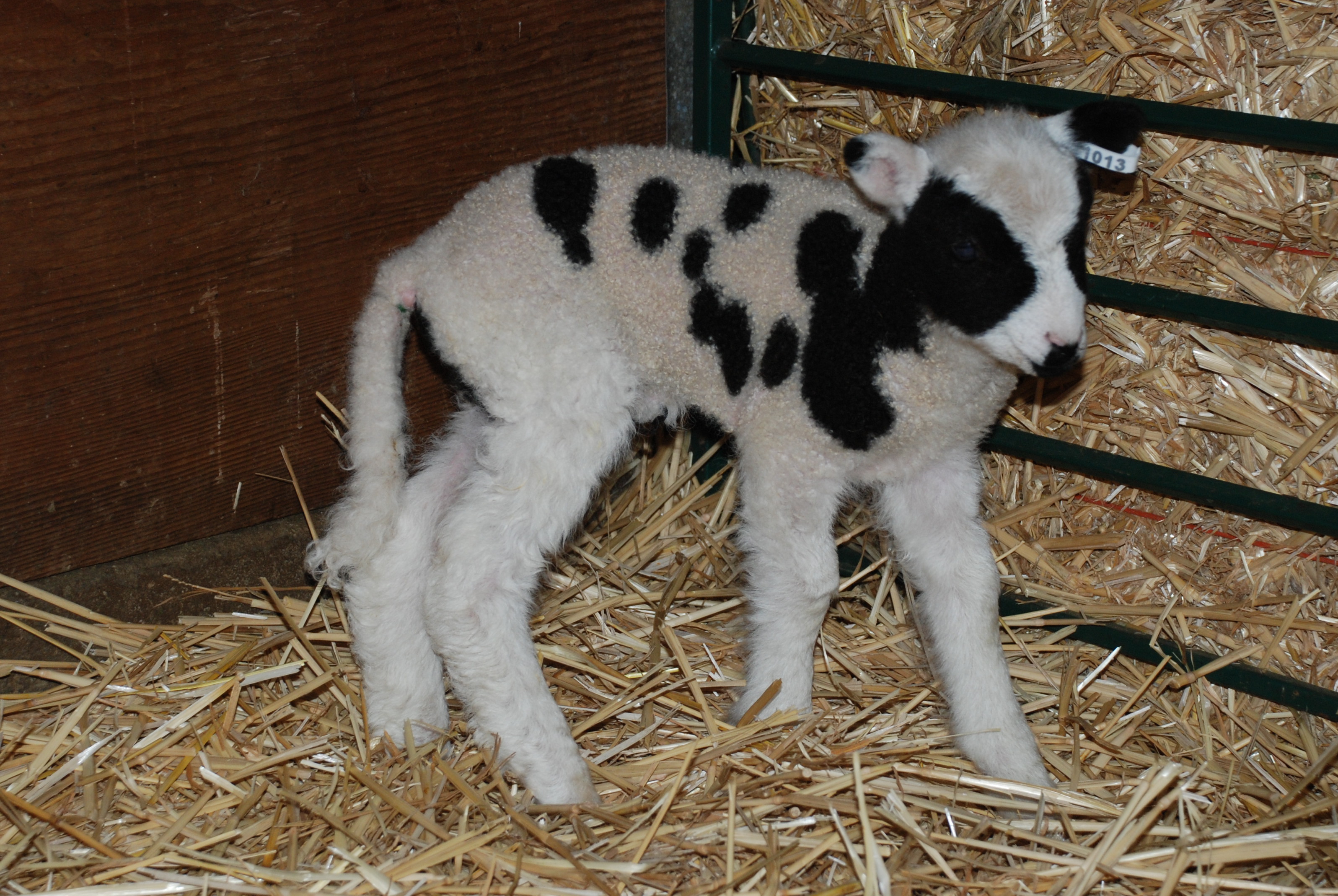
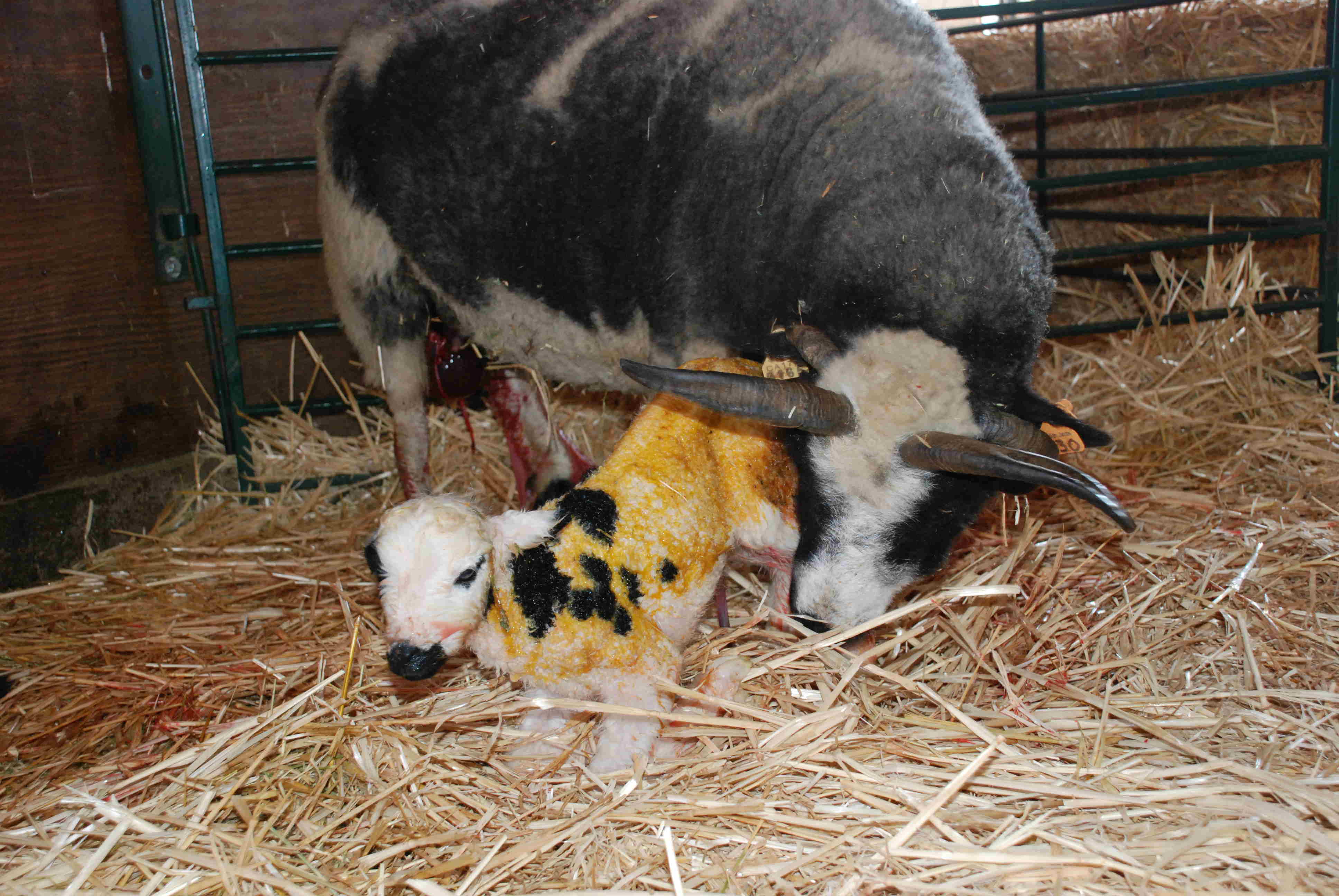
This is the wet butterfly look. The ears remind me of recently-emerged butterfly wings.

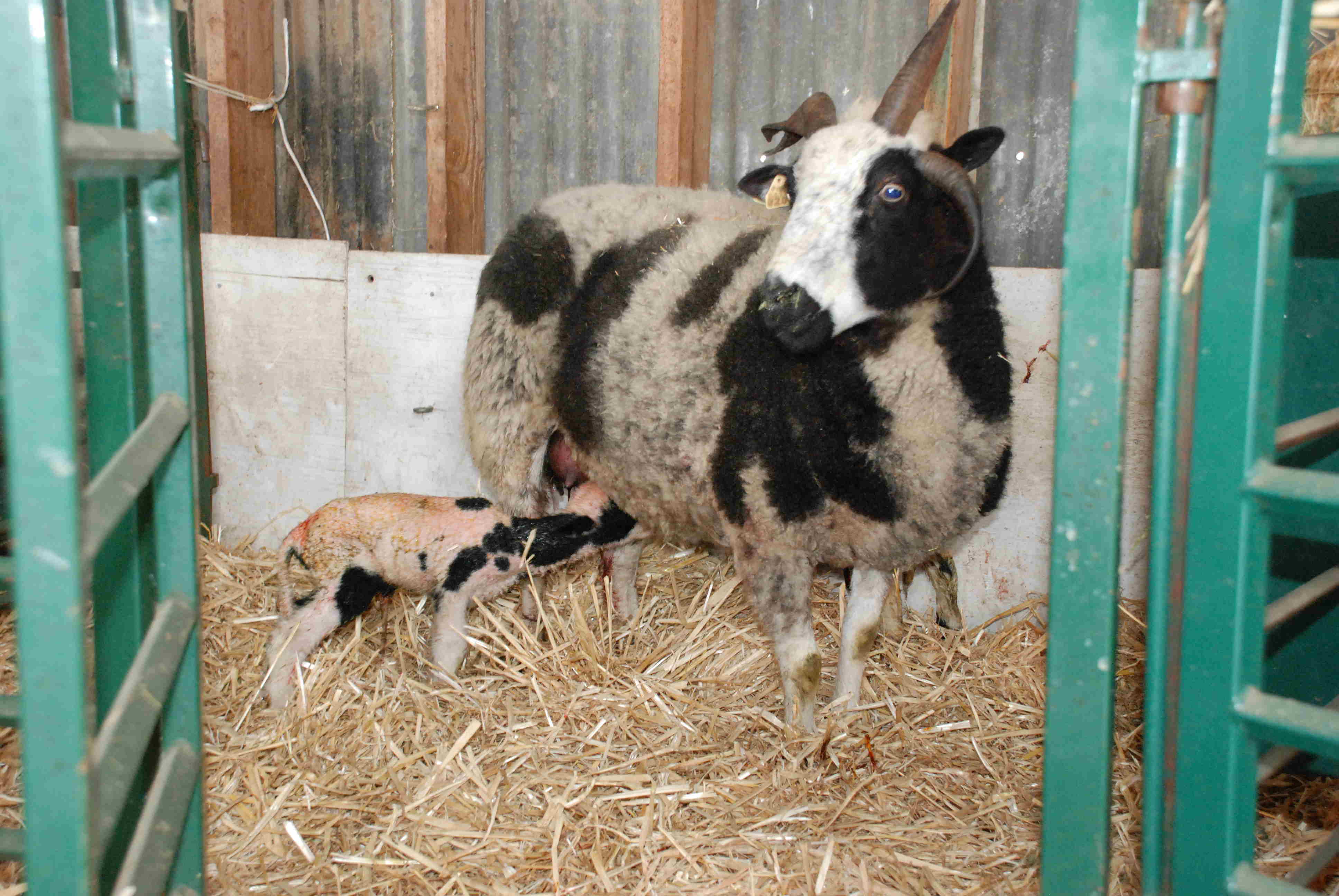
This is the “Jacobs come in all colors” look.

Weigh-in of new lambs. I don’t usually weigh lambs, but to be able to answer the question, “How much do they weigh?”, I’m weighing them all this year.  My guess is an average of 7.5-8 pounds but I’ll report back when it’s all over.


Green scarves from blue and red jeans

I get tired of over-worked words to describe concepts which aren’t all that new. Maybe it’s good when more people start to understand the principles being described. Green is one of those words…and concepts. But I couldn’t pass up using it in the title of this post. I honestly don’t know how this yarn is processed but it is 100% recycled jeans and I wove the scarves with no energy except my own.

The yarn is called Riveting and is sold by Cotton Clouds . The scarves are woven on a Huck Lace threading.

Knitting better

Today Meridian Jacobs hosted a knitting class taught by superb knitter, Nancy Jane Campbell. The purpose of this class was to evaluate our current knitting habits and work to “Knit Better’. There was pre-class homework.

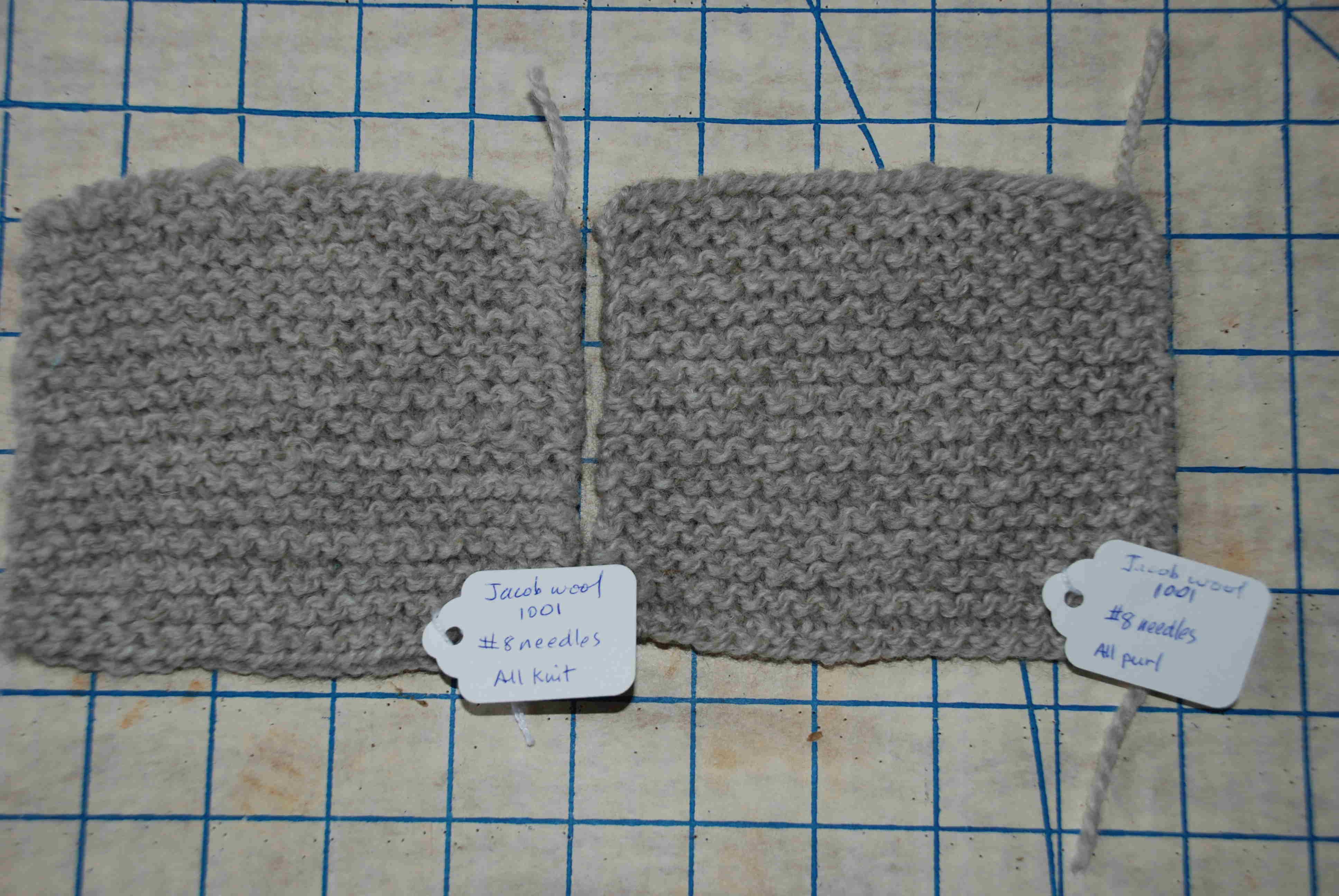
These are two garter stitch swatches. The difference is that one is the result of knitting every row and the other is knit by purling every row. There is a difference. Nancy pointed out that my purl sample is much more even than the knit sample. The stockinette sample (no photo) also showed that I knit and purl with different tensions, resulting in subtle ridges and uneven stitches.

Lunchtime. We went to the barn so I could feed Nellie. Yes, I named the bottle baby.

We found more lambs.

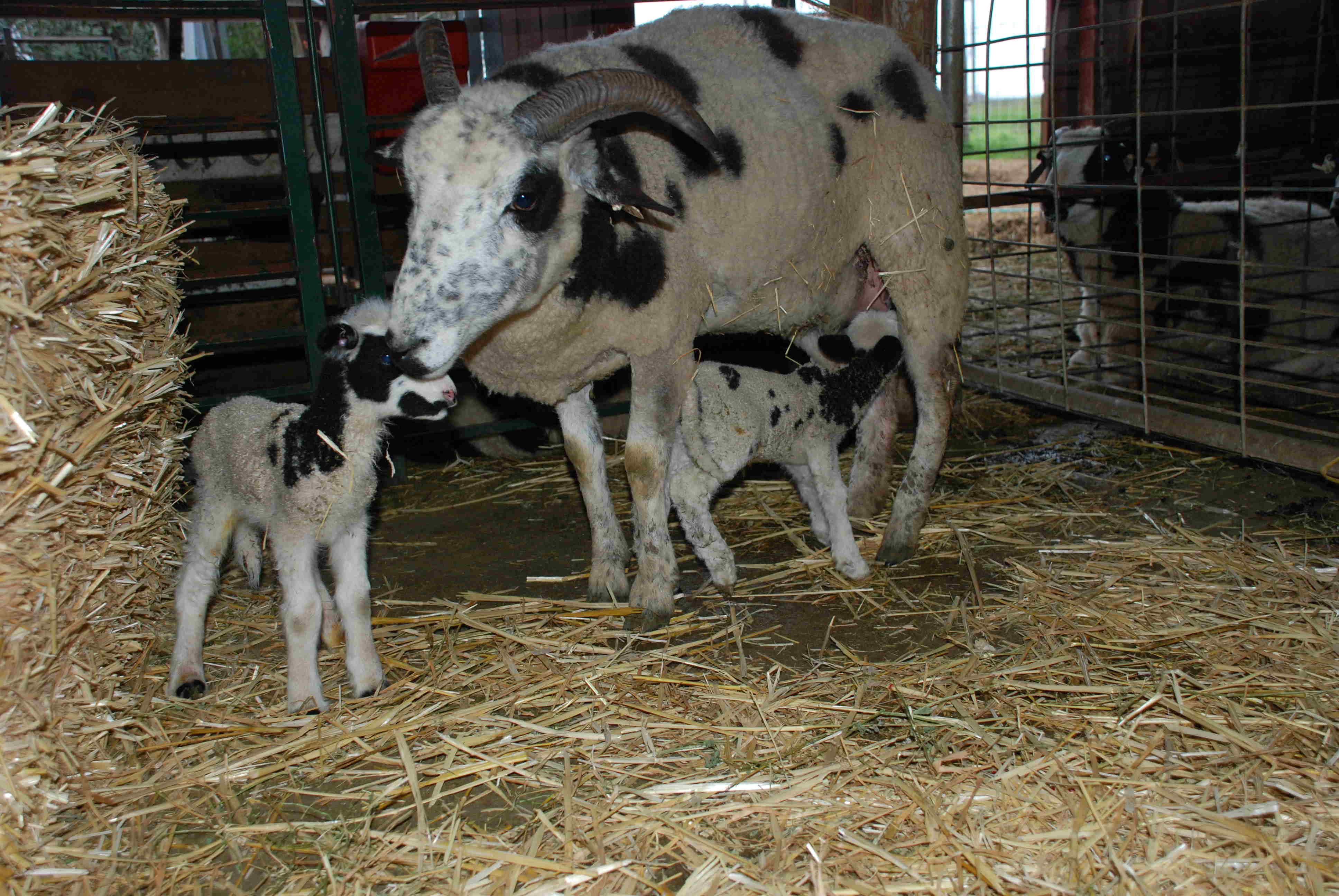
Soliloquy had twins–smallest lambs so far this year at 5-6 pounds and Victoria had triplets.  I dealt with all of them and went back to the shop for the afternoon session of the class.

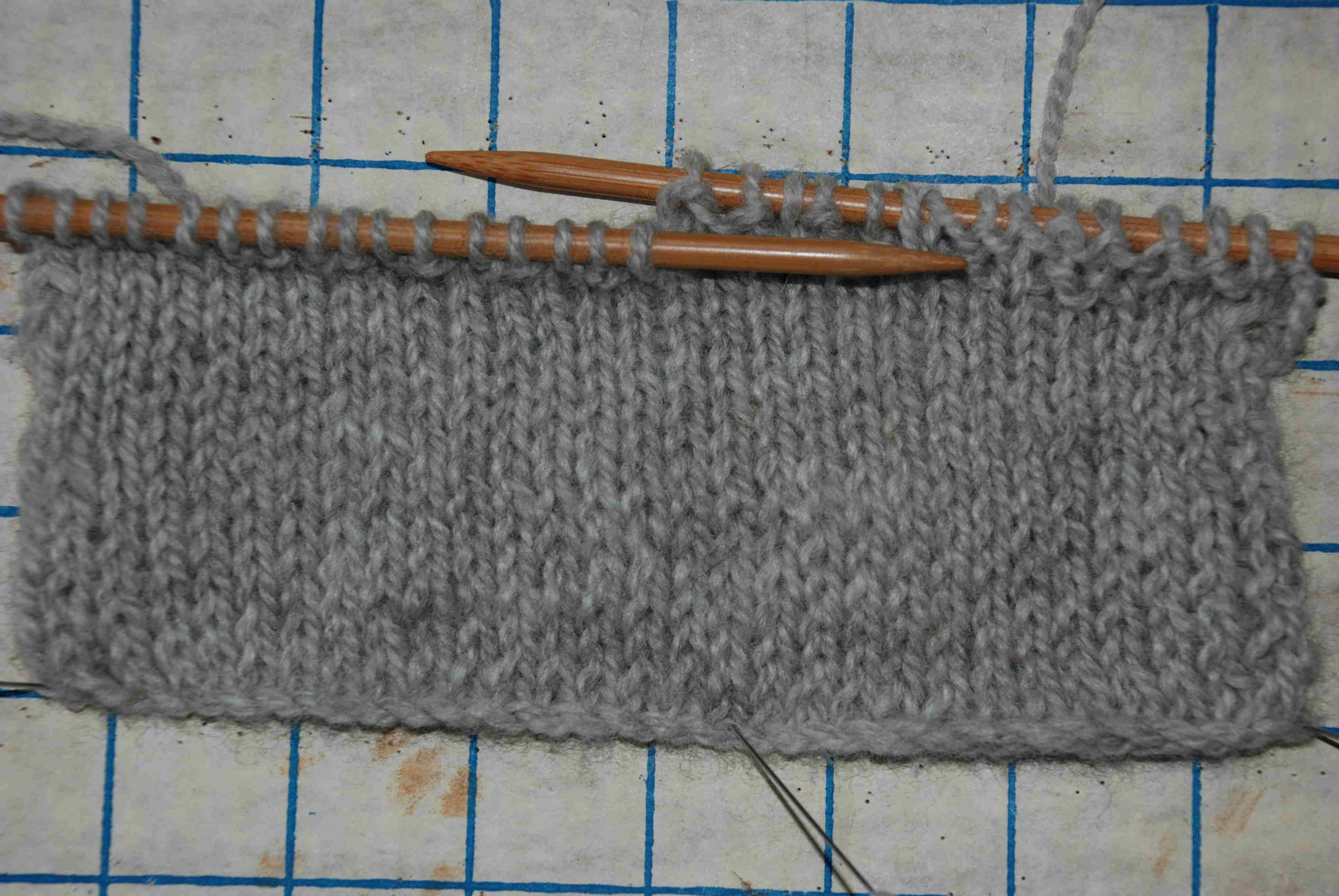
Before lunch we had measured and evaluated our samples. After lunch we started working on changing our habits and learning new techniques. The sample above may not be too impressive, but notice the very cool knitted cable cast-on edge.  It looks much neater than my long-tail cast-on. And notice the inch or so closest to the needles. There is a a big difference in the knitting for that inch than the couple of inches below. At the risk of knitting too tightly I have been knitting way too loose. It’s a lot easier to be consistent when there is a little more tension on the yarn and the added benefit is that the stitches aren’t always falling off the needle. This was a great class and Nancy is going to come back and teach a color knitting class later in the year.