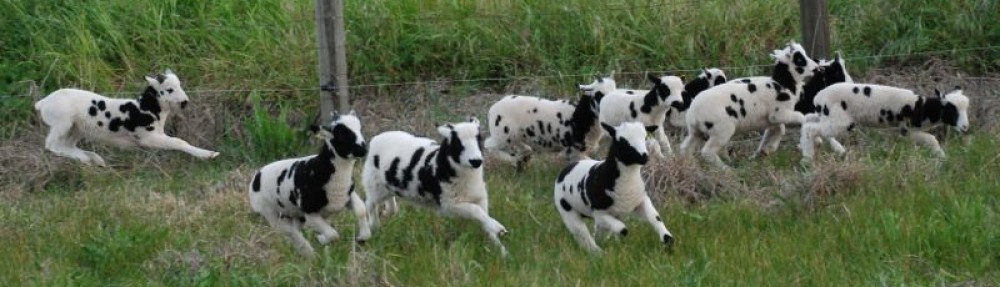
Here is the first post about this year’s Black Sheep Gathering.

I ended that post with a photo of Sparky ready for the Spinners’ Lead Contest. It is so difficult to get decent photos in the showing that I’ll share just this one, taken while waiting for the contest to start. The Spinners’ Lead Contest is a sort of like a fashion show, but with a sheep representative of the piece that is entered. At BSG, all entries use handspun yarn or are felted.

I took this photo at home. This is what the shawl looks like from the back. It’s handspun Jacob yarn arranged in color order from light to dark.


I have lost track of which was first and second, but they are the pieces in the photos above and below. They happen to be knit by a mother (below) and daughter (above). The sheep image on the sweater above was identical to the sheep being led in the show. These pieces were also entered in the Fiber Arts contest.

The next day I wandered around the vendor hall for a while.

This is another entry in the Fiber Arts Contest.

I took a few photos of things that I want to remember. At this booth there were some beautiful rugs woven with core spun yarn.

I have been getting core spun yarn from the mill spun using the coarser britch wool. I think I will sell it better as finished rugs than as the yarn itself. This makes me think about dyeing some of it.

Sheep are released at 4 and we were ready to leave at 4:20. We got to California at 8:30 p.m. I like having Mt. Shasta in sight.

The full moon made for some cool photos of the mountain.


We made only two stops for gas on the way home and pulled in at 1:12 a.m.

I don’t need to buy yarn or fiber. This is what I brought home. The two bowls add to our collection of this potter’s kitchenware. There is a BSG tie-dye t-shirt under the bowls. The book, two items at lower right, and one skein of yarn were my prize for Spinners’ Lead. Everyone gets a bag with goodies supplied by vendors. When I went by to thank the vendor who supplied the green yarn I thought I should buy another to go with it. The punch needle kit was a last minute impulse buy. I have always admired the colorful pieces I’ve seen at this booth. I didn’t have time to do the on-site lesson…and do I really need to learn another craft to distract me from all the other stuff I should be doing? This kit had all the necessary components and instructions to get started and I decided it was something I could work on while we were driving home. I got to the point you see before it got too dark and hopefully I’ll finish it one of these days.
I mentioned that Sparky wants to tell her impression of the show. That will have to wait awhile, but it will be soon on the blog that we are resurrecting that Rusty used to write.


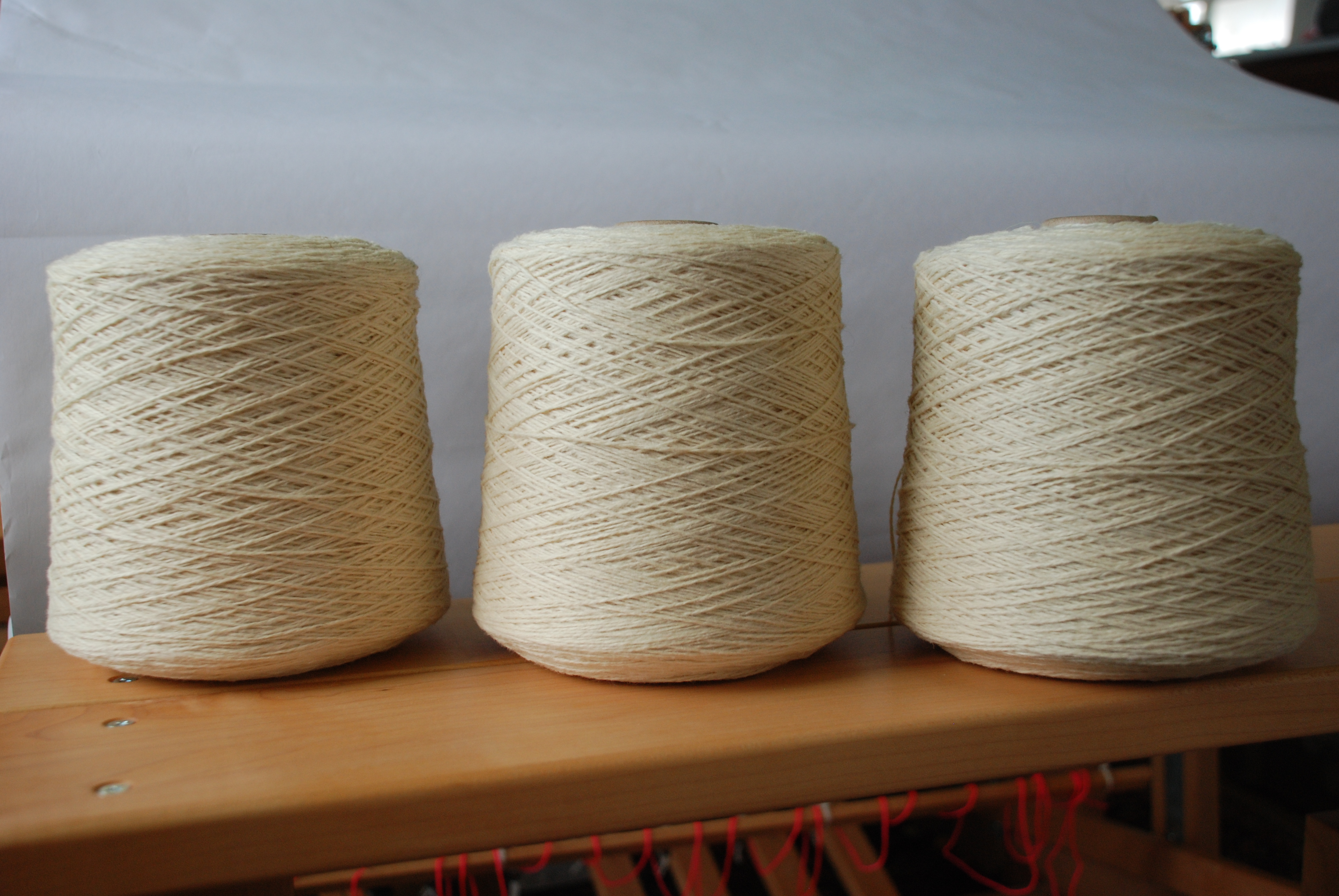 I hadn’t had a chance to do anything with it until recently. The first step was to gather some information.
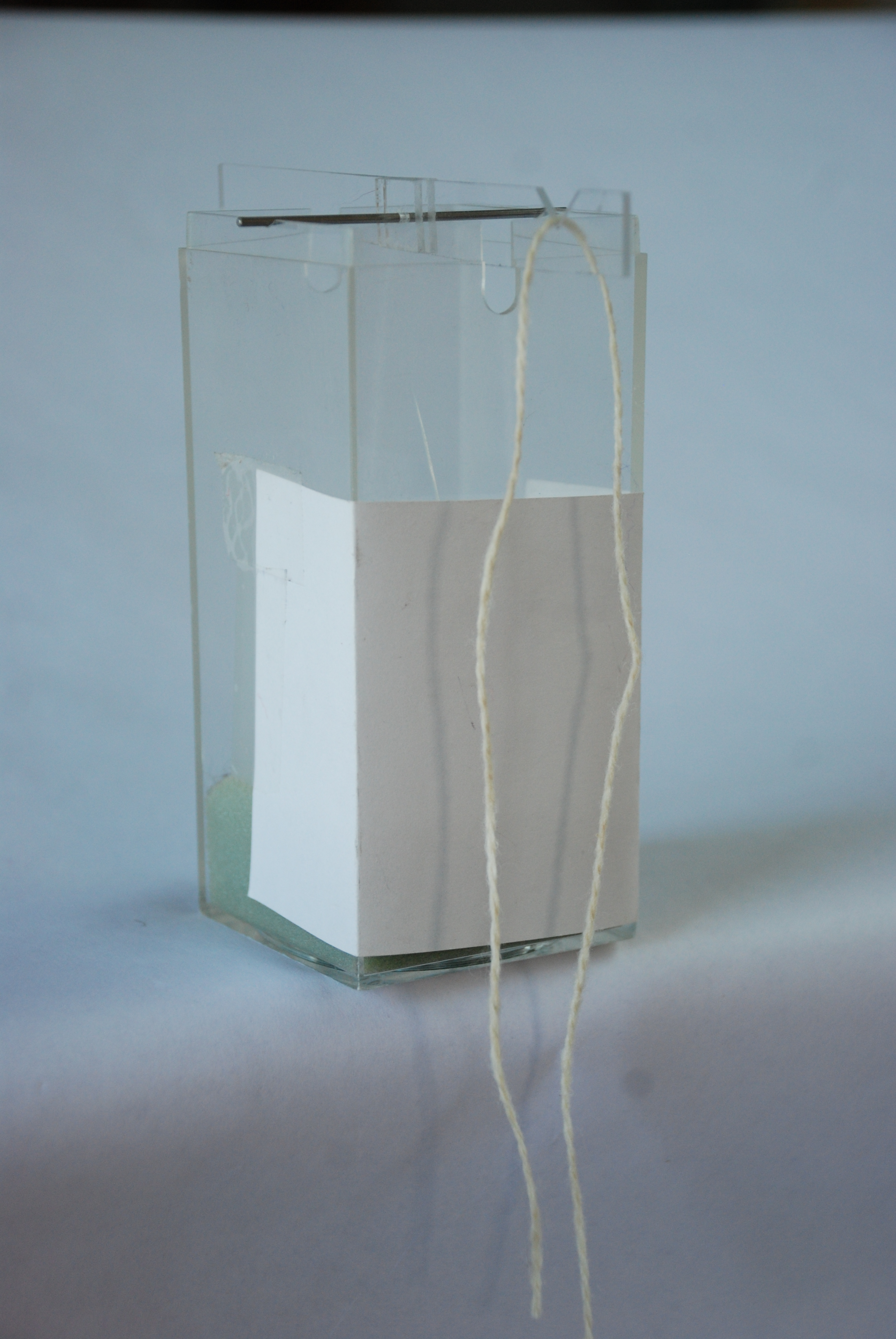 The McMorran yarn balance is one tool to do that. You trim the ends off a strand of yarn until the arm balances.
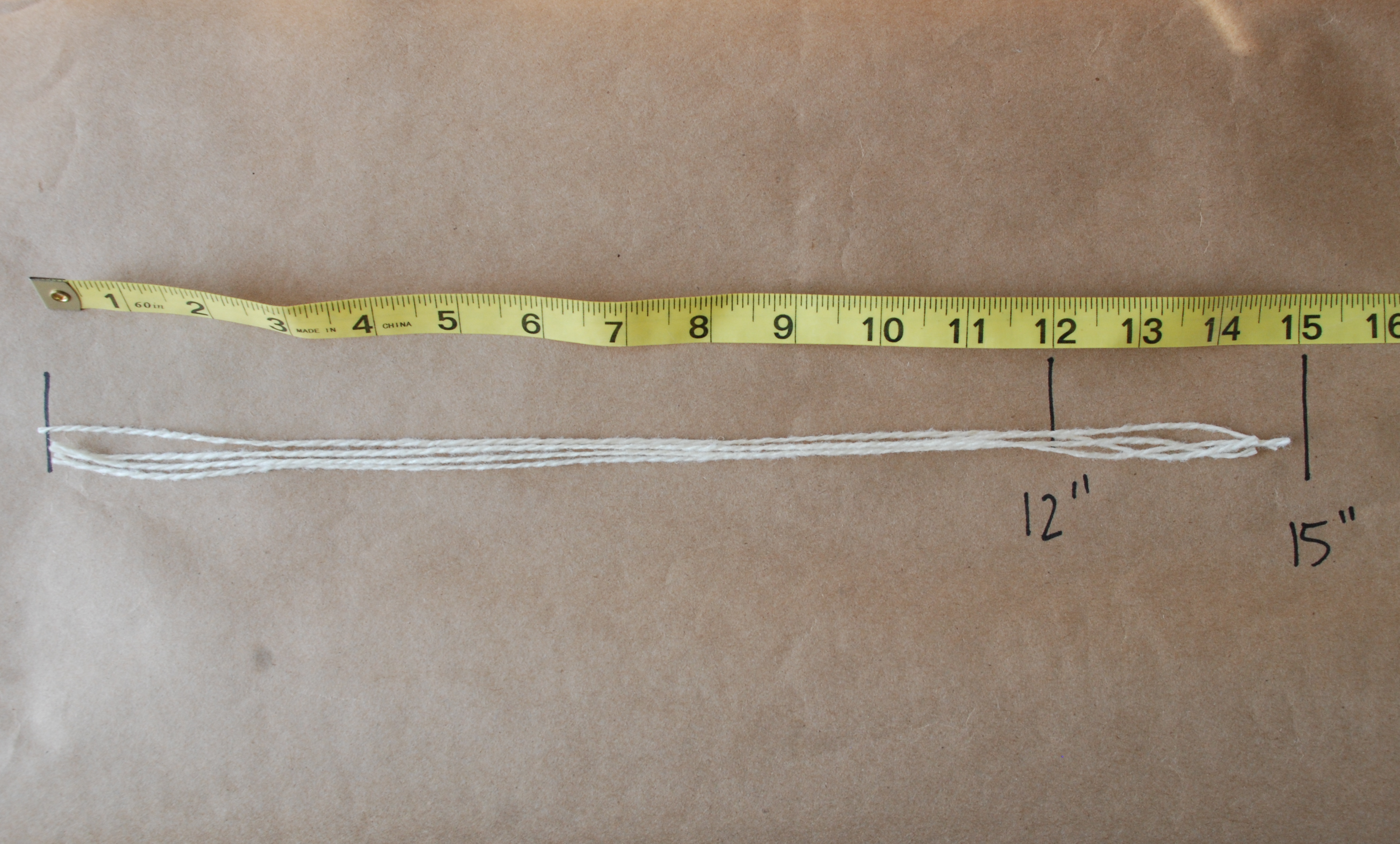 Then you measure that length of yarn and multiply by 100 to get ypp (yards/pound). I repeated that a few times to get an average–1500 ypp.
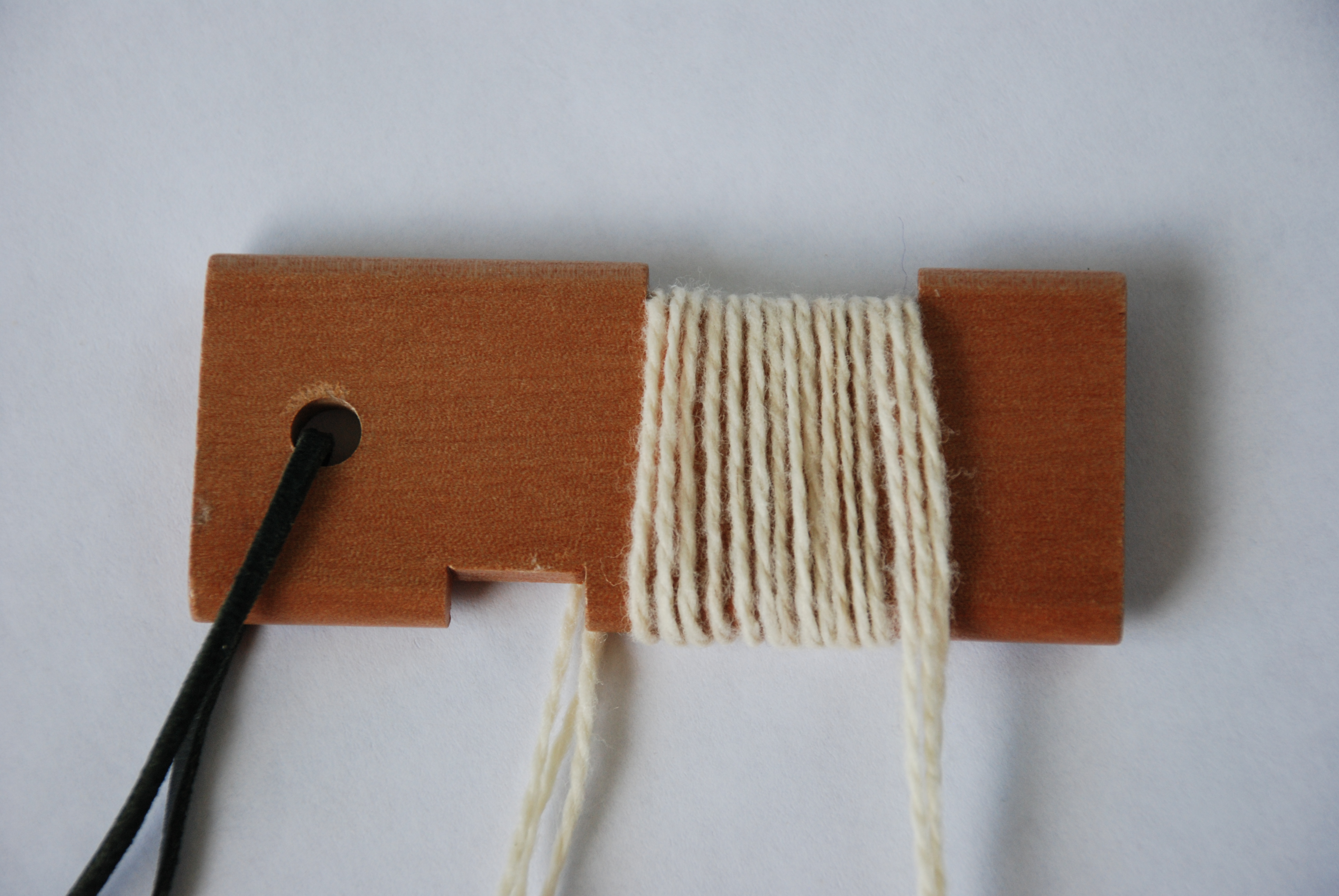 Another measurement is wpi (wraps/inch). This yarn measure 15 wpi. However, from past experience I know that this isn’t quite accurate. Most yarn is scoured (washed) and skeined before it is sold in yarn stores. That can have a dramatic effect on the yarn. The yarn that I got from the mill on cones has not been scoured yet, so it is not really “finished”.
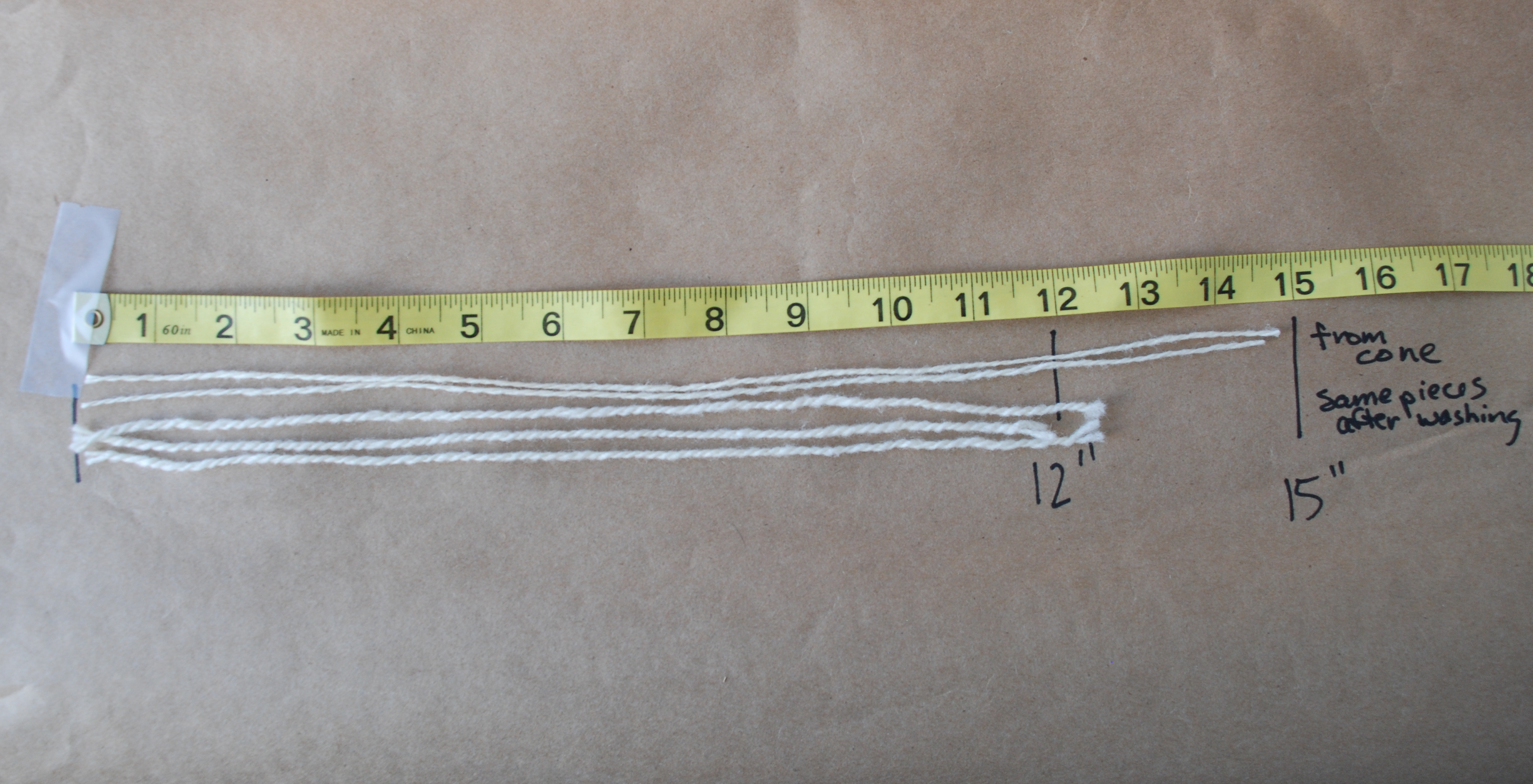 Look at the difference a soak in warm water makes. Now this yarn measure 1200 ypp (which is what the specs from the mill were)…
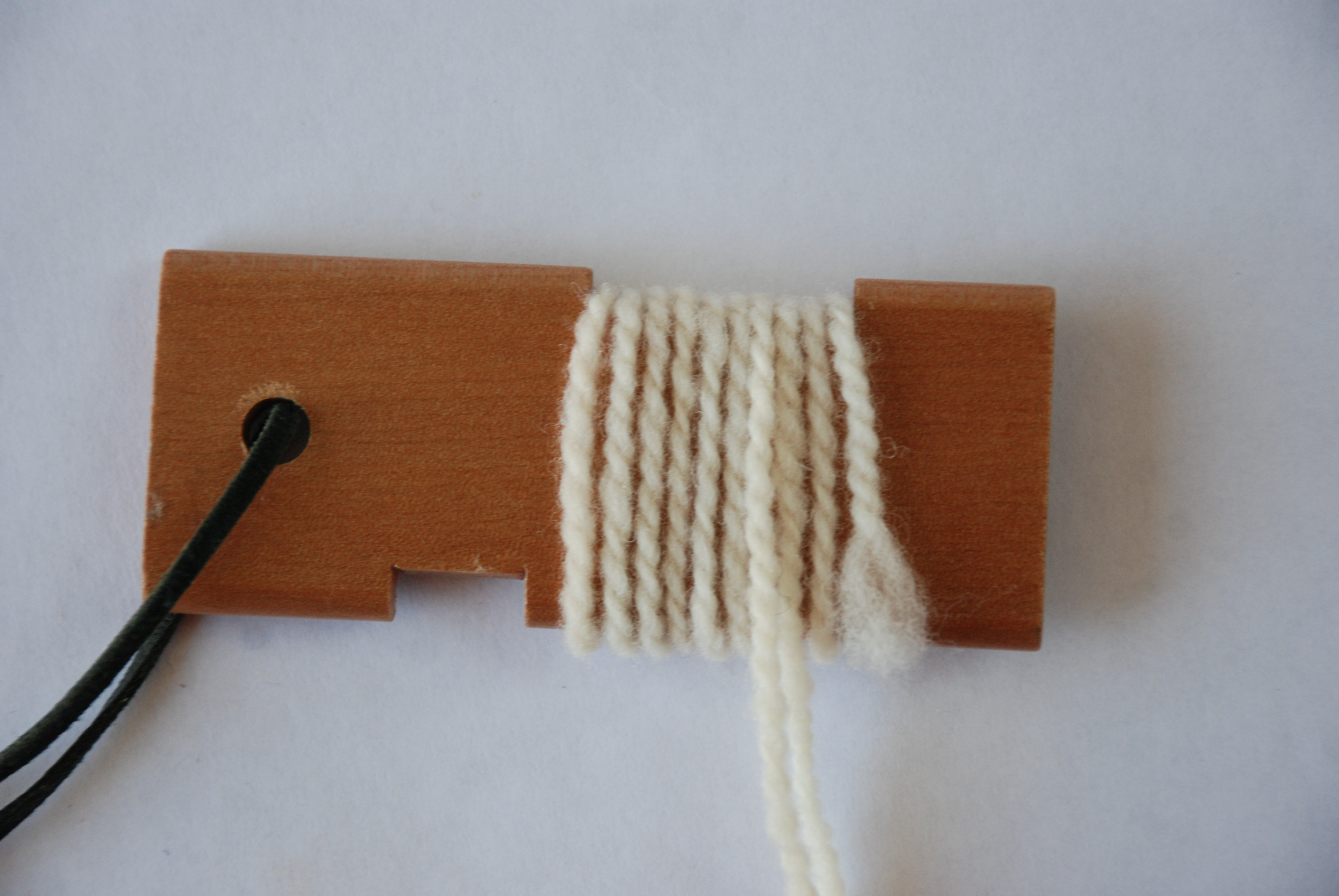 and it is 10 wpi. Based on those measurements I wove some samples.
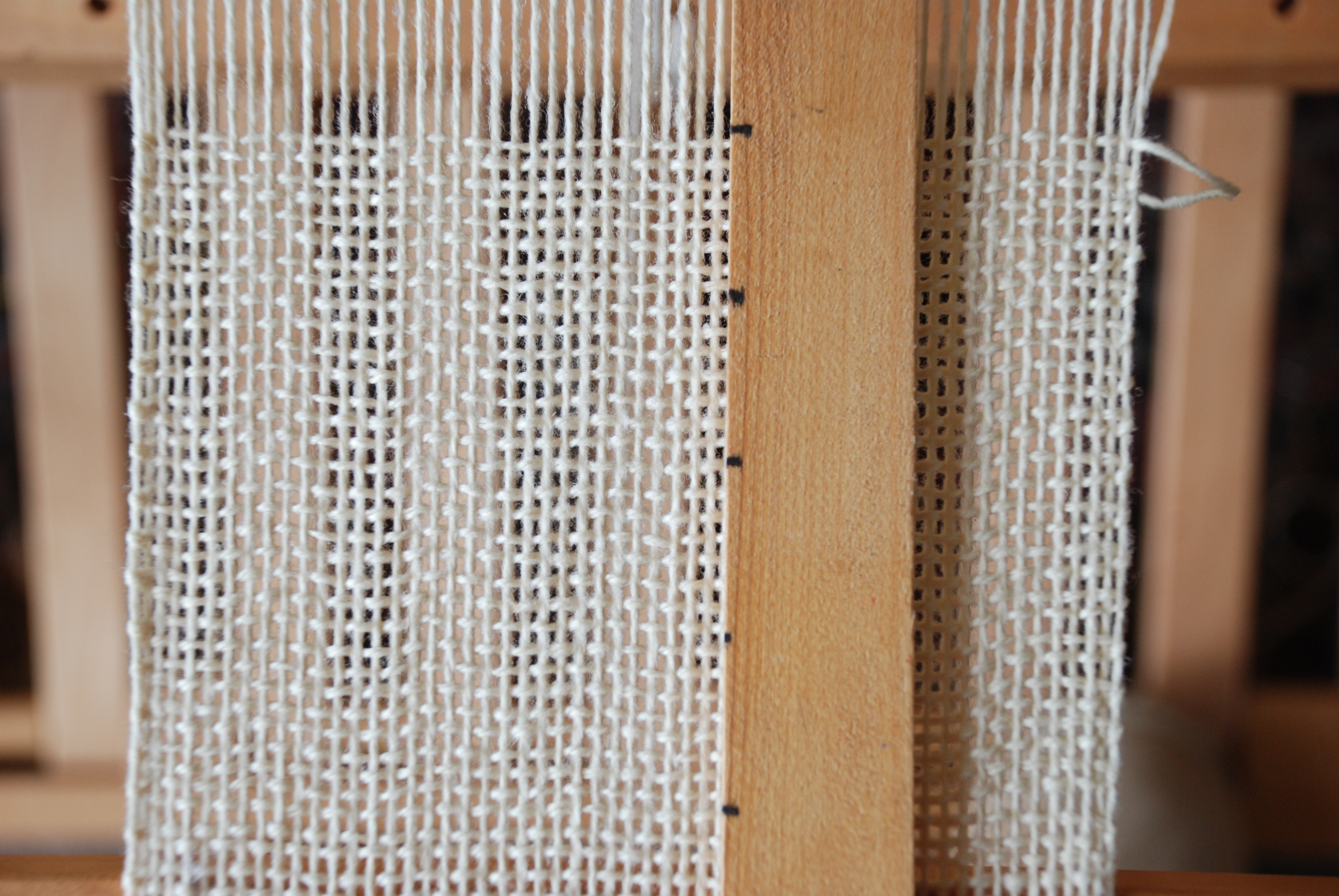 These samples look pretty open on the loom…
 …and I had to be careful to not beat the weft yarn down too much.
 This is how the samples look off the loom. The 8 epi samples are in the top row.
 And here is how they look after a quick wash. Dramatic difference from the loom to the finished fabric.
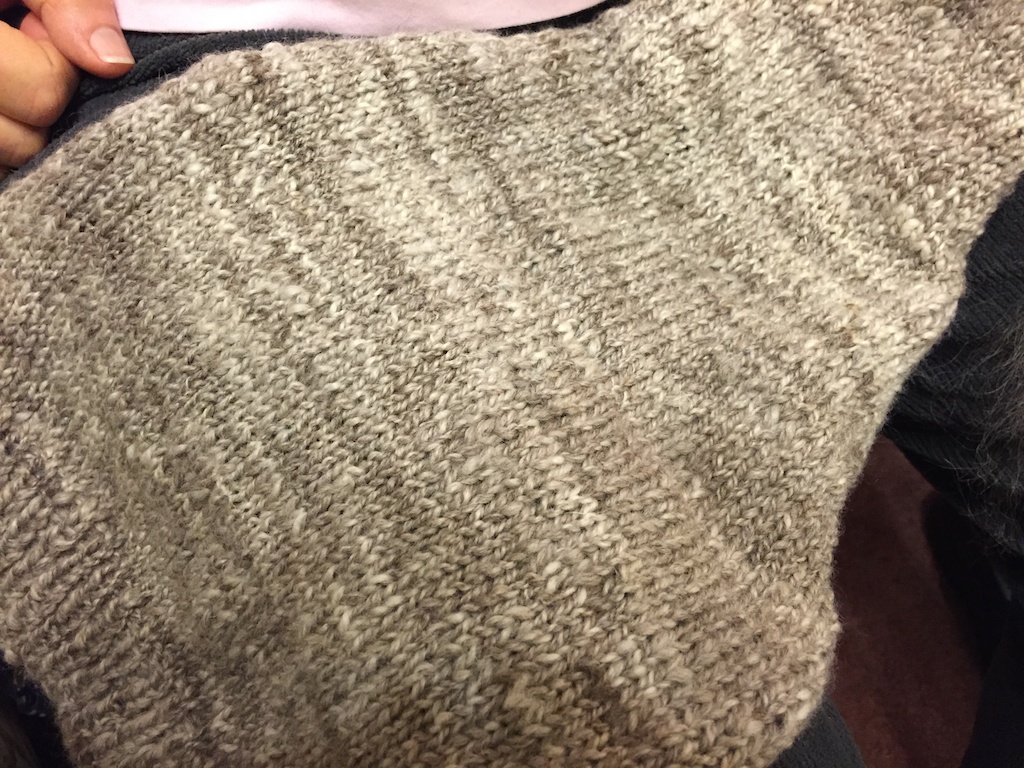
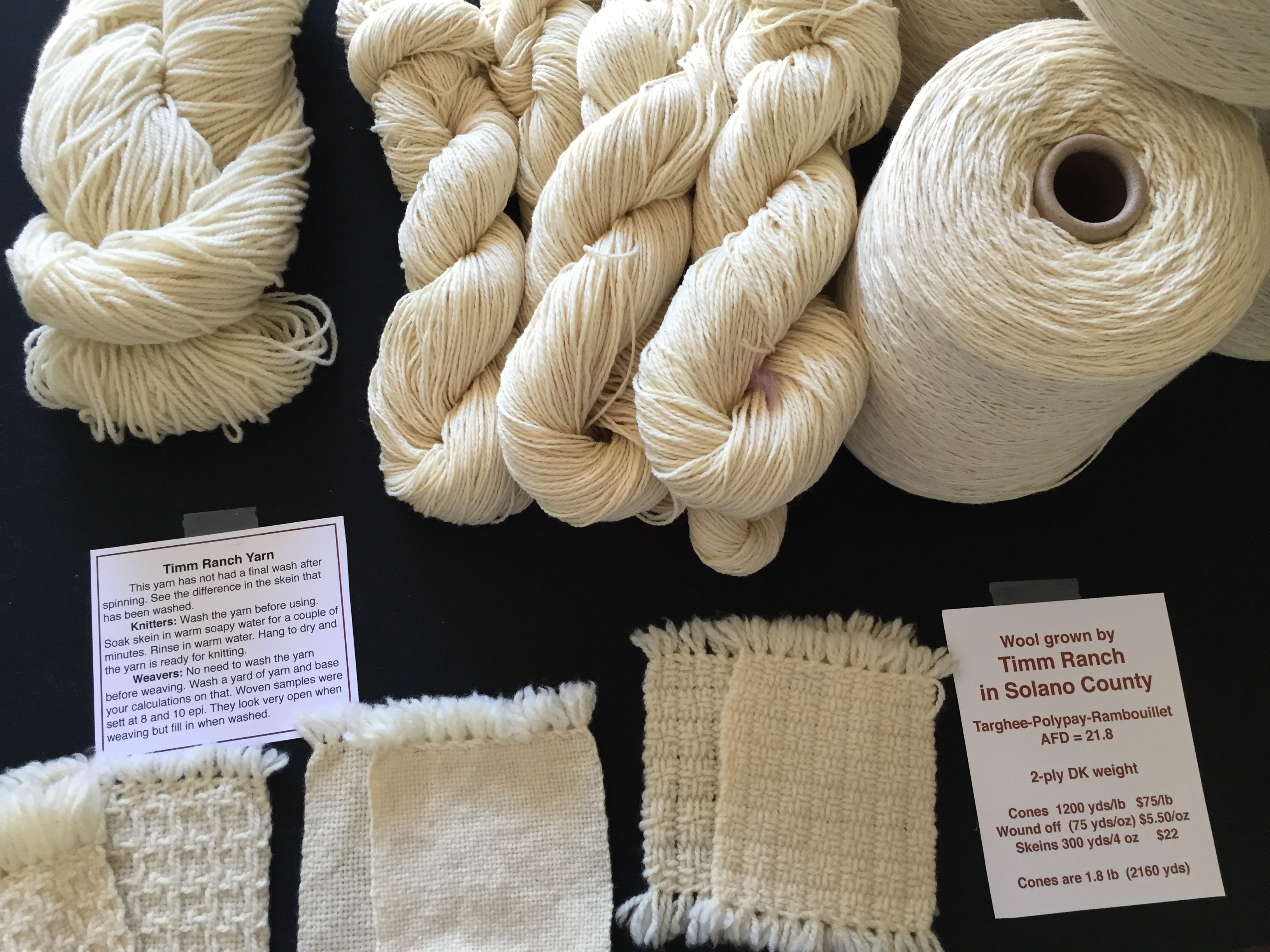 Here is how I had them displayed in the shop at the recent Shearing Day. The skein on the left has been washed. But these yarns aren’t just for weaving. My friend, Mary, bought some, washed it, and then used it for a Mystery Knit Along. Here is the shawl she knit.
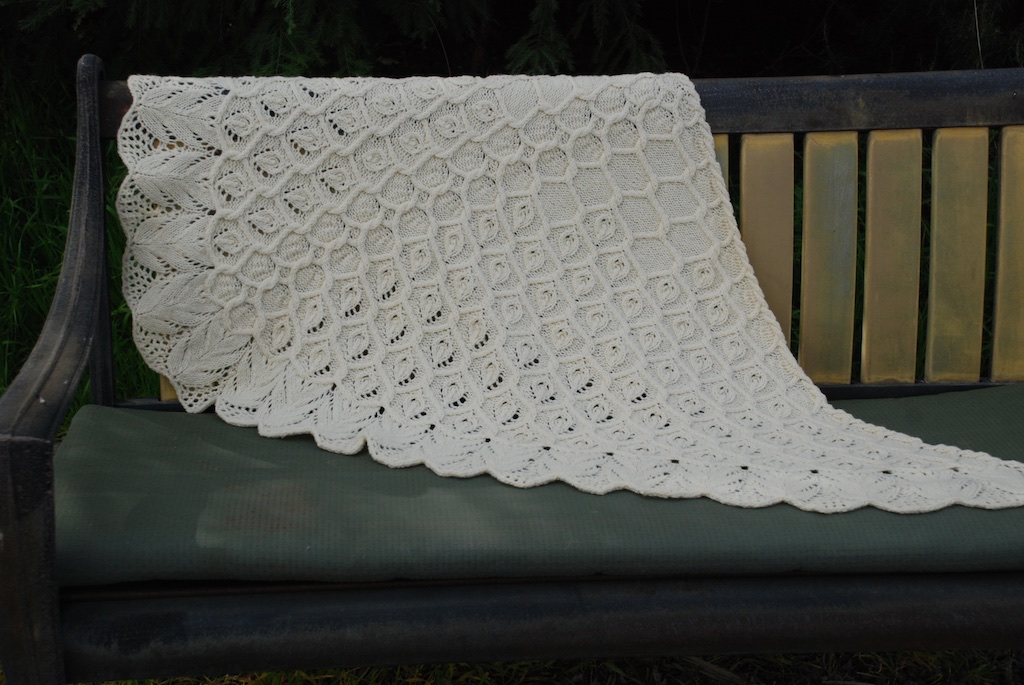 This was knit over a few weeks with a new direction given out each week.
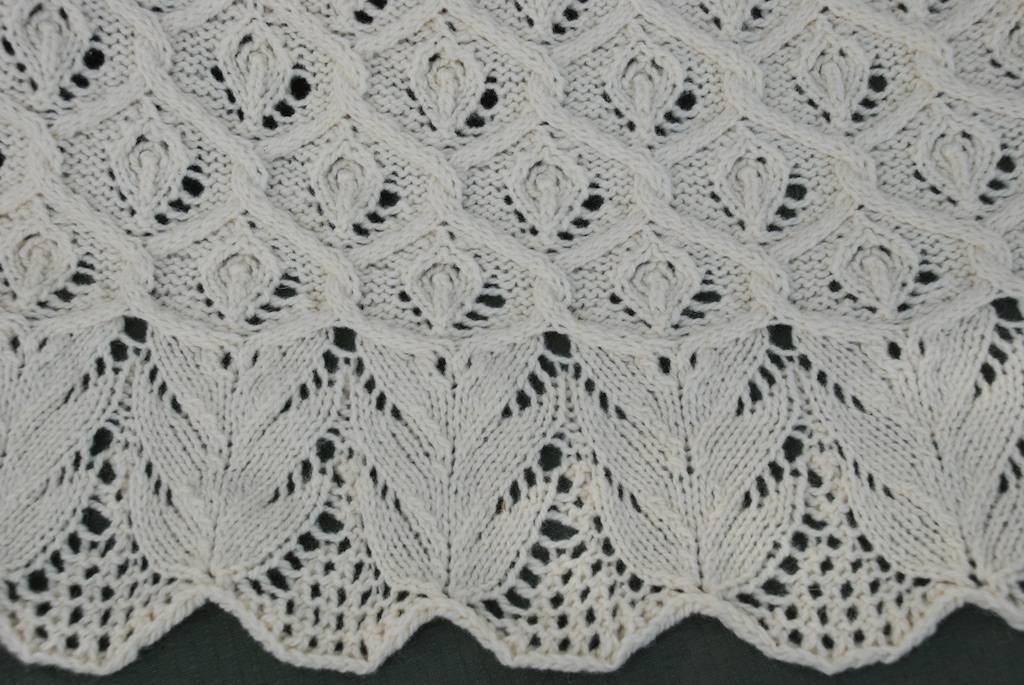 It is gorgeous in person and has a wonderful hand. I can’t wait to get some of this yarn on the loom and get to work with it.
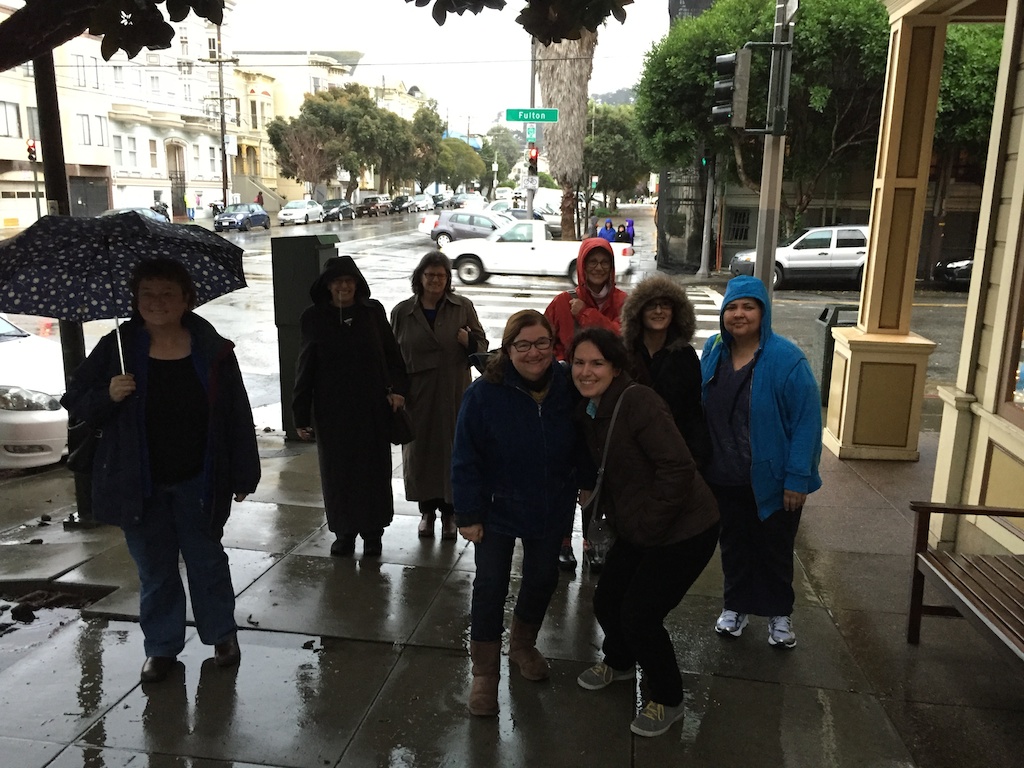
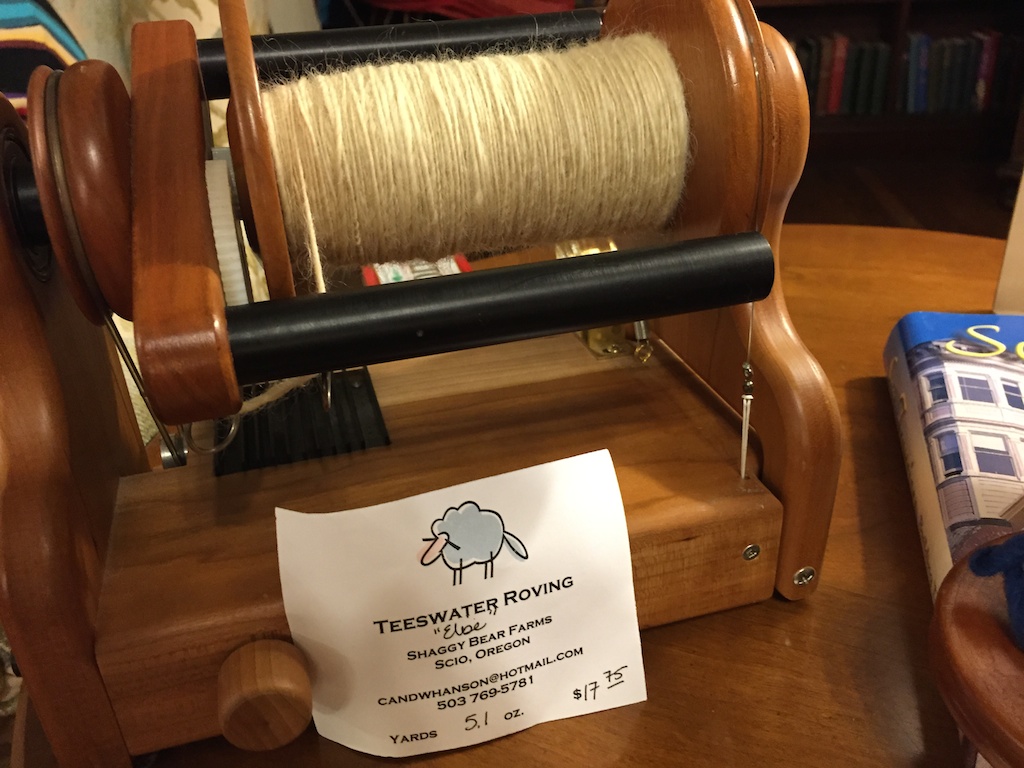
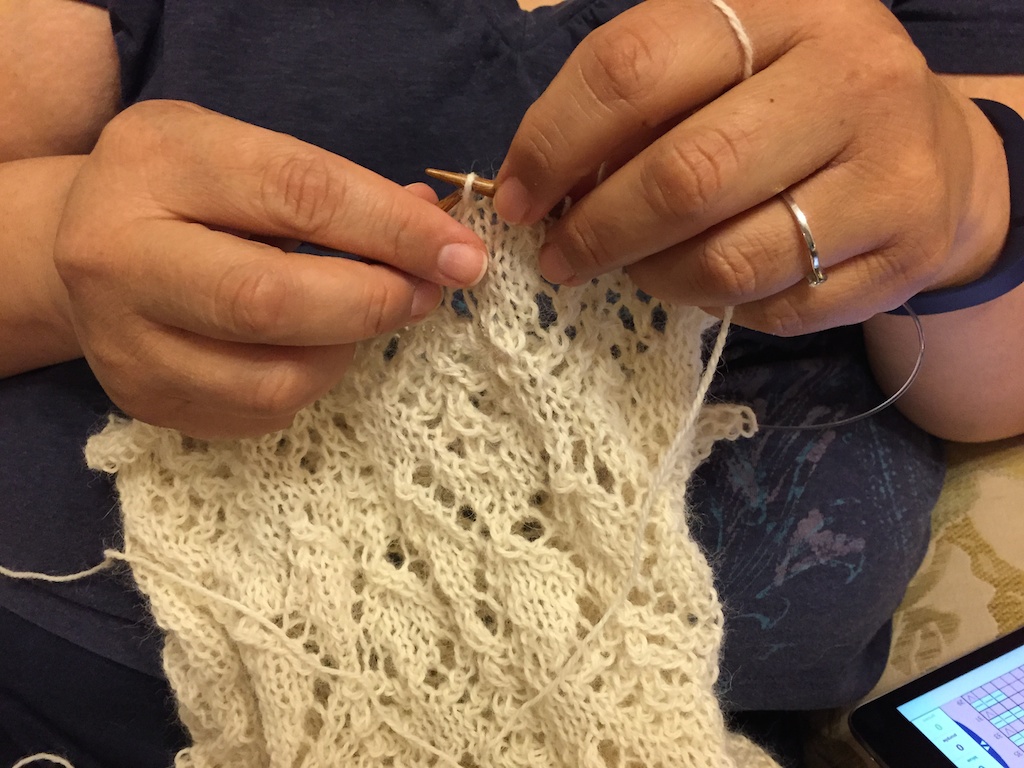
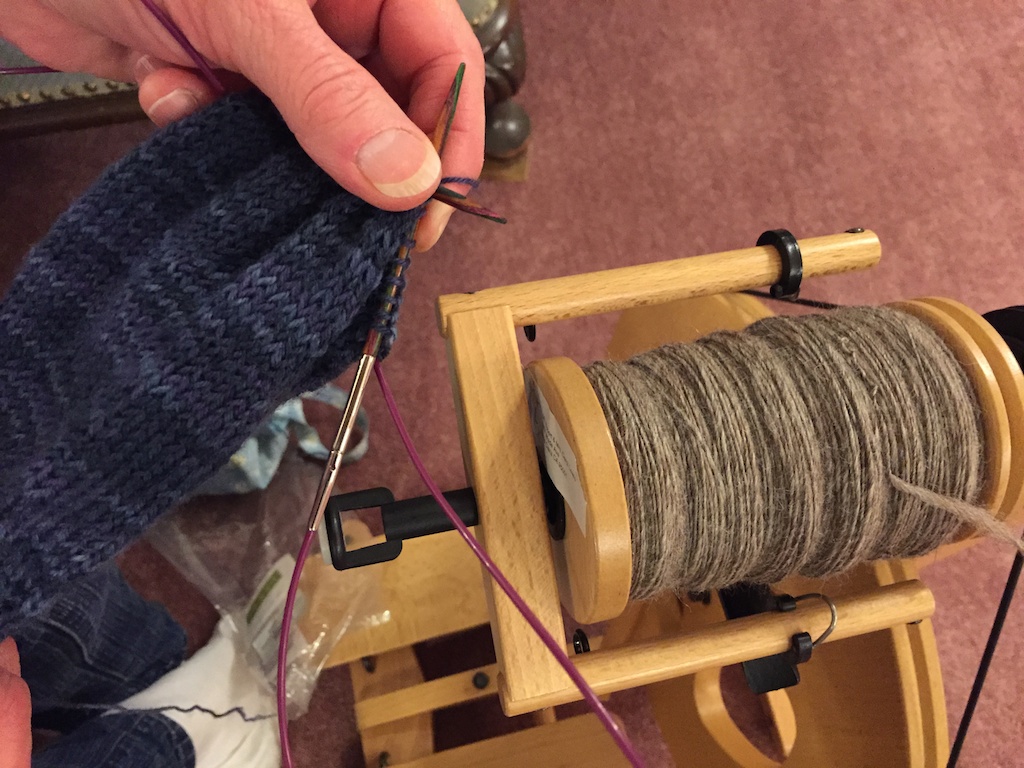
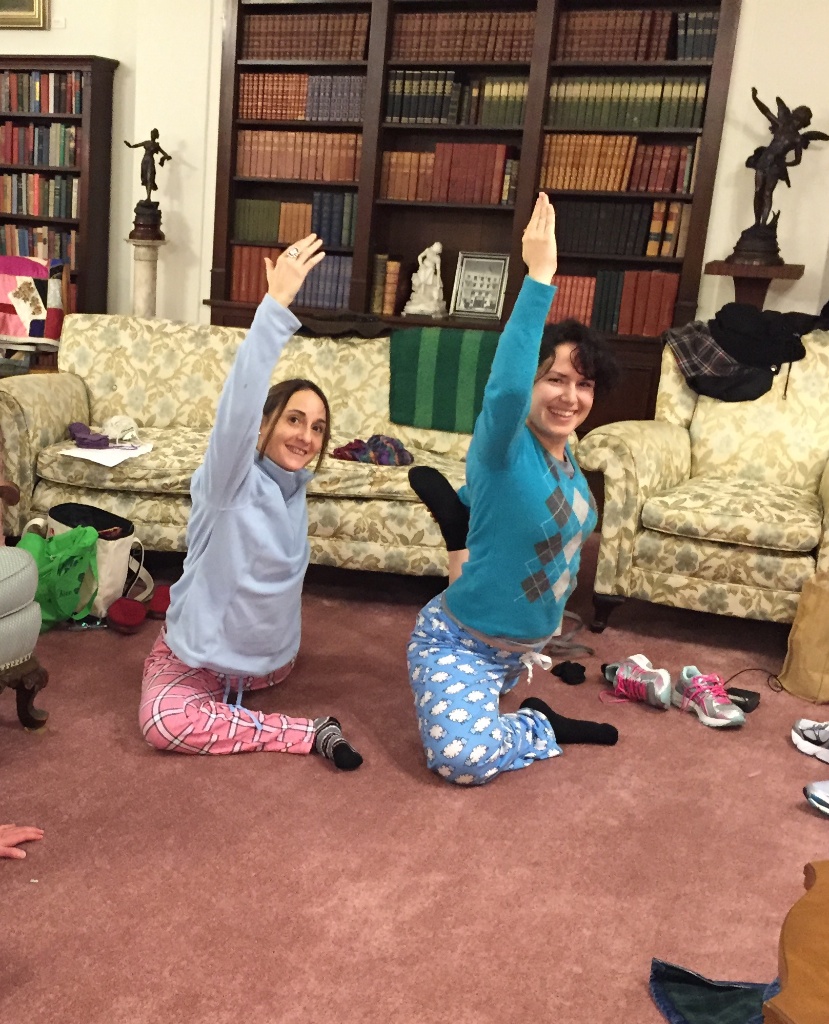
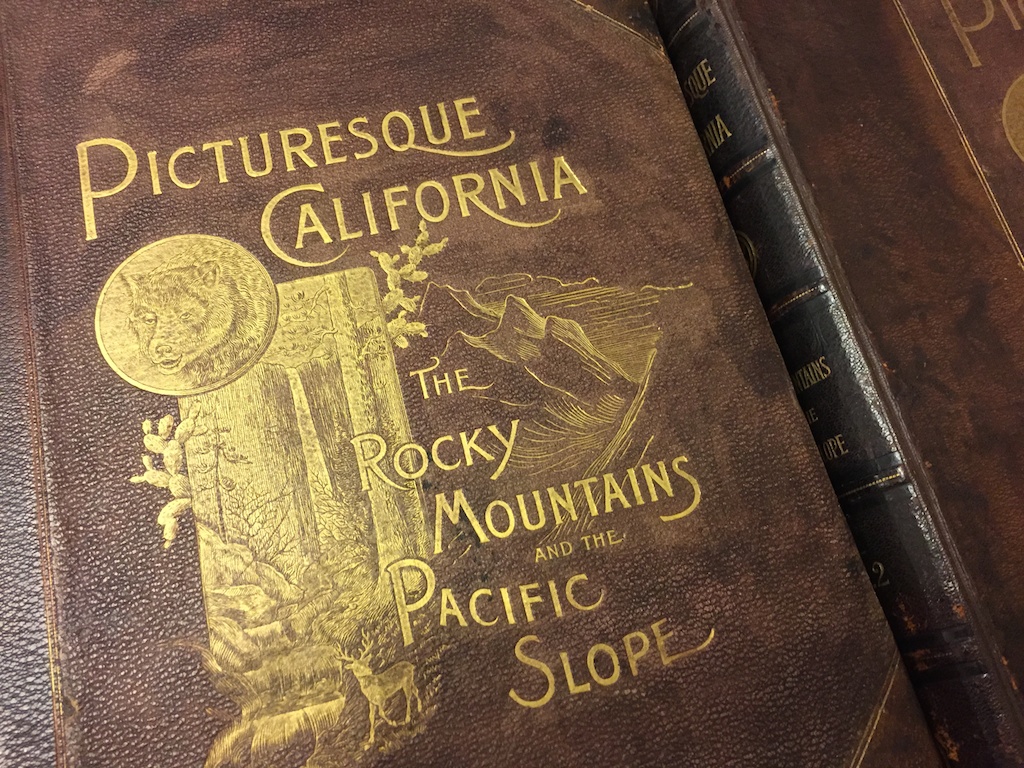
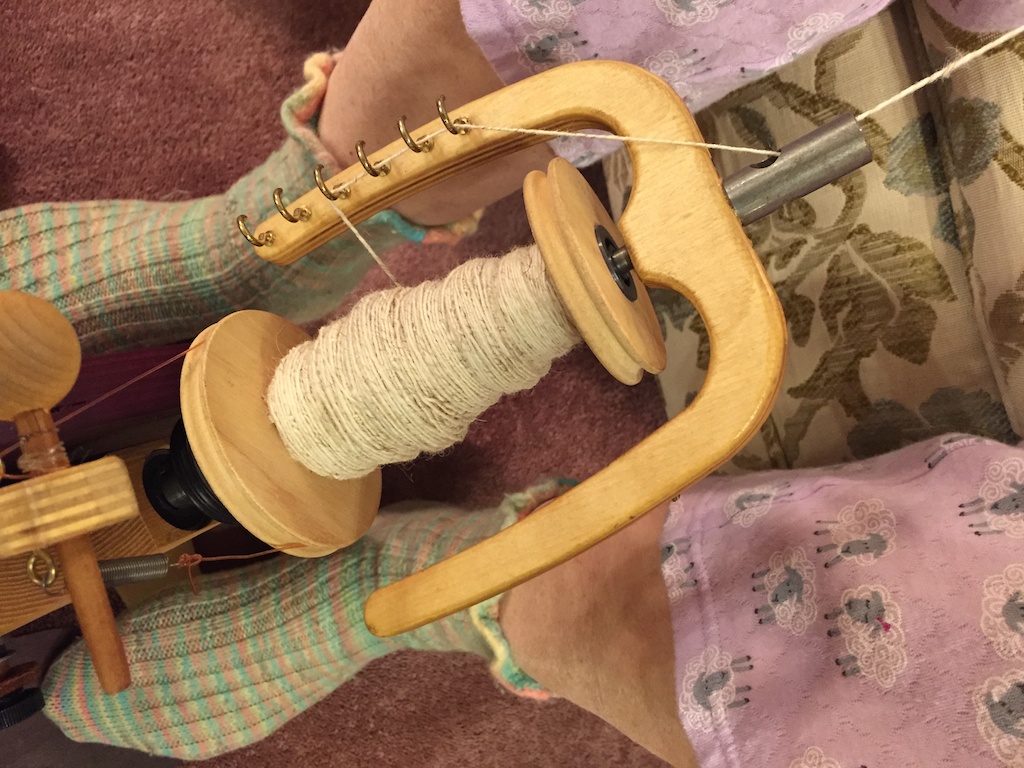
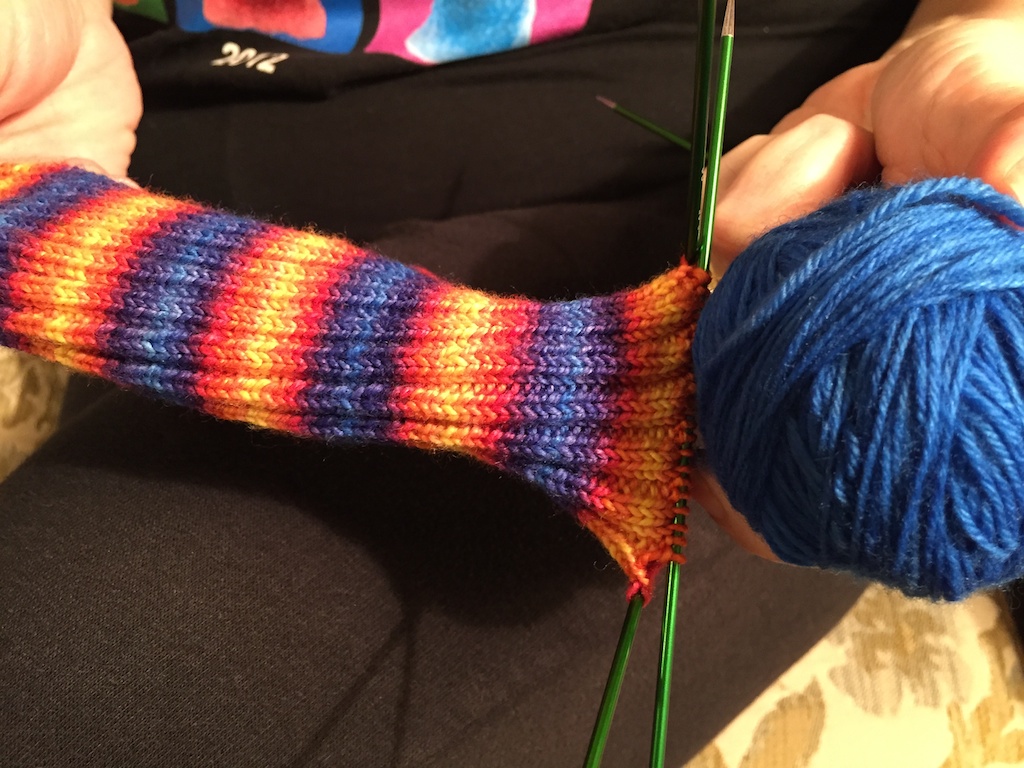
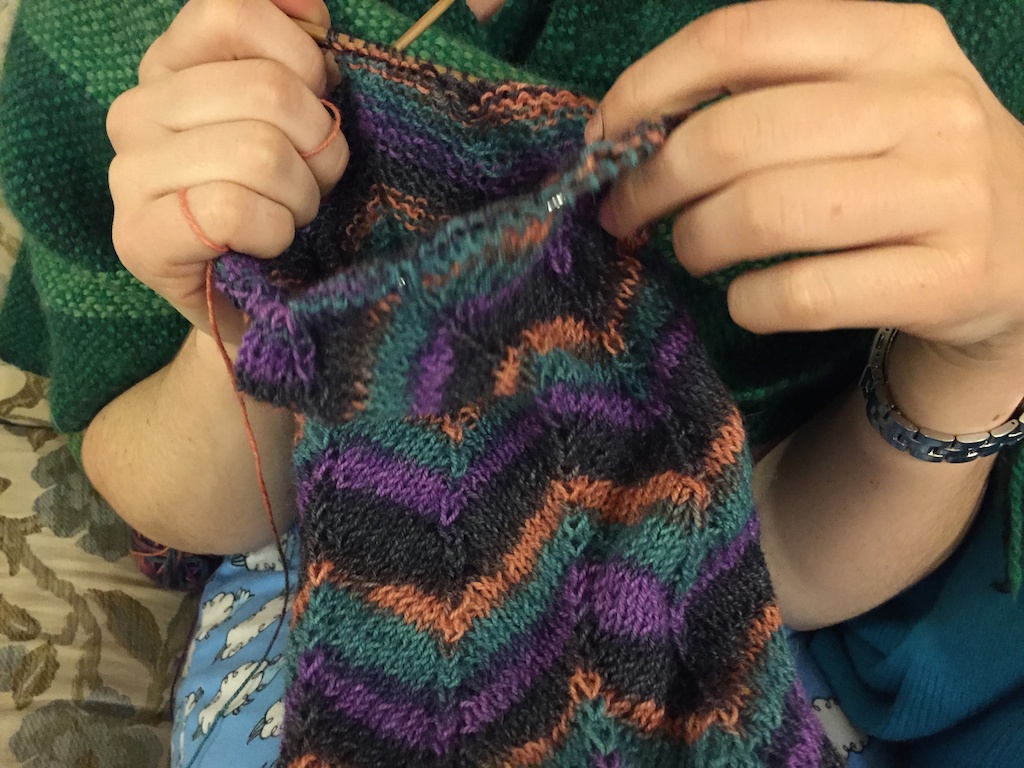
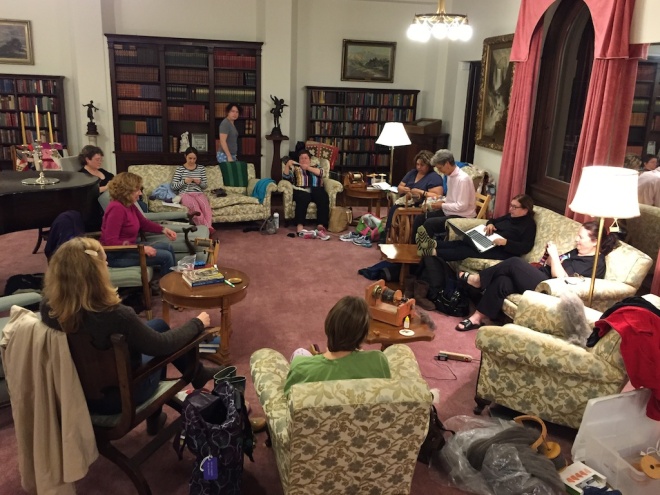 There was a record 14 of us! Here are some of our projects: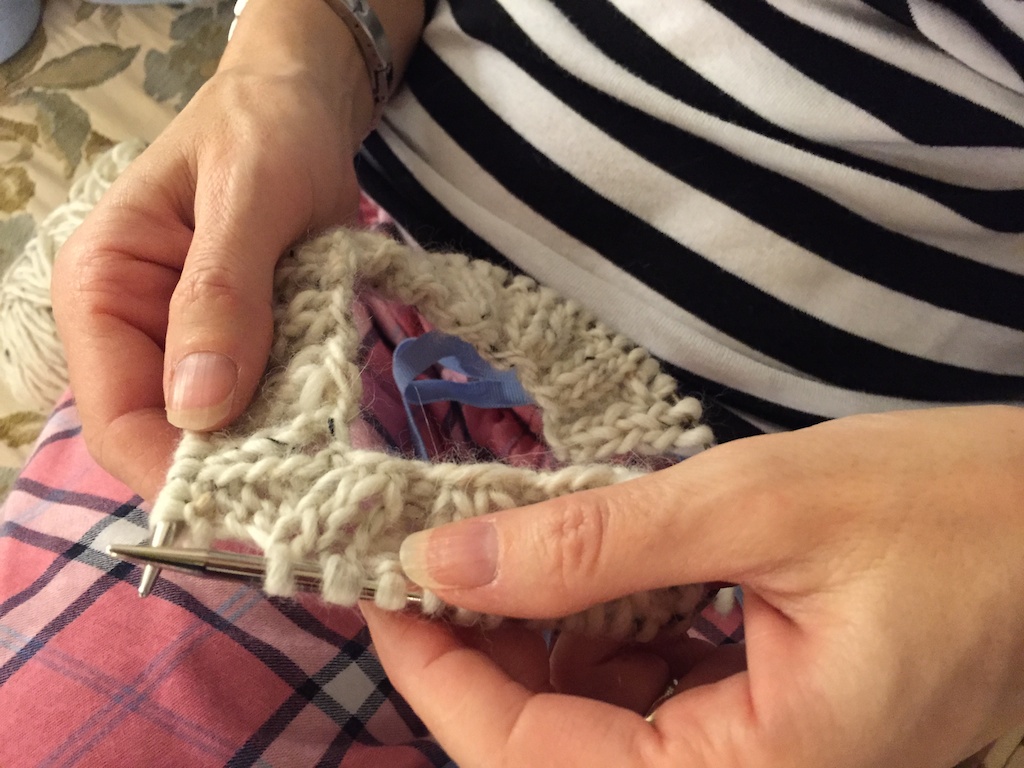
 Meridian Jacobs' Blog