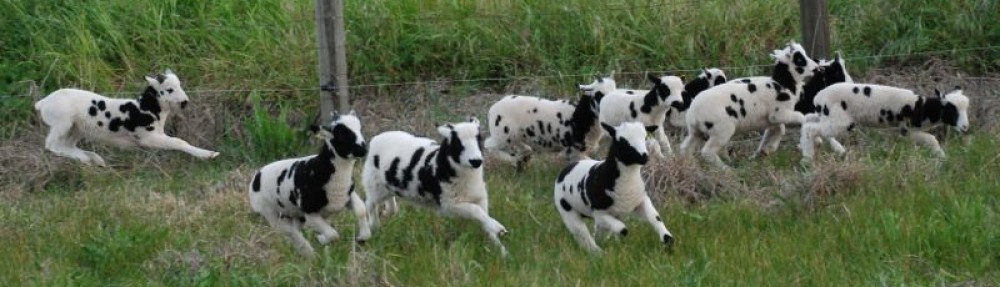
Sheepdog trials have been held off and on in the area of the Montezuma Hills in Solano County since the 1930’s. They have been a more regular occurrence at the McCormack Ranch since 2013, but the Covid pandemic disrupted the event. This was an important year for the Sheepdog Trial return because of the threat to Solano County from a group of wealthy investors whose plan to build a city in this area have disrupted many lives here. I encourage you to visit the websites for Solano Together and Solano Rural Defense to learn more.
This text is from the Solano Together website: “California Forever” is a sprawl development project proposed for eastern Solano County by a group of billionaire Silicon Valley investors known as “Flannery Associates.” Since 2017, the group has acquired 62,000 acres of agricultural land between Fairfield, Rio Vista, and beyond—an area larger than both Fairfield and Vallejo combined—for over $900 million. Since the purchase of the land, concerned Solano County residents have accused Flannery of deploying secretive tactics by keeping their identity elusive and misleading the public, government officials, and landowners about their intentions. Later, Flannery launched a half a billion dollar litigation process against local farmers and ranchers who refused to sell to them, accusing them of antitrust behavior.”
The screenshots are from Solano Rural Defense:
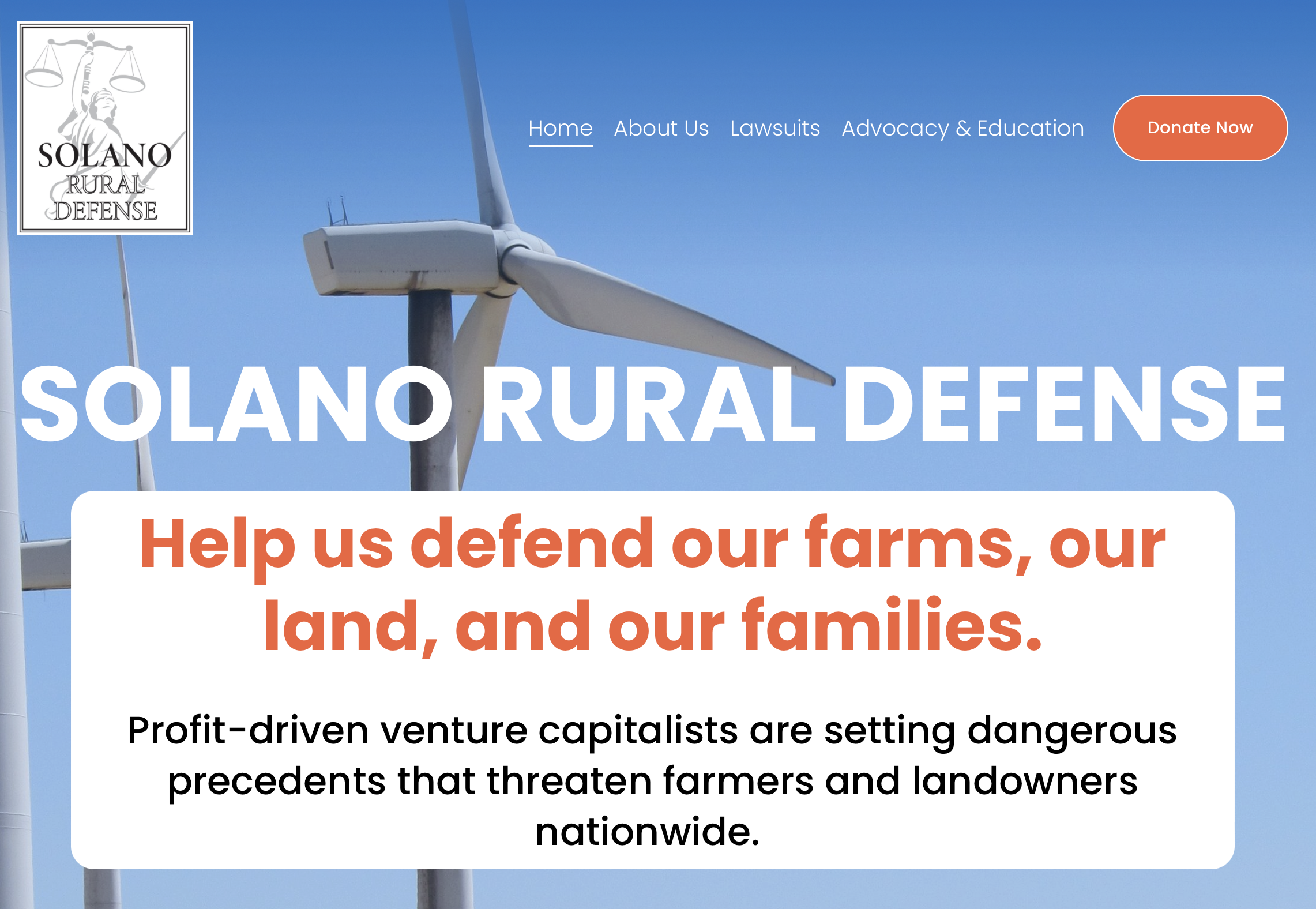
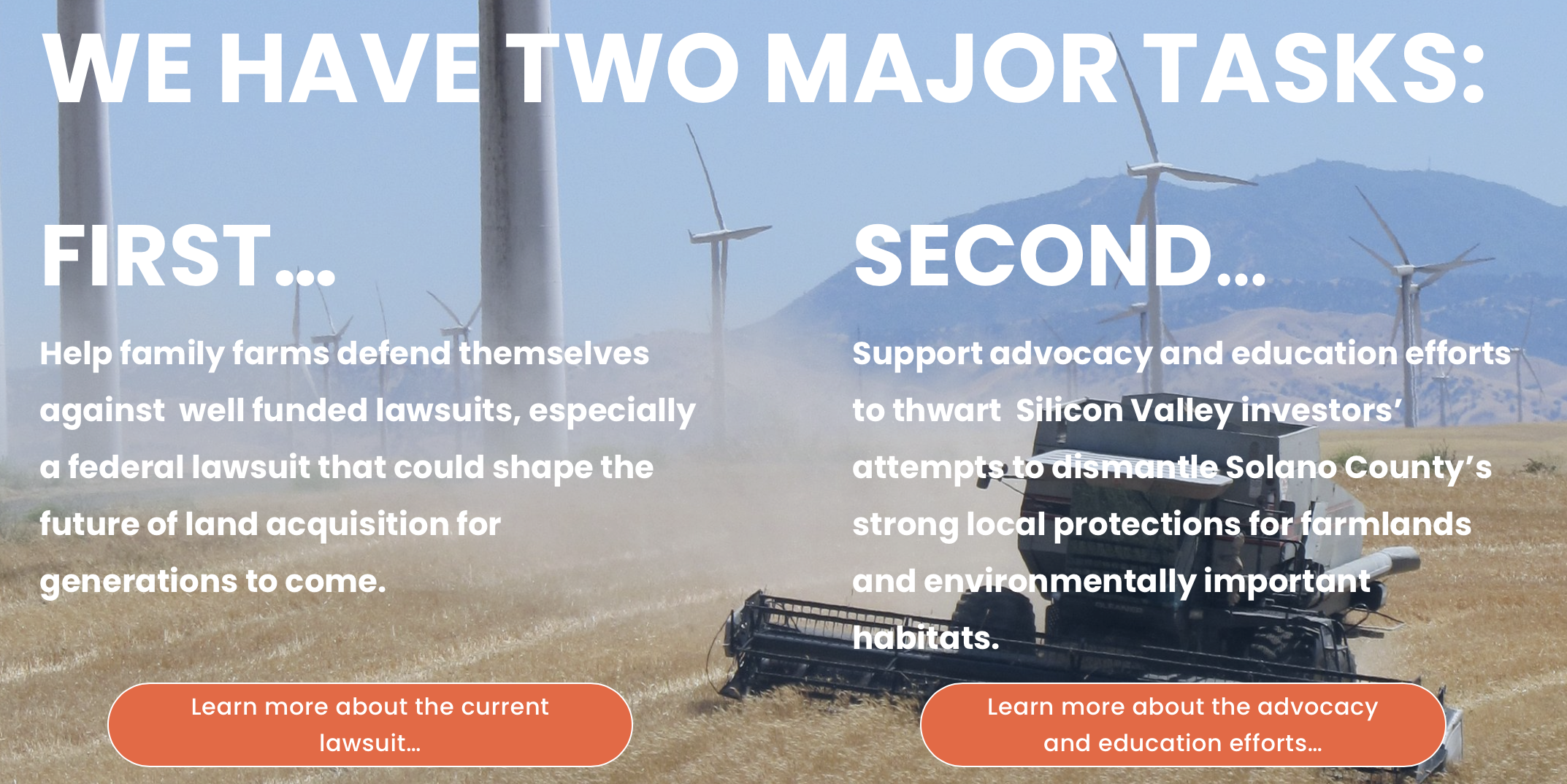
I got carried away there. This post is supposed to share photos of the weekend. Our small but dedicated group called Fiber Farms and Friends planned to be there and work with the Solano Together coalition to attract attention and discuss the issues. There are no photos from Saturday. Although we tried to attend the event to educate the public and promote the cause, a major storm disrupted the event for the public. The dogs still competed, but it was far too wet and windy for most spectators and for those of us trying to set up displays. We started with the canopy up and weighted with sandbags in 5-gallon buckets, but we had to take it down when the wind started to take it apart.
Sunday was gorgeous.
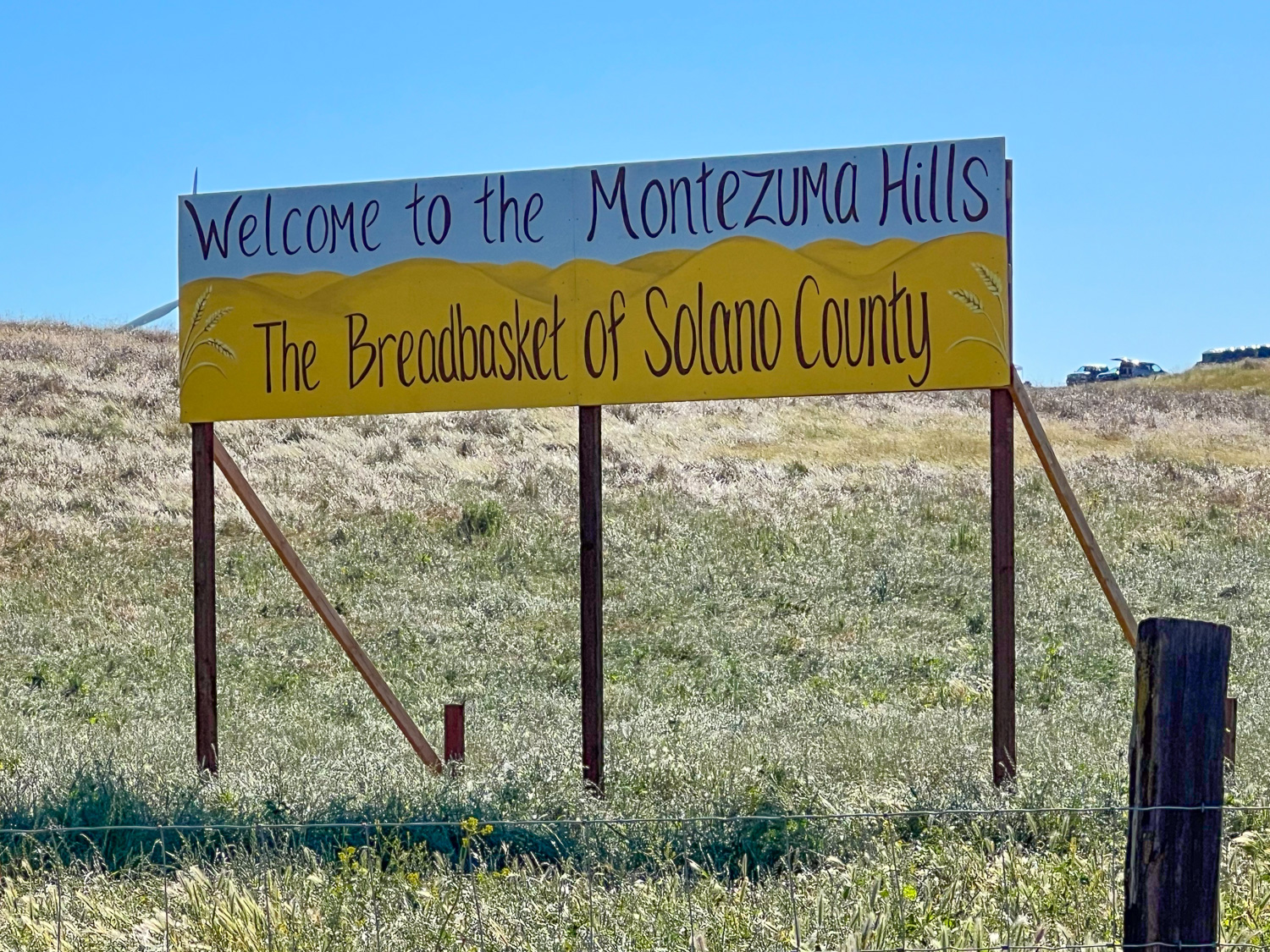
This is the sign that marks one of the turns I took to get to the ranch. I don’t remember the numbers, but the thousands of acres of wheat harvested here each year result in well over a million loaves of bread. The wheat is farmed without irrigation and relies on rainfall. That is what “dryland farming” is all about and we resent that the Flannery group talks about this area being of low value.
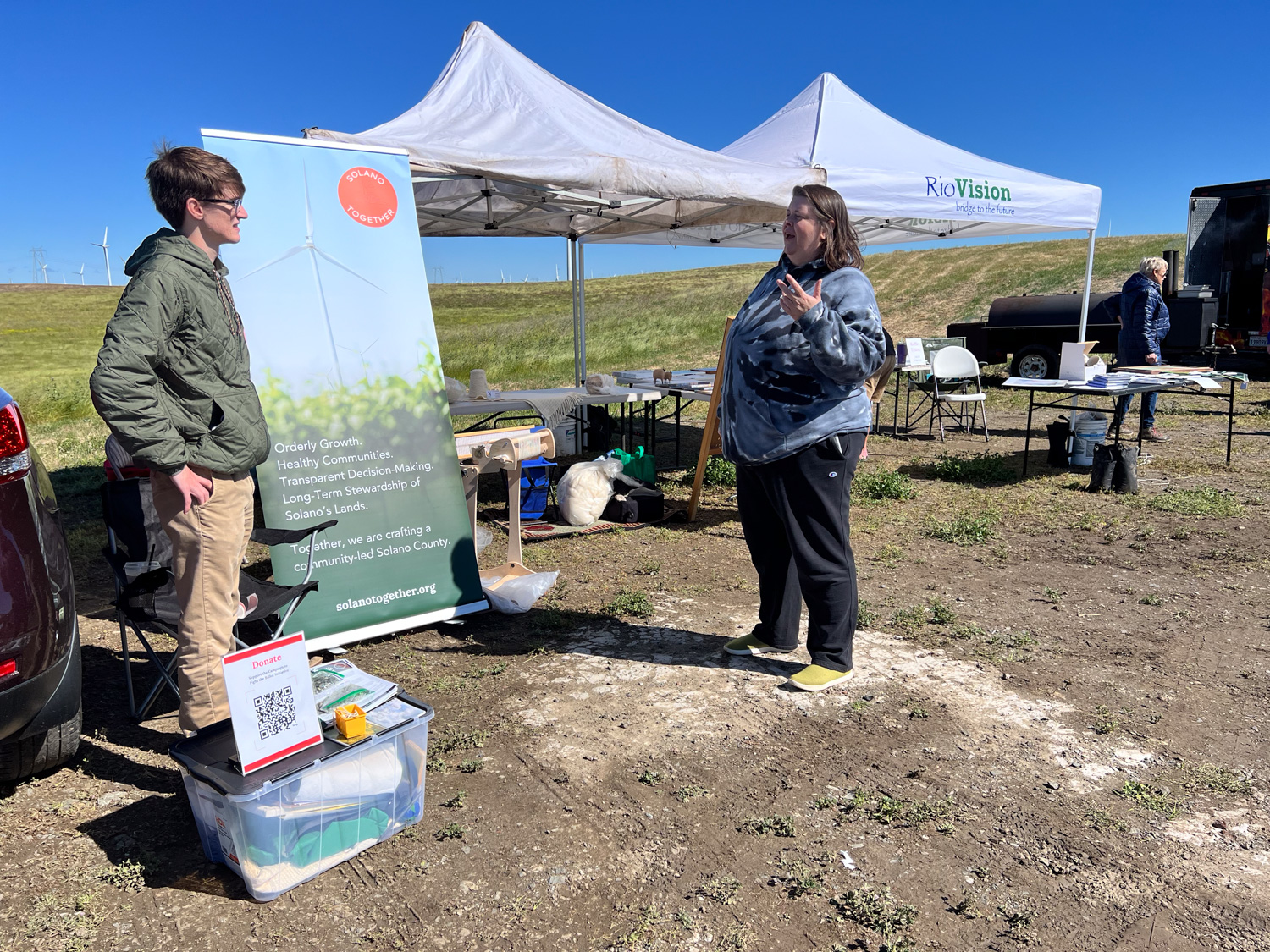
We set up a canopy next to RioVision, an organization created to “build, revitalize, energize and beautify the Rio Vista community”, the closest town to this area. The Solano Together representative, a member of one of the multi-generational family farms here, set up the sign at the corner of our area.

It’s hard to see, but there is a group of sheep penned near the top of the hill and there are 4 sheep with a dog and a person just below. They are waiting for the next competitor.

The handler of the competition dog stays near the white post while the dog is sent up the hill to gather the sheep. The dog must take the sheep through a series of panels and demonstrate “the shed” and “single”–that the dog can split the group or separate a sheep when necessary. Then the dog puts the sheep in the pen. There is a time limit for this activity and there is a judge who determines points for each component.

Many dogs were waiting in their vehicles, but there is a group here who are attentively watching the action.
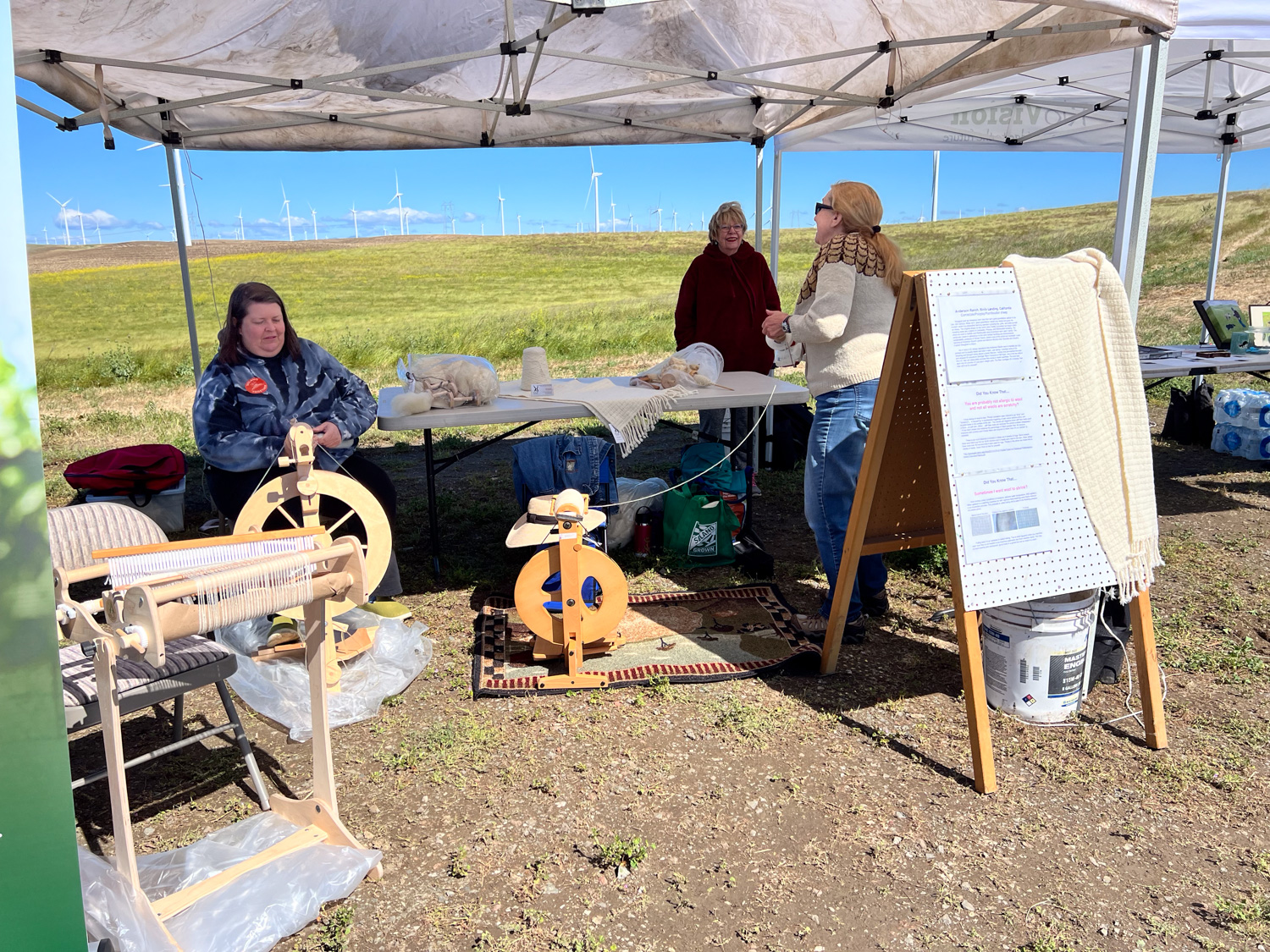
Most of the time while the dogs were working we were spinning (Beth and Carol) or weaving (me). These activities always draw attention and we spent a lot of time explaining the processes while then explaining that we were here to support the Solano Together cause.

That’s the Solano Together corner of our canopy. That was all that was needed because the main point is to talk to people.
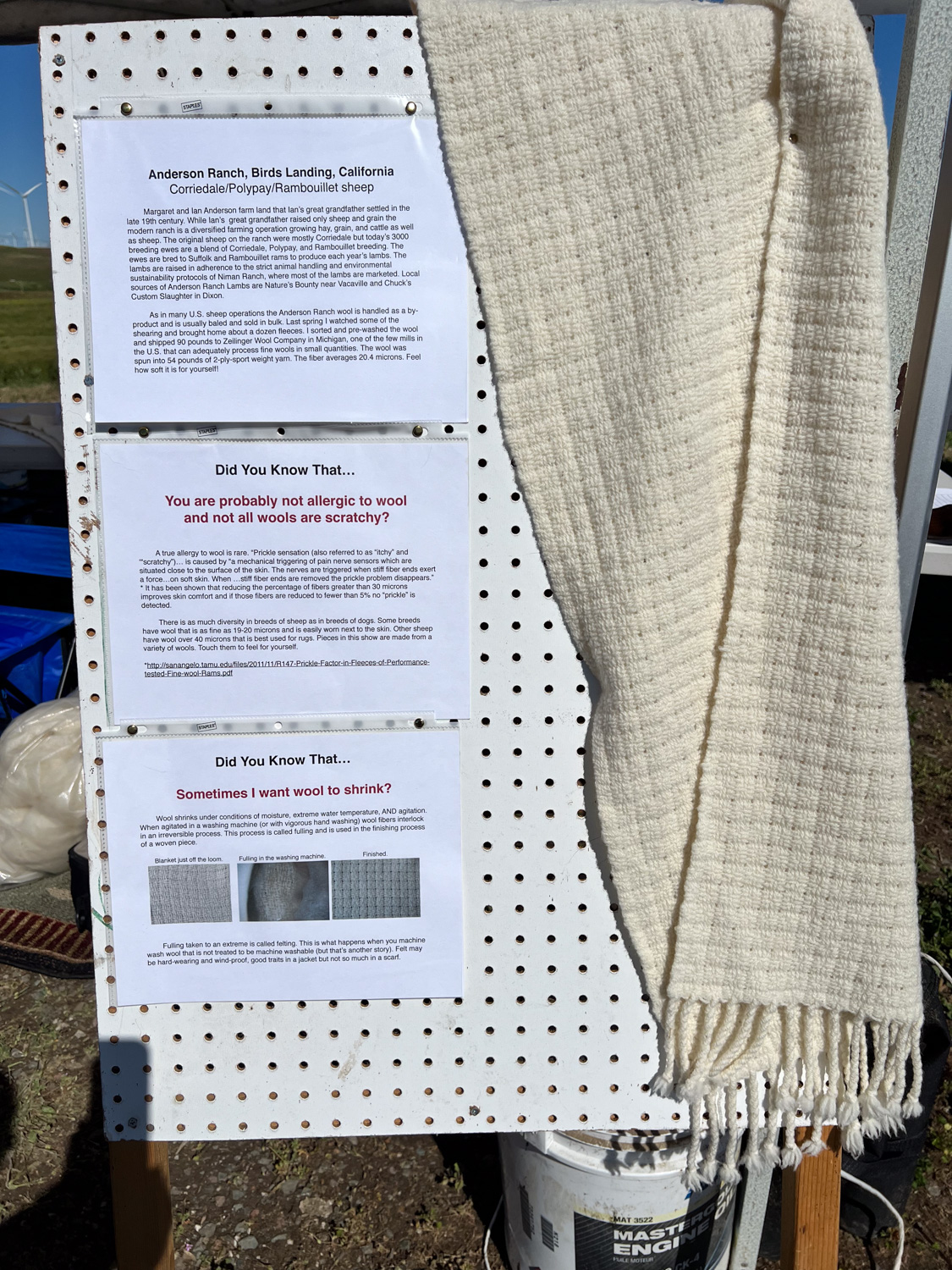
I set up this display next to my small loom. I remembered that I had some signs left from when I did a show at The Artery several years ago. This was a good time to bring them out. I also found that I had a little yarn left from the Anderson Ranch shearing (see blog post from 2014). I wove shawls, one of which I will donate to the cause to be a visual prop of what this land is about and to sell or raffle for fund raising. The scarf I was weaving is also from Anderson Ranch wool.
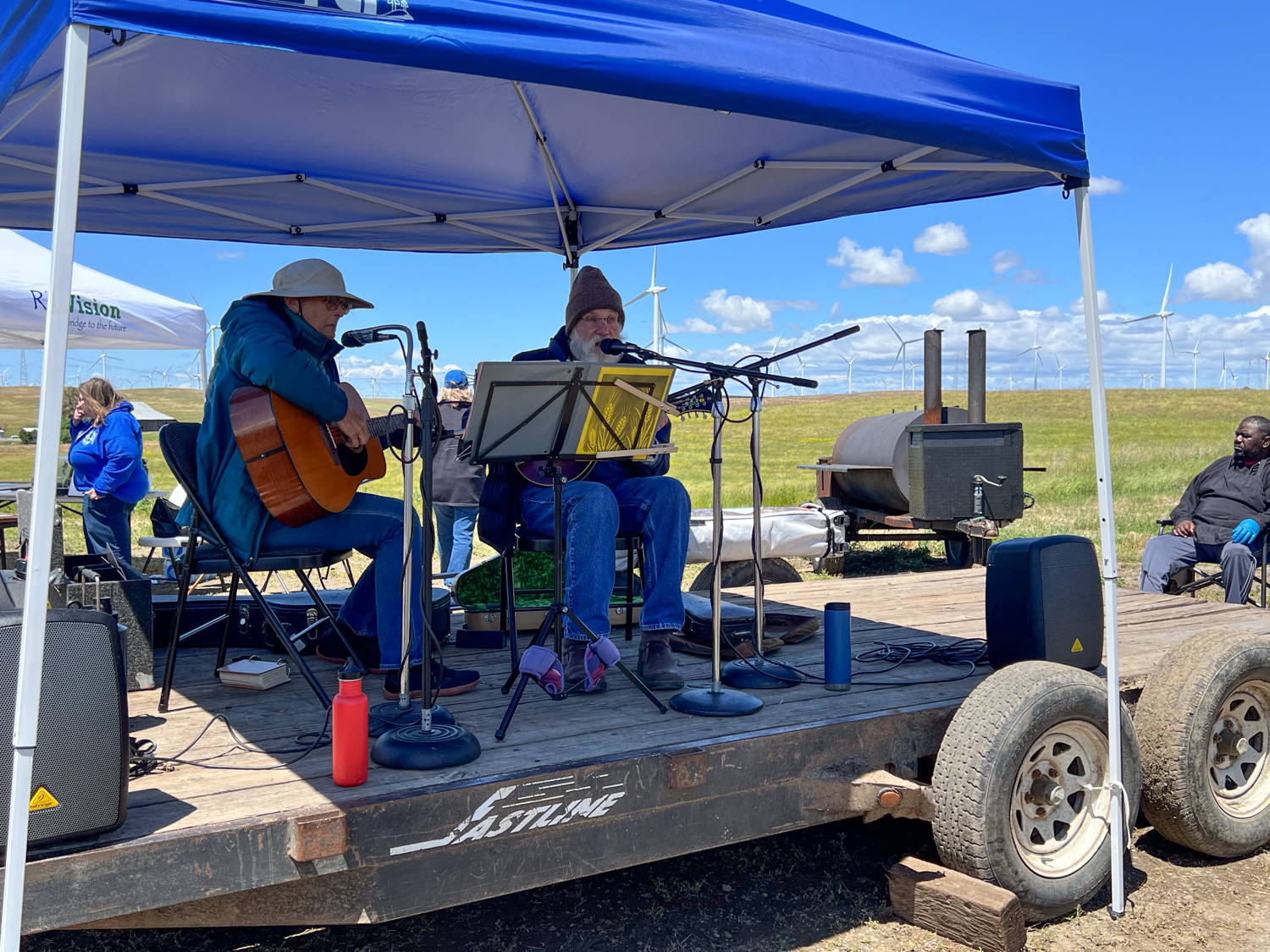
During the lunch break these musicians played. I wish I could remember their names. They were here on Saturday also. Can you image trying to do this with the rain wildly blowing through? None of us could function out there and had to give up then. On Sunday I was talking to people and couldn’t pay attention most of the time, but I realized I was singing along to “This Land is My Land” and then the words would change. These musicians have adapted the words of many familiar songs to the local land.
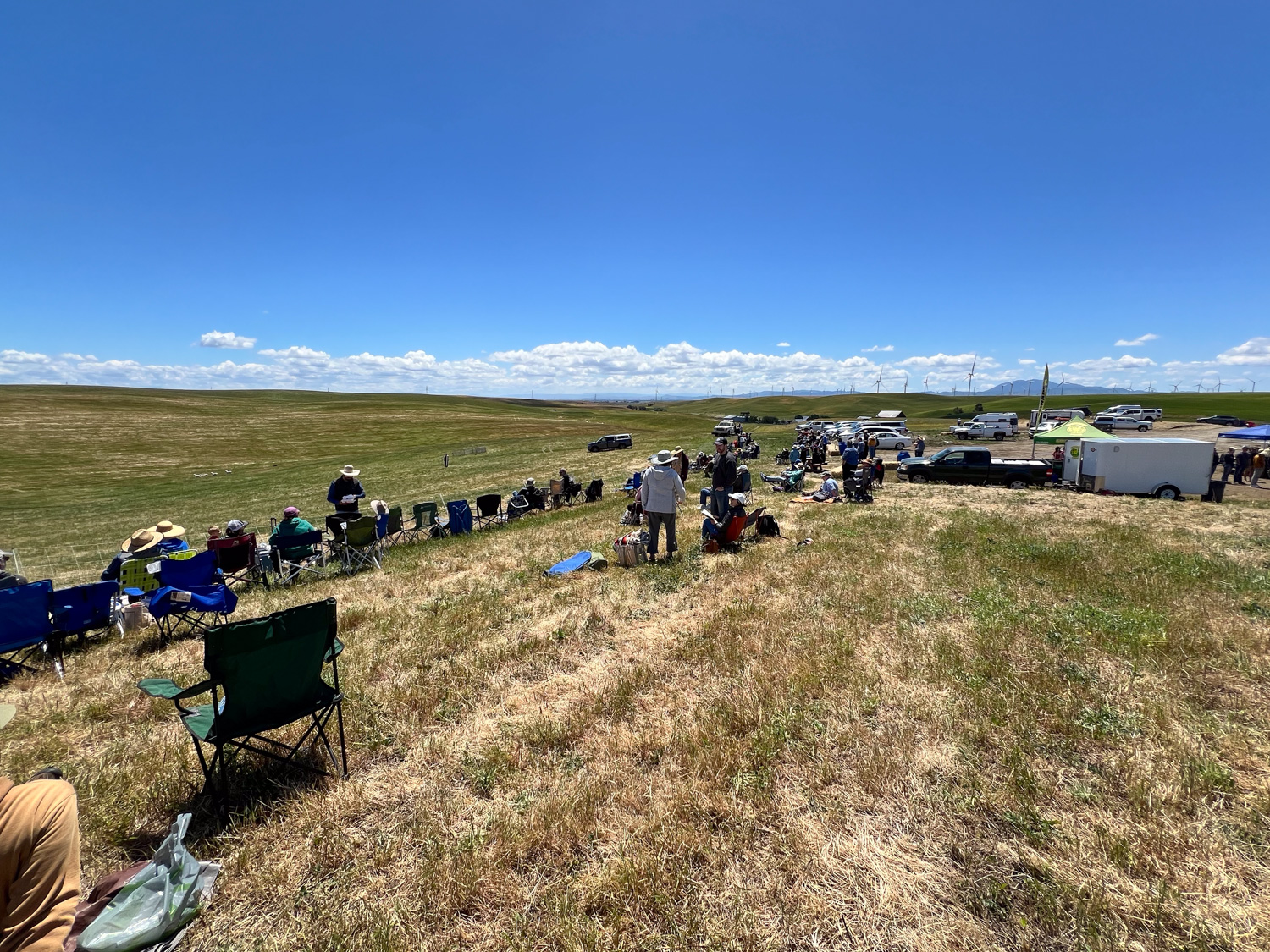
This was a wonderful way to showcase what is at risk for many farmers personally and for Solano County and California in general. Notice that mountain way in the distance.
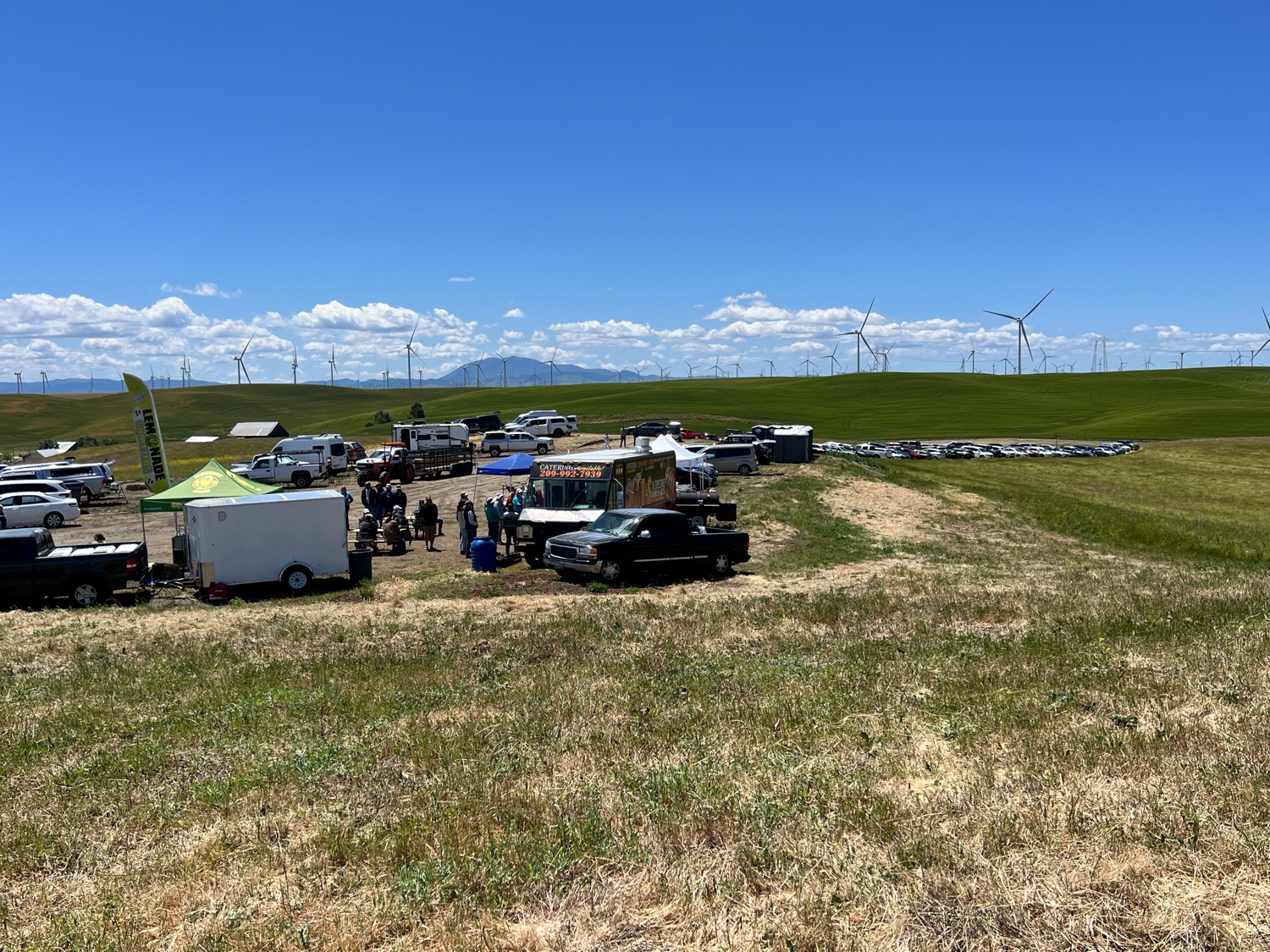
This is of where we were stationed, just to the right of the last photo.

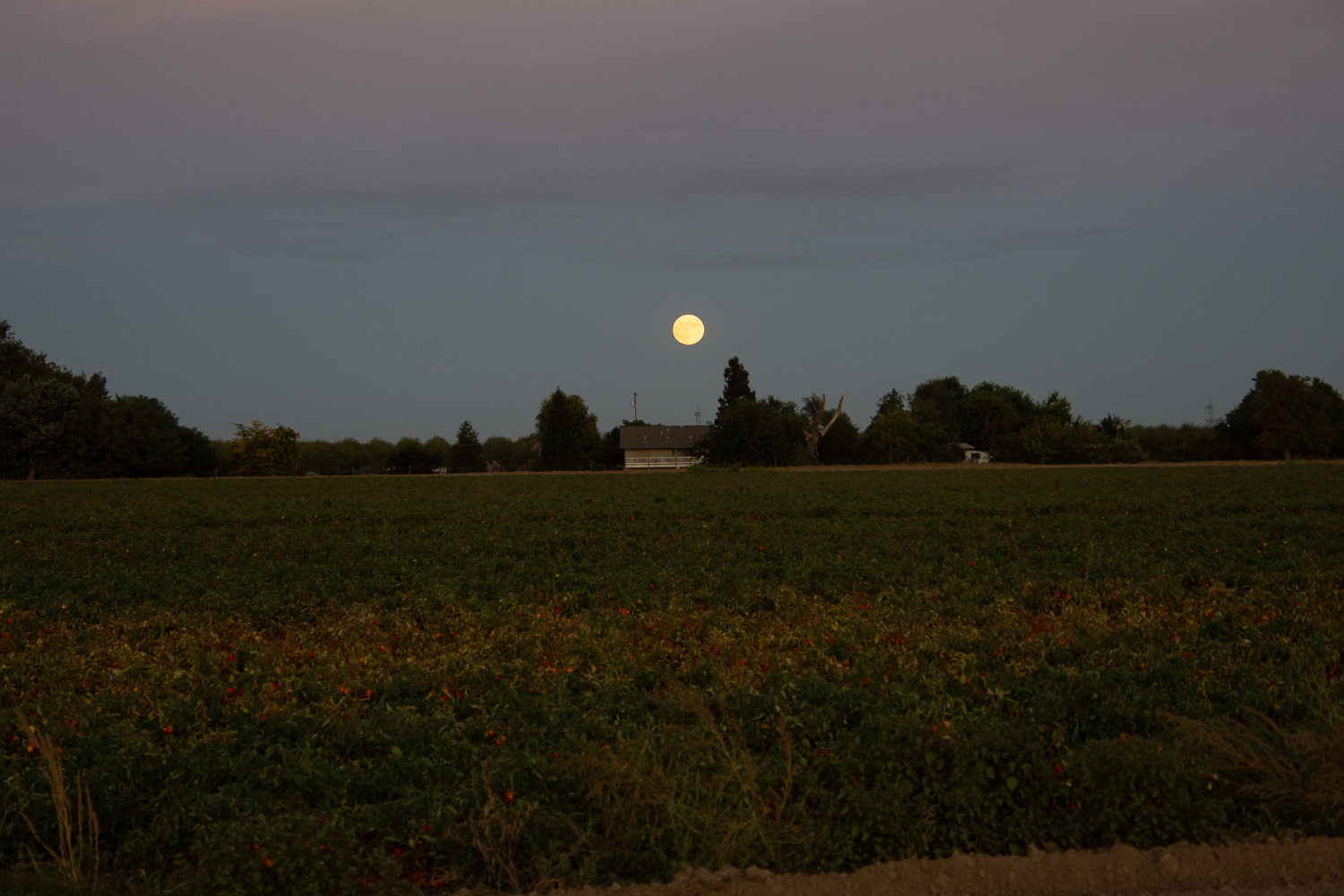
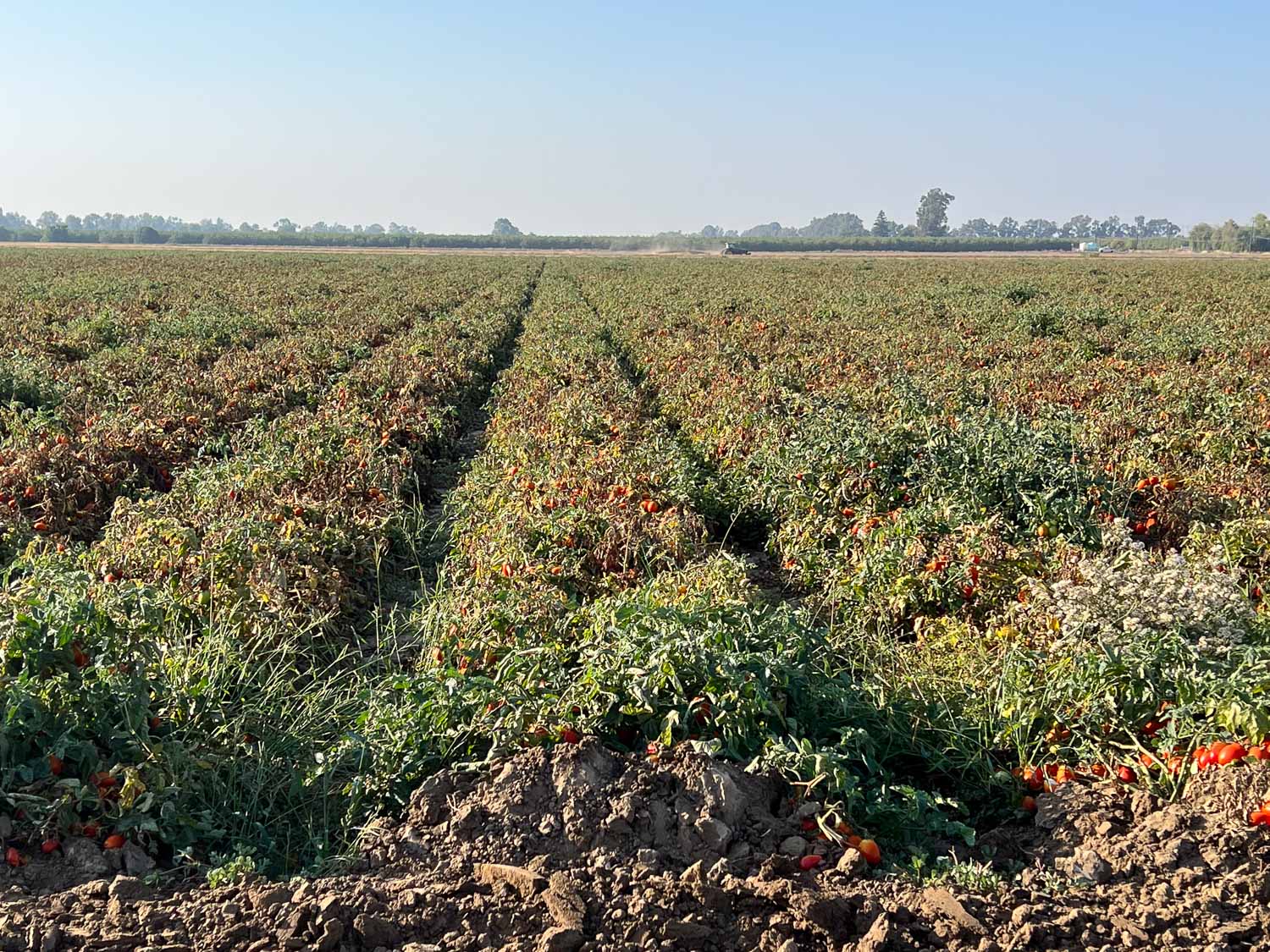
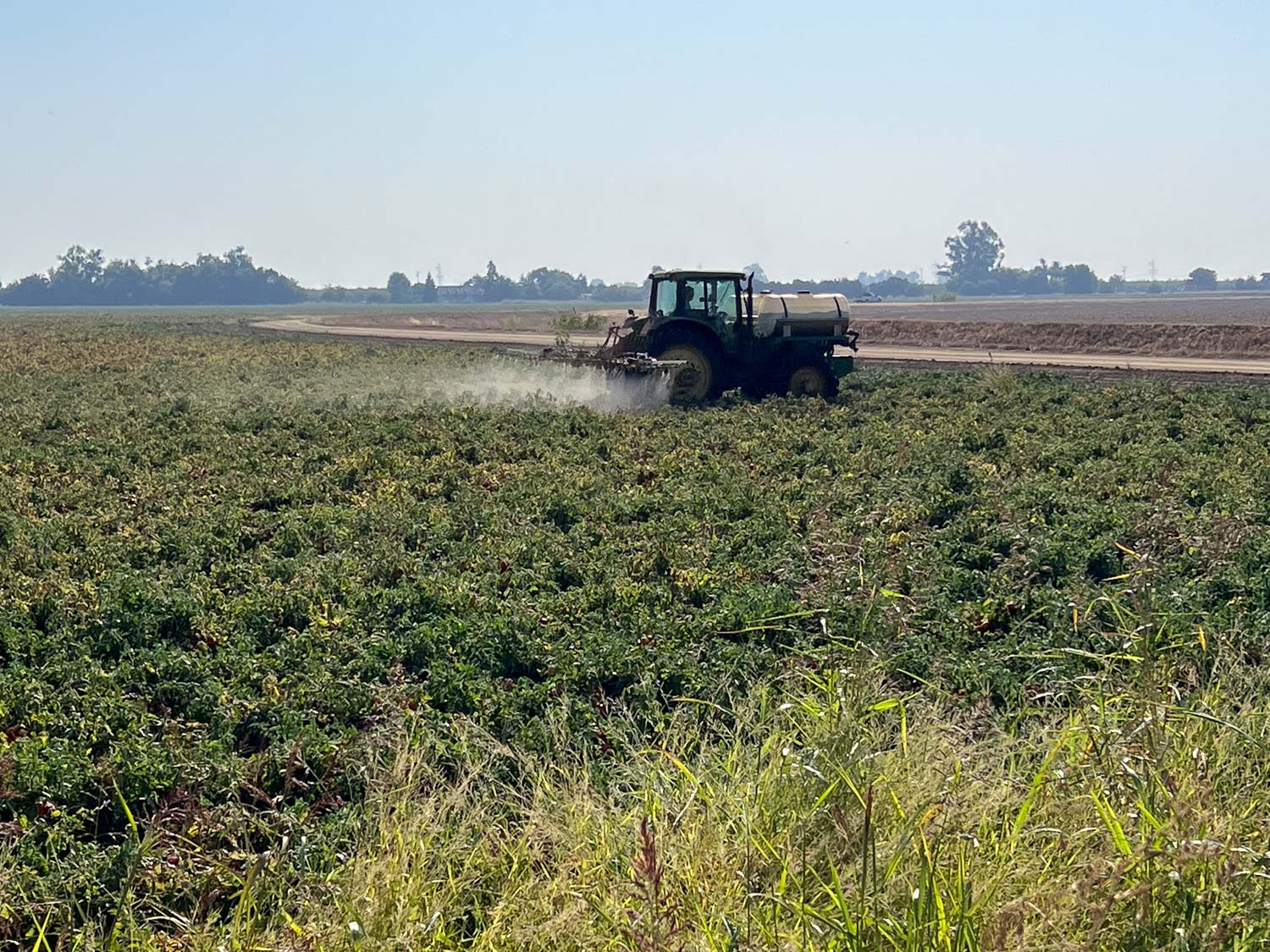
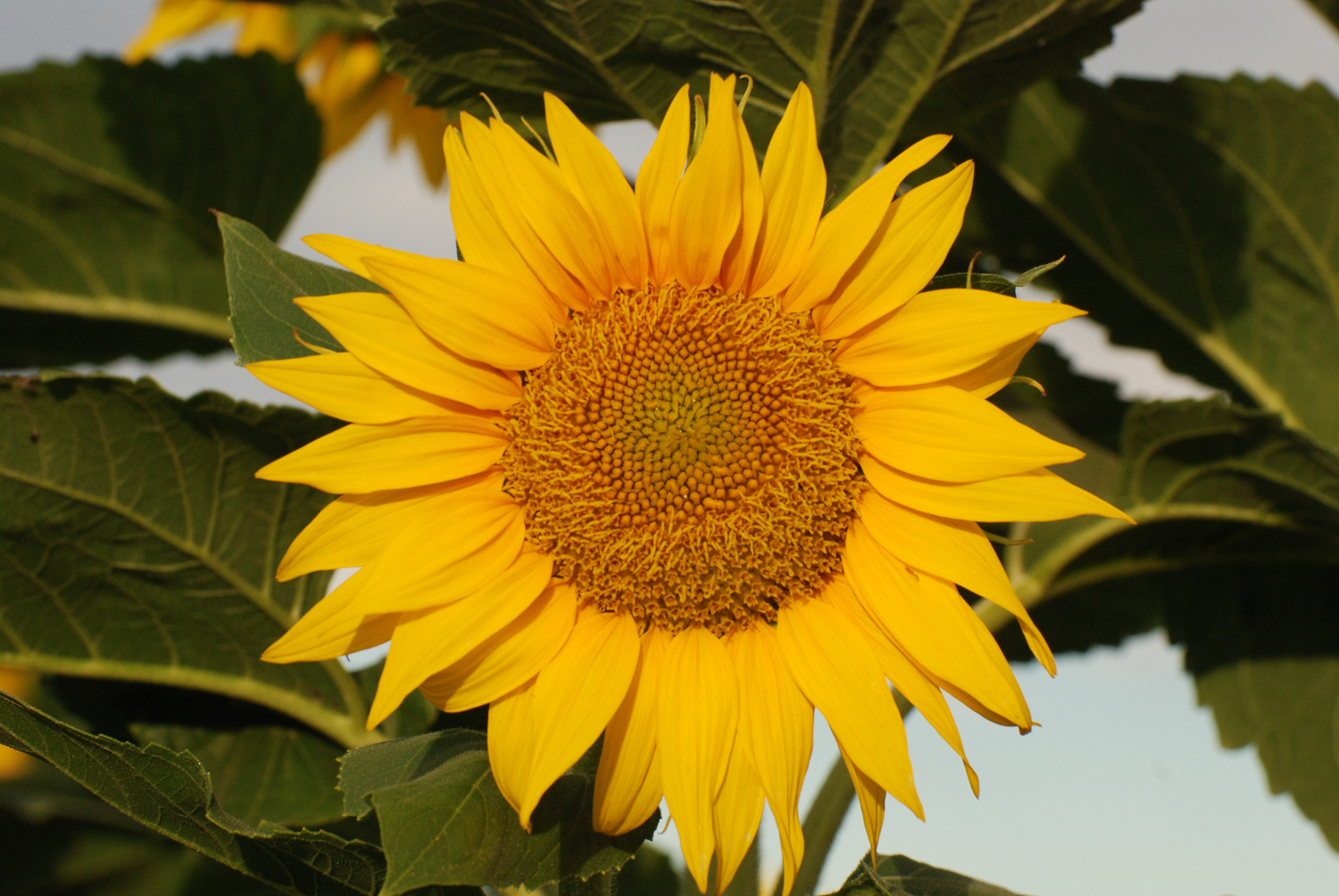
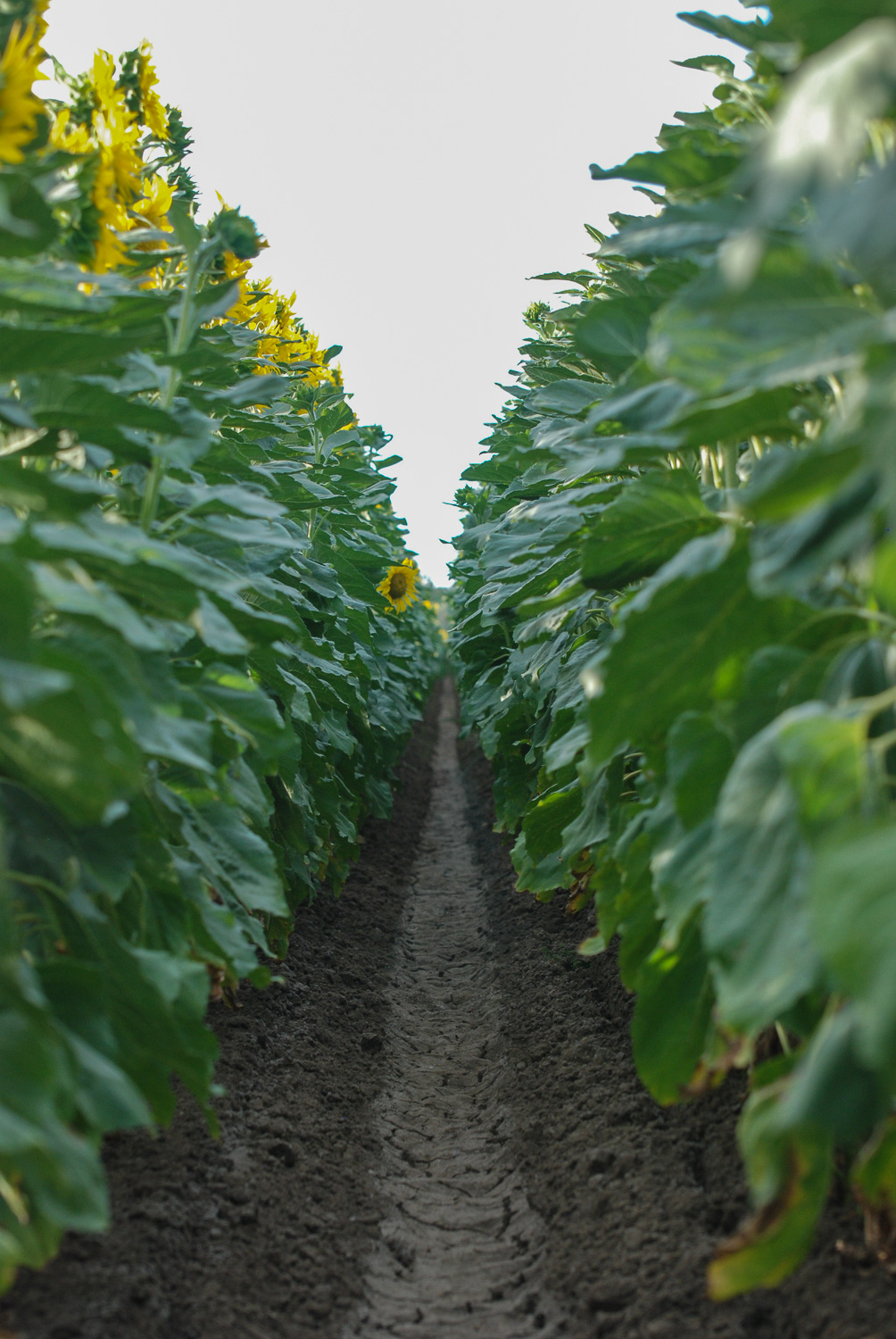
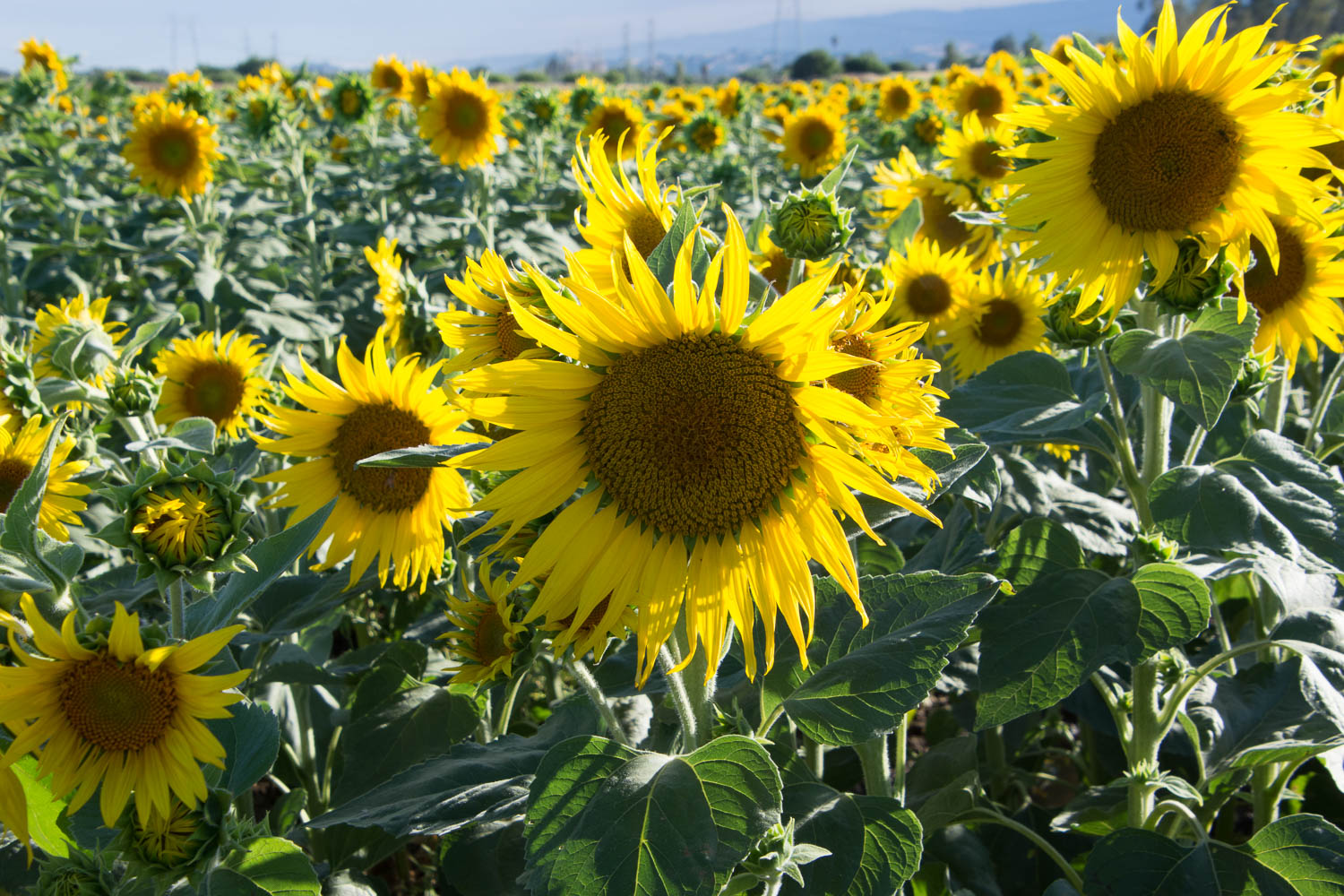
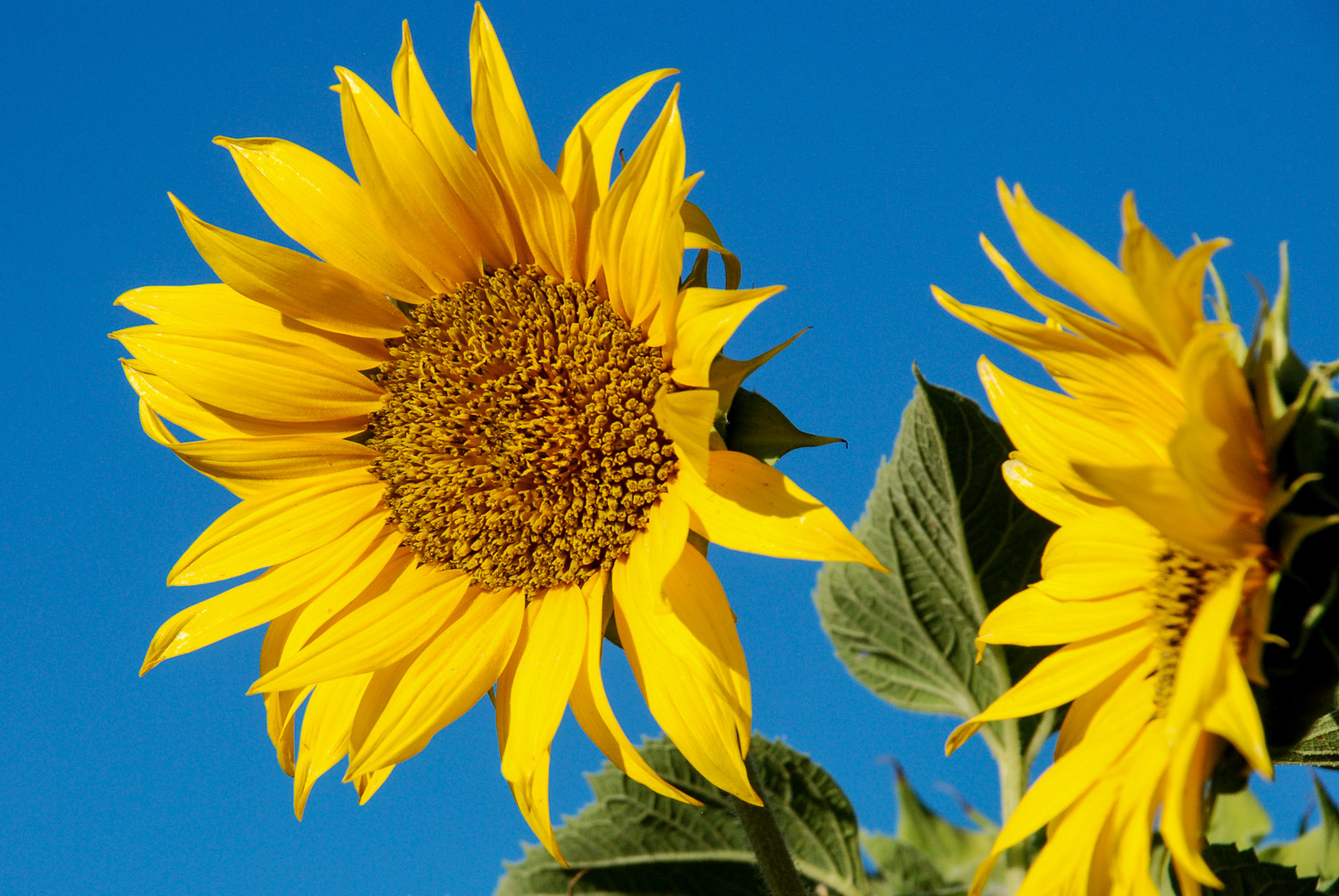
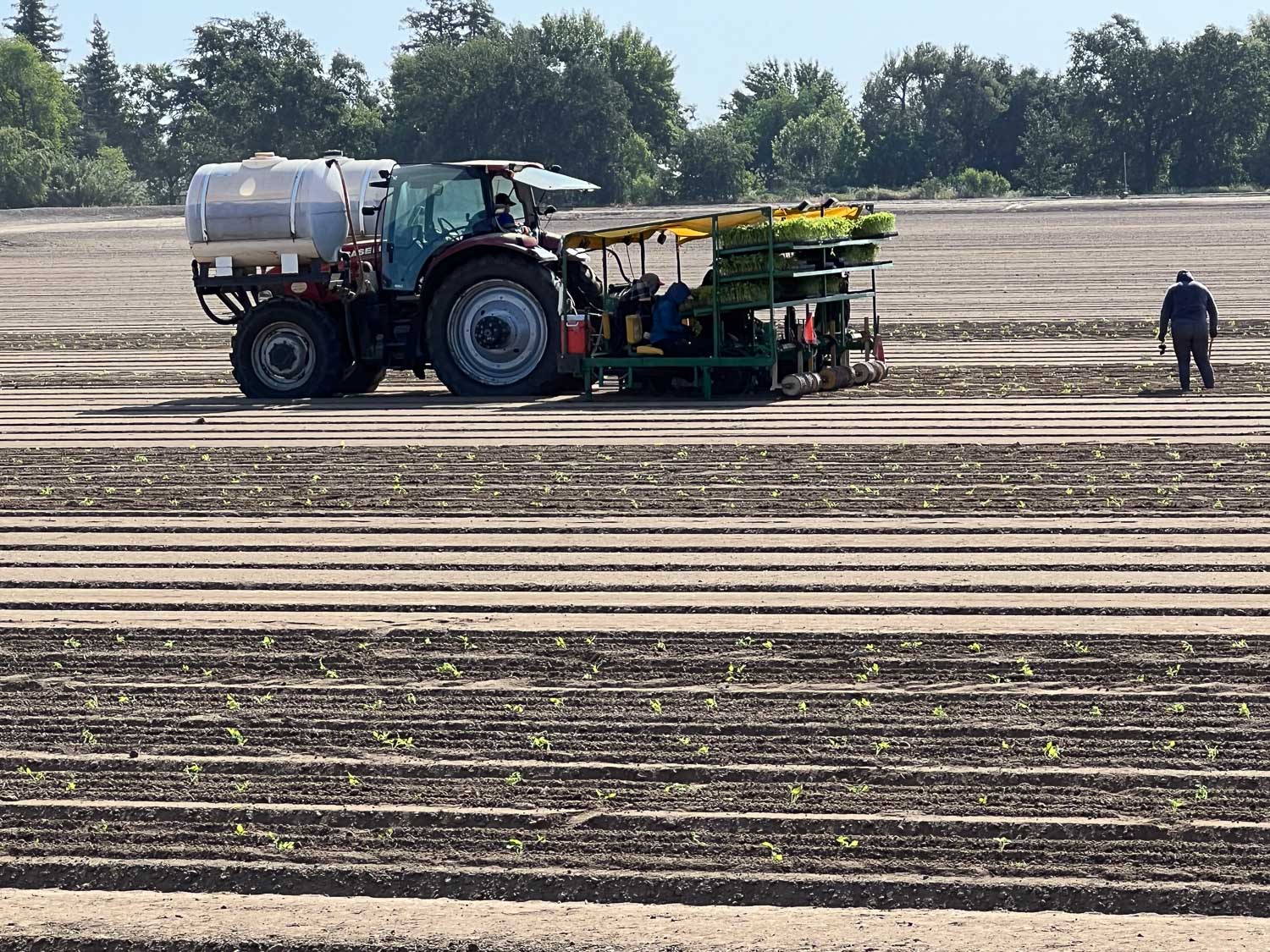
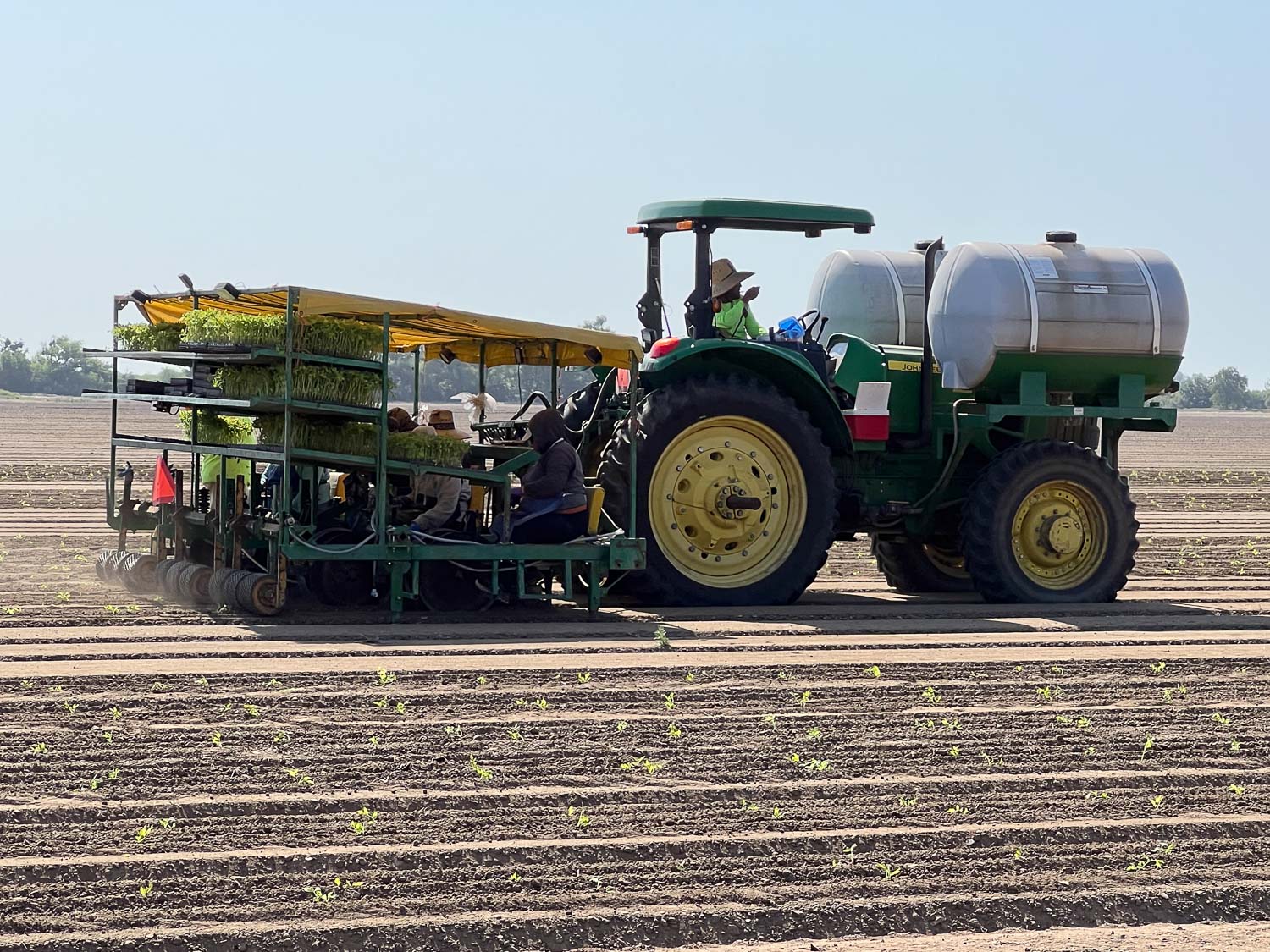
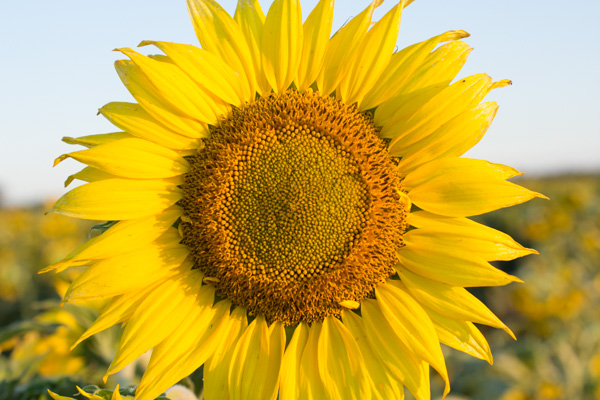
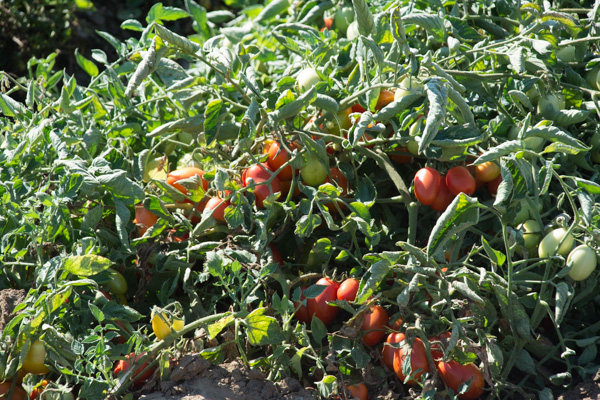
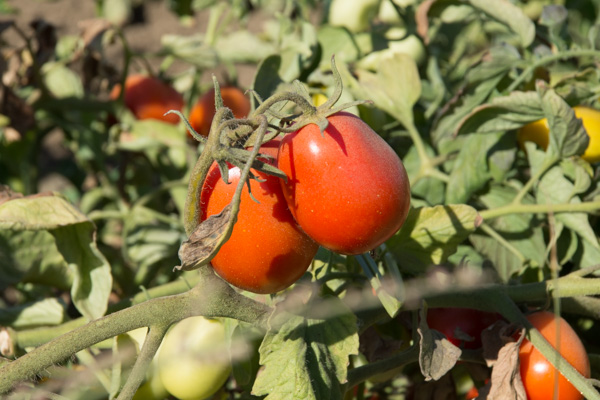
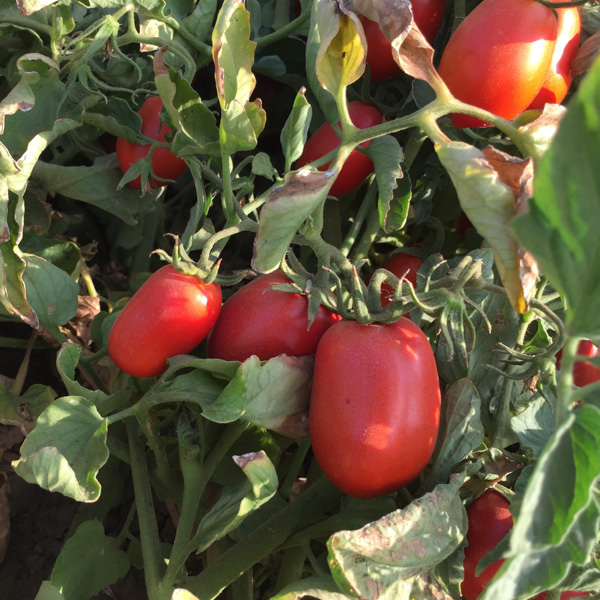
After I got home, I walked Across the road, my regular route. One thing to point out is that this is not dryland farming. Irrigation water is used most other areas of the county. This field I planted to a new crop of alfalfa. It was tomatoes last year and sunflowers before that. That mountain in the distance is Mt. Diablo, the same one I pointed out in the previous photos. I’m looking at it due south. It was to our west at the McCormack Ranch.
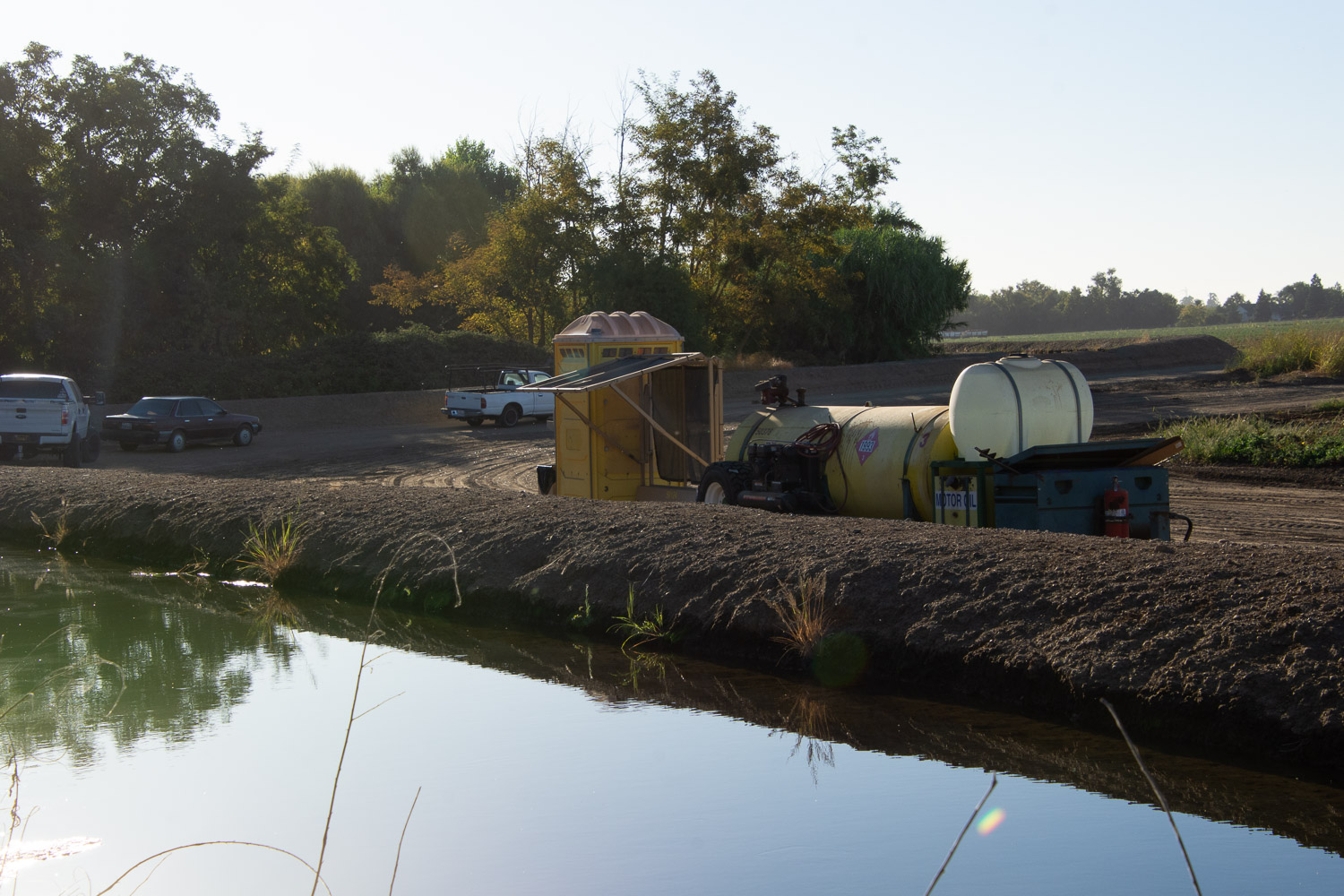
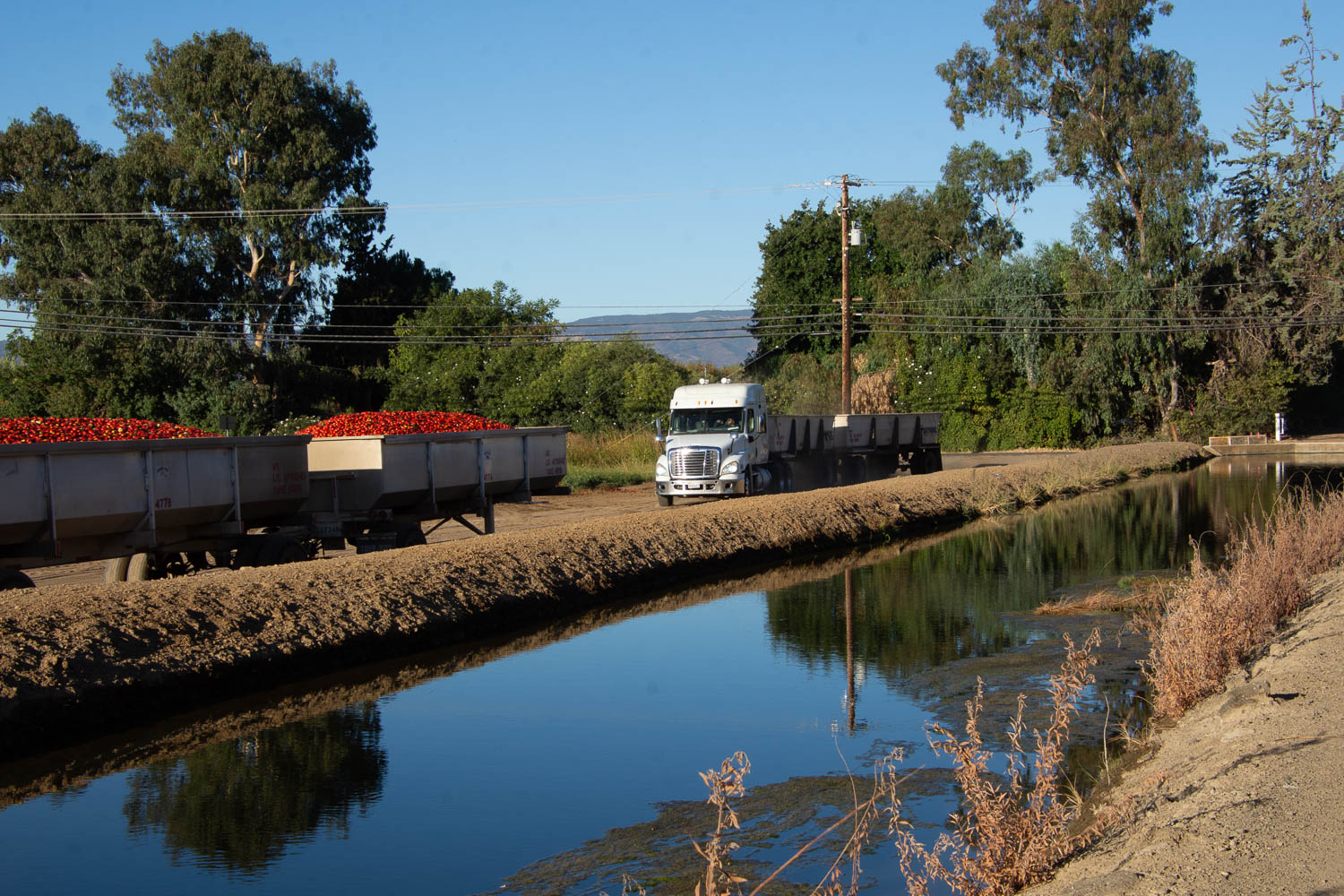
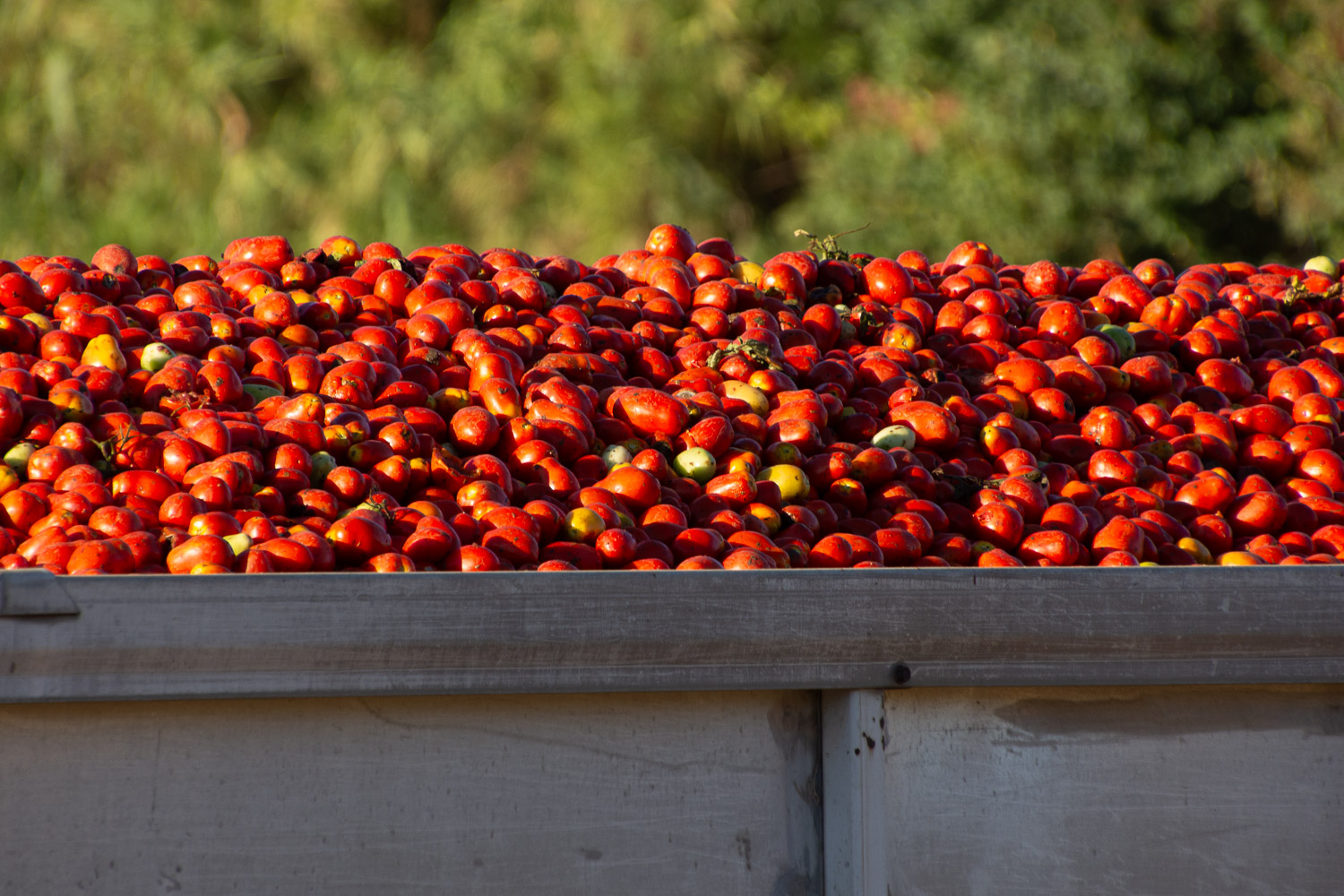
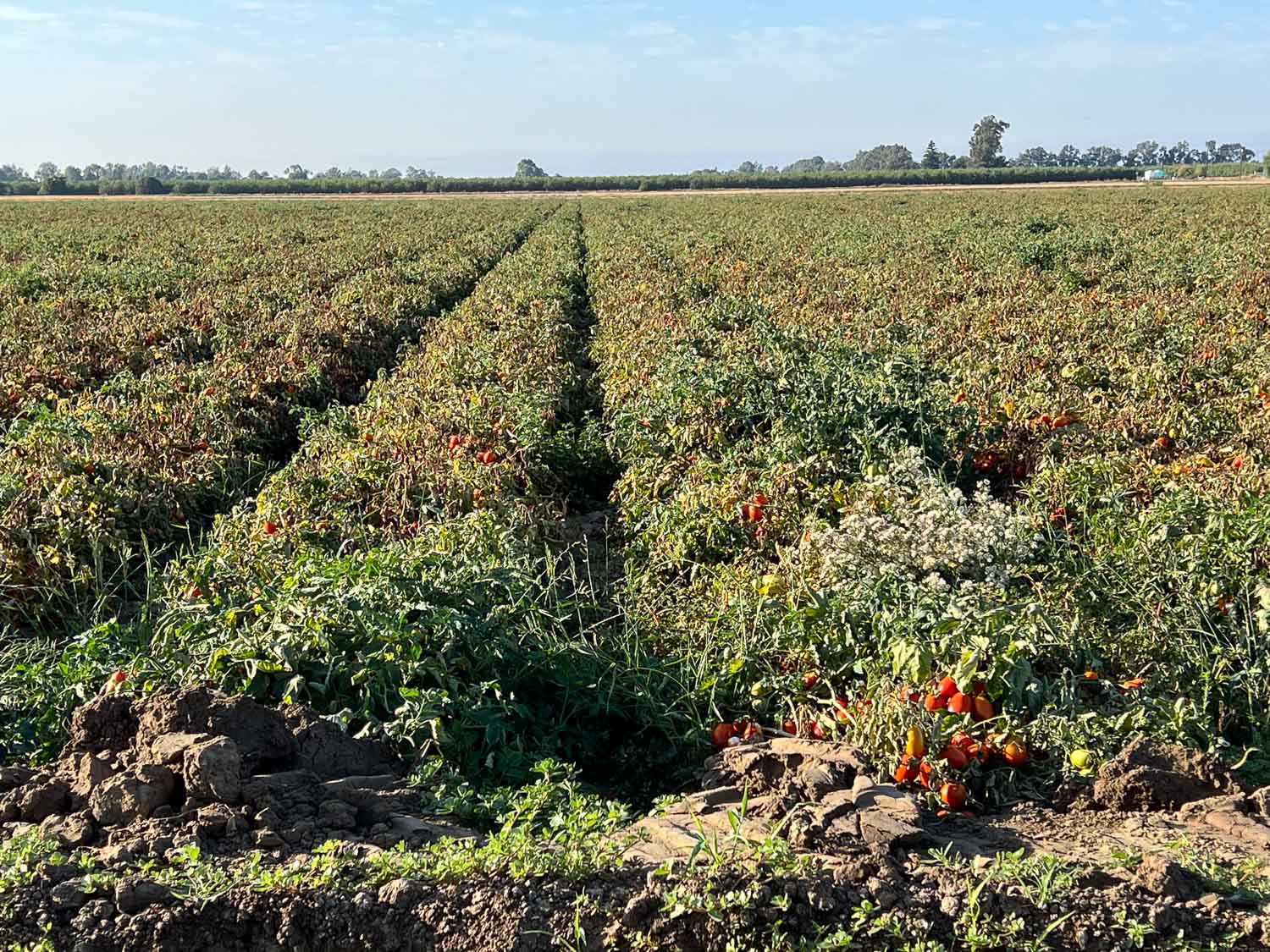
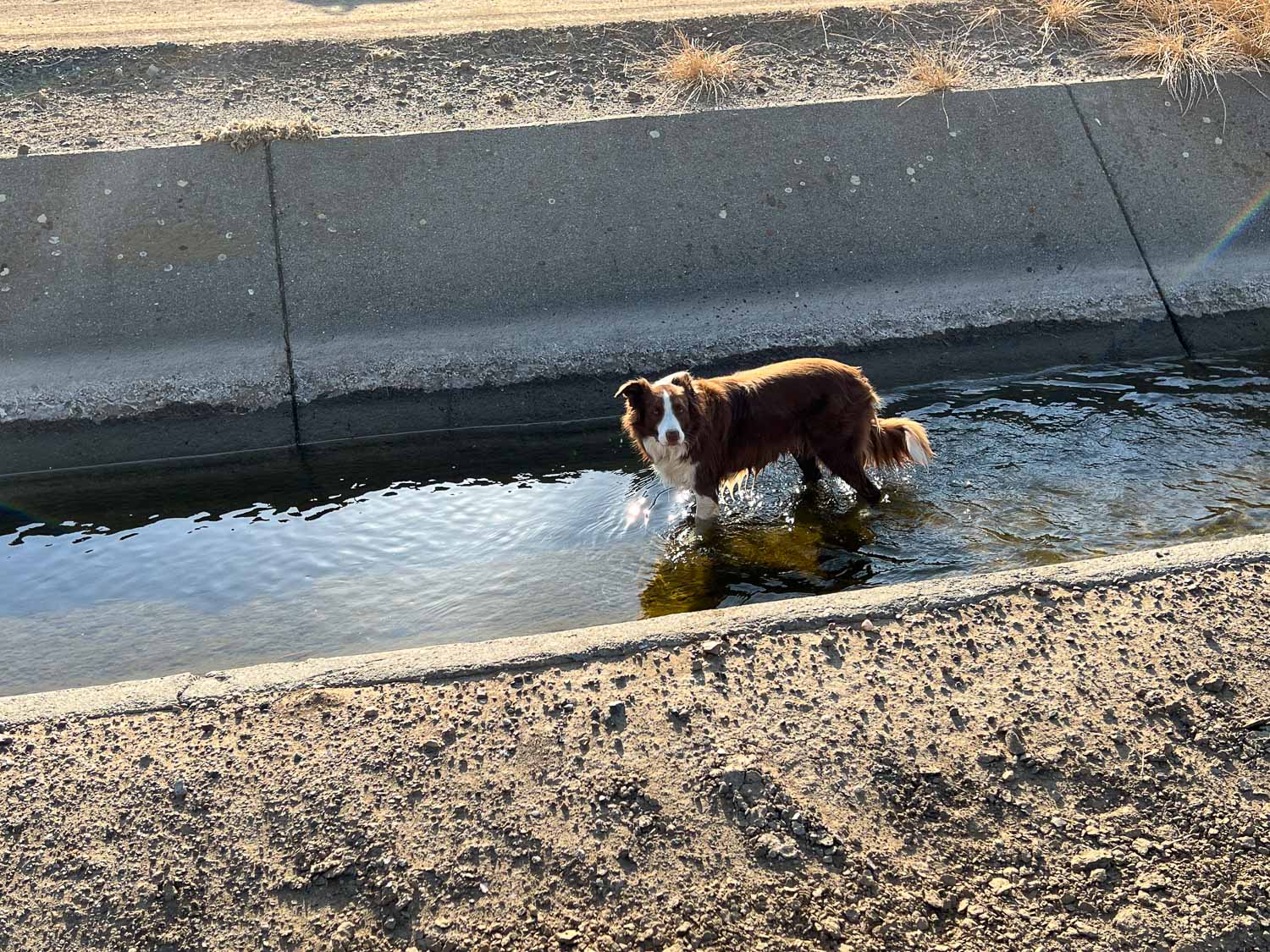
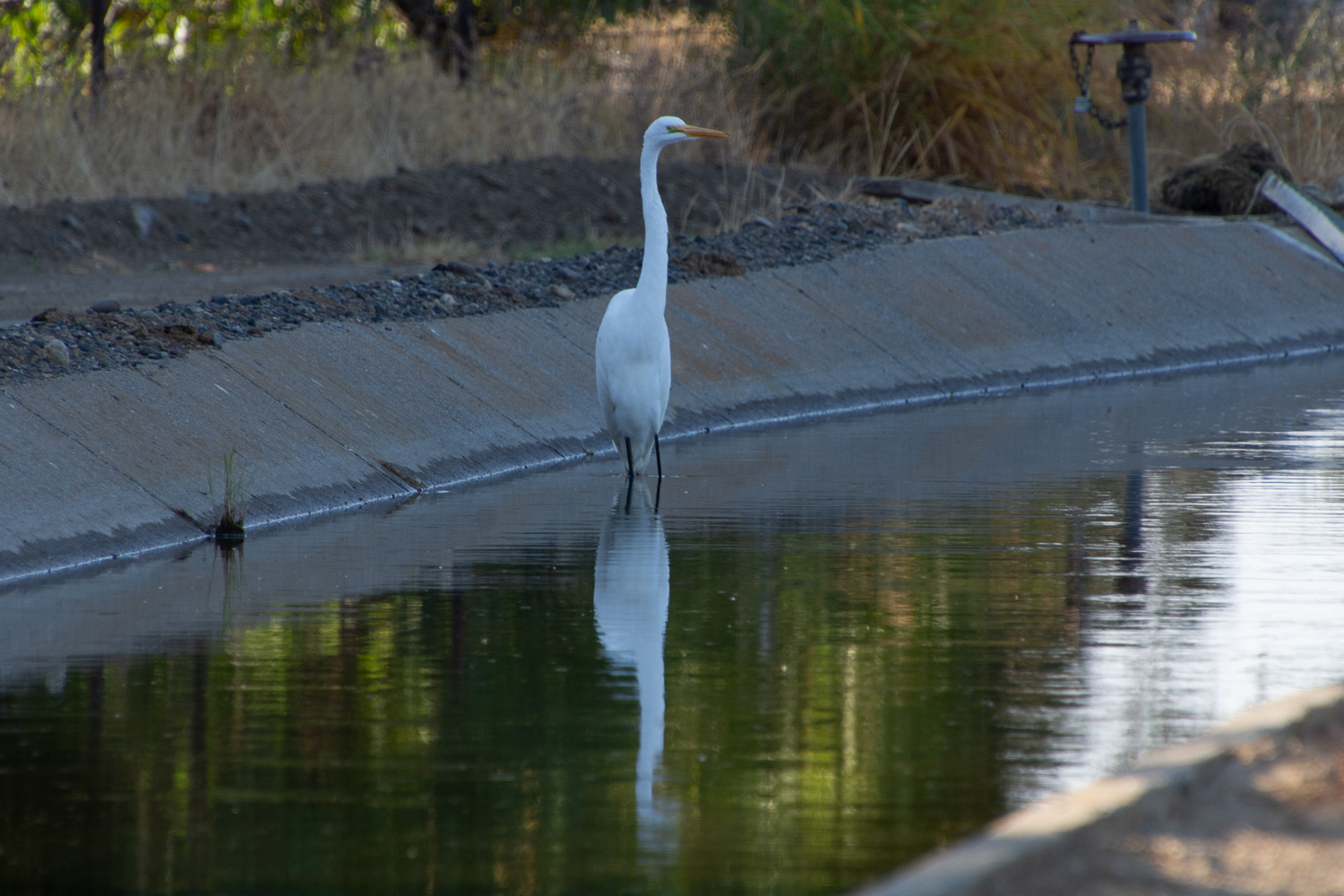









 This is the ditch that runs north-south and brings the water from the upper ditch to the one that goes from west to east along the bigger pasture.
 This photo is looking the same direction but from a little bit west of the first one. You can see the same row of overgrown blackberries along the fence. The standpipe where the water comes in is in the upper left corner. In the lower center of the photo is one of the cut-outs that lets the water flow from the ditch into the field.
 Looking to the east as the water is flooding the pasture from north to south. In this photo the water hasn’t gotten very far into the paddock where the sheep are.
 Here is that tarp I showed in the last post.
 There are things to see besides just water and grass. One of the first things I noticed after the water filled the ditch was buzzing. These insects were everywhere over the water. I tried to ID it on the internet but didn’t find it. Anyone know what this is?
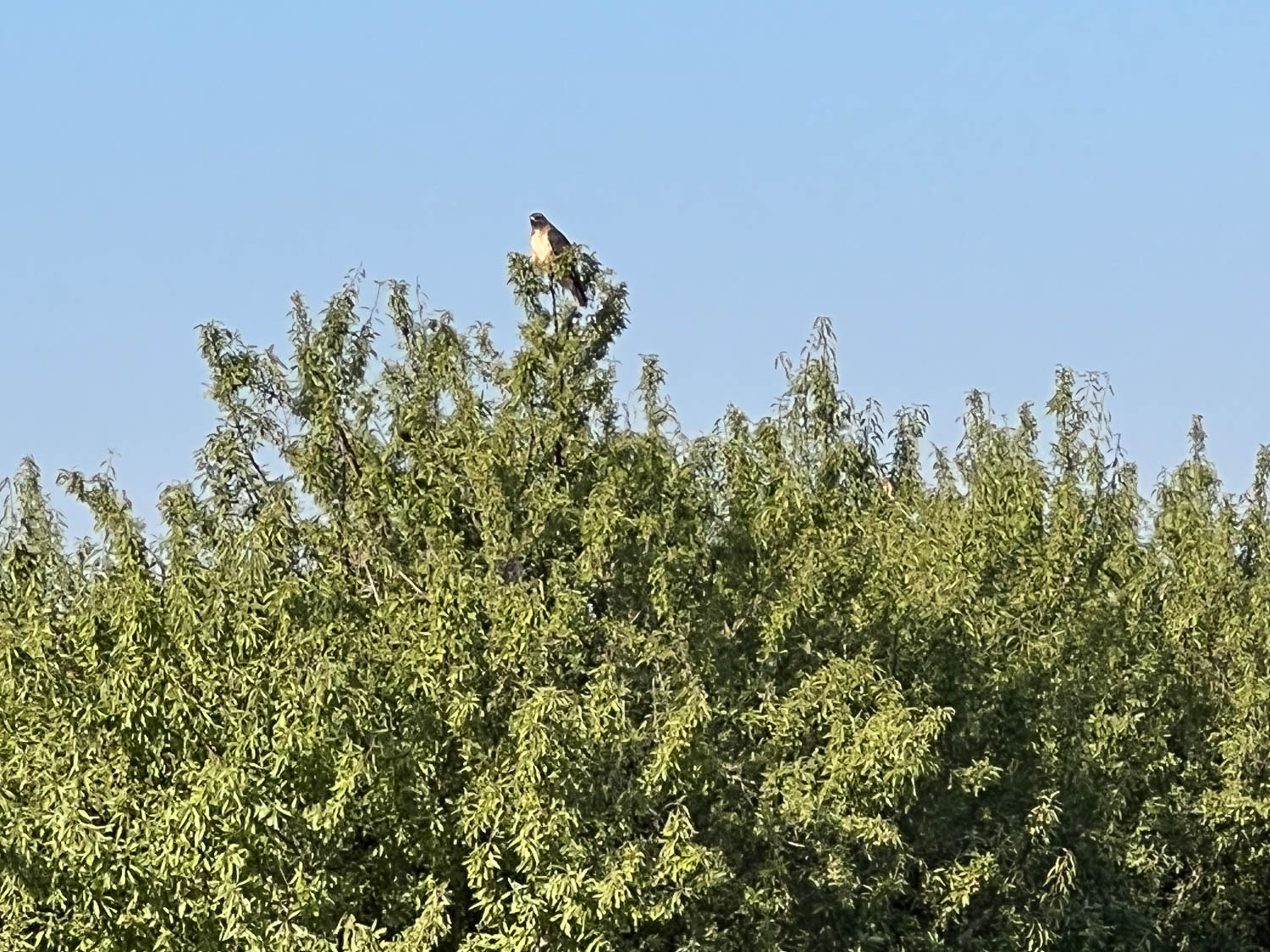
  This is one of the pair of Swainson’s hawks that lives nearby and hunts in our pasture.
 We have enough gophers to feed an army of hawks.
 January 22, 2015.
  February 5.
 February. Almonds are blooming.
 April 26, 2015. The field has been bedded, ready for tomatoes.
 May 3, 2015
 June 9, 2015
 July 22, 2015
 August 9, 2015
 August 30, 2015
 This is a photo taken across the road, from Across the Road. (That is my pasture looking west.)
 The alfalfa field that is the green triangle in the upper right in the aerial photo.
 Beans that were planted after the wheat harvest in the are shown in the triangle that is the upper center of the aerial photo.
 September 5, 2015.
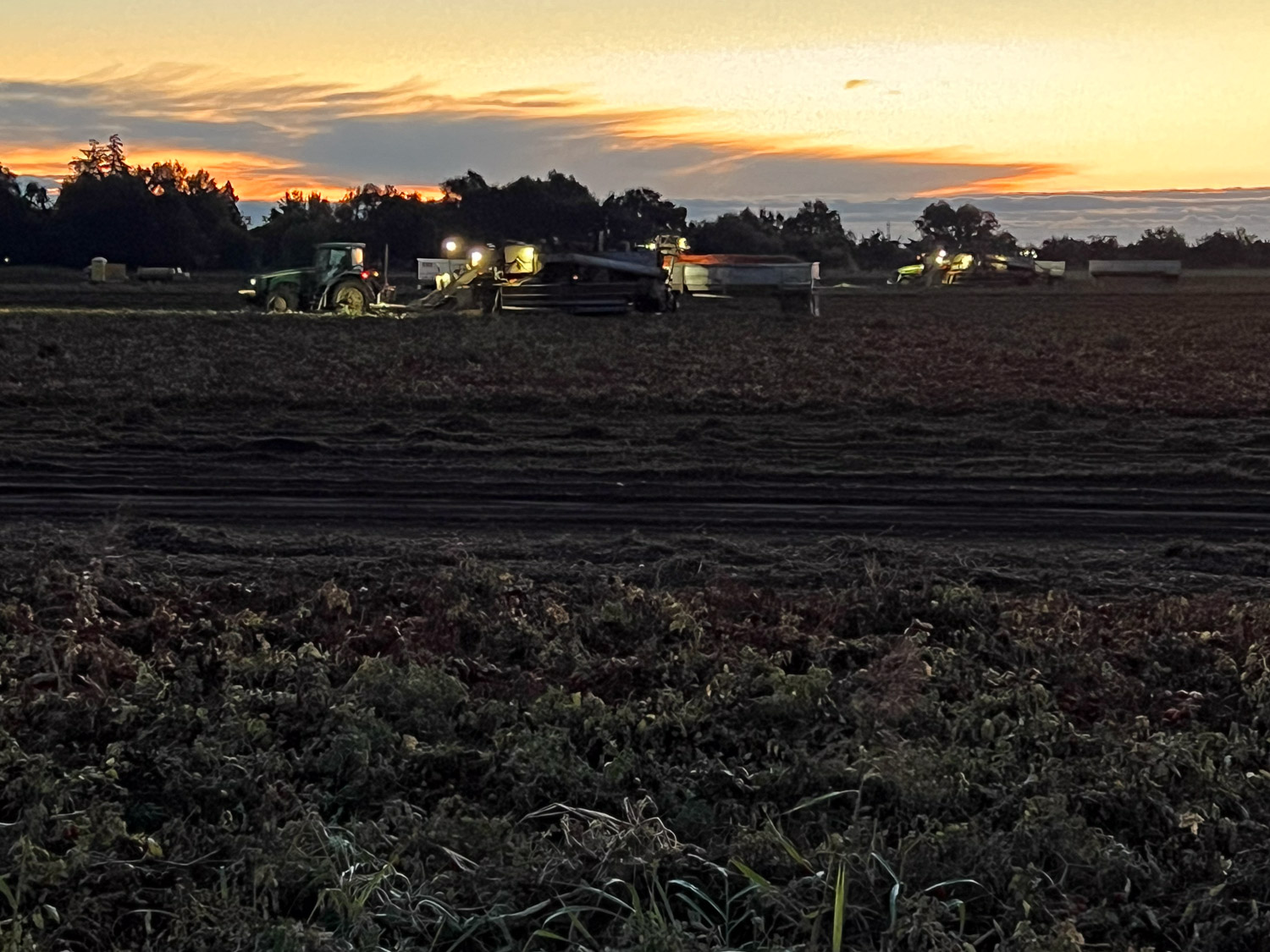
 September 9, 2015. It took 4 days, working 24 hours/day to finish harvesting this field.
 September 23, 2015. Back to the beans. The dry plants have been put into windrows waiting for harvest.
 September 27, 2015.
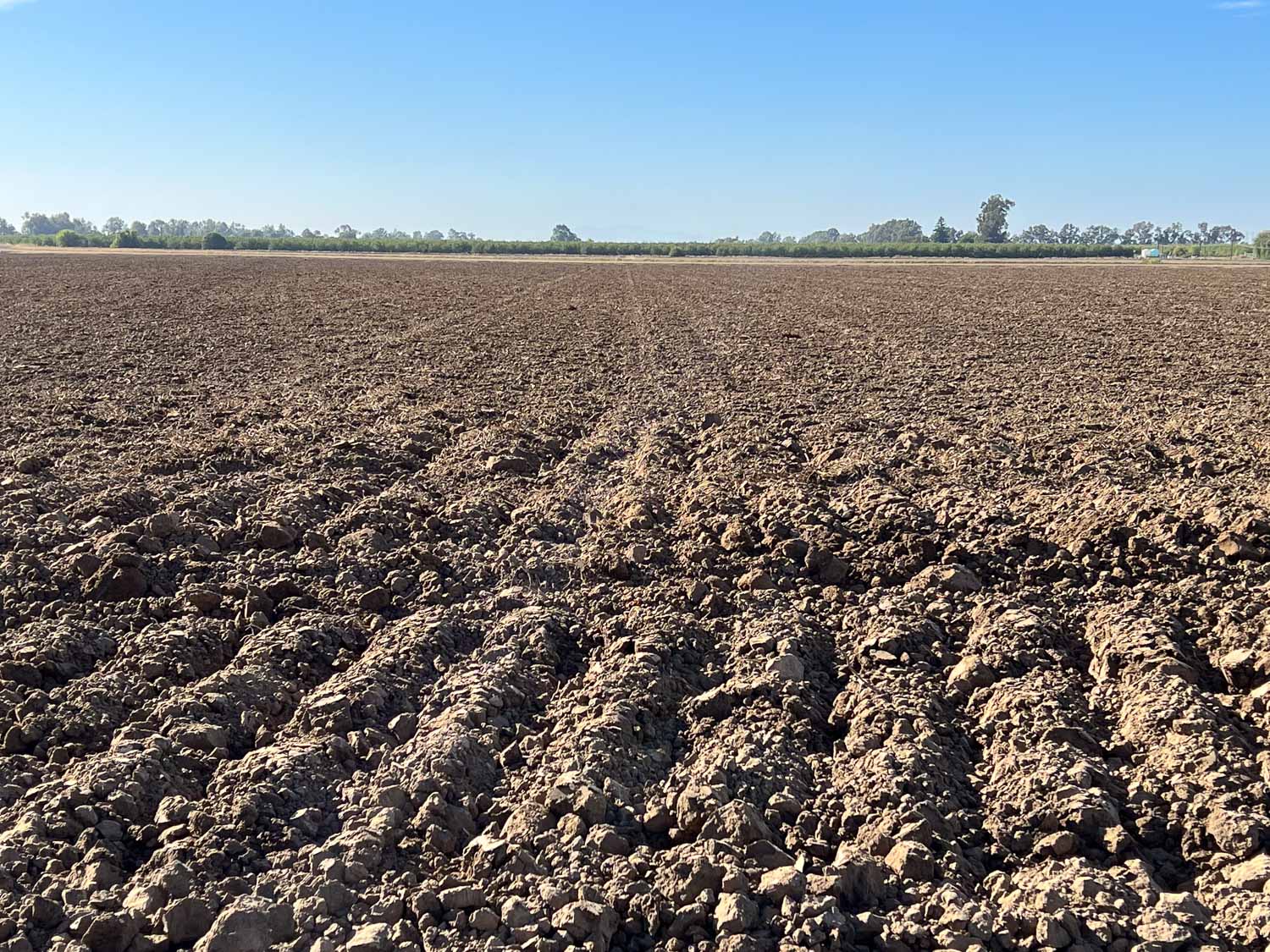
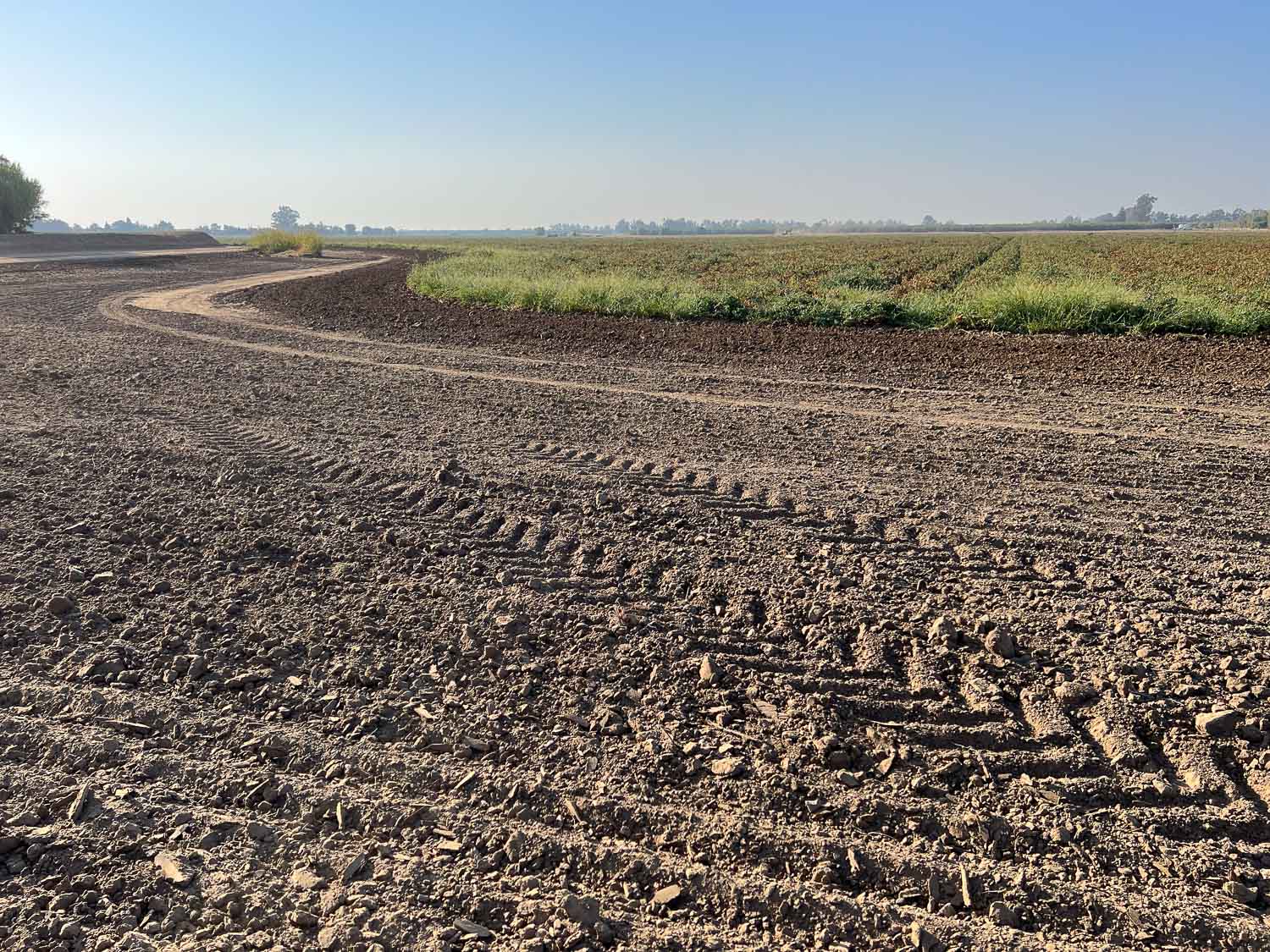
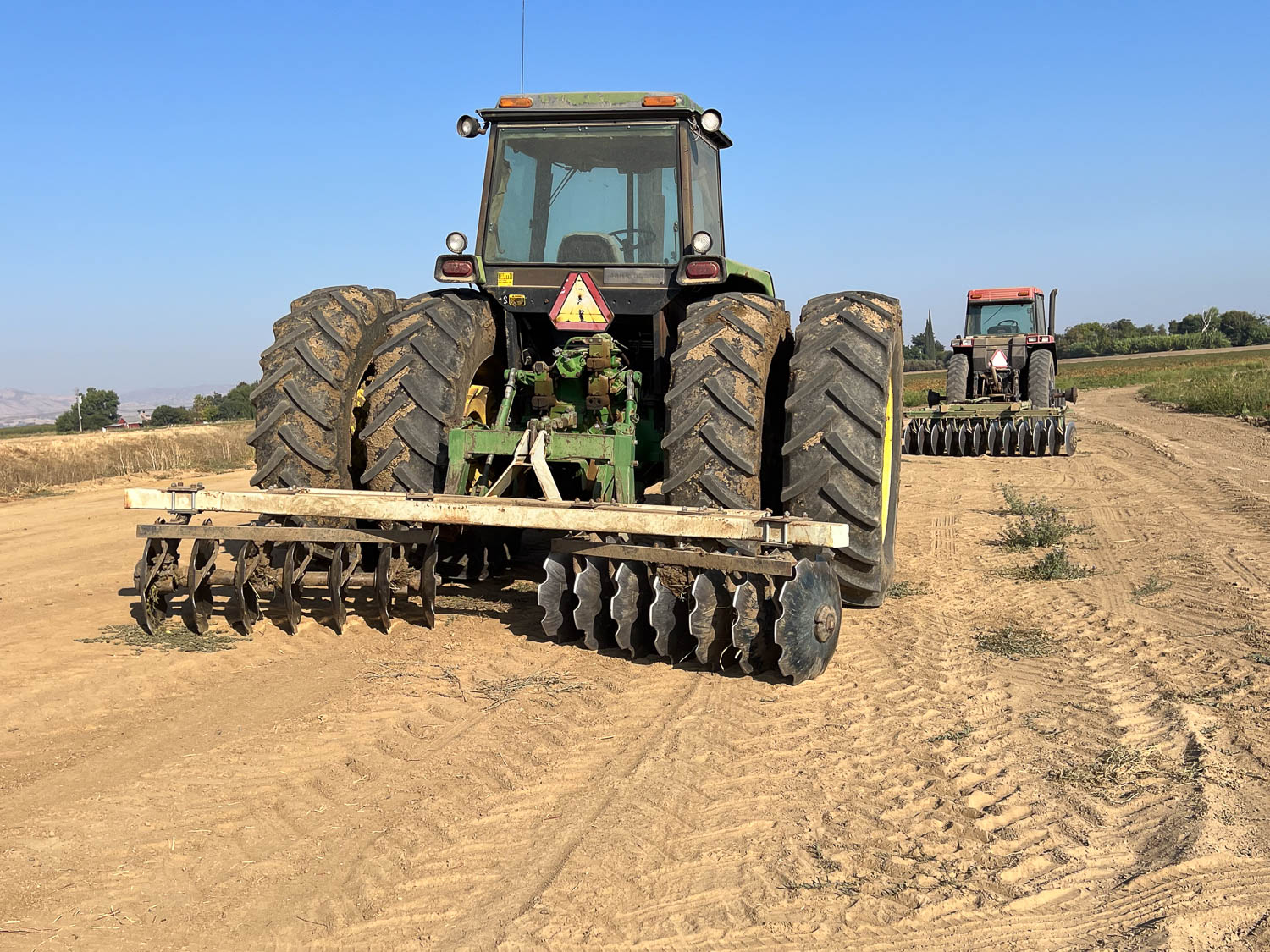
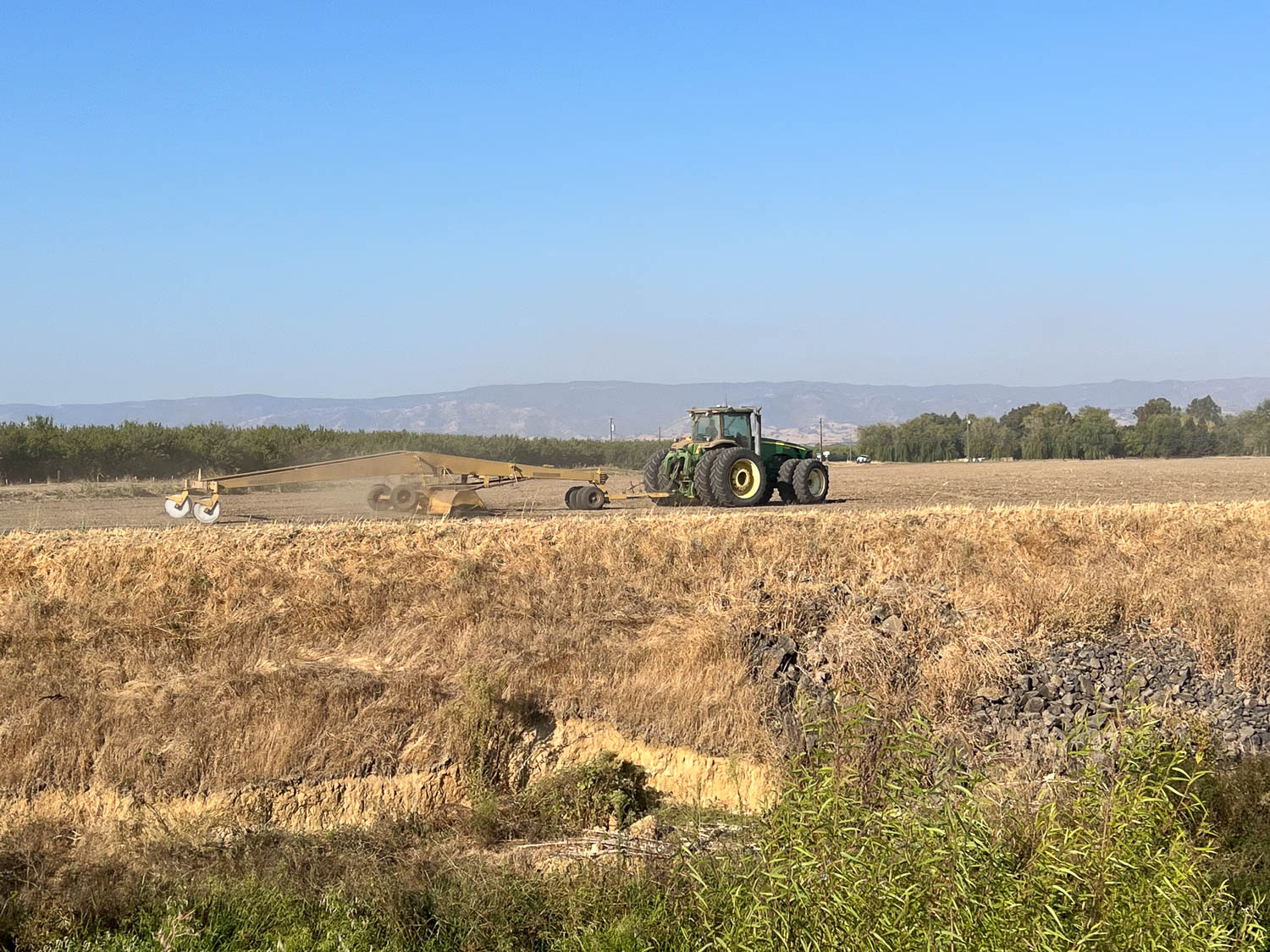
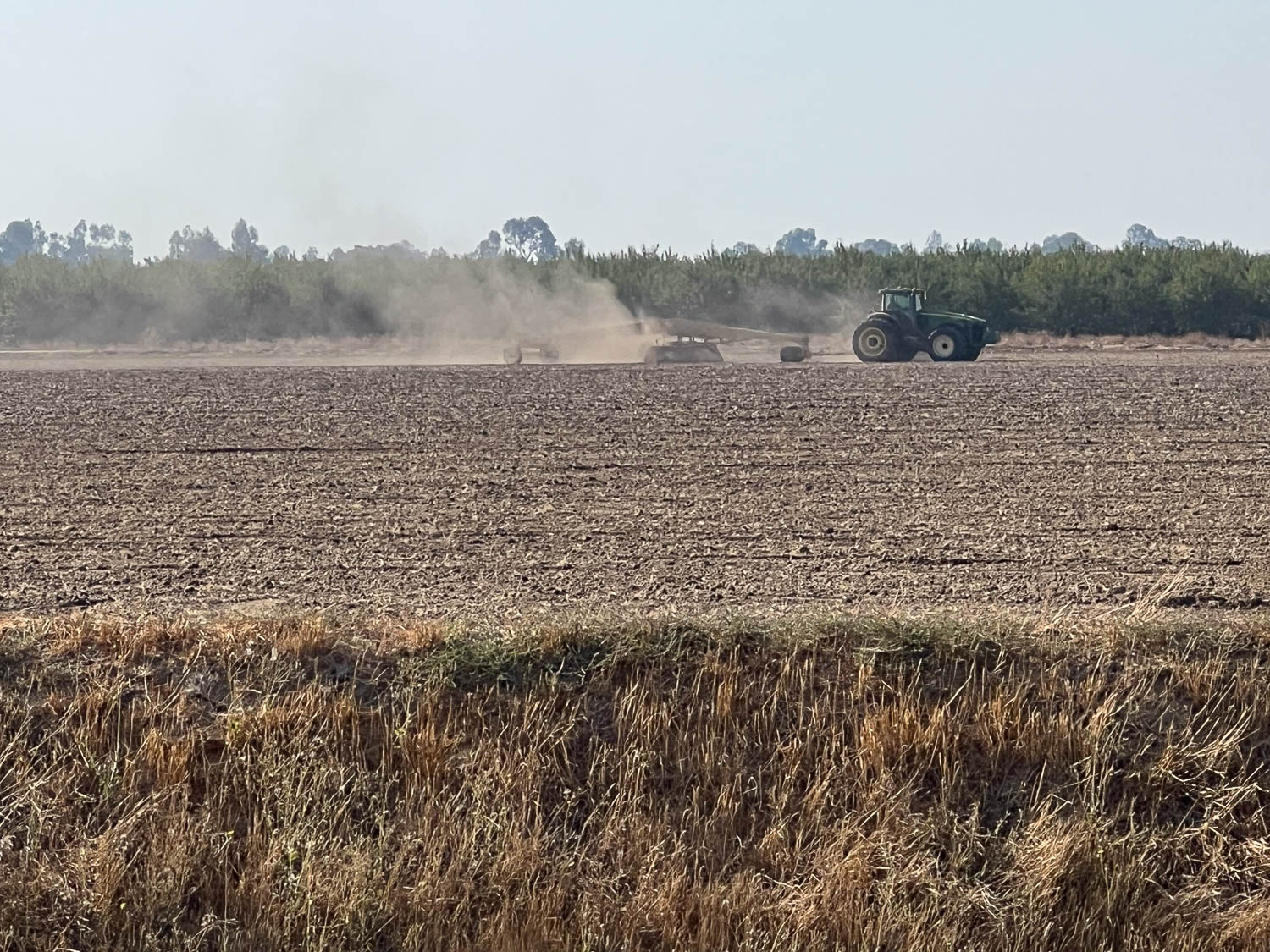
 October 6, 2015. Field disked and bedded waiting for the next planting. I’m told that it will be planted to sunflowers this spring.
 November 29, 2015. If we have regular rain I can’t walk across here because it gets too muddy. There have been very few days that we haven’t been able to walk.
  December 1, 2015. View of our place, looking west across the field. We need to see more green on those hills.

 We got back on the bus and stopped not far from the winery to listen to Dan Munk, a UC Cooperative Extension Farm Advisor discuss cotton production and water use of cotton and other crops. Cotton requires 28″ of water in a growing season. Nut and fruit trees require 48-52″ of water. The western side of the San Joaquin Valley is in a rain shadow created by the mountains and receives only about 12″ of rain annually. Surface water use has been curtailed or drastically reduced over the last few years of California’s drought so people are relying more on ground water.


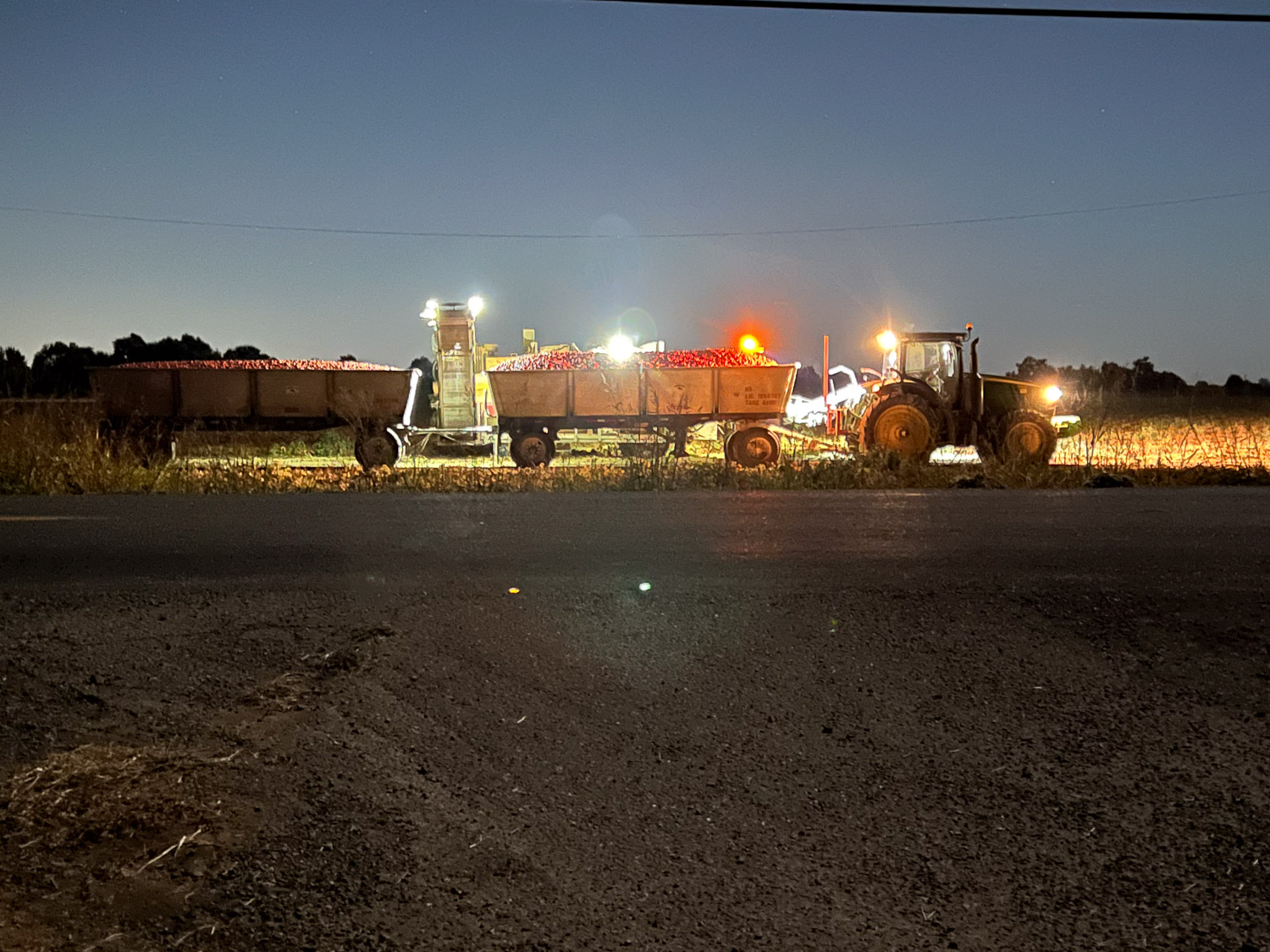
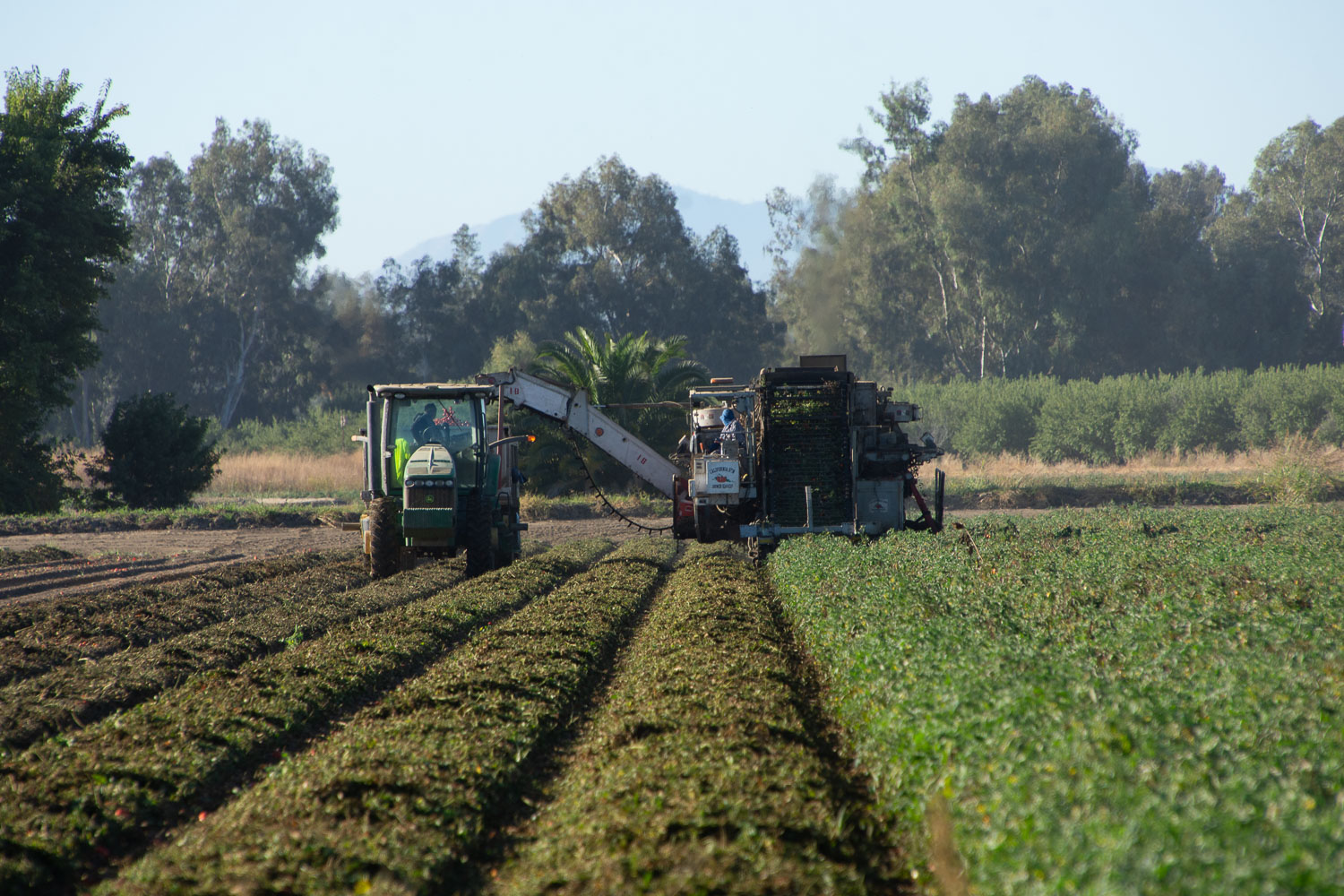
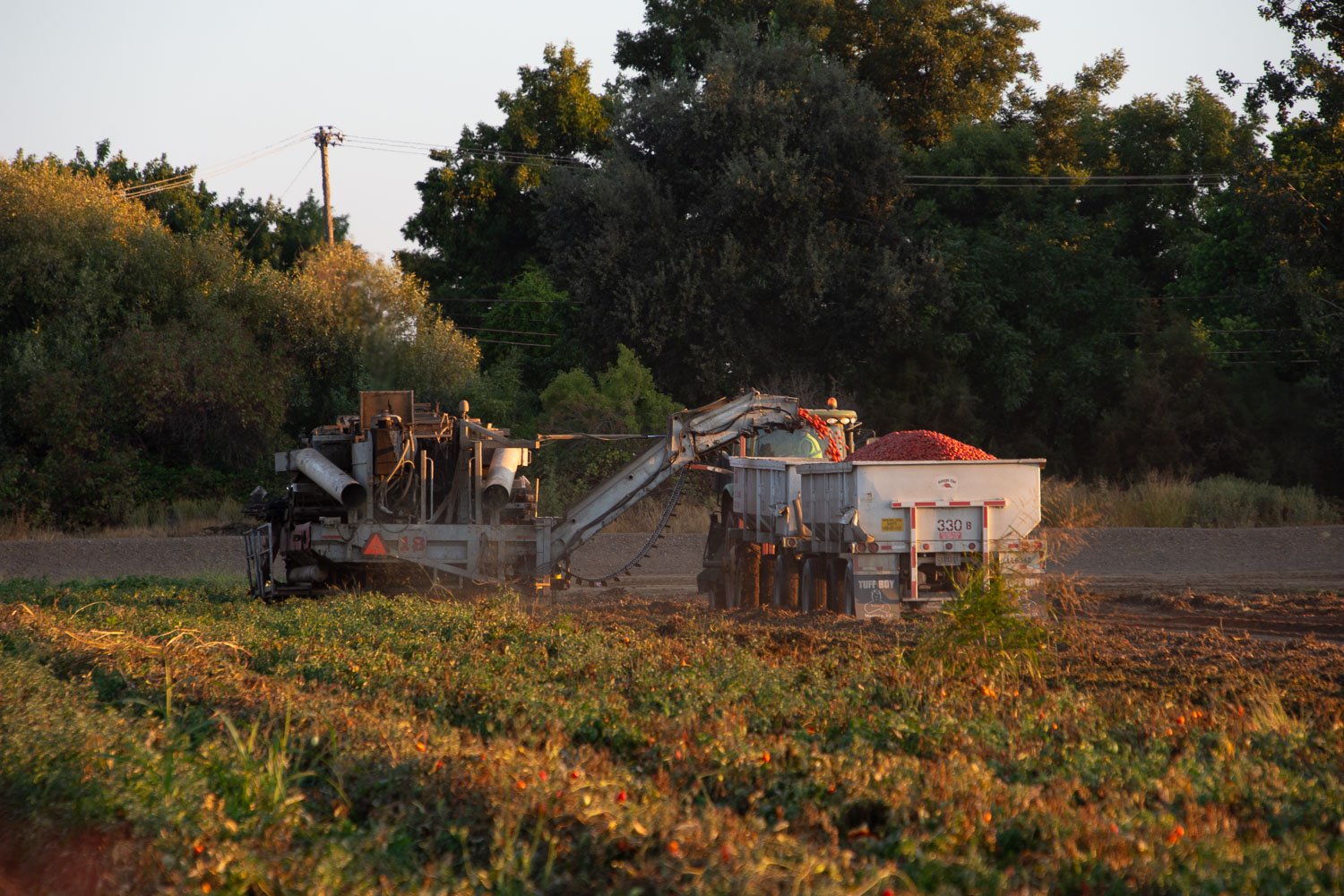
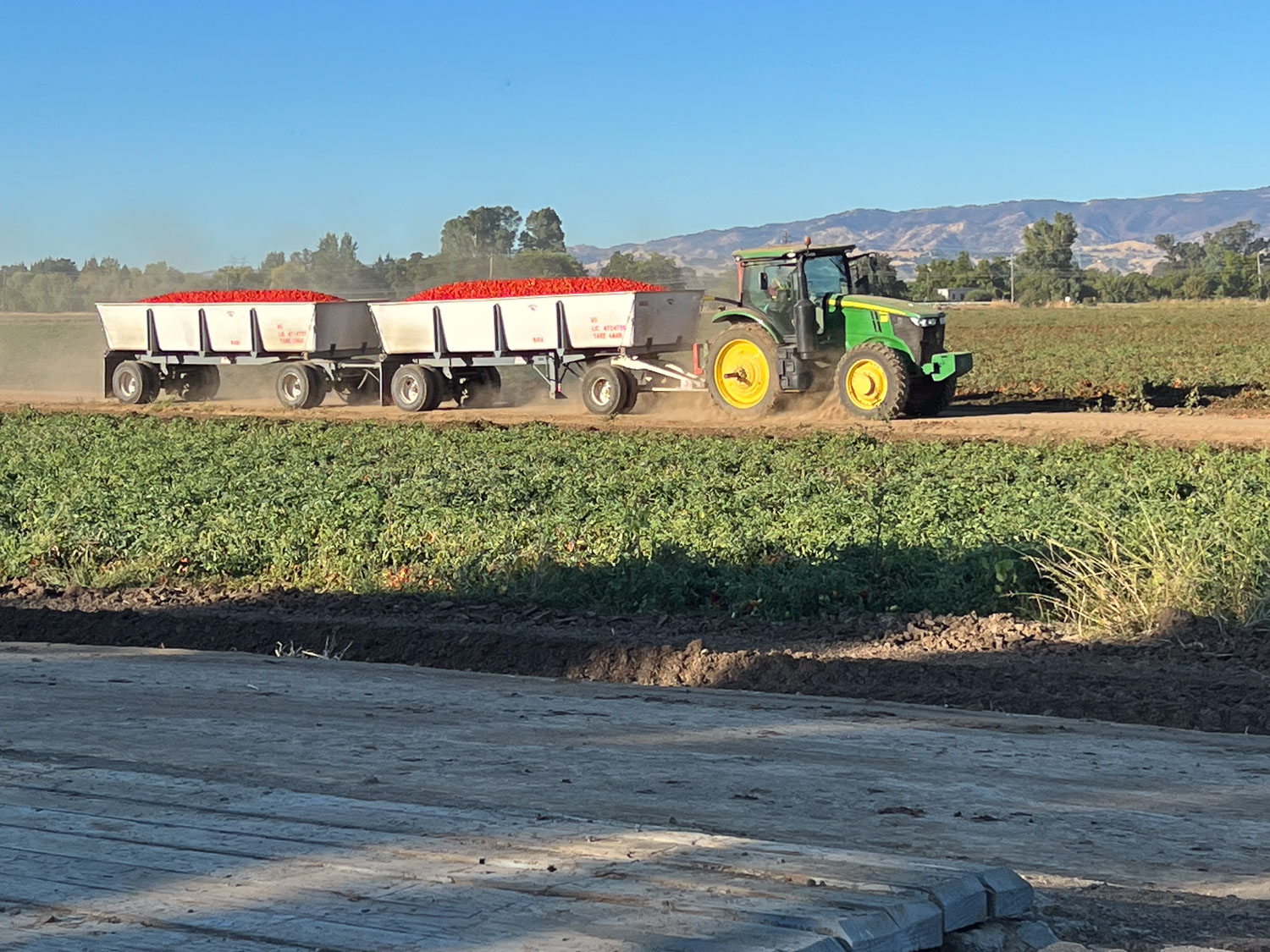
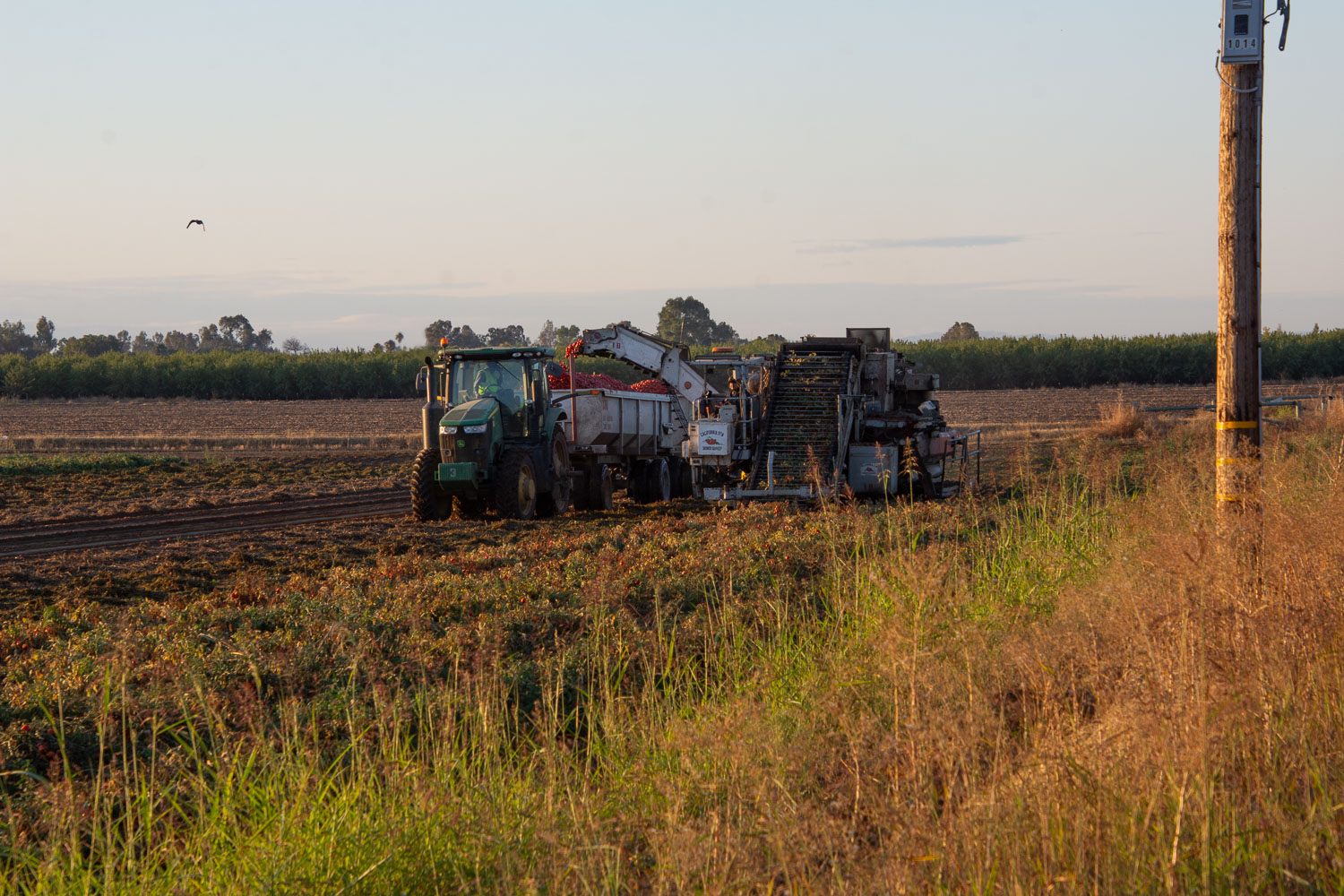
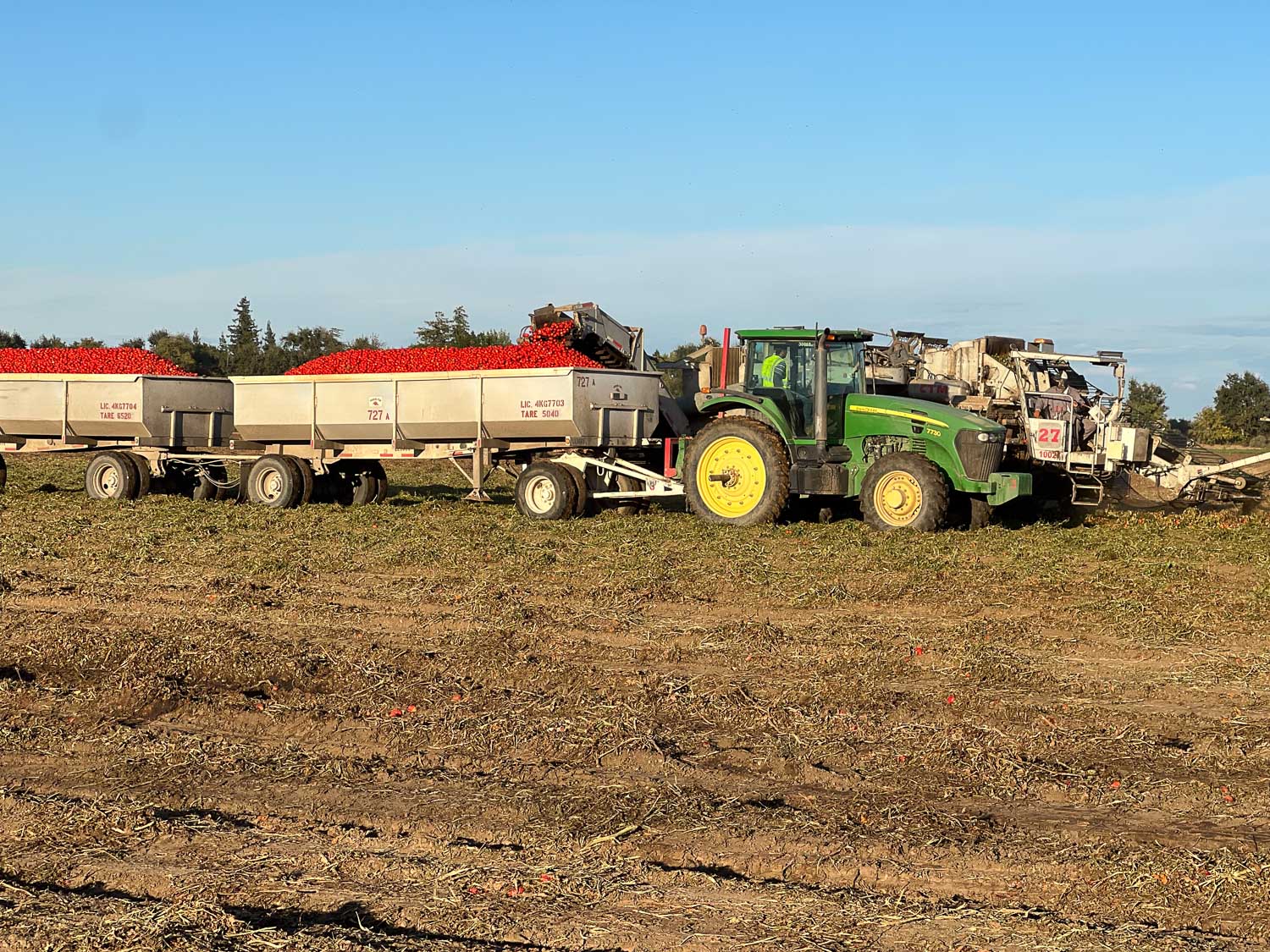
 Two tractors run side-by-side. One pulls the bins that hold the tomatoes.
 The other pulls the harvester.
 The tomato plants are cut off and pulled up a conveyer where the tomatoes are sorted from the plant and sent through that yellow chute into the bins. Unwanted plant material, including smaller tomatoes come out over the roller towards the base of the harvester.


 Meridian Jacobs' Blog