Since 2011 Farm Club members have spent a weekend in January or February at a fabulous house in San Francisco, designed by Julia Morgan and built in 1928 for the Native Daughters of the Golden West. We haven’t been there since 2019 because in 2020 I was still recovering from the 2019 accident and then there was the pandemic. We had scheduled a retreat for January 2023 but the unusual California weather was enough to keep some of us from wanting to leave the farm(s). We rescheduled for May and this was our tenth retreat.

The “Home” is not the corner building, but the one on the left. There is a street level entry with a pioneer library, a museum, and a large meeting room. The second floor is the parlor and the dining room and a big kitchen for guests’ use. The third and fourth floors have bedrooms with shared or private bathrooms. There is access to a small garden in the back and there is an underground walkway and basement rooms with storage, laundry, etc.
We were shocked and dismayed to find that the parlor was not useable. It has been under renovation for over a year. The story is that a fourth floor toilet broke and by the time it was discovered water had severely damaged rooms on the third floor, the second floor parlor and water was running into the street. We usually spend all our free time gathered in the comfy seating areas of the parlor with our spinning and knitting projects. We settled on the dining room and had taken over several of the tables by the time the weekend was over.

This is in the entry way on the first floor. Right now the large meeting room in the shadows is filled with the furniture and paintings that had to be moved from all the water damaged rooms. A “silver lining” of the damage is that there was a discovery of what had been painted over years ago. Look at the next photo to see what was originally under those arches and on the columns.

The original design.

Yet another shock to our plan was that the two eating establishments we counted on were not what they used to be. The “pie place” across the street was a different shop, selling doughnuts but no pies. The Mexican restaurant at the end of the next block was now a place with squid and squab on the menu. So we found a different restaurant more our style within walking distance.

Saturday morning I got up and went for a walk. I took photos of some houses that I admired or because I wanted to remember the paint color. Before my son and DIL moved out of what is now the Weaving House they had started painting. The trim is black but they didn’t have time to do the rest of the house before they moved. I noticed this black trim on this building.

I love the look of these houses and would sure like to see inside. I also think of just how much maintenance there must be to keep these old houses in decent shape.

Saturday morning breakfast. Our traditional breakfast was lemon pie from the corner bakery and then some of our members started bringing homemade pie. Fortunately I made an apple pie and a couple of other people brought pies as well…tradition intact!

We hadn’t decided on a Saturday activity. When we planned the weekend the ideas ranged from visiting the Presidio, the SF Library, or the Botanical Gardens to staying in PJs and hanging out in the parlor. The night before at about midnight the Levi’s Experience popped up in my email. So that’s where we went.

Levi’s is celebrating the 150th anniversary of the 501 jeans. This is a 40,000 square foot venue.
From the internet:
The 501 jean is celebrating a major milestone in its hometown this week. From May 19-27, Levi’s is taking over San Francisco’s historic Skylight at the Armory to fete the 150th anniversary of the 501. The popup 501 Experience features an archive museum, factory, marketplace and opportunities for customization. The museum, called Chapters, brings to life the 501’s place in history and its cultural impact. The exhibit demonstrates how the 501 “went from workwear clothing of hardworking laborers and cowboys to a product that mirrored the course of socio-cultural history around the world and transformed fashion,” Levi’s stated.

I have included just a few of the many photos I took. To some of us the 1970’s doesn’t seem that long ago. I remember that my best friend through high school had embroidered the American flag on the back pocket of her cut-offs. I don’t know if they were Levi’s.

In case you can’t read the fine print: “To conserve raw materials during World War II, the back cinch and rivets on the small front watch pocket were removed from these 501s. The famous double stitching on the back pockets was printed to save thread, and eventually rubbed off. The watch pocket rivets and back pocket stitching returned after the war.”
Who besides me didn’t know that that little pocket inside the main front pocket was for a watch?


I have been to Huston Textiles located in a hangar at the old Mather AFB near Sacramento. Years ago I supplied some yarn so they could try out some of the fabric ideas that used our Northern California Fibershed based yarns. They are still using the old looms they started with but this fancy new loom with it’s associated technology is added to their line-up. The new looms will add some dependability to projects with serious time demands.

I don’t remember the details, but there are over 4000 threads in this warp, at 56 ends/inch, and the loom weaves a yard in two minutes. They were running this at 40% speed. I don’t remember if that yard in two minutes was at full speed or for this exhibit. There are separate selvedge threads on those spools above. The orange spools have two threads that are twisted at the edge of the blue yarn so that the selvedges can be cut off and the fabric will be intact.

We spent a lot of time talking with the mill owner and a supporter of the mill. They showed us some of the innovative work they are doing in the local textile production realm.

Huston Textile Company has high tech knitting machines as well to create zero waste garments.

The 501 line-up through the years.

The sign tells the story of these jeans being used to tow a broken-down car home. The jeans and attached rope were sent to the Levi company with a letter about the story.

This is the corner of the Home that we took over. One advantage of working in the dining room is that we could have food out at all times and there was plenty. (Food is not allowed in the parlor.)

This was a great weekend and I look forward to next year.

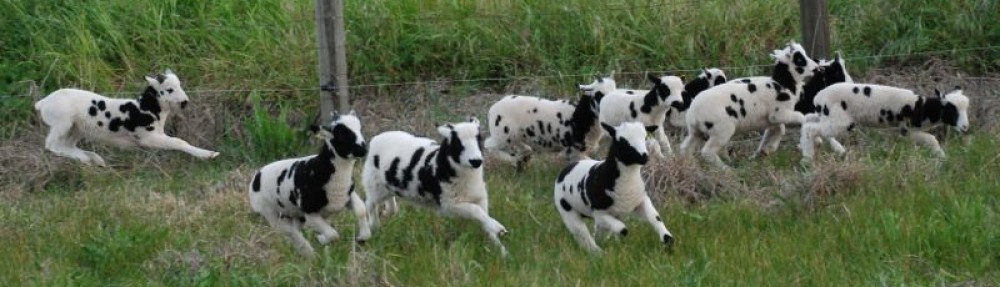
 Zorra had plenty of cuddling while she was still in the lambing area with her mom. Lisa is a lamb cuddling Pro.
 This is pet sheep Jade’s lamb (and me).
 This is her again being held by Peggy. We’d really like her to be friendly too.
 This is Zorra again with Sumi.
 As the lambs get a little older we have other Farm Days. This was Betsy’s first day on the farm and she jumpred right in holding lambs as we ear tagged and castrated.
  I don’t castrate many because it’s hard to know how they will grow out and which might be a great flock sire for someone. Some are easy though–too much or too little color to fit within the 15-85% breed standard. This one’s horns are already touching at the base under that hair. As the horns grow they will fuse and not grow well separately.
 Marina and Maggie (no photo) helped catch lambs too and Mary handled the clipboard. The lambs were all tagged with their white ID tags right after they were born but we put added a colored tag on Farm Day. I like to use a second tag for back-up ID if the first one falls out and also to color code the sire. It’s interesting to keep track of that and it also helps to find a lamb when you’re looking for one among 75. You can narrow it down some if you have a color to look for.
 This year Cayenne’s lambs got orange tags. Pink tags go in all the lambs that have been castrated.
 Green means these are Buster’s lambs.
 Blue was for Catalyst.
 Peyton’s lambs are obvious so don’t need an extra tag.
 After we tagged all the lambs Marina and Betsy stayed to help me set up the pasture for the sheep. I had put the sheep out for a few days but hadn’t cleaned and moved the water trough.
 We walked around the pasture and took stock of things. I always point out the issue that I have with the dallisgrass that is out of control. That’s what all that dry grass is. I’d much rather see green grass growing. The whole pasture was looking somewhat dismal from a growth standpoint. At this point we had just had March rain after two very dry and cold months. I wasn’t seeing much growth–at least not enough to feed 55 ewes and 75 lambs.
  We spotted this grass that I don’t recognize.
 I took photos to send to a friend of Marina’s who she think might recognize it.


 F
F

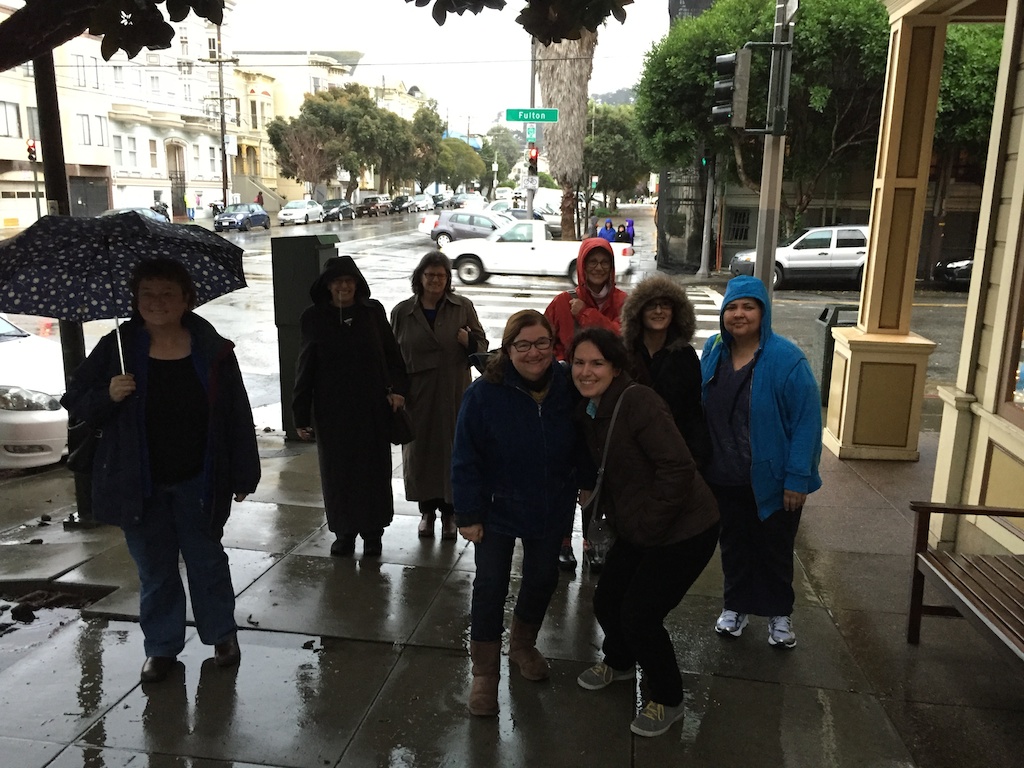
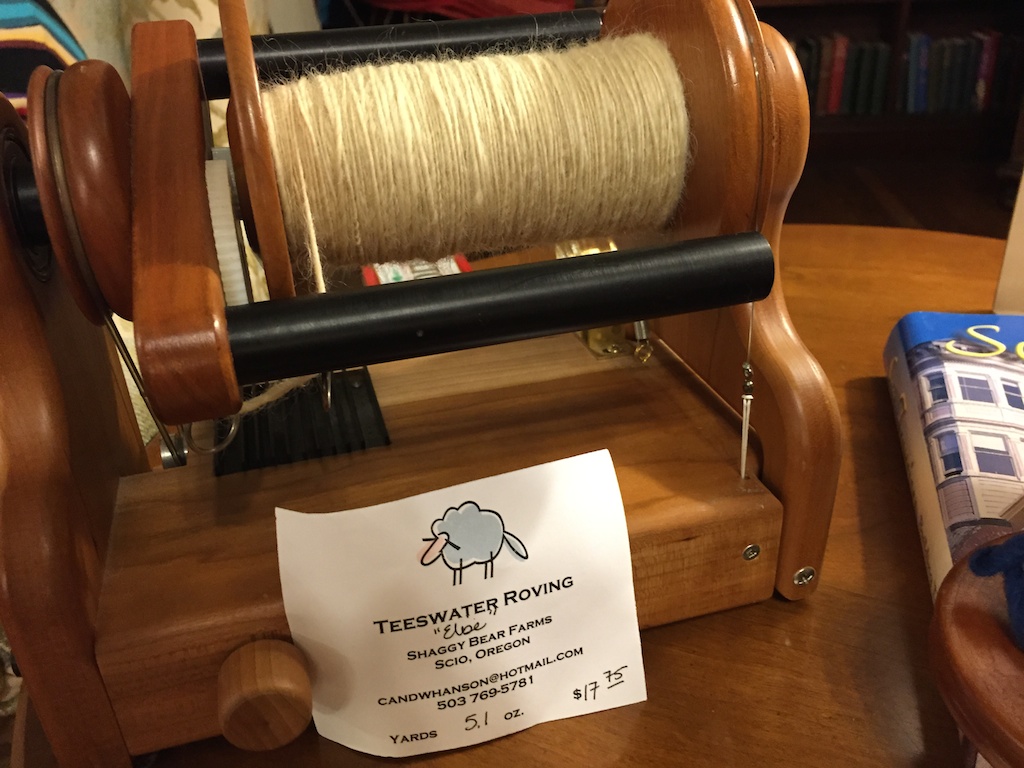
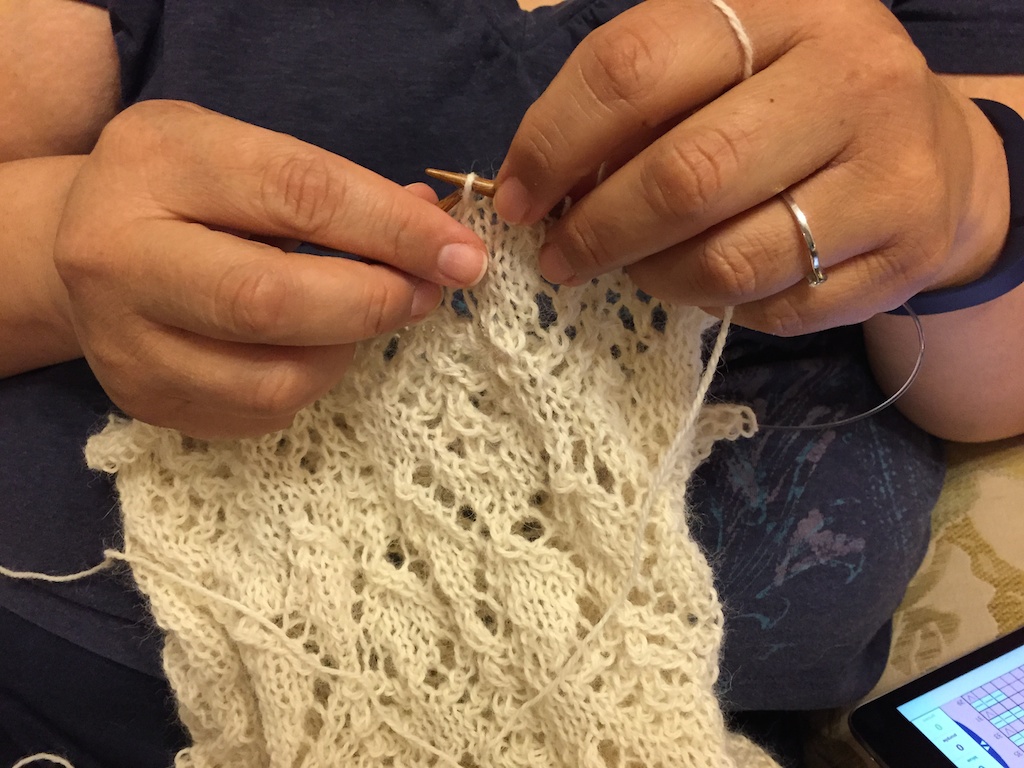
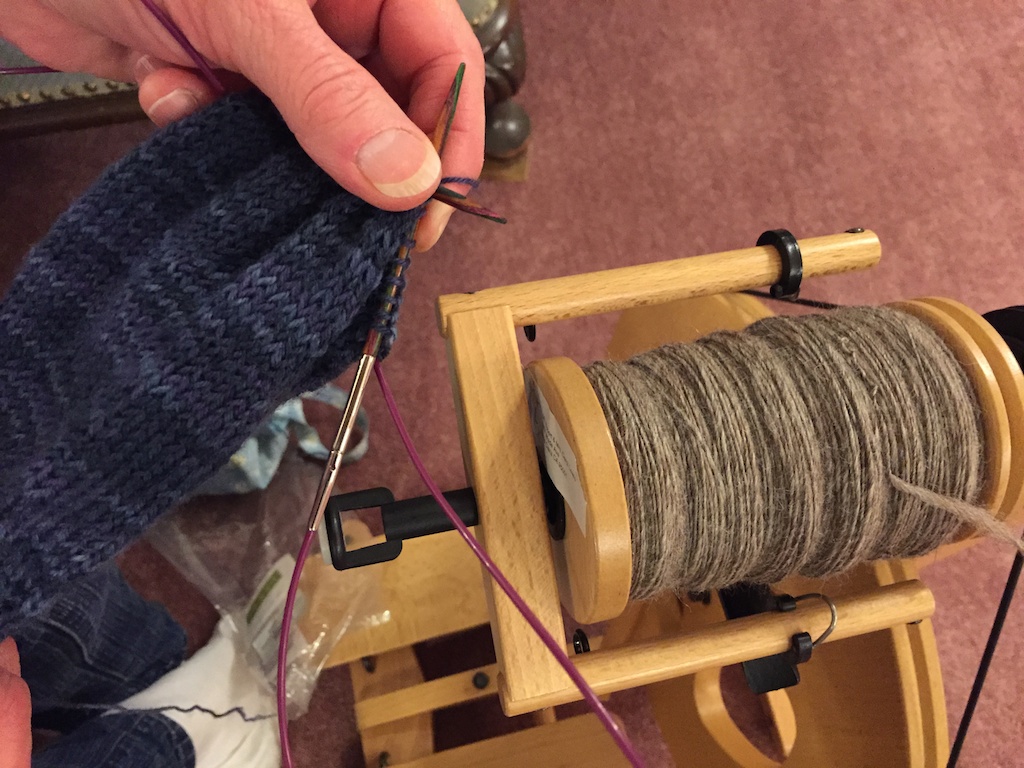
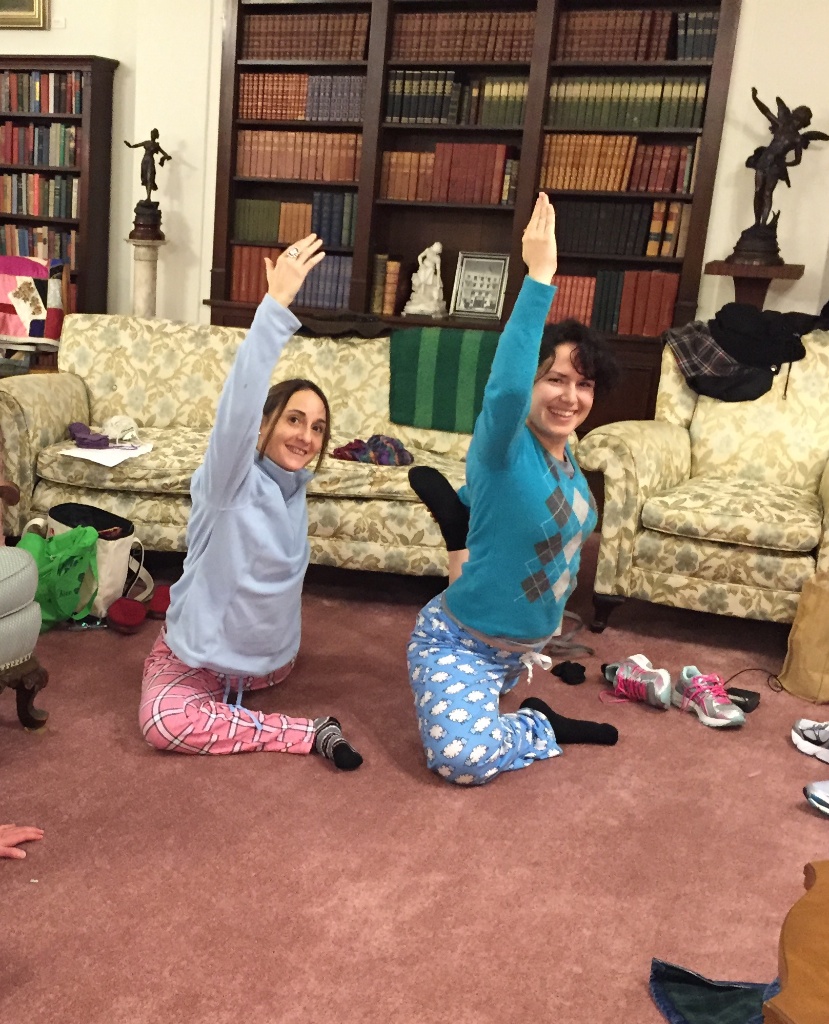
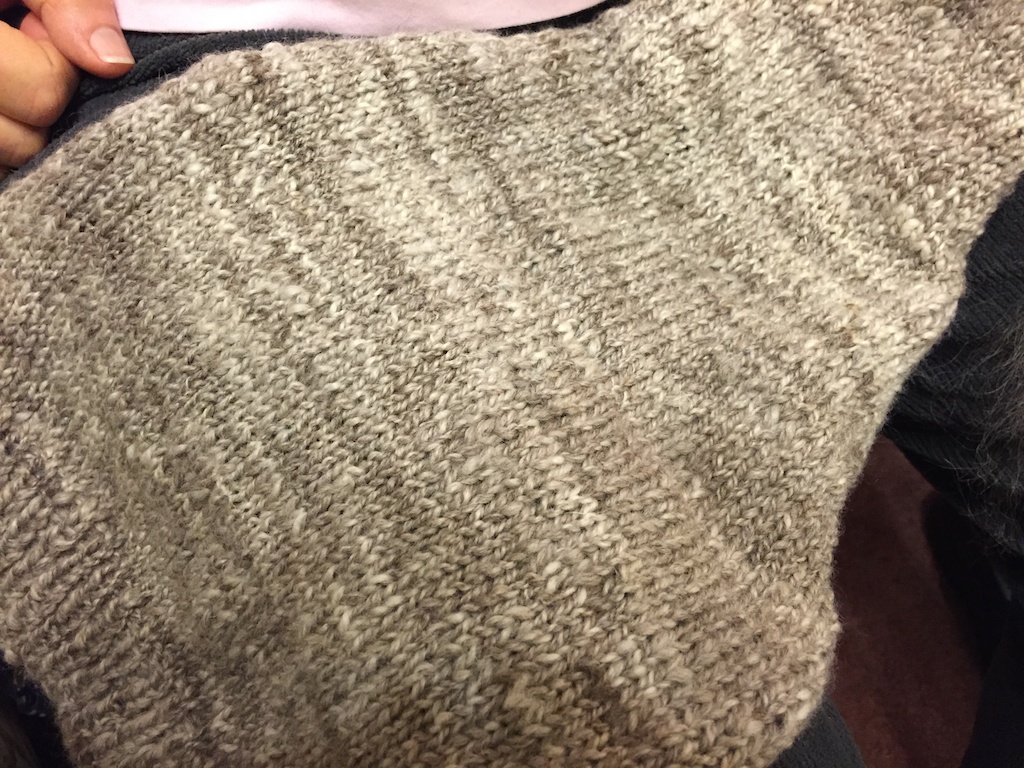
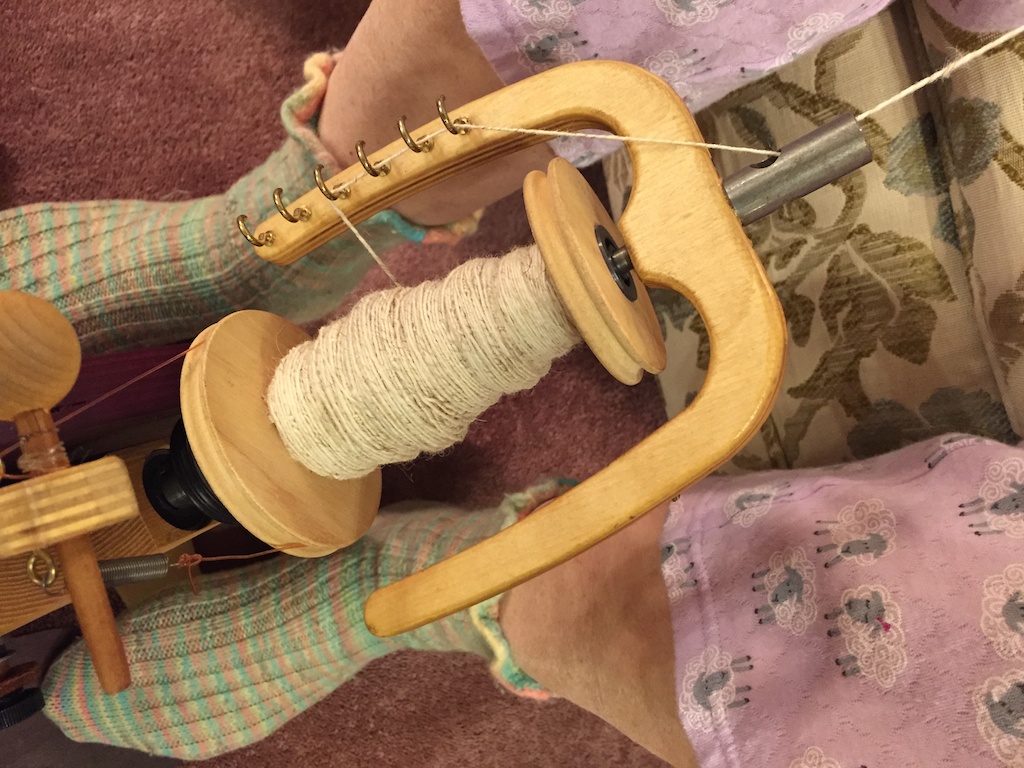
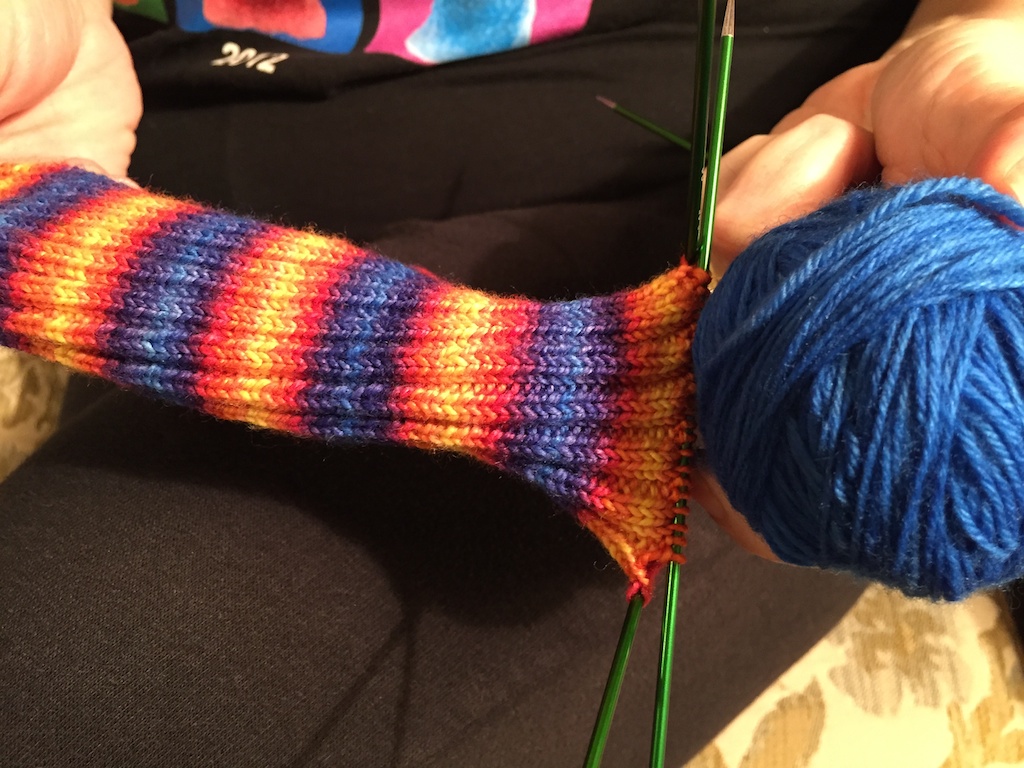
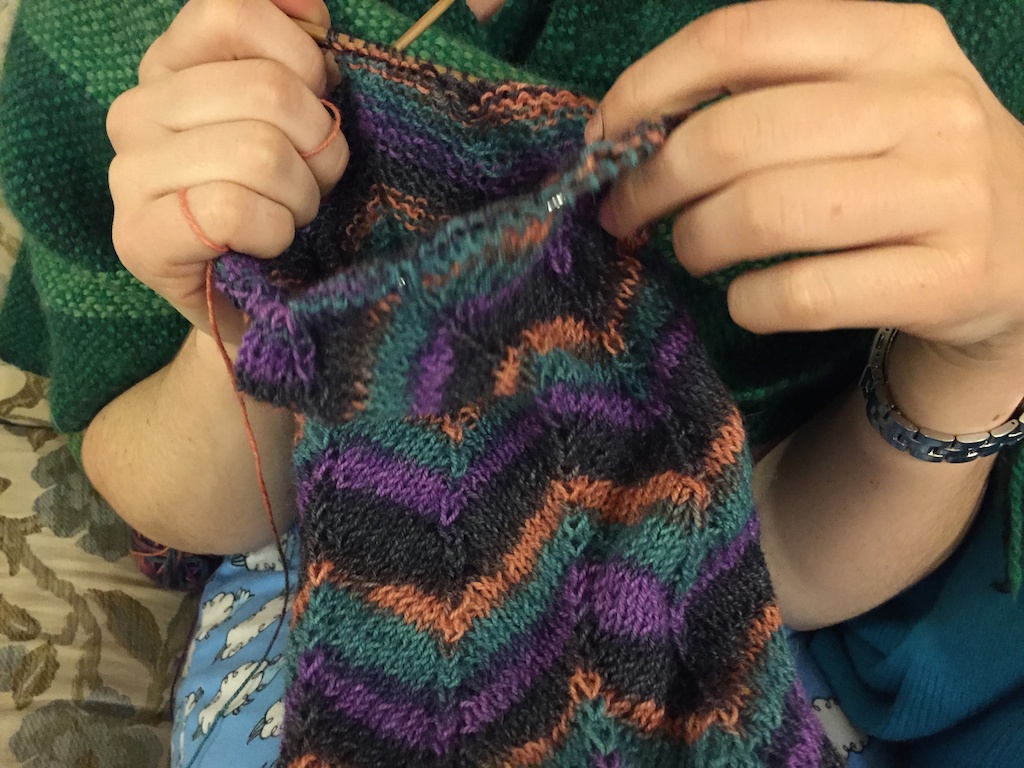
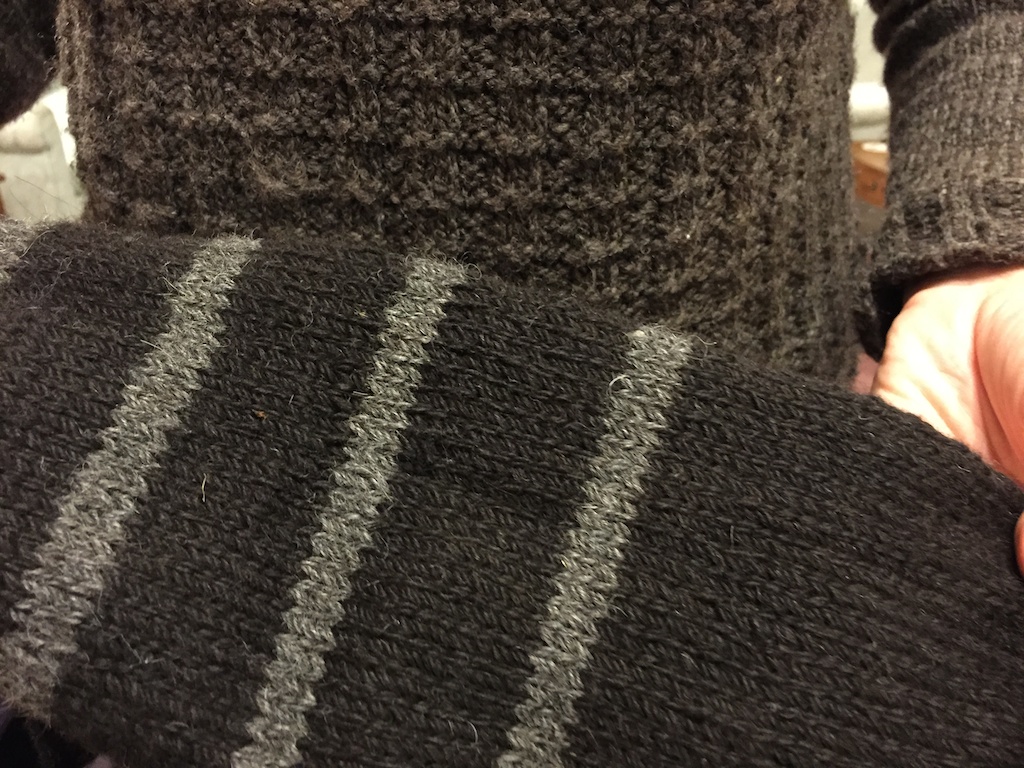
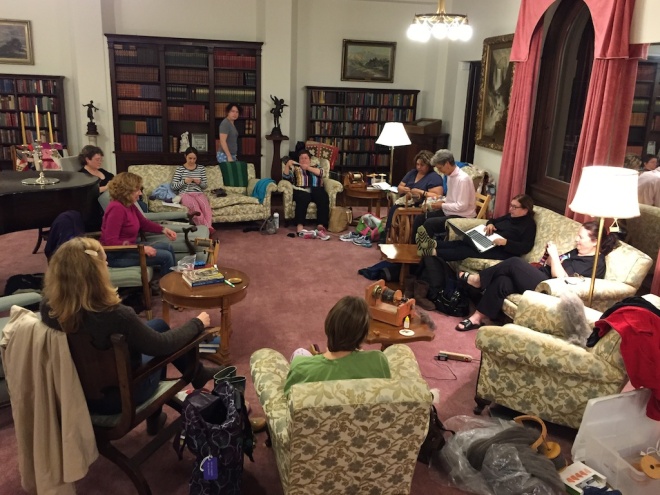 There was a record 14 of us! Here are some of our projects: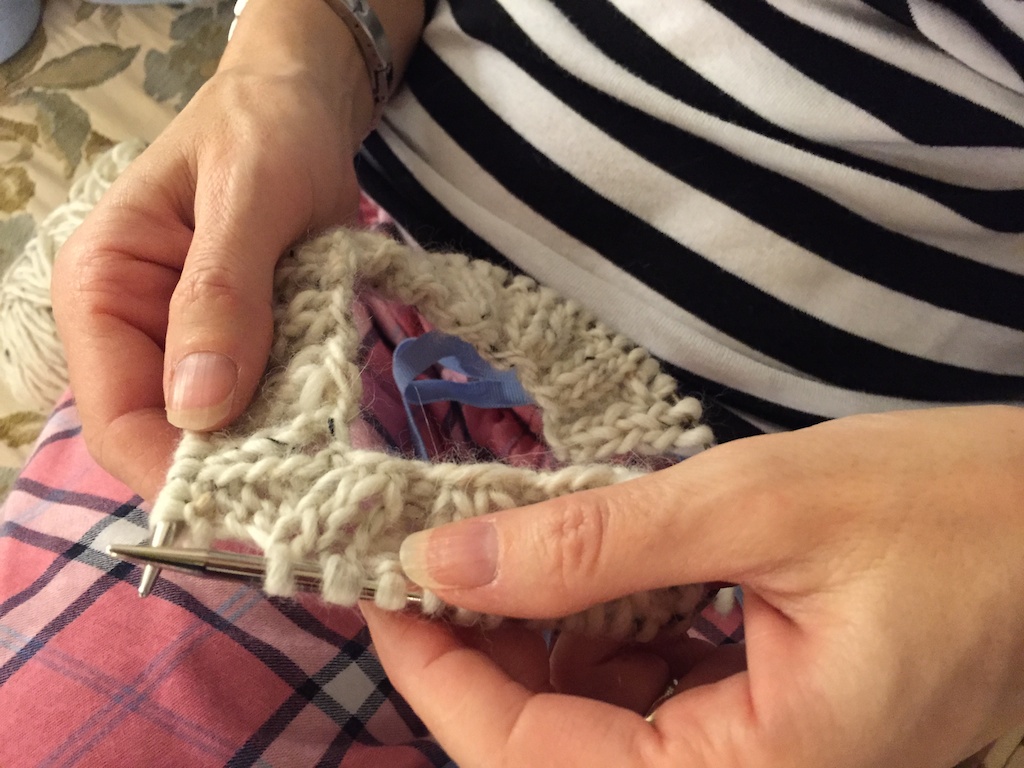

 Meridian Jacobs' Blog