Road Trip – Day 6 – Another Day at Yellowstone

In the last post did I say how cold it was when we went to bed the first night in Yellowstone? The cold plus the bison in the campground make me wish that I didn’t have that middle-of-the-night call of nature. However, maybe that’s a good thing because it was starting to rain and I shut the tailgate and the camper window. When everything is shut up it is warmer inside, but it is also stuffy and the windows get wet with condensation. There are trade-offs and stuffiness is probably better than feet in a wet sleeping bag especially when the temperature dips into the 20’s. The green truck is too old to show the temp but that’s what my iPhone said when I asked. So instead of rain we had snow during the night. Not a lot, but nevertheless, snow. Once again we didn’t linger over our breakfast of instant oatmeal but got in the truck and turned the heater on.

I chose way too many photos for this day’s blog and I should cut some out, but I probably won’t. I like blogs that are mostly photos…

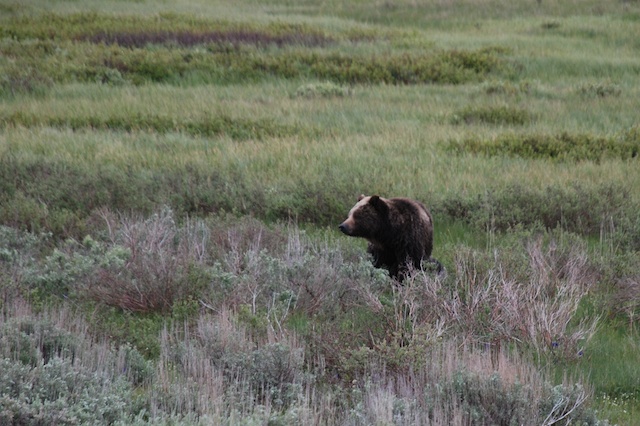
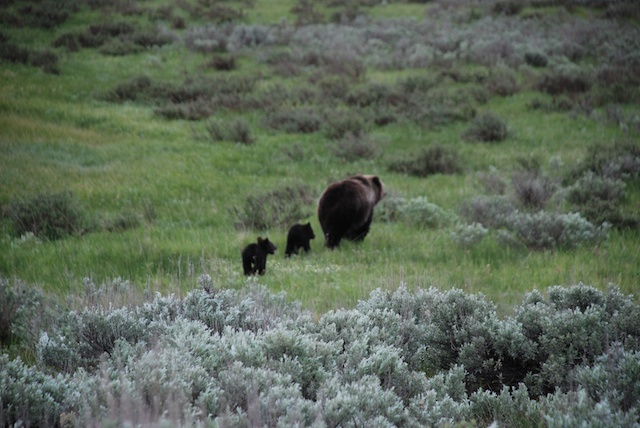
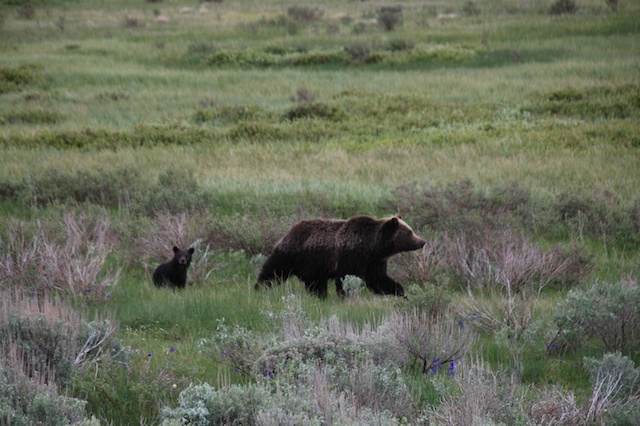
Our plan for this day was to drive the northern loop starting with Mammoth Hot Springs and ending with the Grand Canyon of the Yellowstone.DSC_4745Not far from the campground we saw our first grizzly bears – from the safety of our truck. (Even though I have been told by blog readers that the bear we saw in Grand Teton was a grizzly bear and not a black bear we thought it was a black bear at the time and I prefer to think that we were hiking with black bears, not grizzlies.) The one on the left was eating a carcass of something and was wearing a collar. They were being watched by a park biologist. I wonder if the park personnel always keep track of bears that are collared and monitor them when they show up near a road? One thing that we learned quickly is that being a Park Ranger in Yellowstone means Wildlife Traffic Patrol. Do you know an easy way to spot wildlife?DSC_4801Just look for parked cars and people walking along the road.DSC_4750It didn’t take long to find more bison…DSC_4755 …and more bears. This one wasn’t alone.grizzly bear grizzly bearI know, the sagebrush is more in focus than the bears, but that may be my last grizzly bear photo.
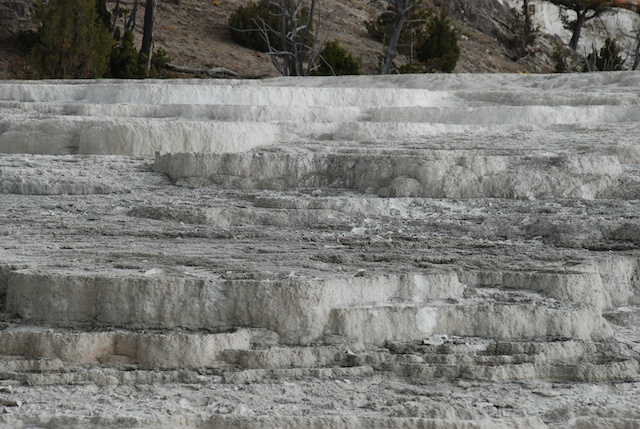
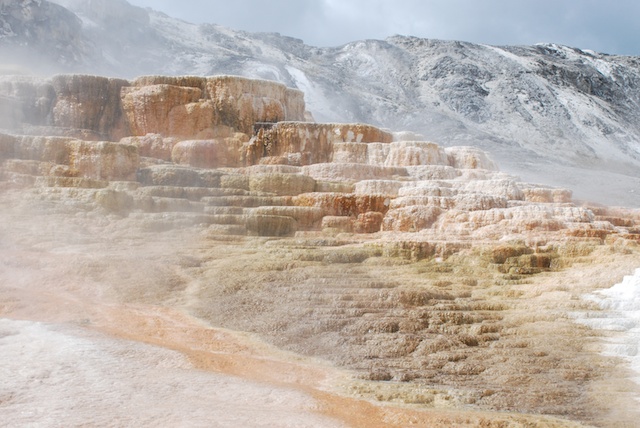
It was still early and when we got to Mammoth Hot Springs Terraces the weather was not looking good. It was cold and windy and during our walk along the boardwalk trails it started snowing. But the changing conditions only made the views more dramatic.DSC_4781Mammoth Hot SpringsDSC_4779 
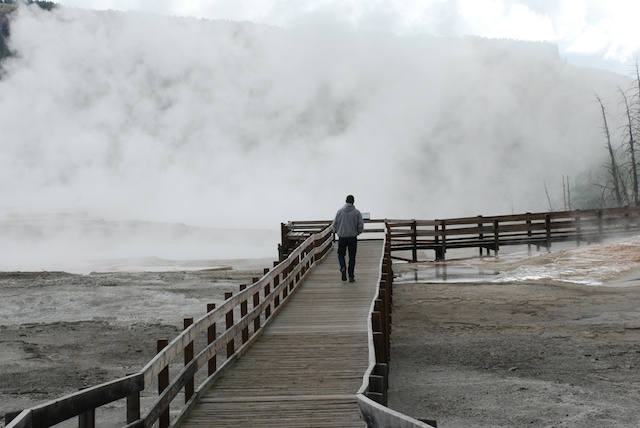
Mammoth Hot SpringsDSC_4790  We didn’t hike any long trails on this day but there were many shorter hikes.Scanning for bears, Wraith Falls Trail There were people stopped on the road watching a black bear when we got out of the truck to take a half mile trail to see Wraith Falls. Dan was trying to decide if the bear was still entertaining people on the road or had retreated in our direction. Note bear spray with orange cap in the backpack pocket.
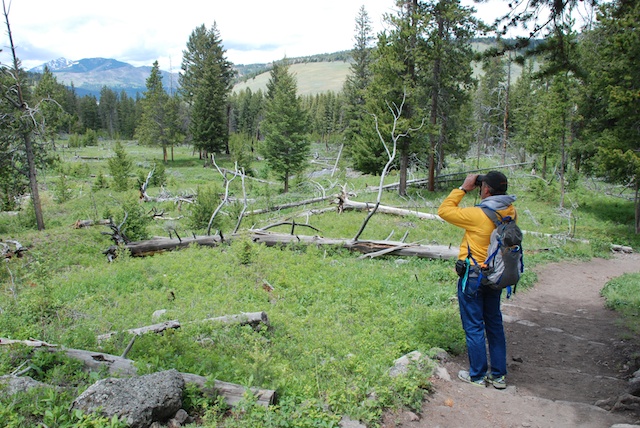
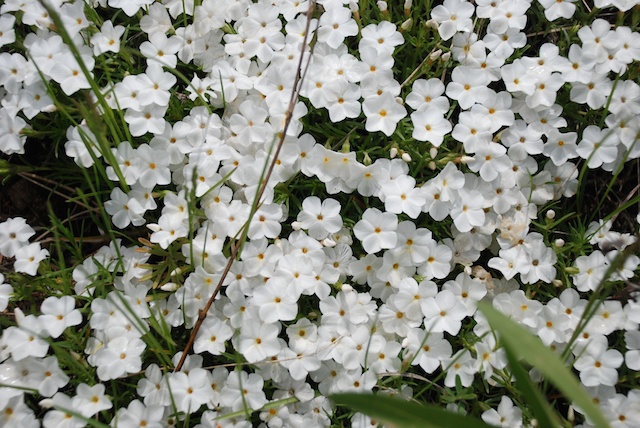
There are several one-way roads that you can use to get off the main road. Blacktail Plateau DriveBlacktail Plateau Drive is one of them and the scenery is majestic.Wild flax To my surprise Dan asked if I wanted to stop and take flower photos. I am usually teased about this habit. This one is wild flax.Phlox Phlox.
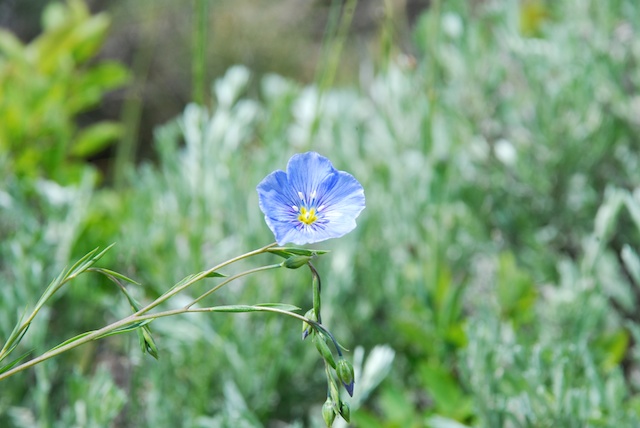
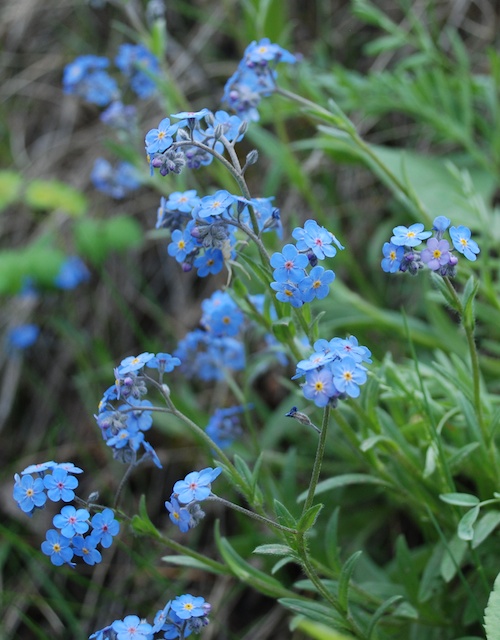
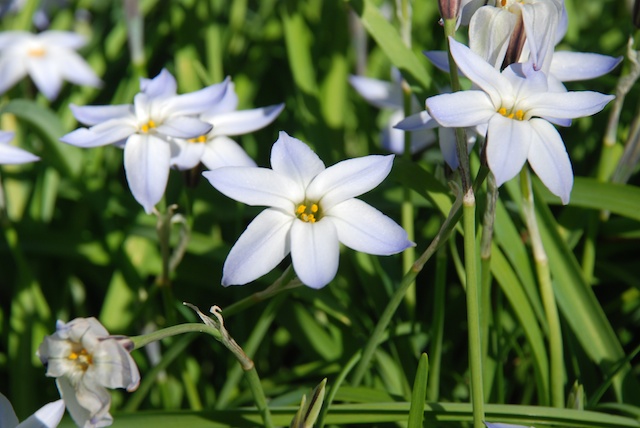
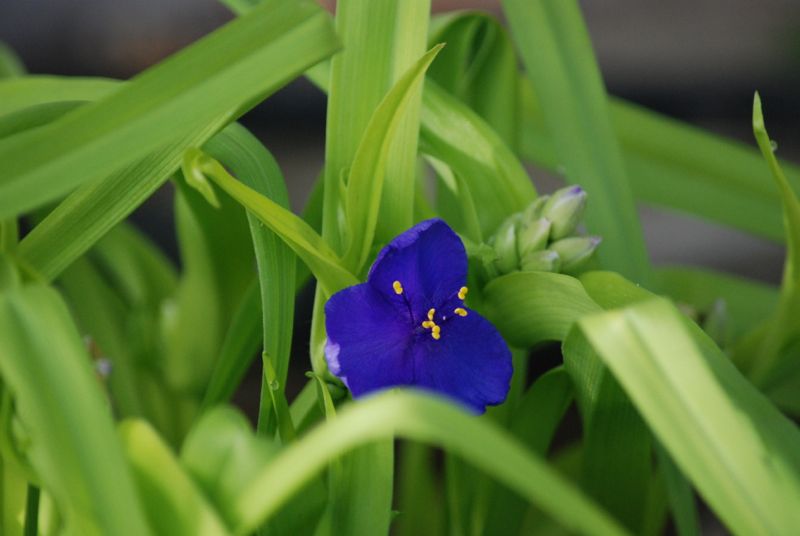
blue flower

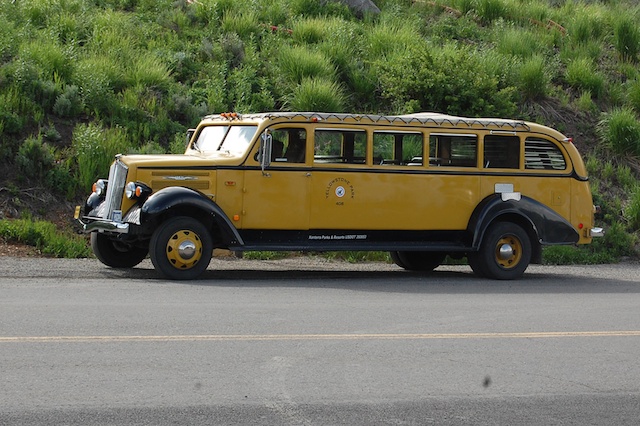
I wish I knew what this flower is. From a distance it looks like single blue flowers. It’s only when you get up close that you see that it is lots of little tiny flowers.1936 Yellowstone tour busWe stopped at another waterfall trailhead and Dan took this photo of a 1936 touring van that he had just read about. These were canvas topped vehicles used in many of the national parks. They seated 14 people and in cold weather (at least in the northern parks) they provided Pendleton wool blankets for the passengers. At least some of the vehicles were used into the 1990’s when they were just too old to keep running. The Park Service replaced the old vehicles with modern Dodge vans but the visitors wanted the old touring vans. So they are on the road again but Ford kept just the top part and replaced the chassis (and all the important things like brakes) with new parts. raven
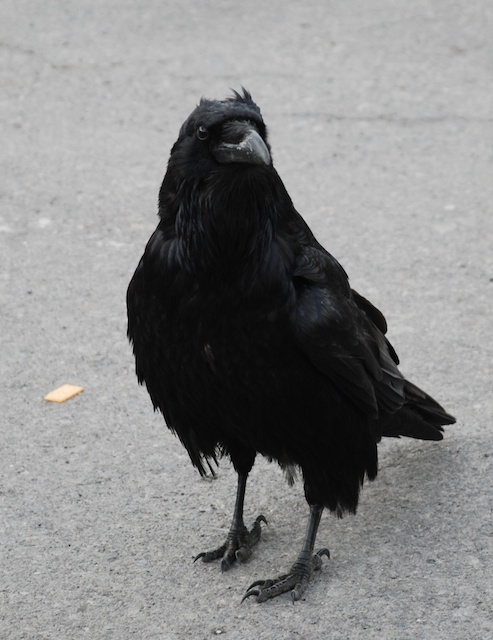
Speaking of vehicles it seemed as though each of the parking lots at the main attractions had it’s own sentry. This one was eating crackers.

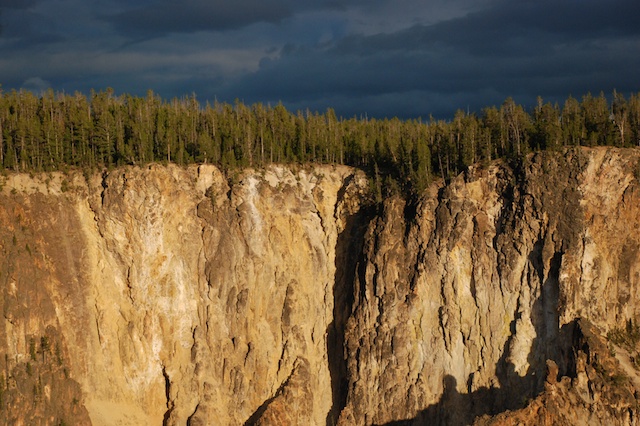
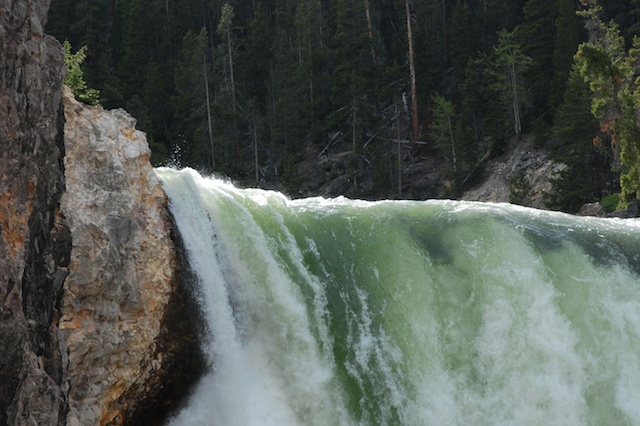
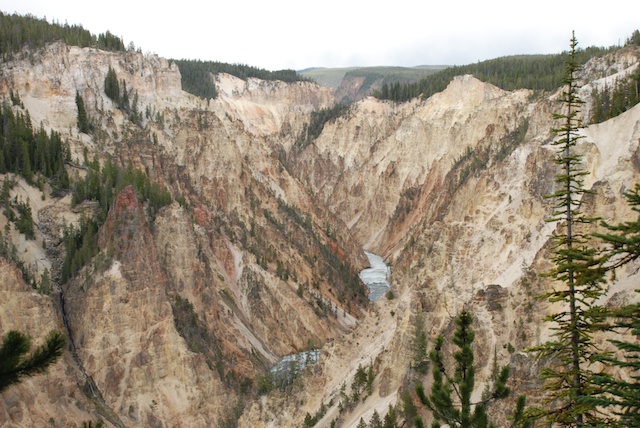
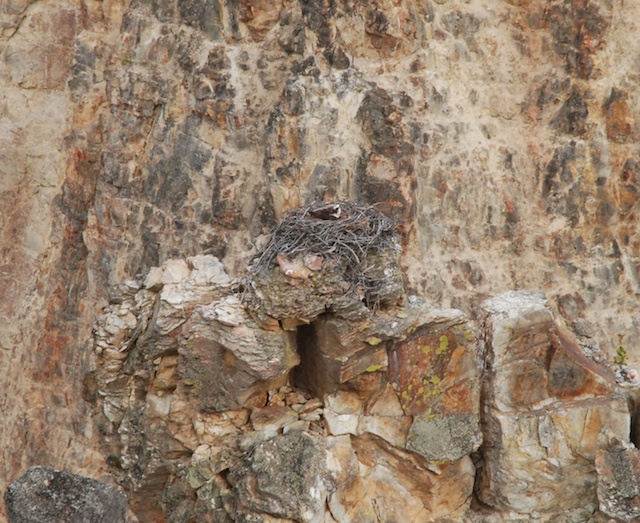
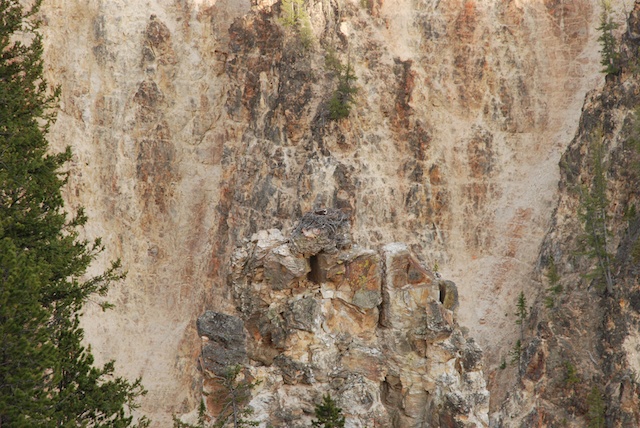
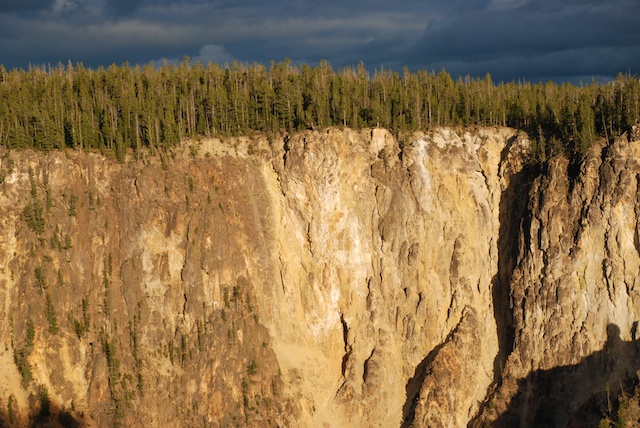
It was getting late in the day by the time we got to the Grand Canyon of the Yellowstone. There are several access points and trails on both the north and south sides. We knew that we didn’t have time to hike all the trails, but we went to  all the overlooks and walked a few of the trails. Uncle Tom's Point trail to Lower FallsWe took Uncle Tom’s trail to a viewing spot of the Lower Falls. Writing this blog I’m in a tank top and shorts with the fan on and it’s hard to remember that just 10 days ago I was bundled in two layers of wool, my Carhartt jacket, wool hat, and gloves. Uncle Tom's Point trail to Lower FallsOriginally this trail had over 500 steps and rope ladders. Now it has only 328 steps and no ladders. Lower FallsThe trail no longer takes you all the way to the bottom but you still hear and feel the power of the water cascading over the rocks. I love the green color of the water here.DSC_4922 This is a scene of the canyon and the river taken from another viewing area. Simply majestic.Osprey in nest I don’t think that I would have spotted this osprey nest except that some other people were looking with binoculars.Osprey in nest See what I mean? The top photo is a close-up of this one.Grand Canyon of the YellowstoneDSC_4961Another beautiful evening. Again we got back to camp at dusk, ate a couple of cans of beans and went to bed.
Next post: On the road to Oregon


Things I see on the way to the barn

Bottlebrush Pink bottlebrushDSC_2601 Look at how tiny this new leaf is. Iris (1) One of my special iris plants that I got from Pleasants Valley Iris Farm.Iris Another one of the special irises.Rose (1) This rose  looks fairly common but the fragrance is spectacular.RoseSame for this one.Rose (2) These roses were on this property when we moved here in 1999. We moved them to their current locations. They don’t get much TLC, but hang in there.Rose (3) Several of the roses also have branches from rootstock growing up around them. I can easily identify those branches when they are flowering, but I hate to cut them off when they are so pretty.YarrowYarrow.DSC_2672Amaryllis (not a flower).

Pinnacles National Park, Part 2

Does a 2-day camping trip warrant 2 blog posts? For me it does because we don’t do this very often. And I took lots of photos.

We discovered that we did sleep relatively all right in the truck, although I was told that I had more than my share of the “mattress”. Huh!

The next morning we checked the map and chose the hike for the day.DSC_1127 This was the first leg of a 5.5 mile hike. Notice the word Condor. I took my binoculars on this hike, determined to identify a condor this day. Pinnacles is one of the few remaining areas where the endangered California Condors live and nest.DSC_1130

This trail winds up the mountain and behind those peaks in the distance.DSC_1134Getting closer to the peaks. At this point we talked to a wildlife biologist who was using an antennae to try and pick up a signal of the condors who are banded with transponders. She said that they do nest in these cliffs but today she hadn’t found any. They don’t always stay in the park area. We saw plenty of soaring birds but they kept turning out to be buzzards.DSC_1131  More of the trail.  DSC_1173 This is coming around the west side of those peaks. The vegetation was somewhat different than that of yesterday’s hike except for one plant.DSC_1164There was plenty of poison oak, although these trails are wider than those on our Stebbins Cold Canyon hike so it’s easier to avoid. I was struck by the beautiful shades of green in the poison oak.DSC_1190 Color abounds.

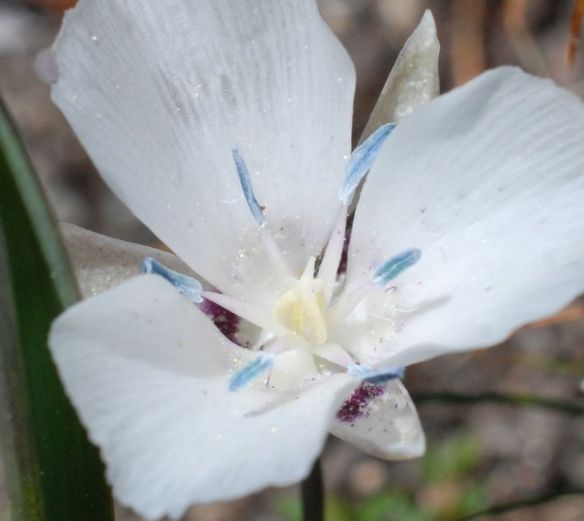
DSC_1193 This was an interesting trail. Notice that railing under the overhanging rock.DSC_1200The Park Service (or maybe it was the CCC years ago) thoughtfully provided steps (and, thankfully, railings) so that hikers could get over these rocks.DSC_1215 The views are worth the climb.CA GiliaWhat would a hike for me be without a few flower photos? Believe me, I took many more than this even though, due to the dry conditions in Northern California, there was not the abundance of wildflowers that I think there would normally be at this time of year. I think I have identified this as a patch of California Gilia (Gilia achilleifolia).DSC_1243 CA GDSC_1272 I think that this plant is Wild Cucumber or California Manroot (Marah macrocarpa). What we noticed on this hike is that the spiralling tendrils that look like a telephone cord (yes, that dates me) start out straight. When the straight tendril touches something it coils and hangs on. Amazing. 

As usual I tried my hand at wildlife photography. Those bee photos are the only ones I’ll show. The bunny, the crow, and the lizard weren’t all that great. The condor look-alike perched on a branch turned out to be a buzzard when I looked at the photo close-up. DSC_1296

This looks like condor country to me…DSC_1748…but this was the closest I got to a condor.  Good trip anyway.


Hiking Close to Home

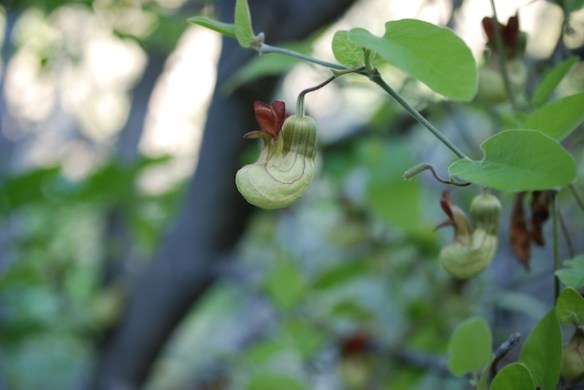
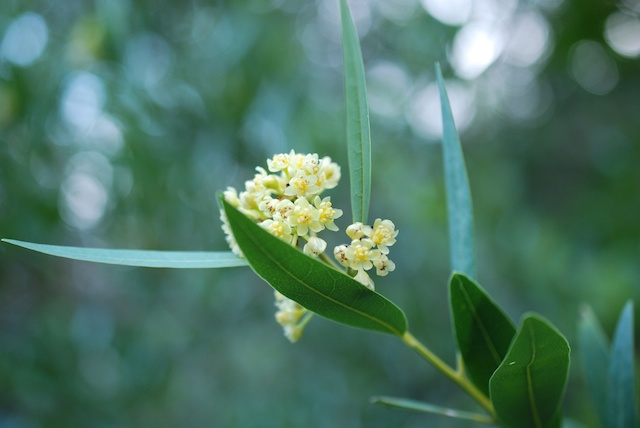
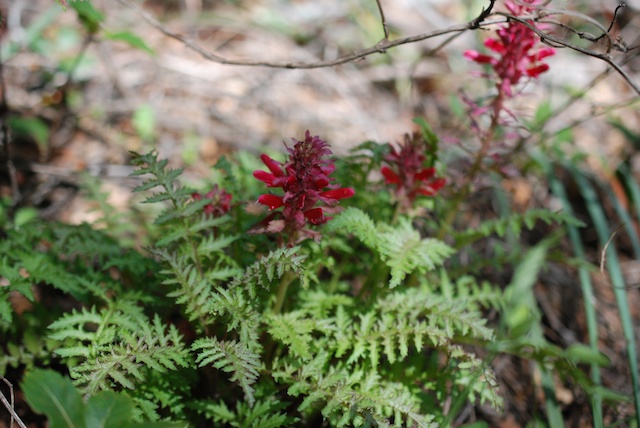
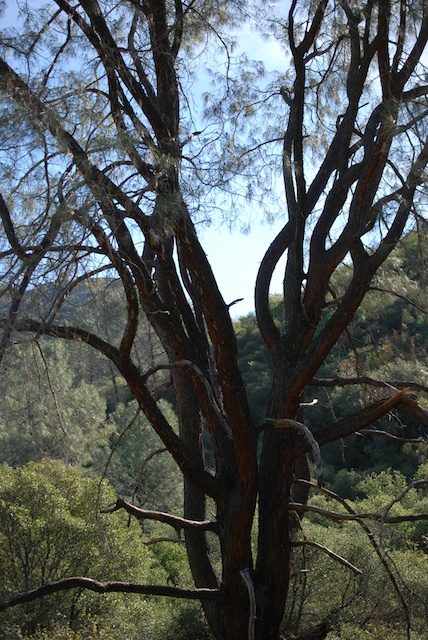
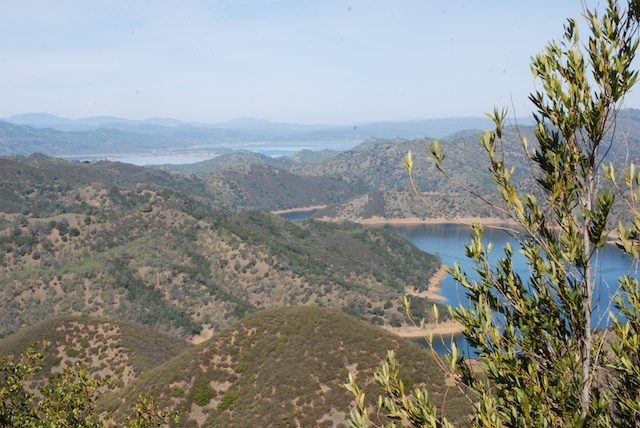
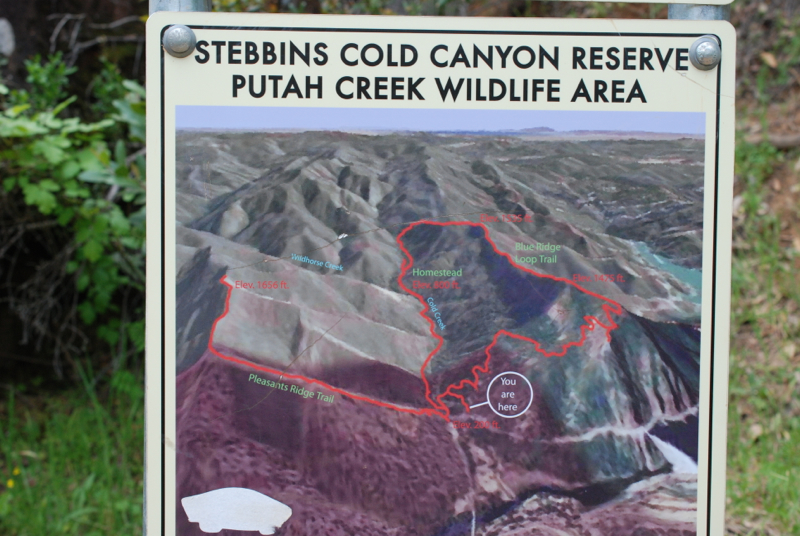
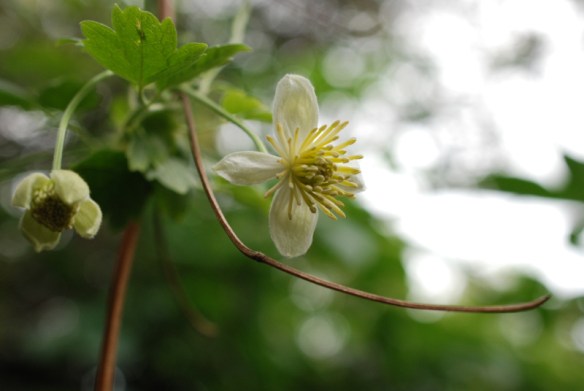
Dan suggested hiking today. The closest place for a hike is to go to Stebbins Cold Canyon Preserve in the Blue Ridge Mountains southeast of Lake Berryessa. There is a five-mile loop trail that has enough elevation change to make you feel as though you had a workout, especially for us flat-landers.DSC_0064Do you see those switchbacks on the map? The rest of that isn’t exactly flat. This was perfect timing to hike in this area. We finally had enough rain for grass and wildflowers to grow (although not nearly enough rain to make up the deficit).DSC_0031Dan walks. I keep stopping to take photos and then I catch up. This is the lower part of the area in Cold Canyon where there is a lot of greenery. It is a completely different ecosystem than what you find up on the ridge.Poison oakIt is good to stay on the trail because there is poison oak everywhere. Even if dogs were allowed on this part of the hike I wouldn’t bring them because they would be covered with it.Dutchman's pipe The interesting flower of CA Dutchman’s Pipe or CA Pipevine (Aristolochia californica).CA Bay California Bay Laurel (Umbellularia californica)DSC_9997Shooting Star (Dodecatheon)Wild cucumber or Manroot Wild cucumber or California Manroot or California Bigroot (Marah macrocarpa). The flower books say that the root of this deciduous vine may weigh 50-100 pounds.Indian WarriorIndian Warrior (Pedicularis densiflora) is parasitic, attaching to the roots of other plants.Digger pineAs you leave the canyon and start climbing through the chaparral the vegetation changes. This is a beautiful big digger pine.Poison oak  Did I mention the poison oak?DSC_0043 View of part of Lake Berryessa.DSC_0045More climbing to do before we start the downhill.DSC_0051 We didn’t get enough rain this year for the grass to grow up through last year’s old dead grass. Those hills are faintly green, but not enough.Dan saving my lens cap.  Dan recovered my lens cap after it rolled several feet down slope. Most of that is not poison oak, but “most” isn’t “all”. My hero.


Too Soon for Spring but…

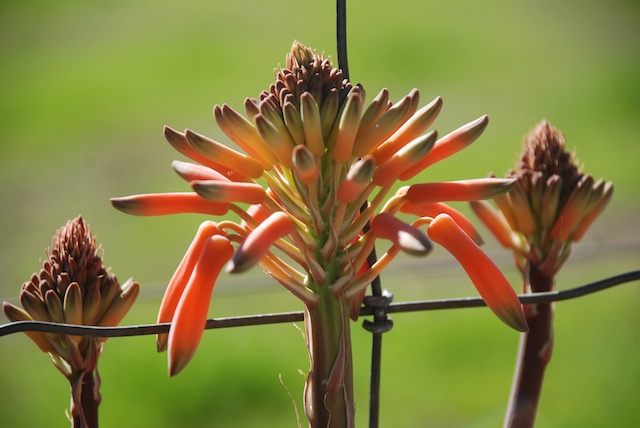
After I published the last post (a bunch of seemingly unrelated ugly photos) I thought it was pretty stupid. I do have something to tell about how they all relate, but that story will wait until I get around to it and in the meantime I have deleted it. This is a better bunch of photos that I took yesterday on the way to the barn.AloeDSC_8757EucalyptusLantanaPussywillowRedbud

Wish I Was There

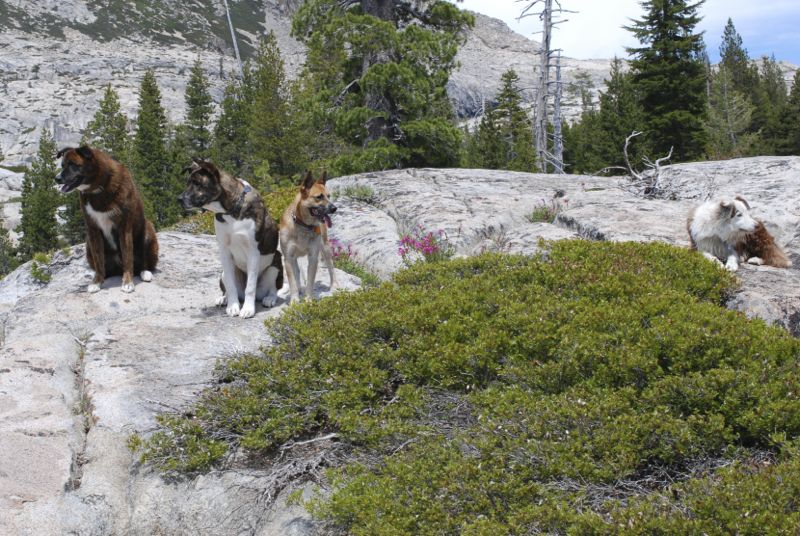
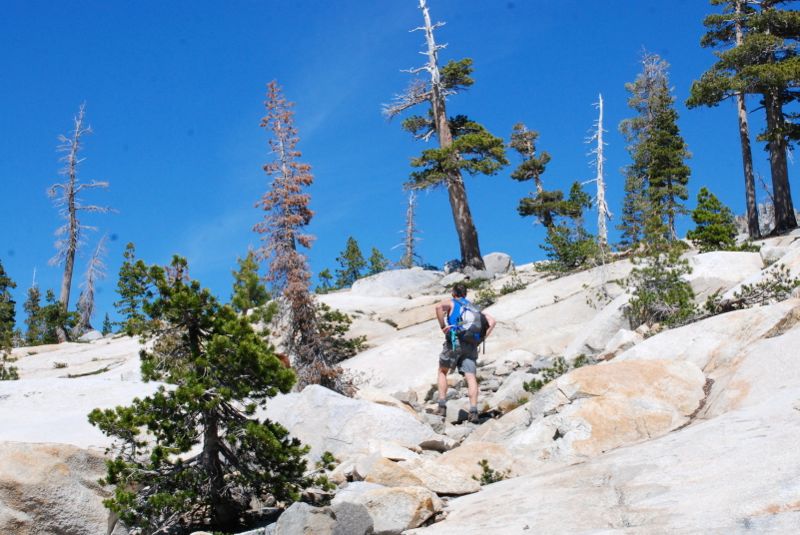
It was 107 degrees today and the weather people are predicting 6 days of 105 degrees or over. After a few days of this already I am thinking about a hike we took a few weeks ago.DSC_3093 This is a trail in the El Dorado National Forest from Wright’s Lake to Twin Lakes in Desolation Wilderness. We went with my son, Matt, my brother and nephew (who were going to continue into Desolation for a backpacking trip) and, of course, the four dogs.

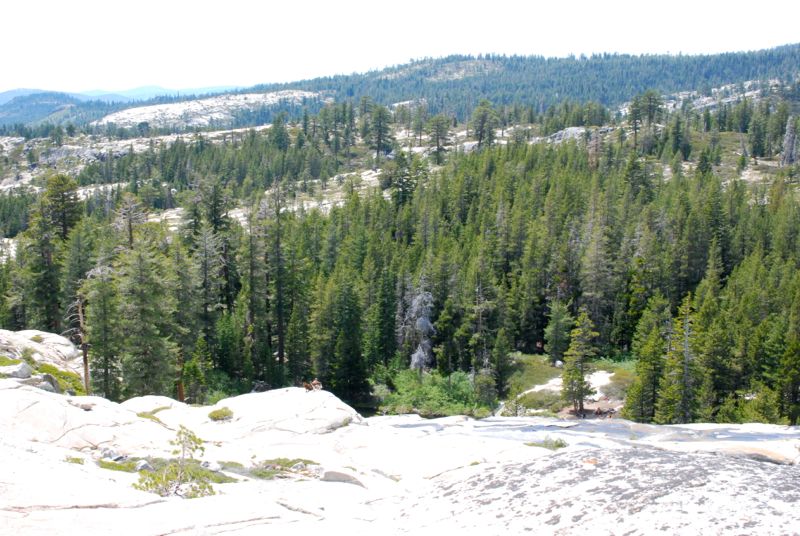
With my 40 mm lens I get views both …DSC_3118… grand and …DSC_3102 …close.DSC_3115  It’s dry in the valley and foothills now, but at 6000+ feet there are still plenty of wildflowers.DSC_3124

DSC_3210


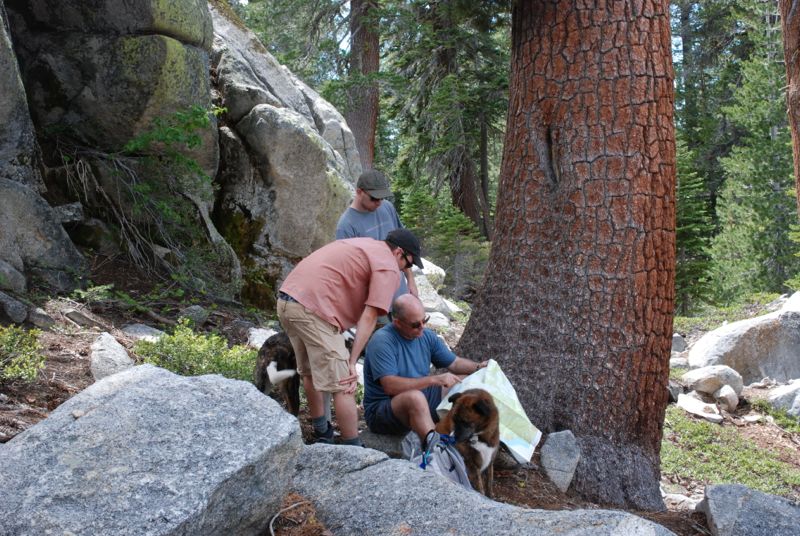
DSC_3175I love the granite boulders and huge views in the Sierras. That distant mountain is Big Hill, where there is a fire lookout and where Matt sometimes works.DSC_3202Dave and Jack were to continue hiking and discussed the options with Matt who knows this area well.DSC_3192 It’s not always easy to get a group photo of all four dogs. DSC_3217We are so fortunate to live in an area where we can get to the mountains in just a couple of hours and that we are able to enjoy it by hiking.

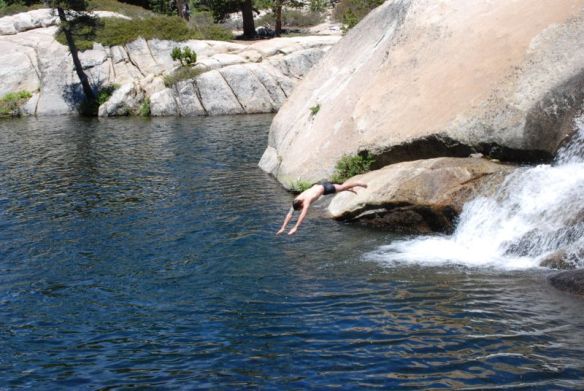
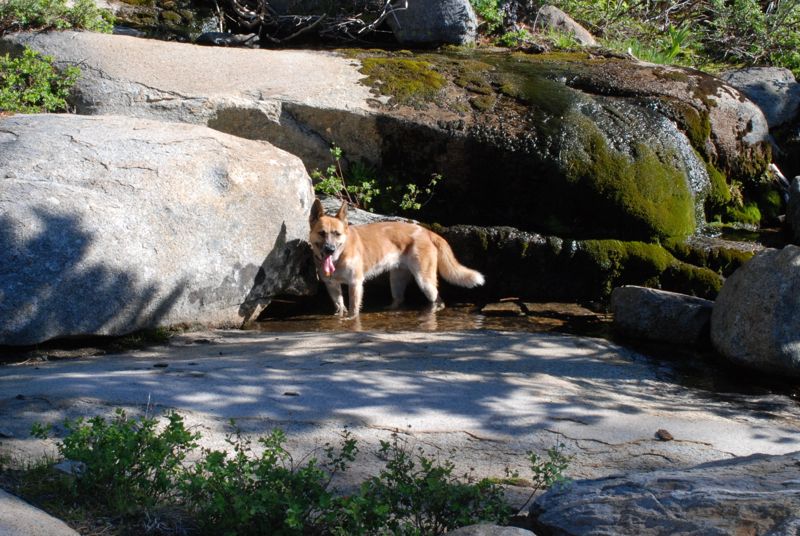
But this is what I’m thinking about today as the temperature soared.DSC_3165Silver Creek cascades over granite and forms beautiful waterfalls and refreshing pools along its length.DSC_3150 DSC_3152     That’s Matt with Sam and Kirin. I took a dip too and I would relish that now.DSC_3223 Rusty and Maggie like their water a little more shallow.DSC_3251We hiked about 8 miles I think. Toward the end Maggie didn’t want to leave the pools. I think the water felt good on her feet.IMG_6650This is one of Twin Lakes in Desolation Wilderness.


Wildflowers in the hills

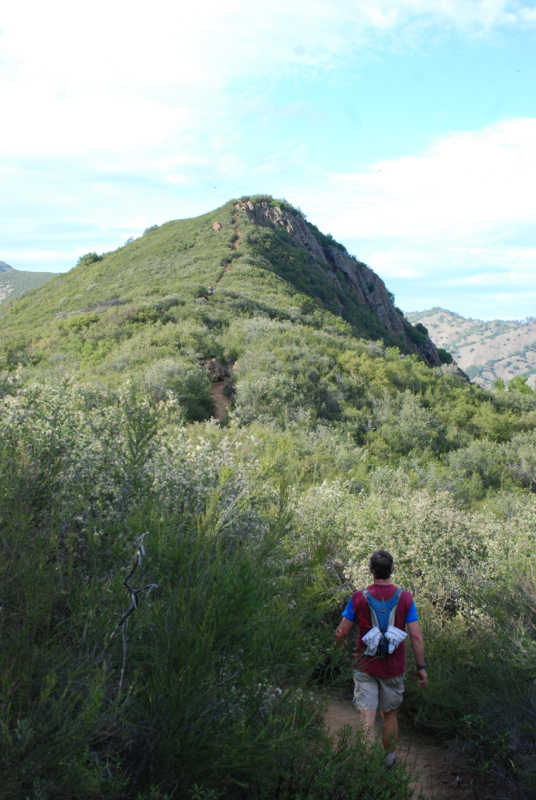
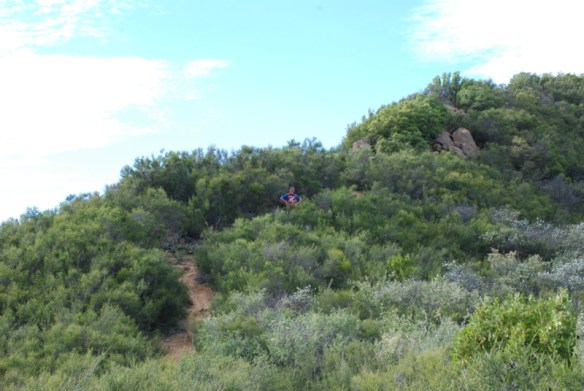
Dan and I went for a hike today not too far from here. The loop is about 4.5-5 miles with spectacular views.DSC_0093It’s been dry this spring, and the greenery won’t last long, but there are a lot of wild flowers right now.DSC_0027

Also a lot (A LOT) of poison oak.DSC_0014 I love the effect of my new lens with the shallow depth of field, but it’s sometimes hard to work with, especially when I’m trying to snap photos quickly.
DSC_0070DSC_0057


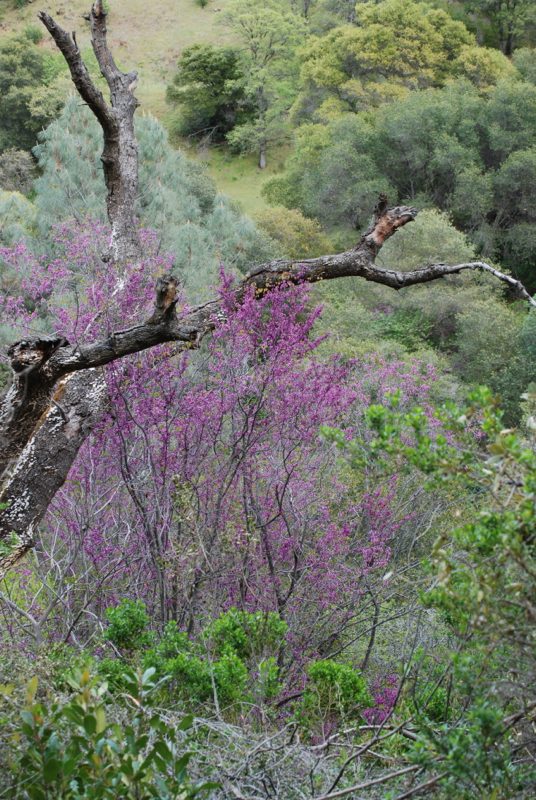
“I’ll catch up…Just taking photos.”DSC_0028 DSC_0044 DSC_0047  DSC_0065  DSC_0079 DSC_0081 DSC_0088 DSC_0092Western Redbud is one of my favorites.


Moon Journey

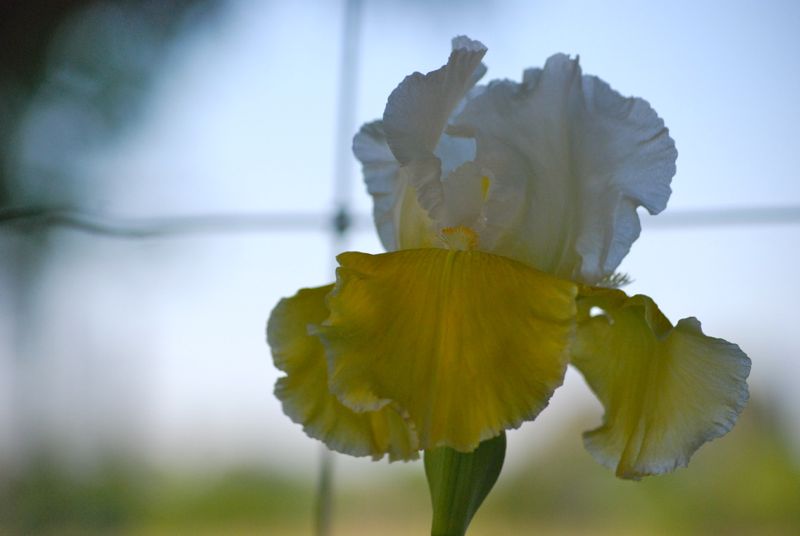
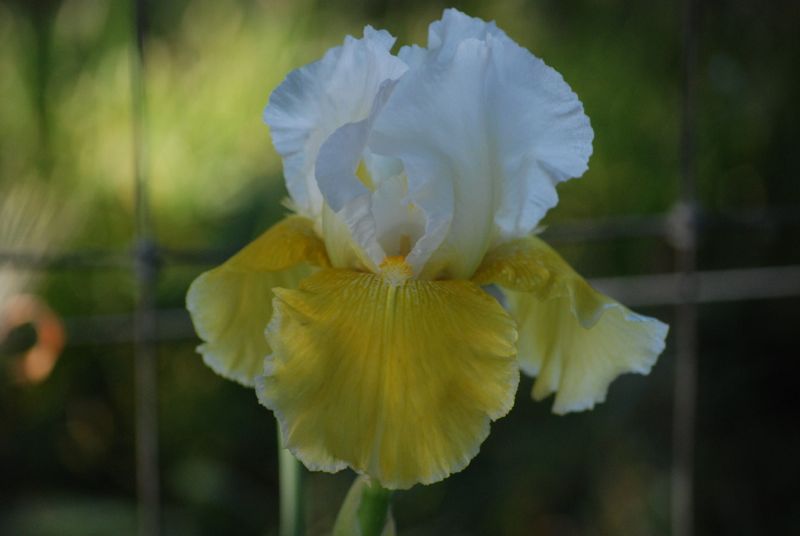
I was surprised to see this iris flower this morning. I bought four fancy iris plants from Pleasants Valley Iris Farm last year. You choose them in the spring when they are blooming (now) and then iris farmer, Mark, sends the rhizomes to you in the fall when they should be planted. I almost killed them by forgetting about them and leaving them in the box for…let’s just say…a long time.  I finally planted the rhizomes and have made sure they don’t get stepped on, eaten, etc. Today I was surprised to see the one called Moon Journey flowering! I don’t know if the others will produce flowers this year, but at least I am watching over them now. I can’t seem to turn Pleasants Valley Iris Farm into a link right now but go to http://irisfarmer.com


April Showers Bring….

Flannel bush, a native drought-tolerant CA species. I planted this behind the chicken house.

Yarrow, another drought-tolerant (read neglect-tolerant) species.

An incredibly fragrant rose. Hardy enough to have survived being dug up and replanted years ago and then suffer through seasons of aphids, little water, and pruning by someone who doesn’t know what she is doing.

I just planted this pink bottle-brush and will try to give it water during it’s first summer. After that it’s probably on it’s own, but the red variety I have near the barn has thrived with similar non-care. (Come to think of it, I think there is a leaky faucet near the red one.)

I love iris because they grow almost no matter what you do or don’t do to them. I have some fancy varieties that I got from my friend the iris farmer last year. I am embarrassed to say that I almost killed those by forgetting to plant them when I got them in the fall. They are in the ground and seem to be thriving but I was too late to expect them to bloom this year.

The clover is blooming now that it’s getting hot. In the foreground is one of the plants we just call foxtails. I think this one is Hare Barley but I’ll have to take my weed book to the pasture to know for sure.

I can’t remember the name of this one but it’s in the box at the end of my shop. I always think the plant is not doing well because the leaves are almost yellow, but   whatever I am not doing to it seems to be working. It has a lot of flowers every year. (This box does get some water.)

This is a Verbasum, a new plant that I just planted in a barrel near the shop. I was assured that it could live in the environment of heat and neglect. I saw that it flowered yesterday. Last night the flowers looked as though they had shriveled up, but they are open again this morning. Good plant.

I planted Walker’s Low Catmint in another barrel. I just put a leave of it under Ozzie’s nose and he doesn’t seem to care.

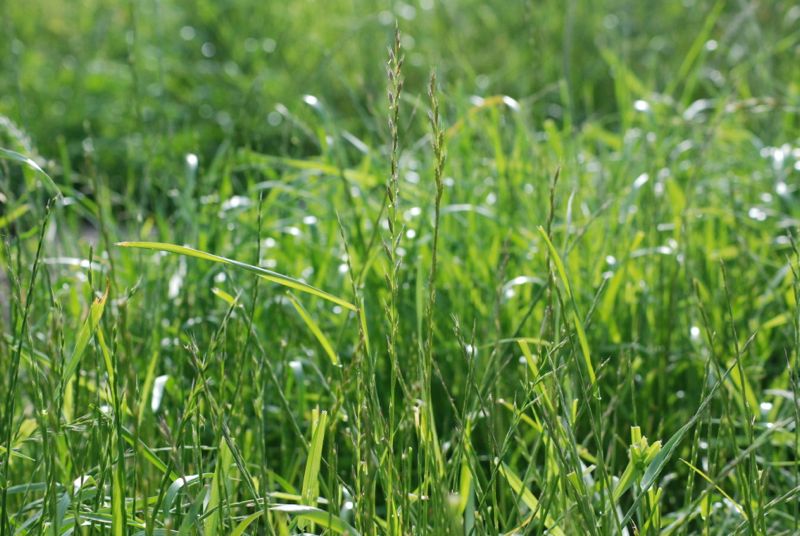
Annual ryegrass, a much more desirable grass, than the annuals that we call foxtails.

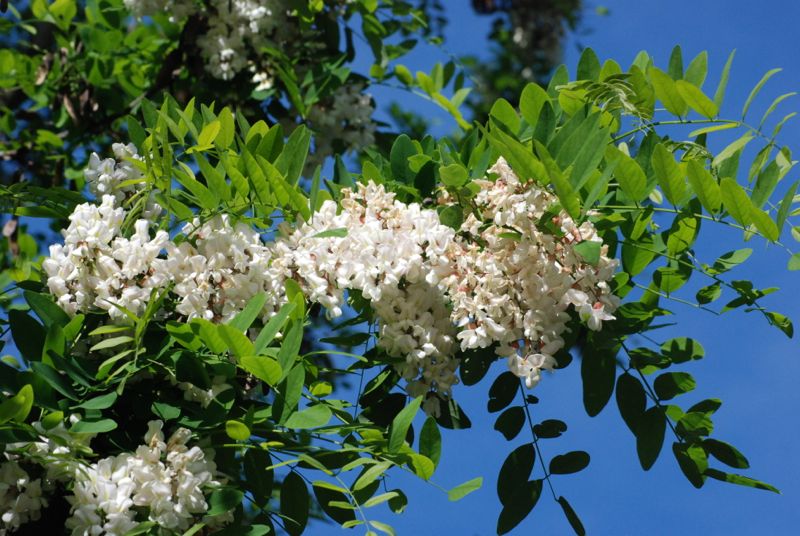
The locust tree is in full bloom and fills the air with its sweet fragrance.

Revisiting the pasture

I have irrigation water coming on tomorrow morning at 7 a.m.  (It comes through Solano Irrigation District and I have to call when I want the water “on”–in my ditches.) Irrigation has been a struggle this year. Even with the water on for 36 hours there are some paddocks that have died back because I can’t get water to them. Part of the problem is probably the old culvert–too deep and too small. It is half filled with mud that I can’t get out. I taught a weaving class today but after that we went out to tackle the problem.


Dan dug the culvert out with the tractor.


For tomorrow’s irrigation the water will be running through the ditch. Eventually we need to replace the culvert with a bigger one.


After setting up the tarps to keep the water in the ditches I checked the paddock where I experimented with burning medusahead. This is the plot that my son burned early in the season. He didn’t think it was effective but the medusahead is still gone.


The area of trefoil is where I burned the medusahead that was growing over it. This is some of the area that got water but that medusahead is still thick. I hope the pasture plants will choke it out.

This is some of the area that I haven’t been able to irrigate. Not much forage there and look at the medusahead cover.

Medusahead closeup.


Here is the trefoil that would be a wonderful replacement for the medusahead. Hopefully irrigation will go a little better tomorrow and we’ll get water on those dry areas.