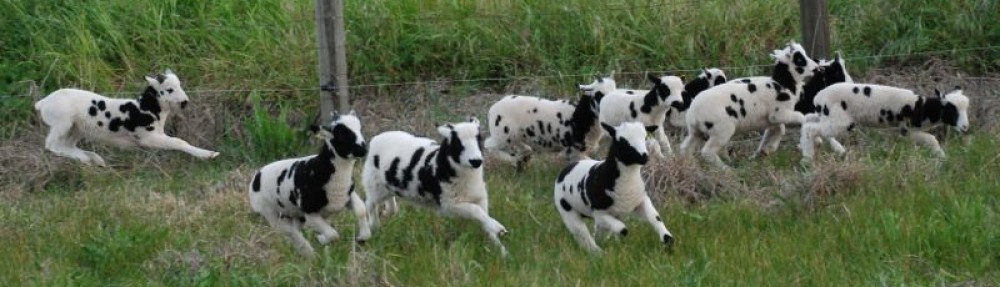
I planned to go on a hike today, but that was mid-day. Feeding sheep is first.

Sunrise viewed from the barn. After chores I drove to the newly opened 1500 acre Patwino Worrtla Kodak Dihii open space park managed by Solano Land Trust, outside Fairfield and only about 25 minutes from home. I had never been to this park but had read about the progress made on opening it for the public.

The park is usually open Friday through Monday, but there was a special New Year’s Day docent-led hike. There is good signage throughout the property so you can always figure out what trail you are on. We started at the Welcome Plaza at the bottom of this map. We saw the east half of the property, making it to the loop at the northeast and then back down the Bay Area Ridge Trail. That was just under six miles total.

This is oak woodland. The blue oaks are deciduous so they are bare now. The recent rains have brought the landscape to life with green grass.
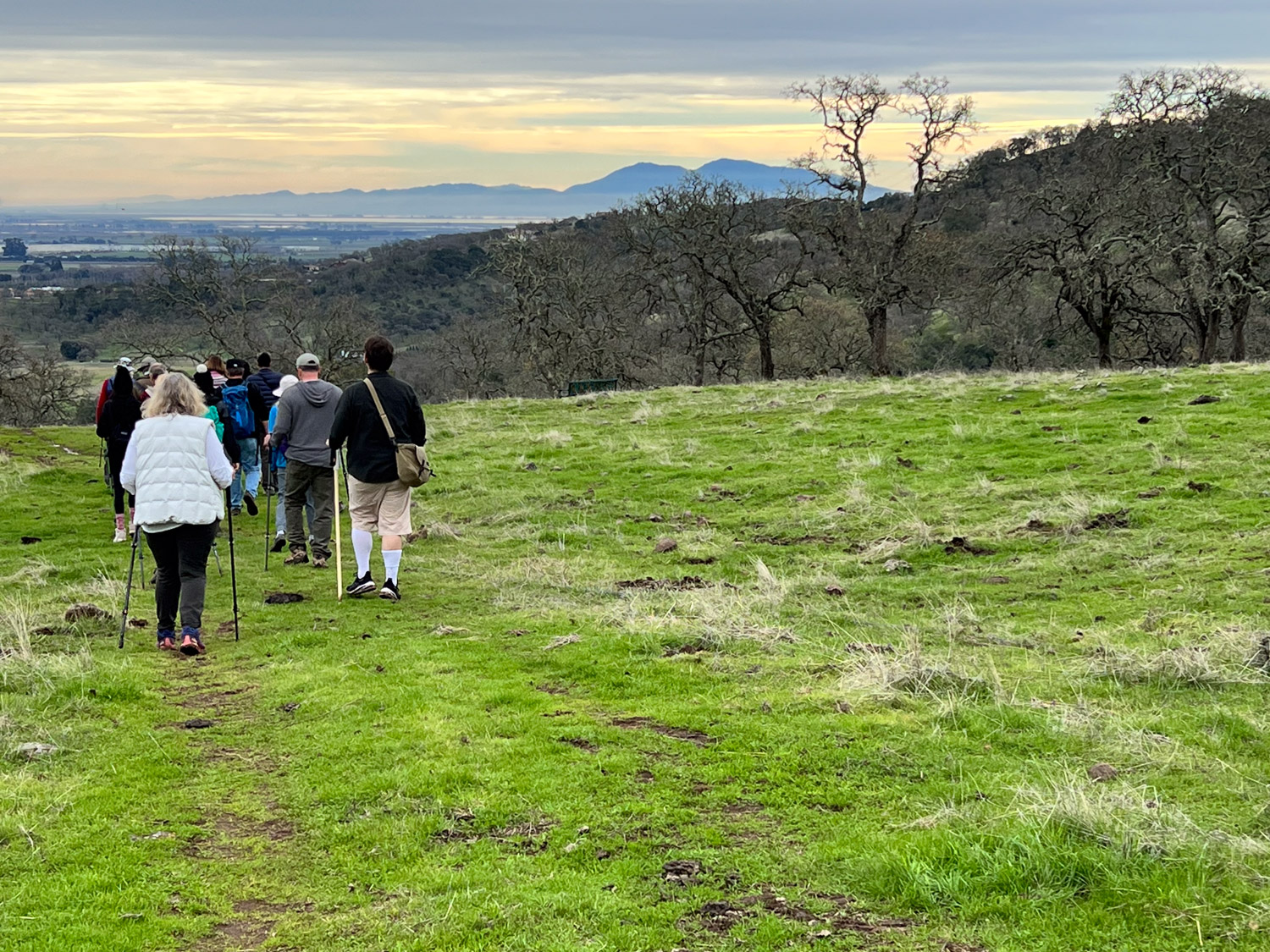
That is Mt. Diablo in the distance. That’s the mountain that features in many of my Across the Road photos because those are taken from the property just across Meridian Road where we live. Wikipedia says, “The Mount Diablo Meridian, established in 1851, is a principal meridian extending north and south from its initial point atop Mount Diablo in California at W 121° 54.845. Established under the U.S. Public Land Survey System, it is used to describe lands in most of northern California and all of Nevada.” DavisWiki says “Meridian Road is a north-south road, roughly located between Dixon and Vacaville. The Meridian refers to its location on the principal meridian for NorCal for the US Public Land Survey. If you were to travel due south from the road, you’d hit the peak of Mt. Diablo, a prominent geological landmark.”

The wind turbines along Hwy. 12 on the way to Rio Vista feature in the view to the southeast.
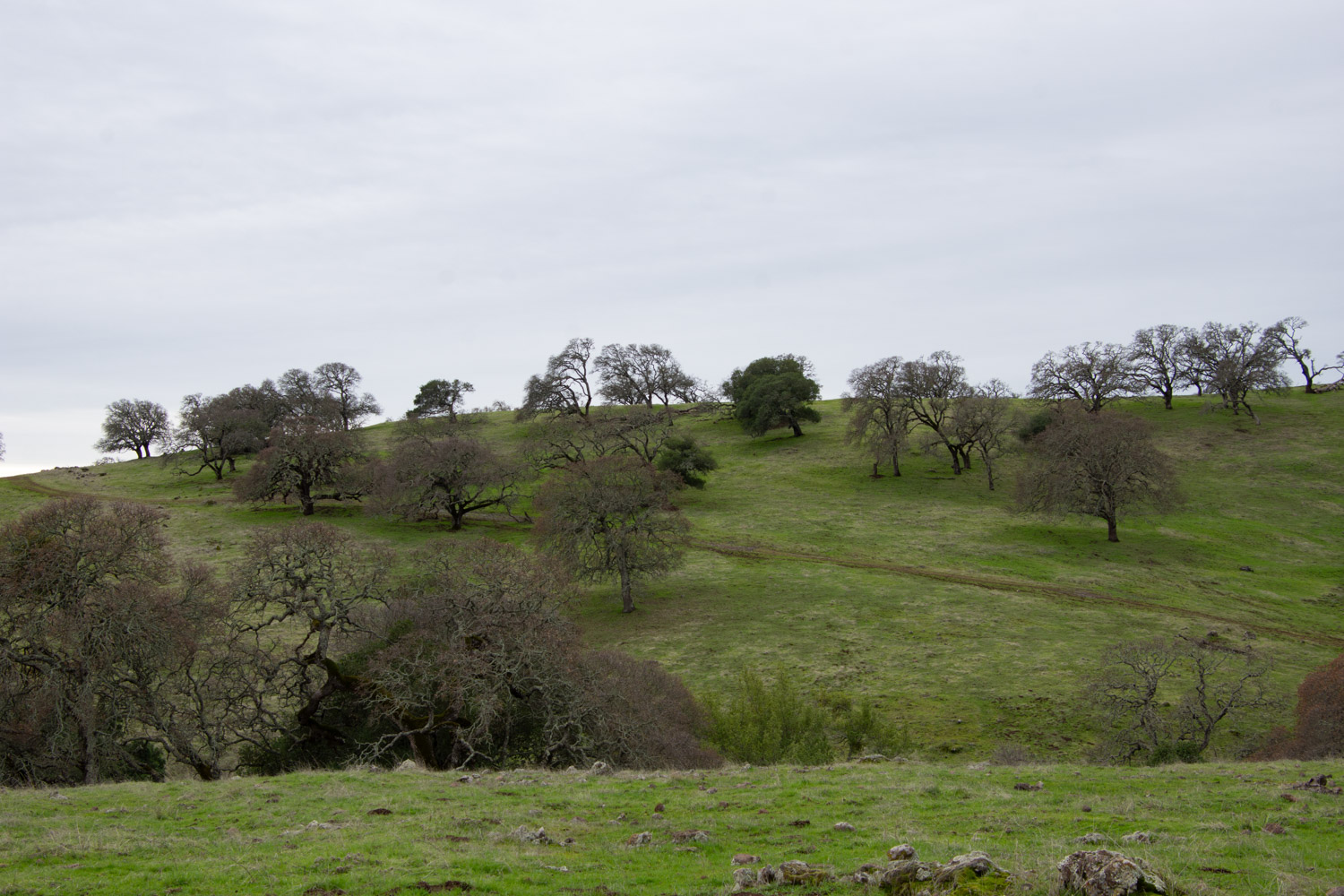
There are live oaks interspersed with the deciduous blue oaks.
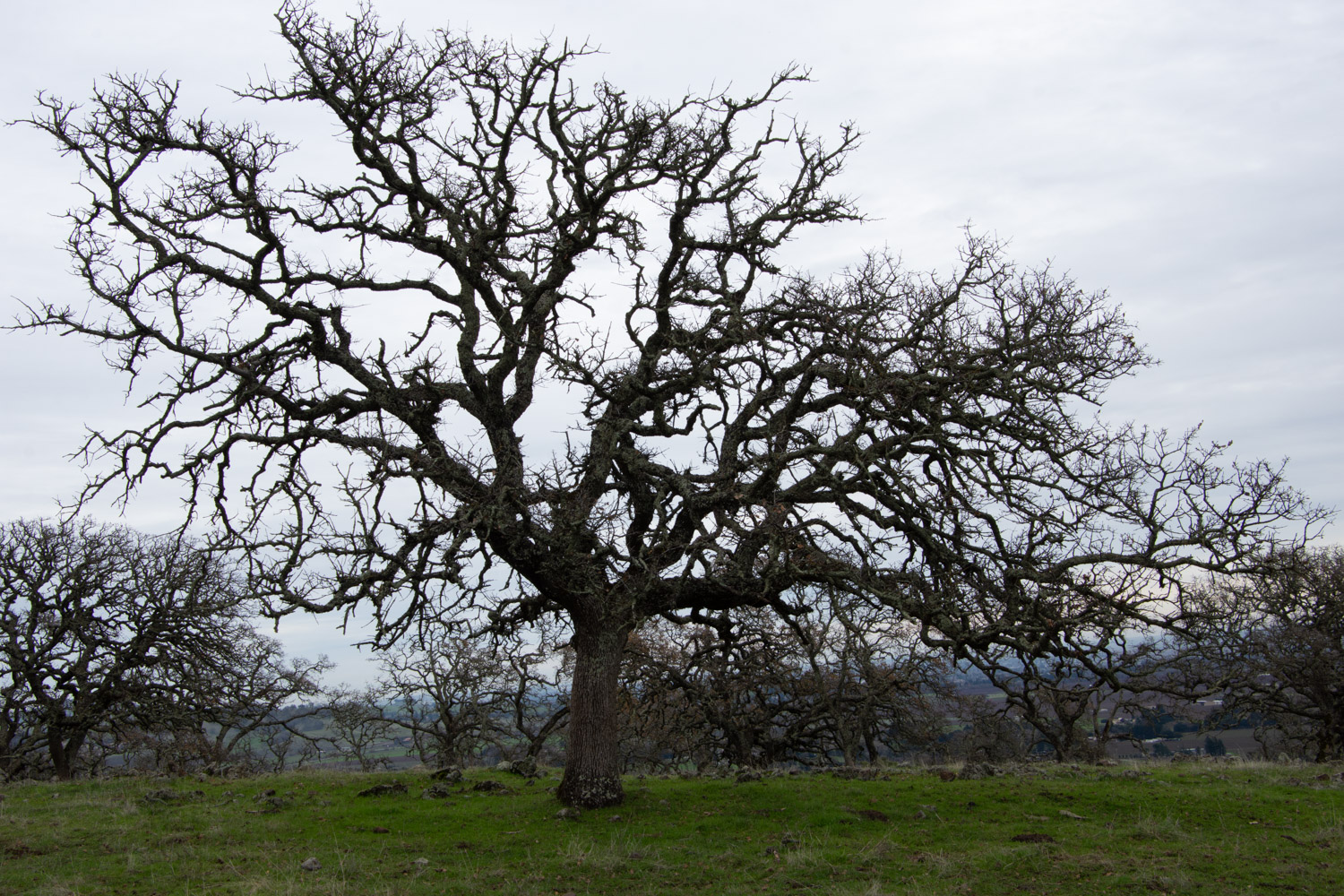
These blue oaks are magnificent with and without leaves.


Another view that includes Mt. Diablo. Hopefully I’ll go hiking there one of these days. I was there in 2020 and this is the blog post (on my website) about that.
I will definitely be back here in the spring for wildflowers.
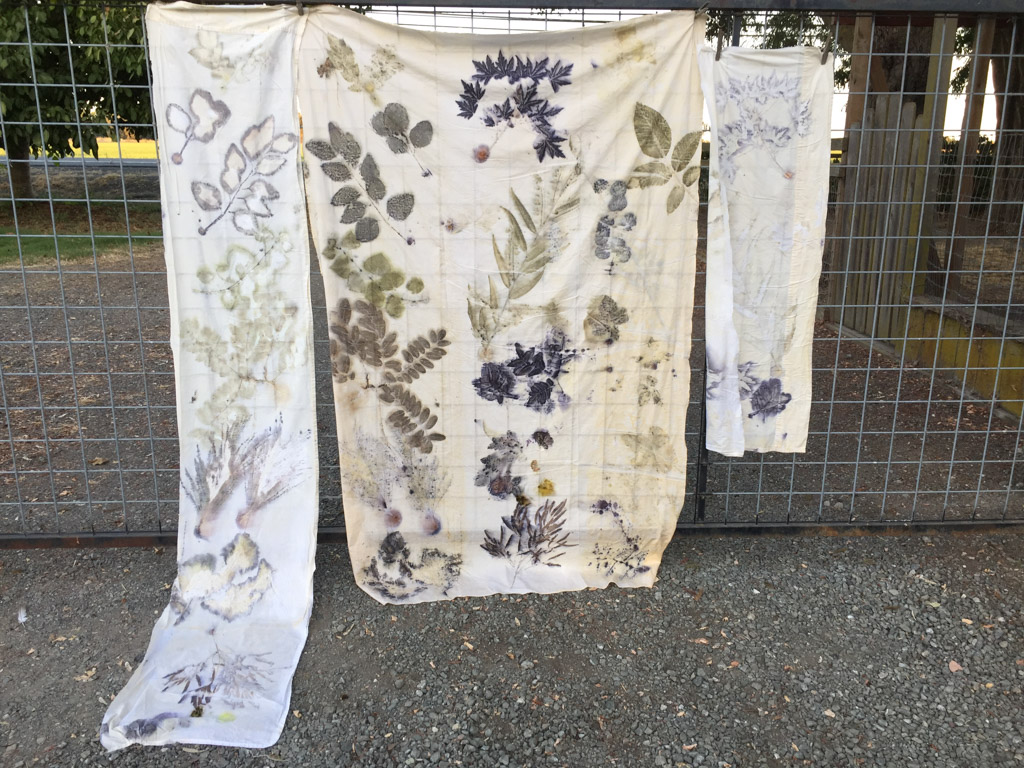 Before you print with plants you soak the mordanted (or not) fabric in iron or tannin (or not). Then you apply the plant material (possibly dipped in iron or not). You cover it with a “blanket” of cotton fabric and then roll the whole thing up with plastic on a dowel or in my case, 2″ PVC pipe and tie it tightly. Then you steam for 90 minutes. Why 90 minutes? That’s just because that is how long everyone else says to do it.
  I started with a map because I wanted my two fabrics to have the same plants in the same positions. I started with the top row of this map and covered it with the blanket material and plastic. Then I placed more blanket material (old cotton sheets), placed the plants on that (upside down from how I wanted them to appear) and folded over the middle third of the fabric. I placed more plastic to separate the middle and outer third layers and applied more plants. At this point I started to think of other plants I wanted to add so some of these were thrown on in between the others or tucked into the middle layer. The photo above the map is the second piece of fabric with part of it’s blanket fabrics, which by this time were any scraps that I could make work. You can see in the blanket fabric on the left the mirror image that was created.
 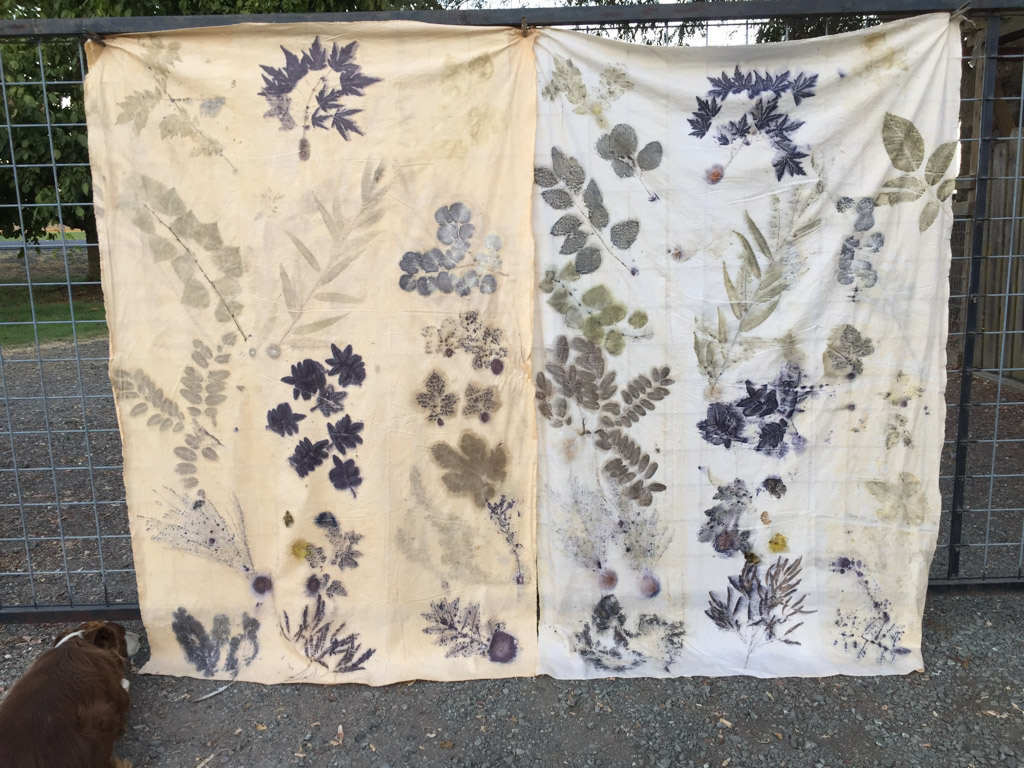 Here are the two fabrics I printed. Both were dipped in the iron solution before using them. The one on the left was the first one that I did. I think it looks a little less messy because I took more time with it. By the time I got to the second one everyone else was taking theirs out of the steamer and I wanted to hurry…and add more plants that I thought of. Differences: The one on the left was not mordanted and the one on the right was. I don’t know that it made any difference at all in how the plant material reacted with the fabric. Both were dipped in iron. Reasons for the difference? The first project (on the left) took me a lot longer because I was running around finding things like matches and hot pads, cutting PVC pipe, etc. I could see the fabric darkening as it sat out. By the time I got to the second one the iron bath had been mixed longer and I hear that the effectiveness is quickly reduced after it has been mixed. So was it the time the iron bath had been mixed? The time between dipping and steaming? The alum mordant on the right?
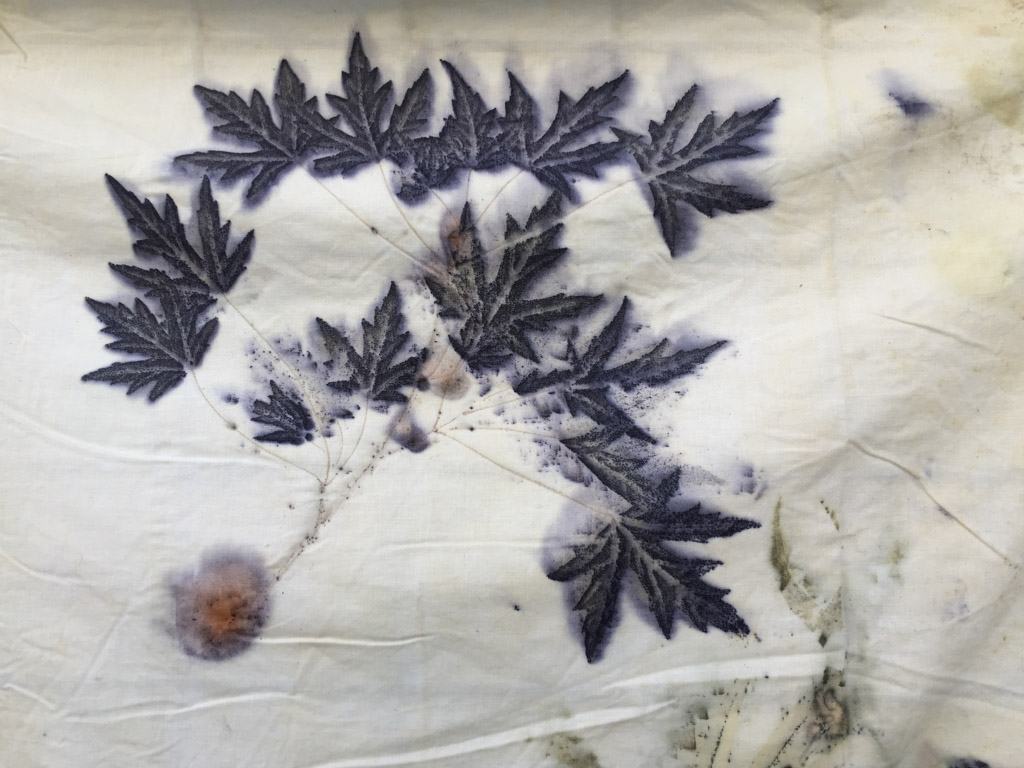 Maple leaves. When you see the spots that look like bulbs–those are the tannins leaking out of the stems in plant material with plenty of tannin. (At least that’s he explanation I’ve heard.)
 Oak branch.
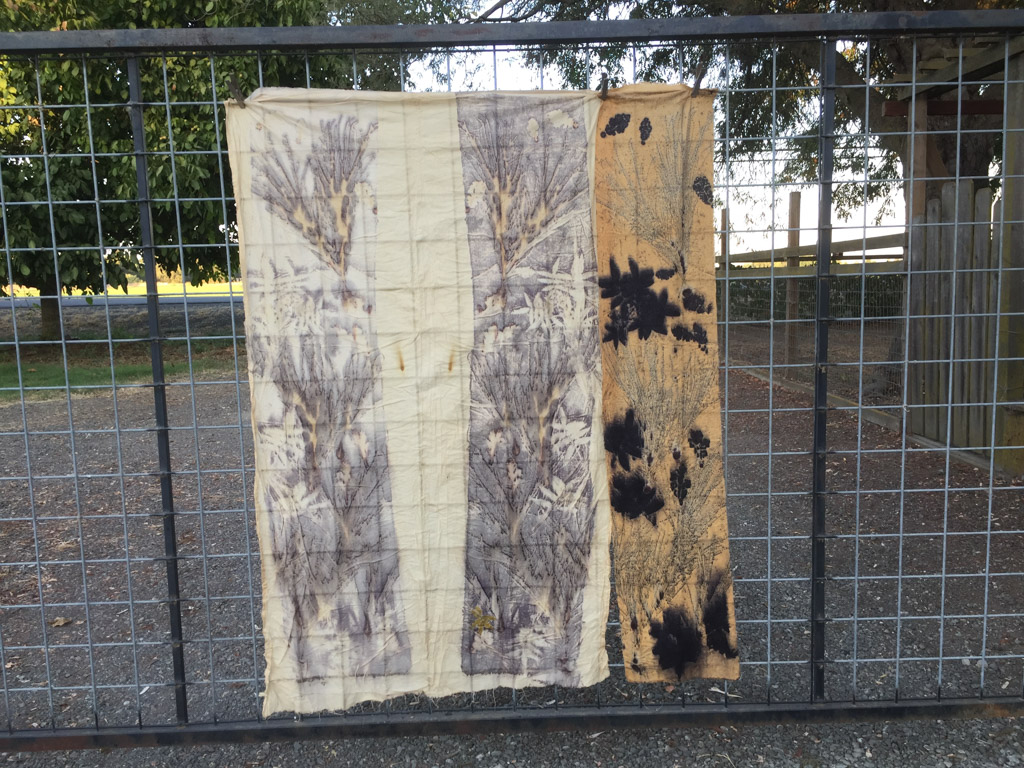 I dipped the silk (right) in tannin and the blanket material (large piece of cotton that I didn’t cut and instead just folded over) in iron. I used three plants on the silk.
 We were loving the effect of the sheoak (Casuarina sp) on some of the other pieces. That’s that wispy one that you see better on the silk. I had added Chinese pistache and oak leaves. Wow. Way too much tannin effect. The outline of the pistache on the blanket fabric is pretty but it doesn’t look so good on the silk. Note to self–use one leaf, not a branch, and maybe even that would be too much. I lost the definition in the oak leaves as well.
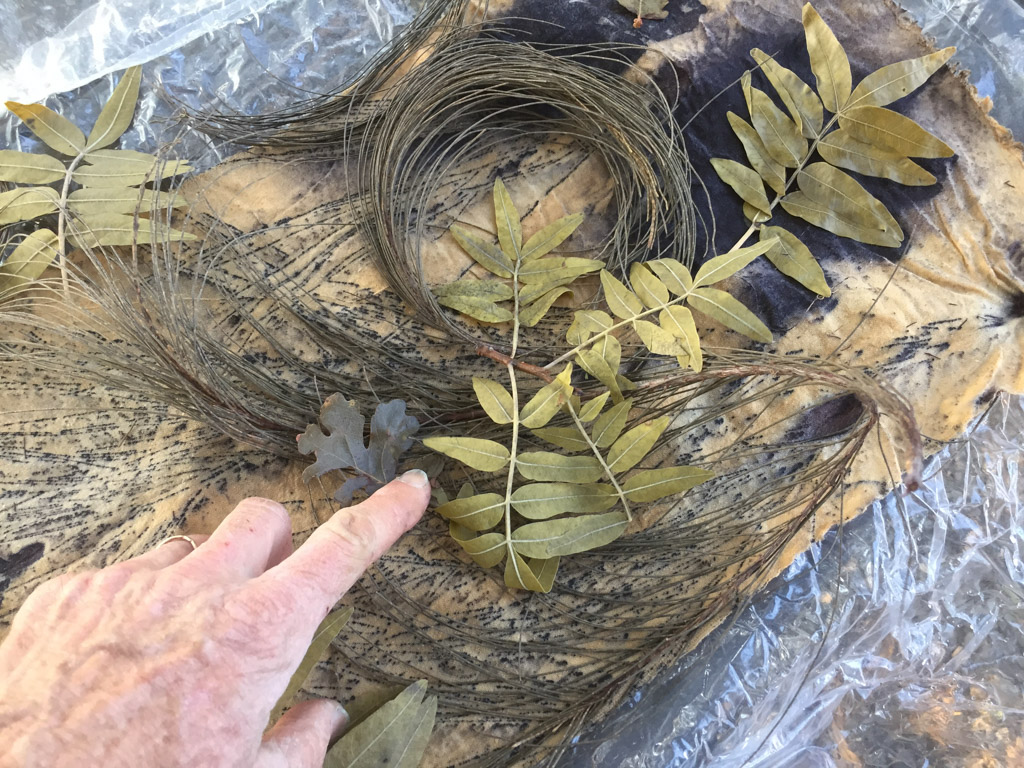 Here are those three plant materials after dyeing.
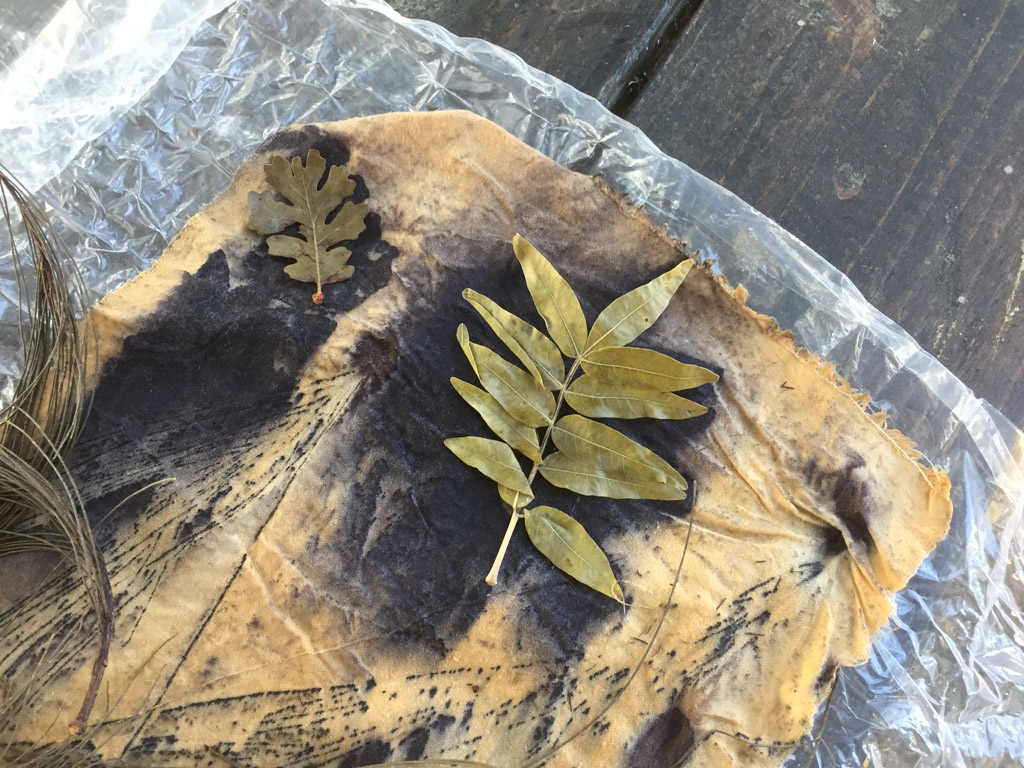 Another view of the oak leaf and the Chinese pistache.
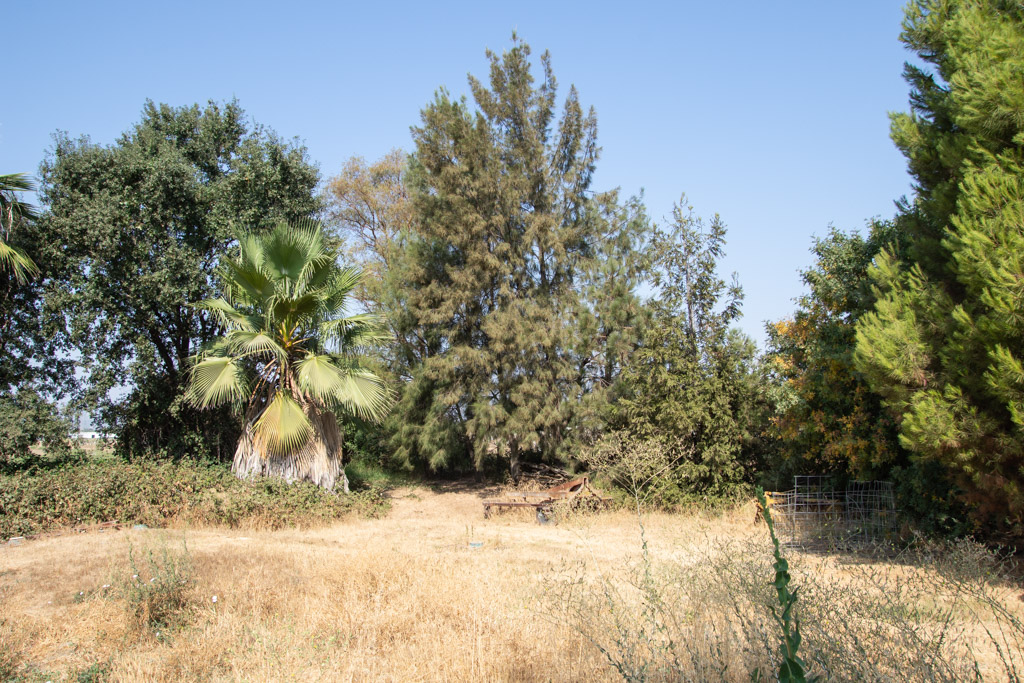 I went out back to photograph the trees. Oak on the left with a palm in front of it. The sheoak is the tall feathery looking one and the smaller tree turning yellow is the pistache.
 I brought some of the oak leaves in to check ID because I wasn’t sure which oak this was (Valley Oak). Look at what a community of other things is on the underside of the leaf. There are two different spiders there as well as…
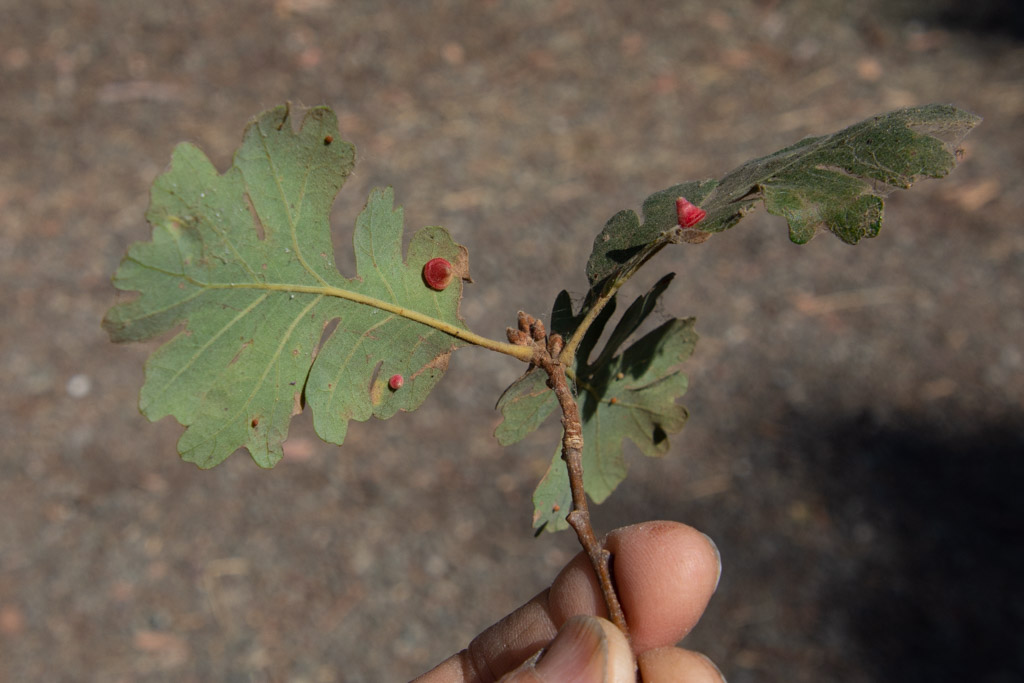 …these growths that were described appropriately enough on-line as “miniature chocolate kisses covered with red foil”. These are the response of the tree to the Red cone gall wasp, a tiny (fruit-fly size) wasp that “lays her eggs inside the leaves of the host tree. They hatch and start eating the leaf, which causes the plant to form a hard structure in order to wall off the irritant. This gall is just what the insect needs, though: more plant tissues to eat. The larva pupates and develops into an adult wasp before it emerges.” This oak has plenty of the big round oak galls too. I think that I may have to take some photos and write another post about the dozens of things living in this tree.
 Meridian Jacobs' Blog