Unknown's avatar

About Robin

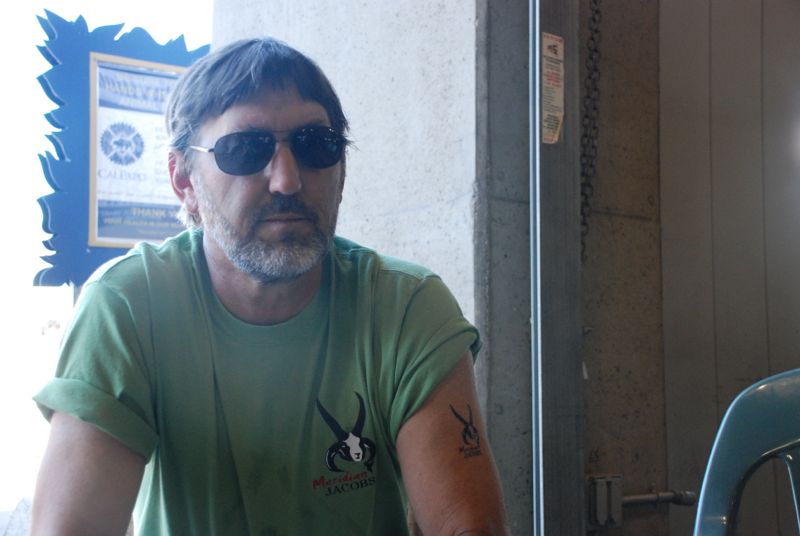
Owner of Meridian Jacobs, farm and fiber shop. I raise Jacob sheep, teach fiber arts classes, weave handwovens for sale, and manage the store.

JSBA AGM (Colorado – Day 1-3)

We crammed a lot into only a couple of days. AGM (Annual General Meeting) is always fun because you see people who you may only see once a year (or less). Because the AGM is held all over the country and at different times of year, not everyone can go to them all. There was a pretty good turnout in Colorado. Here are some photos of the activities.
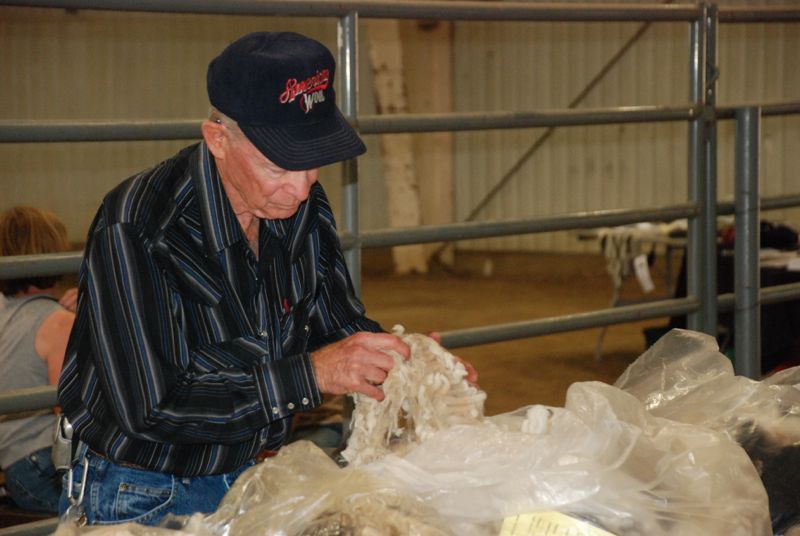
Friday evening wool show.
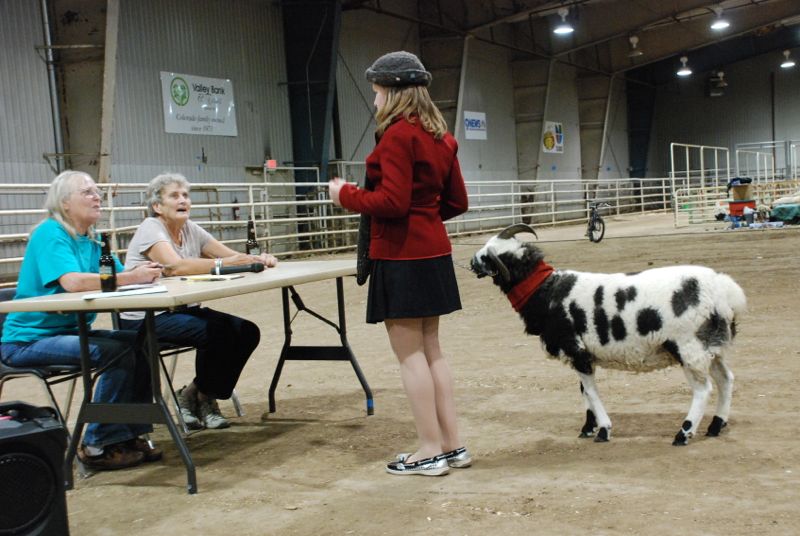
Friday evening Spinners’ Lead contest for juniors…
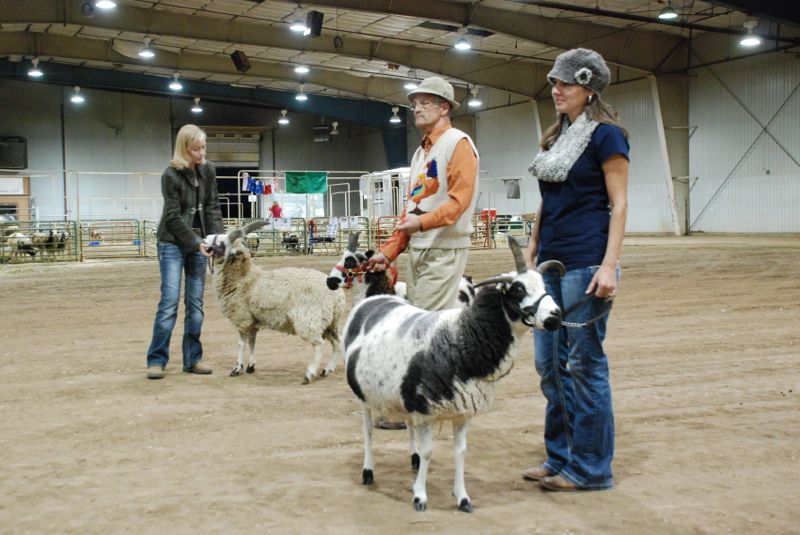
…and for Seniors.
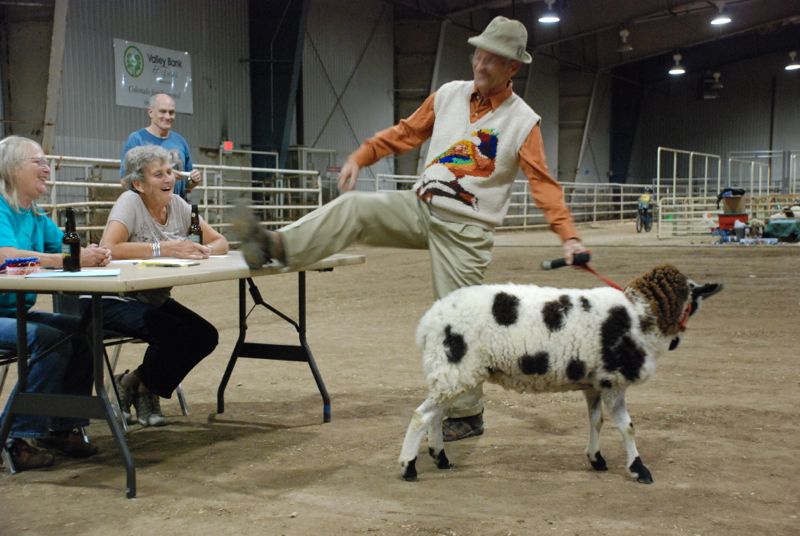
“Make sure that you see the socks too.”

Saturday morning sheep show.

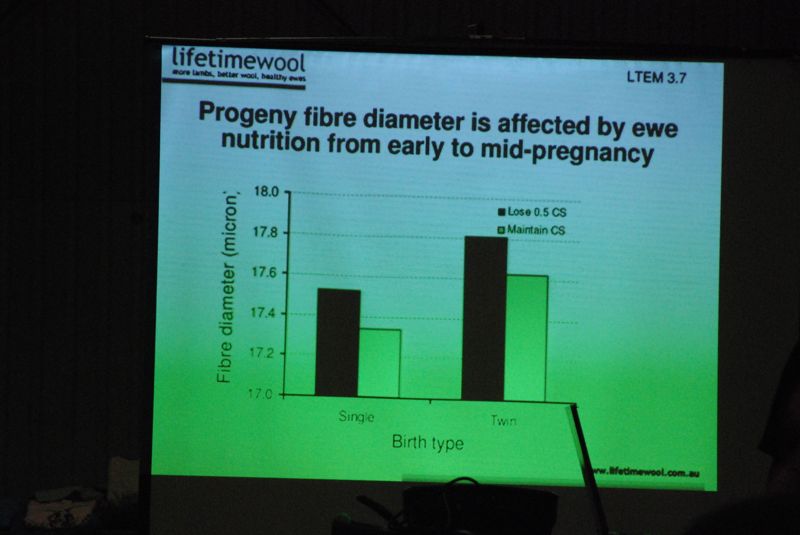
Saturday afternoon presentation about The Effects of Nutrition on Fiber Production.

Also Saturday afternoon–AFD (Average Fiber Diameter) testing for anyone who brought wool samples (or took scissors and cut samples from the sheep that were there). This is Ron Cole from ASI, who taught the Wool Handling Workshop in California a few months ago. He brought the OFDA (optical-based fiber diameter analyser) used to measure wool samples and I think he ran about 200 in the few hours he was there. AFD and some of the other statistical measurements are of importance to sheep farmers because it is AFD that determines the best use and the market for wool.
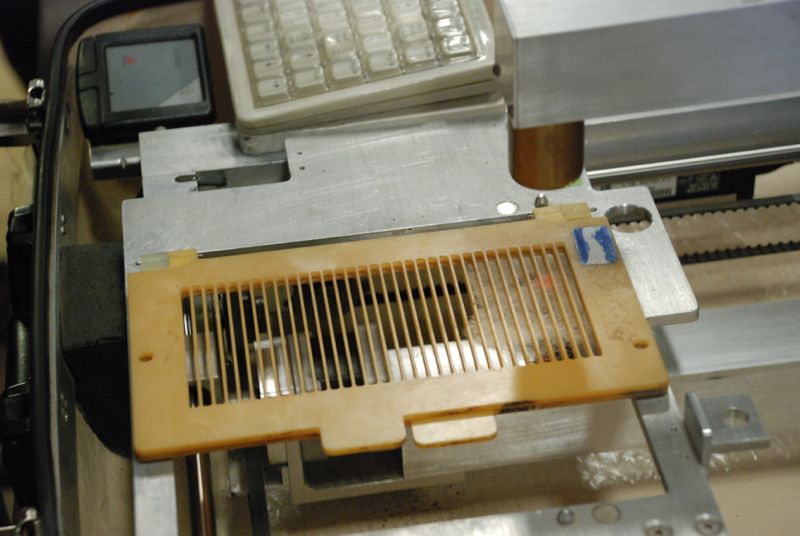
A wool sample is placed between two screens and thousands of measurements are taken in a few seconds time.
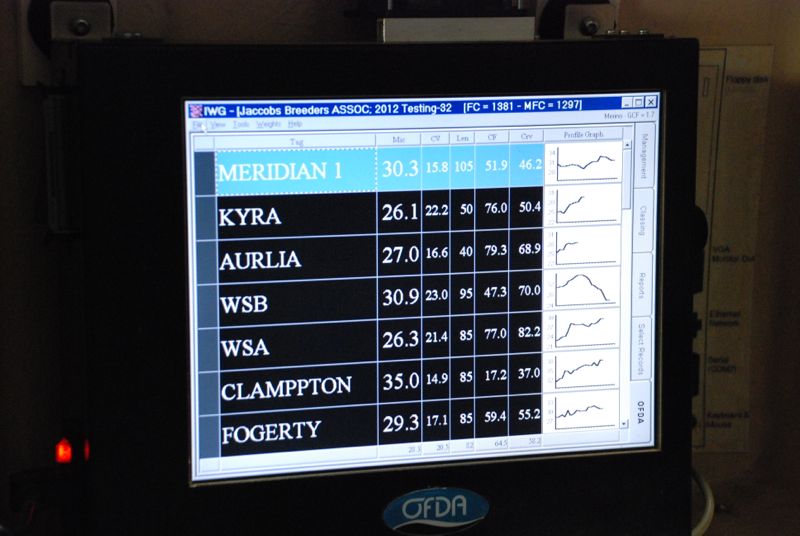
This is the information you get from the scans. I usually send in wool samples for all my yearlings so that I have micron data for each sheep at a consistent age. When they are sent to the lab you get this data back in printed format.

I should have taken a photo of dinner. It was fabulous Jacob lamb prepared by students in the meats lab at Colorado State (I think I have the school right) accompanied by corn, potatoes, and Colorado peach cobbler.
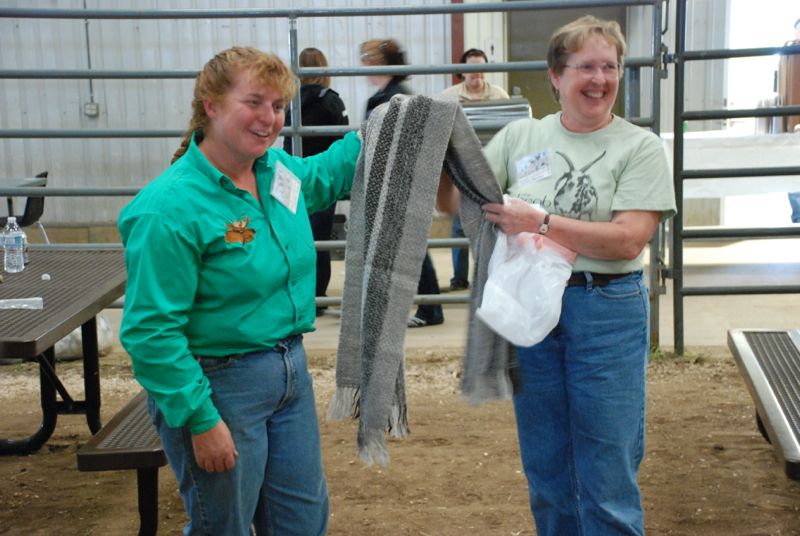
After dinner there was a brief meeting and presentation of a Jacob wool shawl (made by me) to Jennifer, who organized the event.
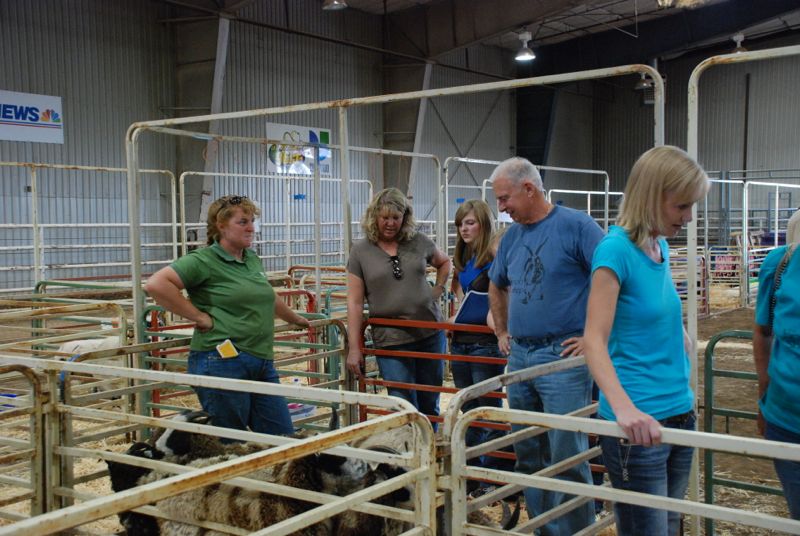
Throughout the day there was plenty of sheep shopping and trading going on.Most people who were hauling sheep left early Sunday morning. Some of us stayed around and drove a couple of hours up in the mountains to the Lonesome Stone Fiber Mill in Granby.
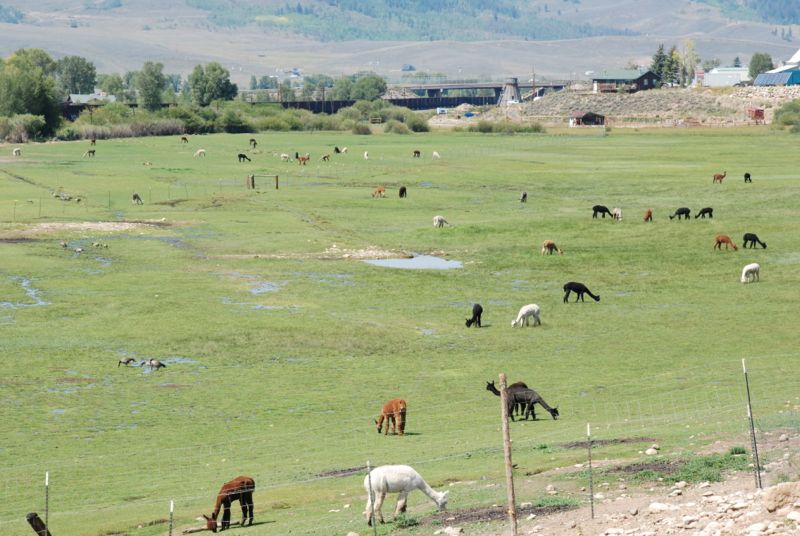
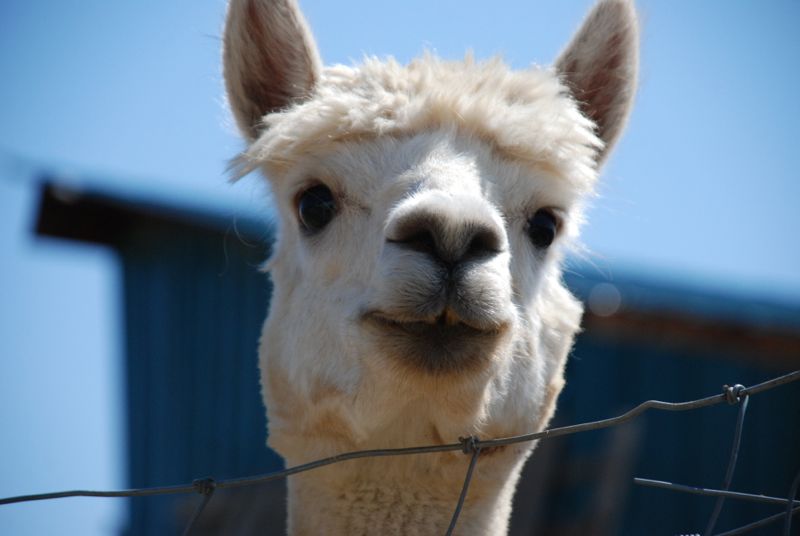
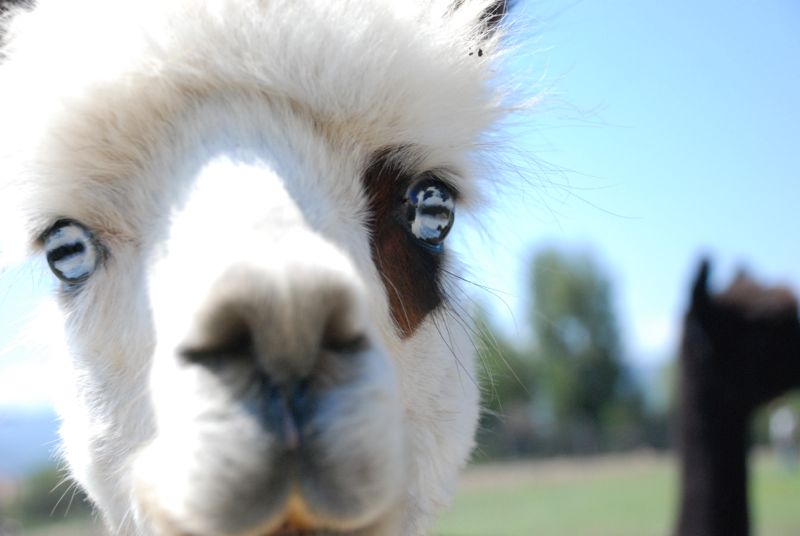
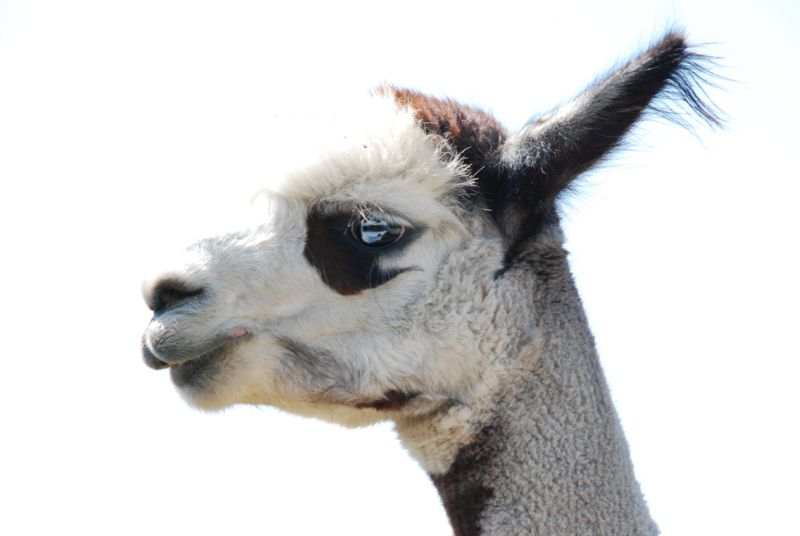
What a beautiful area! Lonesome Stone currently has about 250 alpacas. We spent some time visiting with the alpacas before seeing the mill.
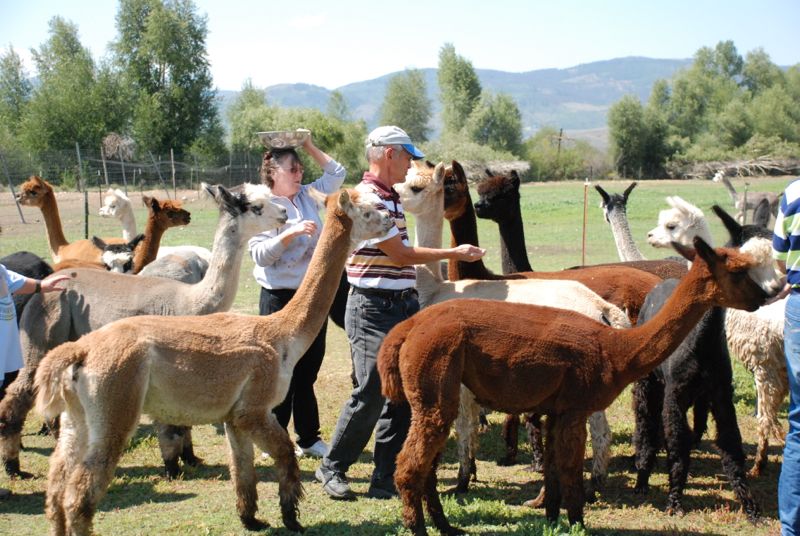
Note the bowl on the head method of bringing alpaca treats to the field. Once the bowl was lowered the treats were gone within seconds.
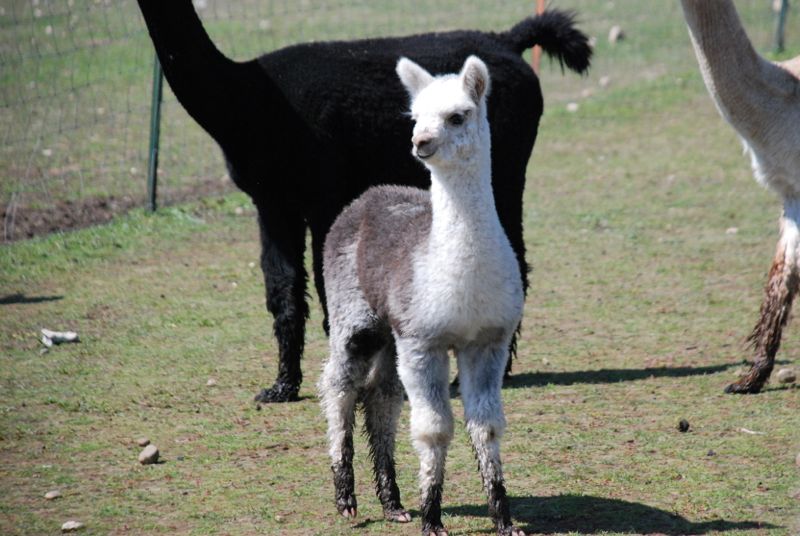
Isn’t this a cute baby?


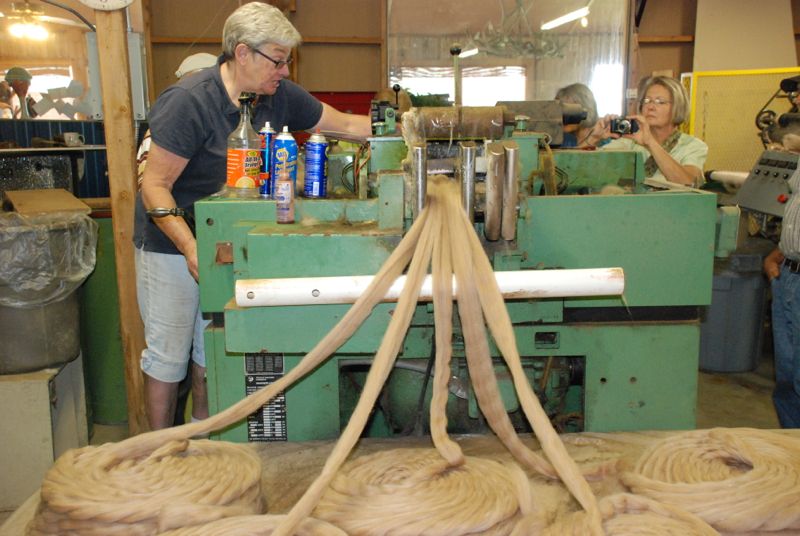
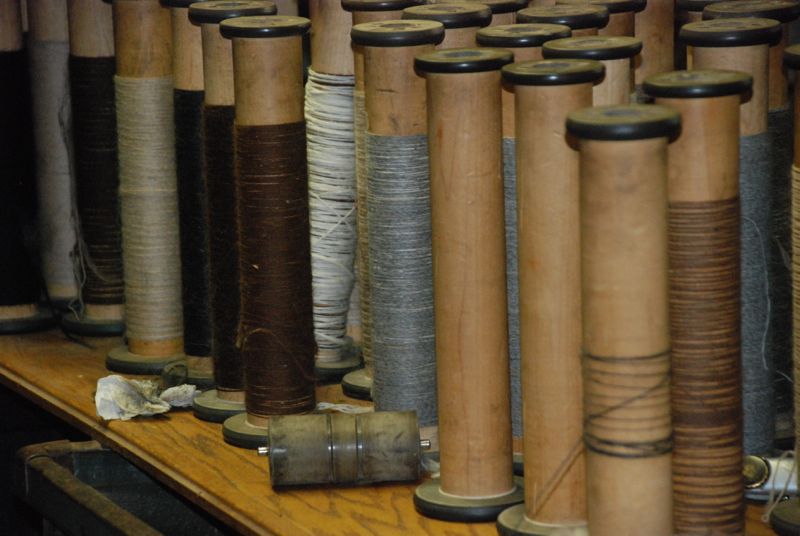
Lonesome Stone is a favorite of alpaca growers, but they also process wool and any other fibers. When a producer sends raw fiber it is scoured, picked, carded, pin-drafted, spun, and plied. The yarn produced is beautiful. This is carded fiber going into the pin-drafter and coming out…
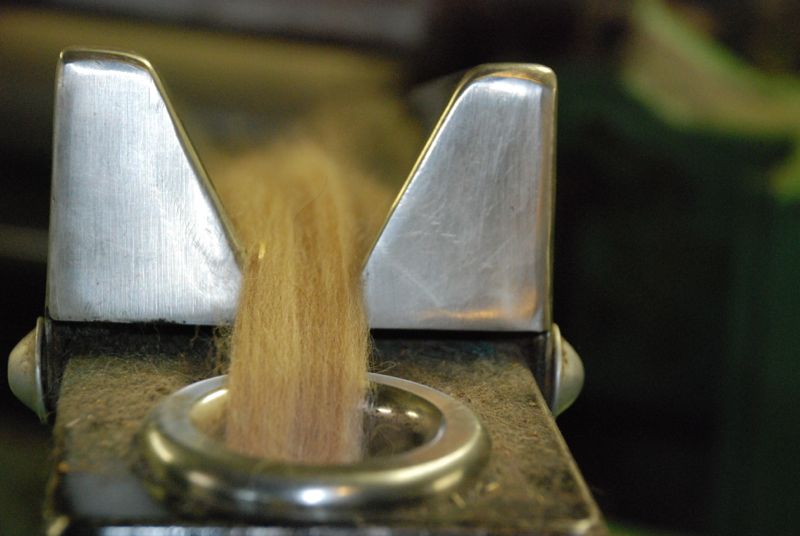
…like this, ready to be spun.


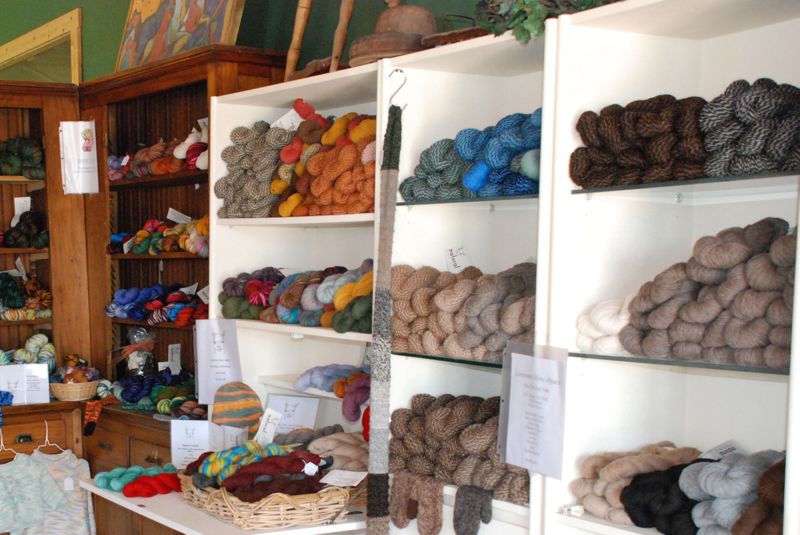
This is a corner of the store where the finished yarn is sold. Oh, did I say that Lonesome Stone also dyes the yarn?

After this field trip I drove 3 hours to Colorado Springs to visit with my husband’s sister and brother and their spouses, spending the night north of Colorado Springs. I left for the airport about 8:30 and got home around 4:30 p.m. It was a great weekend, but I am glad to be home. Tomorrow I’ll be on the road at 5:30 a.m. to pick up my new sheep!


Trip to Colorado – Day 1 (2nd half)

I am now at my brother-in-law’s house in Colorado Springs and my computer is plugged in. I will finish the post of Friday’s Events, but it seems like ages ago now. When I ran out of power last night I think I was including photos of things I thought interesting at Schacht Spindle Company…

Image

…Like these rope twisters.

Image

And this beautiful tapestry of Barry and Jane, their family, and other things of significance.

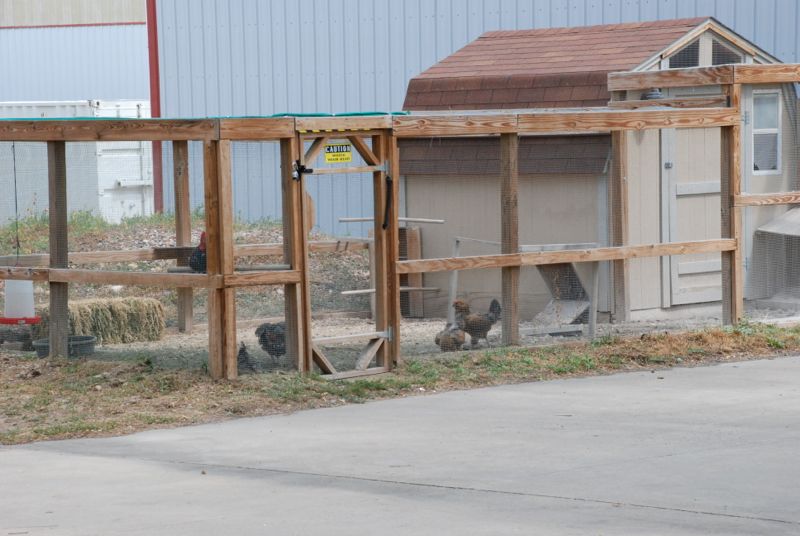
ImageHere is a farm related photo. This is a chicken coop outside of the building. Employees can sign up for chicken duty for a week. The employee who takes care of the chickens for the week and cleans the pen at the end of that time gets the eggs for the week. There are also garden plots that employees can use if they plant and maintain them.

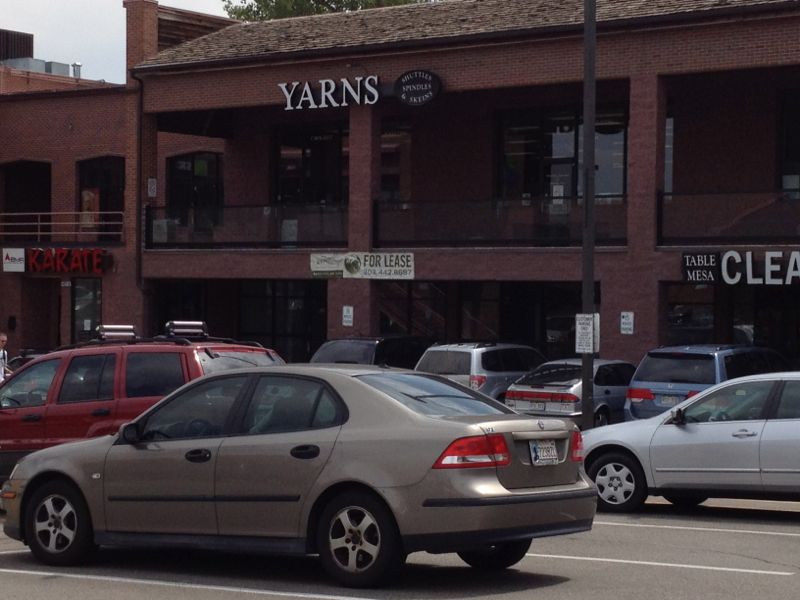
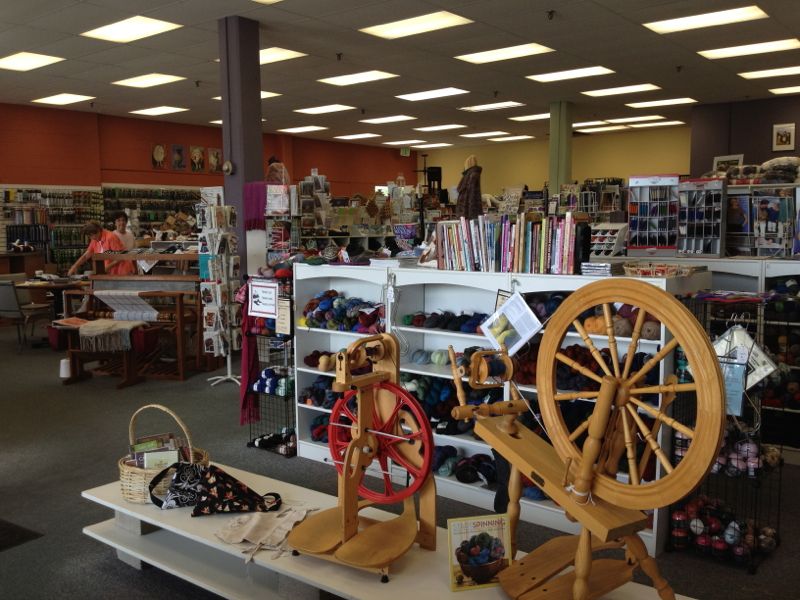
After touring the business I drove to Shuttles, Spindles, and Skeins, the yarn shop in town. ImageBelieve me, this is not your average yarn shop.

ImageHere is what you see when you enter the shop.

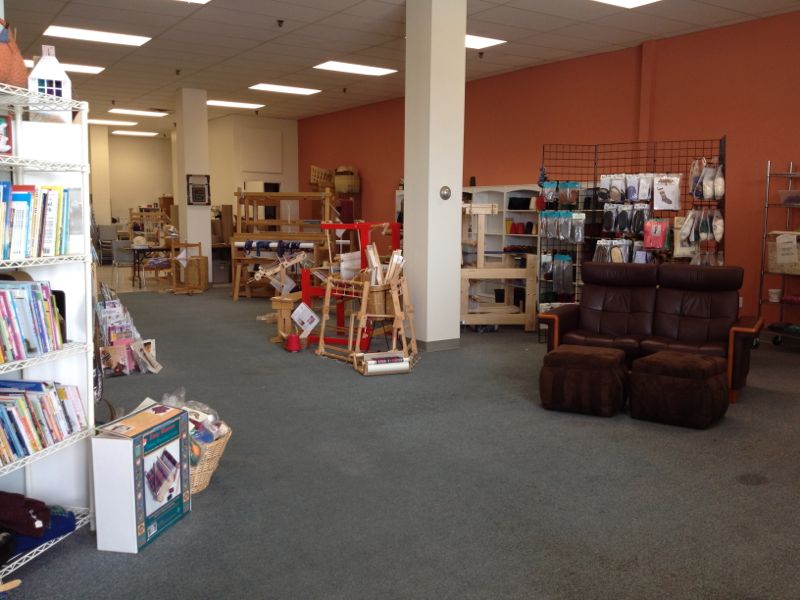
ImageTurn to the right and enter this room with coned yarn (off to the right of the photo), looms, wheels, and workshop space. Walk through this room into:

Image…this classroom. You could probably fit 15 of my shop into this room alone.

ImageThis is the other end of that room. Look at all those looms!
Image

This poster caught my eye, partly because I had just been reading about the idea of “yarn crawls” in the Yarn Market News. Wouldn’t this be a fun idea in our area?

Changing gears. I left Boulder and drove to Henderson to the Adams County Fairgrounds where the JSBA AGM was to be held.  That will be the next post. Good night from Colorado. (My posts will be behind because I’ll probably be home before I write the next one.)

Trip to Colorado-Day 1

I flew to Colorado to attend the annual meeting of the Jacob Sheep breeders Association. The gathering started on Friday afternoon so I planned the day to include a side-trip to Boulder to visit the Schacht Spindle Company. I carry Schacht equipment in the shop so I thought it would be fun to have a tour of the business.

Here is the first look into the factory/workshop area. Looks confusing, doesn’t it? There is a lot to see, but I’ll just pick out a few photos to share.

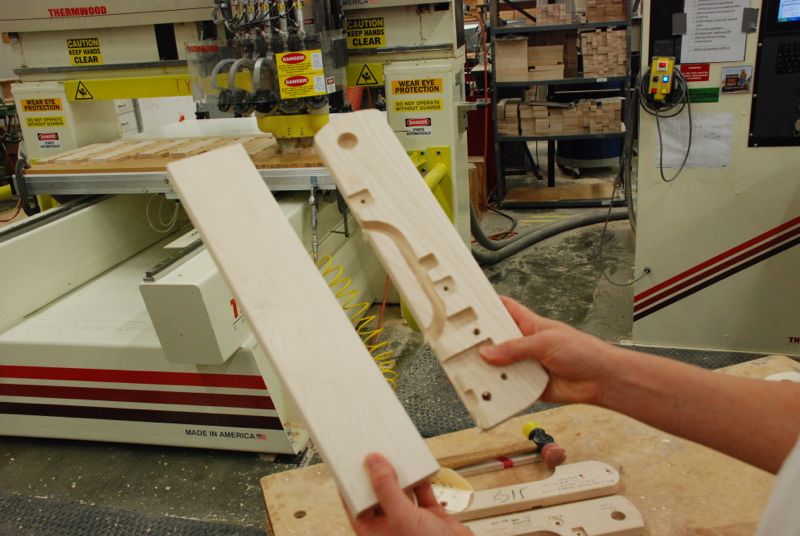
There are several big, fancy, and I’m sure very expensive machines like this one.

When you look closely you see that the machine is drilling and changing the block of wood on the left into the one on the right. This is one side of the Flip loom.

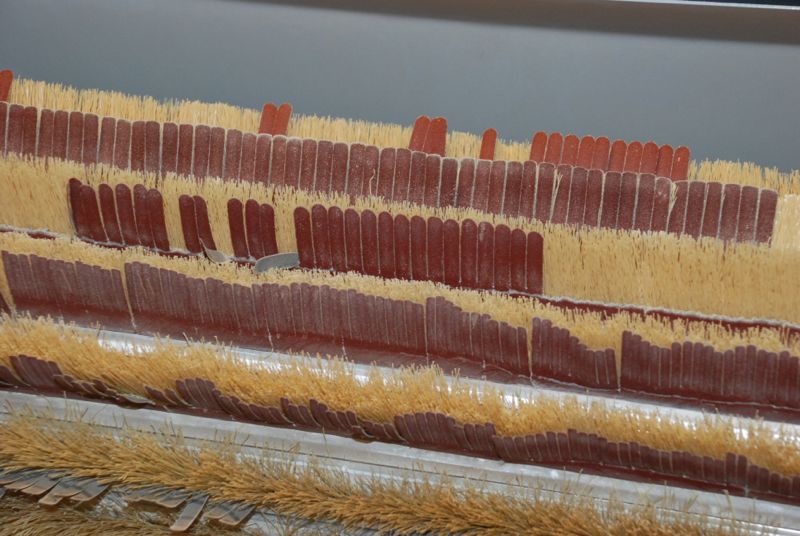
Each piece is sanded using a variety of machines–ones that do flat surfaces, ones like this one with stiff bristle rollers that sand inside all the crevices and holes.

Each piece is dipped in Danish oil. I love the smell when I open a box of Schacht products–I now associate that oil smell with new toys!

Work is done under the watchful eye of Elvis. (There is a sentimental story behind this.)

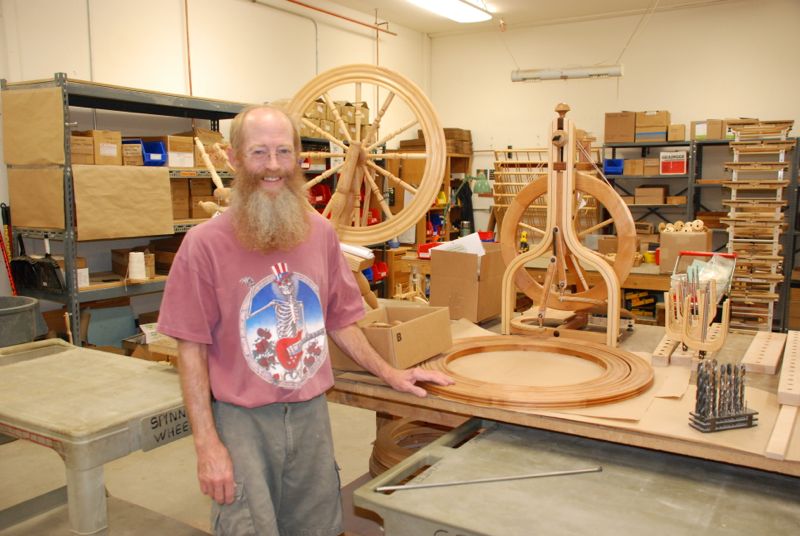
This is the room where the spinning wheels are put together. You know me with names…I can’t remember this person’s name but he puts together all the Schacht-Reeves wheels.

I am in my motel room. My computer just told me that I am on reserve power and it’s going to go to sleep in a minute if I don’t plug it in. I can’t find the power cord and I hope it’s in the car. I have to quite now. More later. I hope I have time to upload this.

Pasture Maintenance

Nothing very exciting in this post.  But I spent all day Sunday in the pasture  after thinking the job at hand would take only a couple of hours.  I find that I am always writing blog posts in my head so here it is.

I started by mowing the paddock that the sheep had just been grazing. Now that I have my mower (never meant for this heavy duty work, but so far still working) I have been working on the dallisgrass that gets ahead of the sheep this time of year. In the past I have tried burning, trampling, weed eating (photos and past efforts in this post and this post and this post), but I think this mower will be the answer. It is at the south end of my pasture(right side of the photo) that the dallisgrass gets so thick and tall. The idea is to mow right after grazing and then everything has an equal change of regrowth, and the dallisgrass will be in a more palatable stage and the sheep will keep up with the growth.

In this photo the paddock that I just mowed is to the right. The sheep grazed the one on the left a few days before. I mowed that one that last time they grazed it and that made a big difference. I shouldn’t have to mow after each grazing–maybe once or twice per season I think. Notice the fence-line. That is a 3-wire electric fence and this was the other thing I wanted to deal with on this day. I have been putting off cleaning up the fence-line with the weed eater, but when you can’t even see the wire, it’s time. I have already used the weed-eater in the area where you can see the wire. This dallisgrass is tough. I have the heavy duty string on the weed-eater and it still gets used up quickly.  Slow-going. It took me about 3 hours to finish this fence-line.

Speaking of problem plants, here is another. This is what the medusahead looks like when it’s dry. There are plenty of posts about my battle with this noxious weed also. This is along the perimeter fence.

And lets not forget devils-claw. This one isn’t so bad because I don’t have much of it and it is easy to chop out the big plants. It doesn’t invade the irrigated pasture, but is along the edges where it is dry.

What is the problem with devils-claw? See the fruit? See those curved, pointed ends? When the fruit dries it splits in two and those curved points get caught in wool. I’ll show you other photos sometime. This is seed dispersal in action.

Moving on to other plant problems. This is the small blackberry bush on the west fence. On this morning I actually had breakfast here because the berries are ripe, but in general the blackberry bushes become a problem when they cover the electric fence as they do on my west fenceline. (Note wheelbarrow full of devils-claw.)

I started irrigating Sunday evening. Here is a spot that I hoped to get water to this time. The last few times I irrigated the water didn’t get here.

This is the pathetic state of the trefoil that didn’t get water.

Here is what it looks like where it was irrigated.

And here is a view of a paddock that has had plenty of water, has a manageable amount of dallisgrass,and hasn’t been grazed for a few weeks.

This is  self-portrait of the irrigator.

Farm Field Trip

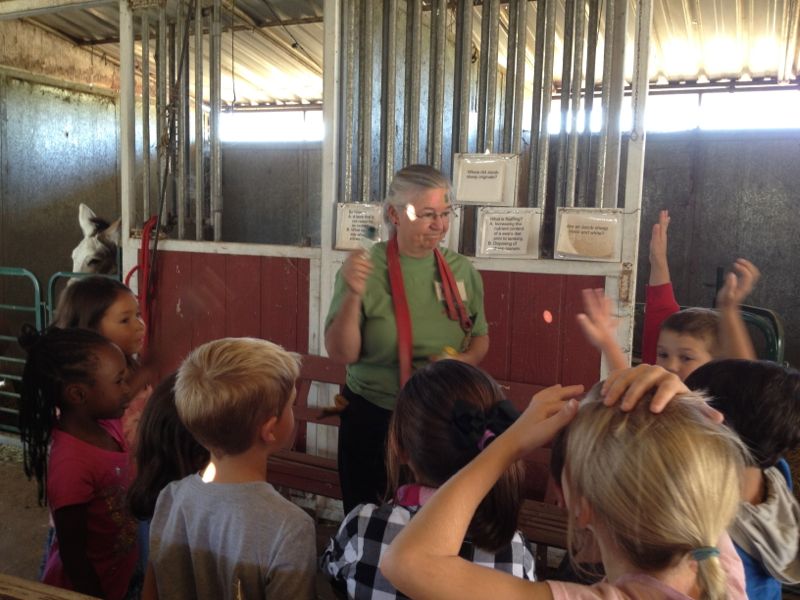
Today I hosted a field trip for 24 six and seven-year-olds and their accompanying adults. Thanks to the Farm Club for helping me out yet again. Kathy, Dona, Mary, and Maggie (Mary’s daughter) all helped with the kids. We split into two groups for petting animals, learning the differences between hay and straw, sorting “sheep” in the chute (with shoe-laces, without shoe laces), etc.  I don’t have many photos because we were busy with the kids but I caught a few.

I always ask the kids if they think I have crayons in the barn. They say “no” and then I show them my crayons. 

Image

Kathy demonstrated how we use crayons.


Image


Image


The demo turned into the farm version of face-painting.


After the groups got back together, Rusty showed how he works sheep. 

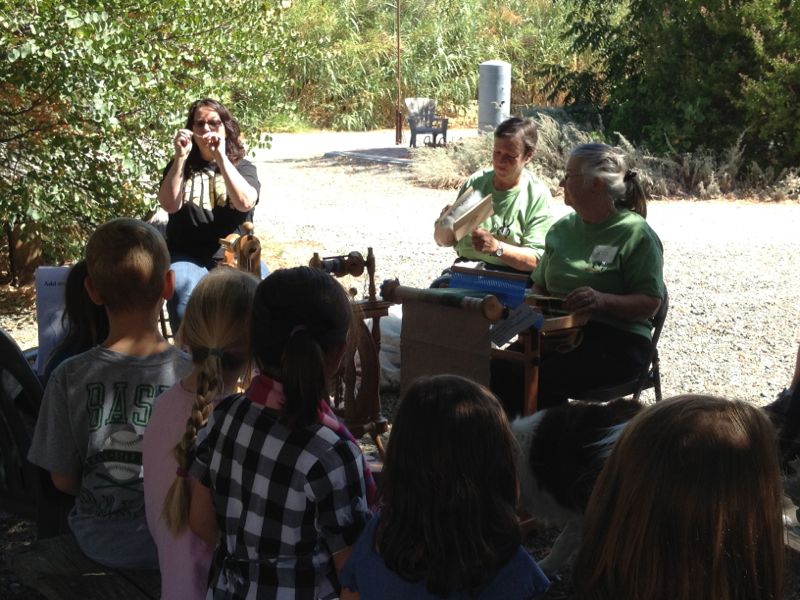
ImageThen the kids watched us demonstrate carding, spinning, and dyeing. We read a story, gave them all a postcard with Rusty’s photo and they got back on their bus. Us adults retreated to the shop for de-briefing and visiting with the A/C going. Thanks Farm Club!


CA State Fair

The sheep show is during the last 4 days of the CA State Fair although my ewes with lambs were there for the whole three weeks.

Mary is a 5-time veteran of the Livestock Nursery.

My main focus of the sheep week is the award given for the Marketing Program. This is a stiff competition that is awarded for the display in the sheep barn. I didn’t change last year’s display very much but I tightened up some things that I wasn’t happy with last year. I also learned to make a DVD with several of the videos that I’ve been working on (some of which are on YouTube) so I had a 45 minute loop that included lambing, lambs playing, and Farm Club.


I wasn’t sure how people would react to the lambing video but it certainly caught their attention and most people were in awe.


My friends and I demonstrated spinning and drum carding and that meant that we had a crowd around the exhibit most of the time. In fact this year we were given an area where we could expand into the wide alley.

The real reason to be at the fair is the sheep show. I gave Fogerty to my husband to show because that ram is so strong and I didn’t want to risk him getting away from me. However, Sullivan didn’t cooperate too well. We switched places and Sullivan followed Fogerty without trouble. Fogerty placed 3rd in this class that included Shetlands and St. Croix sheep.

The best placing of the day was my young ram who placed first in his class…

…and then Champion Ram of the Primitive Breeds show.

The most exciting awards for me were presented at the end of the four days.


I finally won the 1st place Marketing Award (that’s one of the leather banners) and Best Educational Presentatation in the Sheep Show and overall for all the livestock divisions at the fair! Should I retire while I’m ahead?

But that’s not all there is to the fair. Here are some other photos I like:

Farm Club members, Mary and Dona, cutting up temporary tattoos for give away.


Here is how the tattoos look in use.


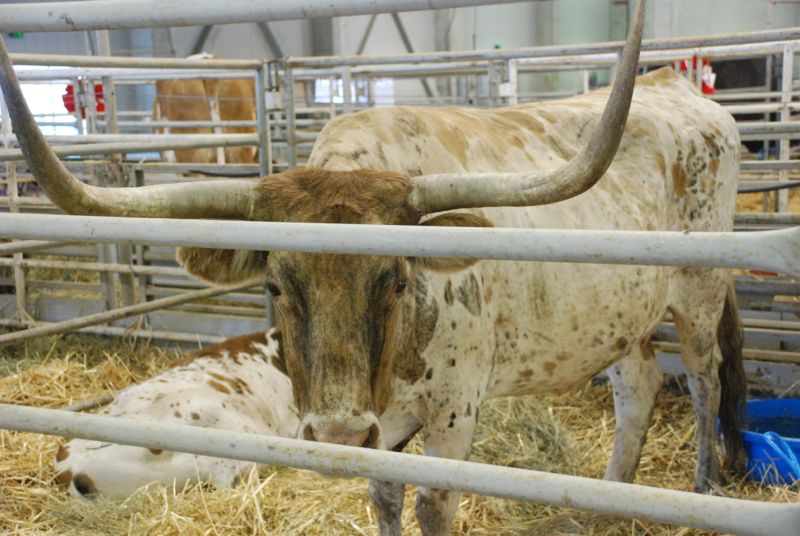
There were other animals with horns in the barn.


And other animals with nice fiber.


Animals that combined horns and fiber.


But look at the Supreme Champion Merino ram owned by Terry Mendanhall…


…and see his fantastic fleece.


The Younger Generation

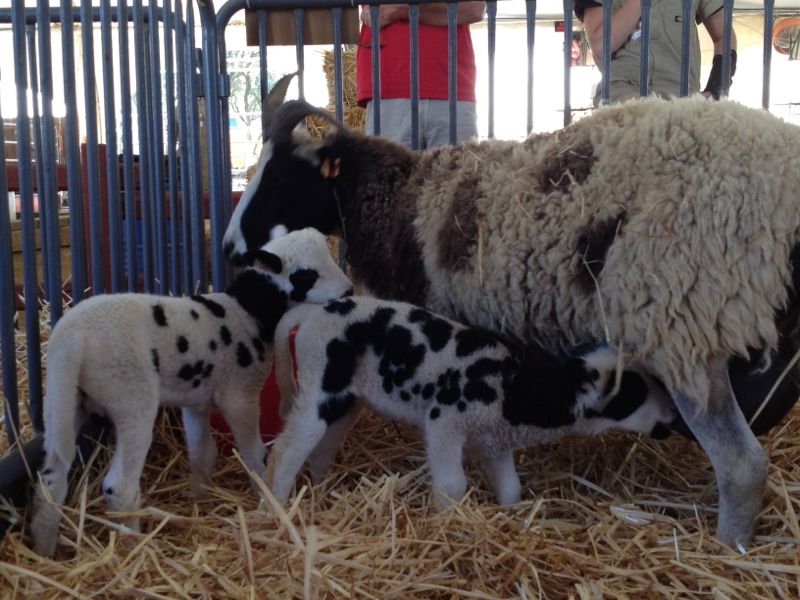
It simple math. If I had 65 sheep last November and  want 65 sheep next November, but  81 lambs were born, that means that  I need to sell 81 sheep before November. So out of all the lambs that were born I need to be very selective about which ones I will keep. Here are the chosen lambs so far.

This is Sonata, daughter of Meridian Moon and Sweetgrass Clint.

Lila, a lilac ewe, daughter of  Meridian Lola and Mud Ranch’s Hudson.

Fandangle, daughter of Meridian Fran and Sweetgrass Clint.

Kenleigh’s Isadora who came from Kenleigh’s Acres in Oregon.

Mud Ranch’s Foxglove and …

…Mud Ranch’s Ginseng, both lilac lambs from Mud Ranch in Lewiston, CA.

There are plenty of other pretty lambs, but most of them will need to find homes elsewhere. I have my eye on one appealing ram lamb:

Axle, son of Meridian Tina and Sweetgrass Clint.

I almost forgot someone:

Onyx, daughter of Sparkle and Faulkner.

This is Fogerty, a ram who was born last spring. He is one of the rams that I will use for breeding this fall. Here is another photo:


Ladies in Waiting

It’s that time of year again.

We’re off to the CA State Fair Livestock Nursery.

Mary is a veteran of the fair. This will be her fifth time lambing here. Don’t worry Mary. It’s just the camera angle that makes your rear look so big.

Mary brought novices with her. That’s a yearling ewe, Toffee, lying down and a three year old ewe, Shelby, standing. Shelby is one of the ewes that we “rescued” from a foreclosure last year. (Yes, it’s still camera angle, Shelby.)

The State Fair opens tomorrow and runs through the last weekend of July. That’s when I’ll have more sheep there for the sheep show. In the meantime these three ewes will be well taken care of by the staff and students of the UC Davis VMTH (Veterinary Medical Teaching Hospital). We look forward to lambs in the next couple of weeks.

Green Pasture

You have all seen photos of my green pasture.

This does not happen naturally here in California’s Central Valley . We have what is known as a Mediterranean climate. I thought I’d give you a definition but what I found when I did a google search is more interesting:

There are not many places in the world that have our hot, dry summers and cool, wet winters. So how do we grow all that clover and grass in a hot, dry summer? Irrigation, of course. But irrigation water has to come from somewhere if it’s not coming out of the sky this time of year.

Our irrigation water is provided (sold) by Solano Irrigation District and comes from Lake Berryessa which fills from winter rainfall. Here is how our irrigation water is delivered.

Do you see that low spot in the mountains on the right side of the photo? Lake Berryessa is behind there. The water is carried down Putah Creek. Eventually it works it’s way into a system of canals. When I call for water the SID person opens a gate at the end of this ditch that is normally dry. The water flows to another gate at the northwest corner of my property (that cement box on the other side of the fence). When that gate is open the water flows under the fence into the standpipe in the foreground.

That black circle is the pipe carrying the water into the standpipe. It flows out the hole on the south side of the standpipe (at the top of the photo).

This is a close-up of that rushing cool water. It’s not a rushing mountain stream but it sure looked appealing this afternoon when I was outside working.

Here is where the water flows out of the standpipe into the pasture.

There is a ditch at the north end of each pasture. The water is just starting to fill the ditch.

I have to dig cut-outs in the ditch to get the water to flow where I want it. It’s not a perfect system because our ditches are worn out and trampled by sheep and the pastures aren’t level, but I can usually make it work. I have the water on for 24 to 36 hours to irrigate everything.

This is the last pasture the sheep were on yesterday and I finished mowing it (a story for another day)  just before irrigating.

This is what we’d have in the summer if we didn’t irrigate. (This is a small pen behind the barn.)

Here is what irrigation gives us.