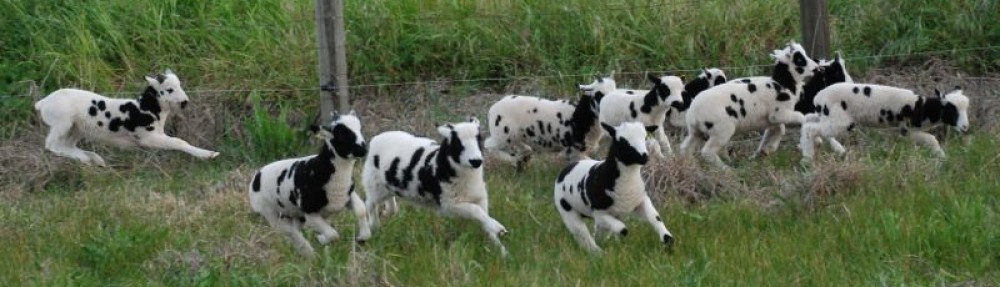
Our pasture and irrigation project that began last fall included a plan for a hedgerow. This project was included in a block grant from CDFA administered by Fibershed. So when the time came to implement the hedgerow plan, people from Fibershed volunteered their time to help make it happen, along with the RCD (Resource Conservation District) representatives.
The hedgerow was to be planted inside the east fence of the pasture. RCD experts had come the day before with most of the plants. We placed them approximately where we thought they should be planted and marked them with flags. Some are small and if we hadn’t flagged them it would have been like an Easter egg hunt to find them all.

After a foggy start to Thursday we had warned everyone to wear rubber boots. Friday was sunny and dry! The first task was to clear space where each plant was to go in the ground. The biggest impediment to getting a good start will be the amount of competition and shading from all the other vigorously growing plants. Even a plant we like (clover for example) will be considered undesirable in the root zone of the new plants. I remember from somewhere, “A weed is a plant out of place.”

This was quite an undertaking. We planted 80 California natives in the 250′ row.
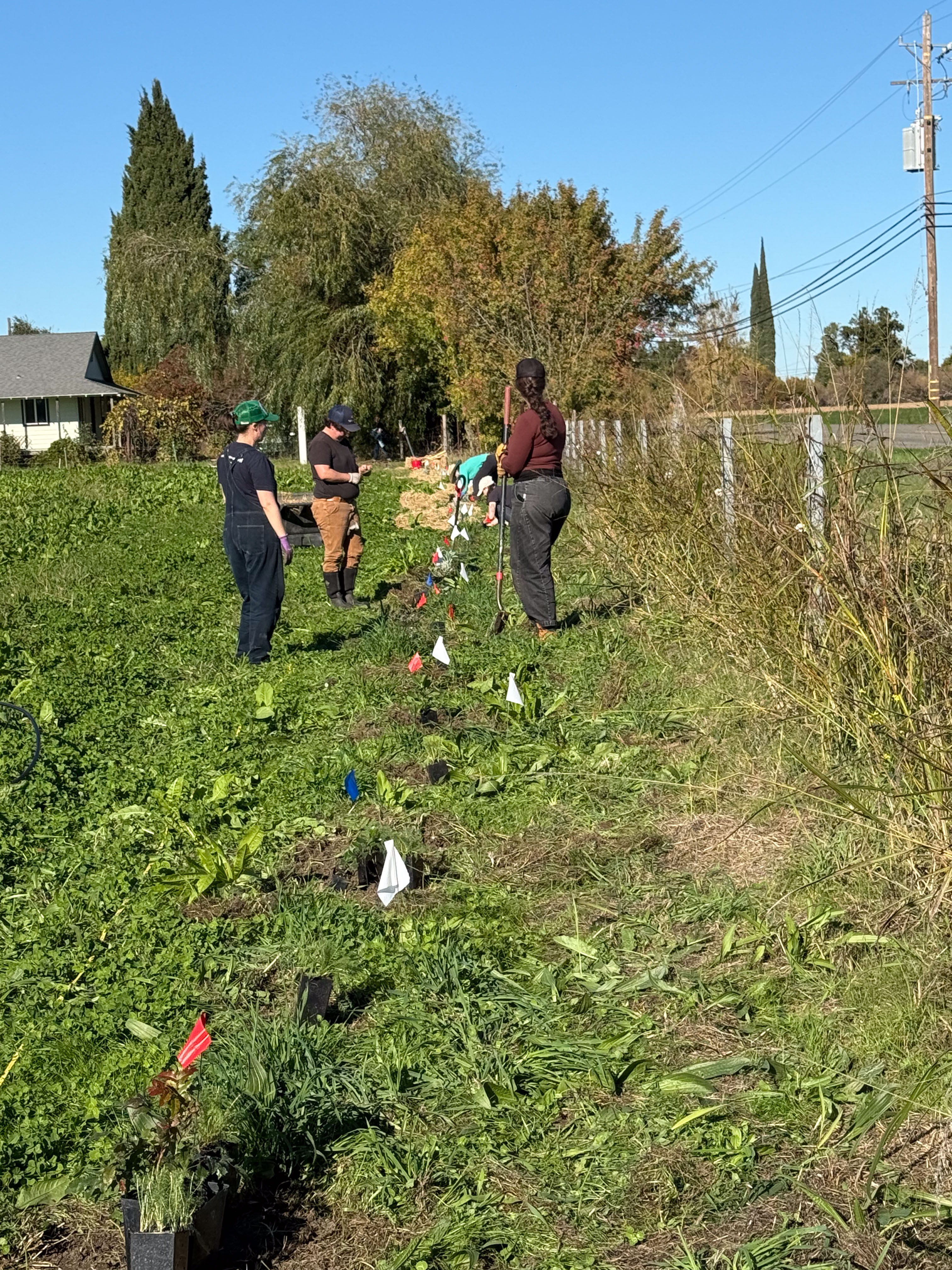
The plants include three to five each of Coyote Bush, Oregon Grape, CA Lilac, Western Redbud, Golden Current, Deergrass, St. Catherine’s Lace, Toyon, White Sage, CA Fuchsia,and 50 Yarrow.

The pasture has been growing well, the soil looks healthy, and everywhere you dig there are earthworms. We have had recent rain so it’s moist, but we will have to make sure that we irrigate these new plants. That’s a project for a couple of days later.
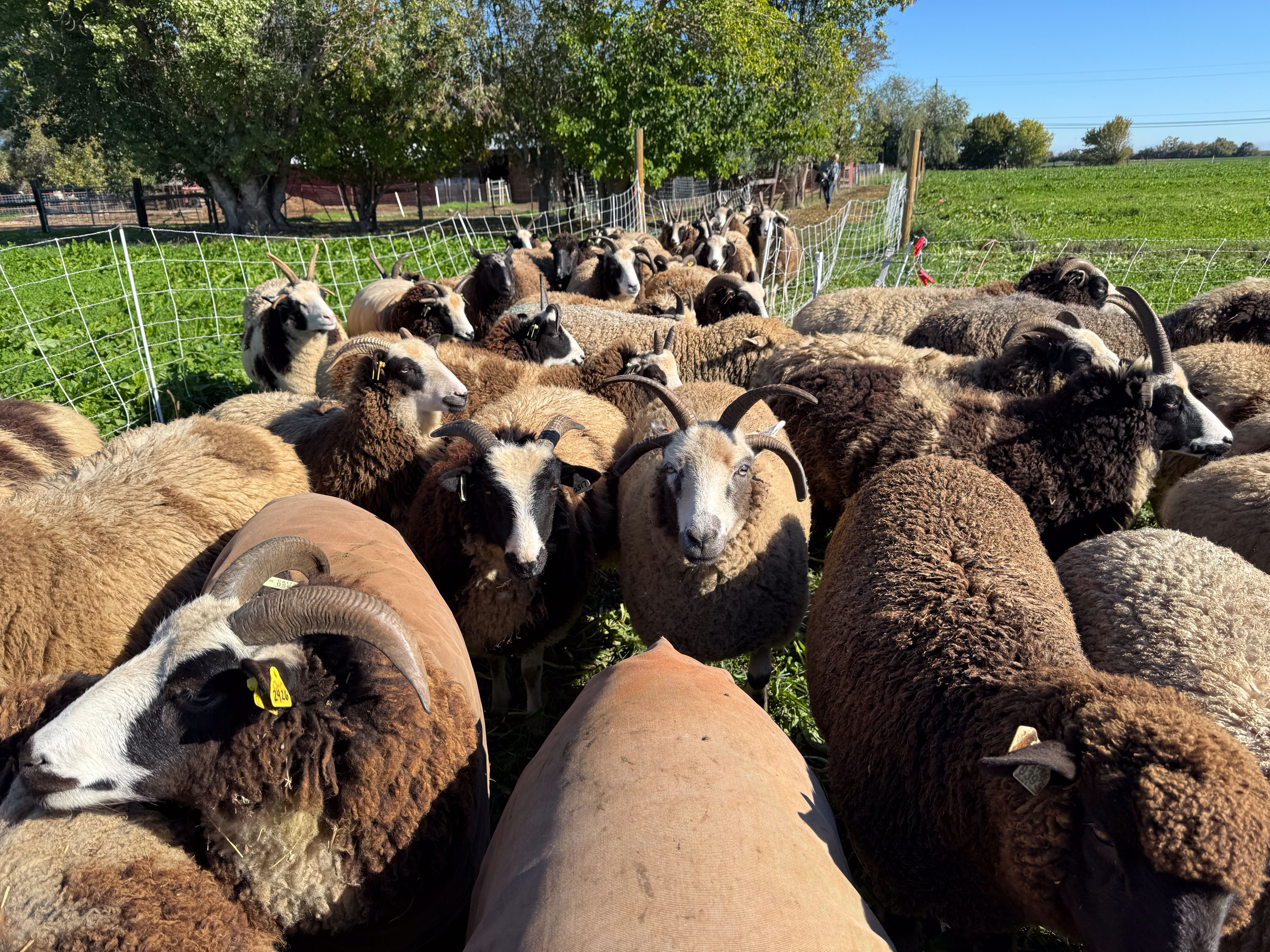
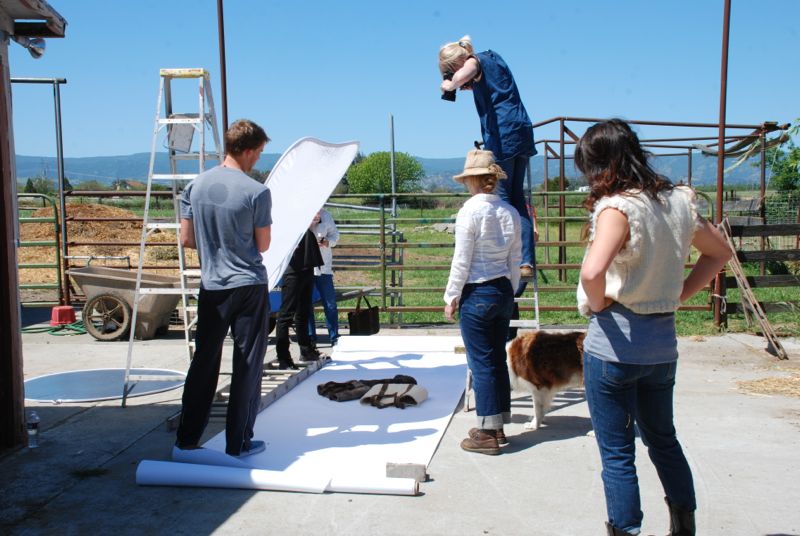
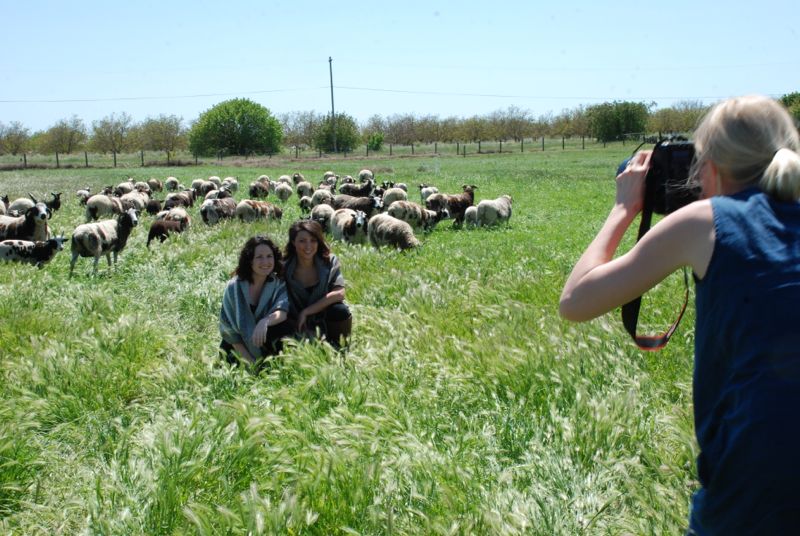
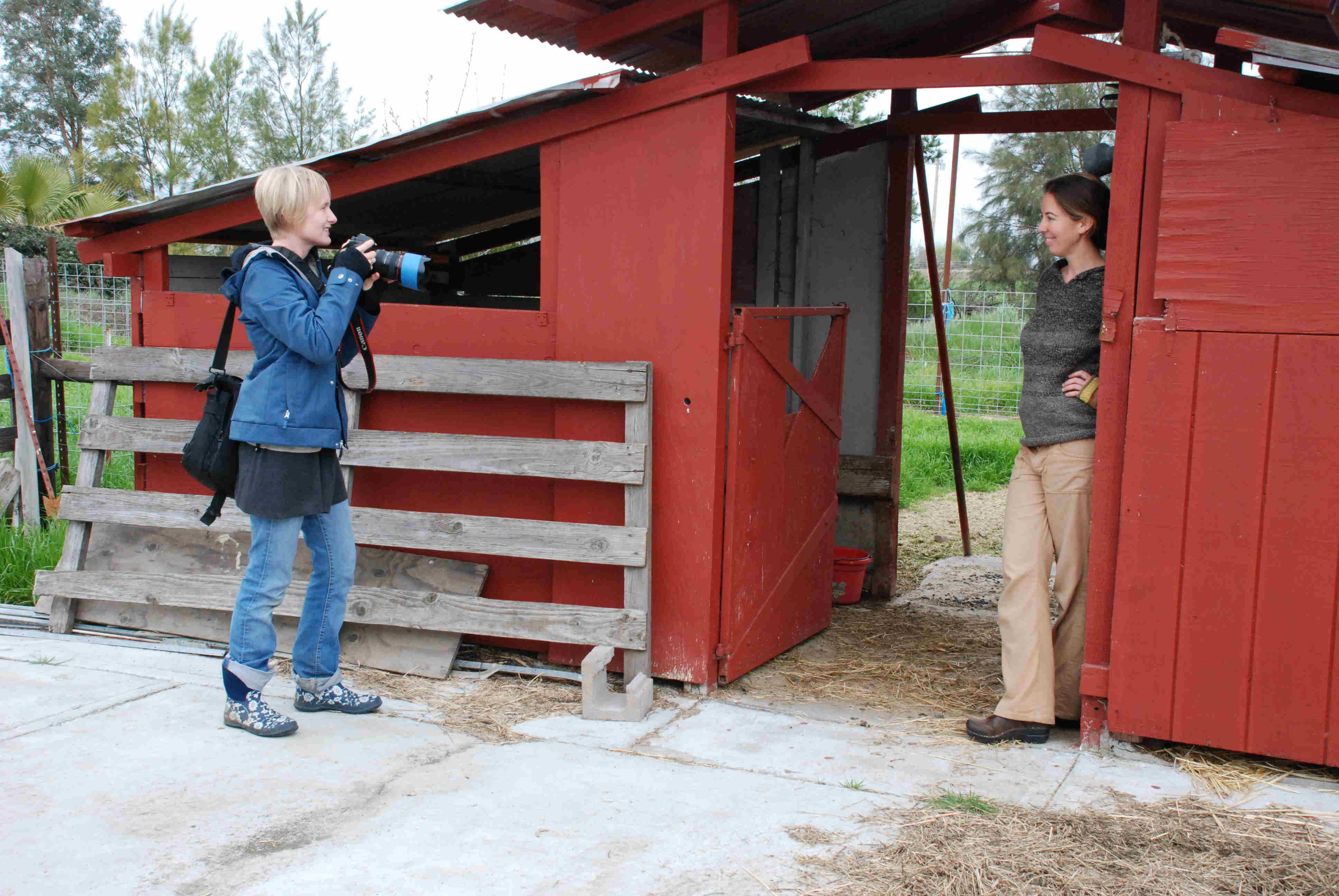
The photographer who has been with Fibershed since the beginning, Paige Green, and I wandered out to visit the sheep and take photos.
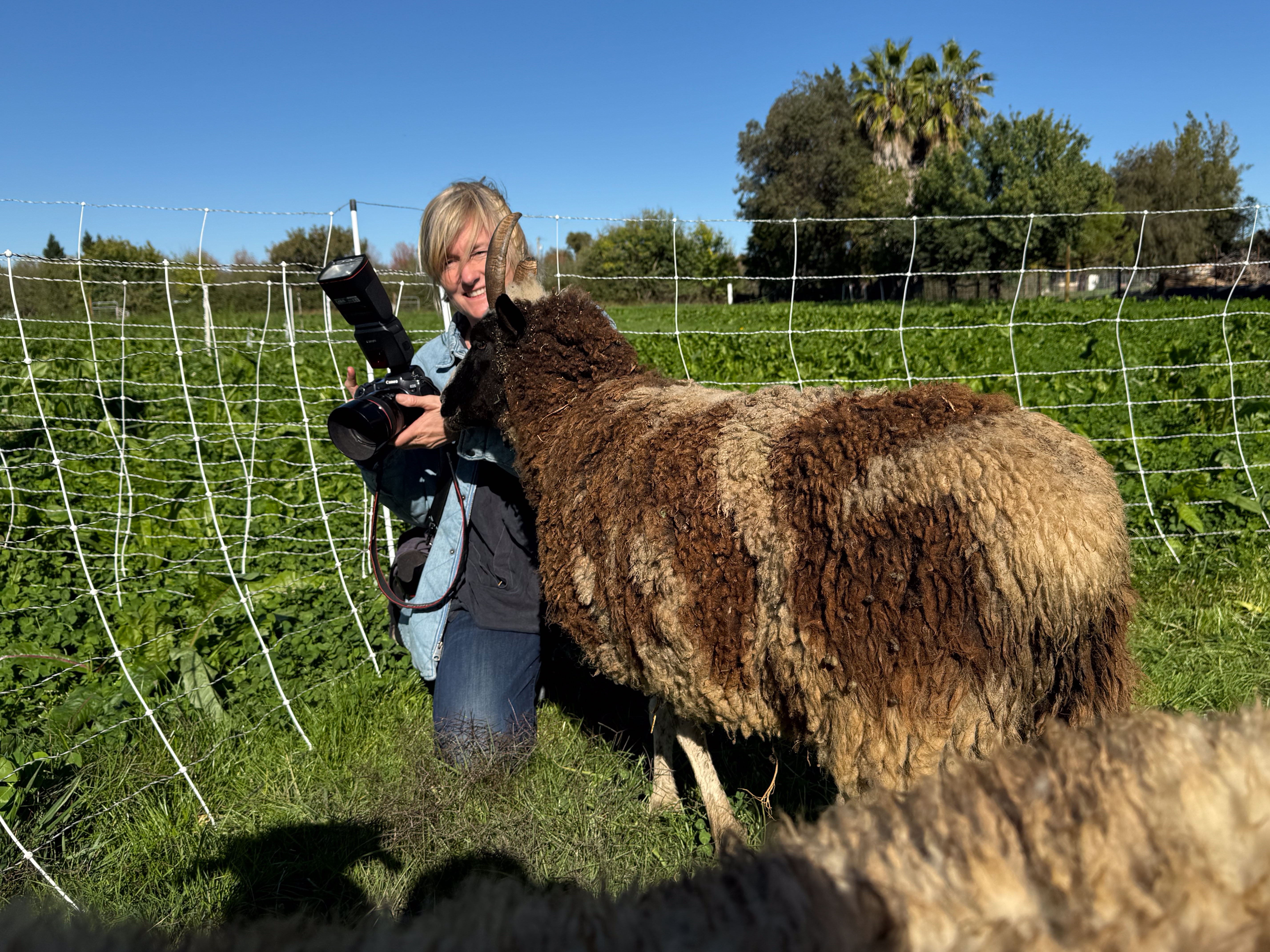
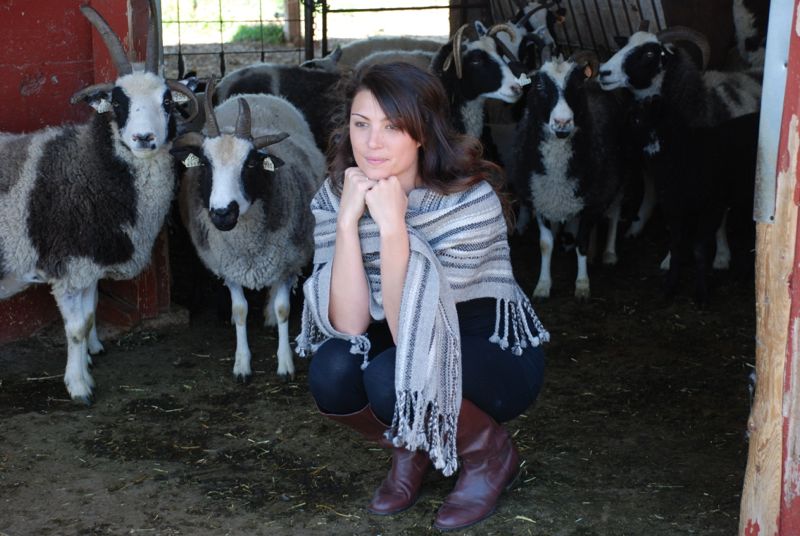
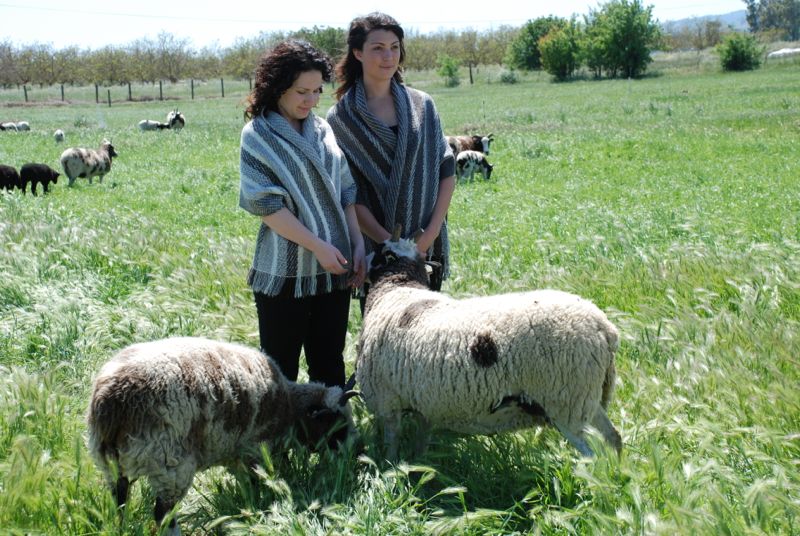
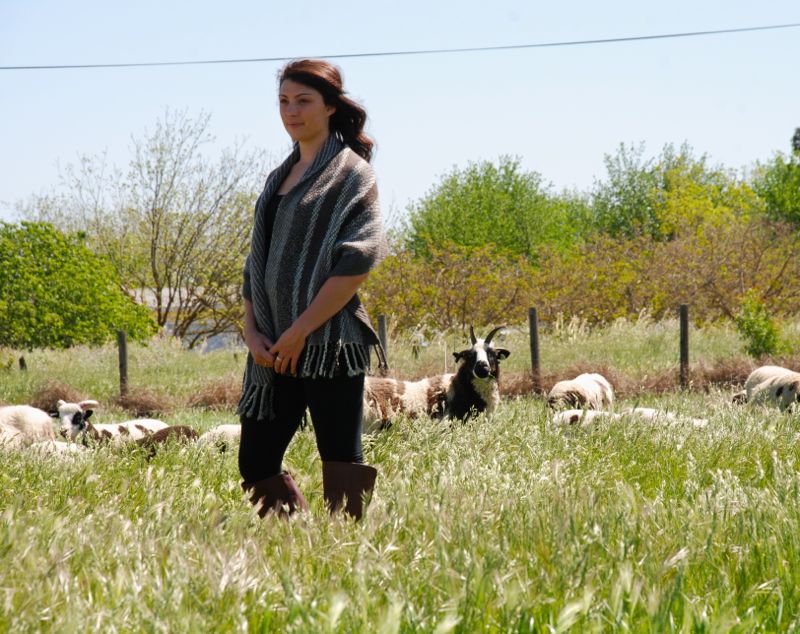
Jade provided Paige with the perfect cover for getting photos of sheep that might otherwise be wary of an unfamiliar person.
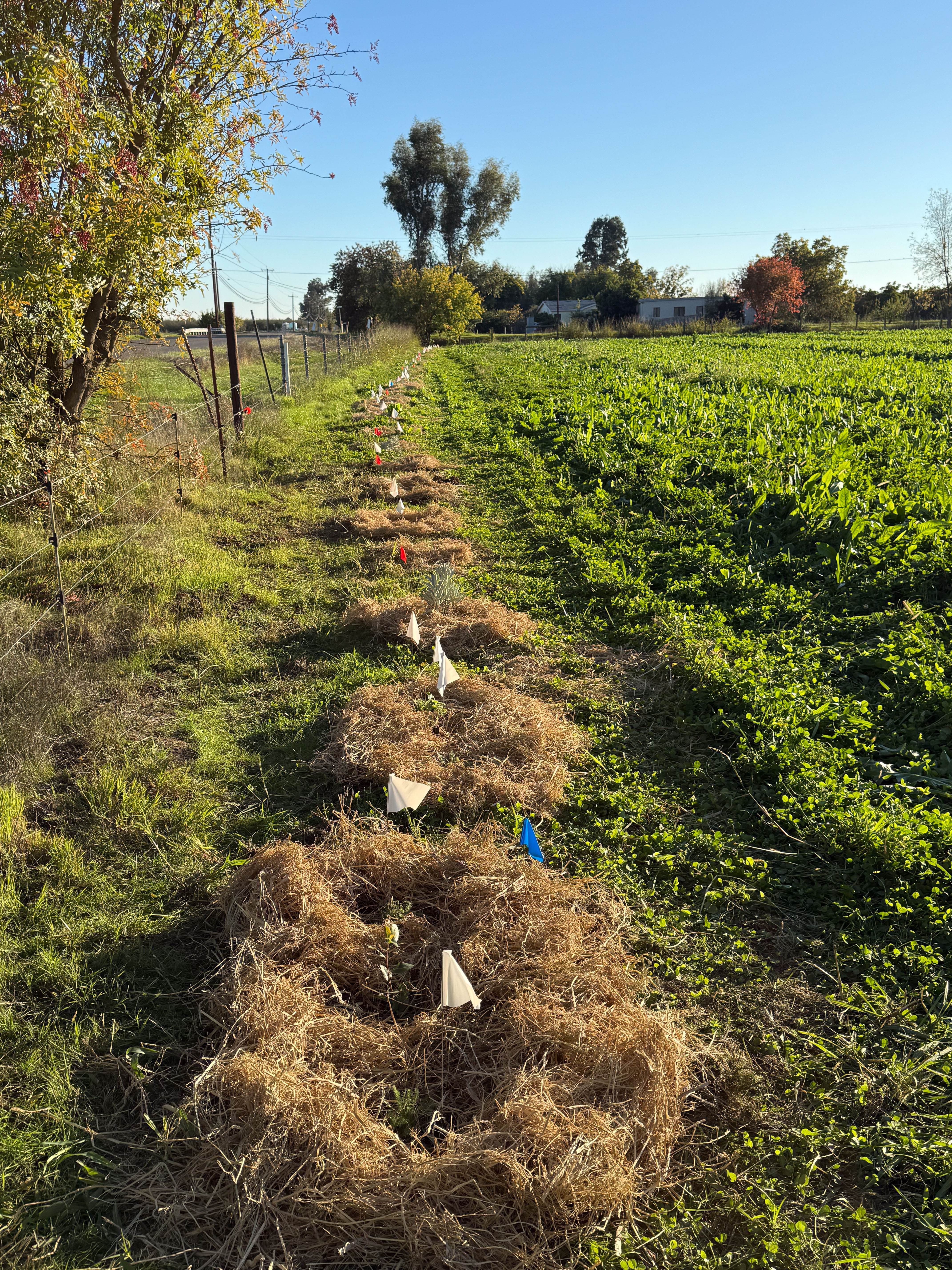
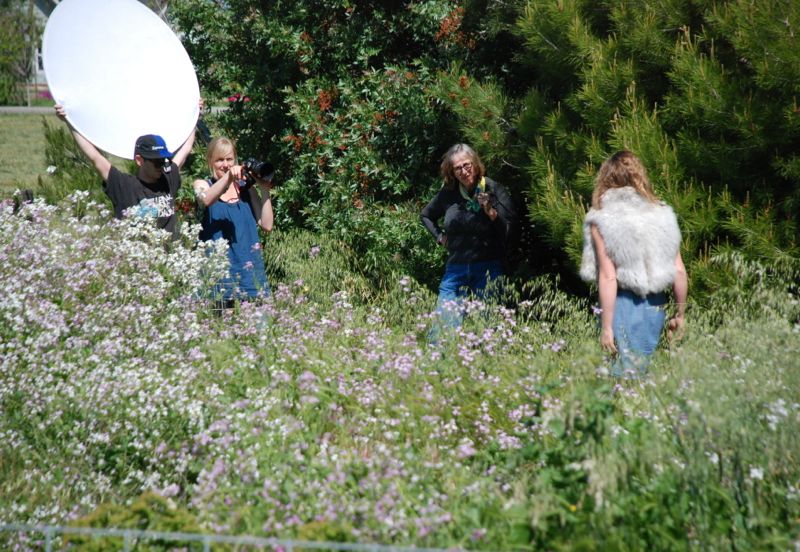
Back to the hedgerow. View to the south when we were finished.
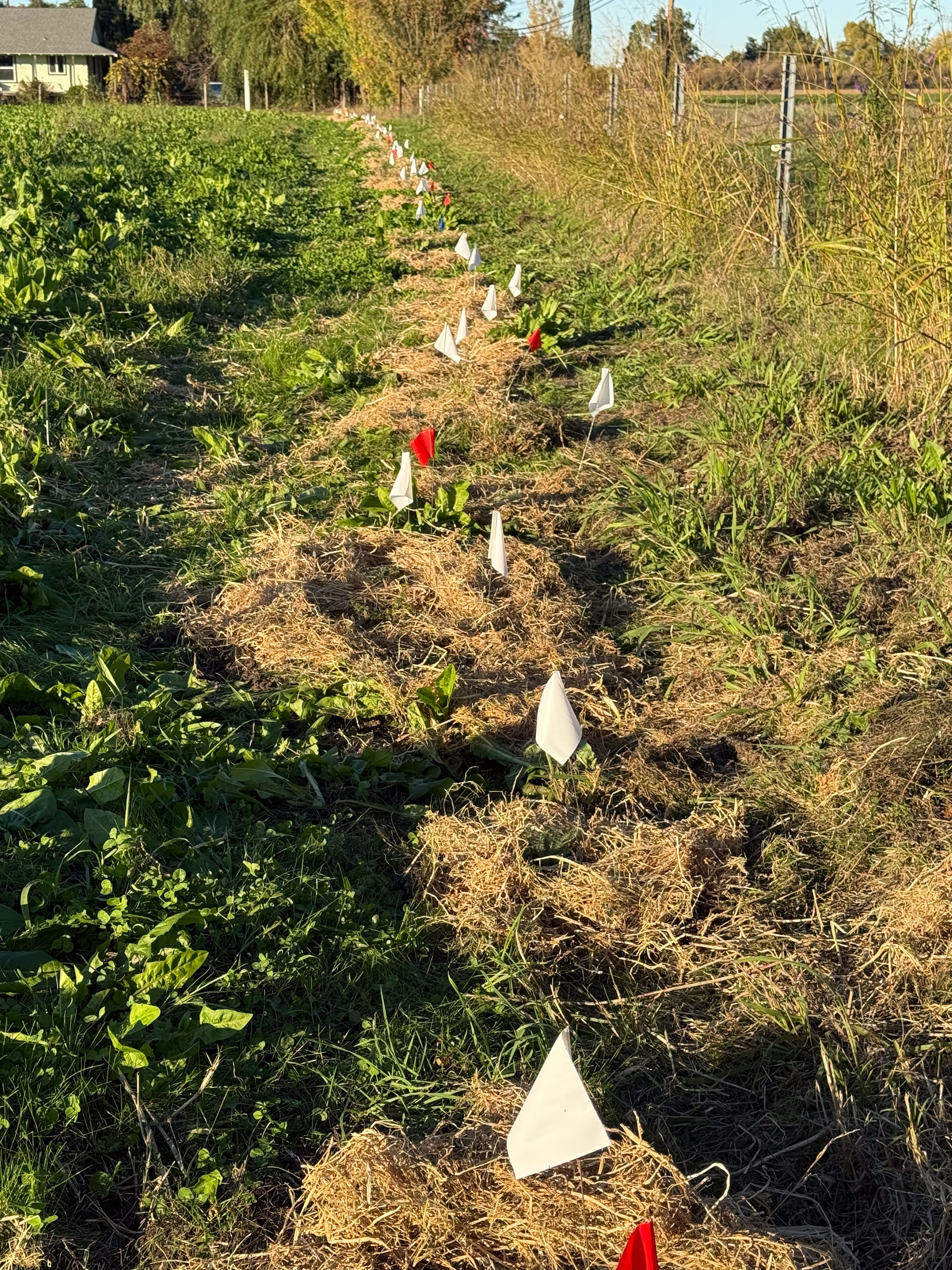
View to the north. Each plant was surrounded by rice straw to provide mulch with the intent to prevent weed growth. There is more to that story…to be continued in the next post.
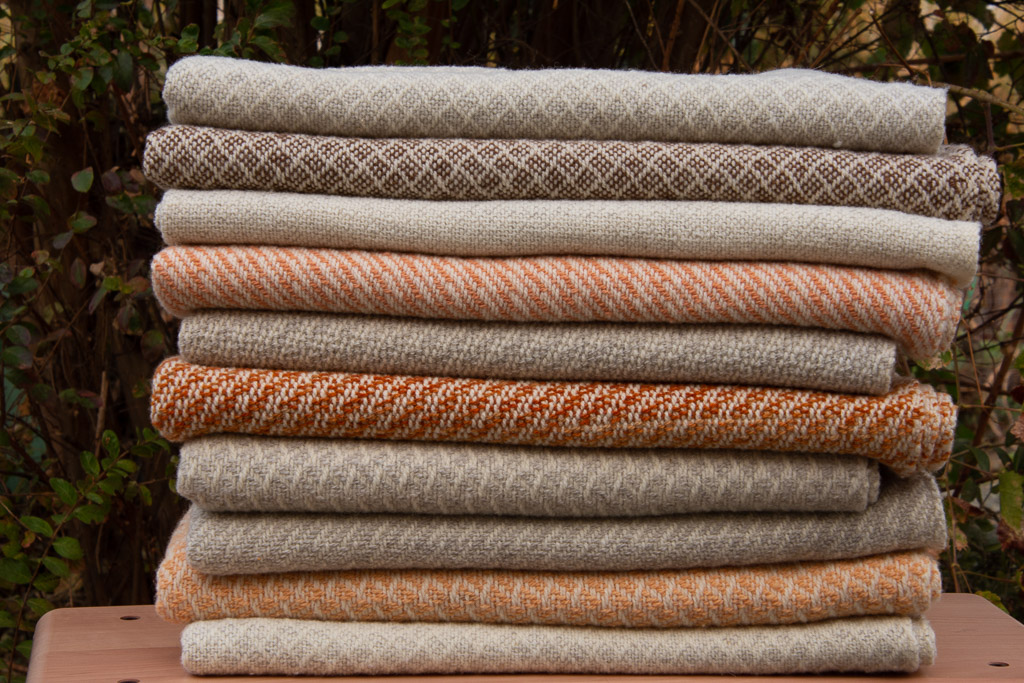 I finished these ten ponchos just in time to take them with me.
  Driving over early Saturday morning, the brown, smoky skies and red sun are a reminder of the tragic fires still burning in California. (The sun looked red in real life.)
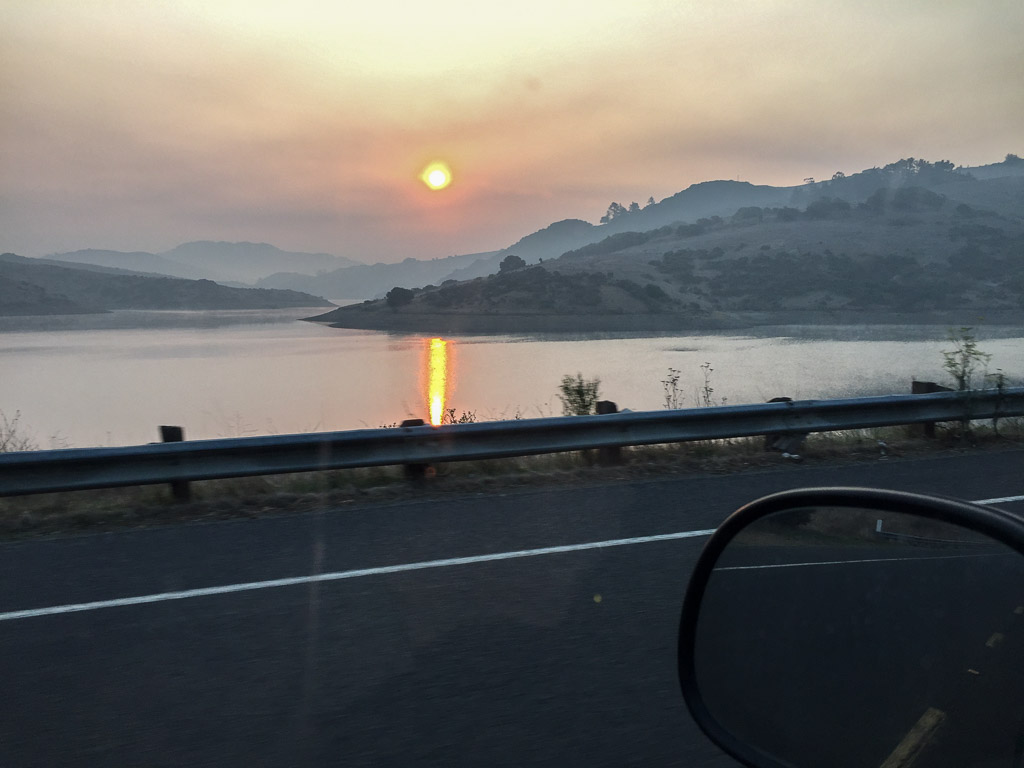 Our area is impacted by the Camp fire in northern CA.
 Once at the venue I got my area set up. We are given one table so I bring some grids to put in back and expand my space. I fit a lot of weaving and yarn into one place.
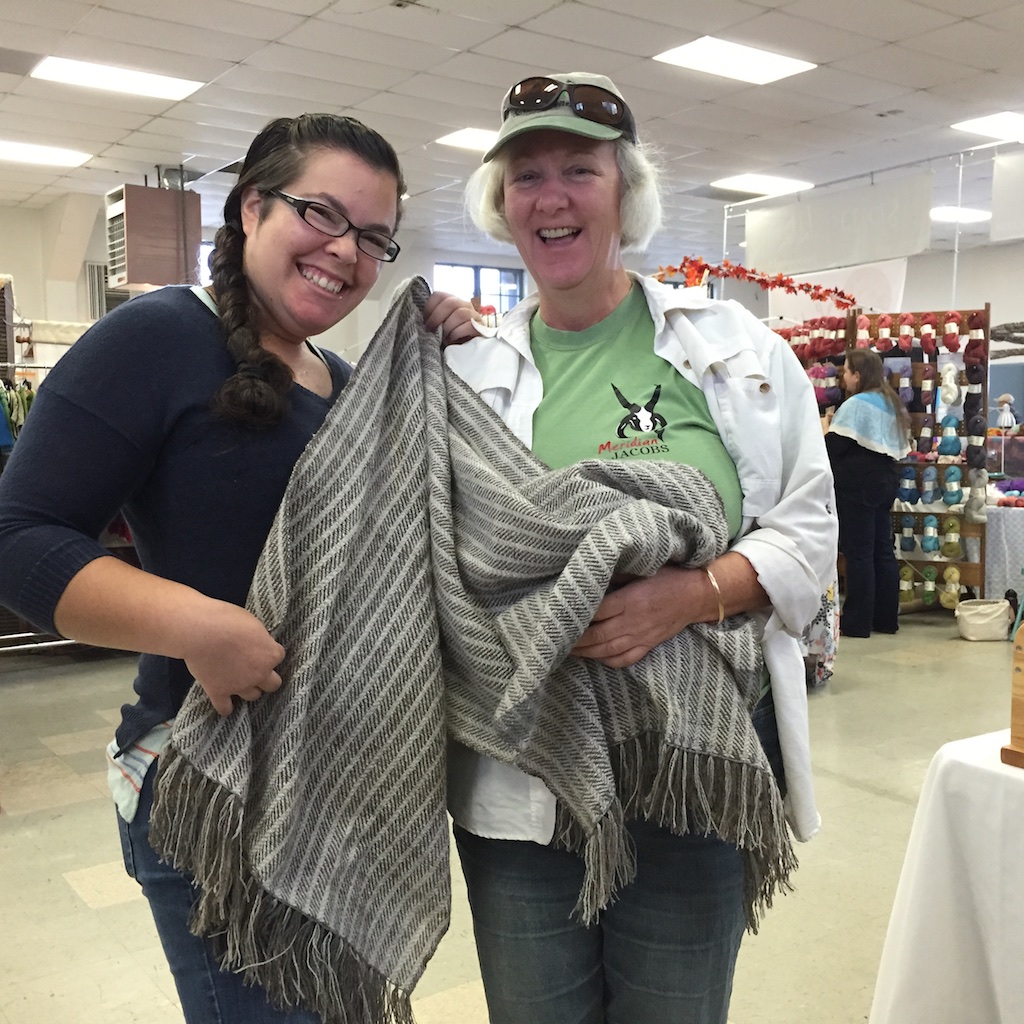
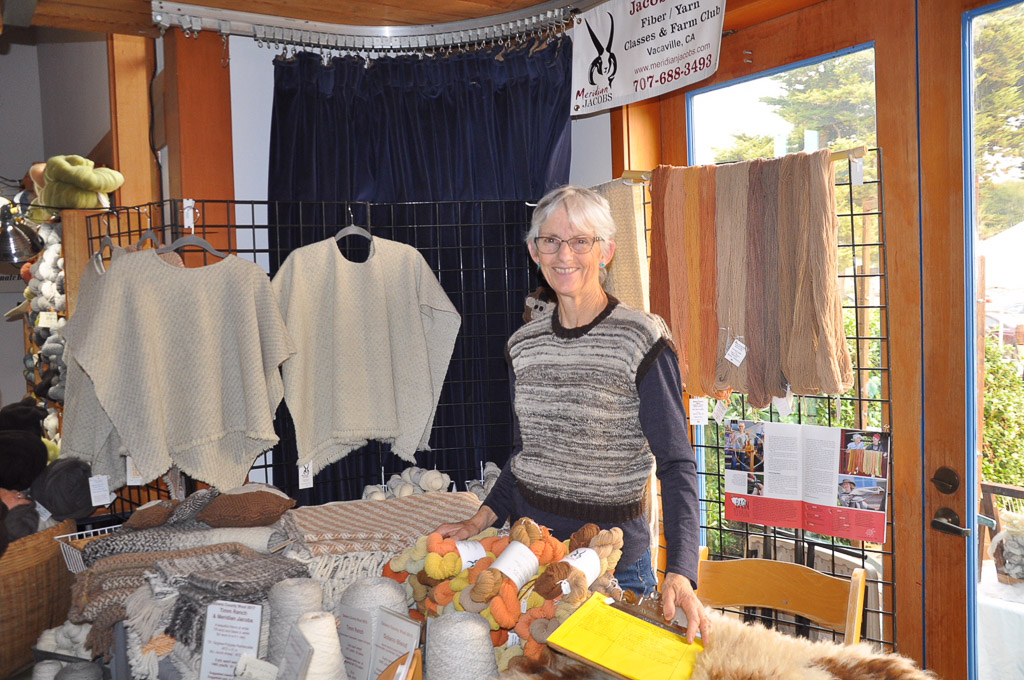 Friends stopped by and took photos.
 Some vendors are outside or in other rooms and have foot traffic throughout the day. I have always wanted to be in the main room where the speakers are presenting. That means the sales opportunities are clustered into a few breaks and the long lunch time.
 Photo from the inside of the camper shell shows that it was a lot colder than it’s been at home.
  Fellow camper and Board member, Carol (sleeping in a van next to my truck), went with me as soon as we emerged from our vehicles to go find warmth at a coffee shop while we waited for time to go to our meeting. We were both still dressed in everything we wore to bed.
 This is one of the articles inside. Although they don’t talk about sourcing our clothes from locally grown fibers, they do address the issue of the incredible waste in the textile industry and consumerism. Seems appropriate to end the weekend.
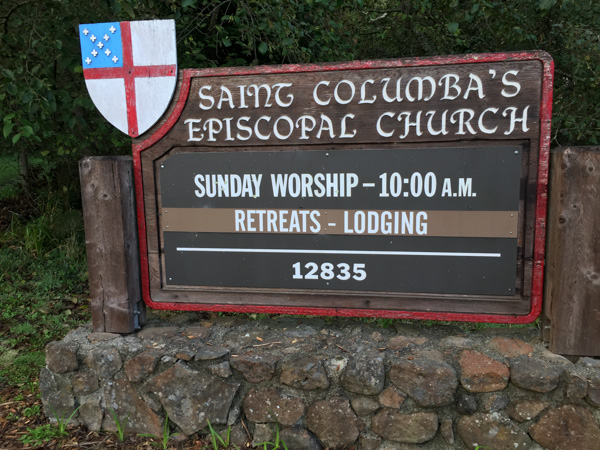 This local church was booked for any of the Fibershed group who wanted to spend the night after the long day at the Symposium.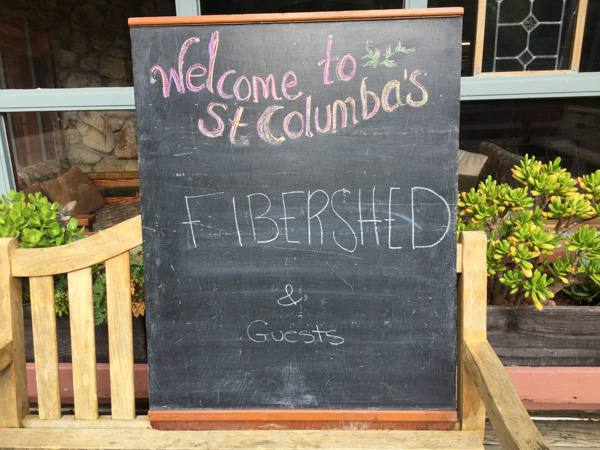
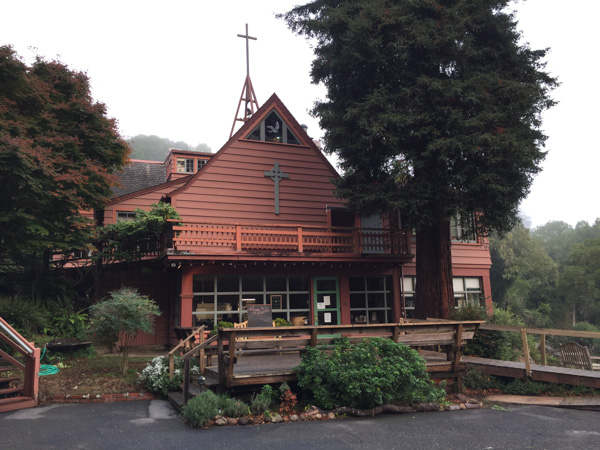 It is a great place to stay for anyone traveling in that area.
 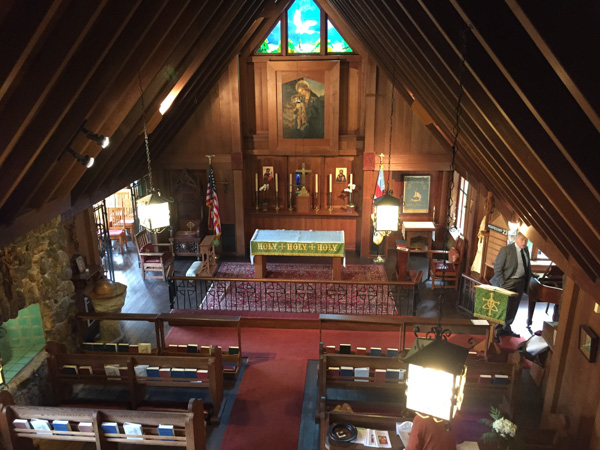 This was originally a house that was purchased from the Frick family in 1950 and turned into a church. There is a fascinating multi-level maze of rooms and halls and stairways. This view looks down from the third floor on what was originally the family’s living room.
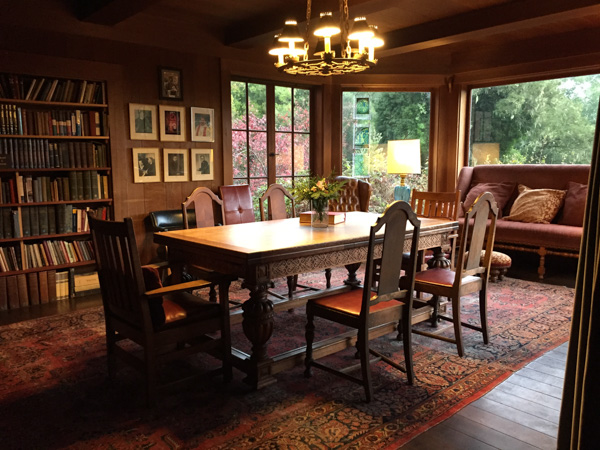 I love this dining area, partly because the table is of the same era (at least from looking at some of it’s features) as the table that my mom bought and we still use, although this one is in much better shape than ours.
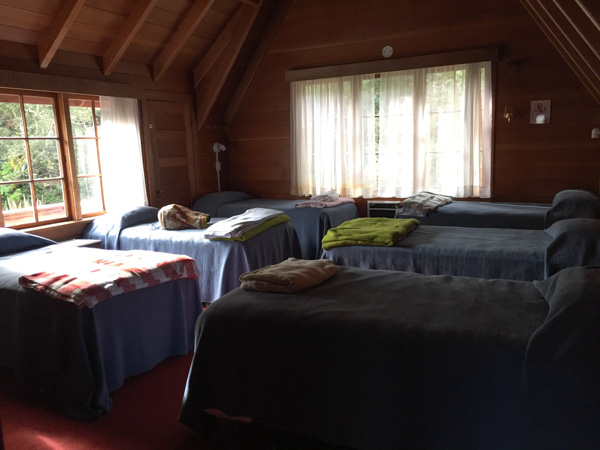 I stayed in this bedroom with five other women. There are several bedrooms with different numbers of beds. I think the place can accommodate 36 people.
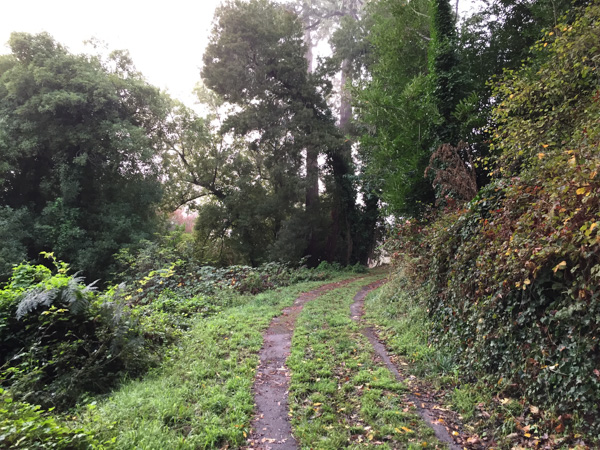 When I got up on Sunday morning I decided to take a walk before our meeting and headed up a road I found behind the church.
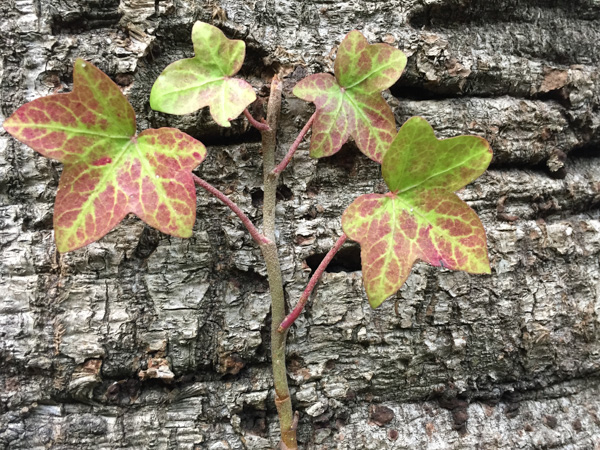 This is my kind of Sunday morning.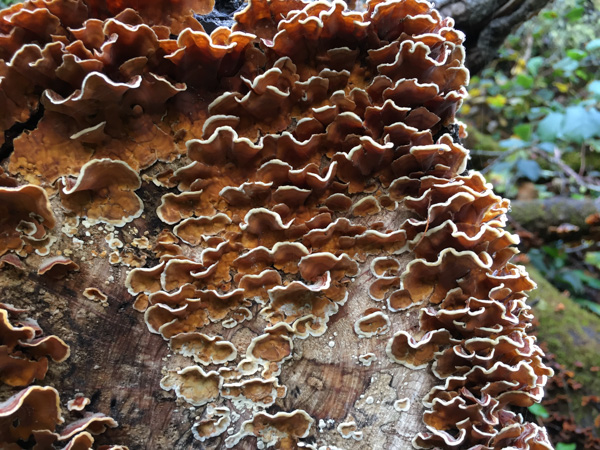
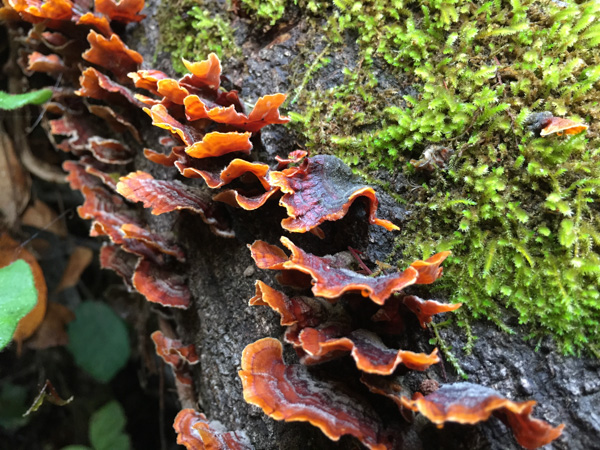
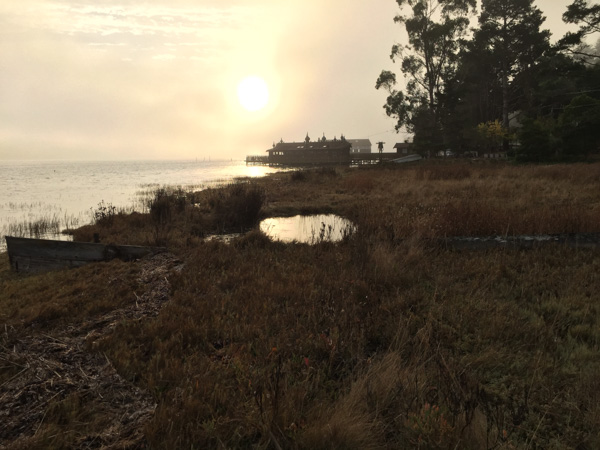 The road I found led me back down to the main road and Tomales Bay.
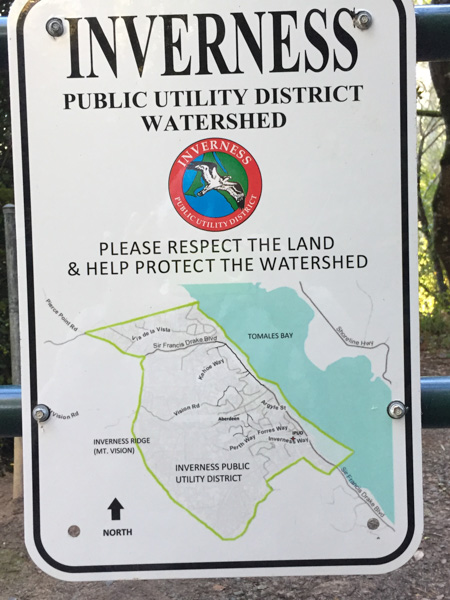 It is great when you find open space accessible to the public.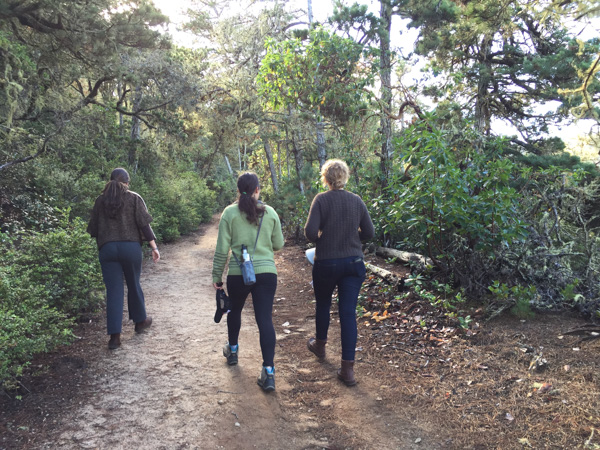
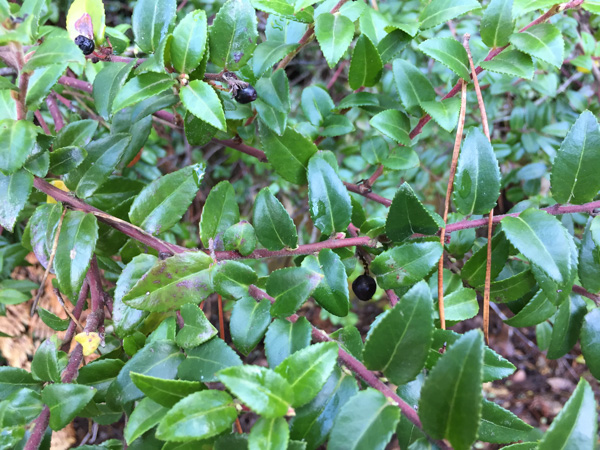 Rebecca pointed out huckleberries which were still on the bushes, although the normal harvest season was over. I wouldn’t have known and would have avoided these unknown berries.
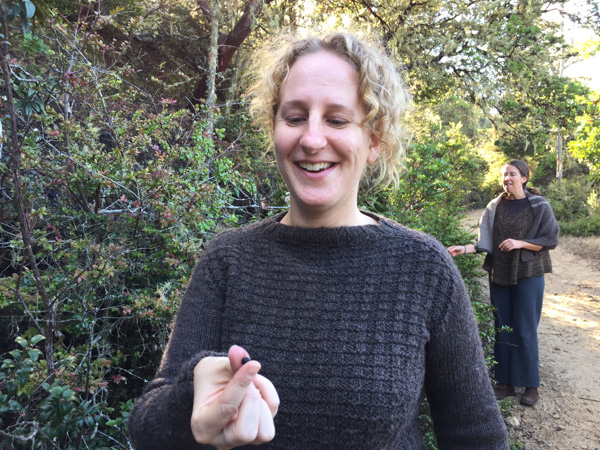 Stephanie (wearing her handknit Jacob sweater) ate her share as did the rest of us.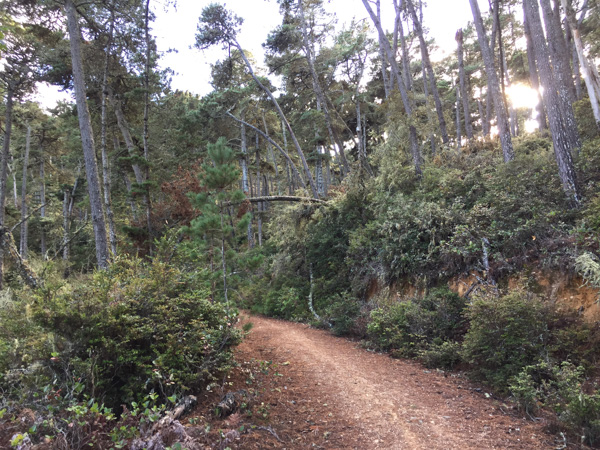
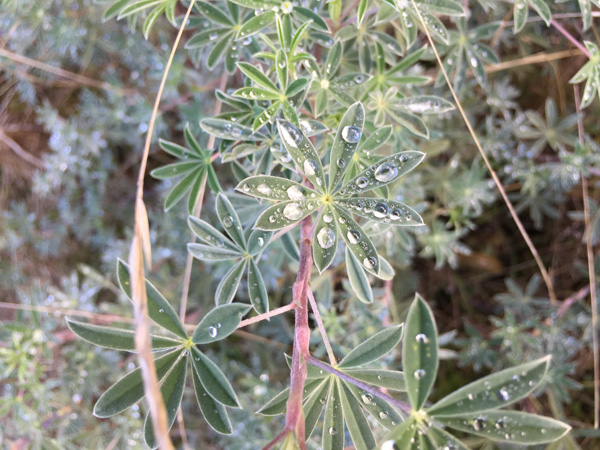 This is a much wetter area than where I usually find myself and there were still signs of the previous night’s rain.
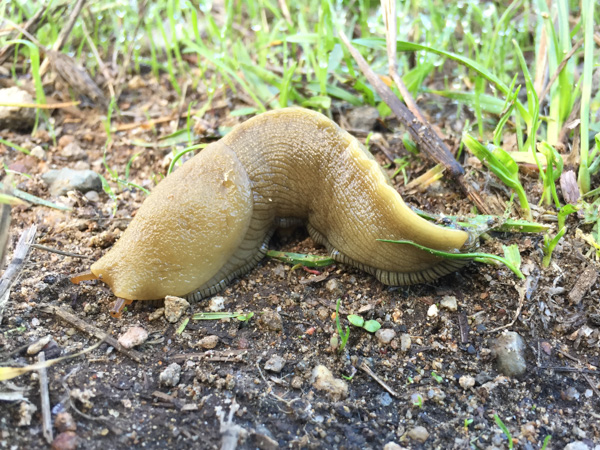 Another testament to the dampness were the large slugs that we saw.
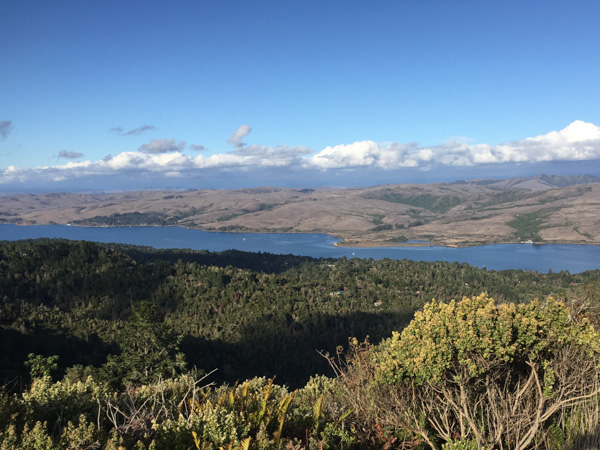 The view overlooking Tomales Bay. What a beautiful day we had!
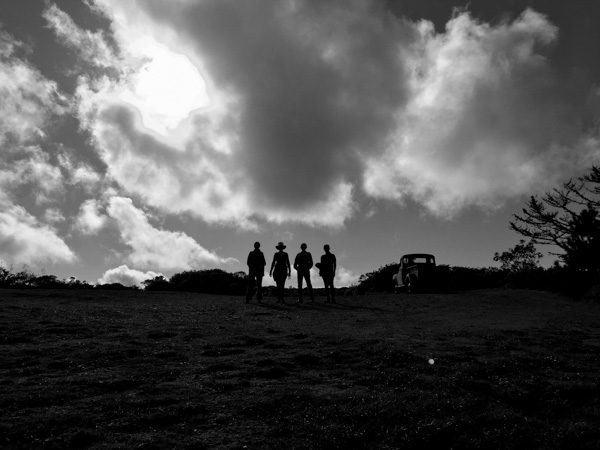 As we were coming back down from the ridge that has a view of the ocean, another hiker coming up the hill saw our silhouettes and offered to take our photo. This is the view that she saw.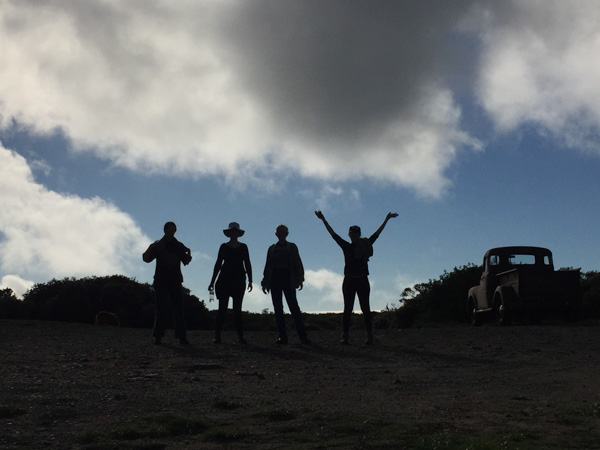
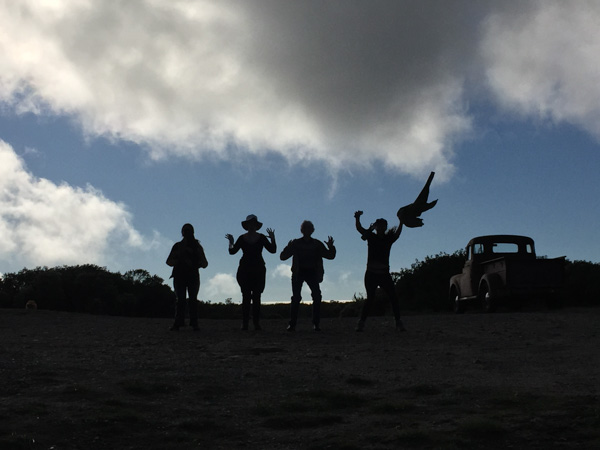


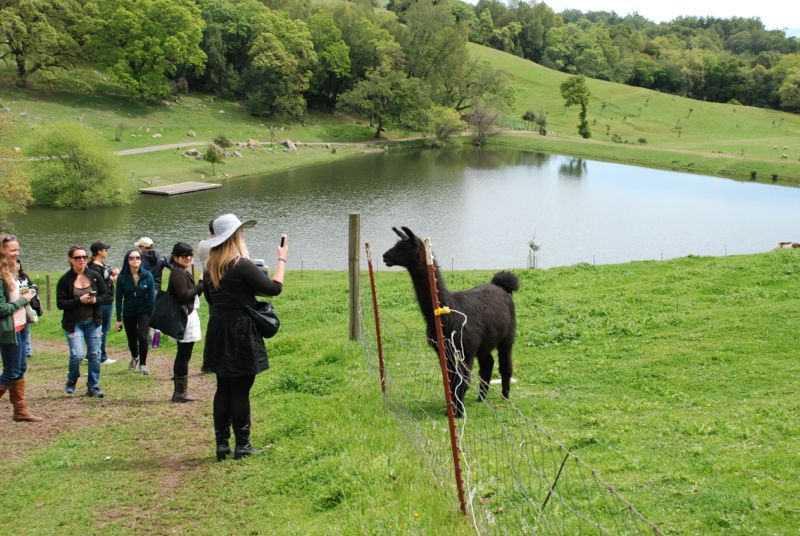
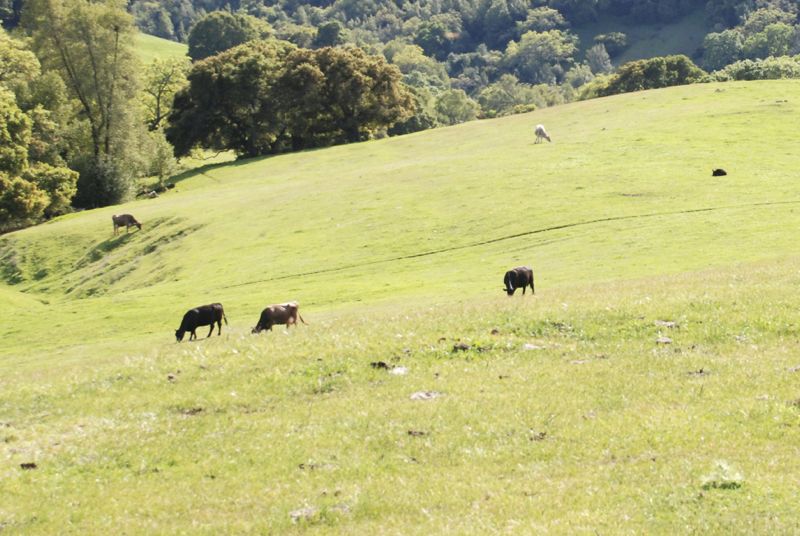
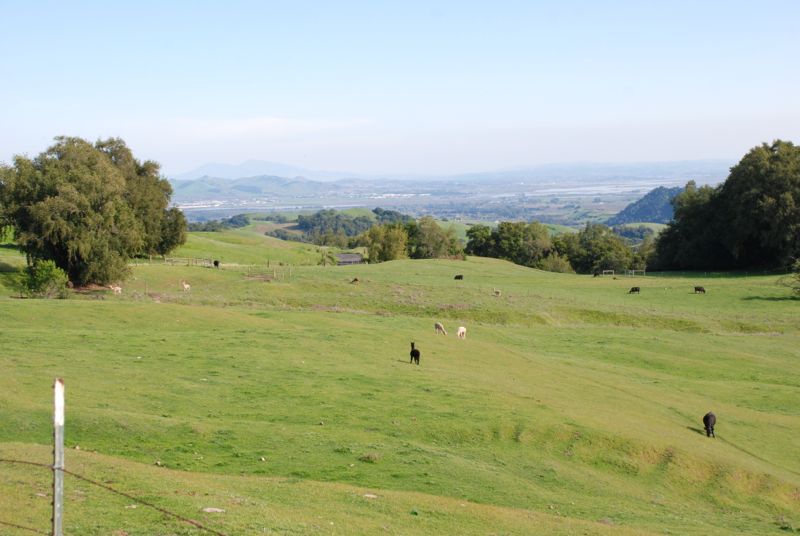
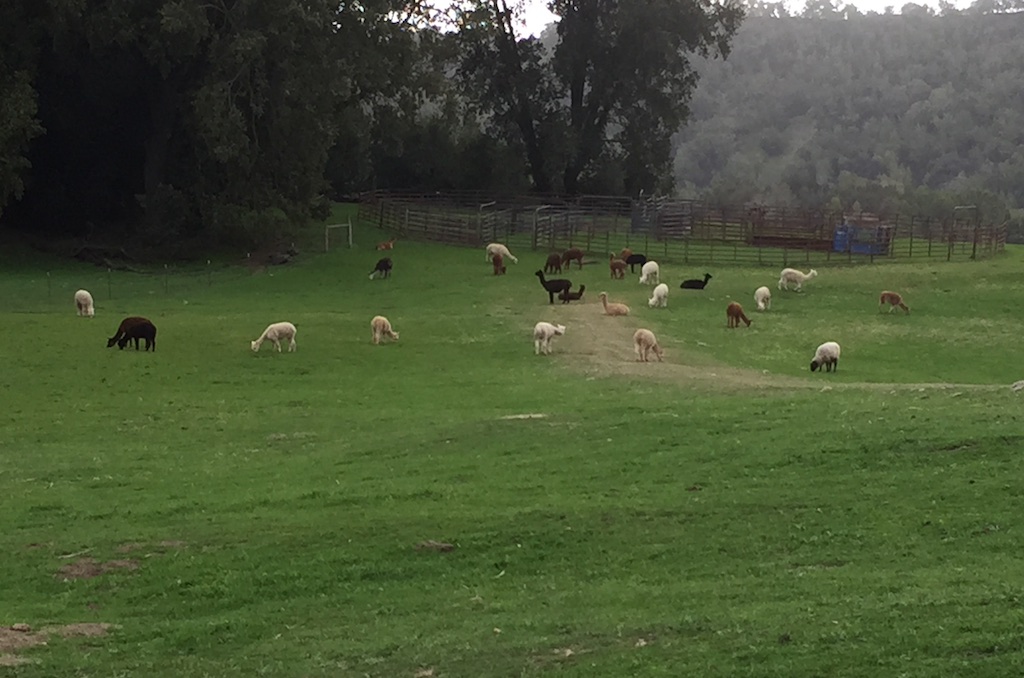 When I asked how many alpacas there are, Mary said between 150 and 200. They roam the hills on the ranch, accompanied by guardian dogs.
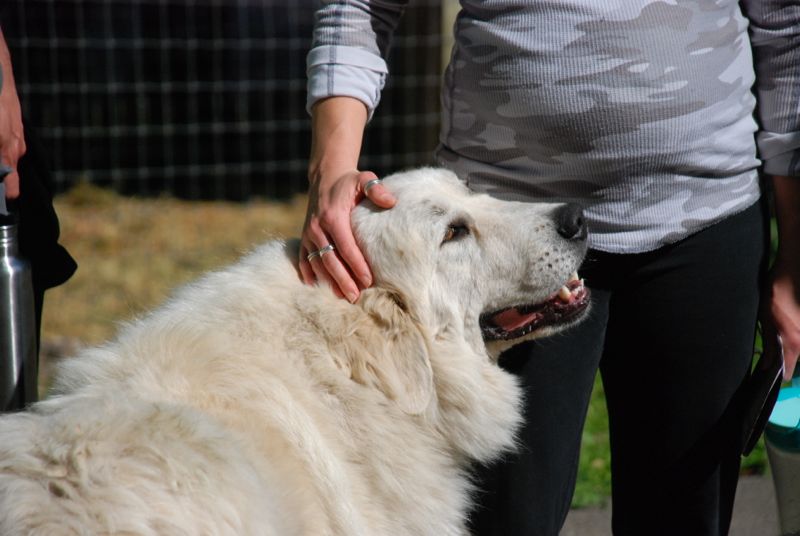
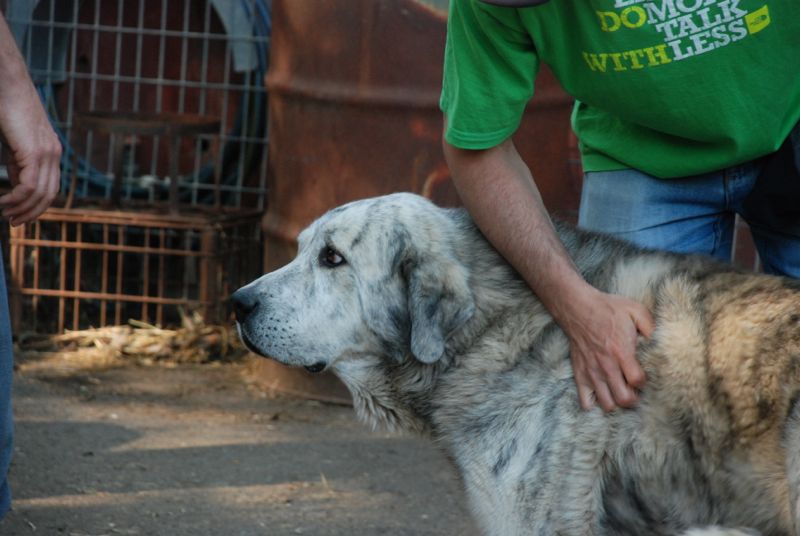
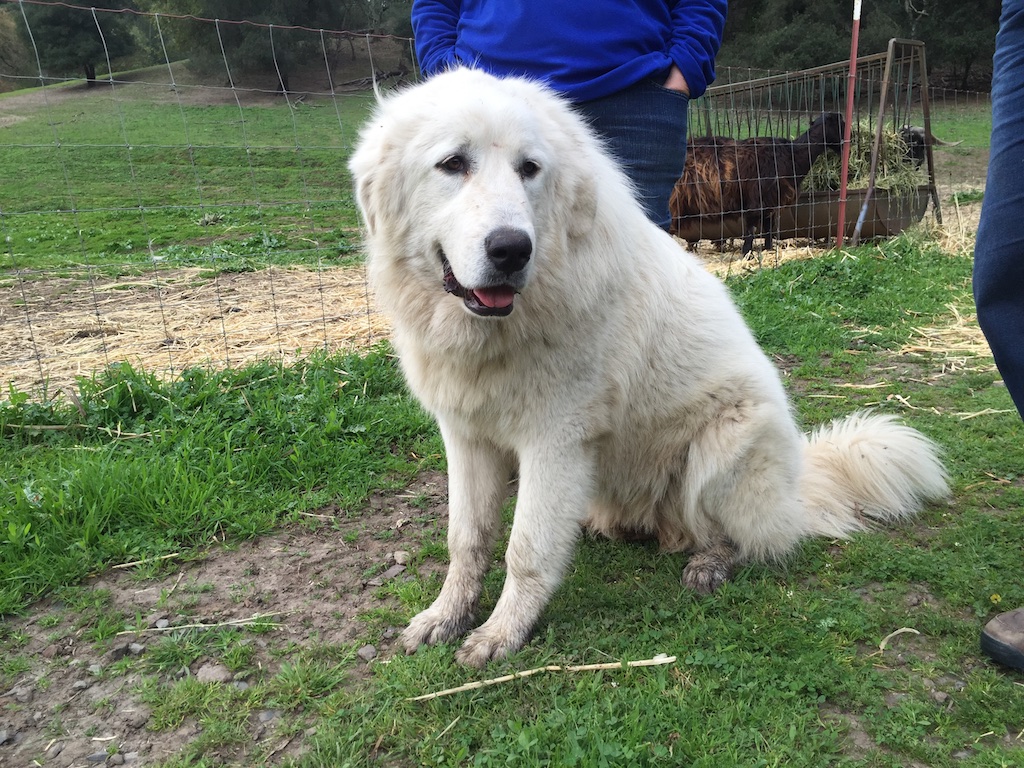 This is one of the many ranch dogs that include guardian and herding dogs. We were told that this one is only 8 months old.
 Our meeting was in the greenhouse located near the field where the bucks live.
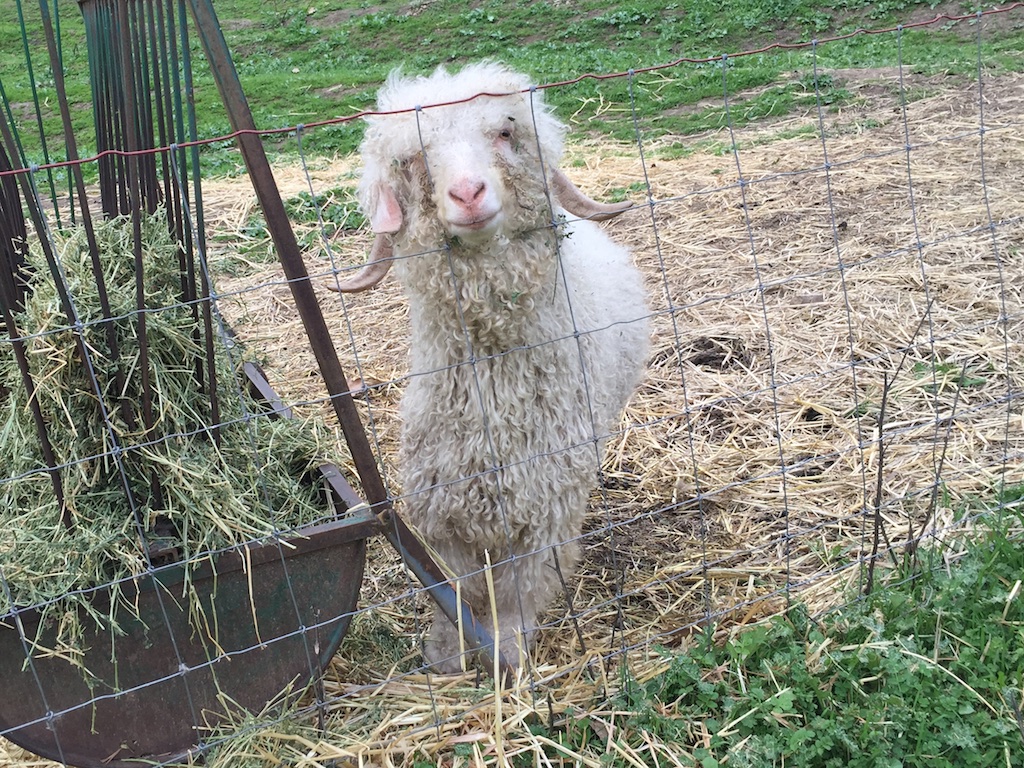
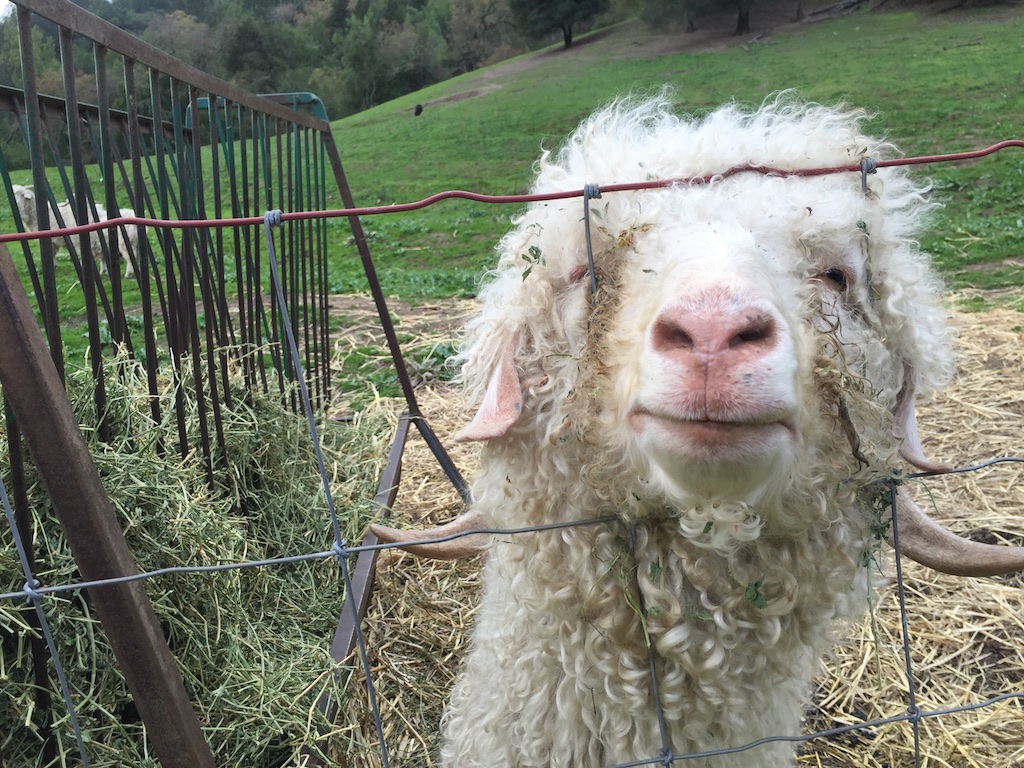 This guy seemed pretty friendly.
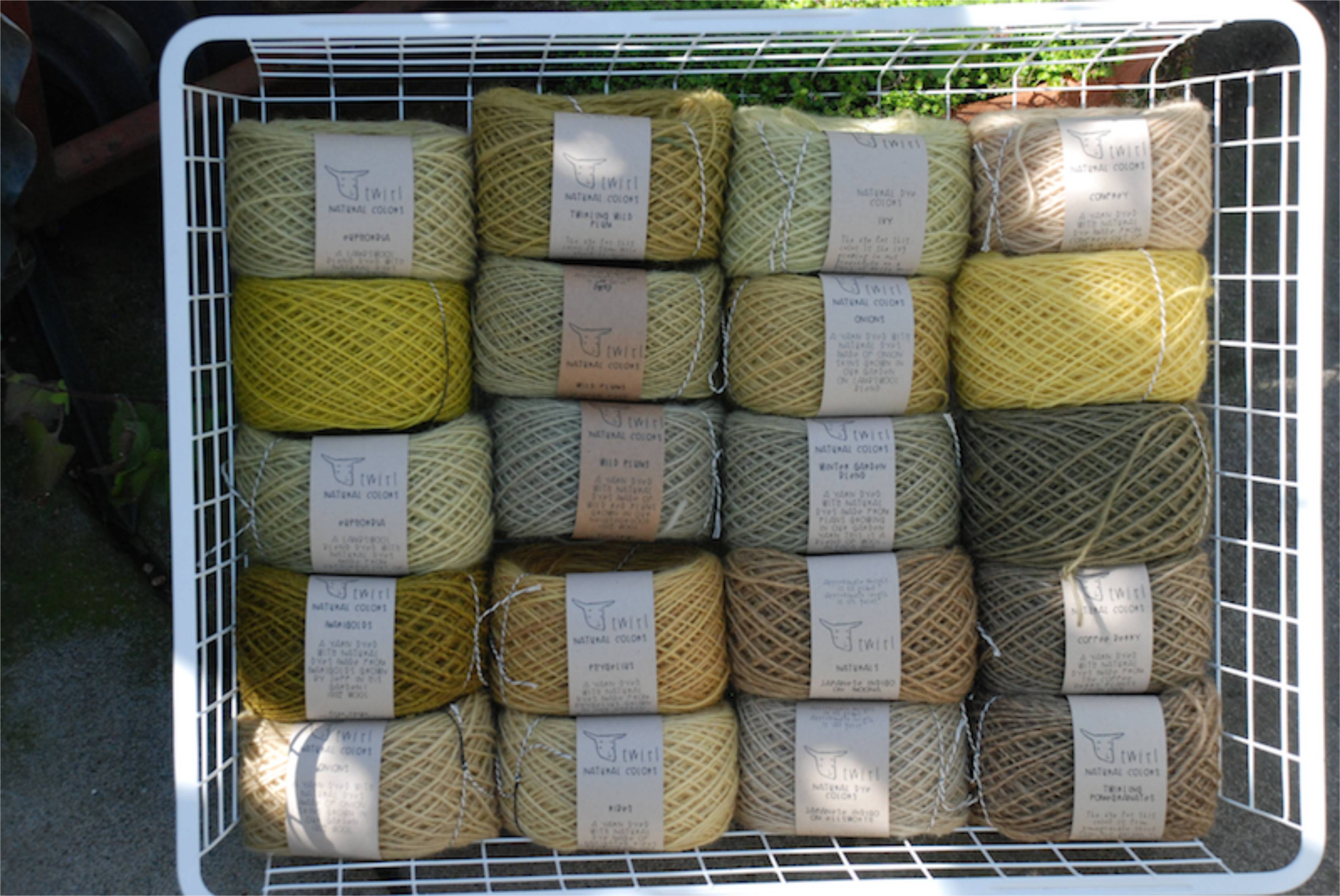
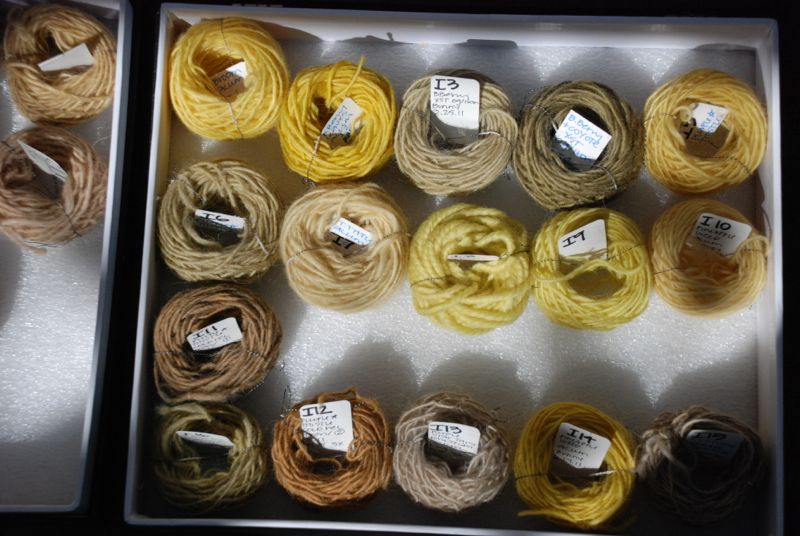
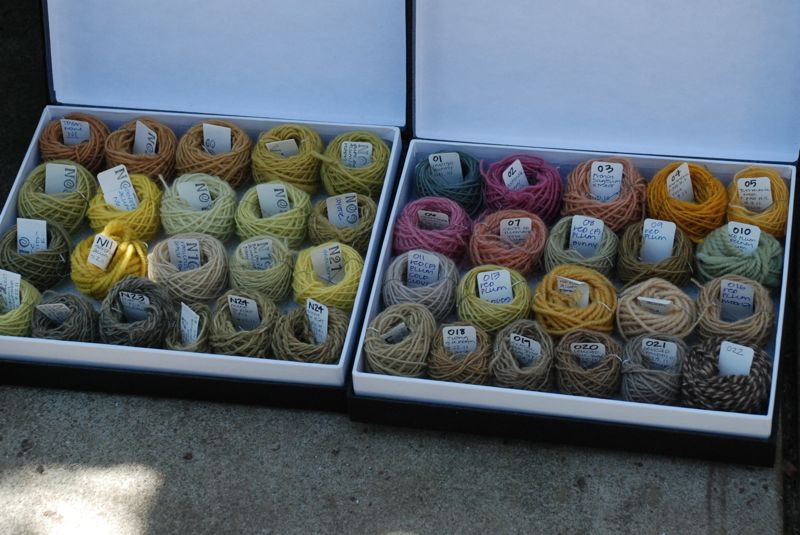
 Before we started the meeting we admired each others fiber products. This is one of the Twirl yarns produced by Mary.
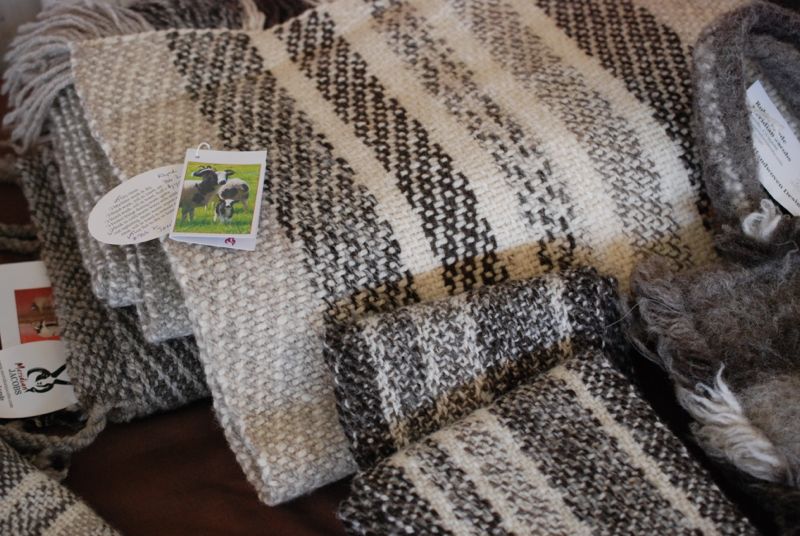
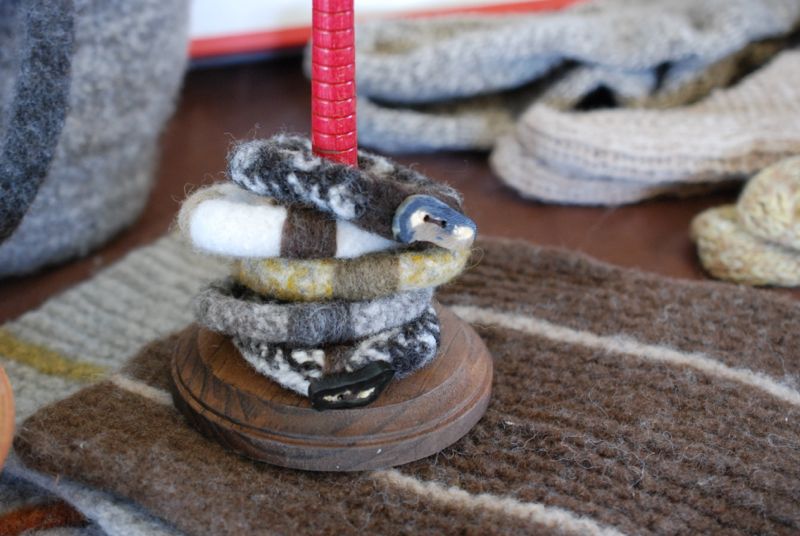
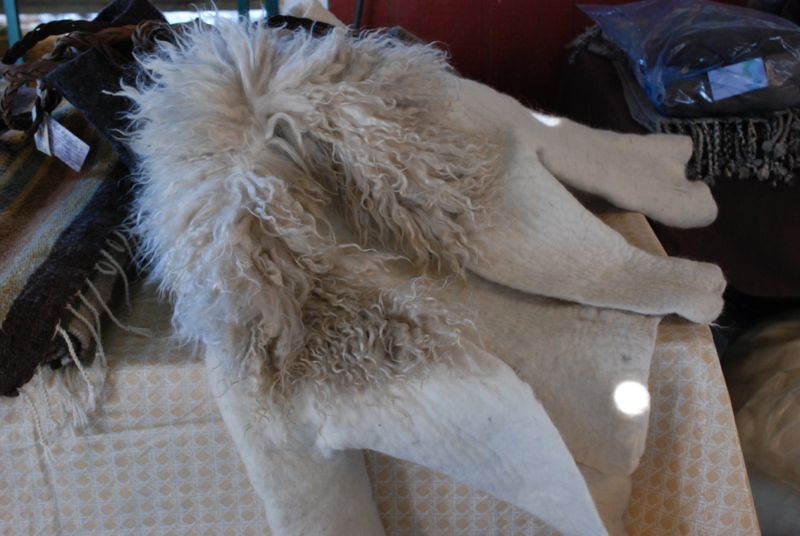
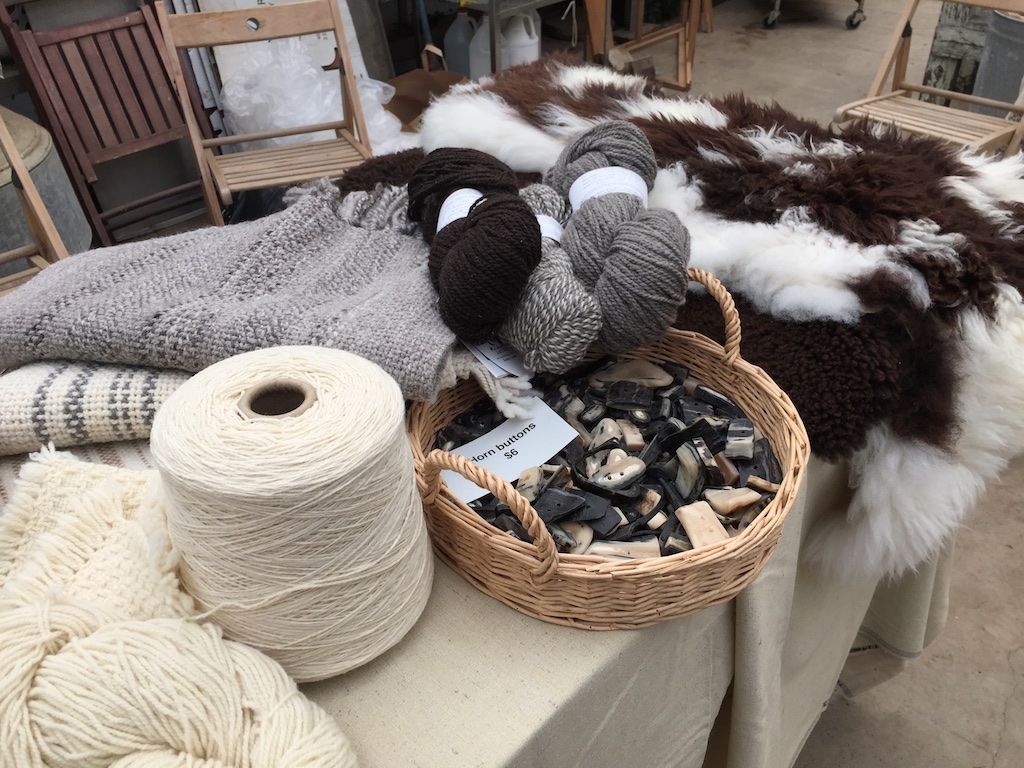 This is what I brought to share–sheepskins, buttons, yarn, and shawls from my Jacob sheep. The new
 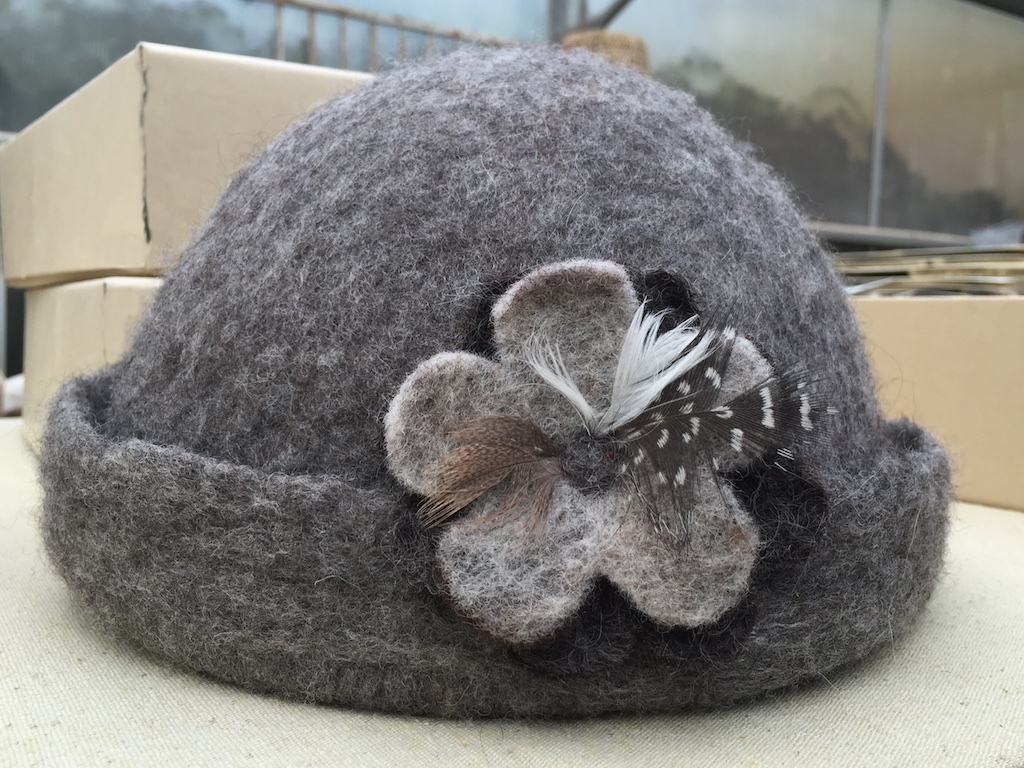 This is a felted hat made by
 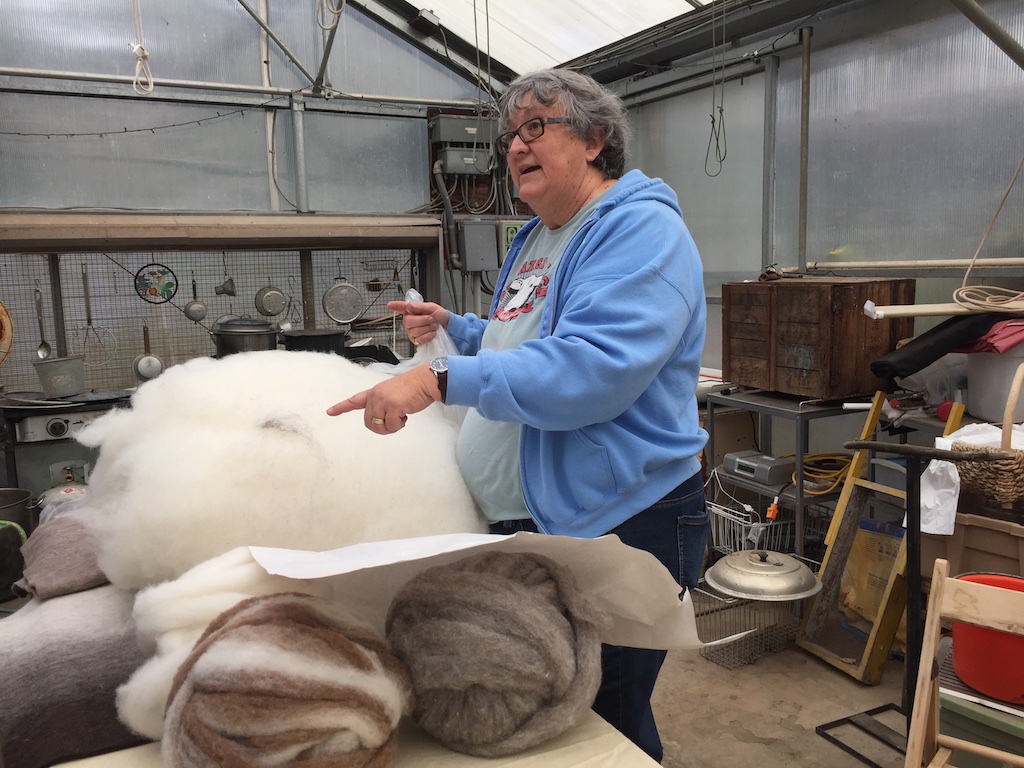 Here is
  …and this is a piece she felted from the wool of Vicki, one of my Jacob sheep.
 We were able to see the recently produced Wool and Fine Fiber Book. Each producer has a spread in which samples of their fiber is attached. These books will be circulated to designers and manufacturers who want to find out what kinds of fiber are available locally, how to contact the producers, and to learn how these fibers might be used in end products. This was an amazing undertaking by Fibershed.
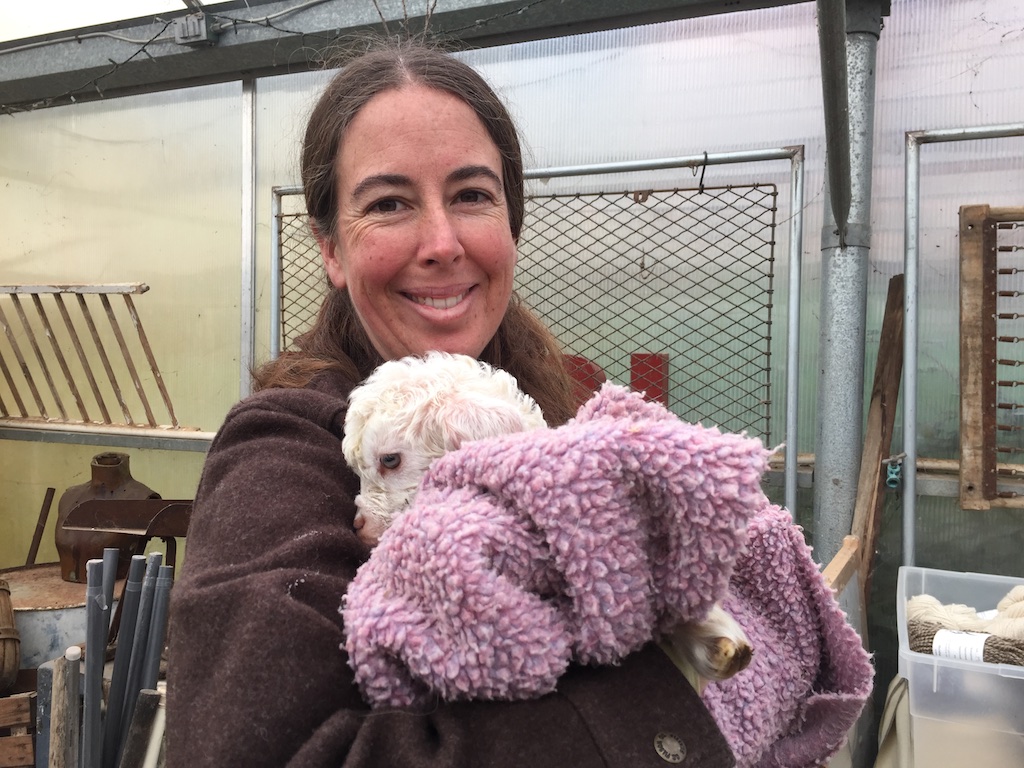
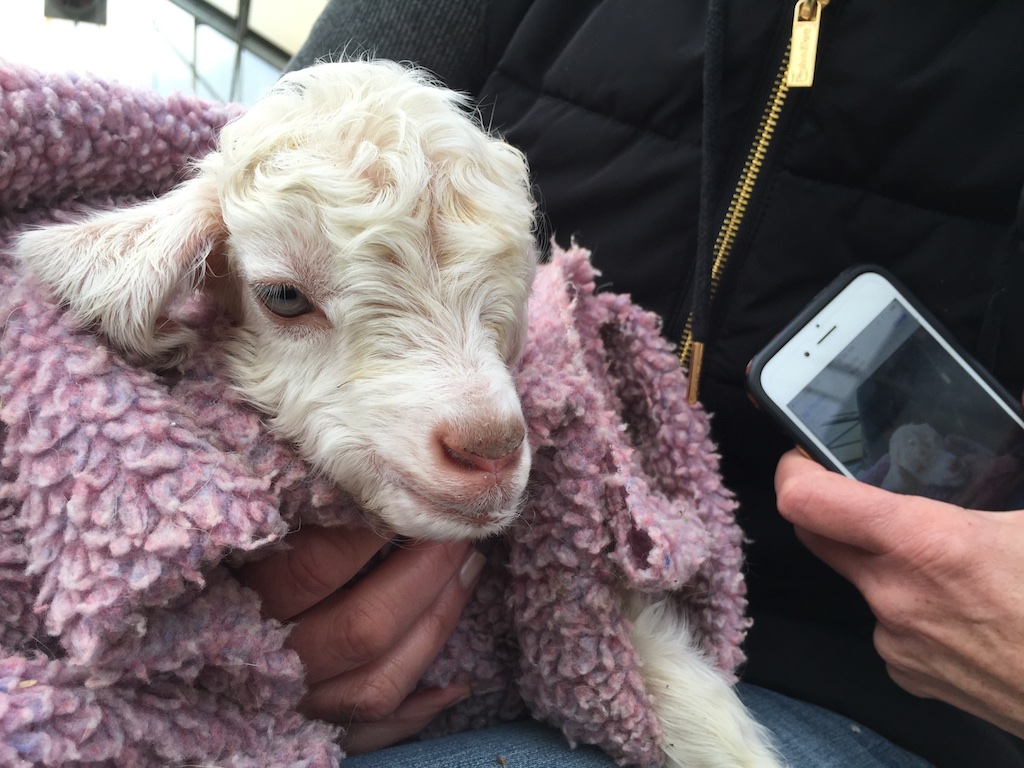 While hearing about all this we were also doing what Fibershed producers do best, eating and baby animal snuggling. This is a two-day old kid who needs some TLC.
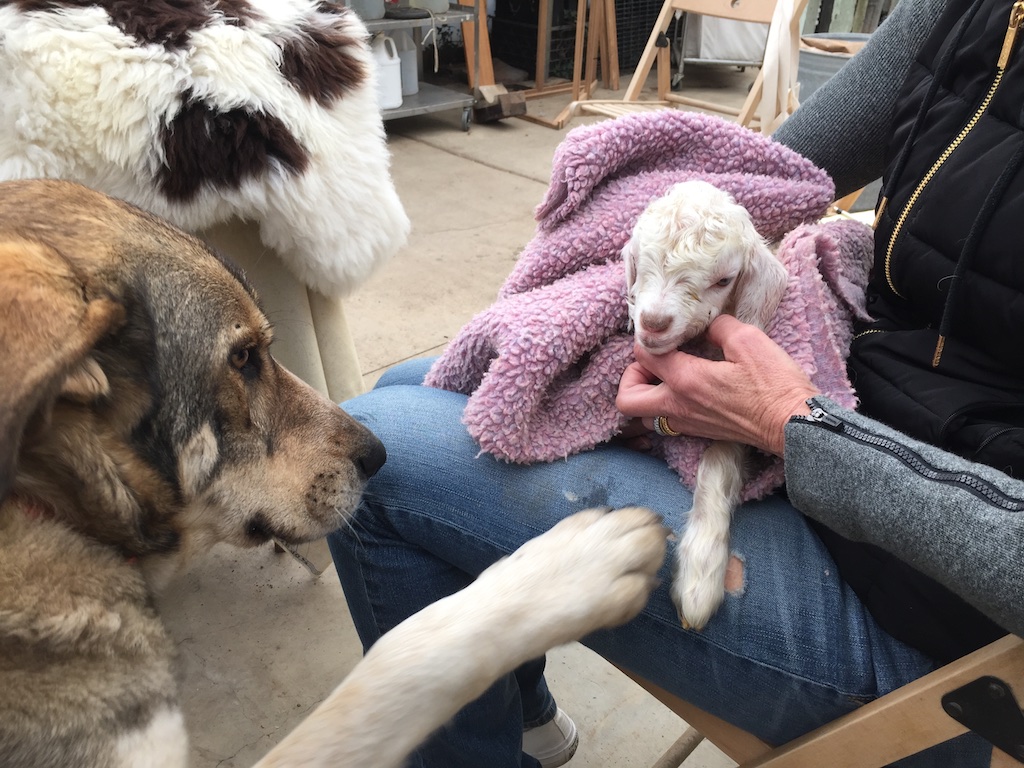 One of the dogs was feeling left out.
 Even Rebecca found some goat snuggling time.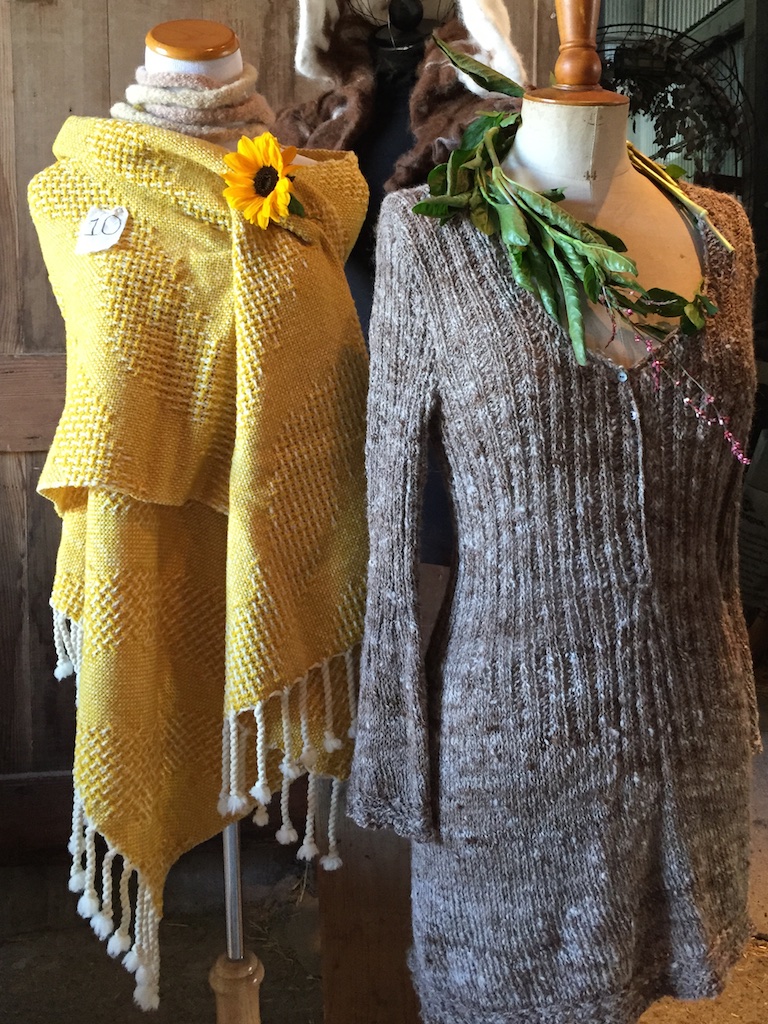
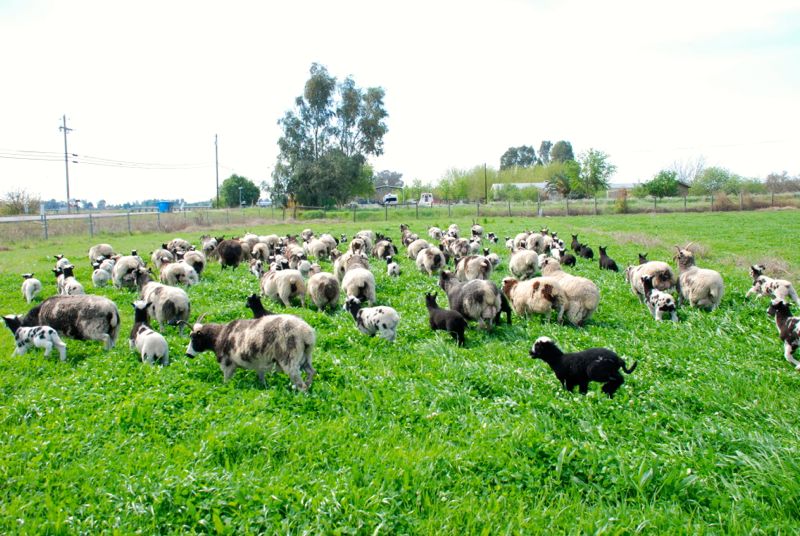
 Ringo got the most ewes so he had the pasture.
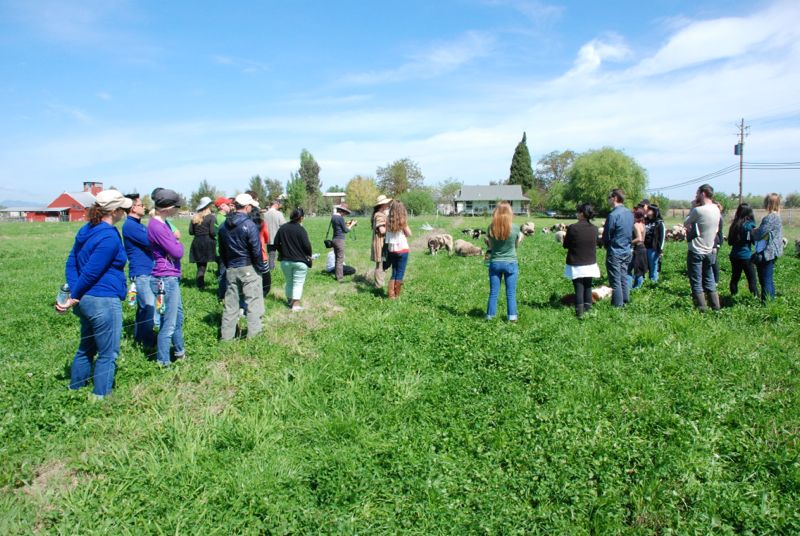
 Saturday was the Grow Your Jeans event that was the culmination of over a year’s planning and work by the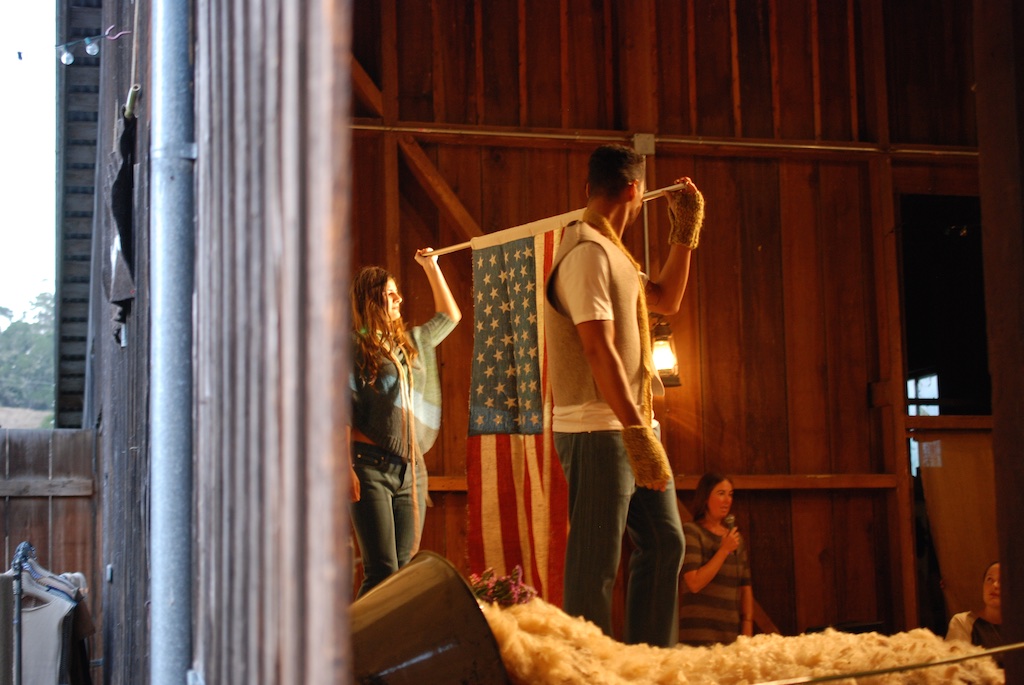
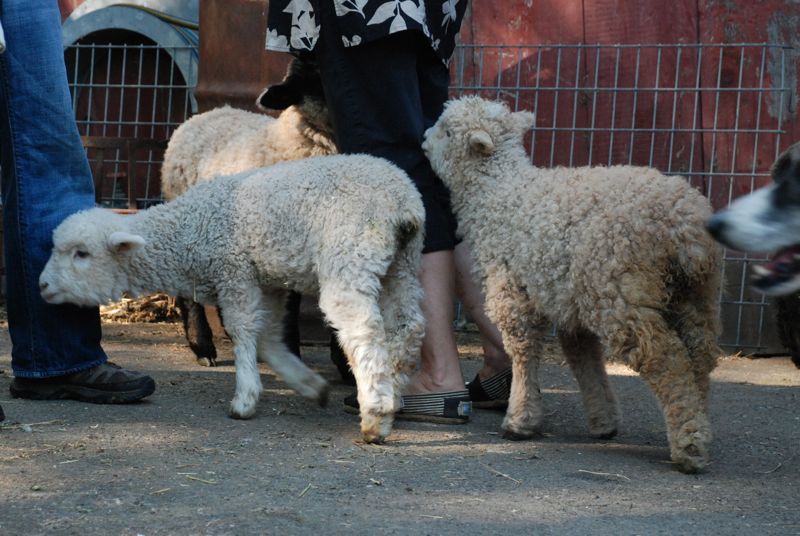
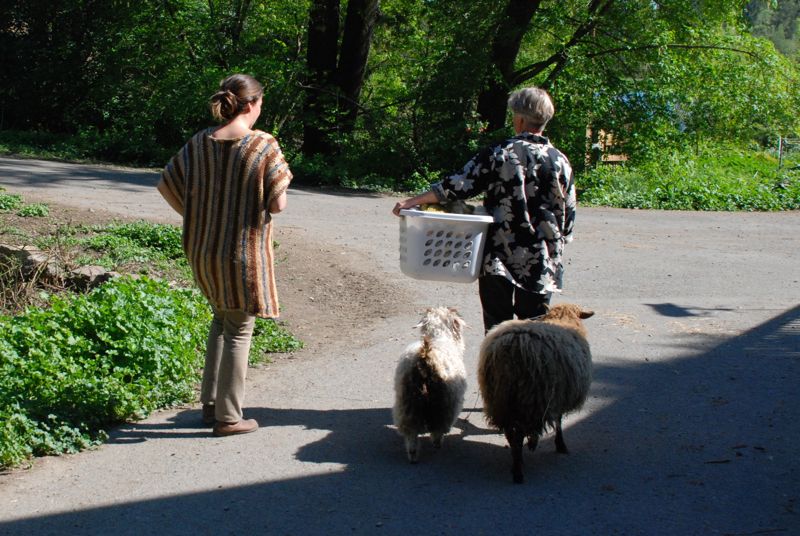
 Mary let out the bottle babies…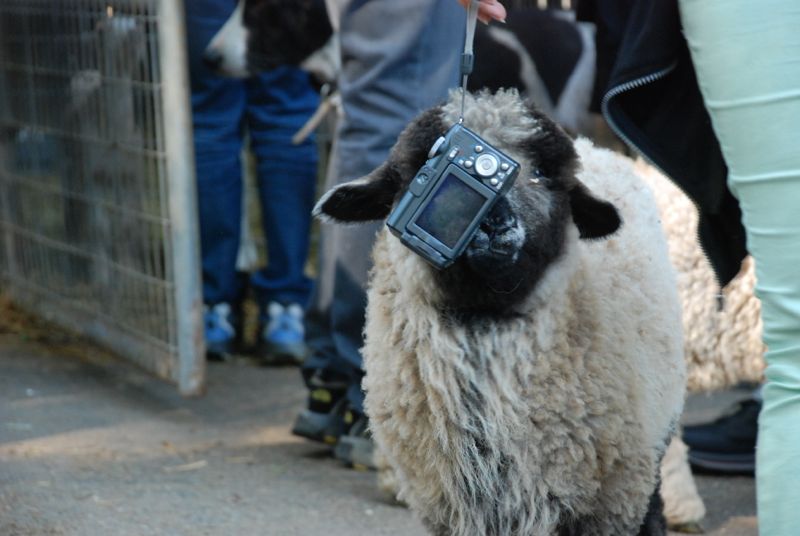
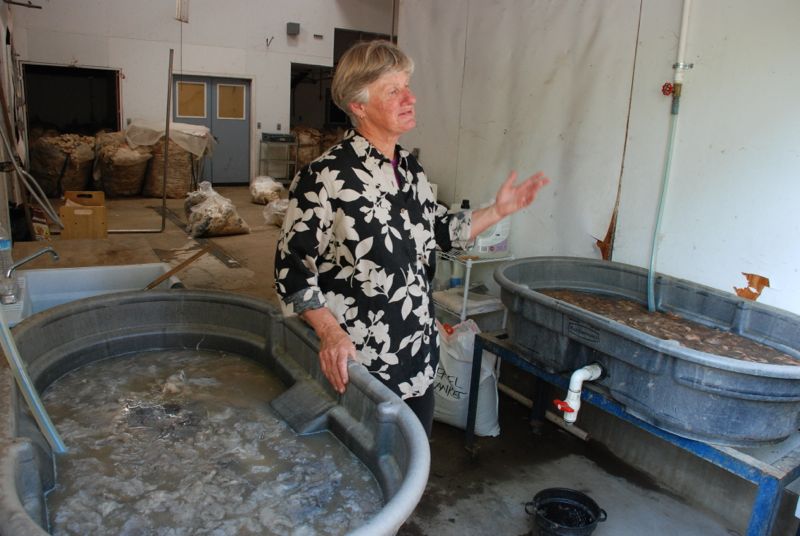
 Here is where the fleeces are dried. Mary had several fleeces spread out so that the visitors could handle them and feel the characteristics that we’d been talking about all day.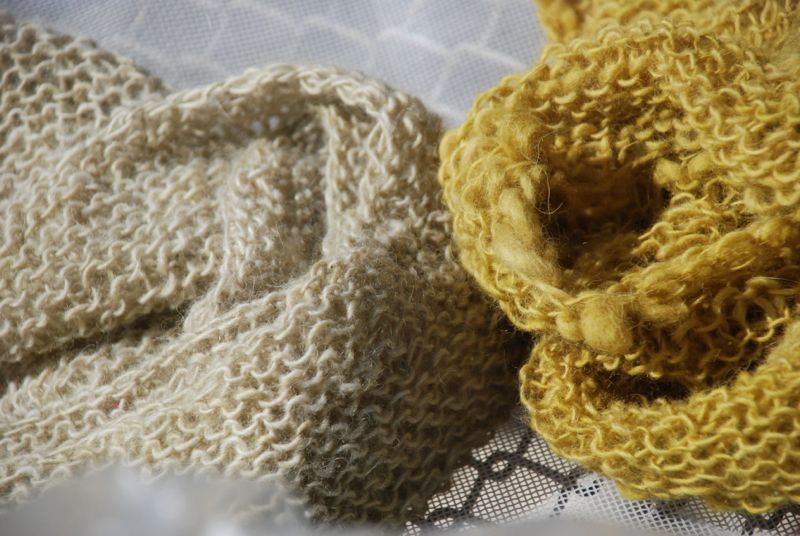
 Meridian Jacobs' Blog