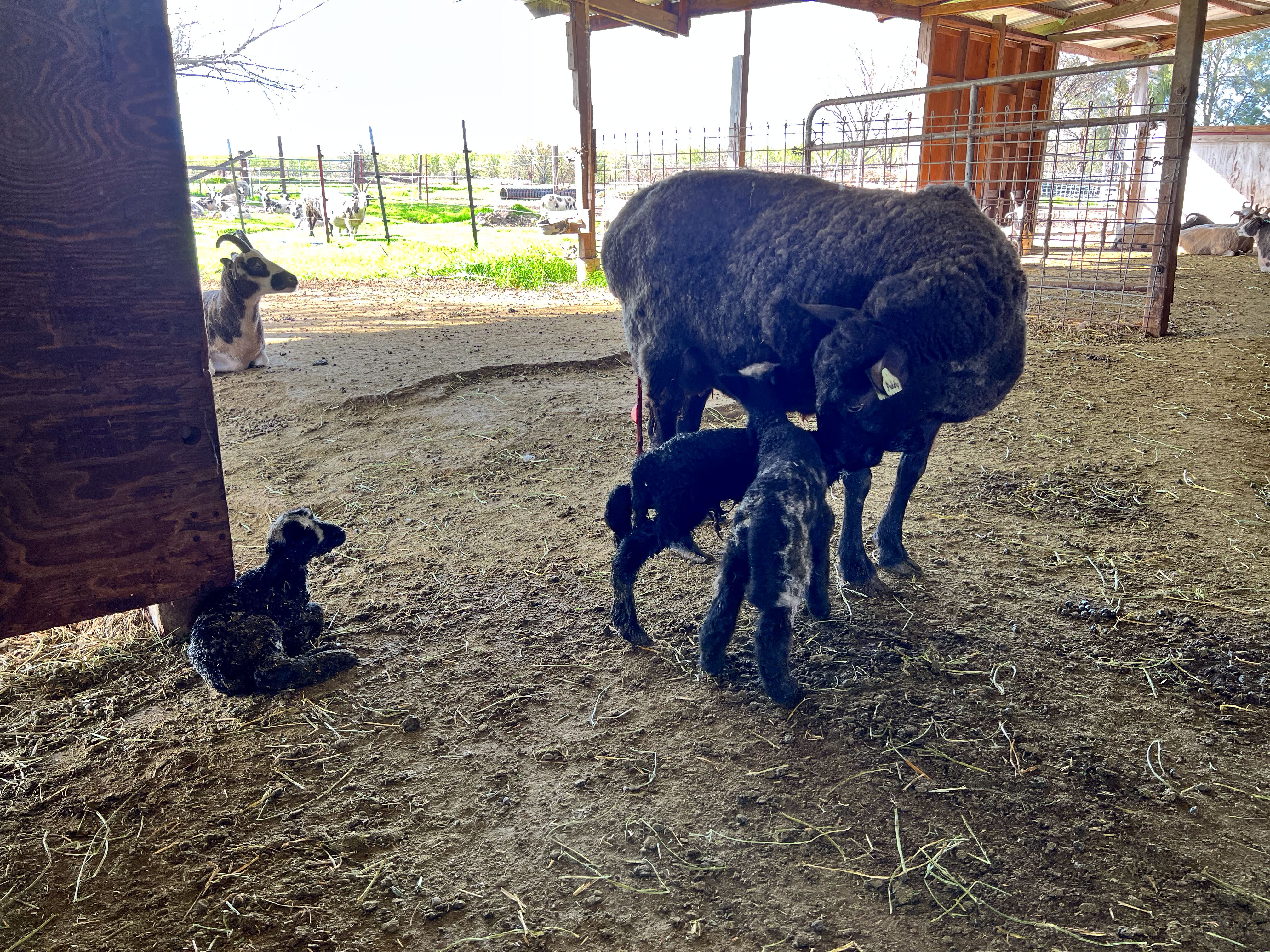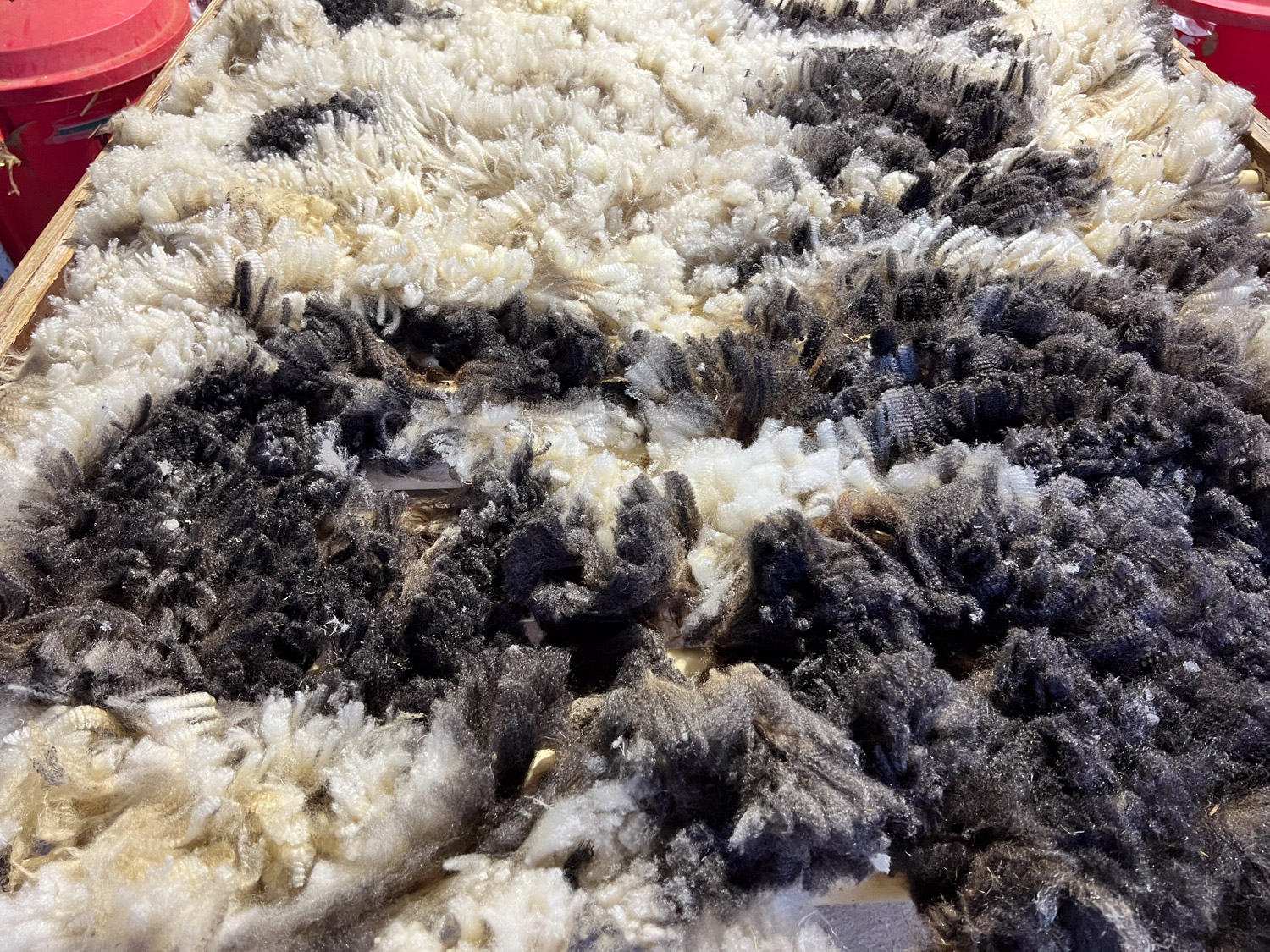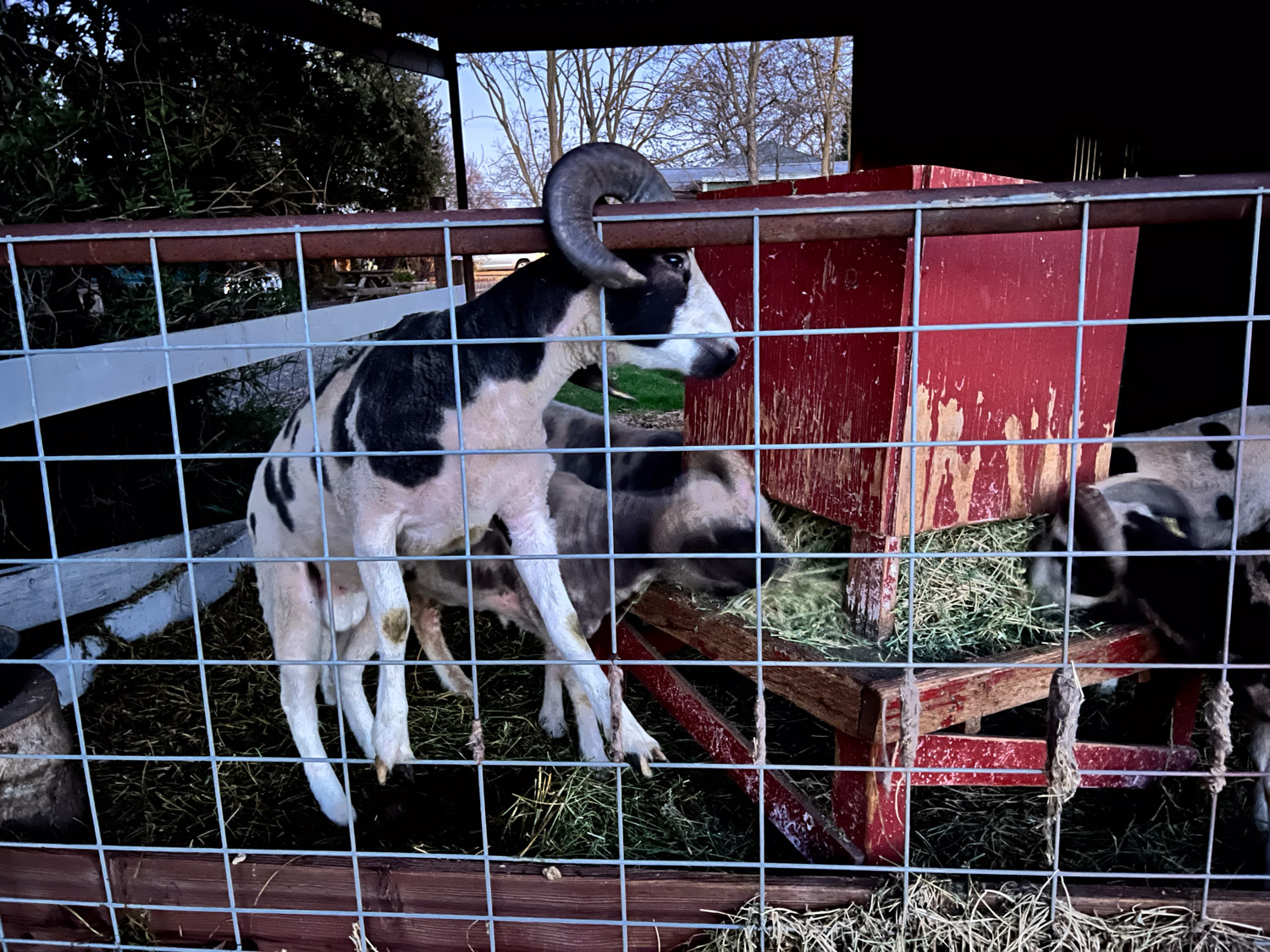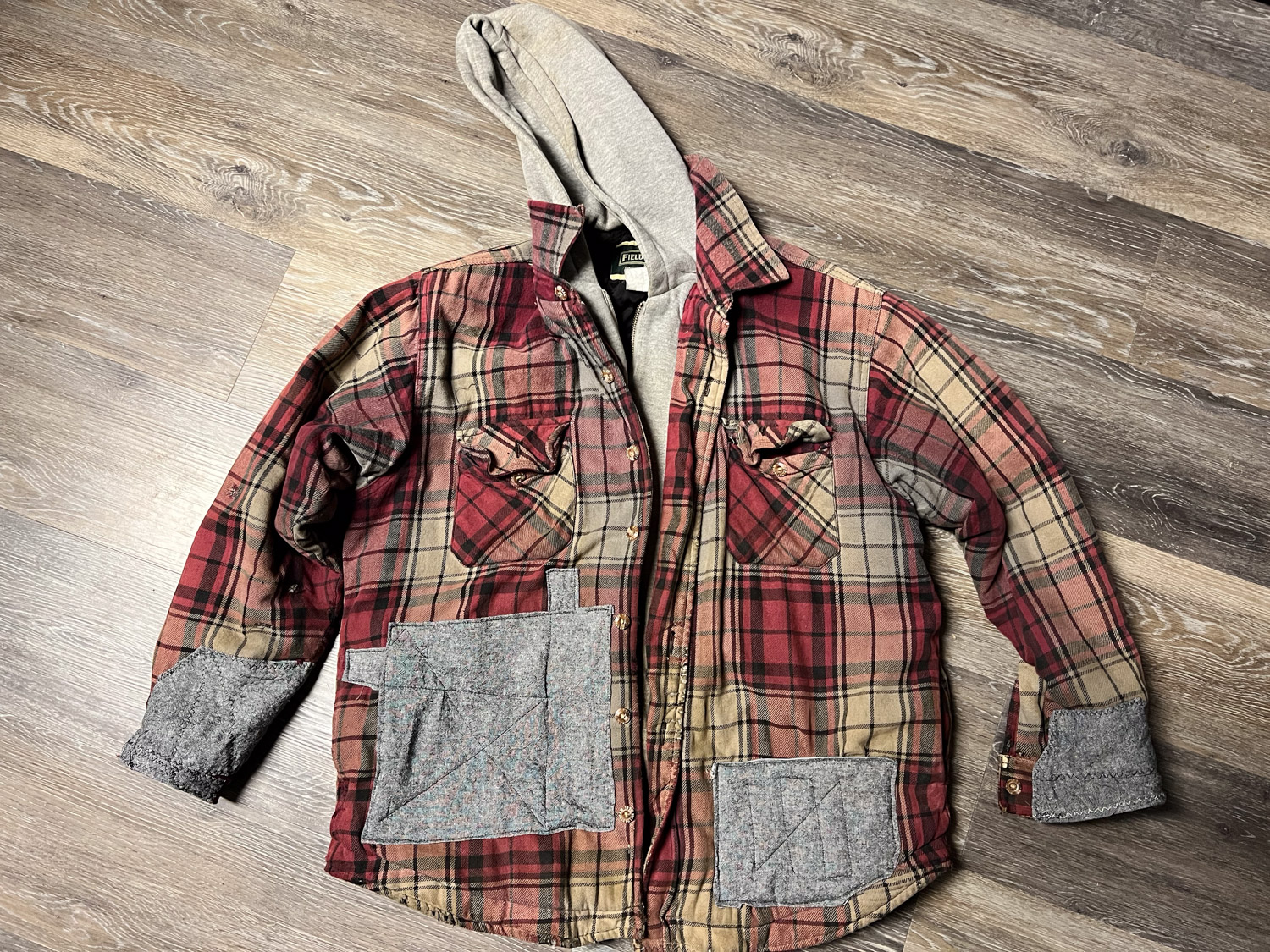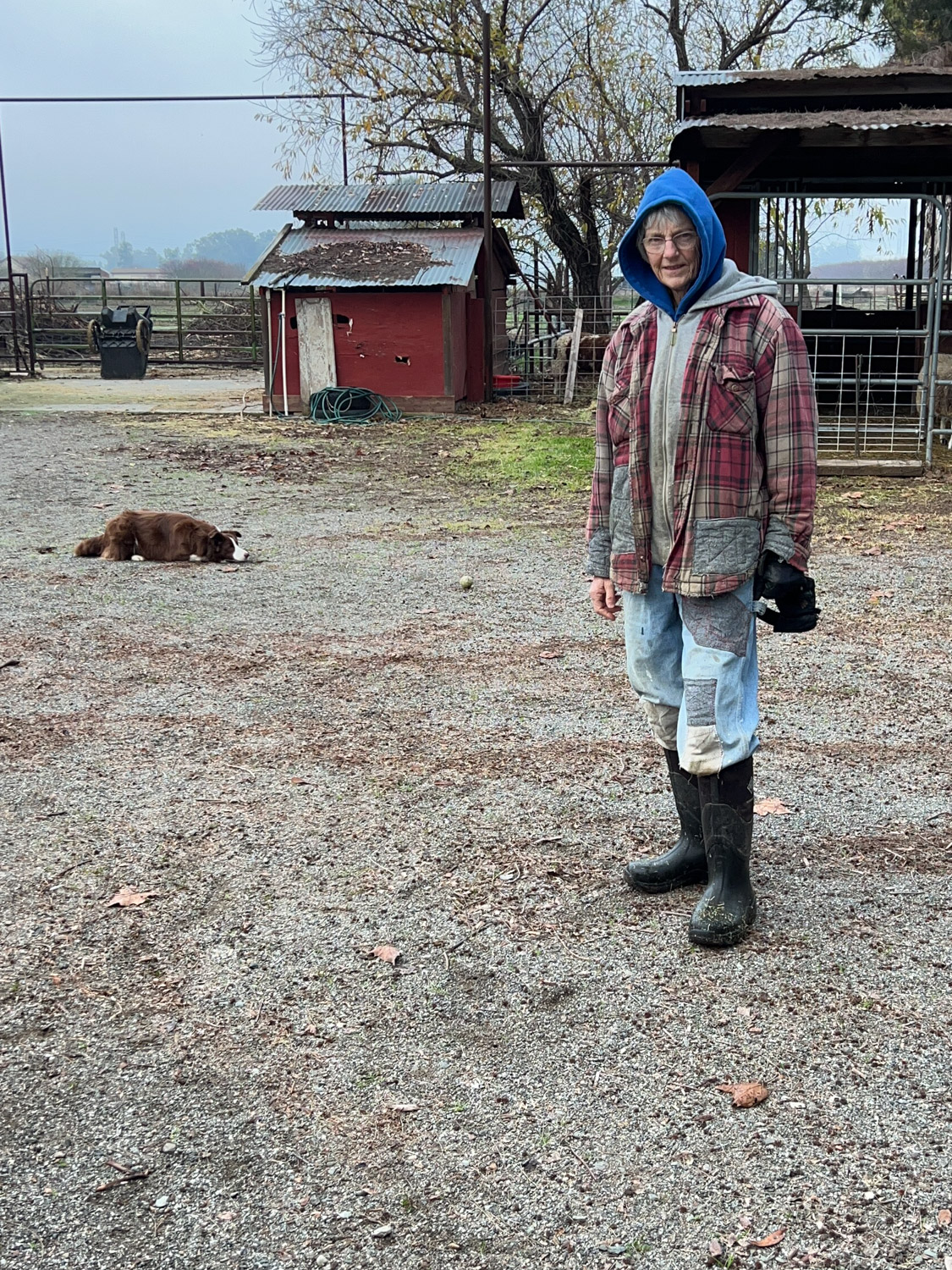
Who is Going to Lamb and When? Ultrasounds

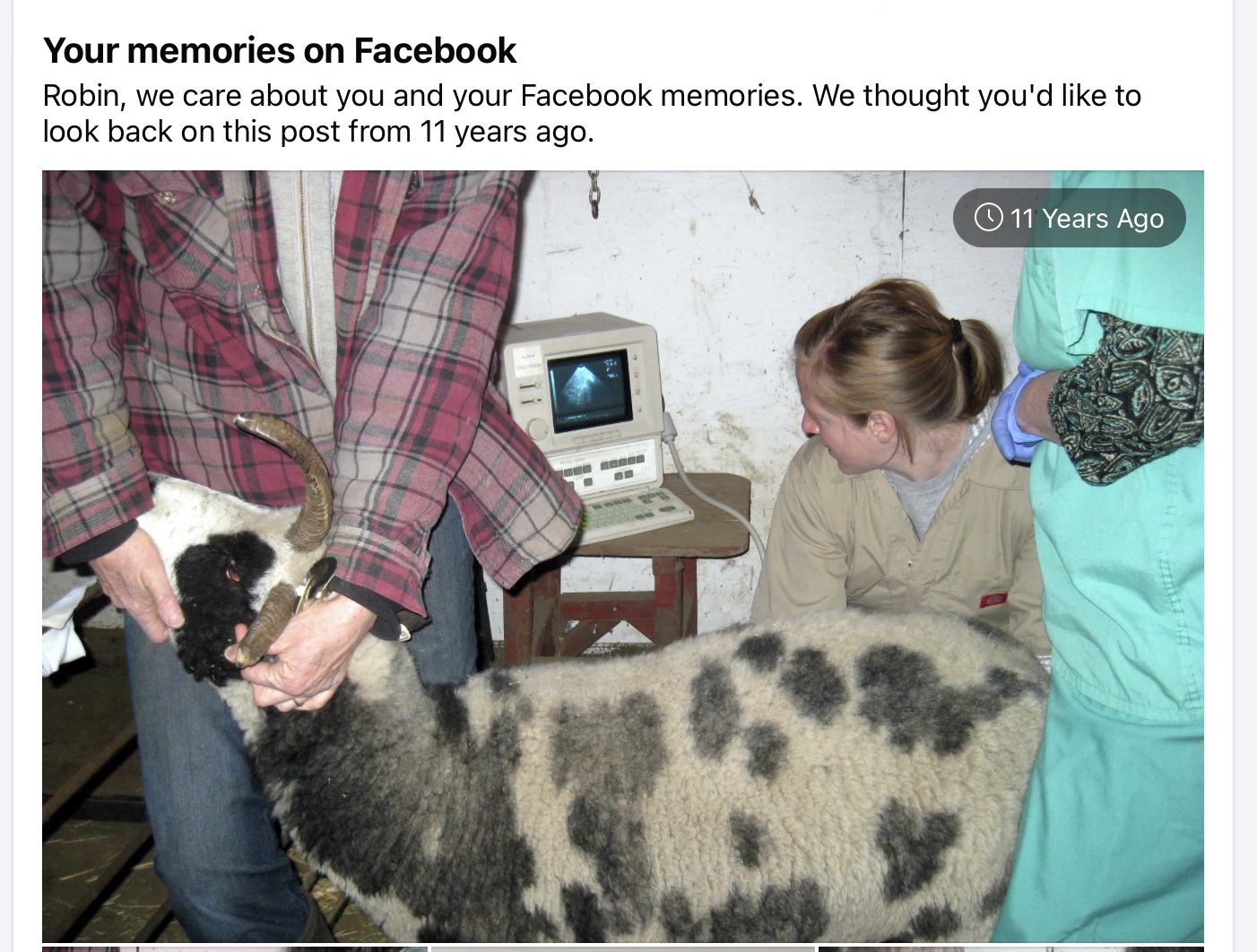
For the last few years I’ve asked the UC Davis vets to come here and do ultrasounds. It is certainly useful to know ahead of time the ewes that are not pregnant and, hopefully, the number of lambs to expect from those that are.

I told the Dr. Smith the dates the ewes were with rams and December 20 was chosen as the optimal time for ultrasounds. (Never mind that a few ewes went in with the new ram, Eli, right at Thanksgiving. This ultrasound date was scheduled before Eli came here. It won’t be hard when the time comes to know if those few ewes will lamb.

I purposely did not breed as many ewes this year because of the limited space with our pasture being off limits for most, if not all, of the next grazing season. If you read this blog regularly then you know about the Pasture and Irrigation Renovation going on. Look back over the last few months for those blog posts.

Farm Club members came and, since I was otherwise preoccupied with an overlapping visit by my son and DIL and Matt’s offer to help me with some loom/computer issues, they did all the work of getting the sheep organized and in pens, ready for the vets.

There were four from UC Davis. I lose track of the titles, but I think one person was an intern and/or student and maybe a couple were in residency. They took turns doing the scans and reading the results, with Dr. Smith overseeing it all.

Don’t ask me what we’re seeing. I’m good when I see a ribcage go by as they move the probe around, but I have a hard time with the rest of it unless it’s pointed out. They judge size of the lamb’s head and, therefore, its gestational age. Amount of fluid and relative position of the lambs are other factors they consider.

The next group of ewes waiting.

Trading places in scanning.

Meanwhile, one reason Matt came was to climb the weeping willow and cut a couple of large branches that had broken during the summer. FIY, he is using safety gear to prevent falling in case of slips.

It’s amazing how quickly this tree has grown. Matt cut the problem branches, but then cleaned out a lot more where it overhangs the pasture and the fence.

Back at the barn they are still scanning, but we could used last year’s lambing list on the white board (to be erased at the beginning of the next lambing) to pick out which ewes had triplets last year.

Here are the stats:
Fetuses counted: 51
Sets of triplets: 2
Sets of twins: 17
Singles: 5
Sets of 2+ (twins, but not ruling out a 3rd): 3
Ewes pregnant: 27
Ewes open who were with a ram: 3
Ewes maybe pregnant, bred late by Eli: 4
Ewes not with.a ram: 7
Ewe lambs not bred: 8

Stay tuned for March 9, the first due date based on when I put rams in with ewes.

Pasture and Irrigation Renovation – Part 13

The main part of this plan was the pasture and irrigation work. However we have a couple of additional projects. One was accomplished last week. Personnel from the Solano RCD brought two owl boxes and installed them. How about that for service!

This one is on the south fence and the other is on the west. In this photo this box is being held in place with additional wood boards while the concrete in the hole hardens.

I walked out there today just after the support boards were removed. There are wood chips inside and this hole faces east. The extra panels on the top and the west side are to help with temperature control in the summer. Part of me wants to write an Owlish Address of some kind on the box.

This is the view from the road when I walked to the owl box. It is far too wet to walk through the pasture or Across the Road. So I used this as a reason to get Ginny out for a short walk.

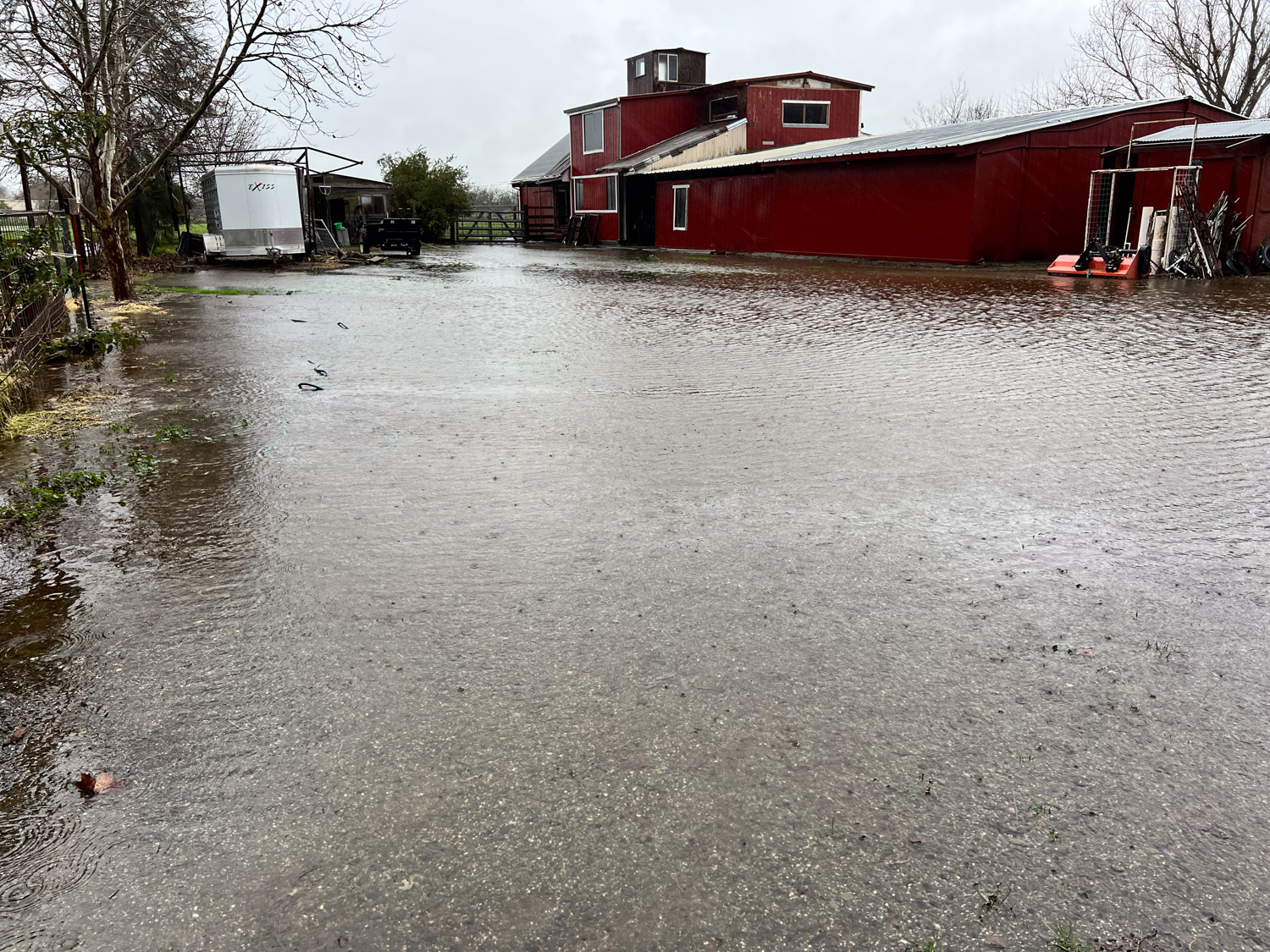
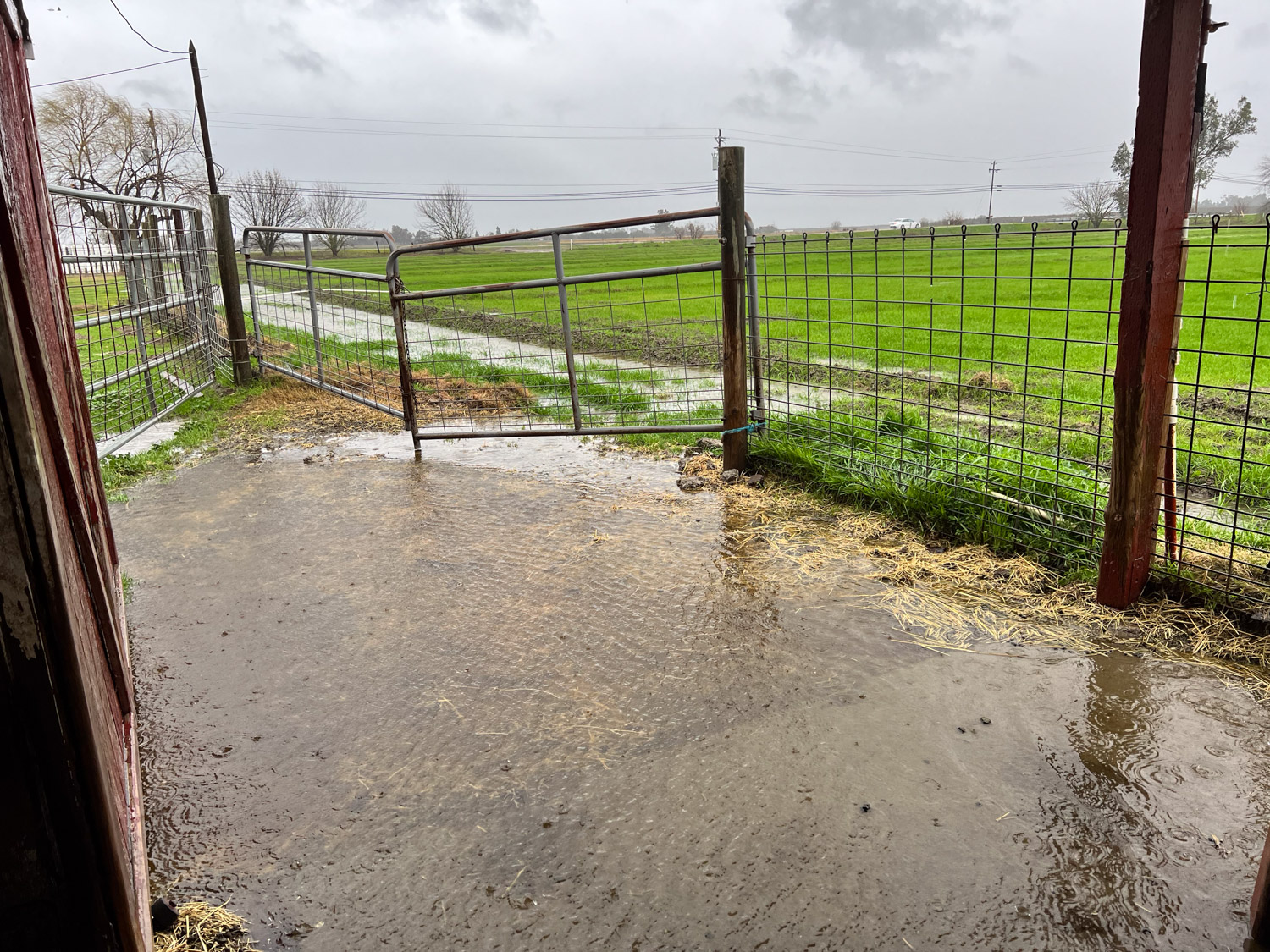
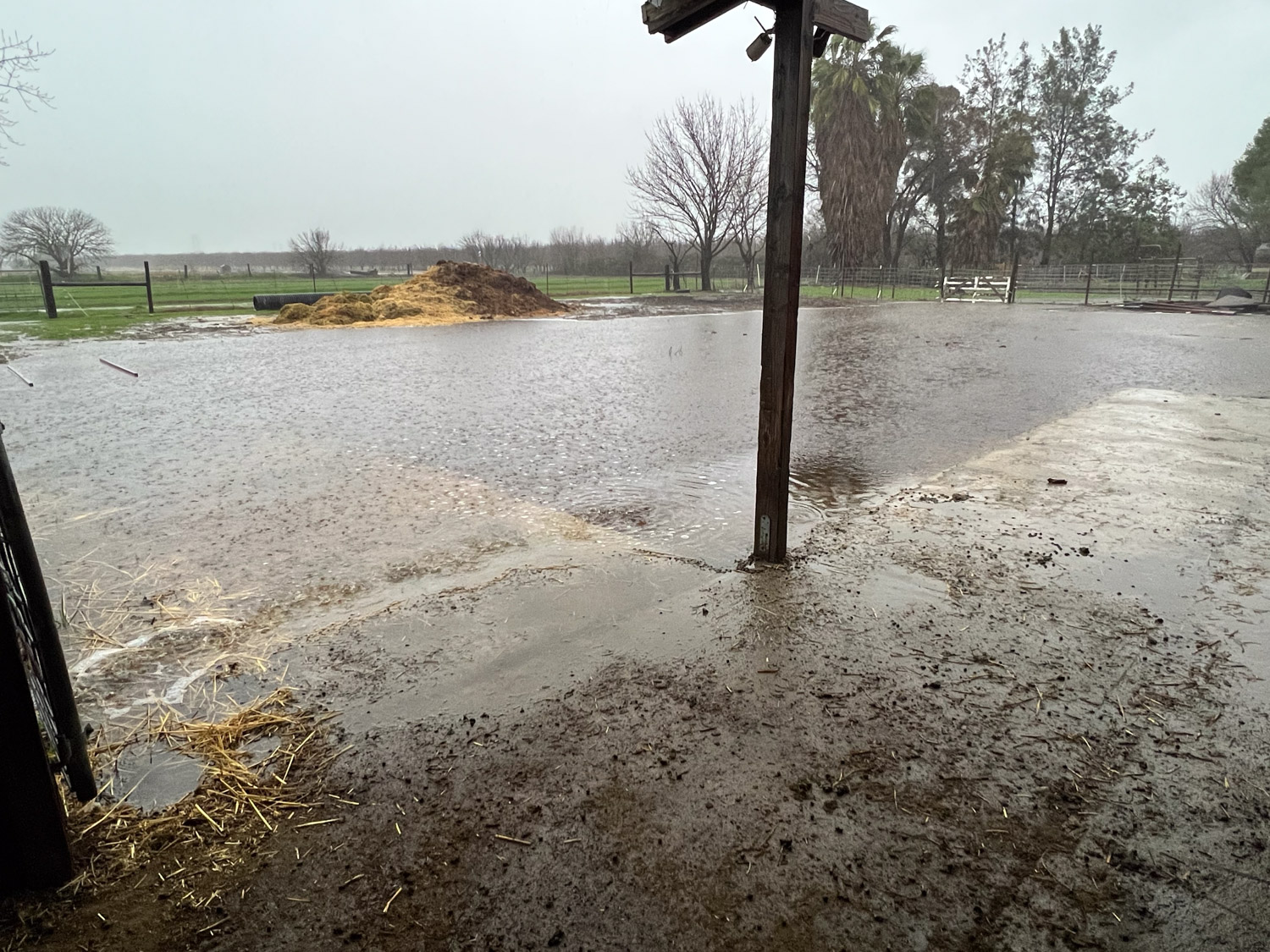
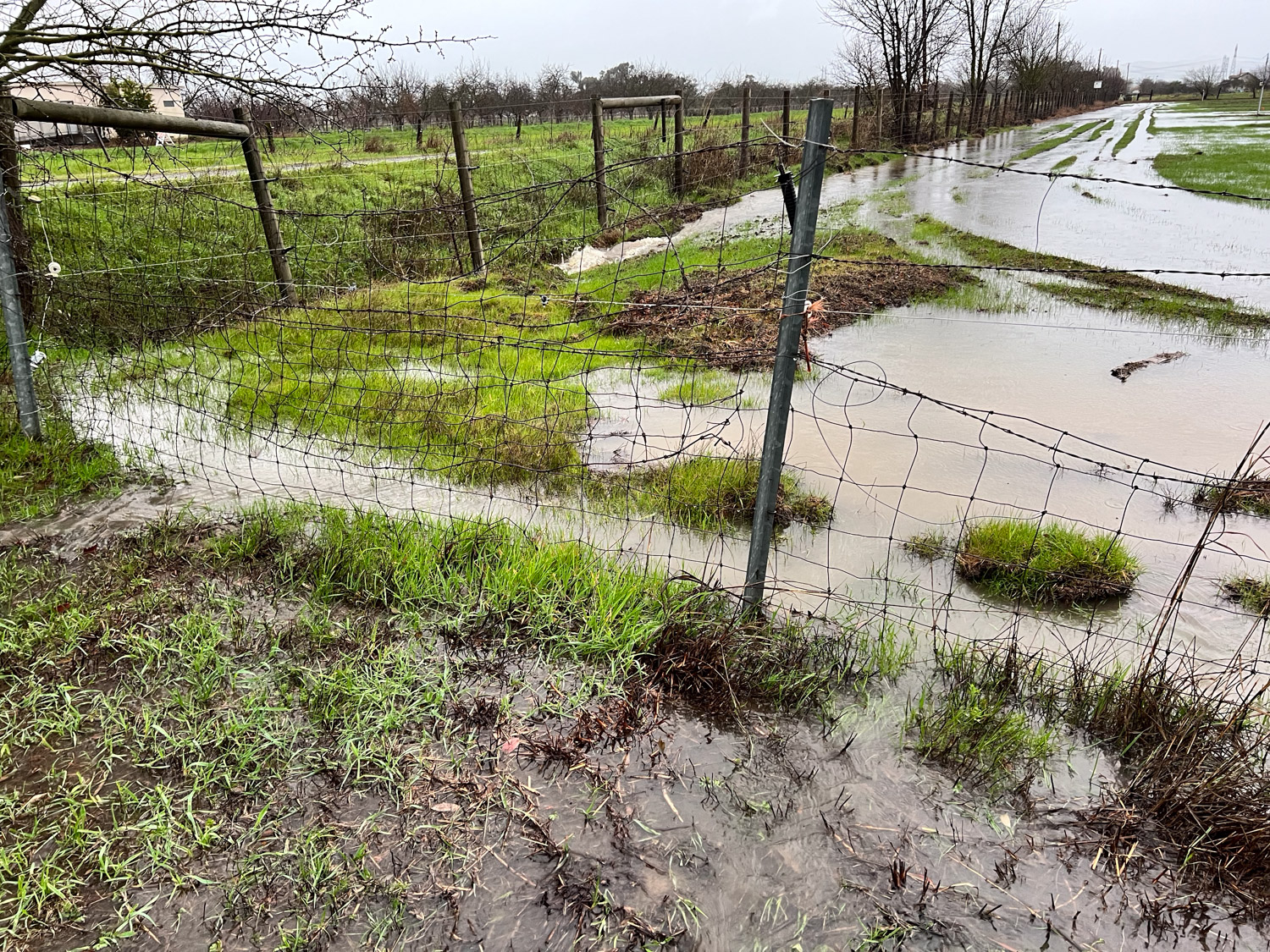
It rained a lot last night and today and I was interested to see the pasture from different views. This is the east side looking south. The photo above this one is the east side looking northwest.

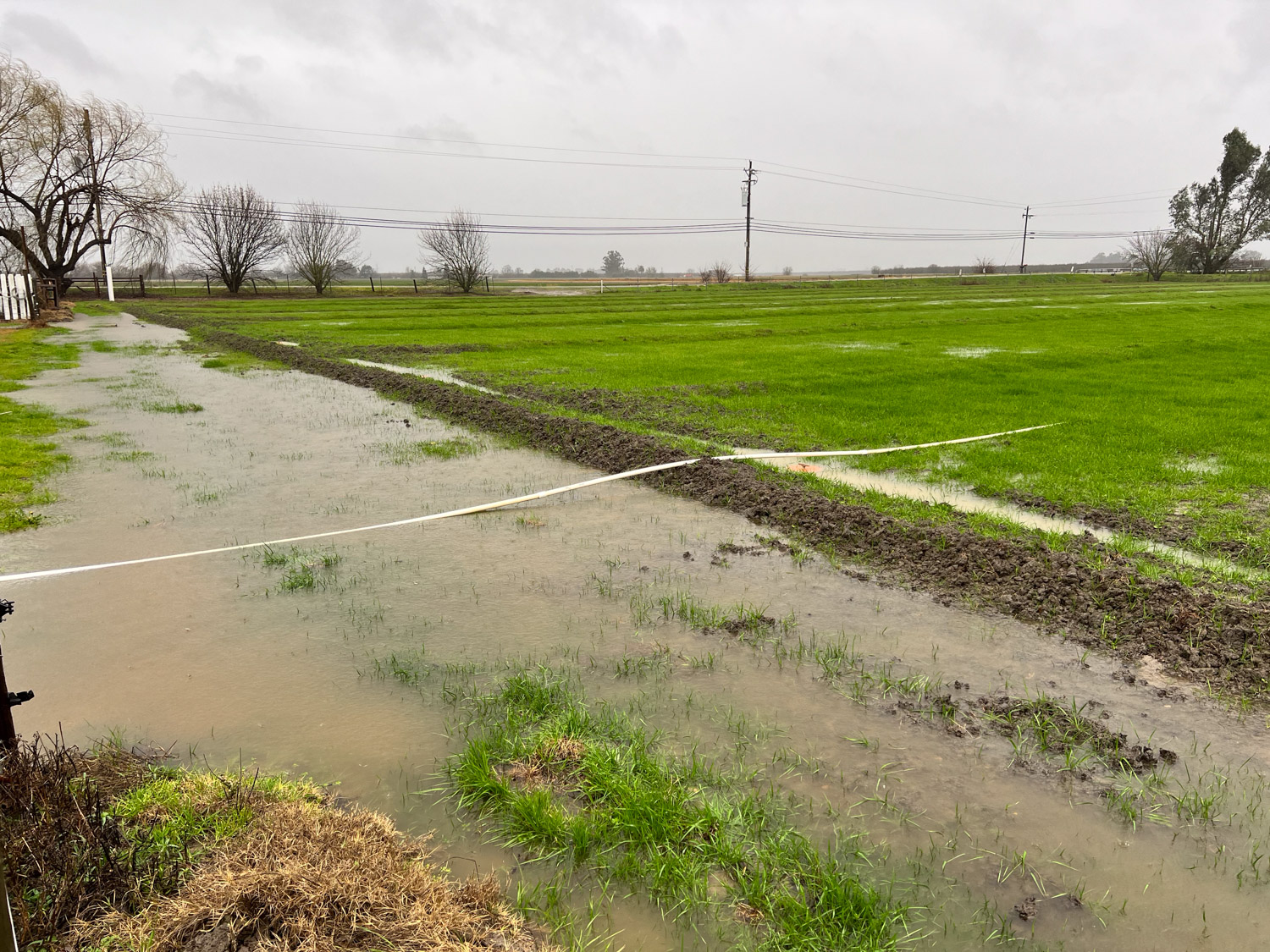
This is the same side of the pasture, but from the opposite end. There is water in the deep ruts made by the trucks when they installed those moisture sensors described in the previous post, but, other than the ruts, the lower end of the field doesn’t have the standing water that there is in the upper end. Interesting.

This is the southwest corner of the property. The standing water is in the ruts where the truck maneuvered. The soil moisture sensor is on that pole at the right. You can just see the other owl box along the fence line near one of the trees.

I walked around the west property line to the northwest corner where the concrete box is. There is standing water in the area where the trucks drove but not in the rest of the field. I think that the last work to be done is to fill in with all that extra dirt around the box. I assume that they will cover this open box, but I’m not sure. If they don’t we’ll put a wire cover on it.

Pasture and Irrigation Renovation – Part 12 – Watching Grass Grow

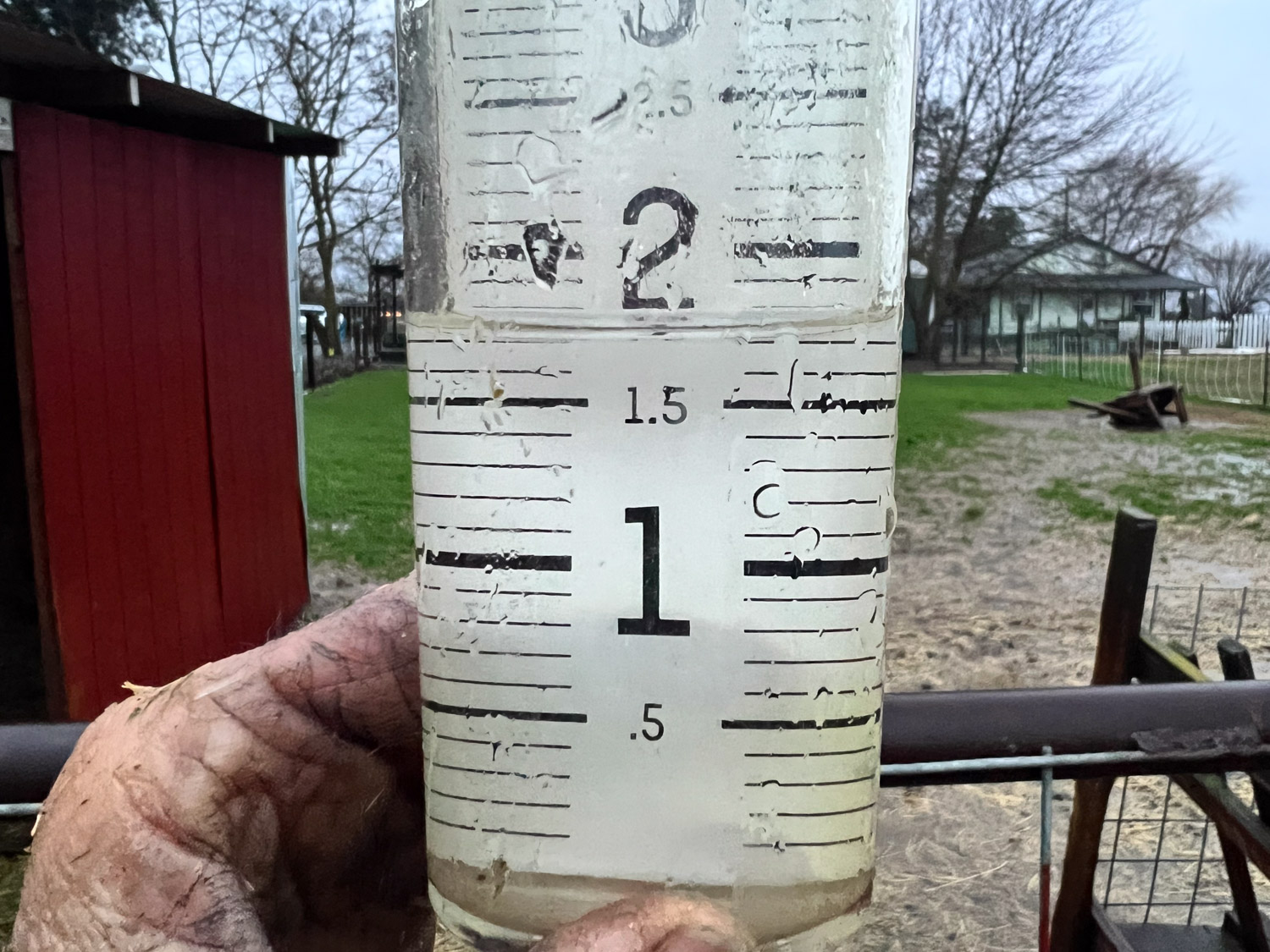
Yesterday’s post described seeding on November 19, just before the 4″ of rain that we got over the next 3 days. Now we’re waiting for grass to grow.

This was grass growing on December 1.

Yes, it’s there, but you have to be paying attention to see what’s happening. We’re not just watching for grass. We want to see those broad-leaf plants too.

This is three days later on December 4.

Rodents at work.

The next day the irrigation crew came back to install the flowmeter and soil moisture sensors. That tube on top of the concrete box has a something that looks like a fan or propellor on the end of it.

That is the part that is now in the pipe and the rod is mounted to the concrete box.

The pole outside the box has solar panels and some other kind of gadget on it. At this point I don’t know how any of it works. We’re going to have a lesson about how to interpret the data it will provide to my phone.

There are two soil moisture sensors at the other end of the field. We had them place those poles where there will be fence lines so the sheep won’t be tempted to rub on them.

That white spot that looks like a quarter, at the bottom of the photo, is a rod that will measure moisture at 3 depths.

That data will also be transmitted to my phone.

This is the south end of the field. It is still wet enough that when the workers drove back and forth between these moisture sensors they created deep ruts. That’s unfortunate but there is nothing that can be done now. I think we have to wait until next year and then maybe disc this and the west side of the field where there is also compaction from vehicles during the final installation. We’ll wait and see.

Now we’re just waiting for more rain and grass.

Pasture and Irrigation Renovation – Part 11

Yesterday’s post brought us up to November 19 when the work on the irrigation pipeline was almost finished. The field wasn’t yet seeded and significant rain was due that night.

There is a story about the seed. It was a special order to get the quantity and mix we specified. On November 8 we drove to the seed company in Tracy to pick it up to save on shipping cost and so it would be here when Michael was ready for it. The order wasn’t correct so the company was going to ship it to us the following week. It didn’t come on the day it was supposed to, and we didn’t want it to arrive while we were gone. It would be on a pallet which would need to be unloaded and we couldn’t risk the seed getting wet if it rained. So we scheduled delivery for the following Tuesday, the day after we’d be back from Arizona. The shipping company called on Tuesday to say it would be here Wednesday. We needed to get that seed in the ground on Tuesday because of the imminent rain.

Fortunately we were told that the seed could be taken off the truck so we could pick it up. Dan I drove to Sacramento to pick it up at the trucking company location. I texted Michael that the seed we would be back home with the seed by about 2:00.

The air seeder has two long arms that distribute the seeds as it’s being driven.

I don’t know the details of how it is set up but this is a look at the part under the hopper where the seed falls into the black tubes in a measured quantity.

There is a control here where Michael set the amount of seed to apply. He somehow calibrated it to apply 30 pounds/acre when the tractor is driven at 6 mph.

It took only a few hours to apply the seed using this equipment.

This was followed up with ring rollers to help the seed have more soil contact. It was getting dark.

After rolling the main part of the pasture, Michael had to adjust the width of the rollers to squeeze between the new valves that are 30 feet apart. This was to access the north part of the field.

Michael’s son had been riding in the cab while Michael was working. While he adjusted the rollers (and Dan was watching to make sure they cleared the valves) I took Bodie into the barn to feed the sheep with me.

Seeding was just in time. We had almost an inch and a half of rain that night.

The NRCS engineer wanted to certify the pipeline work, but now it was too muddy for people to walk or drive across the field and even on the road to the west. I walked out there by walking on the dried grass to the side of the dirt road west of our property so I could send photos. This shows the work the welder did the previous day when he could drive on that road. He cut out a circle on the horizontal pipe, matched the vertical pipe with another cut, and welded them together.

There is a precisely measured hole in the top of the horizontal pipe. I think the purpose is for air flow to help with water flow.

The finished connections that need to be covered. But, wait, they are not finished. There will be another post that shows a flow meter being installed.

Avoiding the dirt most of the way, this is how my boots looked just….

…walking across the dirt road to get to the corner of the property. I sent the engineers the required photos and these last two to show that it was not a good time for anyone to visit.

Pasture and Irrigation Renovation – Part 10

The last post I wrote about this project was on November 21, two weeks ago. At that point we had just come back from our Arizona trip The pipeline was put in while we were gone. We were anxious to get both the irrigation work and the field work finished before the real winter rain started. With it this late in the year it was certainly possible that there would have been significant rain before this time. I don’t know what we would have done if that had happened. I think the whole thing would have been put off if the ground was as wet as it is now.

So in these photos the ground is dry. This is the view from the western edge to the east. The pipeline is 15″ and the valves are 30 feet apart

That is a pretty deep trench at this end. There has to be gravity flow so I assume the west side is a little higher than the east.

View to the west.

The is the trencher they used. I was interested in that conveyor that looks as though it is just stuck in that wheel to get it out of the way. But, of course that is not the case–it is supposed to be there. . As the wheel turns, the dirt is brought up to the top where it drops onto the conveyer which drops in a long ridge next to the ditch.

This view if from the corner where the water enters our property There is a north-south pipeline buried here.

This is the connection where we get the water from the SID canal.

The concrete box is 8 feet deep. A flow meter will be placed in one of the pipes.

Another private contractor showed up this day. He is a welder and his job was to cut a hole in the horizontal pipe and shape and then weld an upright pipe onto the horizontal one. I think it is to allow air flow in the pipe so that the water will flow better.

This is the row of valves after the trench has been mostly filled in.

This was all finished just in time before heavy rain was predicted to start. The other crucial task was to get the field seeded before rain made it impossible to drive a tractor across the field. Rain was due by sometime during the night.

To be continued because I’m too tired…

Using the Whole Sheep – Sheepskins

I started raising sheep because I wanted to produce wool. For me lamb meat (Gourmet Lamb on my website) is a by-product of my wool and fiber business, although for most sheep raisers wool may be the by-product. I make a point to use as much of the sheep as possible. Sheepskins are a major by-product of the lamb business. I thought I’d show what goes into producing a beautiful sheepskin.

I don’t have photos of the process of getting the sheepskin from the sheep. That is not something I should put here, but I will say that the person who harvests the sheep is very fast and does an excellent job of getting the skin off the carcass in good shape. My job is to cut off extra skin that came from the legs and salt the pelts as soon as possible to prevent them from decaying.

I ran into trouble this year getting the right salt. You need to use fine salt to cover the most surface area. The one on the left is what I usually use, but it was out of stock for part of the summer. You’d think that the one on the right would be OK since it’s labeled “fine”, however it is not nearly as fine as the “solar mixing salt”.

Dan built this rack a couple of years ago so the hides won’t take up as much room as if they were spread out. I have covered hide with a layer of salt, making sure that all parts of the hide are covered.

Even though I had the rack I had to spread some hides on pallets when there were too many to fit. It the middle of the summer they dry enough within a week to move to a stack. If the weather changes and there is moisture in the air sometimes the pelts still feel damp.

You’re not supposed to dry the pelts in the sun, but I after the initial drying and before shipping I may spread them out for a few hours. After the salt has done its job of drawing the moisture out of the skin it sometimes draws moisture from the air and I don’t want there to be extra moisture when I ship them to the tannery.

I flipped them over and dried both sides.

A stack of pelts. The next job is to find an adequate box. I sold a couple of looms this year and still had the boxes. I’m trying to remember now if I was able to fit ten pelts in a loom box.

I take photos of the hides before boxing them. With the two tanneries I am using now I don’t think I have to worry about this step. Over the last few years I have tried three other tanneries. One is now out of business. One is all the way across the country and takes a longer time. The other (in California) sent hides back that were definitely not mine. That’s what prompted me to start taking photos before shipping.

I am satisfied now with the two tanneries I will continue to use. Driftless Tannery is in Wisconsin. Living Sky is in Idaho and last year I was able to deliver hides when I visited my son and DIL in Boise. This year I shipped them all. Both tanneries use mimosa bark for their tanning process. This is a more environmentally friendly alternative than methods that some tanneries use. I also like the resulting leather–it is flexible, yet sturdy.

I have photos of the front and back of each hide. People ask me how the hides are tanned. My answer is that it is magic. The photos don’t show how bad these hides look when I ship them. They are stiff and the wool is dirty, including hay, grass, and blood. The tanneries work magic and the hides are returned clean and fluffy.

I went through my photos and found some that I could match up with the finished sheepskins.

These are three of the hides that came back from Idaho. Can you match the first two up to the photo above? The middle sheepskin is the one on the top right in the photo above. I think the sheepskin on the left is the one in the lower left of the photo with six. Magic!

This is from the batch I sent to Wisconsin.

The sheepskin on the left is the middle one on the bottom row in the photo above. The middle sheepskin is middle, top row above. The one on the right is in the lower left corner above. More magic!

When I get the sheepskins back I need to measure and photograph each one so I can put them on the website. See this page for all that I have listed.

November Adventure – Ironman Arizona – part 3

I left off in the last post with Chris starting the marathon, the third part of the Ironman that was two weeks ago.

This photo is about a half hour into the marathon.

This is a screenshot from my phone very nearly at the end of the whole thing, but I’m including it here to show the course and to show how spectators are able to track their athletes through the day on this app. The blue line in the river (which is truly more of a lake here because of a dam) is the swim course. The green line is the bike course and the red one is the run. It was complicated. The runners first went out and back on the red line that goes to the top of the photo. Then they cross the river and make the loop where it says 129, go down to the bridge at the bottom, run along the river, do that out and back part again and do this whole course three times. On the last one they turn where it says 123 and run to the finish. As spectators we try to position ourselves in strategic places to cheer them on.

This view shows the transition area where all the bikes are and where the athletes had lined up along the river before the start of the swim

Meryl and Katie and the kids and I walked across a bridge to position ourselves where we’d see Chris twice as he went around the loop on this side of the river. Kasen made sure he got a High 5 in when he could.

This was the best place to be with the Kasen and Kirby because there was a sandy beach for entertainment. It’s a long day for everyone, but especially for the kids.

More High 5’s for Uncle Chris from the kids. This is about two hours into the marathon.

At this point I walked back over to the other side of the river where Dan had been greeting Chris as he ran by. Meryl, Katie, and the kids stayed here until closer to the time Chris would finish.

The view back across the river. That arched bridge is the one I had just walked across and the kids were on the beach below there.

This is at about 3-1/2 hours.

The marathon finish.

Total time for the whole event: 11:49:56.

Meryl and Chris wearing a well-deserved finisher’s medal.

The family (except Dan snuck out of the photo). We went back to the hotel where they were all staying. The grandkids played in the pool and the big kids sat in the hot tub while we all rehashed the day. We got together Monday morning for about an hour and then we all had to go our respective directions. Katie had to get a rental car to get back to Safford, Arizona where her car had been towed the previous day after breaking down about 2-1/2 hours from Phoenix (and I had driven to pick up her and the kids, but that’s another story). Meryl and Chris visited a friend in the area for a couple of days and then made a trip to the Grand Canyon. Dan and I had to get home by that evening.

I took this photo just inside California at 11:40. We got home about 8:30 that evening. I sure enjoy hanging out with my kids. I wish we could do it more often.

November Adventure – Ironman Arizona – part 2

In the last post I described the swim portion of the Ironman and saw Chris leaving for the bike portion. That was about 8:25.

Katie, Kirby, and Kasen found us after walking from their hotel.

The bike route went from downtown about 18 miles east. (At least hat’s what I calculate from the total of 112 miles.) The cyclists turned around at that point and came back here and did that loop three times. Notice the hill in the background and the unicorn along the fence to the right.

I don’t know if people wear costumes to provide amusement to the competitors, so they can be spotted by their athlete, or because it’s warmer inside a big balloon.

Just down from that hill in the earlier photo and still in sight of the bike course there was a clearing. Kasen had chosen to pack a football for his entertainment. Katie, Meryl, and Kirby were talked into playing catch.

About two hours into the bike portion Chris showed up here for the end of the first loop. The streets had been blocked so there is a lane for bikes and a lane for car traffic going west.

It was just bikes going east. They made a tight turn-around. When we were watching for Chris we looked for a white helmet, white jersey with the blue patches on the chest, red socks, and the red tape on one knee.

We had six hours to wait from the beginning to end of the bike portion. We wandered some. This was written on the back of one of the signs at the Ironman Village. One of our family slogans is “Move faster.” Chris has give us his own words of advice: “Don’t get off the bike.” “Forward is a pace.”

It was time to climb the hill…because it was there. There was a sign that labels it Hayden Butte Preserve and the Leonard Monti Trail. It is also known as “A” Mountain for the 60-foot gold A painted on part of it that we did not see from our view.

There is quite a view from the top. The street to the left in this photo is where there is one lane of traffic and one lane for the cyclists.

Walking down the mountain back to the course. The white bridge over the river (dammed to be more of a lake here) will be part of the marathon course.

After the third out and back loop the cyclists rode into the transition area where volunteers took the bikes as they dismounted.

A change of shoes to start the marathon. Now we needed to watch for a red cap.

Only 26 miles to go.

There were felt pens and paper at a table in the Ironman village. During the six hours we waited for Chris to finish the bike course the kids made signs.

To be continued again…

November Adventure – Ironman Arizona

The purpose of our trip south (described in yesterday’s blog post) was to support Chris at the Ironman and to be there with Meryl, Katie, and the grandkids.

I don’t have photos to share from the trip from Joshua Tree NP to Tempe on Friday or on Saturday. When we got on the road Friday afternoon we were stopped on I-10 by an accident to the east. It took about two hours to move five miles and even after it cleared traffic was slow. That put us in Phoenix during the commute traffic and we didn’t meet up with Chris and Meryl until late in the evening.

Saturday was the day to check in the bike and set up all the gear. Dan went with Chris and Meryl to do that while I drove 2-1/2 hours east to pick up Katie and the grandkids (Kiirby and Kasen) at a small store at Bylas, Arizona. Katie had left her home in Texas Friday evening but Saturday morning she had car trouble and was stranded. Those two days remind me of our road trip this summer and all the delays due to traffic problems and car trouble. The country was striking, but I refrained from taking photos while driving.

People sitting in a hotel room.

By Saturday evening all of us were together. Kirby and Kasen were excited to have use of the hotel gym and pool after a long trip. The rest of us were ready to call it a day because we’d be getting up early Sunday.

Crowd of people waiting for the start of the Ironman under lights, with office buildings in the background.

We got to the venue about 6 a.m. These events always seem complicated to navigate. There are 1700+ athletes and all the people who are there to watch and support. The transition area has racks with all 1700+ bikes in place and all the other infrastructure needed. There is an Ironman Village with vendors. Streets have been blocked off for the bike course and sometimes the marathon. This was right in the middle of the city.

Maps of the swim, bike, and run course for the Ironman.

The map on the left shows the swim course (2.4 miles). That was in the Salt River, running through downtown Tempe. The start, finish and transitions were all at the far left on the swim and bike course maps and the middle of the run map. The bike portion (112 miles) was three times out and back on that course. The run was three times around that full course to get in 26 miles. As spectators it is our job to figure out where to position ourselves to find our athlete throughout the day.

Chris had been working through a knee issue so he taped it before putting on the wetsuit. No photo, but there is a story to remember about unknowingly flipping his timing chip into the river behind him when he pulled things out of his bag. Someone near by pointed out that something fell in the water and it turned out to be the chip. (All athletes wear the chip because that is how times are recorded and how us spectators can track them on our phones.) Fortunately it was floating near enough to just be able to retrieve it.

Portrait of Chris and Meryl with dark blue sky at dawn.Chris has a gray sweatshirt and Meryl has a black jacket.

Pre-race photos.

Athletes lined up on the path to the swim start, men with green caps, women with pink. That’s Chris in the green cap between the pink and blue ones at the far side. They try to line up in order of anticipated finish time. Chris thought that he’d swim the course in about 1:10 but was behind the 1:30 to 1:40 time sign. It doesn’t really matter because the official time is from when swimmers enter the water to when they finish. That’s why that timing chip is important.

River with swan boats at the dock, a bridge and clouds in the background.

Swimmers got in the water at a platform under the bridge.

They swam east in the river to a turn around point, then back to that red buoy just visible under the bridge on the left, and to the finish.

Meryl and Dan and I wandered around the area hoping to find some sun so we could warm up. Katie and the kids didn’t try to make the start of the race. They walked a couple miles from the hotel to meet us just after Chris’ swim/bike transition.

Blue garbage bins full of numbered bags for athlete gear.

This are the bins full of gear that the athletes left as they got ready for the swim.

Blow up arch that indicates the bike start of the Ironman. Cyclist walking his bike through the arch.

Chris finished the swim in 1:09 and made the bike transition.

To be continued…

November Adventure – Joshua Tree NP on Day 2

I’m interrupting the Pasture and Irrigation Renovation posts (#9 of that series) of the last few weeks because we had an adventure before the project was completed.

Two Road and Recreation Atlas books on my lap. One says Arizona and one says California.

Chris was to compete in the Tempe (AZ) Ironman on Sunday. Dan had gone to Idaho for a visit and to pick up Chris’ bicycle so he wouldn’t have to ship it. We left November 14 (Thursday) with the plan to camp part way and get to Tempe mid-day on Friday.

Sign that says Entering Joshua Tree National Park with blue sky behind.

I took this photo when leaving the park on Friday, because by the time we got to Joshua Tree NP it was dark and I did not take a photo at the west entrance. I did not take any photos that evening. We set up the tent and ate bagels and cheese for dinner. This trip was not intended to be a real camping trip. We just needed a place to stay on the way to Arizona and it seemed that it would be fun to have short National Park experience. When we got there we realized that we hadn’t even brought any water, other than the water bottles we’d already emptied. I have learned that I am not a winter camper. The last (and maybe only other) time I have camped in the winter was at Big Bend National Park in 2017. I know that because I just looked for the blog post and found it. I have the same sentiment now that I did then–you get to a campsite in the dark and it’s not bedtime but you have to get in a sleeping bag to be warm.

Brown tent in campsite with rocks behind. Sunrise glowing in the background.

I think we got in sleeping bags about 6 p.m. I read awhile and eventually fell asleep. I woke up at midnight and the wind was howling and the rain fly was slapping the tent. Dan told me the next day that he wondered if he left the tent in the middle of the night if it would blow away with me in it! I read until I finished a book about 3 a.m. and then slept. I woke up early and thought I’d be better off moving than lying in the sleeping bag for longer. I thought I might find some sun since it was starting to come up.

I found a marked trail not too far from the campground.

I didn’t see any bighorns, but I liked the sign.

Dawn in the desert.

Bird nest surrounded by cactus spines.

This seems like a prickly place for a bird nest, but maybe it’s protected that way.

Remnants of adobe house. It's just parts of walls standing now.

We were staying at the Ryan campground, named for the Ryan family who settled this area in 1896. It’s hard to imagine that 60 people lived here and worked in at the ranch and mine until 1908. This is one of the buildings built of adobe bricks. There are other remnants of the ranch as well.

Desert landscape with mountain in the background.

You can see this structure centered the right of this photo. Those two large rock features are part of the campground and our tent was behind the one on the right.

Old windmill blades on the desert sand with dry grass in the middle. Mountains with sunlight in the distance.

Part of a toppled windmill. At this time the sun had reached the hills across the valley but there was not sun where I was.

Trail through desert with sunrise behind the hills.

I continued my walk until sun appeared over the hill and from behind clouds and I could stand in a sunny spot for awhile.

Tent and picnic table with ice chest and food box.

The tent was still in the shade when I got back. Dan had emerged, but maybe you can tell that he was cold. We didn’t linger there, but packed up and headed for Arizona. We did spend some time in the park, stopping to read signs and take in the sights.
Landscape with rocky points in the foreground and the Coachella Valley below.

This is a view over the Coachella Valley with Santa Rosa Mountains in the background and the San Andreas fault at the eastern edge of the valley.

Cholla cactus in the foreground, hills and blue sky in the background.

We stopped at the “Cholla Garden”, a location along the road filled with cholla cactus.

Close up of cholla cactus, spiny with remnants of yellow flowers.
Dan walking on trail with cholla cactus filling the landscape.

This is a fascinating landscape, and I’m glad it’s preserved by the National Park system.

Sign explaining differenced in Mojave and Colorado deserts.

Another sign tells that Joshua Trees live only in the Mojave Desert and that is in the northern section of the Park. The Mojave and Colorado Deserts overlap in the park and the vegetation in each is different.